
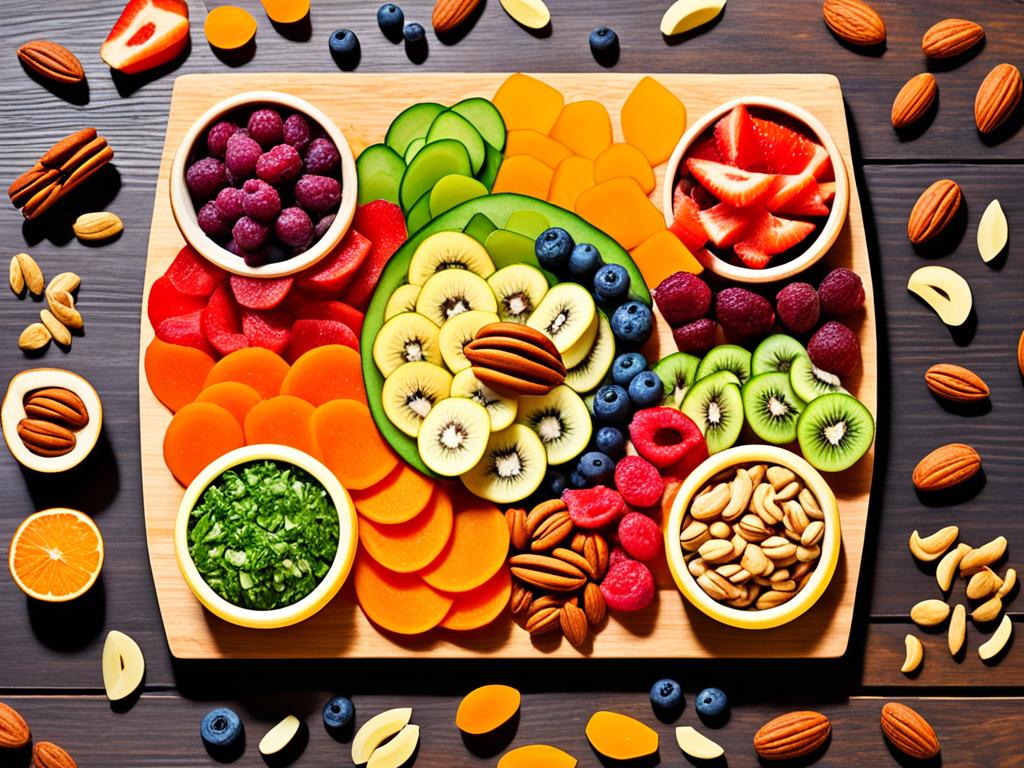
Let’s face it, you’ve been hunting high and low for a way to elevate your snacking game while staying true to your healthy eating goals. Look no further, as the savory revolution is right in your kitchen with the age-old method of food preservation – dehydration. Whether you’re adorning your pantry with your garden’s bounty or revolutionizing meal prep with an extra crunch, the art of drying out your favorite munchies is creating waves in the snack ocean.
Why settle for store-bought when you can wave a wand of freshness over your very own dehydrated snacks? With a trusty dehydrator by your side, those vibrant fruits and veggies can transform into a veritable grab-and-go feast. Fiber-packed, nutrient-rich, and dressed in nothing but their natural flavors, your snacks are about to become the talk of tastebud town.
Don’t let the simplicity deceive you—dehydrating isn’t just a bland ballet of banishing moisture. It’s a culinary concerto, a mastery of patience and flavor. So gear up to give those potato chips a run for their money because your dehydrator is the unsung hero set to take your snacking to delectable new heights.
The Basics of Dehydrating Food: A Wholesome Approach to Snacking
Isn’t it time you turned the art of snacking on its head? Dehydrating food allows you to retain the bold flavors and essential nutrients of your favorite fruits and veggies, optimizing your pantry with homemade snacks that are both tasty and beneficial for your health. It’s about embracing the preservation of purity, while dialing up the taste factor!
Understanding the Dehydration Process
Imagine this: you can actually bottle sunshine in a slice of apple, lock the summer breeze into a strip of mango, or capture the essence of a garden in a handful of cherry tomatoes. Dehydrating food is just that – it’s a process of slowly removing moisture to concentrate and preserve natural flavors, inviting a burst of taste with every bite. Whether you’re aiming for chewy or crisp, the dehydration journey ensures your snacks are as nutritional as they are flavorful.
Choosing the Right Equipment for Dehydrating Food
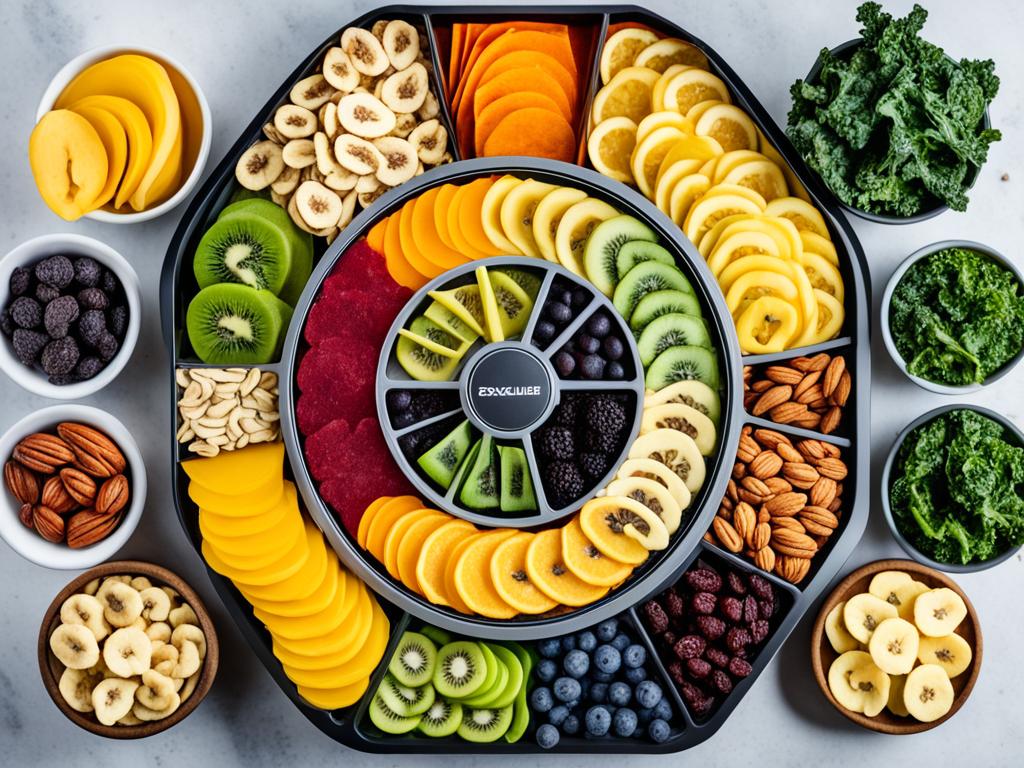
Guess what? You wouldn’t need a magic wand to whip up nutritional snacks. You would need an equally magical device though, and nothing quite fits the bill like the Excalibur dehydrator. Revered for its consistent airflow and precise temperature controls, this essential kitchen wizard transforms your fresh produce into crave-worthy delights, proving to be a reliable partner in your snacking adventures.
Benefits of Dehydrated Snacks over Processed Options
Let’s hash it out – why should food dehydrators be part of your culinary arsenal? Consider this: with dehydrated snacks, you sidestep the unnecessary additives and preservatives found in many commercial products. You’re left with the pure, concentrated goodness of real food – simple, straightforward, and supremely satisfying. Consider it a ‘win’ in the snack game, with a hefty score for wellness.
So whether it’s the savory tang of sun-dried tomatoes or the sweet kiss of dried kiwi slices, gear up and transform those nutritious bites into a treasure trove of health and flavor with the pioneering prowess of the Excalibur dehydrator. Don’t just munch on your snacks, make a statement with every crispy, chewy, and deliciously dehydrated piece!
Getting Started with Dehydrating: Picking Your Produce
Hey you, DIY foodie, it’s time to get choosy with your chow. Trust me, not all fruits and veggies are created equal when it comes to dehydrating. The key to sensational snacks is starting with peak-season produce that’s bursting with flavor. Forget about turning those almost-spoiled groceries into dehydrated delicacies. When you dry ’em, you’re basically shouting out the flavors with a megaphone – so make sure they’re good!
Here’s a hot tip: navigating the sea of fresh fruit and vegetables is smoother with a treasure map – and that’s where our produce expertise comes in. Clear off your countertops because we’re diving into the world of food drying tips that’ll transform your pantry into a snacking wonderland. Check out this guide to picking the prime picks of the patch:
- **Spring into Action**: Spring delivers berries and asparagus that can shimmy their way into your dehydrator and come out like crunchy little bites of paradise.
- **Summertime Selections**: Tomatoes, peaches, and peppers soar in the summer. Imagine the sun-kissed flavors concentrated into a munch that crunches!
- **Autumn Accolades**: Fall is serious business with its apples and root veggies. Picture your future self, basking in the glow of cinnamon apple chips.
- **Winter Winners**: Citrus and pears steal the show when the snow falls, giving you a tart pop and a sweet stop amidst the winter wonderland.
And to make this journey even less perplexing, feast your eyes on this nifty table listing peak-season favorites and their optimal drying times – leaving no room for guesswork.
| Produce | Peak Season | Optimal Drying Time |
|---|---|---|
| Strawberries | Spring | 8-12 hours |
| Cherries | Summer | 18-26 hours |
| Apples | Fall | 7-15 hours |
| Oranges | Winter | 12-18 hours |
Remember, your devices may vary in dry-time dexterity, so it’s always a smart step to sneak a peek at your manufacturer’s manual for the best advice.
Now that you’re all set with the prime produce picks and the lowdown on locking in those lush flavors, you’re well on your way to being the master munch-maker of your abode. Go ahead, take the plunge and play with your food – it’s going to be dehydratively delightful!
The Art of Properly Prepping Fruits and Veggies
Ever wondered why your homemade dehydrated snacks never quite look like those glossy pictures in healthy eating magazines? The secret, my friend, is all in the prep work. Before you even consider turning on that dehydrator, let’s get you chopping and slicing like a pro. Dive into the nitty-gritty of food preparation and finesse your healthy snack preparation game with these slicing techniques.
Washing and Cleaning Best Practices
You wouldn’t wear dirty socks to a job interview, and you certainly shouldn’t subject your fruits and veggies to any less respect. Start by giving them a thorough wash—hydration ironically begins with a good clean. Whether it’s a gentle massage under cold water for those berries or a sturdy scrub for your root veggies, get every speck of dirt off so they’re ready for their dehydrator debut.
To Peel or Not to Peel: Making the Choice
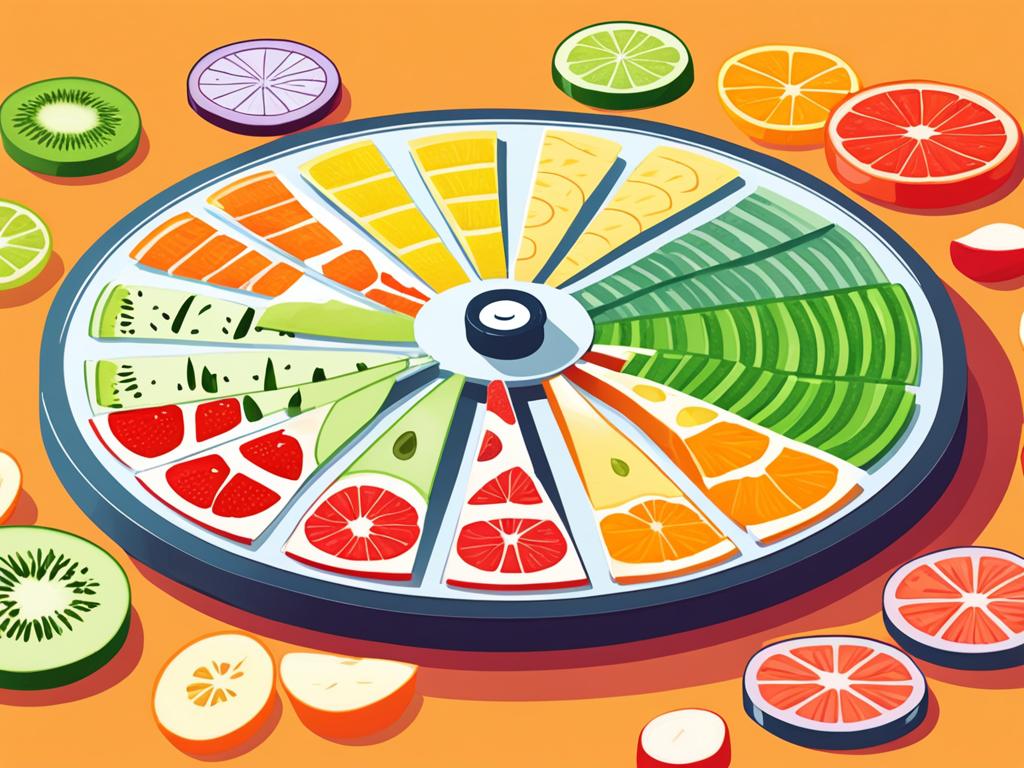
Peels or no peels, that is the question! There’s a camp that treasures peels for their nutrients and texture, and another that discards them to avoid any tough, chewy aftermath. Apple skins, for example, can turn into delightful little chewy ribbons after dehydration. Carrot peels, not so much. Read the room (and by room, I mean the type of produce) and follow your heart.
Even Slicing Techniques for Optimal Drying
Uniformity is your friend when it comes to slicing for dehydration. Aim for those 1/8 to 1/4 inch slices to ensure even drying and, ultimately, the perfect crunch. Your kitchen knife is about to become your trusty sidekick. Sharpen that blade and get ready to slice your way to the perfect healthy snack preparation. Remember, practice makes perfect!
Dehydrating Food: Maximizing Flavor and Nutrition
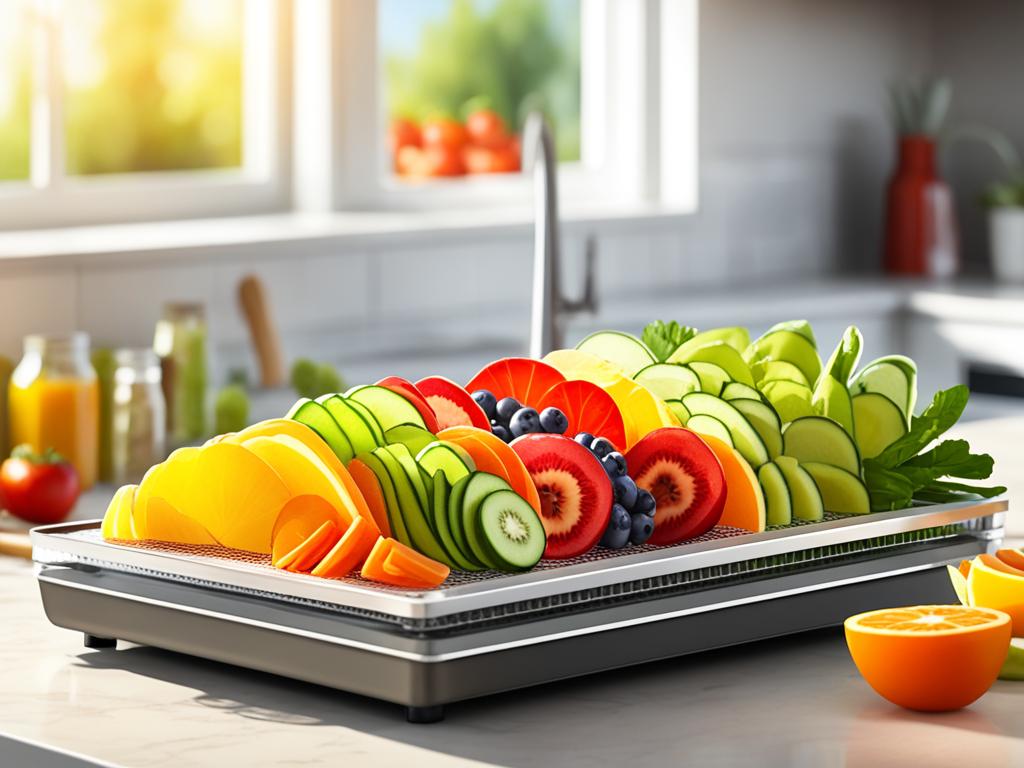
When it comes to keeping your snacks both delicious and nourishing, drying fruits and vegetables is a page right out of the smart snacker’s playbook. Why? Because it’s like hitting a nutritional jackpot with a flavor bonus. Let me spell it out for you – nutrition retention is the name of the game, and dried produce are the MVPs.
Imagine biting into a dried slice of apple. It’s sweeter, right? That’s what dehydration does; it concentrates flavors, magnifying the natural sweetness of fruits and veering them into the territory of flavorful snacks. And let’s not forget that by removing water content, nutrients become more concentrated too. So, you’re not just snacking; you’re fueling your body efficiently.
- Natural sweetness is enhanced.
- Nutrients are more dense per bite.
- Shelf-life is extended – prolong your produce love affair!
- Convenience is unmatched – Nutritious on-the-go for your fast-paced life.
But hey, you might wonder – does drying out all the water mean bidding adieu to vitamins and minerals? Not quite! Most of the good stuff in produce stays right where you want it – in your snack, ready for nutrition retention. Aren’t convinced? Well, you’ll be pleased to know that vitamin A in carrots and lycopene in tomatoes hang tight even after dehydration. It’s like they know they’re better together – like you and your healthy snack cravings.
Dehydrated treats: all the health of fresh produce without the rush to beat the spoilage clock.
Dry your favorite fruits and veggies, and stash them for that 3 p.m. hunger pang or the post-workout refuel. Trust me, your taste buds and your body will thank you for the tasty, nutrient-packed morsels. So, go ahead, turn up that dehydrator and transform those peak-season picks into flavorful snacks that tick all the right boxes.
Preserving Color and Taste: Tips for Blanching and Dipping
Let’s face it, nobody wants their once vibrant fruits and vegetables turning into a dull, unappetizing mess. But fear not, as we delve into the art of keeping your produce looking as good as it tastes. It’s not just about making food Instagram-worthy, it’s science, baby!
The Role of Citrus Soaks in Fruit Preparation
After slicing your apples and bananas, you’re just one quick dunk away from preventing that unseemly brown tinge. A citrus soak, often a concoction of lemon juice and water, can be the hero in your quest for fruit browning prevention. Not only is this step essential for maintaining the aesthetics, but it also adds a subtle zesty zing that can enhance the flavor profile of your fruit.
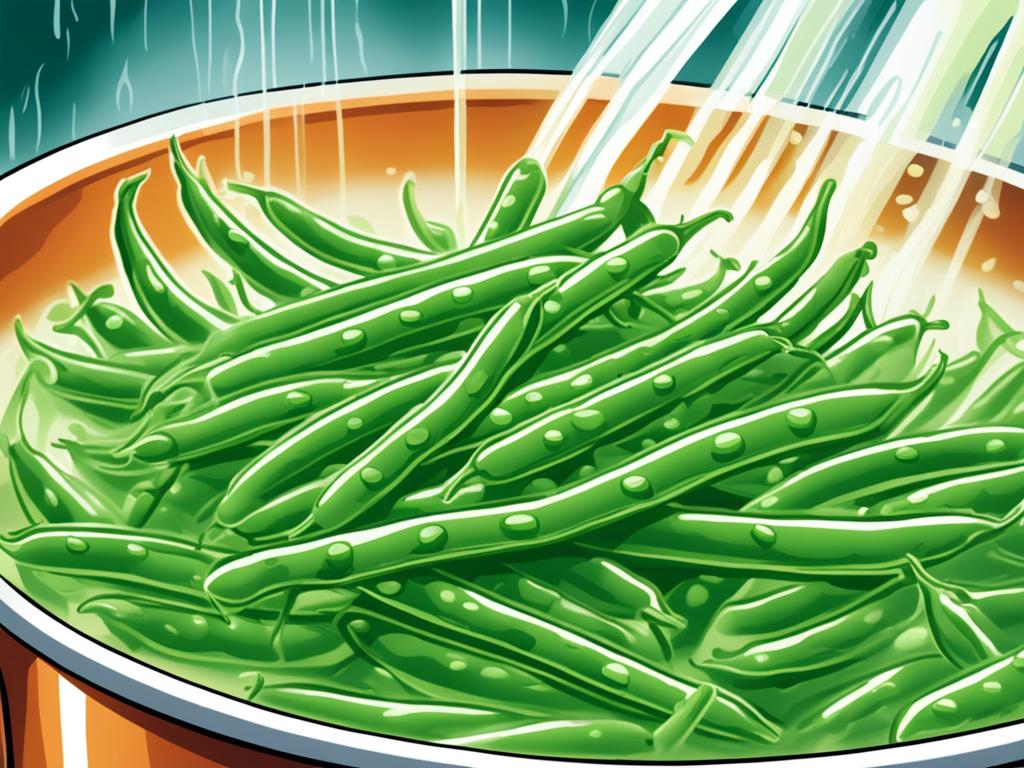
Blanching Vegetables: A Step Worth Considering
When it comes to blanching vegetables, this pre-dehydration step is crucial for those starchy specimens in your garden harvest. Plunging your veggies into a hot bath and then shocking them in cold water may seem like an overindulgent spa treatment, but it’s all in aid of color retention. This process, my dehydrating devotees, halts the dreaded enzymatic browning and keeps that vibrancy on lock.
| Fruit/Vegetable | Citrus Soak | Blanching |
|---|---|---|
| Apples | Yes, please! | No need |
| Bananas | Absolutely | Just peel and dip |
| Carrots | Not necessary | Give ’em a quick blanch |
| Potatoes | No soaking | Essential blanch |
| Peppers | Skip it | No blanching, just slice |
Remember, your kitchen is your laboratory, and with these methods, you’re about to become the mad scientist of flavor preservation. So grab those tongs, start that timer, and get ready to prevent the browning of your scrumptious snacks. Happy dehydrating!
Temperature and Timing: Achieving the Perfect Dryness
When you’re diving into the world of dehydrating food, understanding drying times and dehydrator temperature settings is akin to mastering a culinary art form. Achieving dehydration consistency is not merely about setting it and forgetting it; it’s about appreciating the symphony of factors that contribute to the perfect dried treat.
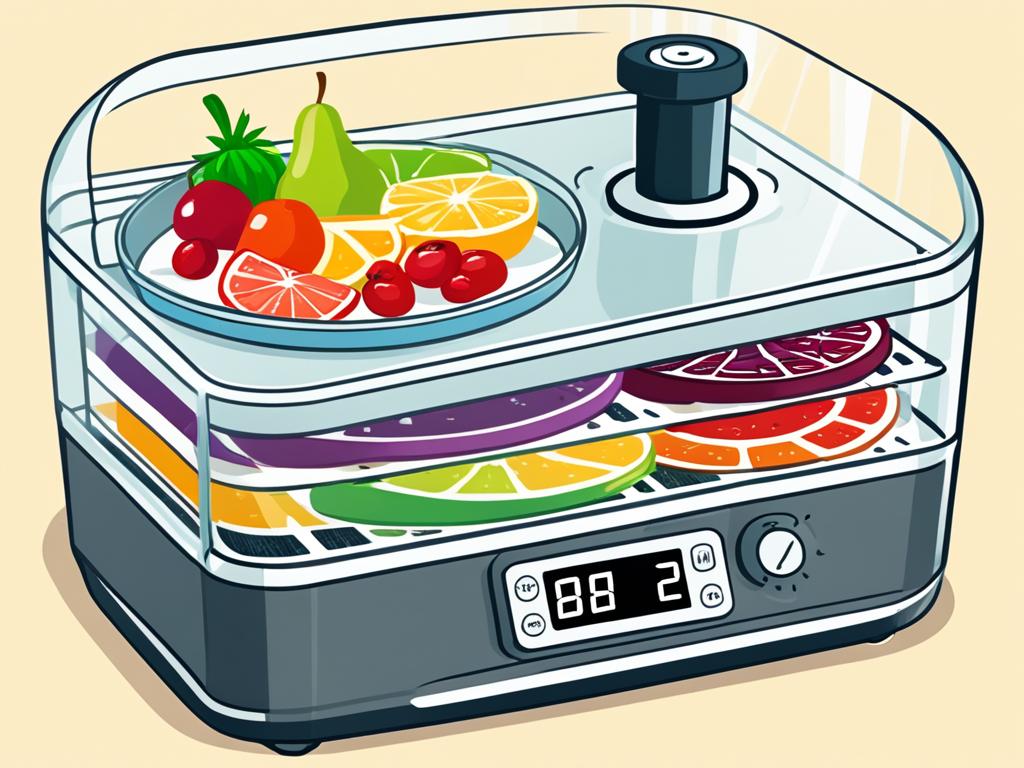
Let’s not dance around the subject: different foods require different care. Whether you’re preparing chewy apricots or crisp apple chips, every item has its unique requirements that hinge on moisture content, thickness, and even the humidity dancing through your kitchen. Fret not, for you can become the maestro of moisture removal with a little guidance and a trustworthy dehydrator.
Here’s a table to guide you on your dehydration journey:
| Food Item | Temperature Setting (°F) | Approximate Drying Time (Hours) | Notes |
|---|---|---|---|
| Apples | 135 | 6-10 | Core and slice for best results |
| Bananas | 135 | 6-12 | Slice uniformly to ensure even drying |
| Beef (Jerky) | 160 | 4-15 | Thickness will greatly affect drying time |
| Herbs | 95 | 4-8 | Less moisture shortens drying times |
| Tomatoes | 135 | 6-12 | Data varies based on size and moisture |
Remember, the aforementioned figures are more like guidelines than immutable laws. Keep a vigilant eye on your culinary creations, especially if your kitchen becomes as humid as a jungle or as dry as a desert. Make minor adjustments as needed to ensure that your snacks are dried to perfection.
One last pro tip: always consult your dehydrator’s manual. Brands like Excalibur and Nesco have spent a considerable amount of time calibrating their products for peak performance. Their wisdom can significantly elevate your drying game.
Drying in a Dehydrator vs. Your Conventional Oven
When it comes to preserving your scrumptious summer fruits and alluring autumn veggies, the dilemma often boils down to one question: to use an Excalibur dehydrator or not? That is, of course, if you’re willing to put your conventional oven to the test. Both are powerful contenders in the world of electric dehydrators and the age-old oven drying method. Let’s dive into the nitty-gritty of each to help your healthy snacking game stay strong year-round.
The Ease of Using a Dehydrator for Healthy Snacking
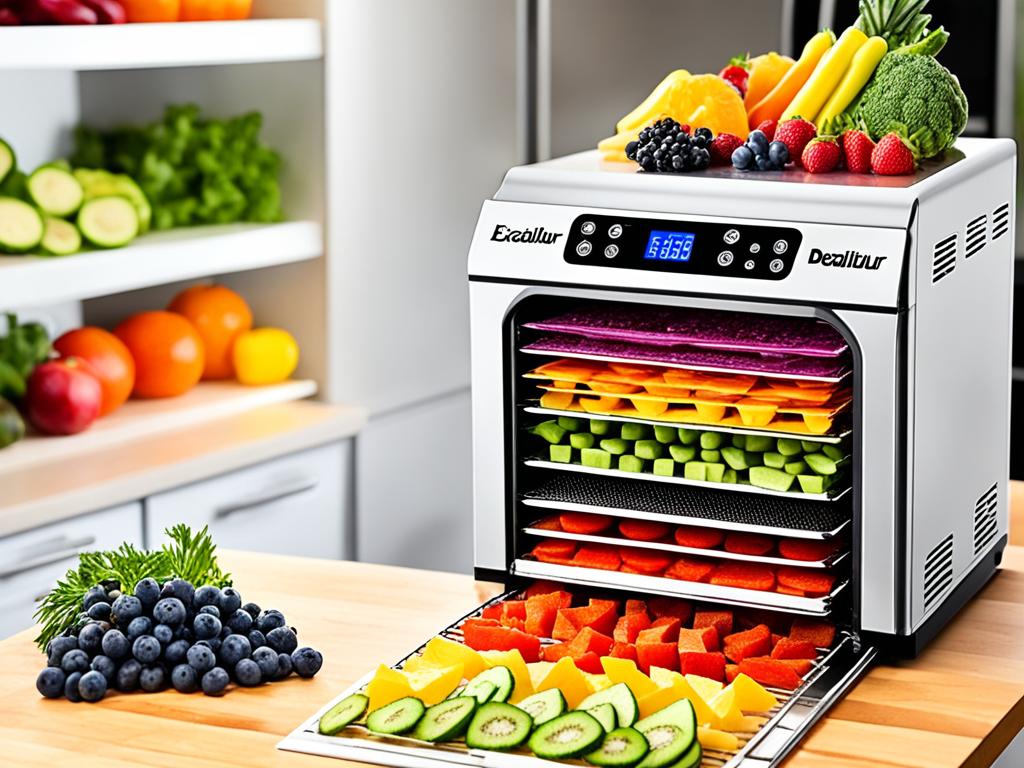
Imagine yourself mastering the art of food drying without a sweat. The Excalibur dehydrator is the unsung hero of this dream. Optimized air-flow, consistent temperatures, and the sheer convenience of setting it up and walking away – it’s like having a drying butler at your fingertips. Whether you’re creating chewy banana chips or zesty jerky, electric dehydrators ensure each piece is evenly dried, retaining optimum taste and nutritional value.
Oven Drying: A Viable Alternative to Dehydrators
But perhaps you’re not ready to bring another gadget into your kitchen sanctuary. Fear not, your trusty oven is here to serve! Granted, it might not boast the specificity of an Excalibur, but with a meticulous eye and nonstick mats at the ready, you can achieve impressive results. Remember though, patience and vigilance are key – your oven will demand both as you coax moisture from your favorite fruit slices and veggie dices. And keep an eye on that energy bill – ovens can be voracious in their appetite for power when on a drying spree.
Storing Dehydrated Delights: Keeping Your Snacks Fresh
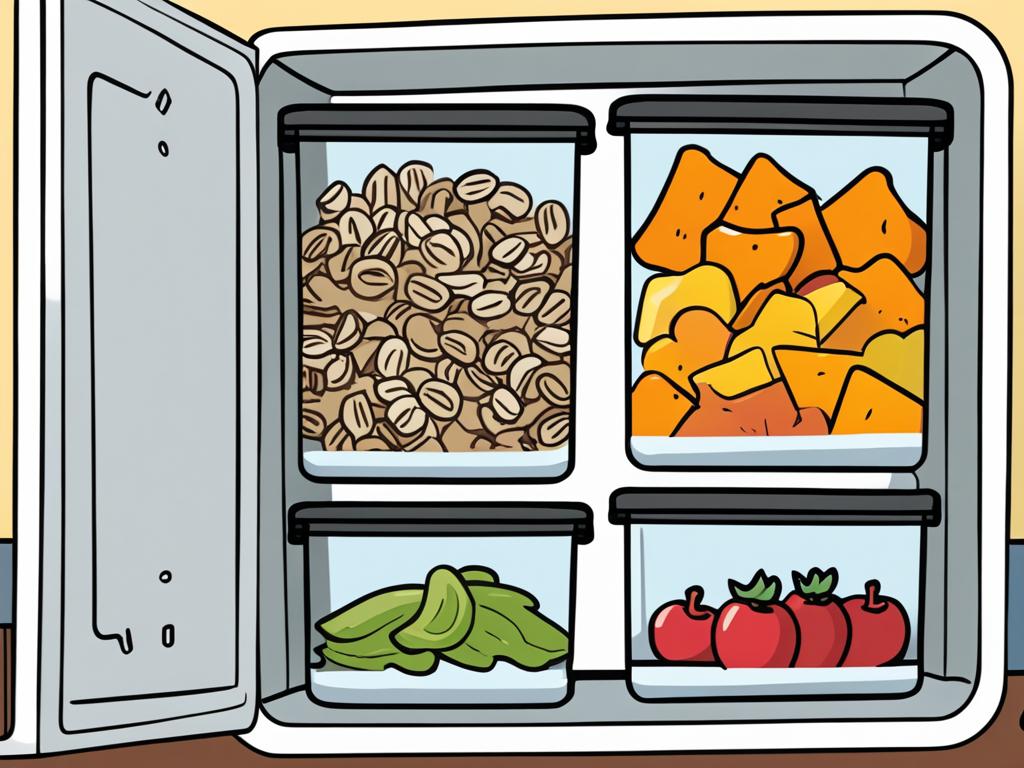
So you’ve just finished dehydrating a bounty of scrumptious snacks, huh? Don’t let your efforts turn to mush—storing them correctly is key to keeping them toothsome and tasty. And here’s a little secret just for you: the trick lies within the container. Yes, those humble airtight containers are superheroes in the world of food storage, vastly extending the shelf life of dehydrated foods. Now, let’s dive into the details of maintaining that crispy crunch.
Ideal Containers for Prolonging Shelf-Life
You know it, I know it—we’re both thinking it: airtight containers are non-negotiable. Glass jars with tight-fitting lids, high-quality plastic containers with sealable tops, or even vacuum-sealed bags will do the trick. Whatever floats your boat, as long as it’s sealing that deal tighter than a drum.
| Container Type | Pros | Cons |
|---|---|---|
| Glass Jars | Nonporous, doesn’t absorb food odors or colors | Heavy, breakable if you’re a bit clumsy |
| Plastic Containers | Lightweight, generally sturdy | Can stain or retain odors over time |
| Vacuum-sealed Bags | Excellent space saver, near perfect air removal | Single-use, requires a vacuum sealer |
Spotting and Addressing Moisture: Ensuring Dryness
What’s sneakier than a cat in a yarn store? Moisture in your containers! Keep an eagle eye for any condensation or clumping that might indicate your snacks are throwing a ‘getting rehydrated’ party. If so, back to the dehydrator they go for another round of drying. Consider silica gel packets as a nifty preventative measure—just keep them away from your actual munchies.
- Regularly check your containers for moisture
- Re-dry promptly if any dampness is detected
- Store in a cool, dark place to avoid heat-induced moisture
Remember, keeping your homemade snacks fresh is just as important as making them. Follow these nifty tips, and you’ll be munching on those dehydrated delights for weeks, if not months—unless you eat them all first, of course.
Healthy Homemade Snack Ideas: From Fruits to Vegetables
Imagine trading your usual processed snacks for a world where homemade dehydrated snacks reign supreme – a place where banana coins jingle in your snack jar, and dried apple rings are the go-to treat for when sweet cravings strike. This isn’t just a whimsical daydream; it’s a nutritious reality within your grasp. Let’s take your taste buds on a journey through a garden of fruits and vegetables, all transformed through the magic of dehydration into tantalizing snacks you can’t resist.
Your midday slump just found a new companion: sweet, plump strawberry pieces, and tangy mango strips so full of flavor they’ll transport you to a tropical paradise with just one bite. Picture your pantry stocked with these vibrant creations—leathery pineapple rings and sun-dried tomato toppings perfect for adding a punch to salads or enjoying solo. Thanks to your trusty dehydrator, these nutritious snack recipes are refreshingly simple to whip up, and undeniably rewarding to munch on.
But why stop there? Transform your veggie intake with crispy sweet potato chips, addictive zucchini crisps, and bell pepper flakes that pack a color burst fit for any seasoning arsenal. And let’s not forget the crunchy sugar snap peas—just one handful and you’ll comprehend why these snacks are lauded for their nutrition and flavor. Say goodbye to the guilt and hello to joyous snacking, because with these delectable dehydrated wonders, you’re not only satisfying hunger, you’re nourishing your body with every bite.
FAQ
What is food dehydration and why is it beneficial for healthy snacking?
Food dehydration is the process of removing moisture from food to preserve it and concentrate the flavors, creating a wholesome snack option that retains most of the nutritional value and often delivers a sweeter taste compared to their fresh counterparts.
How do I choose the right dehydrator for making my own snacks at home?
Look for high-quality dehydrators, like the Excalibur 9-Tray Dehydrator, that have optimal temperature settings for various foods and consistent hot air circulation to enhance the drying process efficiently and effectively.
Are dehydrated snacks healthier than processed store-bought options?
Absolutely! Homemade dehydrated snacks eliminate additives and preservatives found in many processed snacks, and they preserve the pure, nutritious value of the fresh produce you start with.
How do I select produce for dehydrating?
Aim for peak-season produce that’s ripe and bursting with flavor. Remember, dehydration intensifies flavor, so the better your produce tastes fresh, the more delicious it will be dried.
What are the best practices for prepping my fruits and vegetables before dehydrating them?
Start by thoroughly rinsing or scrubbing your produce to clean it. Peeling is up to your preference, but keep in mind that some skins may toughen during dehydration. Slice consistently to ensure uniform drying, aiming for around 1/8 to 1/4 inch thickness.
Does dehydrating food reduce its nutritional value?
No need to fret! Dehydrating food actually retains most of the nutritional content while also concentrating flavors to create more flavorful snacks.
How do I preserve the color and taste of the produce when dehydrating?
Prevent browning and preserve taste by dipping fruits in a lemon juice and water mixture before drying, and consider blanching vegetables to maintain their color and flavor during the dehydration process.
What are the right temperature and timing settings for dehydrating foods?
It varies based on the type of food, its ripeness, and water content. Follow your dehydrator’s instructions and consider environmental factors like humidity for the most accurate drying times and temperature settings.
Can I use my oven if I don’t have a dehydrator?
Sure thing! Oven drying is definitely a viable alternative. Just remember to control the temperature, use nonstick mats, and promote good airflow for even drying. Keep a watchful eye to avoid over-drying or burning.
What’s the best way to store dehydrated snacks?
To keep your snacks crispy and fresh, store them in airtight containers, away from light and heat. Check periodically for moisture and re-dry if necessary to maintain that just-dehydrated quality.
Can you share some tasty homemade dehydrated snack ideas?
Oh, can I ever! Think banana coins, apple rings, strawberry pieces, mango strips, pineapple rings, sun-dried tomatoes, sweet potato chips, zucchini crisps, bell pepper flakes, and sugar snap peas. Get creative, mix and match, and enjoy the bounty of your dehydrator!