
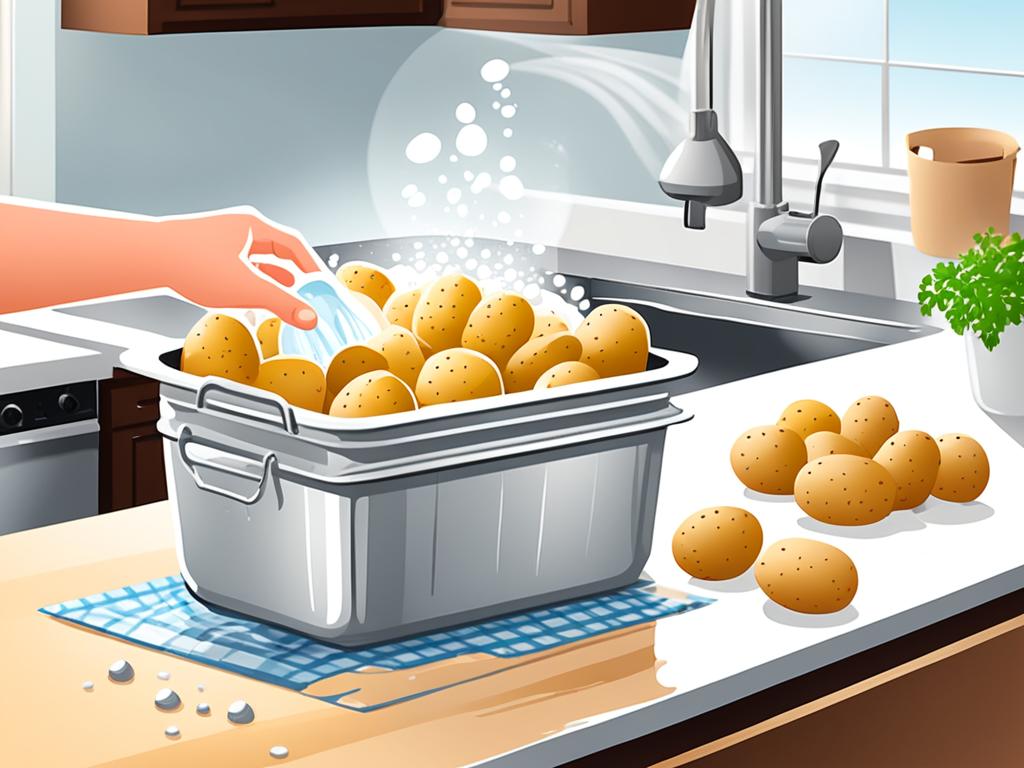
Ah, the humble potato – a tuber worth its weight in gold… if you know the secret of preserving its earthy goodness. That’s right, we’re talking home-canning. Why let your hard-earned spuds go to waste when you could be preserving potatoes for those times your pantry screams for a hero? Whether you’re a prepping enthusiast or simply love having your shelves stocked, this canning guide is your ticket to a well-fed bliss. And who wouldn’t want to peel open a jar of home-canned potatoes to find summertime flavors during the dim winter days?
Stocking your pantry has never looked more savvy. With our fail-proof advice, transform your kitchen into a canning wonderland where jars of perfectly preserved potatoes line up like soldiers ready to march into your meal plans. So grab that apron, fire up the stove, and get ready for a thrill in the chill (room), because we’re about to lift the lid on the secrets of pantry stocking the right way.
The Spud-tacular Benefits of Canning Your Own Potatoes
Have you ever dreamed of a pantry filled with jars of home-grown potatoes, ready for your culinary adventures? Well, roll up your sleeves because canning your own potatoes is like opening a treasure chest of convenience food that lasts. Who knew that long-term storage could be this simple and gratifying? By canning your potatoes, you’re essentially creating your own root cellar alternative, allowing you to indulge in the rich, earthy flavors of your harvest all year round.
Now, let’s talk potatoes. Small potatoes, to be precise. Often, we overlook these tiny tubers, but in the canning world, they turn into little golden nuggets of joy. The beauty of canning lies in its capacity to preserve even the smallest of potatoes which may not have found a place in your long-term storage plans. It’s a zero-waste solution, ensuring every spud serves its purpose.
Imagine the sheer delight of bypassing the peeling and boiling on a hectic day. With jars filled with pre-cooked potatoes, you can conjure up a feast in moments. Just pop open a jar, and voilà – your dish instantly transforms into a homemade delight. So, when time is of the essence, and your stomach’s growling louder than a thunderclap, you’ll thank your past self for thinking ahead.
Take a look at this handy comparison table to see just how your home-canned potatoes stack up against store-bought options:
| Characteristics | Home-Canned Potatoes | Store-Bought Canned Potatoes |
|---|---|---|
| Shelf-Life | Up to 18 months of peak quality | 3-5 years, but with potential quality decline |
| Taste | Rich, homegrown flavor | Often bland, sometimes metallic |
| Preparation Time | Instant addition to meals | Instant, yet may require additional seasoning for flavor |
| Nutritional Value | High, especially when canned at peak freshness | May contain additives and preservatives |
| Environmental Impact | Reduced packaging waste, lower carbon footprint | Higher due to commercial processing and distribution |
Whether it’s a steamy shepherd’s pie, a rich potato salad, or a hearty breakfast skillet, your home-canned potatoes will be the star of the show. And remember, when you can your potatoes, you’re not just preparing food – you’re crafting super-convenient, delicious memories for tomorrow.
“Canning is a slice of culinary magic – an age-old practice turned modern convenience.”
- You save money by using all parts of your harvest.
- You control what goes into your food—no mysterious additives.
- You gain the ultimate quick-fix for meals that never skimp on taste.
Plus, every time you twist open a jar of home-canned spuds, you’re relishing not just a meal but the pride and satisfaction that comes from self-sufficiency. It’s comfort food with a side of feel-good! So, why wait? Get canning and turn today’s harvest into tomorrow’s crave-worthy convenience food.
Selecting the Right Potatoes for Canning Success
Alright, let’s talk tubers. Your canning adventure hinges on choosing the squad with the right skills for the pressure-filled world of jarring. And by ‘squad,’ I mean potatoes. Now, you might be tempted to grab any ol’ potato, but hold your horses—or your russets. Not all spuds are created equal when it comes to surviving the canning crusade. Here’s the scoop on which ones to enlist and why.
Waxy vs. Starchy: Which to Choose?
First up, waxy potatoes are your go-to canning comrades. They’re known for their ability to hold it together when the heat is on—literally. We’re talking reds, fingerlings, and those cute little new potatoes. Their loyalty—er, firmness—makes them perfect for canning. On the opposite end of the spectrum, starchy potatoes, like the high-maintenance russets, are more likely to fall apart during processing, turning your canned masterpiece into potato soup. So keep it waxy to ensure they stay intact.

Understanding Potato Size and Quality for Canning
Now, it’s not just the type; size matters too. You want to pick potatoes that are uniform in size to guarantee even cooking. Those small, new potatoes are ideal—they have lower starch levels and are born ready for canning. But if you’ve got some big guns, go ahead and give them a chop—just aim for consistency. Make sure the potatoes you choose are firm, with no signs of greening, sprouting, or blemishes. These quality spuds will ensure your canned potatoes aren’t just good for a year-long shelf life, but are also delicious when it’s time to pop the lid.
Remember, when selecting potato varieties, waxy potatoes are your best bet for canning success, offering a sturdier finish and tastier result. The bottom line: Stick with the waxy warriors and quality picks to champion your canning game.
Preparation Steps Before Canning Potatoes
Ready to transform your spud pile into pantry gold? Excellent! But first, let’s get down to the nitty-gritty of potato prep. Think of it as a culinary boot camp for your tubers, where peeling, cutting, and blanching are the drills that shape them up for the canning marathon. Don’t sweat it; we’ve compiled the essential steps that’ll take your potato peeling and potato blanching from tedious to top-notch.

- Potato Selection: Handpick your squattiest spuds; uniformity is key here.
- Washing Up: Give those potatoes a good scrub; no one likes a dirty tater.
- Peeling Practice: Whip out that peeler—steady hand, swift motions, peel with purpose.
- Chop Chop: Size them up! Aim for even chunks to ensure a democratic cook-off.
- Blanching Battalion: Prep your pot, boil it hot, plunge those potatoes, and start the clock!
- Ice Water Dip: Post-blanch, it’s the chilly dunk. Stops the cook and keeps them spunky.
Now, a word to the wise on canning prep: sanitation is your secret weapon. Spores can’t stand it, and your taters will thank you. Make sure your jars are clean as a whistle and your pressure canner is ready for duty. It’s the fortress that shields your spuds from the microbial hordes.
| Potato Prep Stage | Tools Needed | Time Investment | Pro Tip |
|---|---|---|---|
| Washing | Brush and running water | 5-10 mins | Don’t be shy; scrub those eyes! |
| Peeling | Sharp peeler or knife | 10-15 mins | Peel away from your hand, safety’s grand! |
| Chopping | Knife and cutting board | 5-10 mins | Equal sizes, equal surprises. Consistency is key! |
| Blanching | Large pot and water | 5 mins prep, 2-3 mins cooking | Start with cold water, then bring to a boil to blanch. |
Grasp these potato prepping principles, and you, my friend, are well on your way to the canning hall of fame. Prepping might seem pedestrian, but it’s preparation that paves the path to those pristine jars of home-canned, ready-to-consume, potato perfection.
How to Can Potatoes
As you embark on the canning preparation journey, let’s peel back the truth about potato preparation. The home canning process starts with a simple yet vital technique: peeling. Without a doubt, reaching for that peeler is more than a mere gesture towards aesthetics; it’s a safety measure against potential bacteria lurking in the soil on your spuds.
Peeling: A Necessary Step?
Yes, you heard that right, peeling is not just recommended; it’s practically a necessity. You’re not just stripping away the earthy jacket of your taters; you’re also ensuring a pristine, blemish-free canvas for your canning artistry. Peeling leads to cleaner, safer results, preventing unwanted guests like botulism from crashing your pantry party.
Blanching Potatoes: Why It’s Crucial
Once peeled, don’t let your potatoes laze around. It’s time to blanch! Submerging those peeled chunks in boiling water might seem like a hot tub party for your potatoes, but this blanching technique is the secret ingredient to stellar canning results. Those two minutes of boiling are like a spa retreat for your spuds, ensuring they shed excess starch and come out looking and tasting fabulous even after months in a jar. Just in case you’re tempted to skip this step, remember: blanching is the bouncer ensuring your potatoes’ texture stays firm, not flimsy, during their shelf-life soiree.
- Scrub and peel your potatoes with gusto.
- Slice them into even pieces, so they’re not battling for space in the jars.
- Blanch in boiling water for a couple of minutes – not too long, you’re not making mashed potatoes!
- Drain with care and let them cool. Patience is a virtue, my canning friend.
- Pack them into jars, and fill with hot water, leaving some breathing room at the top.
- Add a pinch of salt if you’re feeling fancy (not essential, but recommended).
- Seal those jars like you’re sealing a promise – a promise of delicious, home-canned potatoes.
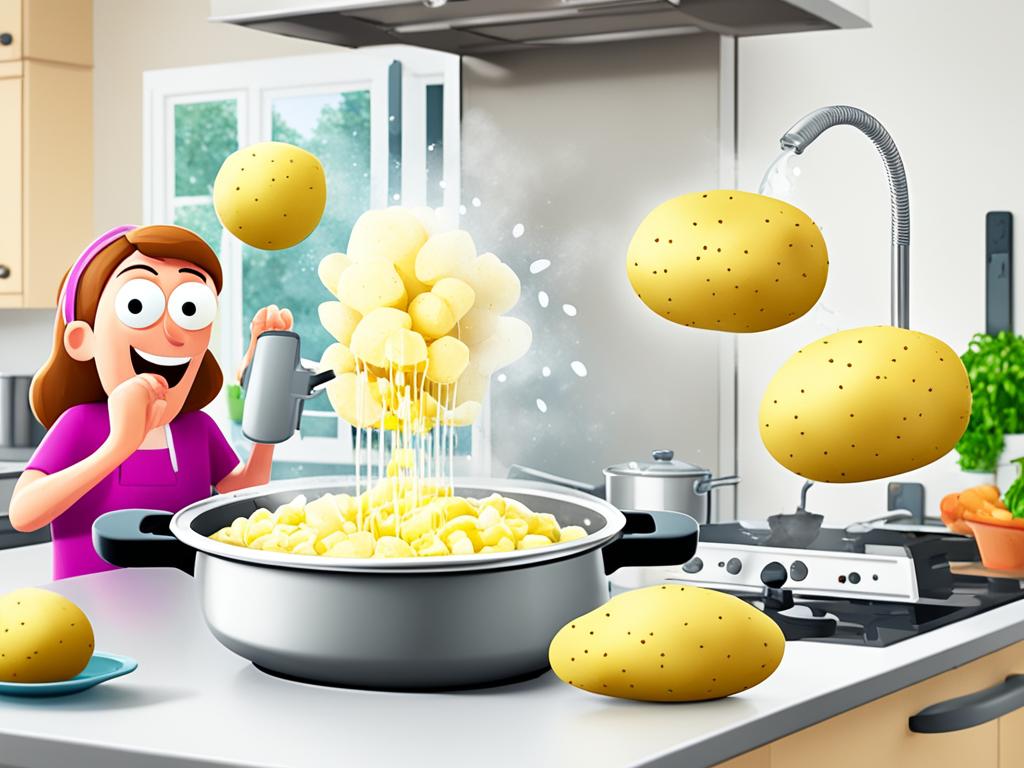
By following these steps, you’re ensuring that your canning game is as strong as a well-sealed jar. Not only will your pantry be stocked with top-notch potatoes, but you’ll secure your spot as the canning champion, ready to turn a simple tuber into a treasure trove of taste. So, wield that canning funnel like a sword and march forth into battle against the bland and the botulinum. Happy canning!
Seasoning Your Potatoes: Tips and Tricks
So, you’ve got your potatoes snug in their jars, ready for the canning parade. But wait! Before you seal them up, let’s talk about a little something called canning seasoning. Trust me, a dash of canning salt may just be the unsung hero of home-canned flavor. Picture it: You pop open a jar of your own preserved potatoes, and instead of blandness, you’re met with perfectly seasoned, palate-pleasing goodness.
Now, while canning salt is not a preservative must, it’s a taste enhancer like no other. We’re not just talking about your grandmother’s table salt here. Nope, canning salt is cut from a different cloth—it’s fine, pure, and doesn’t have those pesky additives that could turn your jarred treasure cloudy.
And how much of this wonder seasoning should you sprinkle into your potion? Here’s a little table that breaks it down for you:
| Container Size | Amount of Canning Salt | Potential Flavor Boost |
|---|---|---|
| Quart | 1 teaspoon | Full-bodied |
| Pint | 1/2 teaspoon | Moderate |
If you’re feeling adventurous, though, feel free to tweak those amounts to suit your taste-buds’ quest for adventures in sodium. But remember: It’s all about balance. Too little, and you’ll hardly notice the enhancement—too much, and you might just pickle those spuds.
And here’s a little secret: canning salt not only tickles your taste buds but also helps maintain those taters in tip-top texture through the tumultuous tides of the canning process.
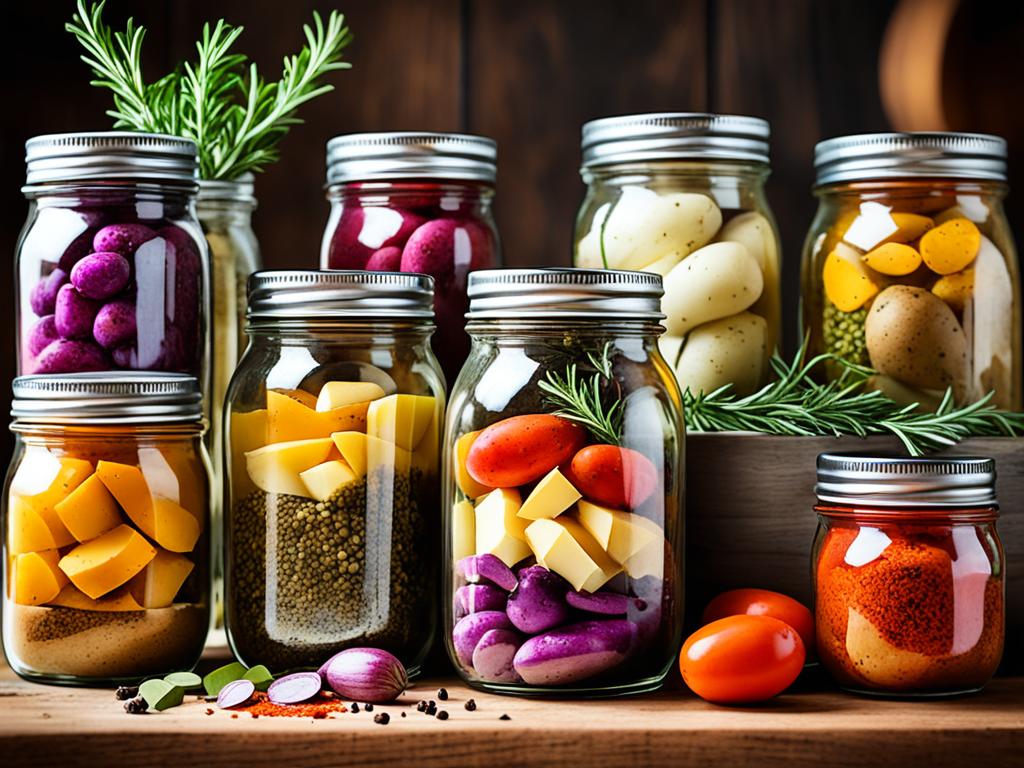
Now that you’re armed with the salt scoop, go forth and season with confidence! Your home-canned potatoes will be the talk of the town—or at least a highlight in your pantry.
Navigating the Canning Equipment
So you’re ready to transform your potato mountain into rows of neatly sealed jars? Let’s gear up! In the world of home preservation, pressure canning stands out as the superhero, swooping in to keep your low-acid foods, like those taters, safe from spoilage. But wait, there’s more to it than just wrestling with a pressure canner. Let’s unpack the toolbox needed for your canning capers.
Pressure Canner vs. Water Bath: What You Need to Know
If you’re aiming to keep botulism – the unwanted guest – away from your pantry party, then a pressure canner is your trusty gatekeeper. Unlike its cousin, the water bath canner, which is great for jams and pickles, pressure canning is the method you need for low-acid foods. Sorry, water bath canning, you just can’t handle the heat when it comes to canning jars full of potatoes.
Essential Tools for Effective and Safe Canning
Aside from the pressure canner, a true canning connoisseur’s kit isn’t complete without these must-haves:
- A pair of jar lifters, because no one likes a hot potato—or jar, for that matter.
- A bubble popper to shoo away those pesky air bubbles. Your jars need to be as bubble-free as a Zen master’s peace of mind.
- A funnel that doesn’t believe in mess and waste, guiding those spuds safely into their glassy abode.
- A large pot for blanching. Think of it as a spa where potatoes take the plunge into bliss before their sauna in the canner.
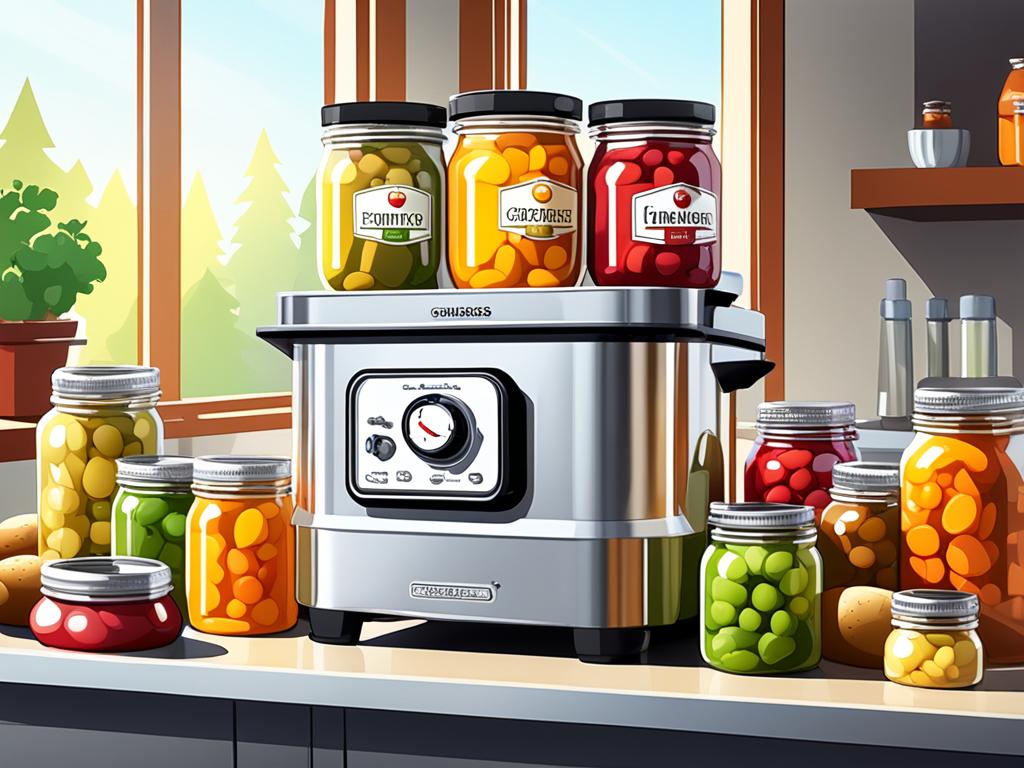
| Equipment | Role | Why You Need It |
|---|---|---|
| Pressure Canner | Main canning device | Reaches the high temperatures necessary for safely canning low-acid foods like potatoes |
| Jar Lifters | Handling tool | For safe removal of hot jars from the canner without burns or spills |
| Bubble Popper | De-bubbling tool | Ensures no air pockets remain that could affect the seal or food quality |
| Canning Funnel | Filling aid | Keeps the process clean by directing food into jars without messes |
| Large Pot | Pre-canning processor | For blanching potatoes, an essential step of the canning process |
Each piece of equipment plays its part in the canning symphony, with your pressure canner as the conductor, ensuring that all the low-acid veggies strike the perfect pitch of preserved perfection. Now, armed with the right canning essentials, it’s time to roll up your sleeves and start canning like a pro!
The Canning Process: A Step-by-Step Guide
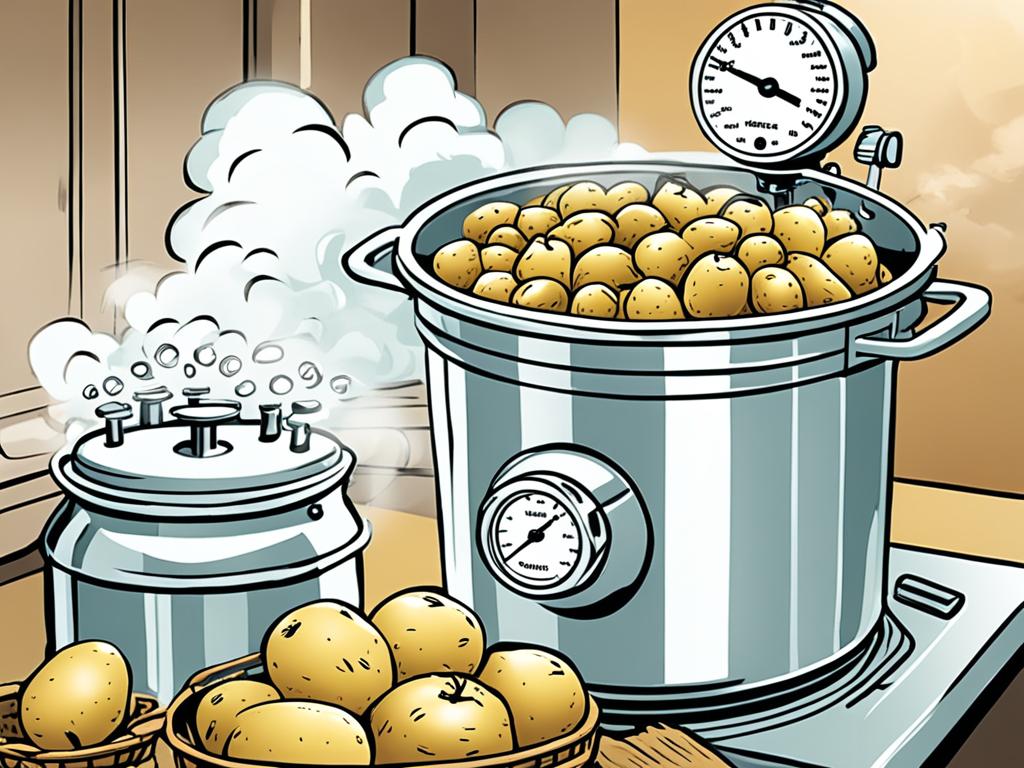
So, you’ve decided to venture into the world of home preservation with potatoes – excellent choice! But hold your horses; before you start, let’s stay grounded to pressure canning guidelines. This is a technique that doesn’t tolerate shortcuts. You need precision and attention to detail when following the canning procedure to preserve the integrity and safety of your home-canned delights. Ready? Let’s lay out the steps for this revered home preservation technique.
- Sterilize your jars because cleanliness is next to godliness or, in canning terms, it’s next to not giving your family food poisoning. Boil those jars and keep them hot until it’s show time.
- Blanch your potatoes. Dunk them in boiling water for a brief tryst, just until they start getting soft. Then cool them swiftly in icy water like a spy evading detection.
- Fill your jars with the prepared potatoes. Lean in close and whisper sweet nothings while you cover them with boiling water, leaving one inch of headspace to ensure proper sealing and pressure during the process.
- Say goodbye to air bubbles. Use a non-metallic utensil to gently release any trapped air – think of it as burping your jars gently into adulthood.
- Apply those lids and bands. The lid should be just tight enough to feel secure, but not like it’s training for an arm-wrestling competition.
- Process in your pressure canner with the diligence of a seasoned maestro, following the manufacturer’s instructions to the letter. Use a timer – don’t rely on your gut feeling. Even if your intuition is impressive, it hasn’t been USDA approved.
Maintain the pressure with the vigilance of a hawk on espresso, adjusting for altitude as needed. When done, let the pressure canner cool down on its own without hastening the process. Don’t even think of peeking inside; patience is your most trusted canning comrade here.
Once completely cool, remove the jars and let them sit undisturbed for about 24 hours because they need their beauty rest. You’ll hear the sweet sound of lids popping – it’s akin to applause for your canning prowess. And there you have it – perfectly canned potatoes, ready to grace your pantry shelves.
Remember, when it comes to home canning, details are your dance partner. Abiding by prescribed pressure canning guidelines ensures not just the safety but also the taste of your carefully preserved harvest. Now, revel in the satisfaction of stocking your own pantry. Congrats, you’re officially a canning maestro!
Pressure Canning Potatoes: Ensuring Your Safety
Did you know that the warmth and humidity inside those canning jars are the equivalent of a day spa for the Clostridium botulinum bacteria? That’s right, but unlike a relaxing day spa, this bacteria could spoil your pantry party. So, before you start pressurizing your potatoes, let’s dive into the nitty-gritty of food safety, and how proper pressure canning protocols are your superhero capes in the battle against botulism.
The Role of Pressure in Killing Bacteria
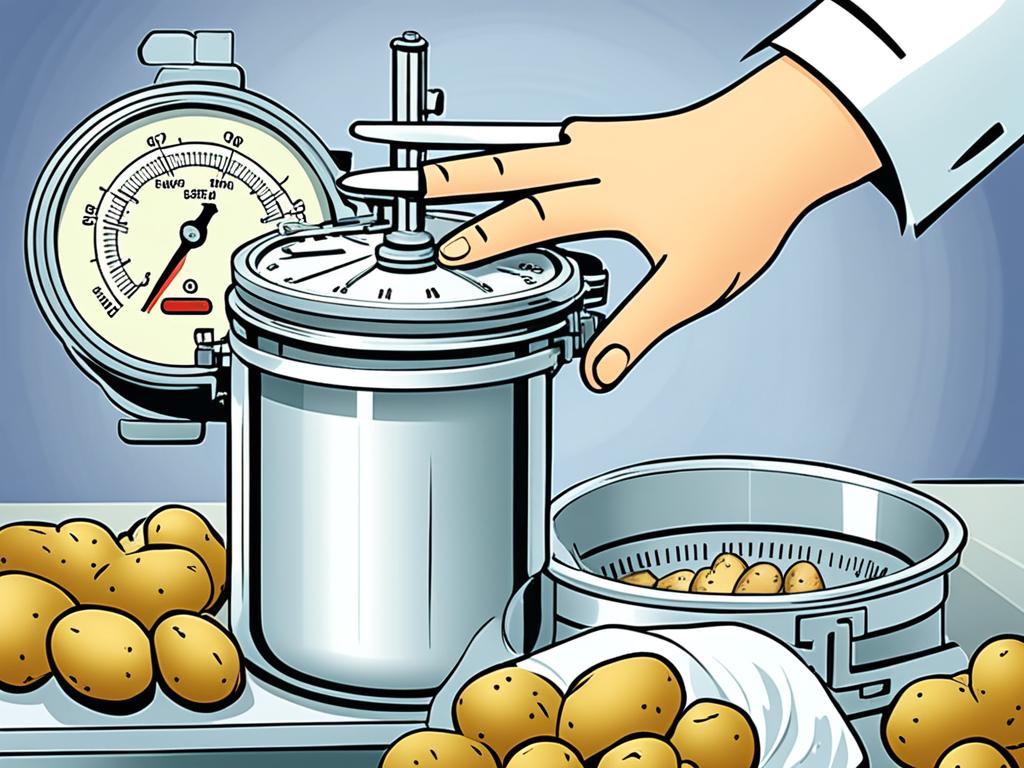
Just when you thought canning was all about putting spuds into jars, science swoops in. Pressure canning is akin to turning up the heat in a bacteria’s worst nightmare—it’s where you ensure everything nasty is made harmless. Here’s the low-down: a tried-and-true pressure canner takes your potatoes up to 240-250 degrees Fahrenheit, which is the sweet spot where botulism bacteria wave the white flag and surrender.
Correct Timing and Pressure Adjustments for Altitude
Now, hold onto your altitude! If you’re canning in high places, the rules of the game change because water boils at lower temperatures up there. That means you’ve got to crank up the pressure to ensure food safety. High altitudes require you to add more pressure to reach the same internal temperatures, like a culinary summit expedition. It’s all about adjusting to the atmospheric pressure, making sure the only thing exploding is flavor.
Remember, fellow canning enthusiasts, skimping on the pressure or timing is like inviting trouble to tea—courteous but foolhardy. To keep your pantry both lush and safe, adhere to the pressure canning protocols like they’re the secret to immortality—they just might be for your potatoes!
Dishing Up Versatility: How to Use Canned Potatoes
Let’s face it, you’ve got a busy life and sometimes cooking from scratch isn’t on the menu. But hey, don’t let that stop you from whipping up a storm in the kitchen. With canned potato recipes, you’re already halfway to a delicious meal. Think about it; you’ve got a secret weapon right in your pantry that’s ready to go! Cooking with canned potatoes can be your time-saving ally for creating those quick meals that taste like you’ve slaved over the stove for hours.
Why not transform that stash of canned spuds into a gourmet experience? Uncork a can and toss them into a hot skillet for crispy home fries, or mash them up for a comforting side dish. Heck, let’s go full-on creative – why not a potato salad that’s ready before you can say ‘picnic’? And let’s not forget the soups and stews; your canned potatoes are like little ready-made treasures that’ll beef up your bowl of goodness.
- Mash it up for a speedy side.
- Sizzle into home fries with attitude.
- Bulk out a stew or soup in just minutes.
- Create a quick potato salad masterpiece.
Yes, your canned potatoes are versatile, time-saving champs. So next time you’re in a rush, don’t dismiss these humble gems. They’re pre-cooked, which means you cut straight to the chase, bringing flavorsome joy to the plate lickety-split. Consider this your cue to open a can and bring instant pizzazz to your next meal.
Storing Your Home-Canned Potatoes
So, you’ve conquered the mountain of canning potatoes, and now you’re staring at jars upon jars of your hard labor. Let’s talk shelf life, folks. You don’t want your potato stash turning into a science experiment because you played fast and loose with storage, do you? Stick with me—I’m about to spill the spuds on keeping your canned treasures safe and delicious.
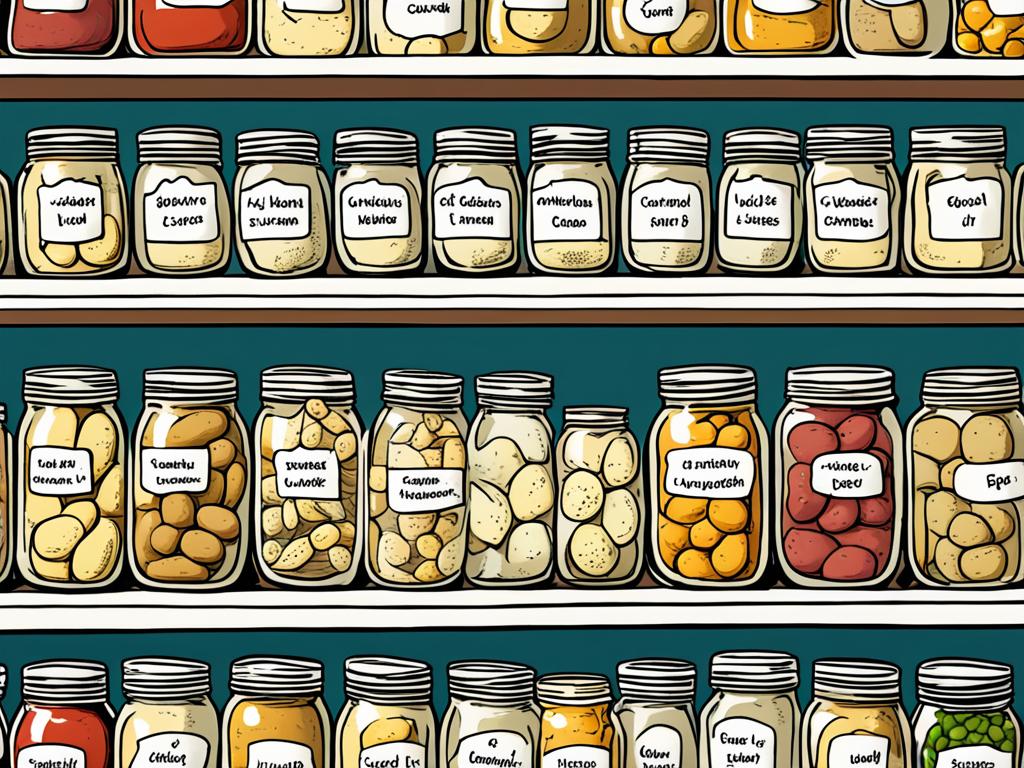
Shelf Life Expectations
Unlike their store-bought cousins that can hang out for a solid 3-5 years, your home-canned potatoes prefer the spotlight shorter. Target the 12 to 18-month mark on your calendar for the best quality. Time might be a thief, but with potatoes, it’s more like a connoisseur—it knows when things are just right.
Optimal Storage Conditions for Longevity
The three cool cats of canning are cool, dark, and consistent. That’s the mantra for elongating your canned potatoes shelf life. Basements, dark pantries, or a cupboard away from the oven are primo spots. Remember the golden rule of pantry organization: if it feels like a vampire’s hideout, it’s perfect for your jars.
| Storage Tip | Do’s | Don’ts |
|---|---|---|
| Temperature | Keep at a cool, steady range of 50-70°F (10-21°C) | Store near heat sources like ovens or in direct sunlight |
| Lighting | Dark is delightful—closets, cabinets, or shades are ideal | Allow daylight to stream in and greet your potatoes daily |
| Humidity | Maintain low humidity to prevent jar corrosion | Store in damp areas where moisture enjoys a good hangout |
| Organization | Label and date your jars; first in, first out is the way to go | Lose track of which spuds are eldest, potentially wasting food |
Lastly, do a jar jive every now and then—check on those seals, look out for any signs of spoilage, and keep those spuds snug and secure. Because when it comes to your home-canned potato stash, it’s not just about organizing—it’s about maximizing flavor and dishing out love one jar at a time.
Troubleshooting Common Canning Pitfalls
So you’ve jumped headfirst into the world of canning and you’ve hit a snafu – cloudy water in your jars, or worse, jars that just won’t seal. Frustrating, right? But before you throw in the towel (or the canner), let’s soldier through some common canning issues and get you back on track!
Dealing With Cloudy Water in Jars
Seeing cloudiness in canned goods can be quite a conundrum. It’s often caused by the natural starches in potatoes leaching into the water. Here’s a little trick: rinse those spuds thoroughly before sending them off to canning camp. A good scrub may be just what they need to clear things up.
What to Do If Jars Don’t Seal Properly
Now let’s crack the code on jar sealing. You place the lids on your jars and wait with bated breath for that satisfying “pop” signalling a good seal. No pop? No problem! Place unsealed jars in the refrigerator and prioritize them in your next culinary adventure. This slight detour doesn’t mean your hard work was for naught. Enjoy your creation, just a tad sooner than anticipated.
| Canning Problem | Possible Cause | Solution |
|---|---|---|
| Jars Not Sealing | Improper headspace or rim cleanliness | Clean rim and check headspace; reprocess or refrigerate |
| Cloudy Water | Excess starch from potatoes | Rinse potatoes thoroughly before canning |
| Floaters | Filling jars with too much water | Leave correct headspace; remove excess water |
| Discoloration | Reaction to minerals in water | Use filtered water for canning |
Remember, embracing these canning experiences is part of the journey. You’re not just bottling up potatoes; you’re sealing away little bites of wisdom with each jar. So, keep at it, and soon you’ll be canning like a pro, cloudy days banished and seals unbroken!
Conclusion
You’ve journeyed through the meticulous world of canning potatoes, picking up essential tips and tricks to stock your pantry shelves. It’s an adventure that transforms the humble potato into a culinary treasure, offering comfort and convenience in each jar. With this guide, you’ve unlocked the potential of year-round, home preservation, ensuring that the goodness of your garden spill is never wasted.
Your pantry is not just a space—it’s a vault brimming with self-reliance. Every jar of potatoes is a testament to your dedication to a self-sufficient pantry, echoing your capabilities to nurture and sustain. The cans of potatoes, diligently processed and stored, stand ready to simplify your cooking endeavors, infusing your meals with the essence of home-grown nutrition.
Rest assured, this isn’t just about storing food; it’s about investing in your future meals with a dash of ingenuity. So, the next time you swing open your pantry door, remember that each can was crafted with a spirit of practicality and foresight—a true culinary ally waiting to enhance your next dining experience. Relish the satisfaction, knowing your efforts today cultivate the ease of your tomorrows.
FAQ
What are the benefits of canning potatoes at home?
Home-canning potatoes offers long-term storage, acts as a convenience food, and is an excellent root cellar alternative. You’ll always have ready-to-eat comfort food in your pantry, ideal for quick meal prepping and reducing food waste.
Which potato varieties are best for canning?
Waxy potato varieties such as red-skinned, white, or gold with lower starch content are best for canning. They maintain their structure and texture better than starchy ones during the canning process. Remember, firm is fabulous when picking your potatoes.
How important is it to peel and blanch potatoes before canning?
Peeling helps remove potential botulism spores present in the soil and results in cleaner canned goods. Blanching is crucial as it reduces starch content, prevents discoloration, and ensures even canning. So, to answer your question – as important as binge-watching your favorite show before the spoilers hit.
Do I need to add salt when canning potatoes, and how much?
Salt isn’t mandatory for preservation, but it’s like adding a witty reply to your conversation — it enhances. Add one teaspoon per quart or half a teaspoon per pint for a little zing to your spuds.
Can I use a water bath canner instead of a pressure canner for potatoes?
Nope. You must use a pressure canner to reach the higher temperatures required to safely preserve low-acid foods like potatoes. A water bath canner just doesn’t get hot enough to kill the necessary beasties.
What are some prime uses for canned potatoes?
The versatility of canned potatoes is like a Swiss Army knife for your kitchen. They can be thrown into stews, mashed, or used to whip up a quick hash. Since they’re pre-cooked, you can just toss them in at the end of your cooking to save time and keep them from getting too soft.
What is the expected shelf life of home-canned potatoes?
If you’ve done everything right, you can expect home-canned potatoes to retain optimal quality for 12 to 18 months. Treat them like a vampire and keep them in cool, dark conditions for increased shelf life and freshness.
What should I do if my jars don’t seal correctly?
If jars stage a rebellion and don’t seal, don’t exile them just yet. Put them in the refrigerator pronto and use those first. Pretend it’s a timer on freshness – except this one doesn’t tick.
How do I prevent botulism when canning potatoes?
The key to preventing botulism is using your pressure canner correctly. It ensures that the contents of the jars reach a temperature that botulism can’t survive. Follow proper canning methods and consider those spores packed off for an eternal vacation.