

Hey green thumb, ready to turn your home into a lush paradise without spending a fortune? Your journey to becoming a **gardening DIY** expert starts right here, with the ultimate **plant propagation guide**. Think of it as cloning, but for your plants—by the end of it, you’ll be growing houseplants like you were born with a pot in one hand and a trowel in the other!
Whether you’re yearning for a forest of fiddle leaf figs or dreaming of a desert of succulents, propagation is the trick up your sleeve. It’s the best kind of magic: free and downright fascinating. But don’t just thrash around in the dirt hoping for the best. I’ll let you in on some sage advice to multiply your green beauties effectively, keeping your indoor garden flourishing and your outdoor landscape enviable.
Key Takeaways
- Unleash your inner **gardening DIY** prowess by learning to propagate like a pro.
- Discover cost-effective methods to **grow houseplants** from the ones you already own.
- Gain insights on the perfect timing and techniques for successful plant propagation.
- Find out which common houseplants are the best candidates for first-time propagators.
- Use plant propagation to enhance your living space and cultivate a greener environment.
The Art of Plant Propagation: Why and When
Imagine turning one treasure of your garden into an entire collection — welcome to the art of propagating. It’s not just a thrifty gardening hack; it’s like learning the secret life of plants. Here, let’s dive into why you should be keen on plant reproduction and when exactly to strike the iron to get those free plants shooting up.
Understanding Plant Propagation
At its core, plant propagation is a spirited blend of science and magic, where you coax a part of a plant to become its own entity. Granted, it takes knowledge, a bit of finesse, and certainly patience, but the payoff is delightful — growing plants from ones you already cherish.
Plant propagation is the green-thumb equivalent of baking a loaf with a single grain of wheat!
With techniques like leaf cutting, stem cutting, and root division, your garden can multiply without the need for a trip to the nursery. It’s more than just sprouting new roots; it’s about sharing a piece of your green sanctum with friends and family — or expanding your own leafy realm.
Timing Your Propagation Efforts
Every green endeavor has its season, and in plant propagation, timing is as crucial as the method itself. The lush seasons of spring and summer are your go-to propagation periods. Why? Because just like you’re ready to sprout with energy when the sun’s beaming, so are your plants. They’re in their prime growth phase, teeming with vigour — and yes, more receptive to sprouting clones of themselves.
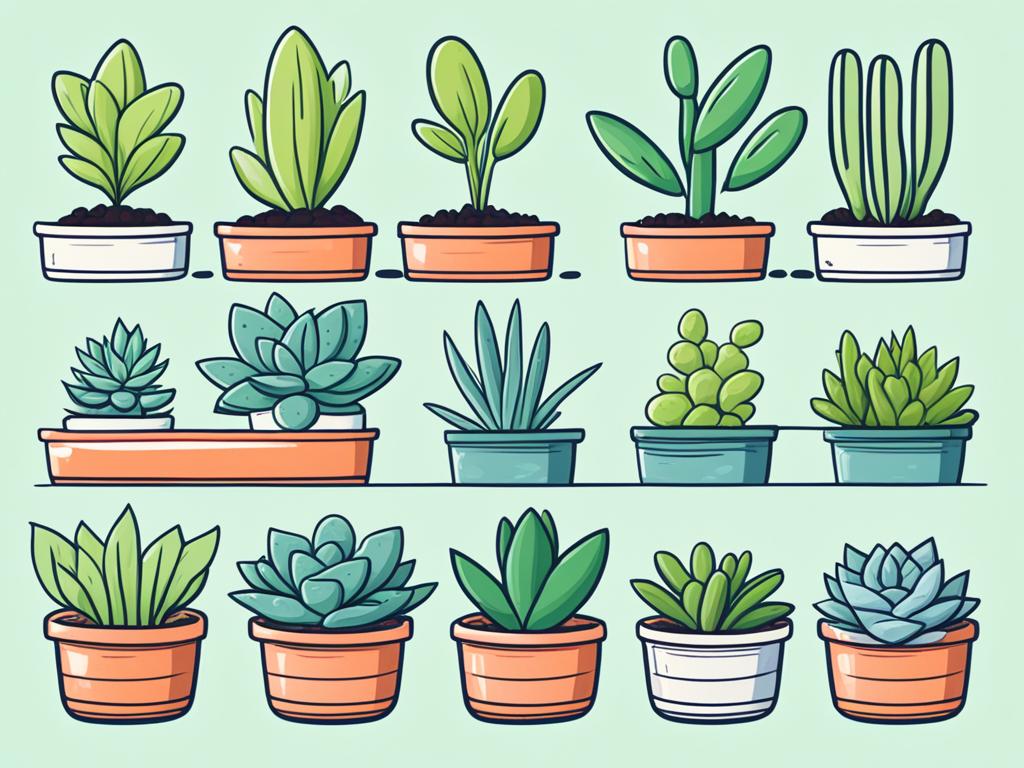
Here’s the thing: if you propagate during the plant’s growth phase, you not only double your chances at success but also help manage the parent plant’s shape and size. So, equip yourself with the know-how, sharpen your shears, and mark your calendars. When spring or summer breeze tickles your plants to life, it’s showtime for propagation.
Understanding the when and why of plant propagation can save you a pretty penny while ensuring your botanical buddies are living their best life. So why not start your propagation journey? Your wallet — and your windowsill — will thank you.
Picking Your Plant: Which Varieties to Propagate
You’ve dipped your toes into the verdant world of plants, haven’t you? Well, brace yourself for an adventure into the green unknown! Selecting houseplants for propagation is like drafting your own botanical dream team. Let’s explore the boundless possibilities together, shall we?
Succulents: An Ideal Choice for Beginners
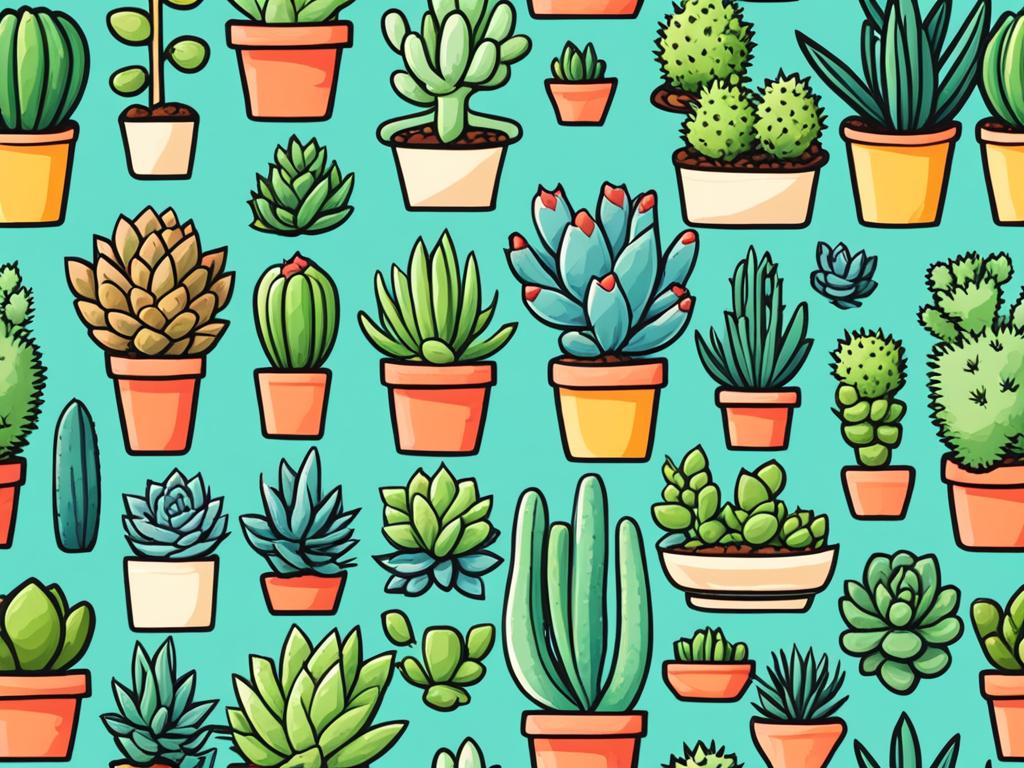
Imagine a plant that forgives when you forget to water it and multiplies with minimal fuss. Enter the realm of succulents. These plump, water-storing wonders are perfect for dipping your green thumbs into the world of succulent propagation. Why do they reign supreme for novices? Because they are drought-tolerant troopers that are lenient on learning curves. Take a leaf out, let it dry, and voilà, watch as new roots whimsically find their way into the world.
Thriving Houseplants: Monsteras and Philodendrons
Ready to step up your game? Meet the indefatigable Monstera and the fabulous Philodendron. These lush, leafy lovelies are more than just pretty faces; they’ve got the chops for the propagation prom dance. With a knack for pushing out roots at their nodes, they’re primed for propagation. Let’s size up how they stack against each other, propagation-wise, shall we?
| Feature | Monstera | Philodendron |
|---|---|---|
| Leaf Size | Large with notable splits | Varied, generally heart-shaped |
| Propagation Ease | Highly amenable | Eager to root |
| Root Notches | Visible and accessible | Prominent, making propagation a breeze |
| Light Requirements | Indirect bright light | Tolerates low light conditions |
| Growth Pattern | Rapid climber | Trailing or climbing tendencies |
Initial Steps: Preparing to Propagate
Roll up those sleeves—it’s time for some good old-fashioned plant preparation, a pivotal move in your quest to become a propagation prodigy. Select a champion from your leafy lineup, making sure it’s robust and well-hydrated, to give yourself the best shot at successful multiplication. Propagation isn’t just a gardening task; it’s a showcase of your burgeoning garden skills.
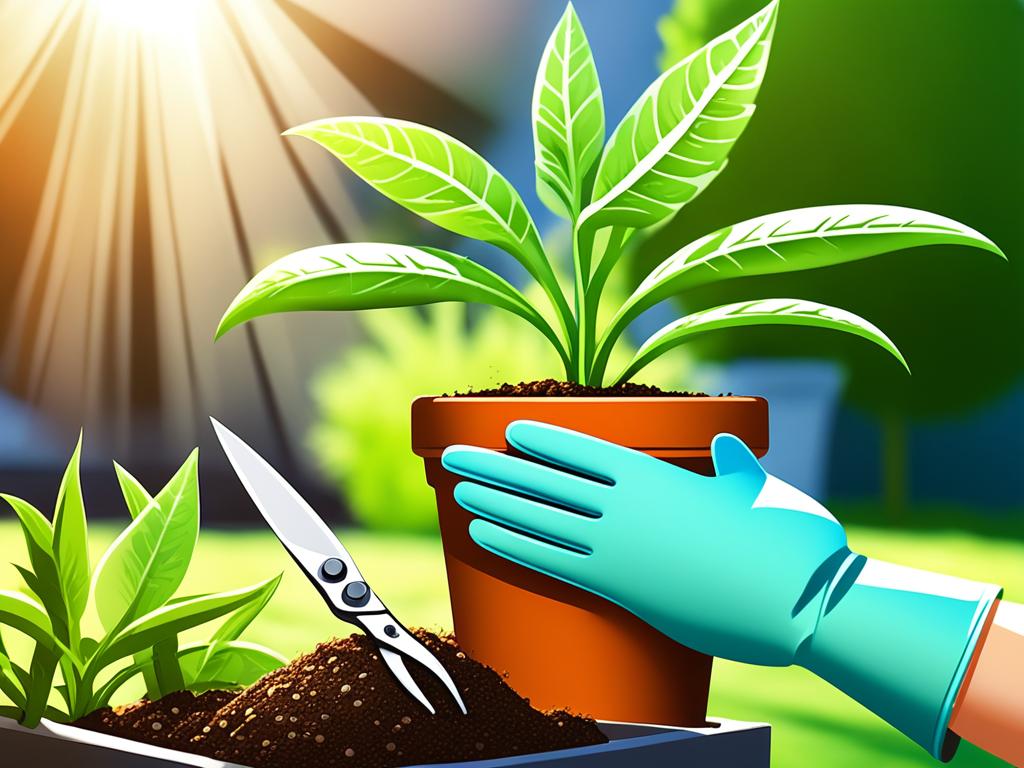
Don’t just wing it and hope for plantlets to sprout! The method is in the madness. Use these savvy propagation techniques by examining your green pals for new shoots or a crowd of roots eager to escape their pot. It’s like choosing the right candidate for the job—they’ve got to show potential!
| Plant Feature | Signs of Readiness | Recommended Action |
|---|---|---|
| Stem Health | Vibrant green color, firm to the touch | Select as cutting source |
| Leaf Vigor | No discoloration or spots, lively texture | Prepare for leaf cutting or layering |
| Root Activity | Visible, but not overly tangled growth | Proceed with division or pot upgrade |
So, you’ve found the one—a botanical buddy ready to clone. Whisper words of encouragement (it’s rumored plants love the pep-talk) and get set for some serious green-thumb action. With the right approach, those cuttings will soon turn into an army of green offspring ready for you to nurture!
Cutting Techniques: How to Take the Perfect Snip
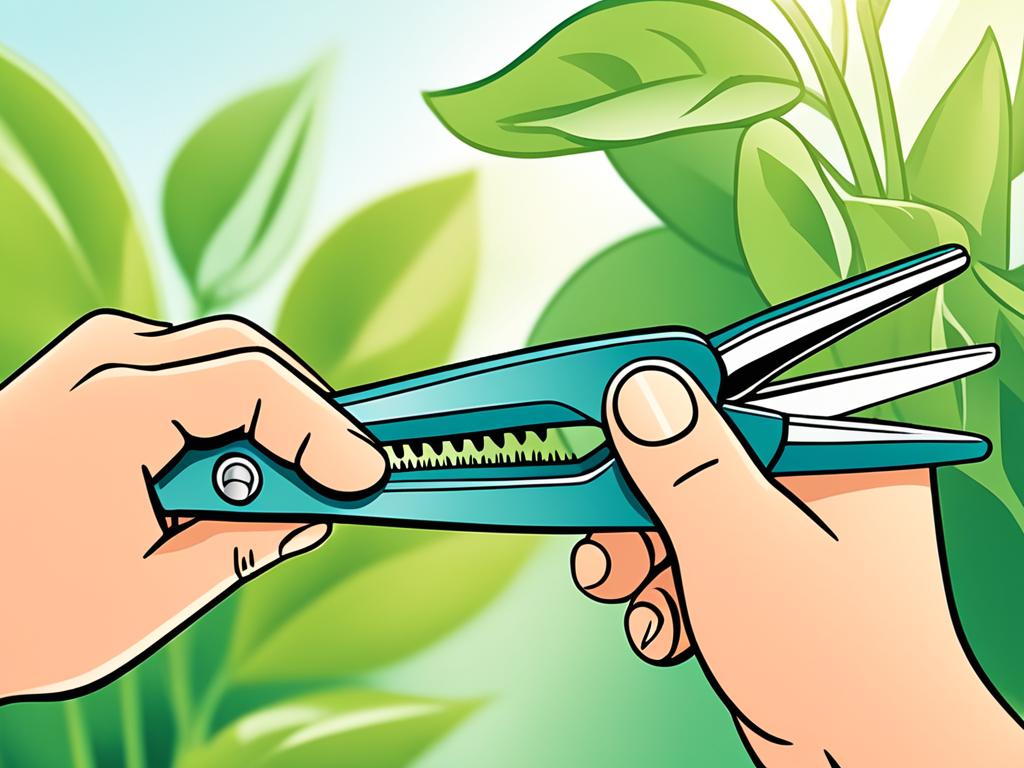
So, you’ve set your heart on mastering the art of propagation? Fear not, green-thumbed reader; your journey to cloning your cherished greens begins with understanding the fundamental cutting methods. Whether it’s through leaf or stem propagation, perfect plant cutting is the cornerstone of giving life to new plants. Let’s sharpen those shears and delve into the precise snips that will kickstart your propagation process.
Leaf Cutting: A Simple Start
If simplicity appeals to you, leaf cutting is akin to the minimalism in the art world—straightforward yet profoundly effective. Ease into propagation with this method, especially if succulents grace your collection. Snip a leaf, let the end callus over, and then nestle it in soil. Awaiting the sprout of new growth may test your patience, but soon you’ll revel in the delight of new life. Remember, the leaf should be plucked cleanly from the mother plant to prevent damage and promote healing.
Stem Cuttings: Assets for Propagation
For plants that boast stems, such as the ever-popular Pothos or the fragrant lavender, stem propagation is your go-to technique. Selecting a healthy shoot near a node, where roots are eager to emerge, is key. A snip just below the node, a gentle strip of lower leaves, and your botanical charge is ready to impress with root growth. Precise cuts are imperative; this is not the time for the ol’ hack-and-slash.
| Propagation Technique | Plant Type | Cut Location | Next Steps |
|---|---|---|---|
| Leaf Cutting | Succulents | Base of Leaf | Allow to Callus, Plant in Soil |
| Stem Cutting | Pothos, Lavender | Below a Node | Remove Lower Leaves, Plant in Water or Soil |
All this talk of perfect plant cutting is not about creating gallery-worthy botanical sculptures. It’s about giving your plant progeny the best start in life. Armed with the appropriate cutting methods, leaf and stem propagation don’t have to be perplexing chapters in your gardening odyssey. Snip with confidence, and watch as your efforts unfold into verdant victories.
How to Propagate: Step by Step
Embarking on the propagation journey warrants a green thumb and a willingness to learn, so give yourself a pat on the back! Before diving headlong into rooting new plants, let’s understand the essential phases that mark the propagation process ensuring robust plant growth every step of the way.
The Scabbing Process: Patience Before Planting
After your precision snips, your cuttings need some tough love—so let the scabbing commence! Think of scabbing as the plant’s time to toughen up, creating a callus that’s critical in warding off unwanted rot. Just like fine wine, this process takes time, so resist the urge to rush. Picture, if you will, Mother Nature with a band-aid, fostering the cuts into durable beacons of growth. No waterworks just yet; we’re laying the foundations for greatness!
Rooting: Encouraging Your Cuttings to Grow
Now, let’s talk rooting, where the magic begins! This stage is all about patience as you watch your plant’s first tentative steps towards a new life. Whether it takes weeks or months, your job is to be the cuttings’ most supportive friend. Place them in clear jars filled with the elixir of life (aka water), and observe the roots as they embark on their journey. Take a moment to admire the roots as they venture forth, as transparent containers become living art teeming with potential.
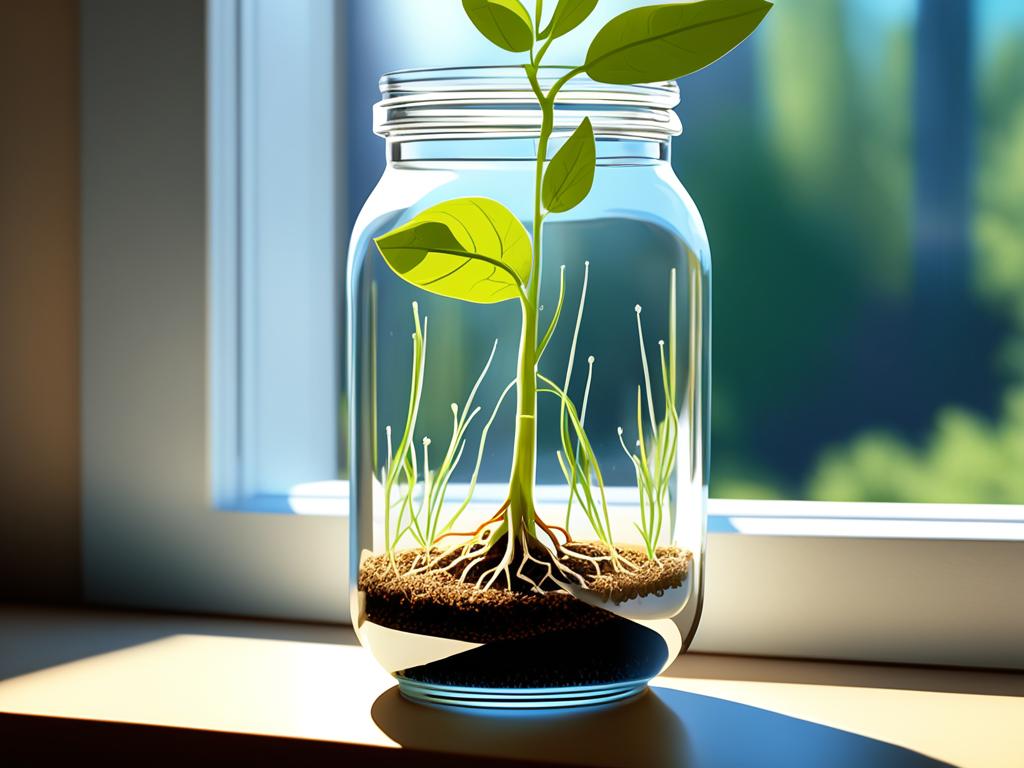
Prepare to be wowed as you witness the miracle of life unfold before your eyes. Frequently, the below table will provide the typical rooting timelines for common cuttings to keep your anticipations in check:
| Plant Type | Expected Scabbing Duration | Expected Time to Root |
|---|---|---|
| Succulents | 2-7 Days | 3-4 Weeks |
| Philodendrons | 1-2 Days | 2-6 Weeks |
| Pothos | 1-2 Days | 2-3 Weeks |
Remember, these are average estimates. Your patience may be tested, but it’s nothing you and your budding green companions can’t handle together. Plant growth is an art form, and you, dear propagator, are the artist. So don your gardening gloves, and let’s cultivate a greener tomorrow!
The Right Environment: Creating Ideal Conditions for Rooting
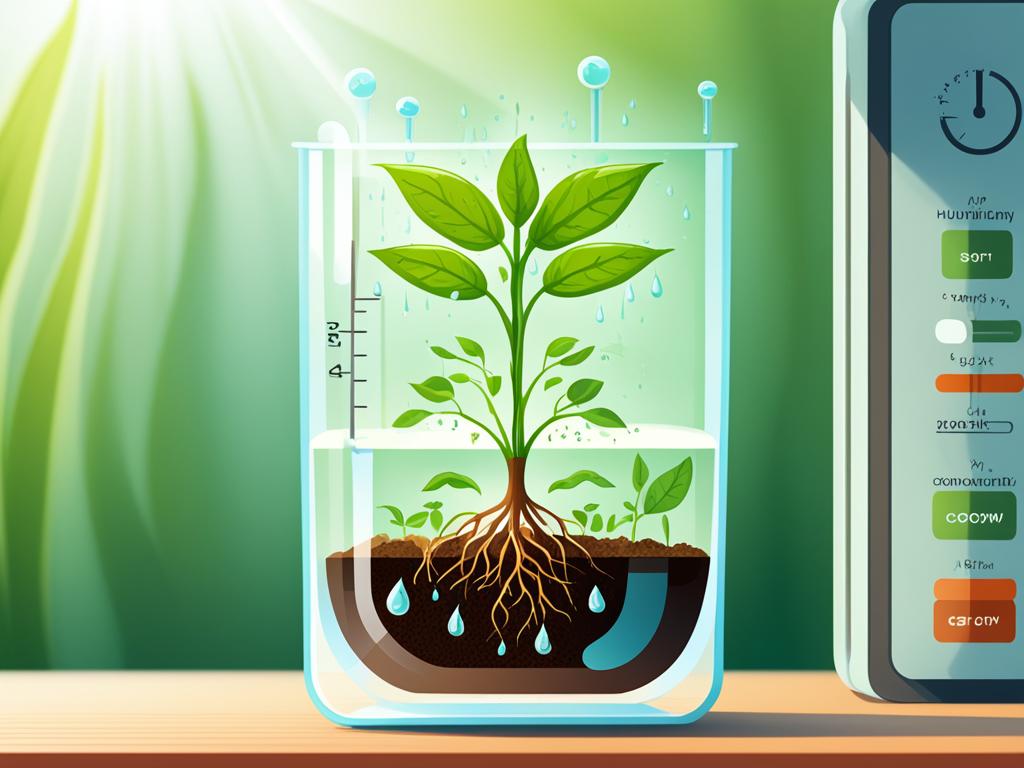
Let’s talk roots, shall we? Picture yourself setting the stage for the ultimate underground soiree where only the finest root systems are invited. Your goal is to cultivate the optimal roots environment that makes those roots feel right at home. Whether you’re delving into water propagation or playing in the dirt, selecting the right medium is akin to choosing the perfect playlist for your plant party. Ready to become the host with the most lush foliage?
Water Versus Soil: Choosing Your Medium
Just imagine, your propagating cuttings taking their first sip of water or rooting through the soil—it’s like their first dance at prom. In one corner, the allure of water propagation tempts you with its clarity and simplicity. You can check on those transparent water goblets anytime to see your roots partying it up. Suitable for stars like Pothos and Monsteras, water is the life of this party. But don’t overlook the classic charm of soil—the medium that’s been around since the dawn of chlorophyll and is a haven for the succulent squad post-scap affair.
Light and Temperature: The Key to Propagation Success
If water and soil are your DJ and venue, consider light and temperature the ambiance setting the mood. Roots are a bit like Goldilocks—they don’t want it too hot or too cold, too dim or too bright. No sudden temperature drops or scorching sunbeams, if you please. You’re aiming for that just-right, indirect sunlight spot where the thermostat is always tuned to ideal growing conditions. It’s the sweet spot where roots can groove till dawn, sprouting with unbridled enthusiasm and making you one proud plant parent.
Monitoring Growth: What to Look For
Patience, young green thumb—propagation is a game of watchful waiting. But what exactly are you looking for? Well, you’re on the hunt for growth signs that herald successful plant development. Keep those peepers peeled for the emergence of new roots stretching out like tentative explorers, shy shoots unfurling their green flags, and an overall glow of health on your plant’s facade. It’s like a silent drumroll in the green kingdom—each fresh root and sprout is a beat closer to triumph in your propagation monitoring crusade.

Your little green charges will not take kindly to a helicopter gardener hovering endlessly. Resist the siren call to poke and prod; a gentle check-in now and then is all they need. The perfect play of indirect light and a steady moisture level is your ticket to propagation paradise. You want to create an environment that whispers, “Grow, baby, grow,” without the pressure. Just like an artist’s canvas, the miracles happen in the quiet moments out of sight.
| Growth Indicator | What You Might Observe | What It Means |
|---|---|---|
| New Root Formation | White or light-colored tendrils appearing from the cutting | The cutting is successfully developing its own support system |
| Shoot Development | Fresh green growth from the base or nodes of the cutting | Energy is being invested in above-ground growth, a positive sign |
| Overall Plant Vigor | Bright coloration, robust appearance of leaves or stems | The plant is healthy and adapting well to its new circumstances |
Consider this your friendly reminder: monitoring is a delicate dance of attention and restraint. Keep it light, keep it breezy, and give those cuttings the space they need to impress you with their resilience and willingness to grow. After all, you’ve provided them with an academy for the art of plant development, now stand back and let them graduate magna cum leaf.
Transplanting Your New Plants: The Final Step
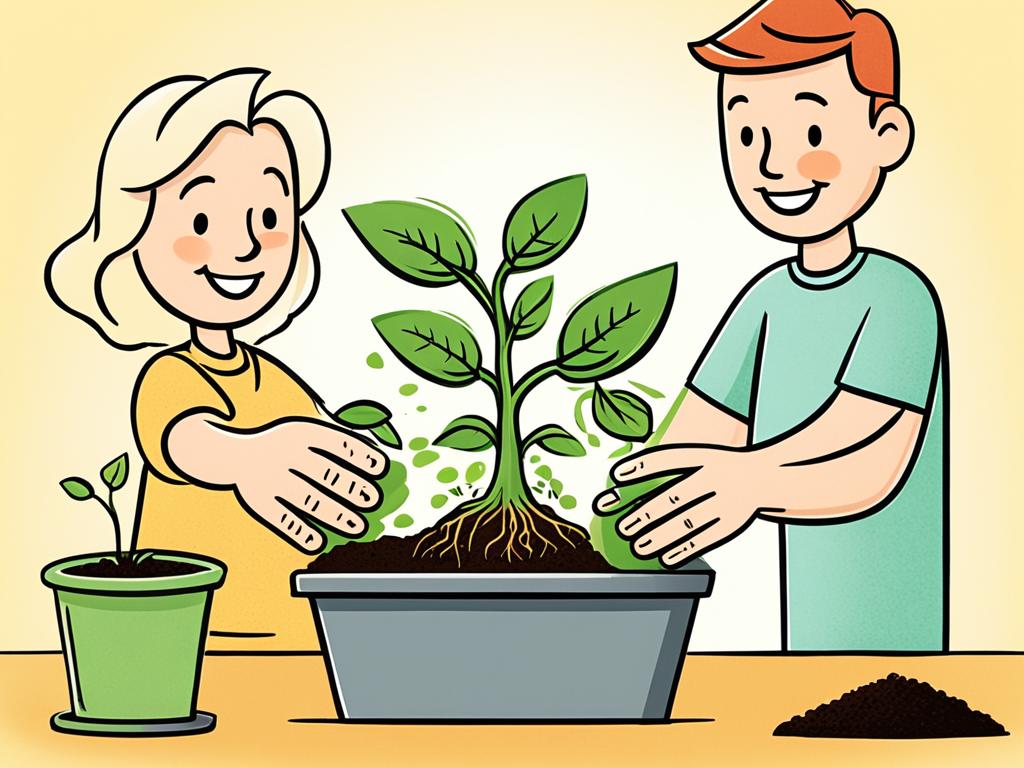
There comes a time in every plant parent’s journey when the thrill of seeing new roots gives way to the vital task of transplanting young plants into their own space. This moment, pivotal for both you and your green offspring, sets the foundation for future growth. As you prepare to transition your propagated plants into their new homes, consider this your ceremonial rite of passage from propagation to full-fledged plant guardian.
The Importance of Strong Roots Before Potting
Before you even pick up that terracotta pot, let’s talk roots. Tiny threads that may seem fragile, yet hold the power to anchor and nourish your botanical babies. A strong root system is non-negotiable—it’s the lifeline for potting new growth. So, inspect those roots! You’re looking for a network that’s robust enough to handle the transition. If it can grip the soil like it’s holding onto a cliffside on a windy day, you’re good to go.
Pot Selection: Choosing a Home for Your New Plant
And now, the grand reveal: picking the perfect pot. Not just any vessel will do—size matters. Too big, and you risk water logging and a root system with more space than it knows what to do with. Too small, and you’ll stifle growth faster than you can say “repot.” Choose wisely, ensuring your pot is just right for encouraging your young plant’s roots to explore and establish themselves further. With your potting mix poised for action, those little propagations will soon turn into pillars of your garden.
Propagation Beyond the Basics: Advanced Techniques and Tips
Now, you’re ready to dive into the world of advanced propagation, where the vivid green tapestry you’ve cultivated can expand into more complex patterns. This is not just about sticking a stem into water and hoping for the best. Oh no, you’re entering a phase of experimentation and mastery that requires the skillful hands of an artist and the patient mind of a scholar.
Let’s start with rooting hormones. These nifty chemicals can be the catalyst in persuading stubborn cuttings to breach their dormancy and spring forth into new growth. Hormones can be a gardener’s best friend, coaxing shoots from cuttings like a whispered secret. But all whispering aside, let’s check out some facts and figures, for those of you who resonate with the numbers:
| Type of Cutting | Without Rooting Hormone | With Rooting Hormone |
|---|---|---|
| Softwood | 60% | 85% |
| Hardwood | 30% | 70% |
| Herbaceous | 75% | 90% |
And in the spectrum of gardening tips, here’s a bright one: Tailor your approach to the specific type of plant. Some cuttings desire the airy fluff of vermiculite, while others crave the snug embrace of a peat and perlite mix. Tuning into these preferences is like uncovering the secret love languages of your green companions.
The art of layering, oh, what a sight to behold! It’s like convincing a stem to grow an underground offshoot while still attached to the mother plant — a botanical magic trick of sorts. Air layering for plants like camellias or magnolias can elevate you to a ninja-level gardener.
And lest we forget grafting — the delicate dance of marrying two distinct plant lives together. It’s the ultimate blind date, set up by you, the love maestro, who ensures compatibility down to the vascular cambium. So, here’s to a fruitful union!
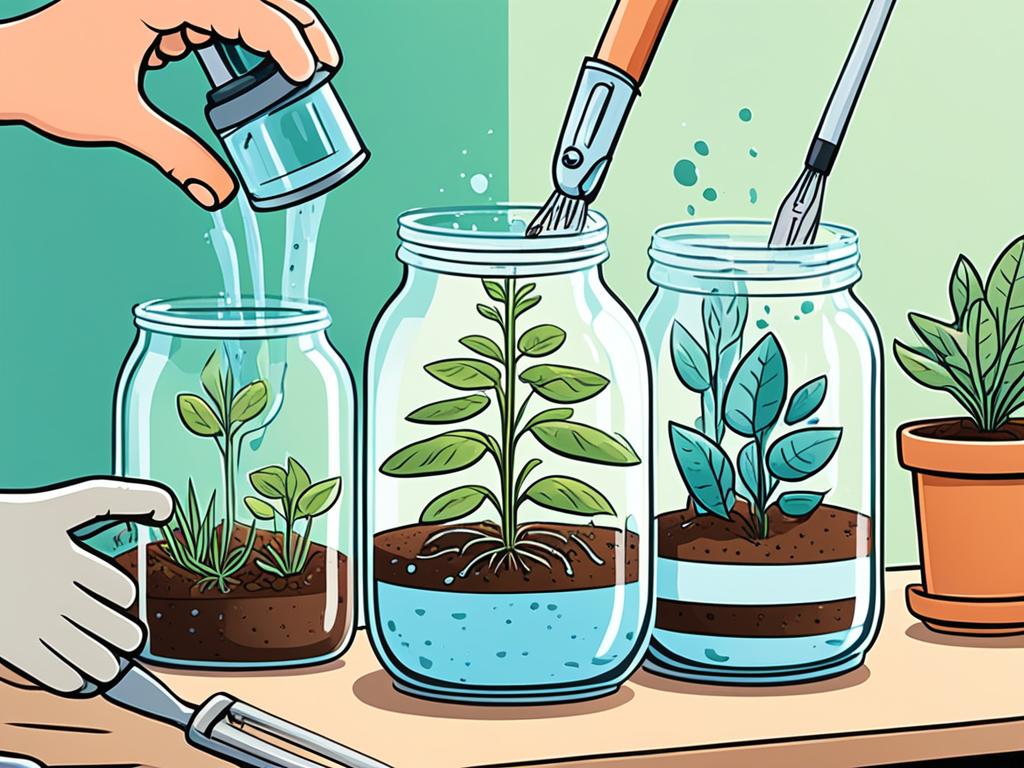
But remember, with expert plant care comes great responsibility. The more you delve into these advanced techniques, the more attentiveness your greenery will demand. Think of it as the difference between petting a cat and training a dragon — both deeply rewarding but requiring rather distinct approaches.
- Softwood cuttings: These take quickly to rooting hormones and are best taken during the spring, the season of brisk growth.
- Hardwood cuttings: More challenging, but patience usually pays off. Winter is their playground when the plants are dormant.
- Herbaceous: Usually the easiest to please, herbaceous cuttings like it warm and humid. Spring into summer, friends.
Advance your propagation game and immerse yourself in the science and soul of gardening. Each new technique you explore is a step closer to wielding the green thumb with pride. Keep nurturing, keep learning, and most importantly, enjoy every moment of growth — both your plants’ and your own.
Conclusion
It turns out that the adage ‘good things come to those who wait’ rings true for plant propagators everywhere. Your foray into the art of plant propagation is more than a lesson in gardening—it’s a practice in patience. There’s a unique joy that stems from nurturing a single cutting into a robust plant. The countless hours you’ve spent tending to delicate new growth are rewarded tenfold when you see successful plant growth filling your space with greenery.
The Reward of Patience: Enjoying Your Propagation Success
As your green thumb turns greener, the propagation rewards become evident. There’s something magical about witnessing the lifecycle of your plants—from a mere segment to a fully-fledged facade of foliage. And that pride? It doubles every time you pass it onto friends, watching your botanical babies thrive in new homes. The journey of propagation is cyclic; each success paves the way for the next, creating an enduring legacy of lushness in your life.
Propagating a Greener World: The Bigger Picture
In the pursuit of propagation, remember you’re not just beautifying your windowsill—you’re contributing to a greener environment. Every new leaf you grow is a small step towards a more verdant world, one that cleans the air and nurtures the soul. The ripple effect of sharing your propagated plants can’t be underestimated in crafting a community with a collective passion for the ecosystem. So here’s to you, propagator, for you are not just planting plants; you’re sowing the seeds of a greener, more connected world.
FAQ
What exactly is plant propagation and why should I bother with it?
Plant propagation is your ticket to free plants! It’s the process of creating new plants from the ones you already have. It’s like a garden party where everyone leaves with a plus-one. You should bother because, let’s face it, who doesn’t want an army of plants without splurging a dime?
When is the best time to start chopping my plants for propagation?
Aim for spring or summer when your plants are throwing out new growth like confetti at a parade. This is their growth phase, and they’ll be more inclined to put down roots in their new digs.
I’m new to this whole green-thumb thing. What plants should I start with?
If you’re a propagation freshman, stick with succulents. They’re like the intro course to Plant Propagation 101—hard to kill and easy to multiply. Feeling brave? Try Monsteras or Philodendrons; they love a good cloning experiment.
How do I prepare my plant for propagation? Is there a prep rally?
Absolutely, consider this your pep talk. Start by amping up your plant with a drink of water a day or two before the big cut. Make sure it’s looking healthy and showing signs of growth—like an athlete before a race.
Leaf cutting sounds delicate. Am I performing plant surgery here?
In a way, yes – you’re the plant surgeon! But no need to scrub up; just gently remove a leaf and let it dry out slightly before planting. It’s like giving your plants a little nip and tuck. They’ll thank you for it… eventually.
Can I just stick my stem cuttings into the soil and hope for the best?
Hope isn’t a strategy here, my friend. Cut near a node, strip those lower leaves, and be patient. Like a good sourdough starter, it needs your careful attention before it can grow.
Water or soil: which is the VIP room for rooting my cuttings?
Depends on your plant’s preference. Water provides a clear view of the rooting rave, while soil is the chosen dance floor for succulents. Think of it like choosing between beachfront or mountain view for your plant’s first home.
How will I know if my plant propagation is successful?
Keep your eyes peeled for new roots making their appearance or fresh shoots popping up. No magnifying glass needed, just a sharp eye and a dash of hope. It’s like waiting for bread to rise; you’ll know it when you see it.
Do I need to throw a housewarming for my newly potted plants?
While your cuttings would appreciate the gesture, it’s not necessary. Instead, ensure they have enough soil, a snug pot, and the right watering to settle into their new pad comfortably.
Are there next-level propagation techniques for when I’ve mastered the basics?
Oh, challenger of the chlorophyll, there’s always something new to conquer in the plant propagation odyssey such as using rooting hormones, perfecting various types of cuttings, and trying out grafting. Get your game face on.