
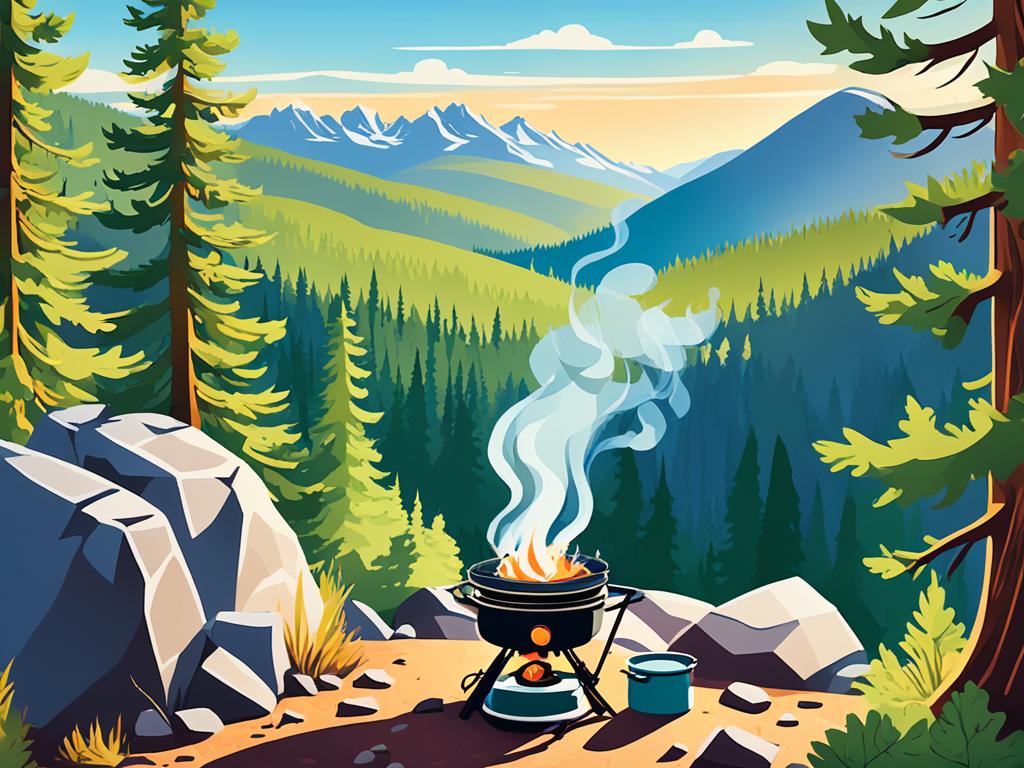
Hey, trailblazer – think of your backpacking stove as more than just a tool to simmer your soup; it’s your ticket to gourmet glory in the great outdoors. As you weave through the wilderness and scale peaks, your need for hearty outdoor cooking calls for robust hiking gear. Choosing a portable stove isn’t just about bringing the heat; it’s about embracing the art of wilderness culinary experiences that turn simple ingredients into trailside feasts. Let’s make sure your next hot meal under the stars is not just food but a statement of your mastery over the elements.
Whether you’re a connoisseur of the campfire char or a savvy stove-top chef, your next outdoor escapade demands cooking gear that’s as mobile and adventurous as you are. We’ll guide you through the maze of burners and fuels so you can emerge at the campsite with the perfect set-up for your nomadic kitchen. Pull up a log, stoke the embers of knowledge, and let’s get ready to turn up the heat on your al fresco dining game.
Selecting the Right Stove for Backpacking
Are you gearing up for an epic outdoor journey? Remember, the right backpacking stove can make or break your trailside gastronomy. With modern advancements, the array of stoves available might have you scratching your head. Worry not, let’s light the way to choosing the best stove for your adventure.
Understanding the Different Types of Backpacking Stoves
From simmering soups to brewing backcountry espresso, each stove type serves a different purpose. Canister stoves are loved for their convenience, just click the canister into place, and you’re set. The liquid fuel stoves might weigh you down a tad more but perform admirably in freezing temperatures. And let’s not forget the eco-charm of wood-burning stoves, turning twigs into a kitchen stove with a snap of your fingers—granola not included.
Factors to Consider When Choosing a Stove
Before you weigh your pack down with a kitchen, consider your backpacking needs. Solo trekkers can often make do with lightweight stoves, while group hikers may need something with a little more oomph. Don’t forget to ponder over the culinary delights you’ll craft under the stars—are you a freeze-dried aficionado or a backcountry gourmet?
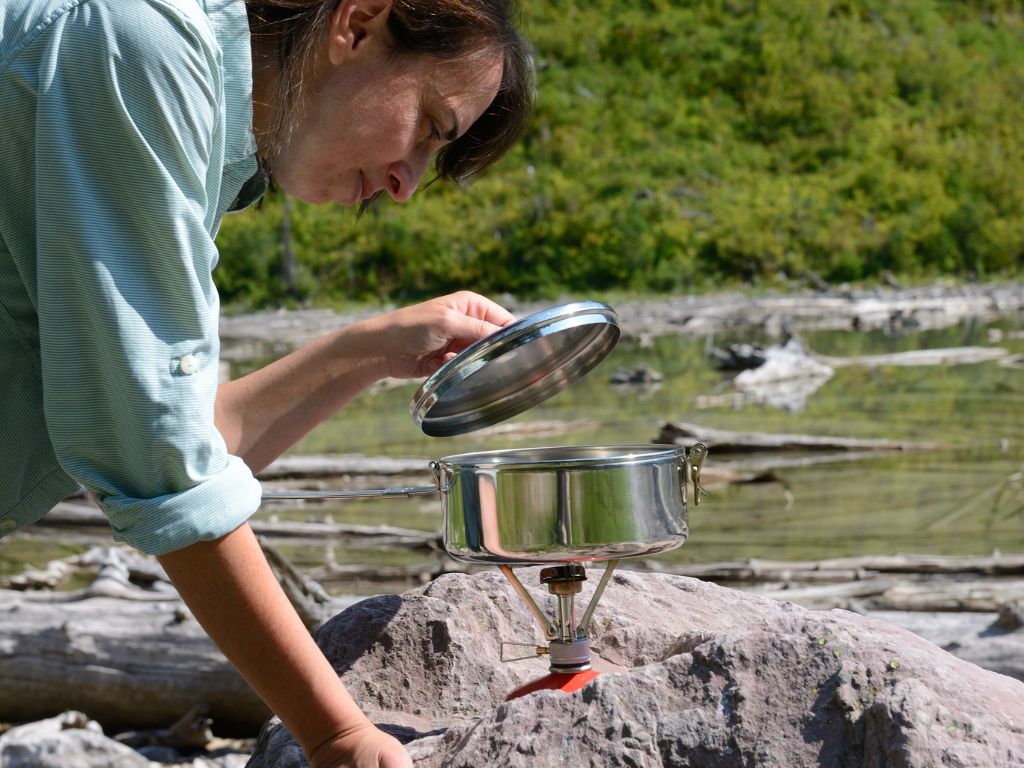
Weight vs. Performance: Striking a Balance for Efficiency
The struggle between pack light and eat right is real. While lightweight stoves are a gift to your shoulders, the trade-off can come with a hit to efficiency or durability. Your trail meals may rely on the rapid boil times of a heavier stove that’s worth its weight in gold—especially when you’re playing chef for a famished crew.
| Stove Type | Weight | Efficiency | Best Use Scenario |
|---|---|---|---|
| Canister Stove | Light | High | Solo backpacking in moderate climates |
| Liquid Fuel Stove | Medium | Variable | High-altitude adventures, cold weather |
| Wood-Burning Stove | Variable | Low to Medium | Eco-conscious camping with available biomass |
Now that you’ve got the lowdown, choose your fiery companion wisely. Your choice could mean the difference between savoring a hot meal or just warming your hands over a lukewarm can. Let the adventure—and the good meals—begin!
Fuel Types and Their Impact on Cooking
Do you feel that subtle sting of excitement every time you twist the valve on your backpacking stove? That’s the thrill of turning raw ingredients into a delicious mountain-top feast. But before you get to simmering that gourmet trail meal, you’ve got to know the fuels that will keep your flame burning bright. From the convenience of propane to the robustness of white gas, each fuel has its storyline in the great outdoors. So buckle up; we’re diving into the world of stove fuels, fuel efficiency, and their accessibility in the wilderness.
Pros and Cons of Commonly Used Backpacking Stove Fuels
First up, we’ve got the dynamic duo of propane and butane. They’re like the cool kids on the block—slick, versatile, and ready at the click of a button. On the chilly side of the camp, though, they might throw you a cold shoulder. Then there’s the old reliable, white gas. It’s like your rugged friend who thrives in freezing temps. But watch out; this friend likes maintenance and weighty conversations.
- Propane: Easily found, snaps to life quickly—just don’t expect it to last in sub-zero soirées.
- Butane: It may bow out in the cold, but on a serene night, it’s a star performer.
- White Gas: A tank you can trust for fuel efficiency, even when Mother Nature turns down the thermostat.
Accessibility and Availability of Fuel in Various Regions
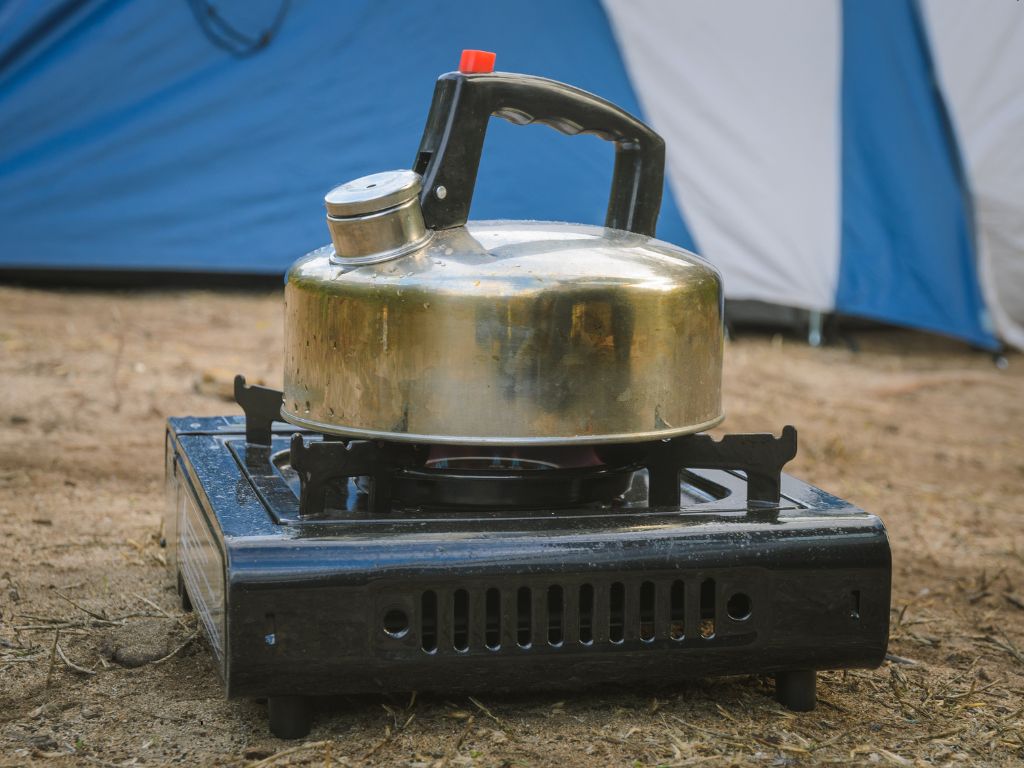
It’s a real bummer when you’ve got the perfect stove but can’t find the fuel. Like setting off fireworks without a spark. The trick? Knowing your fuel availability like the back of your hiking boot. Propane’s virtually everywhere—even Bob from the next campsite over might have some to spare. Butane, on the other hand, might be a no-show in remote hideaways. And if you’ve set your sights on international trekking, don’t count out white gas; it has a passport and isn’t afraid to get stamped.
| Fuel Type | Accessibility | Weight | Fuel Efficiency | Suitability for Cold Weather |
|---|---|---|---|---|
| Propane | High | Moderate | Moderate | Low |
| Butane | Moderate | Low | High | Low |
| White Gas | Moderate to High | High | Very High | Very High |
So, there you have it. The fuel you choose matters as much as the trails you traverse. With a bit of know-how and a can-do attitude, you’re all set to cook up a storm, no matter where your hiking boots take you. Remember, it’s not just about keeping the stew hot; it’s about keeping your adventure alive. Bon Appétit!
Operating Your Backpacking Stove Safely
Step out into the great outdoors and it’s not just nature’s bounty that awaits—stove safety becomes your trusty sidekick in the face of crackling campfires and sizzling pans. Whether you’re a novice outdoor chef or a seasoned wilderness wanderer, mastering outdoor cooking safety is more than a neat trick up your sleeve; it’s an essential chapter in the backpacker’s survival guide. So, buckle up and prep for an enlightening journey through the sparks and flames of backpacking fire safety.
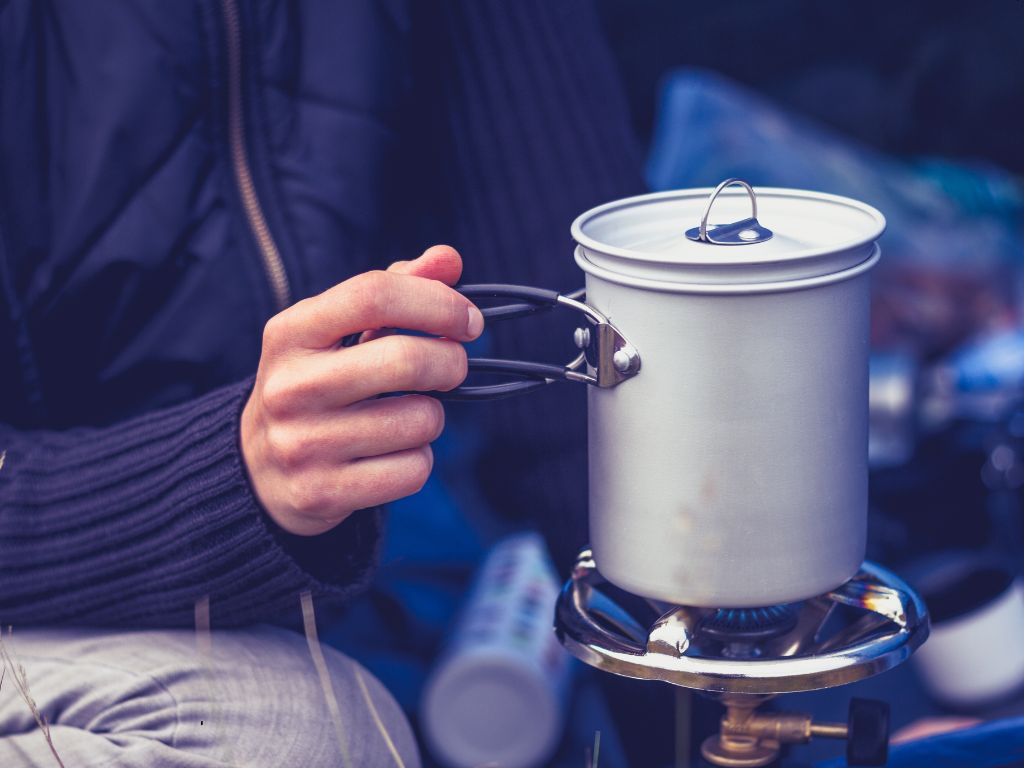
- Before you even strike a match, make sure your stove is perched on a stable surface. Uneven ground? Think twice. Seek out a spot that won’t send your dinner plans tumbling into the tent.
- Scout the surroundings—the last thing you need are curious critters or dry foliage inviting themselves to a fiery surprise party.
- Install your culinary workspace a generous distance from your tent because, let’s face it, the smoky scent of char should never be your chosen eau de campsite.
- Keep your faithful pot of water or a tiny trooper of a fire extinguisher at arm’s reach—after all, who wouldn’t want a hero ready to douse out any uninvited flare-ups?
Lighting up your stove without sticking around for the show may seem like a vote of confidence in your fire-making abilities, but here’s a witty word to the wise: Never leave a lit stove unattended. It’s the outdoor equivalent of texting while driving—risky business!
| Stove Safety Tip | Your Benefit |
|---|---|
| Stable, clear setup space | Reduces risk of accidental fires and equipment damage |
| Attentiveness to lit stove | Prevents the spread of fire and personal injury |
| Know your stove’s quirks | Efficient use and troubleshooting on-the-go |
| Emergency fire snuffers | Quick response to fire emergencies |
And here’s a fun fact for your next campfire tale: Knowing the ins and outs of your stove’s ignition system can turn you into a fire-whisperer of sorts. It’s not just about sparking up; it’s about the all-knowing nod when your stove hums or hiccups. So gear up, practice safe sizzling, and make “burning dinner” nothing more than a figurative phrase on your next backpacking rendezvous.
Environmental Considerations and Leave No Trace Practices
Hey, eco-warrior! Ready to tread lightly on your next backpacking adventure? Sustainable backpacking is not just about the gear; it’s about embracing eco-friendly stoves and Leave No Trace cooking to make sure the only thing you leave behind are footprints. But not the carbon kind, of course! Let’s delve into making your outdoor culinary activities as green as the forests you love to explore.
Minimizing Your Carbon Footprint with Eco-friendly Stoves
Reducing carbon footprint starts with choosing equipment that has the environment’s back. Eco-friendly stoves come in all shapes and sizes, but what they share is an appetite for conservation. So whether you’re simmering, sautéing, or just simply boiling water, consider a stove that’s as kind to the planet as it is to your trail-weary taste buds.
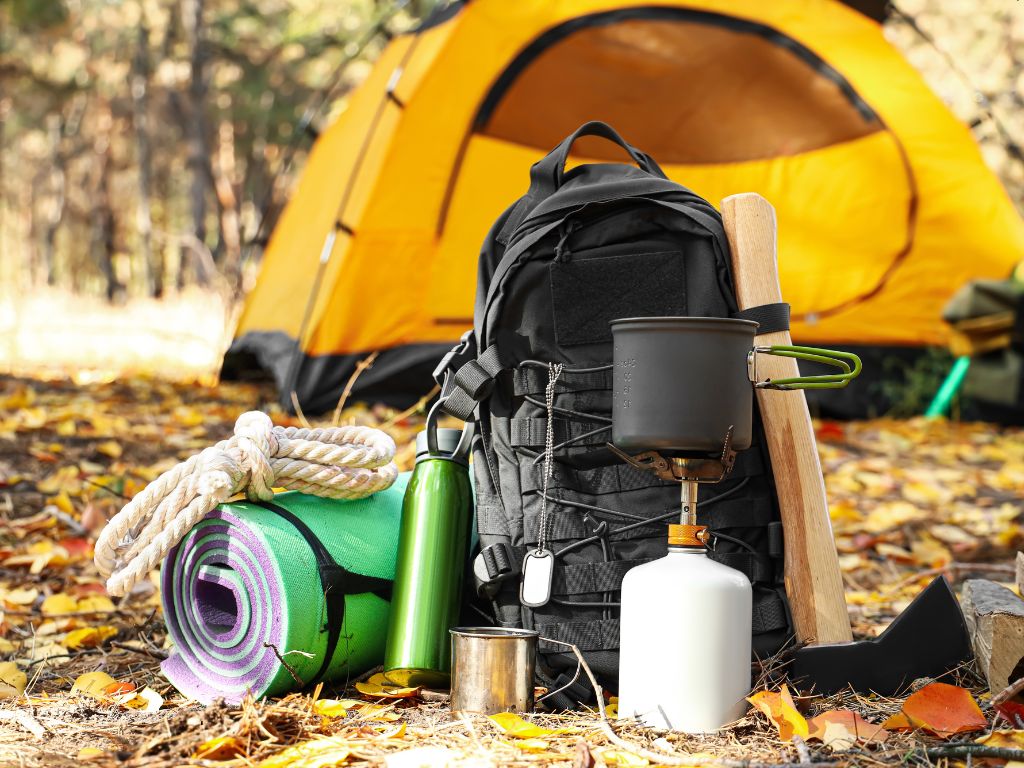
And because nothing says “I love nature” like a good comparison to help you make better buying decisions, here’s a table to guide you on the green path:
| Stove Type | Fuel Efficiency | Emissions | Recommended Use |
|---|---|---|---|
| Solar Cooker | High – Utilizes sunlight | Zero emissions | Perfect for sunny weather adventures |
| Wood Burning Stove | Moderate – Dependent on fuel source | Low – Uses renewable resources | Ideal for forested areas with abundant deadwood |
| Alcohol Stove | Variable – Efficiency decreases with wind | Low – Clean burning fuel | Great for calm, short-term trips |
Tips for Low-Impact Stove Use
Remember, “Leave No Trace” isn’t just a catchy phrase; it’s a way of life in the backcountry. When firing up your eco-friendly stove, follow these golden rules:
- Avoid burning trash—nature doesn’t have a burn barrel.
- Choose biodegradable soaps for those post-meal clean-ups—they’re like a gentle hug for Mother Earth.
- Always, and I mean always, pack out what you pack in—yes, even those tiny foil wrappers.
By taking these steps, you not only contribute to preserving the pristine beauty of wilderness areas but also join a collective effort to ensure that outdoor cooking doesn’t cost the earth—literally.
Meal Planning with Your Stove in Mind
Imagine a world where your backpacking stove is your kitchen, and the wilderness is your dining room. That’s right, dear adventurers; whether you’re craving calorie-dense snacks or a multi-course trail banquet, your stove and meal plan will dictate the gastronomical landscape of your journey. Let’s get into the art of backpacking meal planning with the gear you’ve got, shall we?
Here’s the reality: you can’t bring your favorite chef along for the hike (unless you’re besties with Gordon Ramsay). But hey, that’s no reason to munch on bland bites! Nutritious backpacking food doesn’t sacrifice flavor — it elevates it with a side of practicality. So, gear up your tastebuds for an exploration of trail meals made right on your trusty stove.
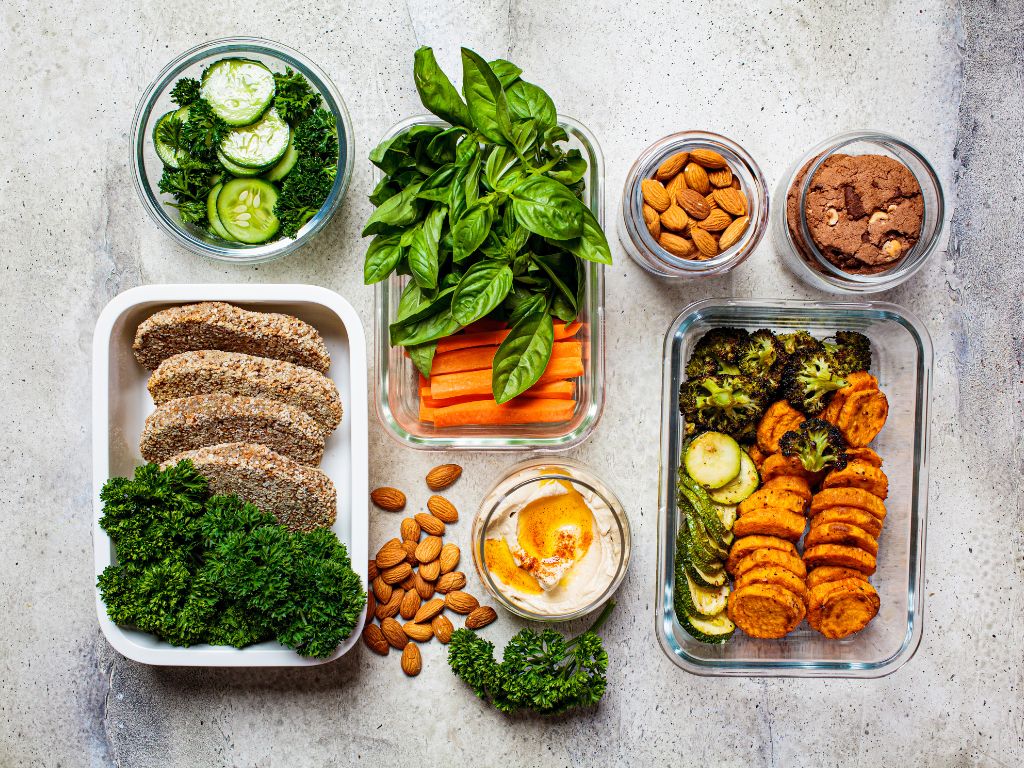
With space and weight at a premium, each morsel counts. Let’s sort your menu based on your stove’s prowess, shall we? We’re not talking boring old beef jerky here (unless that’s your jam). We’re crafting a dining strategy that’s the envy of every chipmunk on the trail. Ready?
- Canister stove companion? Think dehydrated meals that spring to life with a splash of boiling water.
- Liquid fuel aficionado? You’ve got simmer control, which means gourmet is go!
- Feeling the biomass vibes? Go sustainable with foods that cook quickly over an open flame.
And remember, folks, peas and peace of mind come from packing the right portions. Let’s crunch the numbers for your next backcountry banquet:
| Meal Type | Canister Stove | Liquid Fuel Stove | Biomass Stove |
|---|---|---|---|
| Breakfast | Oatmeal with Nuts and Berries | Scrambled Eggs with Sausage | Instant Coffee and Energy Bars |
| Lunch | Peanut Butter and Honey Tortilla Roll | Tuna Salad with Crackers | Smoked Almonds and Dried Fruit |
| Dinner | Dehydrated Vegetable Chili | Grilled Cheese and Tomato Soup | Canned Bean and Cheese Burritos |
| Snacks | Trail Mix and Chocolate | Jerky and Hard Cheese | Nut Butter Packets and Rice Cakes |
There you have it; a meal plan that compliments your stove’s features like wine pairs with cheese. So lace up those boots, hoist that pack, and get ready to impress yourself with your culinary prowess beneath the open sky. Who knows; you might just become the backcountry Gordon Ramsay after all (just with fewer expletives and more squirrels).
Backpacking Stove Maintenance and Repair
Keeping your beloved stove in tip-top shape is not just about pride—it’s about survival. The wilderness doesn’t have a 24-hour repair shop, so stove maintenance is your mantra. Remember, the s’mores don’t cook themselves!
Simple Maintenance Tips for Prolonging Stove Life
First things first, let’s talk about keeping the heart of your backpacking kitchen—the burner jets—clean. Build-ups are a big no-no; they can turn your flame from a roaring dragon to a sad candle. Just imagine, you’re out in the great outdoors, your stomach is rumbling louder than thunder, but your stove says, “Not today.” Don’t let this be your story.
Secondly, do you really want to play the guessing game with leaking fuel lines? Spoiler alert: you’ll lose. Regularly check your stove’s hoses for any sign of wear and tear or a sneaky leak. And when it comes to moving parts, a little lubricant goes a long way to keep everything moving smoother than a snake in a barrel of butter.
- Clean burner jets
- Inspect and replace fuel lines if necessary
- Lubricate moving parts
Common Stove Issues and How to Fix Them On-Trail
Here’s a scenario: your stove’s igniter decided to retire without giving you a two weeks’ notice. A touch of DIY spark-making might just save your meal. Look at you, becoming a self-sufficient backcountry gourmet!
- Carry a multi-tool for tightening and adjustments
- Stock up on spare parts for quick field repairs
- Master the art of manual ignition—safety first, though!
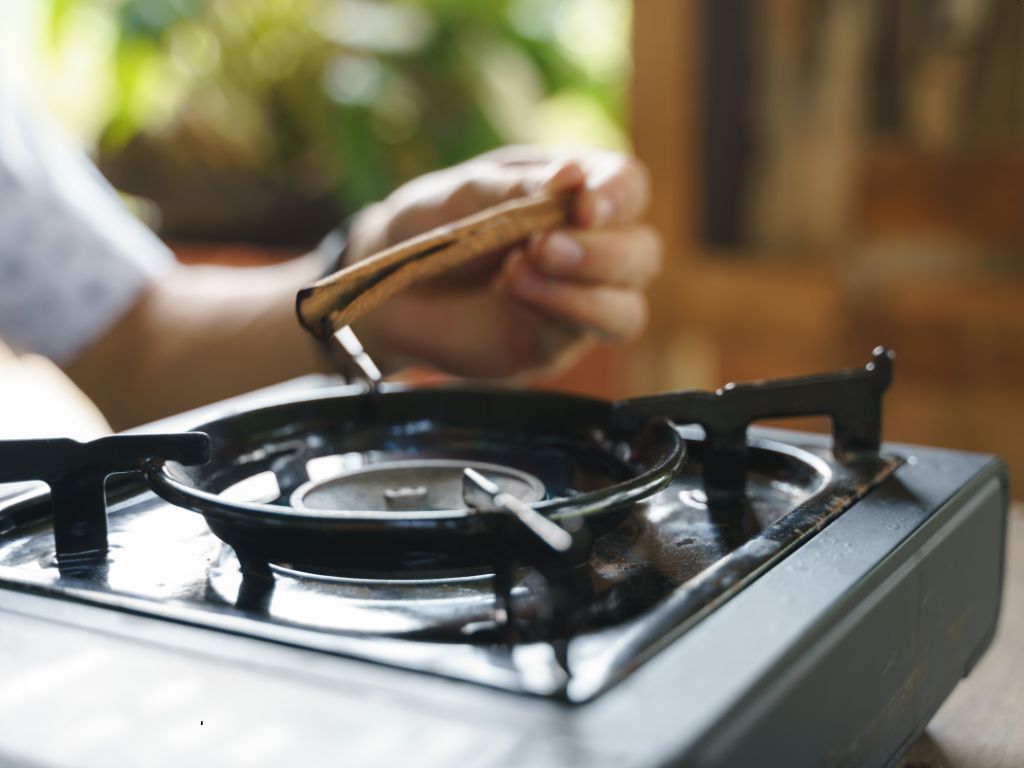
With these tips and a trusty repair kit, your stove longevity will rival that of the mountains you’re conquering. And if all else fails, remember that great backpackers are as resilient as their gear. Adapt, overcome, and may the fork be with you.
Efficiency in Elevation: How Altitude Affects Stove Performance
As you ascend to the realm of thin air and rugged landscapes, your culinary companion—the trusty stove—faces the ultimate test of endurance. High-altitude cooking is not for the faint of heart, demanding more from both the chef and the equipment. Let’s talk about how your stove performance might change when you’re up in the clouds practicing mountain cookery.
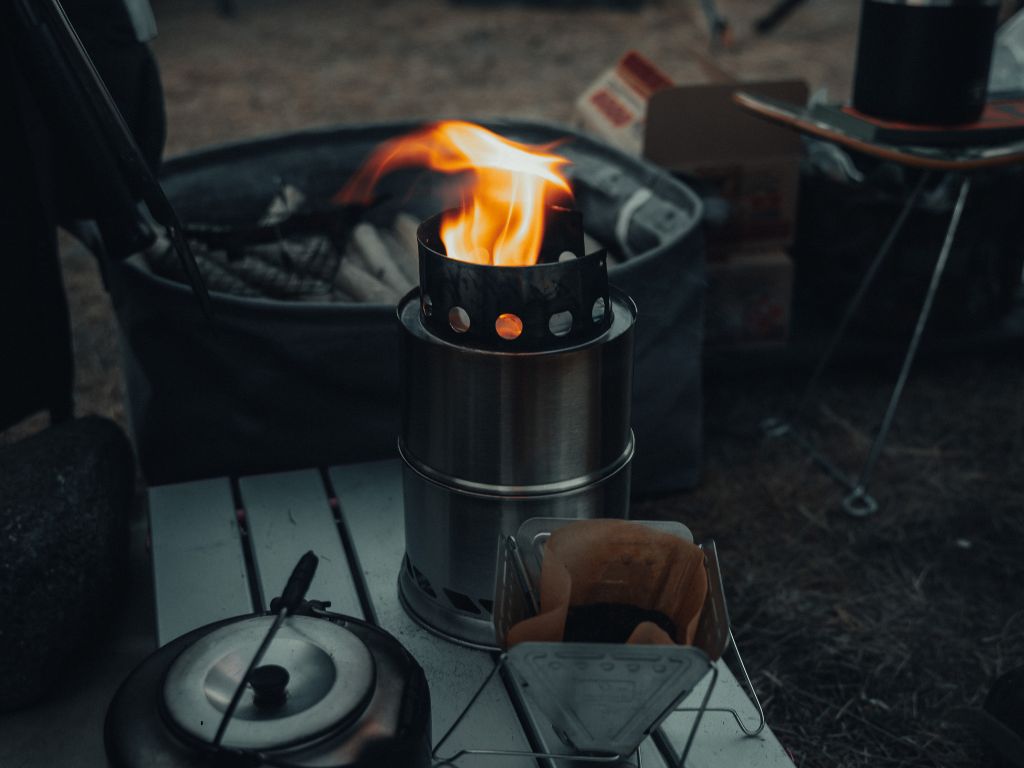
Your stove is a champ at sea level, but as you hike higher, each breath of air has less oxygen, and the pressure drops too. This means your stove might burn less efficiently – think of it like trying to run with a hand over your mouth. You’re still running, but it’s a whole lot harder. This isn’t just a quirky bit of trivia. No, it’s a fact that could leave you with a pot of cold soup and a grumbling stomach if not prepared for properly.
| Elevation | Boiling Point of Water | Typical Fuel Consumption Increase |
|---|---|---|
| Sea Level (0 m) | 100°C (212°F) | Baseline |
| 1,000 m (3,281 ft) | 96.8°C (206.2°F) | +10% |
| 2,500 m (8,202 ft) | 93.3°C (200°F) | +25% |
| 5,000 m (16,404 ft) | 85°C (185°F) | +50% |
The table above doesn’t lie; it bluntly puts out the scenarios you’ll face. But here’s the twist – not all stoves throw in the towel at high elevations. Some are designed to tackle the untamed elements of high-altitude cooking. Consider stoves with pressure regulators that can maintain a consistent output, or liquid fuel stoves often known for their better performance in cold and lofty places.
Remember, the fuel you use will also take the hit of altitude. Canisters might need some cozying up before they’re ready to perform, and you’ll burn through fuel faster than a gossip spreads through a small town. To not end up underfed and over-frustrated, pack more fuel than you think you’ll need; it’s the wise thing to do when your dinner depends on it.
Bearing all this in mind, your high-altitude adventure doesn’t have to mean freeze-dried sadness. With the right preparation, a little extra fuel, and a trusty stove, you can enjoy a hot cup of cocoa or a satisfying meal while gazing at the stars from above the treeline. Now, isn’t that worth a bit of extra planning?
Backpacking Stove Reviews: What Hikers are Saying
Let’s face it, the wilderness doesn’t come with a Yelp page for its kitchen appliances. So, where do you turn when you want the dish on the top-rated stoves for your next backcountry trip? Straight to the source: the community of trail-scorching, meal-prepping aficionados who’ve put their stoves to the test. From alpine ascents to forest frolics, see what your fellow hikers have to say in their backpacking stove reviews and garner some hiker recommendations to boot.
Real Backpacker Testimonials and Their Top Stove Picks
When it comes to getting the lowdown on the best burners for your buck, nothing beats real-world experience. These candid testimonials from well-traveled boots pair as well with your research as s’mores do with campfires. Discerning hikers have shared their experiences with everything from ignition quirks to fuel efficiency, ensuring that your choice in stove won’t leave you cold (or hungry) in the great outdoors.
“There’s nothing like a hot meal after a long day of hiking. My trusty stove has never let me down, despite the howling winds and bone-chilling temps at high altitudes.” – Samantha, Appalachian Trail Trekker
Breaking Down the Best-Selling Stoves on the Market
If you’re hunting for the crème de la campfire, comprehensive backpacking stove reviews shine a light on best-selling models. Our fellow hikers haven’t shied away from weighing in on the merits of the latest and greatest in primo portable cooktops. It’s not just about boiling water—these top picks bring the heat and offer consistency, reliability, and user-friendliness for all your gastronomic gallivanting.
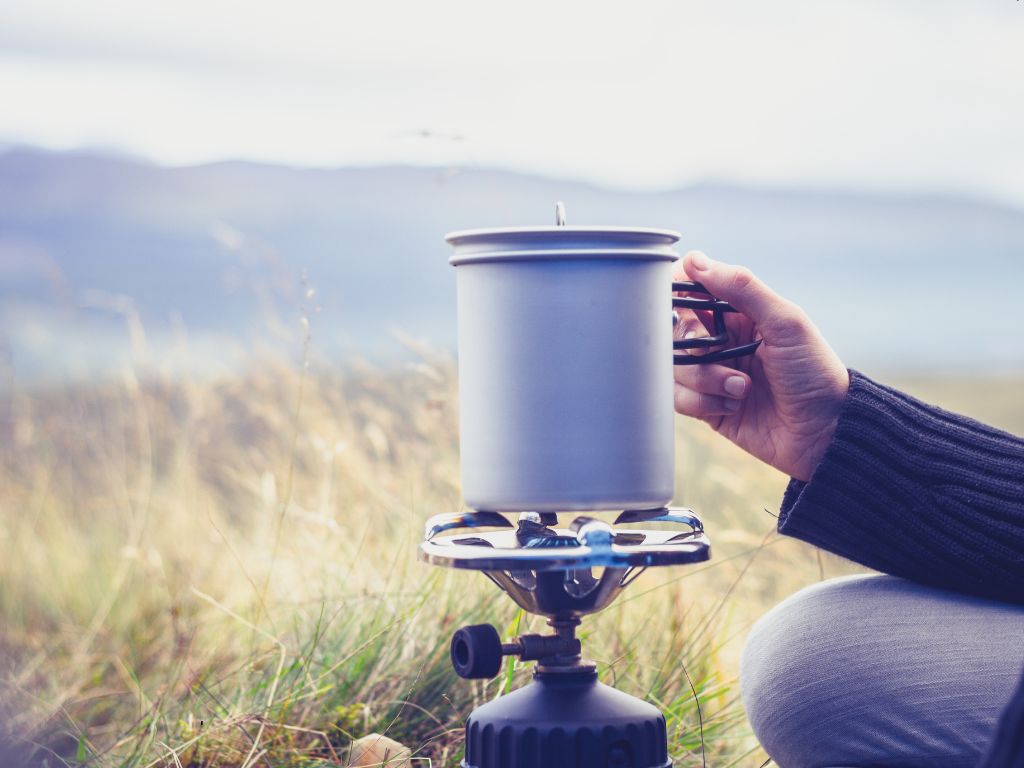
Ready to simmer down and make a selection? Here’s a breakdown of hiker recommendations for stoves that have proven their worth under a canopy of stars:
| Stove Model | Pros | Cons | Hiker Rating |
|---|---|---|---|
| Mountain Maverick 2.0 | Featherlight and compact | Small cooking surface | 4.5/5 |
| TrailBlazer Pro | Exceptional fuel efficiency | Pricey, but worth it | 4.8/5 |
| Forest Feastmaster | Multifuel versatility | Heavier build | 4.2/5 |
| Campfire Companion | Integrated windscreen | Slower boil time | 4.0/5 |
Remember, the best stove is one that caters to your needs, kindles your foodie flame, and doesn’t require you to sell your sleeping bag for fuel money.
Enhancing Your Stove’s Capabilities
While your trusty stove is the beating heart of your backpacking kitchen setup, it’s the accessories that turn that simmer into a sizzle. You’re the kind of chef who knows that with the right tools, cooking on the go is not just about sustenance—it’s about the experience. Let’s break down how to amplify your outdoor culinary game.
Must-Have Accessories for the Gourmet Backpacking Chef
Imagine the scene: you’re surrounded by nature, and with the right stove accessories, your outdoor dining just leveled up. Begin with a lightweight, reliable windscreen to shield your flame and improve efficiency, because the only thing worse than a cold meal is a stove that’s been blown out by a gust of wind. Next, add in some high-conductivity cookware—the kind that whispers sweet nothings to your fuel supplies by heating up faster while sparing more gas for tomorrow’s coffee. Speaking of java, don’t forget the portable coffee press; even out here, your morning brew needs to be on point.
Customizing Your Stove Set-up for Optimal Cooking Experience
Customizing your backpacking kitchen setup can be the difference between eating and dining al fresco under the stars. Start with adaptable pot supports to accommodate various pan sizes—because cooking on the go shouldn’t mean you’re limited to instant soups. And let’s talk utensils—opt for the eco-friendly kind, the ones that don’t mind a bit of rough and tumble in your backpack and won’t harm the planet in the process.
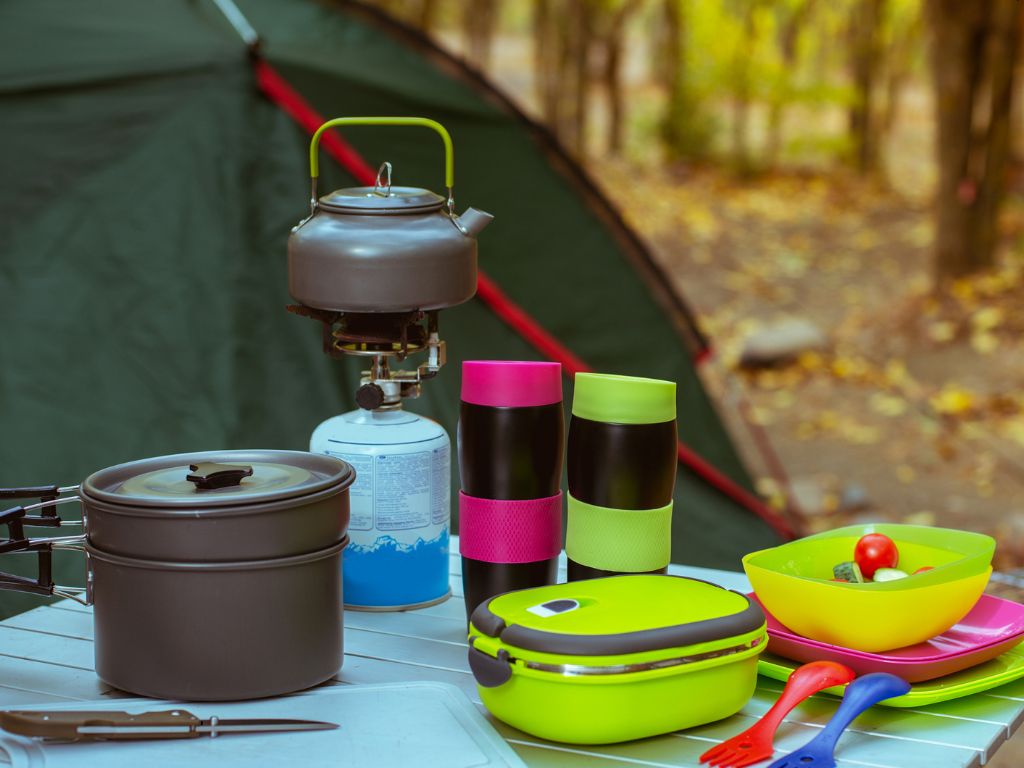
Here’s a handy table to help you pick out essentials for your next expedition:
| Accessory | Benefit | Why It’s a Must |
|---|---|---|
| Windscreen | Increases efficiency | Maximizes fuel, tames the flame |
| Lightweight Cookware | Conducts heat quickly | Fast and even cooking, saves fuel |
| Eco-friendly Utensils | Durable and biodegradable | Responsible cooking, easy cleanup |
| Portable Coffee Press | Gourmet coffee anywhere | Start the day right, boost morale |
| Adaptable Pot Supports | Versatile cooking options | Caters to different meal plans and party sizes |
Take this guide to heart, and you’ll be dishing out gourmet meals with the best of the trailside chefs. With the ideal stove accessories, your backpacking kitchen setup will be the envy of every hungry hiker within sniffing distance. Go ahead, chef—make that wilderness your five-star establishment.
Conclusion
Making an informed stove choice is more than sifting through a pile of options; it’s a pivotal part of preparing for trail-ready cooking. You’ve journeyed through various aspects, from the types of stoves to fuel preferences and the essence of safety practices. By now, you know that your footprints in the wilderness should be as light as your backpacker’s kitchen is resourceful. It all boils down to mindfulness in your selection, ensuring that each meal you savor under the starry skies is as comforting as your favorite diner’s.
Let’s face it, you desire the kind of adventure that’s sprinkled with the flavors of a well-earned meal. That’s why understanding the ins and outs of your stove’s maintenance and field repairs is not just a skill — it’s your ticket to uninterrupted gastronomic delights amidst the great outdoors. Combine this with real-life hiker endorsements and a keen eye on the best-seller lists, and you’re well on your way to a decision that will keep the fire burning and the pots simmering on all your future treks.
And before you set out, remember — accessorizing isn’t just a city sidewalk affair. Enhancing your culinary companion with useful add-ons can transform a simple boil into a gourmet affair. With the right tools at hand, you’ll master the art of outdoor gastronomy. So gear up with confidence, knowing that your backpacker’s kitchen is as prepared as you are for whatever the trail has in store. Here’s to meals that do more than just fill you up; they’ll fuel your spirit of adventure, making every bite a taste of triumph.
FAQ
What factors should I consider when selecting a backpacking stove?
Consider your trip duration, the size of your group, the type of meals you want to prepare, the weight you’re willing to carry, and the conditions you’ll be facing. Strike a balance between the portability of lightweight stoves and the robust performance of heavier models.
How do I choose the right fuel type for my backpacking stove?
Take into account the efficiency, availability, and the temperature conditions you’ll face. For cold conditions, liquid fuels like white gas are best, whereas canister fuels like isobutane-propane are more convenient for warmer climates and ease of use.
Are there eco-friendly stove options for backpacking?
Absolutely, you can find stoves that use efficient fuel, reduce emissions, or utilize renewable resources like solar power. Look for models that embody sustainable practices and always follow Leave No Trace principles to minimize your environmental impact.
What safety precautions should I take when using my backpacking stove?
Always use your stove on a stable surface, keep flammable materials away, never leave it unattended while lit, and familiarize yourself with the ignition system. It’s also smart to have a fire extinguisher or baking soda at hand for emergencies.
How should I plan my meals based on my backpacking stove capabilities?
Match your menu to your stove’s heat output and fuel efficiency. Opt for quick-cooking, high-calorie foods to save on fuel, or if you’re able to carry more, go for varied cuisines. Planning is key to ensure you have enough fuel for your culinary needs.
Can you offer some maintenance tips for my backpacking stove?
Keep those burner jets clean, regularly check for leaks in the fuel lines, and lubricate any moving parts. Carrying a basic repair kit and knowing how to fix common issues will keep your stove in top working order on the trail.
How does altitude affect the performance of my backpacking stove?
As you climb higher, oxygen levels decrease, which can cause some stoves to produce less heat and become less efficient. If you plan to cook at high altitudes, consider a stove designed for that environment and bring extra fuel for those extended boiling times.
Where can I find reliable reviews for backpacking stoves?
Look for reviews on outdoor gear websites, forums, and from trusted outdoor retailers. Pay attention to feedback from fellow backpackers and consider the best-selling models. Real-world testimonials offer valuable insight into a stove’s performance.
What accessories can enhance my backpacking stove experience?
Consider investing in a windscreen for fuel efficiency, high-quality lightweight cookware, and sustainable utensils. Accessories like adjustable pot supports and a portable coffee press can greatly enrich your trailside culinary expeditions.
You Might Also Be Interested In
Cultivate Success: Your Ultimate Victory Garden Guide
Digging Deeper: How Deep to Plant Potatoes?
Root Beer Ingredients: Sip the Secret Formula!