
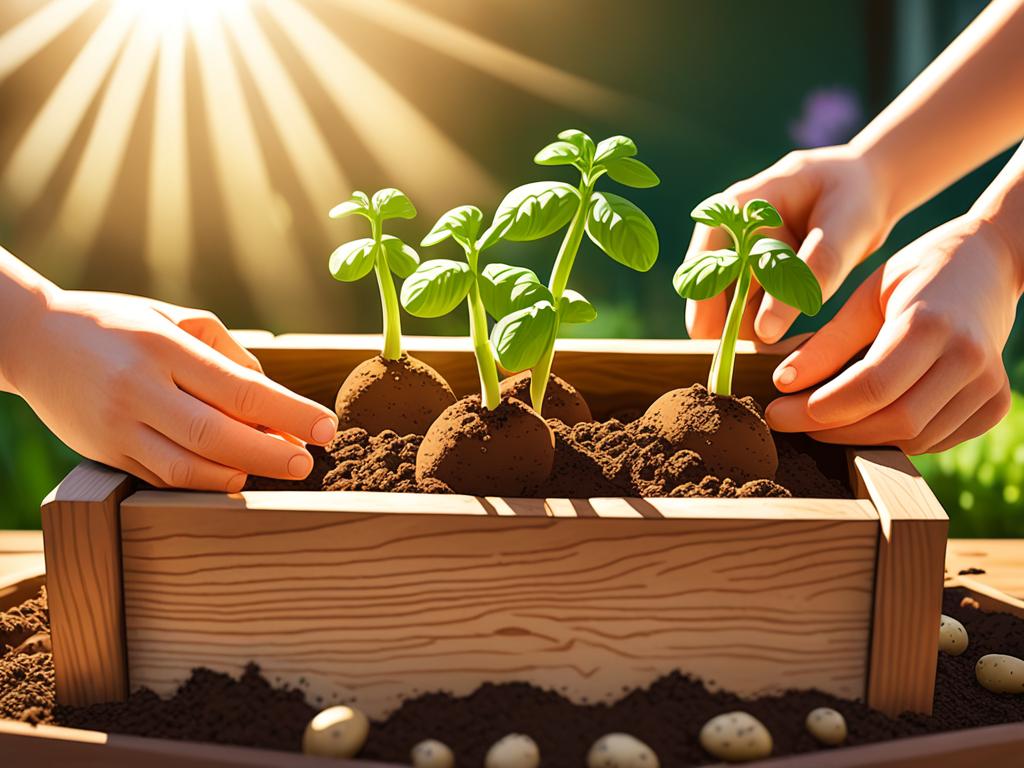
In the cozy confines of your pantry, a huddle of sprouted potatoes quietly holds the key to a lush, verdant potato garden of your very own. Yes, that’s right – you, steering the ship to an abundant harvest! Don’t let those spirited sprouts go to waste, because it’s your turn to transform kitchen rejects into homegrown potatoes. Embrace the humble beginnings of your sprouted spuds and prepare for a journey that ends with the earthy treasure beneath your very fingertips.
Imagine your stoop or backyard blooming into a sanctum of starch, where each sprout multiplies, promising a stash of your very own earth-borne bounty. It’s easier than you think—no magic beans required—just a pinch of preparation, a dash of dedication, and a sprinkle of soil. So, let’s dig into the dirt-and-potato science that turns planting sprouted potatoes into the most gratifying garden gamble you’ll ever take. Ready? Set. Grow!
Embarking on the Potato Planting Journey
Are you ready to grow your own potatoes? Imagine the pride as you harvest potatoes right from your backyard; it’s backyard potato farming at its best! You’re about to turn those sprouting spuds into your very own supermarket bounty.
First things first, it’s time to select your champions. Believe it or not, those potatoes hanging around in your kitchen are waiting for their time to shine in the soil. We’re talking russets, purples, and all the colorful varieties you’ve enjoyed at dinner. Let’s not forget, potatoes are not just starchy delights, they’re nutrient-packed soldiers in your diet—planting potato sprouts is basically deploying a vitamin army!
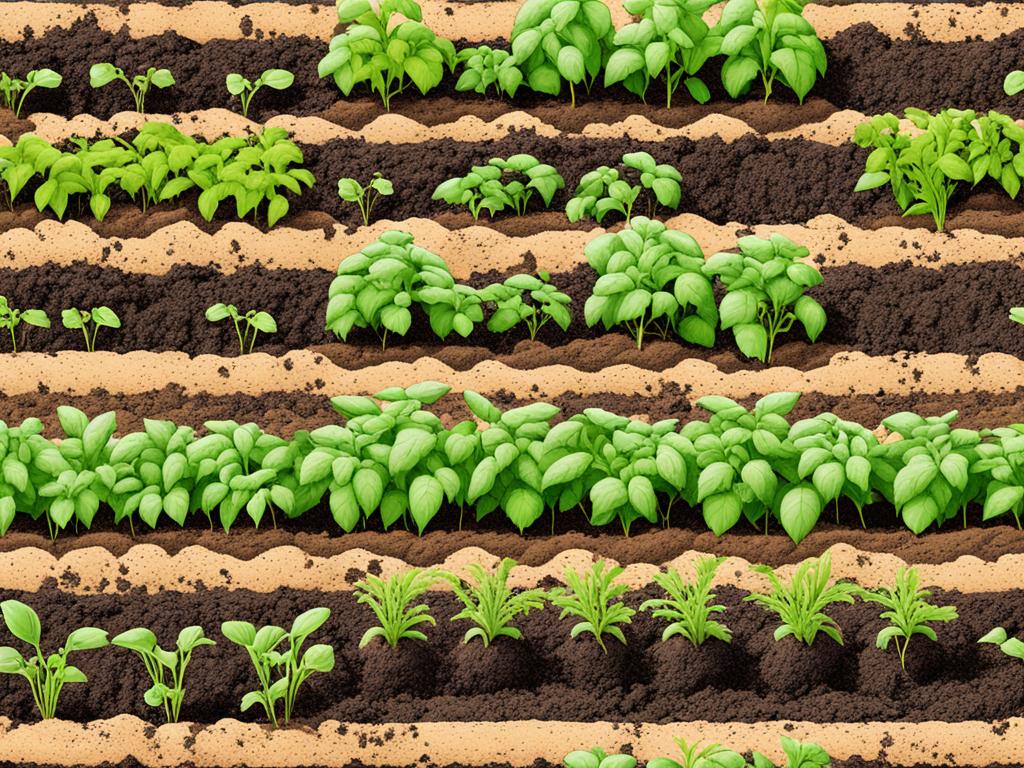
When the eyes of your potato pioneers start sprouting, cut them into chunks—think of it as making squads of tiny potato volunteers. Make sure each piece has one to two eyes. It’s like giving them a pair of binoculars to spot the best soil! After cutting, let them breathe and develop a thick skin, metaphorically speaking, before diving soil-ward.
Now, let’s not underestimate the importance of good quality seed potatoes. Here’s a potato pro tip: the chunkier the piece, the larger the underground treasure. If you dwell in places touching the sky, those high altitude regions are your jackpot for the short season varieties. Cool nights are like secret agents programming your potatoes to store more sugar, which equals healthy, drool-worthy meals.
Already excited? You should be! But hold on to your garden tools, as we’ve still got some important groundwork to cover. Get ready to watch those little eye-sprouted, vitamin-loaded chunks grow into a crop that’s going to make your backyard the envy of the neighborhood.
| Potato Type | Ideal Piece Size | Expected Harvest Size |
|---|---|---|
| Russets | 2-inch chunks | Large and hearty |
| Purples | 1.5-inch chunks | Medium, flavor-packed |
| Short Season Varieties | 2-inch chunks | Variable, sugar-rich |
Turns out, you’re just a few sprouts away from becoming a backyard potato farming mogul. Dig in, plant those sprouts, and watch as your potato empire grows, right there, just outside your back door.
Selecting the Spud Variety That Suits Your Soil
As you ponder the vast mosaic of potato varieties, imagine how they’ll flourish in your own backyard. From the humble beginnings of small sprouts, your harvest can be as rich and varied as the types you plant. So let’s align your taste buds and soil to the perfect tuber!
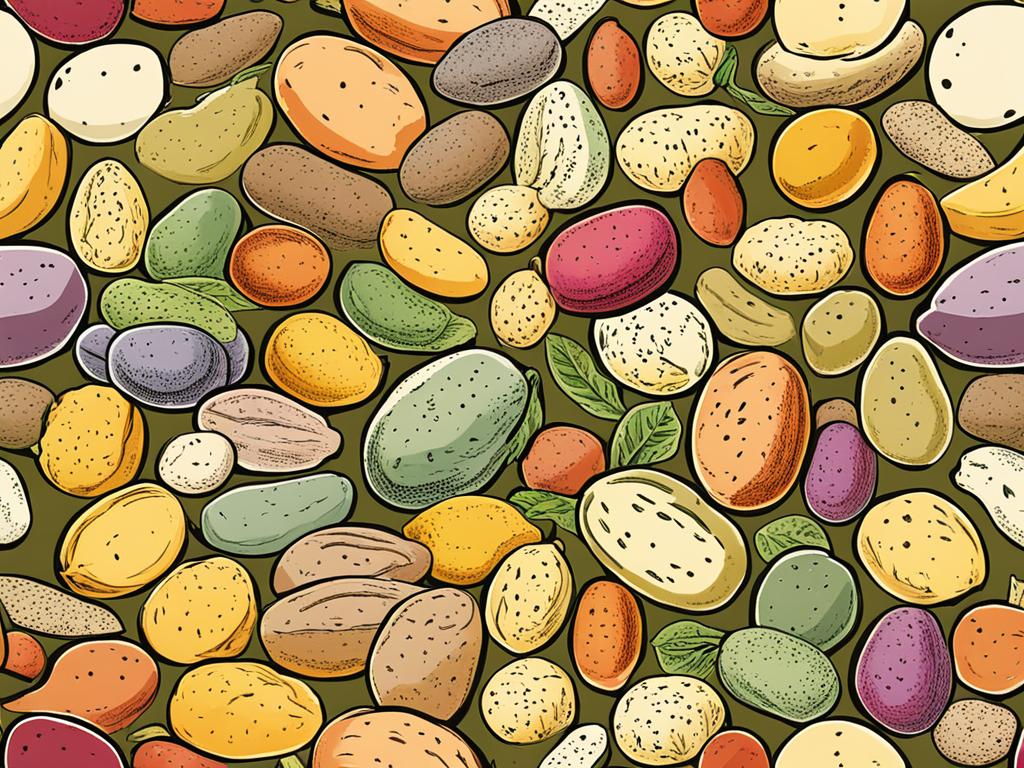
Aren’t you eager to bite into a steaming, buttery potato, straight from the earth? The art of choosing the right seed isn’t just science, it’s culinary poetry. Do heirloom potatoes stir your soul, or do you seek the robustness of organic seed potatoes? Maybe it’s the dashing Purple Majesty or the understated elegance of the Canela russet that catches your eye?
For those of you with soils that chill as the high-altitude nights swoop in, look no further than short-season varieties. These spuds are like the mountain monks of the potato world, storing their sugars and offering you tubers that are both healthier for the heart and less likely to drench your kitchen in grease when fried to golden perfection.
| Potato Variety | Taste Profile | Texture | Suitable Growing Condition |
|---|---|---|---|
| Colorado Rose | Mild and earthy | Smooth and velvety | Moderate climates with well-drained soil |
| Nicola | Rich and nutty | Firm, great for boiling | Short-season, high-altitude regions |
| Purple Majesty | Sweet and nutty | Moist, ideal for mashing | High altitude, cooler nights |
| Canela Russet | Earthy and robust | Fluffy, perfect for baking | Areas with a long growing season |
Pick a variety that resonates with your culinary aspirations, and let’s bring soul to your soil!
When the time comes to plant, don’t just toss those seed potatoes haphazardly. Nurture them, let them sprout with vigor, and then give them a home in your thoughtfully prepared patch. Remember, your choice today is the roast or mash of tomorrow!
Groundwork for Growth: Prepping Your Potato Plot
Before you dive into the gratifying world of potato farming techniques and bask in the serenity of organic gardening, let’s roll up our sleeves and prep your patch. A potato plot is more than just a piece of ground; it’s a nurturing haven where your spuds will flourish. You’ve chosen your favorite potato sack or raised garden, now it’s time to ensure it’s suited for a prize-winning harvest!

Soil Quality and Nutrition
Your spuds will thank you for starting with top-notch soil—the think tank of your garden. Recall last season’s legume love affair? They left a little parting gift in the soil: nitrogen. Potatoes sing odes to nitrogen. So, it could mean you’ll need less fertilizer—a win for your wallet and the environment. But if you’re starting afresh, consider an organic vibe with a sprinkle of Acton. Those beneficial microbes are like a probiotic smoothie for your soil, getting everything in tip-top shape for tuber triumphs.
Mounding Techniques for Potato Sack or Raised Garden Use
Do you mound? If not, get ready to be a mound aficionado. Whether you’ve got a potato sack ensemble or a raised garden stage, mounding is the secret handshake of potato aficionados. Plant your seed potatoes deep enough to avoid unwanted sunburns but shallow enough to breathe. And remember—when it comes to nitrogen, be cool. A deluge of it is like ordering dessert for dinner: tempting but unwise for your spuds. Be savvy, only hillock-up that soil when your potatoes are peeking out, eagerly waiting to grow into the crispy fries or creamy mash of your dreams.
Timing is Key: When to Plant Your Potatoes
Let’s cut to the chase: If you’re antsy to stick those spuds in the ground, timing isn’t just a comedy essential—it’s crucial for your potato planting schedule. With the potato growth cycle relying on Mother Nature’s moods, aligning your planting with her calendar is your ticket to tuber triumph.
Understanding Last Frost Dates
If you’ve got dreams of potato patches swaying in the breeze, wake up and check those frost dates! The last thing you want is Jack Frost nipping at your spuds. Planting your precious potatoes 6-8 weeks before the average last frost date gives them a fighting chance against any cold-hearted surprises.
Soil Temperature Guidelines for Spud Success
And remember, the soil needs to feel just right—above 45°F, to be specific. A soil thermometer isn’t just a fancy gadget; it’s your underground informant telling you when to mobilize those tubers. But if old man winter decides to stage a comeback with a hard freeze, shield your emerging shoots with a sheet—think of it as their tiny, cozy blanket. This protective move could save your potato pals from an icy end.
Alright, you’ve got your frost dates and soil temps locked in. Now, go forth and schedule with confidence! Your potato patch is depending on you for its well-timed debut in the world.
How to Grow Potatoes: Planting Your Sprouted Spuds
Ready to transform those sprouted potatoes lounging in your pantry into a leafy garden spectacle? Let’s dig into the nitty-gritty of potato planting techniques. Imagine your garden as a spud sanctuary, where eye-popping potato magic starts just 3-4 inches beneath the soil. Yes, each piece with a hopeful eye turned skyward, like a periscope checking for the all-clear to grow!

Here’s a tip: Keep a keen eye on the watering; your budding potatoes are Goldilocks’ kin, disdaining soil that’s too soggy or parched. The sweet spot? Aim for a soil temperature range that’s more comfy sweater than hot latte—45-50°F to be precise.
Now for a spot of gardening tips—spuds love the spa treatment. That means a cozy cover of soil, a splash of water, and plenty of room to unwind. And if you’re plotting to grow potatoes at home, be prepared for a little underground party as these tubers are not the shy, retiring type once they hit their stride.
| Planting Depth | Watering Regime | Temperature Range |
|---|---|---|
| 3-4 inches | Moderate, avoid waterlogging | 45-50°F |
| Best Practices: Mound soil as they grow, keep weeds at bay, and shower them with TLC | ||
With tender care and the kind of dedication that makes gardeners the unsung heroes of the produce aisle, expect a bounty of homegrown delights—it’s spud-tacular!
Nurturing Your Spuds: Potato Plant Care and Tips
Let’s dig a little deeper into the earthy world of organic potato farming. Caring for your potato plants isn’t just about casual watering and haphazard glances; it entails a whole symphony of attentiveness. From precise hydration tactics to the vigilant defense against gnarly pests, perfecting your potato care routine is pivotal to cultivating a crop that’s the envy of the neighborhood.
Watering Regimens for Optimal Growth
Like fine-tuning an instrument, adjusting the water volume for your spuds is critical. Small potatoes may hit their high notes with about 12 inches of seasonal rainfall or equivalent watering, whereas the larger varieties crescendo at around 16 inches. But remember, it’s not just the quantity; timing is also key. Uneven watering can turn your potential batch of fries into unhappy campers.
Staving Off Potato Pests and Diseases
When it comes to potato pest control, you’re the guardian of your garden. Armed with knowledge and organic deterrents, you’re not just defending your soil-clad treasures against pests; you’re also bolstering them against diseases. Natural enemies like ladybirds and lacewings are like little knights safeguarding the kingdom of Spudville. Include them in your cavalry for a pest-free harvest.

| Pest/Disease | Organic Control Method | Preventive Action |
|---|---|---|
| Colorado Potato Beetle | Introduce beneficial insects or apply neem oil | Regular crop rotation and handpicking |
| Potato Blight | Copper fungicides or compost tea | Plant resistant varieties and ensure good air circulation |
| Wireworms | Nematodes or diatomaceous earth | Keep the garden free of debris and till the soil in autumn |
| Aphids | Strong water spray or insecticidal soap | Encourage natural aphid predators like ladybugs |
Remember, when it comes to organic potato farming, a spoonful of prevention is worth a hilling of cure. With the right care, the only thing critters will be feasting on is your sheer genius. Go forth, cultivate with gusto, and yield a potato bounty that’s truly tuber-tastic.
The Art of Mounding: Ensuring a Bounty of Potatoes
As a potato enthusiast, understanding the hilling potatoes technique is akin to mastering a spell for increasing your potato yield. This little horticultural trick goes beyond just piling soil; it’s a strategic move in the grand chess game of potato growing methods.

Consider hilling as giving your potatoes their very own underground fortress. The process involves gracefully mounding soil around the bases of your potato plants as they grow. Not only does this discourage the green gremlins—ahem, we mean tubers—from surfacing and turning toxic, but it’s like handing your plants a megaphone to shout, “More tubers, please!” right into nature’s ear.
- Suppresses Weeds: It’s like waving a magic wand over your potato plot and uttering an incantation to keep those pesky weeds at bay.
- Prevents Greening: No one likes bitter, green potatoes. Hilling is the ultimate sunscreen for your spuds, ensuring they don’t get overexposed.
- Increases Tubers: More soil means more space for potatoes to sprout. It’s practically cloning your crop without dabbling in any sci-fi.
Now, don’t go piling on soil willy-nilly. The key is to cover the stems gradually as they grow—about every few weeks—giving your plants a little more soil cloak each time. And remember, while your plants thrive undercover, they need the basics: sunlight and a proper hydration regimen, plus occasional nutrients to flex their tuber muscles.
Keep hilling, keep watering, and keep an eye out for those shoots reaching for the stars. With each hill, you’re building a potato empire beneath the soil, ensuring your dinner plate never goes without this versatile vegetable. Happy hilling and happier harvesting!
Potato Bag Perks: Cultivating Spuds in Containers
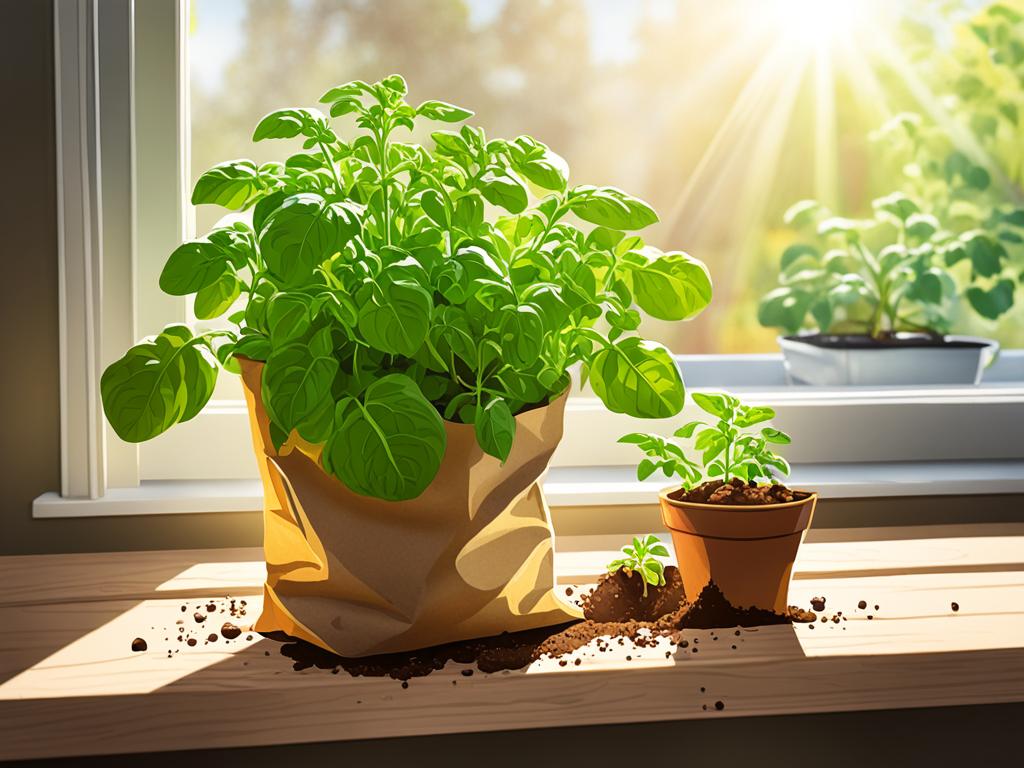
Are you eyeing that empty patio corner or your cozy balcony and wondering how to tap into its veggie-growing potential? Well, dear city dwellers and space savers, potato bags are your horticultural heroes. In the world of container gardening, these nifty sacks transform limited spaces into sprouting havens for no till potatoes, giving you the joy of fresh tubers without the need for a backyard expanse.
Choosing the Right Potato Bags
Not all potato bags are created equal. What you need is a champ of a bag—tough, breathable, and with ample space to let those spuds flourish. Aim for bags made of durable materials like canvas or a sturdy polypropylene that can withstand the rigors of both sun and soil. The right choice in potato bags can be the difference between a meager handful and a full-scale potato bonanza, so choose wisely!
The Benefits of No Till Potatoes in Containers
Imagine growing potatoes that are not just tender, but also kinder to the earth. No till gardening in containers is a sustainable twist to traditional spud cultivation. This method conserves soil structure, prevents erosion, and maintains a flourishing micro-ecosystem beneath the soil. The result? Happy potatoes, and perhaps, an even happier you when you pluck those earthy gems with minimal effort.
| Considerations for Potato Bags | Benefits |
|---|---|
| Durable Material | Long-lasting use, can be reused for multiple growing seasons |
| Proper Drainage | Prevents waterlogging and encourages healthy root systems |
| Size and Capacity | Accommodates plant growth and yields more potatoes |
| Eco-Friendly Approach | Supports a sustainable gardening practice and healthier soil |
So go ahead, give those potato bags a shake and a chance. With no till potatoes nestled in the heart of your urban sanctuary, you’ll be unearthing not just spuds but the thrill of green-thumbed triumph. Who knew that bagging potatoes could be alike capturing a little bit of mother nature within the fabric folds?
Digging Up the Goodness: Harvesting Your Homegrown Potatoes
After months of tender care, your patience is about to pay off. It’s harvest time, and your garden is about to give up the goods. But how can you tell if it’s really showtime for your spuds? Let’s unearth some telltale signs and tips to get your potatoes from soil to storage with aplomb.
Signs That Your Potatoes Are Ready
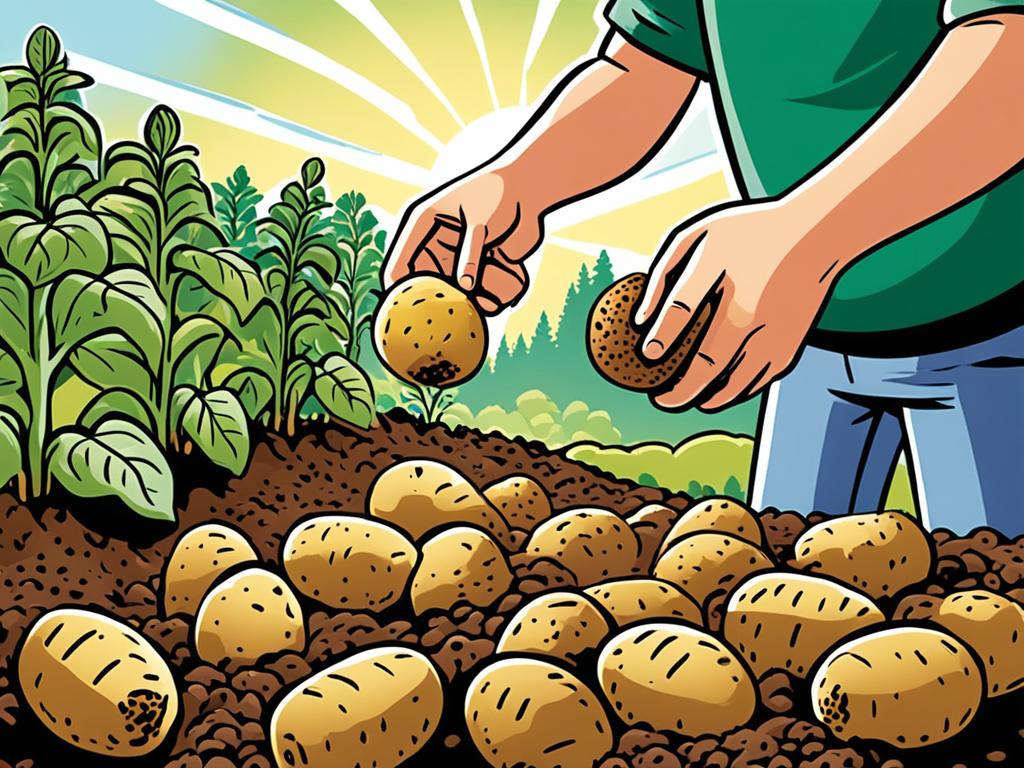
Don’t jump the gun when it comes to harvesting. You want your potatoes just right – not too early, not too late. Look out for the signs of potato maturity: a little bit of bloom on the plants and a sensation of firm tubers underneath the soil that whisper “pick me” to your gardener’s intuition. Slightly withered and yellowed foliage is nature’s flag that it’s go-time. Then, it’s time to put those potato harvesting methods to work!
Post-Harvest Potato Storage Tips
Once you’ve liberated your spuds from the confines of the earth, resist any urge to wash them. Instead, brush off the loose soil and store your bounty in a cool, dark nook. You’re not just storing homegrown potatoes; you’re preserving joys for your future self. Wash those beauties only when you’re ready to consume them, keeping them snug and dry until then for a longer shelf life.
| Storage Condition | Temperature Range | Expected Shelf Life |
|---|---|---|
| Dark & Cool | 45-50°F (7-10°C) | 5-10 months |
| Avoid Refrigeration | Above 37°F (3°C) | Prevents sweetness from converting to starch |
| Dry & Ventilated | N/A | Reduces spoilage and sprouting |
Conclusion
As you dust off the soil from your hands and admire your garden’s yield, take pride in the home agriculture journey you’ve embarked upon. Your pursuit of DIY potato growing has transformed into a tangible success, one delicious tuber at a time. Who would’ve thought that those once forgotten sprouts nesting in your pantry would flourish into robust spuds? This is the tangible proof of your hard work and dedication to sustainable living.
Your newfound expertise in cultivating potatoes is more than just a nod to self-sufficiency; it’s the cultivation of life, right in your backyard. A personal victory in the arena of potato crop success, each homegrown potato contributes to the broader canvas of your culinary delights. Whether your harvest culminates in a hearty stew or a festive gratin, remember that each bite is a celebration of your commitment to growing your own food.
Embrace the cycle of the seasons, knowing that with each passing year, your skills in home agriculture are deepening, akin to the very roots of the potatoes you nurture. So, as the leaves turn and the cycle prepares to start anew, look forward to the sprouting possibilities. Each eye, each sprout, each potato is a story of growth—a story that you are uniquely authoring. Here’s to the hearty, homegrown harvests that await!
FAQ
Can I grow potatoes from the ones I have sprouted in my pantry?
Absolutely! Those pantry sprouters are aspiring potatoes just waiting to shoot their shot in your garden. Every eye on a sprouted potato could be your ticket to a new plant; just give them a little cut and TLC, and you’re on your way to homegrown potato stardom.
What are the best potato varieties to plant in my backyard?
When it comes to choosing your underground champions, the world is your oyster… or your potato! From the starchy goodness of russets to the antioxidants in Purple Majesty, there’s a spud for every preference, soil type, and climate. Heirloom potatoes and organic seed potatoes are fantastic contenders for that blue-ribbon plot.
How should I prepare my garden for planting potatoes?
Think of your garden as a cozy potato bed and breakfast. A fluffed-up soil mound here, a sprinkle of nutrients there—it’s all about making your potatoes feel at home. Whether you’re into the potato sack method or fancy a raised garden approach, ensure your soil is inviting and structured for your tubers to thrive.
When is the right time to plant my potatoes?
Timing is as crucial as your favorite watering can. Plant too early, and your spuds might shiver in the cold; too late, and they’ll sweat in the swelter. Aim for that sweet spot when the soil temp is a cozy 45°F or higher, usually around your region’s last frost date. There’s a time to plant and a time to potato—it’s your job to sync them up!
What is the proper technique for planting sprouted potatoes?
Get down and dirty with your spud buds by cutting them into chunks—think potato nuggets—each sporting a precious eye. Tuck them into the soil like a tucked-in toddler, eyes gazing skyward, about 3-4 inches under. Then just wait for the magic to happen.
How should I care for my growing potato plants?
Think of your potato plant as that one friend who’s never too hot or too cold. They need the Goldilocks treatment: just the right amount of water, a comfy soil temperature, and careful nurturing to stave off those pesky pests and diseases. It’s garden tender loving care at its finest.
What should I know about the hilling process?
If potato fame had a secret, it would be hilling. Like building a sandcastle around your plant, this technique provides dark, cozy conditions that encourage more tubers to form, maximizing your underground bounty. Keep stacking the soil around them as they grow; it’s like applause for potatoes.
Can I grow potatoes in containers?
Yup, growing potatoes in bags is totally a thing, like apartment-friendly farming. Grab a potato bag designed for success, fill it with soil, and enjoy the wonders of no till potatoes without needing an entire backyard. Perfect for those looking to dip their toes in the fertile waters of container gardening.
How do I know when it’s time to harvest my homegrown potatoes?
Patience, young padawan, your spuds will let you know. Flower blossoms wink at you, or the plants start looking a bit tired, and it’s go time. Gently unearth your tubers, then store them in a cool, dark corner, resisting the urge to give them a bath until you’re ready to consume those earthy delights.