

Ever stared at an egg carton and thought, “Are these fine feathered friends of mine still good to go, or am I flirting with a bout of food poisoning?” Worry not, your conundrum is all too relatable. Determining egg freshness is key to safe egg consumption, yet deciphering the riddle of egg expiration signs often requires a bit more than just cracking the case…literally!
Still trusting that ‘sell-by’ date a tad too religiously? Let’s crack that myth open. Spoiled eggs might just be squatting in your fridge, masquerading as fresh candidates for your next sunny-side up adventure. But we’ve got the easy secret on how to tell if an egg is way past its prime – without the old sniff and frown routine.
So, if you don’t fancy an unplanned microbial feast (and trust us, you don’t), buckle up. We’re about to embark on an epicurean exploration that will leave you egg-sactly informed, with nary a rotten egg in sight. Let’s roll, and rid those bad eggs from your breakfast brigade!
The Undeniable Truth of “Best By” Dates on Egg Cartons
When it comes to egg shelf life, you might find yourself putting too much trust in the egg carton dates. Sit tight, because it’s time to crack open the myth that these dates are the ultimate verdict on whether your eggs are ready to sizzle or fizzle. Consider this: egg expiration understanding is more nuanced than simply glancing at the printed ‘best by’.
The USDA casts a wider net, hinting that just because the date says it’s time to say goodbye, it doesn’t mean your eggs will turn into pumpkins at the stroke of midnight. Instead, these dates are more of a “best flavor by” suggestion than a hard-stop safety warning. So yes, you can often nudge that omelette plan beyond the carton’s prophecy.
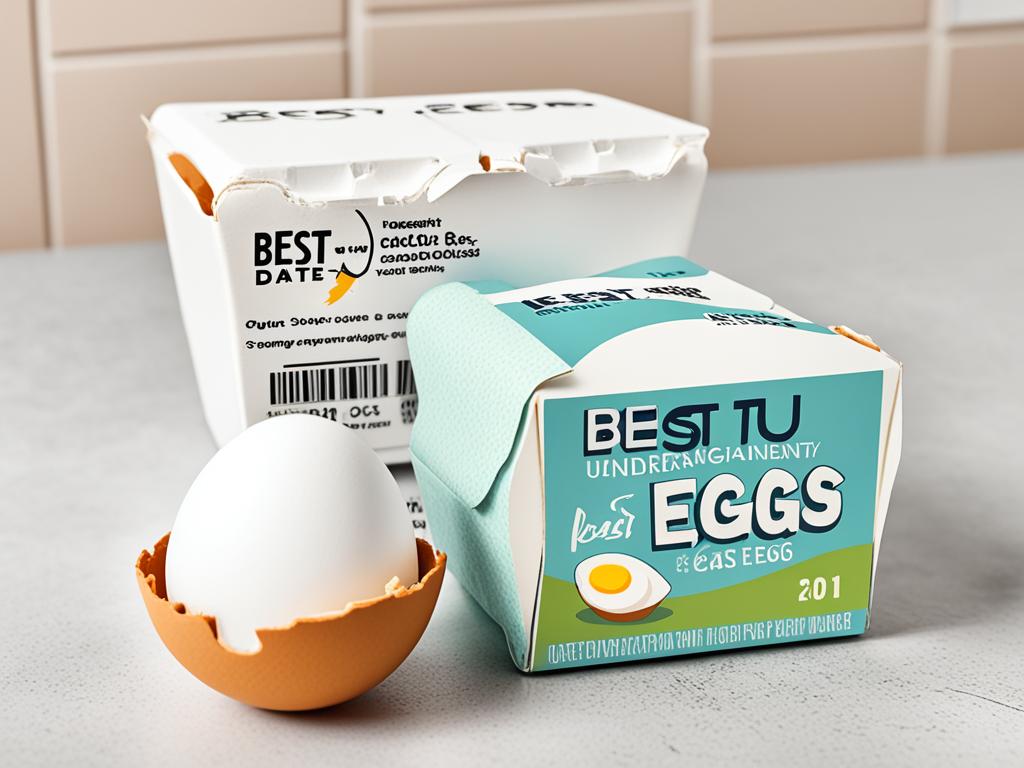
But how, you ask? Picture your fridge as a time capsule: eggs nestled within it can remain your breakfast champions for three to five weeks past the printed date. Waste not your perfectly edible eggs due to date-obsession, and miss not the opportunity to savor them as they deserved to be. Let’s hatch a plan to understand how these dates are determined and discover how you’ve got more time than you thought. Best by dates, meet their match: the insightful egg aficionado (that’s you!).
Remember: the ‘best by’ date is not an expiration date, but an invitation to enjoy your eggs for weeks beyond their calendar spotlight.
The Water Test: A Buoyancy Experiment with Your Eggs
Have you ever wondered why some eggs act like little submarines while others aspire to be hot air balloons? It’s all about the egg buoyancy. Dive into this aquatic adventure with a simple bowl of water to determine the tale of your eggs without cracking their secrets wide open—yet.
Understanding the Science of Egg Buoyancy
It’s time to channel your inner Einstein. An egg’s shell might seem like Fort Knox, but it’s more like a doorman at a fancy apartment, selectively letting air move in and out. As time marches on, air gradually fills the void inside the shell, and our once-dense egg becomes buoyant. That’s the foundation of the egg freshness test, a test so simple yet so telling.
Interpreting the Results of the Water Test
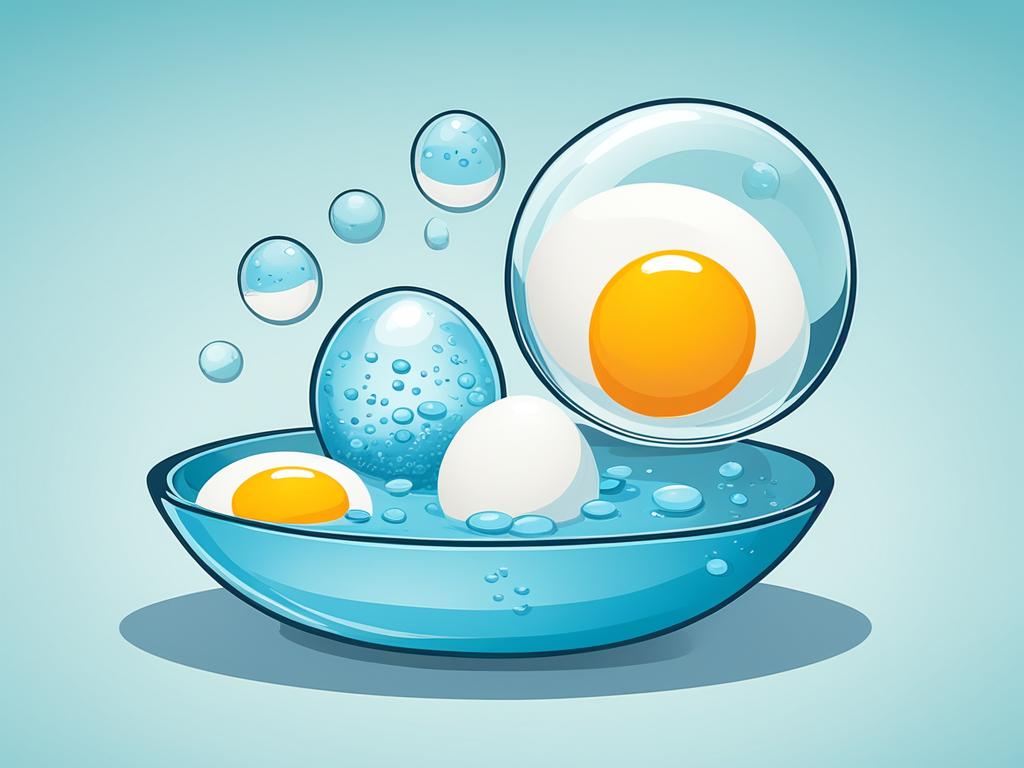
Put on your lab coat, it’s time for results. When you conduct the float test for eggs, you’re sending them on a do-or-die mission. Will they sink like a treasure chest, or float like a lost ship? Ah, but it’s not so black and white; there’s a spectrum to pay attention to:
- Sinks and Lies Flat: This is a green light—your egg is as fresh as morning dew on a daisy.
- Sinks but Stands on End: Careful now, this egg’s got some miles on it, but it’s probably still good to go.
- Floats to the Surface: Red alert! This buoyant fellow is sending you an SOS—it may be time to part ways.
Seeing is believing, sure, but why not make sure? If your egg floats, crack it open in a clean bowl. Do a visual inspection, take a gentle whiff—if nothing seems amiss, your eggy friend might still have a shot at the scramble.
| Egg Status | Description |
|---|---|
| Submarine (Sinks) | Fresh, likely collected within 1-3 weeks. Ideal for any dish. |
| Bobber (Stands) | Older, but still safe. Best used hard-boiled or in baking. |
| Buoy (Floats) | Stale, potential risk. Double-check before use or discard. |
And there you go! You’ve not only learned how to conduct an egg buoyancy experiment but have become adept at interpreting what your egg’s sea journey reveals. Now that you’re privy to this wisdom, you’re ready to cruise the kitchen seas with confidence.
Is That Rotten Smell Accurate? Using Your Nose as a Detector
It’s time to put your nostrils to the test. Before you crack that egg over the skillet and possibly into a morning of regret, let’s understand how the mighty smell test for eggs saves your breakfast from disaster. As super as your senses may be, they need a little context to truly be your kitchen sidekick.
The Limitations of Smelling Eggs Through the Shell
You might wish you had superhero powers when it comes to detecting bad eggs through their shells. Unfortunately, the shell’s a natural fortress against your sniffing prowess. That unassuming egg in your hand could be fresh as the morning dew or a secret agent of spoilage, and you wouldn’t be the wiser without cracking its code.

Breaking it Down: The Odor Test After Cracking
Armed with anticipation, you might meet a split second of suspense before your kitchen fills with the undeniable presence of sulfur – a telltale sign of an egg gone rogue. That’s right, once liberated from its shell, a bad egg’s rotten egg odor will wave a red flag in the form of an olfactory assault. Bid farewell to the omelet dream; this is a clear-cut case for the garbage chute.
Delish advises to always perform a preemptive sniff before you let that egg mingle with your other ingredients. No smell equates to all’s well, but an unappetizing whiff calls for a tactical retreat.
So go ahead, give those eggs the old smell test – it’s the only way to be certain that your suspect isn’t already rotten to the core!
Eggshell Inspection: Visual Cues to Egg Freshness
Let’s play shell detective – your mission: to determine the edibility of your eggs through a visual inspection of eggs. Be on the lookout for any cracked eggs or worse, mold’s calling card – a slimy or powdery surface. These are the signs of bad eggs that could herald a bacterial invasion, and no one wants an unplanned skirmish with microbes.
If your shell sleuthing reveals cracks, don’t despair immediately. Not all cracks are a death knell. Was the egg a recent market acquisition, and did you see the crack happen under your own gaze? Get that pan hot – it’s cooking time, or into a snug container it should go if you have quick culinary designs.
- Investigate for cracks: If visible, the egg might need to be used promptly or discarded.
- Check for unusual textures: A slimy or powdery shell indicates possible mold growth.
- Take note of shell color and integrity: Any deviations could hint at contamination.
Eggsperts know – the shells tell tales. So, before smashing that egg on the rim of your bowl, give it a good once-over. It’s all in the details, and your omelet’s fate hangs in the balance.
How to tell if an egg is bad by Listening for Liquid?
Consider yourself an egg connoisseur? Then you’ll love this quirky, yet surprisingly reliable, sound test for eggs. Yes, your breakfast staple can do more than just sit pretty in the carton—it can sing the song of freshness, or lack thereof. So, let’s get cracking and tune into what the egg liquid sounds are telling us.

Shake and Hear: Sound Indications of Freshness
Imagine holding a tiny maraca. Now give that egg a gentle gyration next to your ear. Dead silence? That’s music to a chef’s ears. A fresh egg is filled with components so snugly packed that they don’t have room for a solo dance party. So if you can’t hear a thing, proceed with your scrambled egg mission with confidence—you just passed the first part of the egg freshness indicator test.
What Sloshing Sounds Mean for Your Egg
But what if your little egg decides to put on a performance with noticeable sloshing? That’s not exactly applause-worthy. That egg liquid sound denotes that the egg’s contents are now reminiscent of a watery cabaret. The yolk’s structure might be compromised, potentially mingling with the whites in a less firm handshake than when they first met. This sloshy symphony might hint that the egg is a bit long in the tooth. Yet, hold off on the egg eulogy; this is but one act of your egg’s play.
| Sound Test | What It Means | Your Move |
|---|---|---|
| No sound | Egg likely fresh | Cook with confidence |
| Gentle sloshing | Egg is older, content is liquidy | Confirm with other tests before use |
| Loud sloshing | Egg possibly too old | Best to crack and check or toss |
Next time you’re rummaging through the fridge, remember this little party trick. Not only will it raise an eyebrow or two, but it could also save your breakfast from going rogue. After all, nobody likes an egg that’s past its prime—but they do enjoy a bit of kitchen wizardry. And who knew, the humble egg was such a chatterbox?
Cracking the Case: What to Look for Inside the Egg
So you’ve done all the preliminary checks for your potentially dubious eggs—float test? Check. Sniff test? Passed. But here you are, at the ultimate showdown: inspecting egg contents. Ah, there’s nothing quite like the suspense that hangs in the air as you prepare to crack an egg. Will it be a superstar, ready for its culinary close-up, or a dud, set to dash your soufflé dreams? Let’s see what story the insides of that shell unfold.
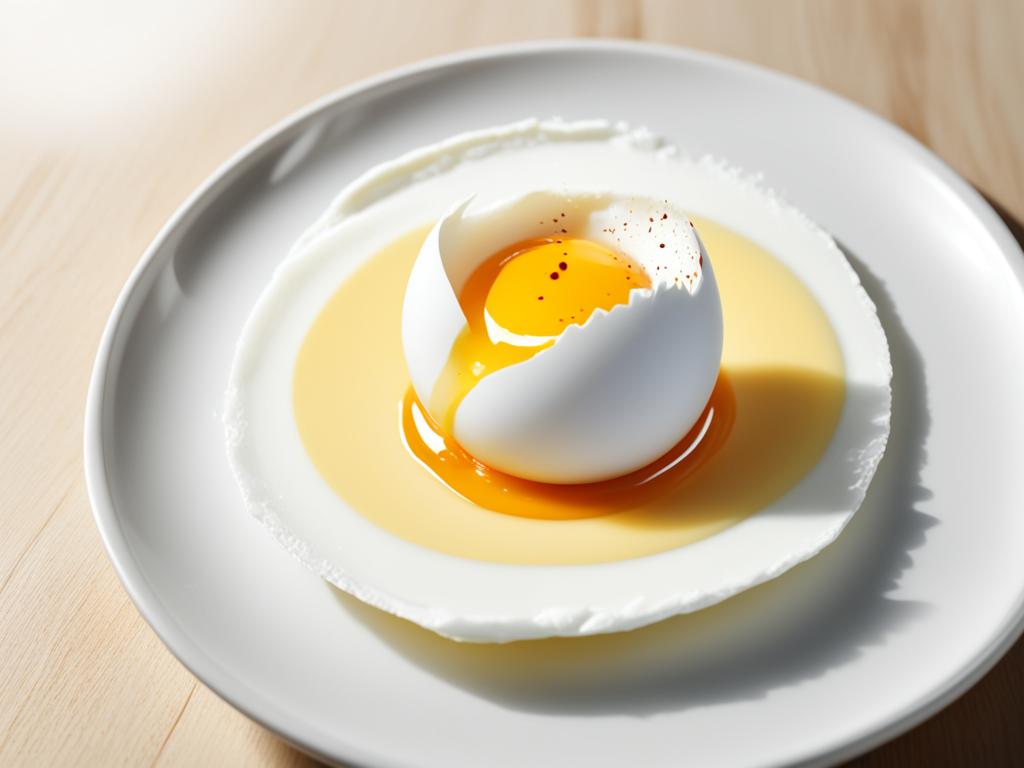
As you crack your egg, look for these features:
A perky yolk that stands proudly and refuses to slouch—a sign of youth and vigor.
The egg white, or albumen, should cling to the yolk like a firm handshake; not overly fluid, but sporting a confident gel-like consistency.
But beware of the notorious signs of a spoiled egg:
- A yolk that looks defeated, slumping into a flat puddle
- Whites that have decided to run for the hills, so to speak—watery and too eager to spread out
When speaking colors, you shouldn’t be seeing an art project gone wrong. If your egg’s interior is sporting greenish or iridescent tones, or if it’s shamelessly parading black or green spots—thank it for its audition, and show it the door. These are clear admonitions from the Egg Safety Center that the egg belongs anywhere but in your frying pan.
Don’t let a red spot send you into a panic—egg white and yolk freshness can include this harmless mark. It’s the equivalent of finding a birthmark on an otherwise flawless supermodel.
| Appearance Feature | Fresh Egg Cue | Signs of Aging |
|---|---|---|
| Yolk Height | Perky and Round | Flat and Wide |
| Egg White Consistency | Firm and Slightly Opaque | Watery and Spreadable |
| Color Vibrancy | Normal, No Discoloration | Greenish, Iridescent, or Spotted |
And there you have it. Just remember, when you’re inspecting egg contents, you’re looking for the poster child of eggs—with all the freshness of morning dew on a newly bloomed rose. Now go forth, and may your omelets always be made with the freshest eggs on the block!
Freshness Beyond the Float: Other Ways to Test Your Eggs

Ever gaze at a carton of eggs and fret with uncertainty? Do you trust the float test alone or look for additional egg tests? Let’s enhance your detective toolkit with some egg freshness techniques and end your egg-sistential doubts.
Consider the saline sleuth method, an undercover version of the buoyancy test. The science? Saltwater denser than freshwater creates a more critical proving ground for your ovoid suspects:
- Dissolve about two tablespoons of salt into two cups of water.
- Submerge your egg. If it sinks like it’s got an anchor, you’re golden. If it floats, it’s seasoned enough to have its own tales.
Next up is the plate test, your go-to performance stage for an egg’s soliloquy:
- Crack your egg gently onto a flat surface. A fresh egg’s script includes a thick white, hugging its star yolk tightly.
- If the white sprawls lazily across the plate with a slouched yolk, it’s time for a goodbye ovation. No encore.
Egg storage is like a cold embrace in the tundra of your fridge. Here’s the scoop for preserving your eggs like a pro:
- Keep them snug in their carton; they adore their original boudoir.
- Place the carton at the fridge’s rear—the Bermuda Triangle, where cold is king.
- Ensure that they stand upright, like soldiers guarding your culinary fortress.
And remember, when in doubt, cook those contenders thoroughly. Heat is the redeemer that neutralizes the unseen adversaries hiding within.
Your takeaway? The float test is not an egg-exclusive metric. The key to determining egg age and freshness lies in a cross-examination of salty waters, the authoritative sprawl of an egg on a stage, and the chilly haven of your refrigerator. May your omelets never face betrayal again.
Egg Storage Techniques to Maximize Freshness
Do you want to add weeks to the life of your eggs? Of course, you do! Maximizing egg lifespan isn’t rocket science—it starts with egg refrigeration. The fridge is not just a cold box; it’s an anti-aging vault for your eggs. By keeping eggs in their original carton, you’re not just preventing odor mingling with your leftover onion tart; you’re avoiding possible breaches in their shells that could spell spoilage. Remember, the carton isn’t just a container; it’s equipped with a built-in expiration reminder—check the stamped date to know your eggs’ freshness timeline.

But what if your eggs are approaching the expiration date faster than an unread email in your inbox? Enter the realm of utilizing nearly expired eggs. This doesn’t mean waving a tearful goodbye. No, it’s time for their grand transformation!
Proper Refrigeration and Its Role in Preserving Eggs
Storing eggs properly is akin to granting them an elixir for endurance. Ensure those orbs are placed pointy end down and at the coolest part of your fridge. By avoiding the door, which is subjected to fluctuating temps, you’re affirming their longevity.
Using Eggs Near Expiration: Delicious Uses for Aging Eggs
Those almost-past-their-prime eggs are not lost causes. They’re the ideal candidates for hard-boiling. Boiled to perfection, then plunged into a pickling brine, they become pickled delights. It’s a culinary pivot that could revamp your snack game, not to mention extend the edibility of your eggs. Whether it’s adding a tangy zip to your salads or a punchy protein pick-me-up, these briny bites are a testament to your egg-cellent resourcefulness. Who knew nearing expiration dates could taste so adventurous?
Conclusion
As we’ve cracked the case of egg freshness, bear in mind that the date stamp on your carton only tells part of the story. Your carton’s best-by date is merely the prologue to a longer shelf-life tale that can extend well beyond the printed finale. By embracing a few reliable methods, you ensure each egg’s chapter concludes triumphantly at your breakfast table.
Recap of Reliable Methods to Test Egg Freshness
In your culinary narrative, remember that summarizing egg freshness tests can be your plot twist to breakfast success. The water bath’s buoyant mysteries, the olfactory revelations post-crack, and the integrity of the shell’s facade – these are your chapters of truth. Each test, from aqueous floats to auditory hints, lead to the revelation of your egg’s freshness and set the stage for a delightful gastronomic experience.
Best Practices in Egg Storage and Safety
Let’s talk about egg handling safety and whisk in some best practices for storage. Your fridge is the stronghold where eggs repel the sieges of time, best nestled upright in their carton strongholds set against the cold back wall. When the days dwindle down on their perishable performances, pivot those near-expired eggs into the spotlight of pickled and hard-boiled specials. Yet, the ultimate safeguard is the hero’s journey of thorough cooking, ensuring each meal is not only scrumptious but also casts aside any microbial dragons lurking about. Arm yourself with these strategies, and your kitchen quests shall yield bountiful feasts, free of trouble and full of taste!
FAQ
How can you determine if an egg is fresh or spoiled before cracking it open?
To assess egg freshness sans cracking, perform the float test by submerging your egg in cold water. Fresh eggs sink, older but possibly still edible eggs stand on one end, and bad eggs float. You can also inspect the shell for cracks, sliminess, or powder-like substances, which could indicate bacteria or mold presence.
What is the significance of the “Best By” dates on egg cartons?
“Best By” dates on egg cartons suggest when eggs should be sold by, but not necessarily consumed by. Eggs often remain fresh and suitable for safe egg consumption for three to five weeks beyond this date when stored properly in the fridge, per the U.S. Department of Agriculture’s egg expiration understanding.
What do the results of the egg water test indicate about an egg’s freshness?
In the buoyancy experiment with your eggs, a sinking egg indicates freshness, while an egg that stands upright suggests it’s older—though possibly still safe to eat. An egg that floats is likely spoiled. Nonetheless, this test should be combined with other methods for full certainty about egg freshness.
Can you really use your sense of smell to detect a bad egg?
Absolutely, your schnoz is a detective in the kitchen. While the shell may hide the stench, a cracked rotten egg will unleash an unmistakable foul odor. If it smells like sulfur or decay, steer clear—your olfactory evidence points to spoilage.
Are there visual signs that can indicate an egg is bad?
Yes, your eagle eyes can spot visual inspection of eggs for signs of bad eggs: be on the lookout for cracks that bacteria can sneak through, or a slimy or powdery shell that suggests mold. These visual cues are stop signs on the road to egg enjoyment.
How can you tell by sound if an egg is still good to eat?
Give your egg a gentle shake next to your ear; if it’s silent, it’s a fresh hit. A sloshing sound, however, is a liquid red flag indicating the egg may be on a downhill freshness slide. Though the egg might still pass the freshness test when paired with other indicators, it suggests it’s aging.
Upon cracking an egg, what should you look for to know if it’s still fresh?
After cracking an egg, scan the contents for freshness flags. Fresh eggs will have a perky yolk and a firm, slightly opaque white. Spoiled contenders display runny, watery whites, a flattened yolk, or spots of ominous colors—a signal from the Egg Safety Center to bid thee farewell to the egg in question.
Are there additional tests to check egg freshness beyond the float test?
Certainly! You can perform the saltwater test or crack the egg onto a plate and look for a confident white and a robust yolk to determine egg age. For eggs nearing their “sell by” date, consider making pickled eggs or use them in recipes where they will be thoroughly cooked.
How should eggs be stored to ensure maximum freshness?
To maximize egg lifespan, store your eggs in their original carton at the back of the fridge where it’s coldest. Keep them in an upright position to prevent the yolk from settling and to reduce air exchange. If eggs are nearing expiration, turn them into hard-boiled or pickled delights to extend their utility.