

Making your own dog shampoo can be a fun and cost-effective way to keep your canine companion clean and healthy. Not only does it save you money, but it also allows you to control the ingredients and ensure they are natural and safe for your furry friend.
Commercial dog shampoos often contain harsh chemicals that can irritate your dog’s skin. By opting for homemade dog shampoo, you can avoid these potential irritants and provide a gentler cleansing experience. Plus, you don’t have to worry about running out to the store every time your pup needs a bath!
There are numerous homemade dog shampoo recipes available, using common household ingredients such as baking soda, vinegar, and dish soap. These recipes are easy to follow and can be tailored to your dog’s specific needs, whether they have dry skin, need flea prevention, or simply require a basic cleansing.
Discover the wonders of homemade dog shampoo and unleash your inner DIY guru in the process! Let’s dive into some simple and effective homemade dog shampoo recipes that will have your furry friend looking, feeling, and smelling fabulous!
Key Takeaways
- Making homemade dog shampoo can save you money and ensure you’re using natural ingredients.
- Avoid using human shampoo, as it can cause skin irritations in dogs.
- There are various homemade dog shampoo recipes available using common household ingredients.
- Customize your homemade dog shampoo to address your dog’s specific needs, such as dry skin or flea prevention.
- Regular bathing is essential for maintaining a clean and healthy coat for your dog.
Now that you know the benefits of homemade dog shampoo, let’s explore some simple and effective recipes that will have your furry friend feeling fresh and fabulous.
3-Ingredient Simple Shampoo
Looking for a basic dog shampoo recipe that is quick, easy, and effective? Look no further! With just three simple ingredients, you can make a homemade dog shampoo that will leave your furry friend feeling fresh and clean.
To create this simple homemade dog shampoo, you’ll need:
- Warm water
- Nontoxic dish soap
- White vinegar
Why these ingredients, you ask? Well, here’s the scoop:
Dish soap helps remove excess oils from your dog’s coat, leaving it clean and shiny.
White vinegar has antibacterial properties that can help eliminate odors and keep those pet smells at bay.
Now that you have your ingredients, here’s how to mix up this simple homemade dog shampoo:
- Combine equal parts warm water, nontoxic dish soap, and white vinegar in a spray bottle.
- Wet your dog’s coat thoroughly.
- Apply the shampoo mixture to your dog’s coat, focusing on areas that need extra attention.
- Gently lather the shampoo into your dog’s fur, making sure to work it in well.
- Rinse your dog thoroughly with warm water.
And that’s it! With just three ingredients and a few simple steps, you can create your own homemade dog shampoo that is safe, effective, and budget-friendly.
Comparison of Homemade Dog Shampoos
| Shampoo Recipe | Main Ingredients | Benefits |
|---|---|---|
| 3-Ingredient Simple Shampoo | Warm water, nontoxic dish soap, white vinegar | Removes excess oils, antibacterial properties for odor control |
| Aloe Vera and Glycerin Shampoo | Baby shampoo, apple cider vinegar, glycerin, aloe vera gel | Moisturizing, gentle on sensitive skin |
| Flea-Repellent Dog Shampoo with Essential Oils | Warm water, aloe vera gel, Castile soap, lavender essential oil | Repels and kills fleas, natural antibacterial properties |
As you can see from the comparison table, the 3-Ingredient Simple Shampoo provides a straightforward solution for basic dog grooming needs. It’s a great starting point for making your own dog shampoo at home.
Aloe Vera and Glycerin Shampoo
If your dog has dry or sensitive skin, you can create a homemade dog shampoo to provide relief. One option is an aloe vera and glycerin shampoo, which includes ingredients like baby shampoo, white or apple cider vinegar, glycerin, and aloe vera gel. Another option is an oatmeal dog shampoo, which combines uncooked oatmeal, baking soda, and warm water.
Making your own dog shampoo allows you to cater to your dog’s specific needs, ensuring a gentle and moisturizing wash. The combination of aloe vera and glycerin helps soothe dry skin and provides much-needed hydration. Baby shampoo is gentle and safe for your dog’s delicate skin, while vinegar helps maintain the pH balance of the shampoo and promotes a healthy coat.
| Ingredients | Quantity |
|---|---|
| Baby shampoo | 1/2 cup |
| White or apple cider vinegar | 1/4 cup |
| Glycerin | 1/4 cup |
| Aloe vera gel | 2 tablespoons |
Note: You can adjust the quantities based on your dog’s size.
To prepare the aloe vera and glycerin shampoo, follow these simple steps:
- Combine the baby shampoo, vinegar, glycerin, and aloe vera gel in a bowl.
- Mix well until all the ingredients are combined.
- Transfer the mixture into a clean bottle or container.
- Before bathing your dog, wet its coat thoroughly with warm water.
- Apply a generous amount of the aloe vera and glycerin shampoo, massaging it into your dog’s coat.
- Ensure that the shampoo reaches the skin and work it into a lather.
- Rinse your dog’s coat thoroughly with lukewarm water, making sure to remove all the shampoo.
Your dog will be left with a clean, fresh-smelling coat, and the aloe vera and glycerin shampoo will help soothe and moisturize its dry skin.
Flea-Repellent Dog Shampoo with Essential Oils
Homemade dog shampoo can be a powerful ally in repelling and eliminating fleas, providing your furry friend with relief from these pesky parasites. One effective ingredient to include in your homemade flea shampoo is lavender essential oil, renowned for its natural antiparasitic and antibacterial properties. However, it’s crucial to note that not all essential oils are safe for dogs, as some can be toxic. To ensure your pet’s safety, conduct thorough research or consult a veterinarian before incorporating any essential oils into your homemade dog shampoo recipe.
To create a flea-repellent dog shampoo with lavender essential oil, here’s a simple recipe:
- Combine warm water, aloe vera gel, Castile soap, and a few drops of lavender essential oil in a spray bottle.
- Thoroughly wet your dog’s coat with warm water.
- Apply the flea-repellent shampoo by spraying it generously on your dog’s coat, focusing on areas where fleas are commonly found, such as the neck and tail.
- Gently massage the shampoo into your dog’s fur, creating a rich lather.
- Rinse your dog’s coat thoroughly with warm water, ensuring all the shampoo is removed.
Remember to be cautious and avoid getting the shampoo into your dog’s eyes, nose, or mouth. Additionally, be mindful of any allergies that your dog may have to essential oils.
Lavender essential oil not only helps repel fleas but also leaves your dog with a pleasant and calming scent. By using homemade flea shampoo with lavender essential oil, you can effectively combat fleas while providing a soothing bathing experience for your beloved pet.
Cost Savings and Natural Ingredients
When it comes to grooming your furry friend, homemade dog shampoo offers both cost savings and the benefits of natural ingredients. By creating your own dog shampoo, you can save money compared to purchasing commercial shampoos, especially if you already have the necessary ingredients in your pantry.
Homemade dog shampoo recipes often incorporate natural ingredients such as vinegar, baking soda, and essential oils. These ingredients not only provide cost-effective alternatives but also offer a gentler and safer cleansing experience for your dog’s skin. Unlike chemical-filled commercial shampoos, homemade options can help prevent skin irritations and allergies, keeping your pup’s coat healthy and shiny.
| Benefits of Homemade Dog Shampoo | Cost-Effective Dog Shampoo | Natural Dog Shampoo Ingredients |
|---|---|---|
| Uses natural ingredients that are gentler on the skin | Saves money compared to commercial shampoos | Incorporates ingredients like vinegar, baking soda, and essential oils |
| Reduces the risk of skin irritations and allergies | Allows customization to suit your dog’s specific needs | Avoids chemicals found in commercial shampoos |
| Promotes a healthy and shiny coat | Can be made using ingredients already in your pantry | Provides a more environmentally friendly option |
With cost savings and the advantages of natural ingredients, homemade dog shampoo is a win-win solution for both your wallet and your furry friend’s coat. So why not give it a try and pamper your pup with a DIY grooming session?
Homemade Shampoo Recipes from Various Sources
In addition to the previously mentioned recipes, there are countless other homemade dog shampoo recipes available. You can explore different combinations of ingredients to create a shampoo that best suits your furry friend’s needs. Here are some popular homemade dog shampoo recipes:
Oatmeal Dog Shampoo
This recipe is perfect for dogs with dry and itchy skin. Oatmeal helps soothe and moisturize the skin, providing relief from irritation. Here’s how you can make your own oatmeal dog shampoo:
- In a blender, grind 1 cup of uncooked oatmeal into a fine powder.
- Add the oatmeal powder to 1 cup of warm water and mix well.
- Add 1 tablespoon of unscented liquid castile soap to the mixture.
- Optional: Add a few drops of lavender essential oil for a calming scent.
- Apply the shampoo to your dog’s wet coat, lather gently, and rinse thoroughly.
Vitamin E and Aloe Vera Shampoo
This recipe is great for dogs with sensitive skin and helps promote a healthy coat. Vitamin E nourishes the skin while aloe vera soothes and hydrates. Here’s how you can make your own vitamin E and aloe vera shampoo:
- In a bowl, combine 1/4 cup of aloe vera gel, 1 teaspoon of vitamin E oil, and 1 cup of warm water.
- Mix well until all the ingredients are fully blended.
- Apply the shampoo to your dog’s wet coat, massage gently, and rinse thoroughly.
Apple Cider Vinegar and Dish Soap Shampoo
This recipe helps remove odor and leaves your dog’s coat clean and shiny. Apple cider vinegar balances the pH level of the skin, while dish soap helps remove dirt and grease. Here’s how you can make your own apple cider vinegar and dish soap shampoo:
- In a spray bottle, combine 1/4 cup of apple cider vinegar, 2 tablespoons of dish soap, and 1 cup of warm water.
- Shake well to mix all the ingredients.
- Spray the shampoo onto your dog’s wet coat, lather gently, and rinse thoroughly.
DIY Natural Dog Shampoo
If you prefer a fragrance-free and hypoallergenic shampoo for your dog, this recipe is perfect. It uses simple and natural ingredients that are gentle on your dog’s skin. Here’s how you can make your own DIY natural dog shampoo:
- In a bowl, mix 1/4 cup of liquid castile soap, 1/4 cup of aloe vera gel, and 1 cup of warm water.
- Optional: Add a few drops of chamomile essential oil for extra soothing properties.
- Apply the shampoo to your dog’s wet coat, lather gently, and rinse thoroughly.
Try these homemade shampoo recipes to keep your dog’s coat clean and healthy. Remember to choose ingredients that are safe for dogs and avoid any known allergens. Your furry friend will thank you!
Adjusting Ingredients for Your Dog’s Needs
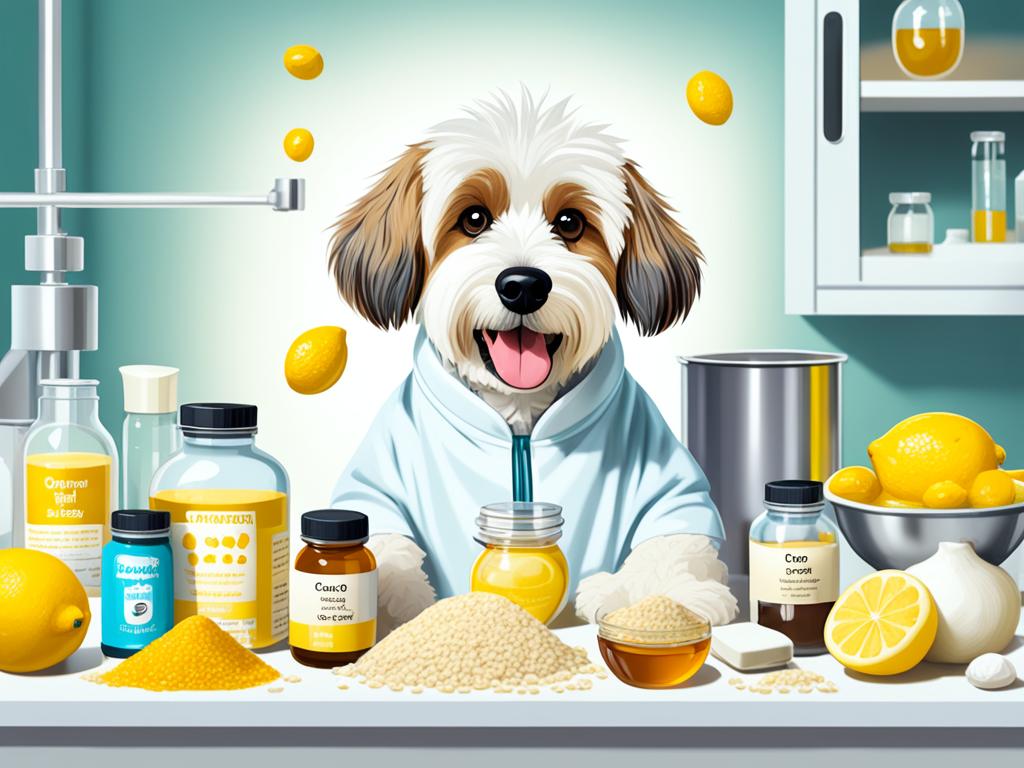
One of the advantages of homemade dog shampoo is the ability to customize the recipe to suit your dog’s specific needs. No two dogs are alike, and their grooming requirements can vary based on factors like skin type, coat length, and any existing skin conditions. By adjusting the ingredients in your homemade dog shampoo, you can cater to your furry friend’s unique needs and preferences.
When customizing your homemade dog shampoo, consider the following:
- Moisture: If your dog has dry or flaky skin, you can add moisturizing ingredients to provide extra hydration. Coconut oil is a popular choice, as it is nourishing and helps improve the condition of the skin and coat. Simply melt a small amount of coconut oil and mix it into your shampoo recipe.
- Flea repellent: If your dog is prone to flea infestations or you live in an area with a high flea population, you can incorporate flea-repellent ingredients. Neem oil is a natural flea repellent that can be added to your homemade dog shampoo to help ward off these pesky parasites. Be sure to research the appropriate dilution ratio and consult with a veterinarian to ensure the safety and effectiveness of the neem oil.
- Soap dosage: The hardness of your water can affect the lather and cleaning power of your homemade dog shampoo. If you have hard water, you may need to increase the amount of soap in your recipe to compensate. Experiment with different proportions to find the right balance for your water type and dog’s needs.
Remember, always monitor your dog’s reaction to any new ingredients or changes to the shampoo recipe. If you notice any signs of irritation or discomfort, discontinue use and consult with a veterinarian. With a bit of experimentation and customization, you can create a homemade dog shampoo that caters to your pup’s specific needs, leaving them with a clean, healthy, and happy coat.
Dog Shampoo Customization Tips
“Just like humans, dogs have individual needs when it comes to grooming. By customizing your homemade dog shampoo, you can tailor the recipe to address your dog’s specific requirements. Whether it’s dry skin, flea prevention, or adjusting to the water hardness, a few tweaks can make all the difference!”
Proper Application and Safety Precautions
Using homemade dog shampoo is a great way to keep your furry friend clean and healthy. However, it’s important to apply the shampoo properly and take necessary safety precautions to ensure your dog’s well-being.
Avoid Contact with Sensitive Areas
When applying homemade dog shampoo, make sure to avoid getting it in your dog’s eyes, nose, and mouth. This can cause discomfort and irritation. If accidentally applied to these areas, gently rinse with water to remove any shampoo residue. Remember, prevention is the best approach when it comes to protecting your pup’s sensitive areas!
Thoroughly Rinse the Shampoo
After lathering the homemade dog shampoo onto your dog’s coat, it’s crucial to rinse it thoroughly. This helps ensure that no residue is left behind, which can cause itchiness or skin irritation. When rinsing, use lukewarm water and make sure to remove all traces of shampoo before drying your furry friend.
Be Mindful of Essential Oils
If you’re using homemade dog shampoo that includes essential oils, it’s important to check that the oils are pet-safe. Not all essential oils are suitable for dogs and can be harmful if ingested or applied in excessive amounts. Consult a veterinarian if you have any concerns or questions about the safety of specific essential oils.
Diluted Vinegar Rinse for Strong Odors
If your dog has particularly strong odors, a diluted vinegar rinse before shampooing can be an effective solution. Vinegar helps neutralize odors without stripping away the natural oils from your dog’s coat. Mix equal parts vinegar and water, apply the mixture to your dog’s coat, massage it in, and rinse thoroughly.
| Safety Precautions for Using Homemade Dog Shampoo |
|---|
| Avoid contact with your dog’s eyes, nose, and mouth |
| Thoroughly rinse the shampoo to remove all residue |
| Check the pet-safety of essential oils before use |
| Consult a veterinarian if unsure about essential oil safety |
| Consider using a diluted vinegar rinse for strong odors |
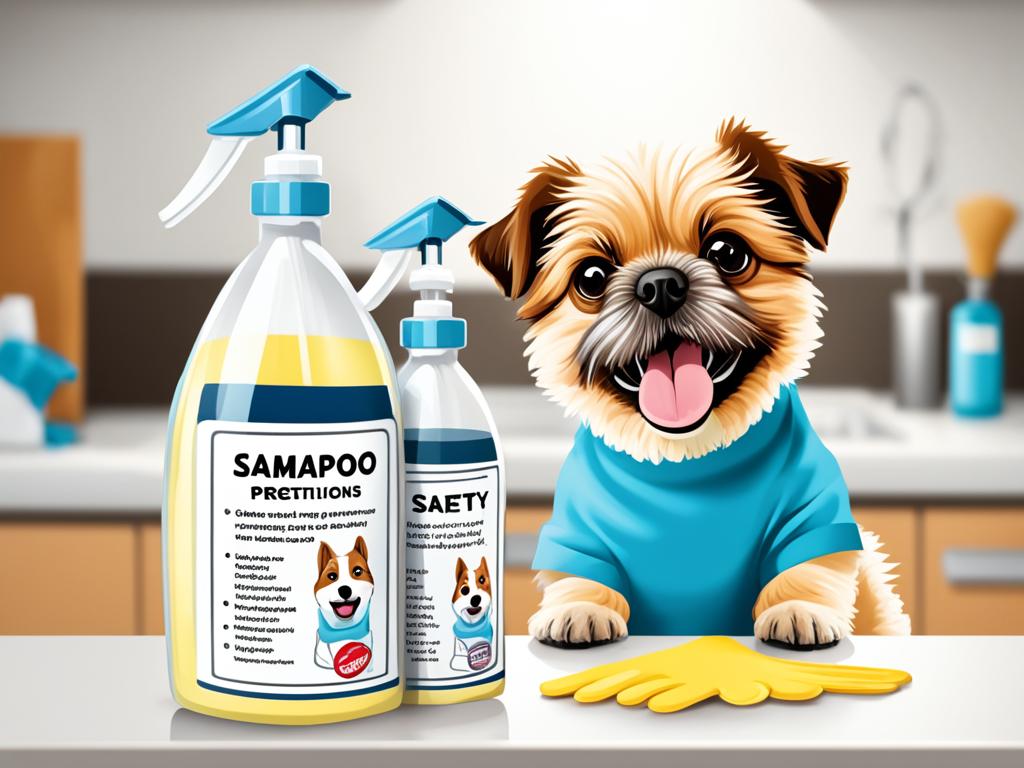
By following these proper application and safety precautions, you can ensure a safe and effective bathing experience for your beloved canine companion. Keep your dog’s well-being in mind while enjoying the benefits of using homemade dog shampoo.
Maintaining a Clean and Healthy Coat
Regular bathing is essential for maintaining a clean and healthy coat for your dog. Bathing not only keeps your furry friend smelling fresh but also helps remove dirt, odors, and allergens from their fur. Additionally, regular baths can help prevent skin infections and keep your dog’s coat looking shiny and lustrous.
When it comes to bathing your dog, using a homemade dog shampoo can offer several benefits. Not only is it a cost-effective option, but it also allows you to use natural ingredients that are gentle and safe for your dog’s skin. Homemade dog shampoos often contain ingredients like vinegar, oatmeal, or essential oils, which can help maintain a healthy coat.

So what are the specific benefits of dog bathing?
1. Removal of Dirt and Odors
Regular bathing removes dirt, debris, and unpleasant odors from your dog’s coat. Whether they’ve been exploring the outdoors or simply rolling around in the dirt, a bath can help get rid of unwanted grime and leave your dog smelling fresh.
2. Allergen Removal
Bathing can also help remove allergens that can cause itching and discomfort for your dog. By washing away allergens like pollen, dust, and dander, you can help alleviate any allergic reactions and keep your dog comfortable.
3. Prevention of Skin Infections
Bathing your dog regularly can help prevent skin infections by removing bacteria and fungi that can accumulate on their skin. Proper cleansing can help maintain a healthy balance of oils on the skin, reducing the risk of infections and keeping your dog’s coat healthy.
4. Stimulates Hair Growth
Regular bathing stimulates blood circulation to the hair follicles, which can promote hair growth. This can be especially beneficial for dogs with thinning or patchy coats, as it helps promote a fuller and healthier coat.
5. Bonding Time with Your Dog
Bathing your dog is not only about maintaining their coat but also provides an opportunity for bonding. Spending time together during the bathing process can strengthen your bond and create a positive and enjoyable experience for both you and your furry friend.
Remember, when selecting or making your homemade dog shampoo, consider your dog’s specific needs. For example, if your dog has dry skin, opt for a moisturizing shampoo recipe. If you’re dealing with fleas, include flea-repellent ingredients like lavender essential oil. By tailoring the shampoo to your dog’s needs, you can ensure they maintain a clean and healthy coat.
Comparison of Commercial and Homemade Dog Shampoo
| Criteria | Commercial Dog Shampoo | Homemade Dog Shampoo |
|---|---|---|
| Cost | Often more expensive | Cost-effective, using household ingredients |
| Ingredients | May contain harsh chemicals | Natural, customizable ingredients |
| Skin Sensitivity | May cause irritation for sensitive skin | Gentle and safe for all skin types |
| Environmental Impact | May contain harmful chemicals | Environmentally friendly |
| Customization | Limited options | Can be tailored to specific needs |
Homemade Dog Shampoo: Safe, Affordable, and Effective
Are you tired of spending a fortune on commercial dog shampoos filled with harsh chemicals? Look no further! Homemade dog shampoo is not only a safe and affordable alternative, but it also offers a myriad of benefits for your furry friend.
By making your own dog shampoo using natural ingredients, you can avoid exposing your pet to potentially irritating substances. Unlike commercial shampoos, which often contain artificial fragrances and harsh chemicals, homemade dog shampoo recipes utilize gentle and nourishing ingredients that are perfectly safe for your pup’s sensitive skin.
What’s even better is that homemade dog shampoo can be customized to meet your dog’s specific needs. Whether your dog struggles with dry skin, fleas, or other skin conditions, you can tailor the recipe accordingly. From soothing oatmeal and aloe vera to flea-repellent lavender essential oil, there’s a homemade dog shampoo recipe out there for every pup!
Not only is homemade dog shampoo better for your pet, but it’s also better for your wallet. By using common household ingredients like baking soda, vinegar, and dish soap, you can create a cost-effective shampoo that brings the same, if not better, results. Say goodbye to expensive trips to the pet store!
FAQ
Can I save money by making my own homemade dog shampoo?
Yes, making your own dog shampoo can save you money compared to purchasing commercial shampoos.
Why should I use homemade dog shampoo instead of human shampoo?
Human shampoo can cause skin irritations for dogs due to the difference in pH levels. Homemade dog shampoo ensures that you’re using natural ingredients that are safe for your furry friend.
What are some basic ingredients for homemade dog shampoo?
A basic homemade dog shampoo recipe can be made using warm water, nontoxic dish soap, and white vinegar.
How can I make a homemade dog shampoo for dry skin?
You can create a homemade dog shampoo for dry skin using ingredients like aloe vera gel, glycerin, and baby shampoo.
Can homemade dog shampoo repel and kill fleas?
Yes, you can add lavender essential oil to your homemade dog shampoo to help repel and kill fleas. However, it’s important to make sure the essential oils used are safe for dogs.
What are the benefits of using homemade dog shampoo?
Homemade dog shampoo can save you money and often uses natural ingredients that can be gentler on your dog’s skin compared to chemical-filled commercial shampoos.
Are there any other homemade dog shampoo recipes available?
Yes, there are countless other homemade dog shampoo recipes available, including oatmeal dog shampoo, vitamin E shampoo, and organic apple cider vinegar shampoo.
Can I customize homemade dog shampoo for my dog’s specific needs?
Yes, you can customize homemade dog shampoo by adding ingredients like coconut oil or adjusting the amount of soap based on the hardness of your water.
Are there any safety precautions when using homemade dog shampoo?
It’s important to avoid getting shampoo in your dog’s eyes, nose, and mouth. Rinse the shampoo thoroughly and consult a veterinarian if using essential oils.
Why is regular bathing important for my dog’s coat?
Regular bathing helps remove dirt, odors, and allergens from your dog’s fur, and can help prevent skin infections.
Is homemade dog shampoo safe, affordable, and effective?
Yes, homemade dog shampoo offers a safe, affordable, and effective way to keep your dog clean and healthy, using natural ingredients to avoid irritations.