

Are you looking for a fun and eco-friendly way to enrich your garden’s soil? Look no further than composting in a barrel! By turning your organic waste into nutrient-rich compost, you can create a sustainable gardening solution right in your own backyard.
Key Takeaways:
- Composting in a barrel is a convenient and effective method for creating rich soil for your garden.
- The benefits of composting in a barrel include faster decomposition, improved soil fertility, and reduced waste.
- Choose a compost barrel that suits your needs and preferences, considering factors such as size, material, and features.
- Getting started with composting in a barrel is simple, requiring organic waste, water, and regular turning of the barrel.
- Maintain the right conditions in your compost barrel by monitoring moisture levels, turning the barrel for aeration, and troubleshooting common issues.
The Benefits of Composting in a Barrel
Composting in a barrel offers a plethora of advantages that make it an enticing choice for eco-friendly gardeners like yourself. Let’s dive into the remarkable benefits that make composting in a barrel the go-to method for creating nutrient-rich soil.
One of the primary perks of composting in a barrel is its ability to accelerate the decomposition process. The design of the barrel facilitates optimal aeration, ensuring that microorganisms can thrive and break down organic waste efficiently. The result? Nutrient-rich compost that works wonders for your plants and improves soil fertility.
Using a compost barrel also helps contain the composting process, reducing odors and minimizing the likelihood of attracting unwanted pests. Say goodbye to those pesky fruit flies and hello to a more pleasant composting experience!
Now, let’s visualize these benefits through a nifty table:
| Benefits of Composting in a Barrel |
|---|
| Faster decomposition of organic waste |
| Promotes aeration and moisture retention |
| Creates nutrient-rich compost for improved soil fertility |
| Reduces odors and pests |
As you can see, composting in a barrel offers a range of benefits that can revolutionize your gardening practices. Not only does it help you minimize waste, but it also provides you with a convenient and efficient method to obtain nutrient-rich soil for your beloved plants. Plus, keeping odors and pests at bay is always a win!
Now, are you ready to roll up your sleeves and get composting? Before we dive into the nitty-gritty details of choosing the right compost barrel, let’s explore some helpful tips and guidelines in the next section.

How to Choose the Right Compost Barrel
When it comes to composting, choosing the right compost barrel is essential for successful and efficient composting. With so many options available, it’s important to consider factors such as size, material, and features when making your decision.
- Size: First and foremost, determine the composting needs of your household and garden. Are you a small-scale gardener or a green-thumb enthusiast? Make sure to select a compost barrel with a sufficient capacity to accommodate your composting needs.
- Material: The material of the compost barrel plays a crucial role in its durability and safety. Look for barrels made from recycled, UV-inhibited, and BPA-free polyethylene. These materials are not only eco-friendly but also ensure that your compost remains free from harmful chemicals.
- Features: Consider the features that will make your composting journey more convenient. A sliding door provides easy access for adding and removing compost materials, while handholds make it easier to turn the barrel for proper aeration. These features enhance the usability of the compost barrel and make the overall process more enjoyable.
Remember, the right compost barrel is different for everyone, depending on individual requirements and gardening preferences. Take the time to evaluate your needs and choose a compost barrel that fits your unique situation.
Comparison of Compost Barrel Features
| Compost Barrel Feature | Standard Barrel | Premium Barrel |
|---|---|---|
| Capacity (gallons) | 65 | 80 |
| Material | Recycled Plastic | UV-Inhibited Polyethylene |
| Sliding Door | No | Yes |
| Handholds | No | Yes |
| Price | $ | $$ |
Table: A comparison of standard and premium compost barrel features.
Getting Started with Composting in a Barrel
Ready to start your composting journey? Composting in a barrel is a simple and effective way to turn organic waste into nutrient-rich soil for your garden. Follow these composting tips to get started and watch your garden thrive!
- Collect organic waste:
- Save fruit and vegetable scraps, yard trimmings, and coffee grounds.
- Gather a good balance of green (nitrogen-rich) and brown (carbon-rich) materials.
- Layer the waste in the barrel:
- Add the organic waste to the barrel in alternating layers.
- Make sure to add some water to maintain the right moisture levels for decomposition.
- Aerate the compost:
- Use a pitchfork or shovel to turn the barrel every few days.
- This helps in mixing the materials, providing oxygen to the microorganisms, and speeding up the composting process.
- Let it decompose:
- With proper care and maintenance, your compost will start breaking down into nutrient-rich soil in a matter of weeks.
Remember, composting in a barrel is a natural process, so be patient and let nature do its job. Your efforts will soon be rewarded with rich, fertile soil that will nourish your plants and promote healthy growth.
“Composting is nature’s way of recycling, so grab your barrel and join the exciting journey of turning waste into gold!”
Maintaining Your Compost Barrel
To ensure successful composting in a barrel, proper maintenance is crucial. By following a few simple steps, you can keep your compost in optimal condition and produce high-quality nutrient-rich soil for your garden.
Keep the compost moist but not overly wet
It’s important to maintain the right moisture level in your compost. Excessive moisture can lead to unpleasant odors and slow down the decomposition process. Aim for a damp consistency, similar to a wrung-out sponge. If the compost feels too wet, add dry materials like leaves or shredded paper to absorb the excess moisture.
Turn the barrel regularly
Turning the compost regularly helps provide oxygen to the microorganisms responsible for decomposition. Use a shovel or pitchfork to mix the materials inside the barrel. Aim to turn the compost every few days to ensure even decomposition.
Monitor the compost temperature
Monitoring the temperature of your compost can give you valuable insights into its decomposition progress. The optimal temperature range for efficient decomposition is between 110°F and 160°F (43°C and 71°C). Use a compost thermometer to check the temperature regularly. If the temperature falls outside the optimal range, adjust the carbon-to-nitrogen ratio or turn the compost more frequently to achieve better results.
With regular maintenance and care, your compost barrel will transform organic waste into nutrient-rich soil. Remember to keep the compost moist, turn it regularly, and monitor the temperature. By following these simple steps, you’ll be on your way to creating exceptional compost for your garden.
| Maintenance Tip | Description |
|---|---|
| Keep the compost moist but not overly wet | Excessive moisture can lead to odor and slow decomposition. Aim for a damp consistency similar to a wrung-out sponge. |
| Turn the barrel regularly | Regular turning provides oxygen for decomposition. Aim to turn the compost every few days for even decomposition. |
| Monitor the compost temperature | Optimal temperature range for efficient decomposition is between 110°F and 160°F (43°C and 71°C). Adjust carbon-to-nitrogen ratio or turn the compost more frequently if temperature falls outside this range. |
Troubleshooting Common Composting Issues
Composting in a barrel is a breeze, but occasionally, you might encounter a few hiccups along the way. Don’t worry, though! We’ve got your back. Here are some common composting problems and how to troubleshoot them:
- Excessively Wet or Dry Compost: Finding the right balance is key. If your compost is too wet, add dry materials like straw or shredded paper to absorb moisture. On the other hand, if it’s too dry, simply sprinkle some water and mix it in. Remember, it should be as moist as a wrung-out sponge.
- Unpleasant Odors: Ah, the stinky dilemma. To tackle odors, mix in more brown materials such as leaves or shredded paper. These carbon-rich materials will help neutralize the smells. Plus, they’re great for maintaining the proper carbon-to-nitrogen ratio.
- Slow Decomposition: Patience is a virtue, but if your compost is taking longer to break down, make sure you have the right balance of green and brown materials. Adjust the ratios accordingly and ensure that you’re turning the barrel regularly. Oxygen is essential for effective decomposition.
Remember, composting is a learning process, and it’s normal to face a few challenges along the way. But with a little troubleshooting and our witty guidance, you’ll soon be a composting pro! Take a look at the image below for a visual representation of these troubleshooting tips:
| Problem | Troubleshooting Tip |
|---|---|
| Excessively Wet or Dry Compost | Add dry materials if too wet; sprinkle water if too dry |
| Unpleasant Odors | Mix in more brown materials like leaves or shredded paper |
| Slow Decomposition | Ensure the right balance of green and brown materials; turn the barrel regularly |
Using Compost in Your Garden
The compost produced in your barrel is a valuable resource for improving the quality of your garden soil. It’s time to put that nutrient-rich goodness to work! Here are some ways you can use compost to enhance your garden and promote organic gardening:
1. Top Dressing:
Apply a layer of compost as a top dressing on the soil surface around your plants. This will act as a natural mulch, helping to retain moisture, suppress weed growth, and provide a slow release of nutrients as it breaks down over time.
2. Soil Incorporation:
When planting new trees, shrubs, or flowers, mix compost into the planting hole or incorporate it into the entire bed. This will improve soil structure, drainage, and nutrient availability, giving your plants a strong foundation to thrive.
3. Compost Tea:
Create a compost tea by steeping compost in water. Use a ratio of 1 part compost to 5 parts water, let it sit for a few days, and then strain the liquid. Dilute the compost tea with water and use it to water your plants. This nutrient-rich brew will provide a boost of organic matter and beneficial microorganisms.
4. Seed Starting:
Mix compost with potting soil to create a nutritious medium for starting seeds indoors. This will provide young seedlings with a gentle dose of nutrients for healthy growth.
“Compost is the secret weapon of organic gardeners. It’s like a superhero for your plants, providing essential nourishment and building a strong, resilient ecosystem in your garden.”
Regularly using compost in your garden can result in numerous benefits. Here are a few advantages of incorporating compost into your gardening practices:
- Improved Soil Structure: Compost helps loosen compacted soil, enhancing root growth and allowing for better water and nutrient penetration.
- Enhanced Water Retention: The organic matter in compost acts like a sponge, holding moisture in the soil and reducing water runoff.
- Essential Nutrients: Compost supplies a wide range of nutrients, including nitrogen, phosphorus, and potassium, essential for plant growth.
- Reduced Chemical Dependency: By enriching your soil with compost, you can reduce the need for synthetic fertilizers and pesticides, promoting natural and sustainable gardening practices.
- Healthier Plants and Increased Yield: The balanced nutrition provided by compost results in healthier, more robust plants with improved disease resistance and higher yields.
Now that you know how to use compost to amp up your garden’s performance, it’s time to get your hands dirty and watch nature work its magic!
| Benefits of Using Compost in Your Garden |
|---|
| Improved soil structure |
| Enhanced water retention |
| Essential nutrients for plant growth |
| Reduced chemical dependency |
| Healthier plants and increased yield |

Composting Tips and Best Practices
To optimize your composting in a barrel experience, follow these composting best practices and guidelines:
- Chop or shred larger organic materials: Speed up decomposition by breaking down large pieces of waste into smaller, more manageable pieces. Your composting microbes will appreciate the extra help, and you’ll have rich soil in no time!
- Aim for a carbon-to-nitrogen ratio of approximately 30:1: Achieving the right balance of green and brown materials is crucial for efficient composting. Aim for around 30 parts carbon-rich brown materials (like leaves, straw, or shredded paper) to 1 part nitrogen-rich green materials (such as vegetable scraps or grass clippings).
- Maintain proper moisture levels: Keep your compost moist, like a wrung-out sponge. Moisture encourages the decomposition process and helps microorganisms break down organic matter. If it gets too dry, simply add water; if it gets too wet, mix in some dry leaves or shredded paper to absorb excess moisture.
- Turn the barrel regularly for aeration: Oxygen is essential for the decomposition process, so make sure to give your compost a good mix every few days. This will help prevent odors and ensure that the materials break down evenly.
- Avoid adding meat, dairy, or oily items: These items can attract unwanted pests to your compost barrel. Stick to plant-based materials to keep your composting process pest-free.
- Be patient and give the composting process time: Composting in a barrel is a natural process that takes time. It may take a few weeks or months for your waste to turn into nutrient-rich soil. Keep tending to your compost and trust that nature will work its magic.
Testimonial:
“I’ve been composting in a barrel for years, and these tips have made all the difference. My garden has never looked healthier, and I love knowing that I’m reducing waste and giving back to the earth at the same time!”
– Jane Smith, Eco-conscious Gardener
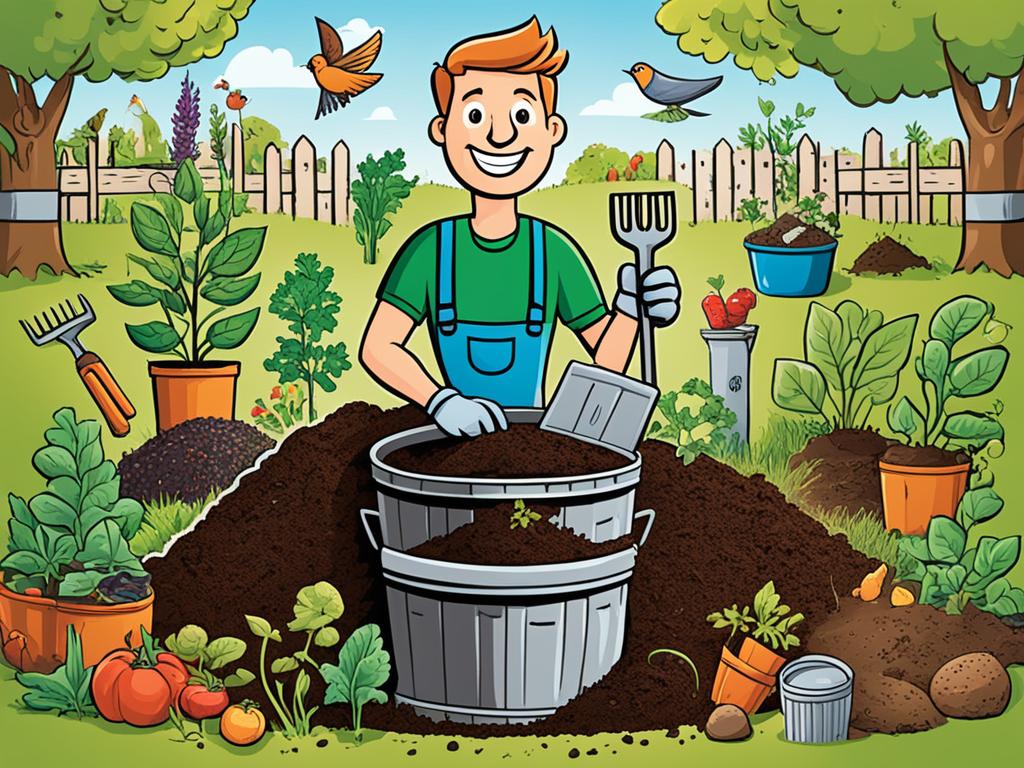
By following these composting guidelines and incorporating these best practices into your composting routine, you’ll be well on your way to creating nutrient-rich soil for your garden while minimizing waste. Happy composting!
Conclusion
Composting in a barrel is a truly ingenious way to transform your kitchen and garden waste into nutrient-rich soil. Not only does it help you reduce waste, but it also offers a range of benefits that can truly enhance your gardening experience.
By composting in a barrel, you can accelerate the decomposition process, thanks to the barrel’s design that ensures proper aeration and moisture retention. This means you’ll have nutrient-rich compost ready to boost your plants’ growth and improve soil fertility in no time. Plus, the enclosed barrel helps keep the composting process contained, preventing unpleasant odors and unwanted pests.
Incorporating composting in a barrel into your gardening routine is not only environmentally friendly but also convenient. With just a few simple steps, you can contribute to a more sustainable future and enjoy the rewards of healthy and thriving plants. So don’t wait any longer—get started with composting in a barrel today and let the magic of nature work its wonders in your garden!
FAQ
What are the benefits of composting in a barrel?
Composting in a barrel offers advantages such as faster decomposition, improved soil fertility, and convenient compost management.
How do I choose the right compost barrel?
When selecting a compost barrel, consider factors such as size, material, and features that suit your specific requirements and gardening preferences.
How do I get started with composting in a barrel?
To start composting in a barrel, collect organic waste, layer it inside the barrel with water, and turn the barrel every few days for aeration.
How do I maintain my compost barrel?
To maintain your compost barrel, keep it moist but not overly wet, turn it regularly for oxygen supply, and monitor the temperature for efficient decomposition.
What are some common composting issues and how do I troubleshoot them?
Common composting issues include excessively wet or dry compost, unpleasant odors, and slow decomposition. Adjusting moisture levels, adding brown materials, and ensuring the right balance of green and brown materials can help address these problems.
How do I use compost in my garden?
Apply the compost as a top dressing or incorporate it into the soil when planting. Compost improves soil structure, water retention, and provides essential nutrients for healthier plants and increased yield.
What are some composting tips and best practices?
To optimize your composting in a barrel experience, shred larger organic materials, maintain a carbon-to-nitrogen ratio of approximately 30:1, avoid adding meat or oily items, and be patient throughout the composting process.
Why should I compost in a barrel?
Composting in a barrel helps create nutrient-rich soil, reduce waste, and contribute to a more sustainable and eco-friendly future.