

You’ve been pondering the age-old question: duck eggs or chicken eggs? Well, get ready to crack the shell of this debate because we’re diving into the clucking good details!
Key Takeaways:
- Understanding the differences between duck eggs and chicken eggs can help you make an informed decision.
- Egg production varies between chickens and ducks, with both offering high yields.
- Noise levels differ, with ducks quacking and chickens clucking.
- Food and water requirements also vary, with ducks consuming more and needing more water due to their water-loving nature.
- Both chickens and ducks have unique qualities when it comes to pest control and fertilizer.
Egg Production
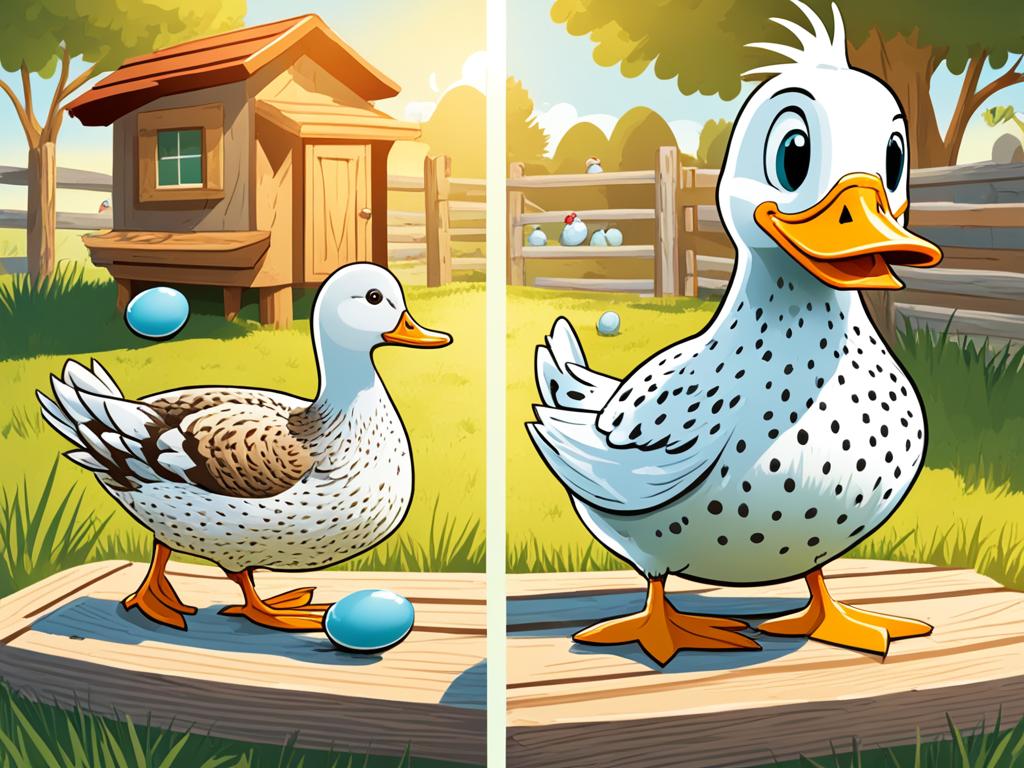
When it comes to egg production, chickens and ducks both have their own impressive numbers to boast about. Chickens are renowned for their high egg-laying capacity, producing a whopping 360+ eggs per year. However, it’s important to note that maintaining this level of production requires artificial lighting, ensuring they receive a consistent number of daylight hours.
On the other hand, certain breeds of ducks have been specially bred for their egg-laying capabilities and can produce up to 340 eggs per year, which is comparable to high-production chickens. This means that if you opt for ducks in your backyard, you’ll still have a plentiful supply of eggs.
Naturally, there are variations among different duck breeds. Muscovy ducks, for example, have a slightly lower egg production compared to high-production chickens, laying up to 200 eggs per year. However, Muscovy eggs are known for their rich and distinctive flavor, making them a sought-after choice among egg enthusiasts.
For those looking to diversify their poultry options, Coturnix quail is a smaller alternative that’s worth considering. These pint-sized birds can lay an impressive 300+ eggs per year, rivaling high-production chickens. With the addition of supplemental lighting, quails are known for their remarkable productivity, giving you an abundance of eggs to enjoy.
So whether you decide to go cluck or quack, both chickens and ducks can contribute to your egg production needs.
Noise Level
When it comes to noise levels, chickens and ducks have their own unique ways of expressing themselves. Chicken hens are known to cluck and sing what’s known as the “egg song” when they lay their eggs. It’s like their way of celebration, but let’s be honest, sometimes it can be quite the performance. And every now and then, they may surprise you with a loud squawk that can startle even the calmest of neighbors.
Now, let’s talk about duck hens. These lovely creatures are famous for their frequent quacking. Ducks just can’t help but let their voices be heard, and some breeds can be quite the chatterboxes. So if you’re looking for companions that will add a lively soundtrack to your backyard, ducks might be the perfect fit for you.
But let’s not forget about Muscovy hens and quail hens. Muscovy hens make adorable peeping and trilling sounds, adding a touch of sweetness to your poultry chorus. And quail hens, despite their small size, chirp and peep consistently, making a delightful background melody.
So, whether you want a backyard symphony or a more modest serenade, the choice between chickens and ducks ultimately comes down to your noise preference. Just remember, a peaceful harmony can be found in both clucks and quacks.
Comparing Chicken and Duck Noise Levels
| Species | Noise Level |
|---|---|
| Chicken Hens | Clucking, singing “egg song,” occasional loud squawks |
| Duck Hens | Frequent quacking, varying by breed |
| Muscovy Hens | Peeping, trilling |
| Quail Hens | Consistent chirping, peeping |
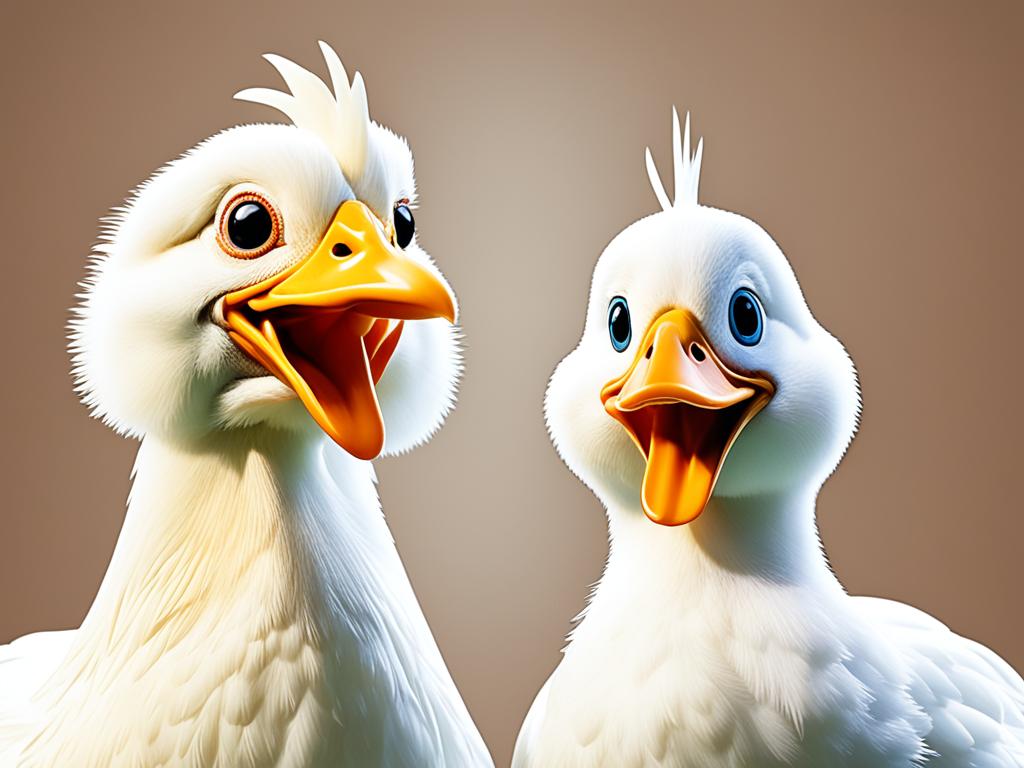
As you can see, the noise level of both chickens and ducks brings unique charm to your backyard. It’s all about finding the right balance of clucks and quacks that suits your personal preferences.
Food Requirement
When it comes to feeding, chickens and ducks have their own unique appetites. Let’s dish out the details on their food requirements.
Chickens:
Chickens are known for being more frugal with their food. They tend not to overindulge and prefer to graze throughout the day. Whether it’s foraging for insects or scratching the ground for tasty treats, chickens are masters of self-regulating their intake. So, don’t worry about them gobbling up all your feed!
Ducks:
Mallard-derived ducks, on the other hand, have quite the appetite. They can consume larger quantities of feed compared to other poultry. These little feathered foodies are not shy about enjoying their meals. So, if you’re raising ducks, be prepared to refill those feeders frequently!
Muscovies:
Now, Muscovies strike a balance between chickens and mallard-derived ducks in terms of food consumption. When allowed to free-range, they tend to eat less since they can find most of their food from natural sources. So, if you’re looking for a moderate appetite, Muscovies might just fit the bill!
Quail:
Quail, due to their small size, eat significantly less feed than chickens or ducks. These petite birds have petite appetites, making them an economical choice for backyard enthusiasts. So, if you’re looking to minimize your feed expenses, quail may be the perfect option for you!
“Chickens are masters of self-regulating their intake, while ducks can easily polish off their feed.”
Water Requirement
When it comes to water requirement, chickens and ducks have different needs. Chickens, being more land-based creatures, require less water compared to their water-loving counterparts, ducks. Chickens are not known for playing in water, so they don’t need as much to satisfy their hydration needs.
On the other hand, ducks, particularly mallard-derived breeds, have an affinity for water. They thoroughly enjoy splashing around, playing, bathing, and even dabbling their food in the water. As a result, ducks have a higher water requirement than chickens.
Muscovy ducks, while they use less water compared to mallard-derived ducks, still need regular water changes to prevent any unpleasant odors in their living environment.
On the lower end of the spectrum, quail have the lowest water requirement among these poultry options. They can suffice with a hamster bottle, making them a suitable choice if you’re looking for a bird that requires minimal water.
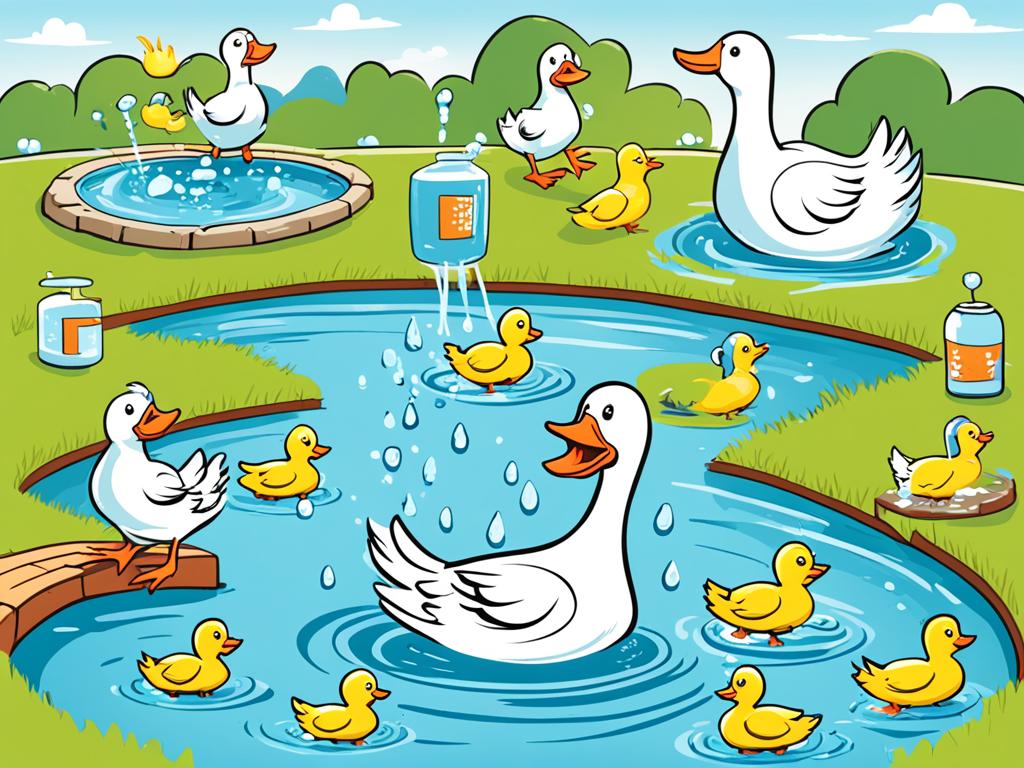
It’s important to provide clean and fresh water to all poultry species to ensure their well-being and health. Meeting their water needs adequately contributes to their overall vitality and ability to thrive.
Pest Control
When it comes to pest control in your backyard, both chickens and ducks have their unique strengths. Let’s take a closer look at how these feathered friends can help you keep those unwanted pests at bay.
Chicken Pest Control
Chickens are excellent tick hunters and can help rid your yard of these pesky bloodsuckers. They also have a taste for certain insects, which they eagerly hunt and peck at. However, there are some pests that chickens may leave untouched, such as slugs, snails, and flies. So, while they are great for tackling specific pests, chickens might not provide a comprehensive pest control solution.
Duck Pest Control
On the other hand, if you’re looking for a pest control powerhouse, ducks are the ultimate garden guardians. Mallard-derived ducks, in particular, have an impressive appetite for a wide range of garden pests. From slugs to insects and even small rodents, ducks are tenacious and thorough in their pest-hunting endeavors. They’ll happily munch on garden pests while leaving flies and mosquitos alone, making them an effective natural pest control solution.
Muscovy Ducks
But if you thought mallard-derived ducks were the only ones with an appetite for pests, wait till you meet Muscovies. These ducks take pest control to the next level by devouring nearly anything that moves, including beneficial insects. Their insatiable hunger for pests makes them an excellent addition to any garden looking for robust pest management.
Quail Pest Control
Now, if you have limited space or prefer smaller poultry options, quail can play a role in pest control, though their abilities are more limited. Due to their small size, quail have less capacity for pest-eating than chickens or ducks. While they can still help with some insects, they may not offer the same level of pest control as their larger counterparts.
| Tick Control | Insect Control | Slug Control | Fly Control | Mosquito Control | |
|---|---|---|---|---|---|
| Chickens | ✓ | ✓ | ✗ | ✗ | ✗ |
| Mallard-Derived Ducks | ✗ | ✓ | ✓ | ✗ | ✗ |
| Muscovy Ducks | ✗ | ✗ | ✗ | ✗ | ✗ |
| Quail | ✗ | ✗ | ✗ | ✗ | ✗ |
As you can see, each type of poultry has its own strengths and weaknesses when it comes to pest control. If you’re specifically looking to target ticks and certain insects, chickens can do the job. However, if you want a comprehensive pest control solution that tackles a wider range of pests, mallard-derived ducks and Muscovies are your best bet. And if you’re limited on space or prefer smaller birds, quail can lend a helping beak, albeit to a lesser extent.

Having natural pest control in your backyard not only helps protect your plants but also eliminates the need for harmful chemicals. So, whether you prefer the clucking companionship of chickens or the quacking charm of ducks, both can contribute to creating a pest-free and thriving garden for you to enjoy.
Fertilizer Quality
Now let’s dig deep into the fertilizing prowess of our feathery friends. Chickens and ducks can provide valuable fertilizer for your garden, but their droppings have some differences worth noting.
Chicken Fertilizer Quality
Chicken manure is a powerful source of nitrogen, making it a potent fertilizer for your plants. However, it’s important to handle it with care. Fresh chicken manure is too strong for direct application to plants as it can burn their delicate roots. To harness its full potential, chicken manure should be aged or composted before using it on your garden beds.
“Chicken manure is like a secret weapon for your plants. Just remember to let it age like fine wine.”
Duck Fertilizer Quality
Duck manure, on the other hand, has a lower nitrogen content compared to chicken manure. But here’s the good news – you can use it directly without the need for aging or composting. Duck droppings are a convenient and hassle-free option when it comes to fertilizing your plants.
“Duck manure takes the hassle out of fertilizing. Just scoop and go, and your plants will thank you!”
Muscovy and Quail Fertilizer
Muscovy ducks share a similar nitrogen content in their manure with regular ducks. Like ducks, their droppings can be used directly without aging. Quail manure, however, is smaller in quantity. If you plan to use quail manure for fertilizing, it’s best to age or compost it to maximize its benefits.
Comparing Fertilizer Quality of Chickens, Ducks, Muscovies, and Quail
table, th, td {
border: 1px solid black;
border-collapse: collapse;
}
th, td {
padding: 10px;
}
| Chicken Manure | Duck Manure | Muscovy Manure | Quail Manure | |
|---|---|---|---|---|
| Nitrogen Content | High | Lower | Similar to duck manure | Smaller quantity |
| Recommended Aging/Composting? | Yes | No | No | Yes |
As you can see, each type of manure has its own advantages. Chicken manure brings the nitrogen punch, but it requires a bit of patience. Duck and Muscovy manure offer convenience with immediate application. And quail manure, while limited in quantity, can still be put to good use when properly aged or composted.
Messiness and Smell
When it comes to messiness, chickens and ducks have their own quirks and behaviors. Let’s dive into the world of feathers, beaks, and the smells they bring along.
Chicken Messiness: Clean and Cluck-tastic
Chickens are known for their relatively clean habits. They have a knack for tidying up after themselves and keeping their living area in order, much like a diligent housekeeper. You won’t find feathers scattered or muddy footprints left behind by these well-mannered cluckers.
Duck Messiness: Water Play and Feather Frenzy
Now, let’s talk about ducks and their natural affinity for water. Ducks love to splash, paddle, and dabble in their aquatic playground. As a result, their living area can get messier compared to chickens. Expect some feathers floating around, wet footprints, and the occasional muddy patches. It’s like a mini water park for these quacking adventurers!
Chicken Smell: Nature’s Perfume?
When it comes to smell, chicken manure can be quite pungent. It has a distinct odor that can make your nostrils twitch. But hey, some people might say it’s nature’s way of reminding you that you’re sharing your space with these clucking companions. Proper coop maintenance, regular cleaning, and ventilation can help keep the chicken smell in check.
Duck Smell: A Wet Whiff (or Lack Thereof)
As for duck manure, it may also have a similar smell to chicken manure, but there’s a catch. When the duck manure is dry, the smell is less noticeable. And that can be a relief for your olfactory senses. Keep in mind, though, that ducks’ water-related activities can make their living area wetter and muddier, which might add a damp, earthy scent to the mix.
Conclusion
So, you’re considering adding some feathered friends to your backyard? Both backyard ducks and backyard chickens offer their own unique perks and requirements. Let’s recap the key factors to help you make your decision.
When it comes to ducks, they do require more attention to water provision and management. However, the benefits of having backyard ducks go beyond just their adorable quacks. Ducks are excellent at pest control, munching on garden pests that can wreak havoc on your plants. They can also provide a lively and entertaining atmosphere with their playful water antics.
On the other hand, if you’re looking for high egg production and low food requirements, chickens may be the way to go. With their natural instinct for laying eggs, chickens can provide a steady source of fresh eggs for your kitchen. Plus, taking care of chickens requires less effort when it comes to water needs, making it a convenient option for some backyard enthusiasts.
In the end, the choice between duck eggs and chicken eggs ultimately depends on your personal preferences and requirements. Each option brings its own joy and charm to your backyard, creating a lively and vibrant atmosphere. So, go ahead and select the feathered companions that resonate with you and get ready to embark on an exciting backyard adventure!
FAQ
What are the differences between duck eggs and chicken eggs?
Duck eggs and chicken eggs differ in taste, size, and nutritional composition. Duck eggs have a richer and stronger flavor compared to chicken eggs and have larger yolks and thicker whites. Nutritionally, duck eggs have more fat, protein, and cholesterol than chicken eggs.
Which type of poultry lays more eggs, chickens, or ducks?
Chickens have a higher egg production compared to ducks. On average, a chicken can lay over 360 eggs per year, while ducks, depending on the breed, can lay up to 340 eggs per year. Muscovies, a type of duck, have a slightly lower egg production of up to 200 eggs per year.
How do chickens and ducks communicate when laying eggs?
Chicken hens tend to cluck and sing an “egg song” when they lay eggs, occasionally followed by loud squawks. Duck hens, on the other hand, are known for their frequent quacking. Muscovy hens make peeping and trilling sounds, while quail hens chirp and peep consistently.
Do chickens and ducks have different food requirements?
Chickens tend to eat less than ducks and don’t gorge themselves on feed. Mallard-derived ducks have a higher food requirement and can consume more feed compared to chickens. Muscovies fall between chickens and mallard-derived ducks in terms of feed consumption. Quail, due to their small size, eat significantly less feed than chickens or ducks.
How much water do chickens and ducks require?
Chickens require less water compared to ducks because they don’t play in it. Mallard-derived ducks, known for their love of water, require a significant amount of water for playing, bathing, and dabbling food. Muscovies use less water than mallard-derived ducks but still need daily water changes. Quail have the lowest water requirement and can suffice with a hamster bottle.
Do chickens and ducks help with pest control?
Chickens are effective in controlling ticks and certain insects but may leave slugs, snails, and flies untouched. Mallard-derived ducks are excellent in pest control, eating a wide range of pests in the garden while leaving flies and mosquitos alone. Muscovies are highly effective at pest control, eating nearly anything that moves, including beneficial insects. Quail, due to their small size, have limited pest-eating abilities.
Can chicken and duck manure be used as fertilizer?
Chicken manure has a high nitrogen content but should be aged or composted before use to avoid burning plant roots. Duck and Muscovy manure, which have a lower nitrogen content, can be used directly without aging. Quail manure is smaller in quantity and should also be aged or composted if used for fertilizing plants.
Are chickens or ducks messier and smellier?
Ducks can be messier due to their affinity for water. Chicken manure has a strong smell, whereas duck manure may have a similar smell but is less noticeable when in dry conditions. Ducks’ water-related activities contribute to a wetter and muddier living area. Proper ventilation is important to control smells in both chicken and duck coops.
Which option, ducks or chickens, is better for backyard poultry keeping?
Backyard ducks and chickens both have unique characteristics and requirements. Ducks may require more care in terms of water provision and management but offer benefits like pest control in the garden. Chickens have higher egg production and lower food requirements. The choice between duck eggs and chicken eggs ultimately depends on individual preferences and requirements.