

If you’re looking for a green-thumbed adventure that won’t leave you lost in the weeds, the bush beans plant might just be your perfect match. They’re like the cool kids of the vegetable garden, chilling out, low to the ground, and asking little of you but a bit of earth to lounge in. Imagine that – an easy, low maintenance buddy that even pitches in, adding some much-needed nitrogen for soil, making everything around it happier and healthier.
Think of it this way: while crafting your verdant oasis, why not choose a plant that’s not only generous with its yields but also a cinch to grow? Yes, you can have your garden and actually enjoy it, too – sans the back-breaking labor often associated with horticulture. So, roll up your sleeves – but not too high – and get ready to meet one of gardening’s greatest unsung heroes.
Growing Bush Beans: An Easy Guide for Beginners
If you’re looking to dip your toes into the world of gardening without getting overwhelmed, let’s talk about the breezy path of bush beans cultivation. These gems are your golden ticket to a flourishing garden with minimal fuss. Eager to start your garden routine? Bush beans are waving their leafy hands at you, promising a beginner-friendly experience with delightful yields. Don your gardening gloves and ignite your green thumb with this simple guide.
Understanding the Simplicity of Bush Beans
Bush beans aren’t ones for the drama; they prefer a straightforward lifestyle. Easy to grow, they require no fancy scaffolding, sprawling with ease across your garden bed all on their own. This independent streak makes them the perfect companion for your low-maintenance gardening pursuits. Picture this: You’re sipping lemonade on your porch while your bush beans are off doing their thing – spreading, growing, and thriving without constant supervision. Now, that’s what we call a win-win in the world of greenery!
Why New Gardeners Should Start with Bush Beans
Starting your gardening journey can feel like setting sail in uncharted waters. Fear not! With bush beans, you’re getting a first mate that knows the ropes. This crop will enrich not only your dinner table but also the very soul of your garden – the soil. As these plants grow, they return a valuable gift to the earth by fixing nitrogen, making your garden more fertile. It’s like receiving a thank you note from Mother Nature herself. So let’s get into what makes bush beans such a superb choice, particularly if this is your maiden gardening voyage.
Fun fact for you: Bush beans, unlike their climbing cousins, save you the hassle of rigging up trellises. They’re the sturdy, independent type that stands their ground, quite literally, in your garden.
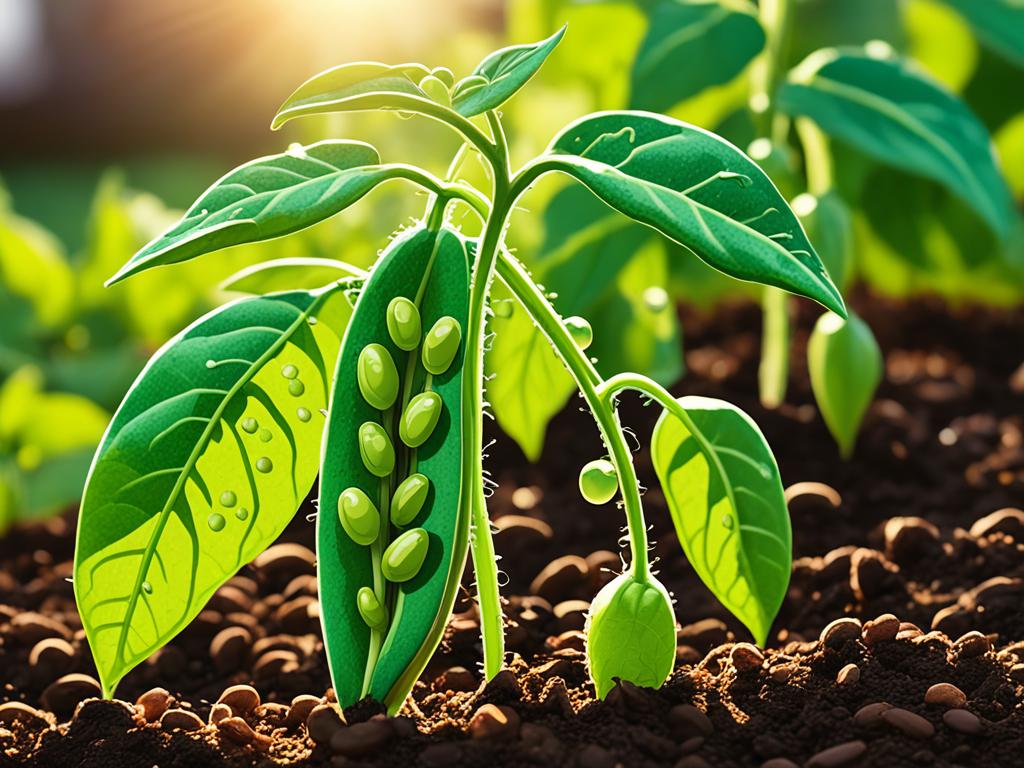
Convinced yet? It’s time to turn that gardening dream into your new, leafy reality. Bush beans are ready to show you that “easy does it” is sometimes all the green philosophy you need. And remember, every magnificent oak once started as a seedling – or in your case, a bush bean.
- Easy to nurture and obediently compact
- No need for complex structures or support
- A boon for beginners with basic planting and watering needs
- Enriches soil with nitrogen naturally
So, let’s raise a garden fork to the hardworking bush bean, a true unsung hero of the vegetable garden. Get ready to add its bountiful goodness to your dinner table (and soil!) with minimum effort and maximum satisfaction. Happy planting!
The Uncomplicated Nature of Bush Beans Cultivation
Ever heard that some things are as easy as planting beans? Well, that saying holds true when it comes to bush beans. Their low maintenance and straightforward cultivation are the trump cards that make them an ace in the hole for gardeners of all stripes. Whether you’re strapped for time or just want a carefree crop, bush beans will not disappoint.
Let’s dig into the down-to-earth details. Bush beans aren’t picky eaters; they’re just as happy in high-class, organically rich soil as they are in the more “everyday” dirt. These robust little plants soldier on unfazed, even when the soil conditions are less than ideal. And when the sun beams down, they soak up those rays like sunbathers on a beach, needing a solid 6-8 hours a day for the best results. Ah, to be a bush bean basking in the sun!
| Cultivation Step | Description | Tip |
|---|---|---|
| Soil Requirements | Well-draining, organically rich preferred, but not required | Mulch can help improve less favorable soils |
| Sun Exposure | Full sun (6-8 hours daily) | Position your garden to maximize daylight |
| Planting Depth | 1 ½ inches deep | A ruler can help maintain consistent depth |
| Seed Spacing | 3 inches apart | Use a measuring tape for even spacing |
| Row Spacing | At least 18 inches wide | Space rows wider if using machinery to cultivate |
| Harvest Staggering | Plant every couple of weeks for season-long yield | Mark your calendar for scheduled plantings |
Who needs a green thumb when bush beans make you look like a gardening guru? Sow them directly in the ground or your raised beds. Just pop them in 1 ½ inches down, spacing each seed 3 inches from its neighbor, in rows with enough elbow room of at least 18 inches. And if you want a never-ending bean banquet, just keep sowing new seeds every fortnight. Voilà! A harvest that keeps on giving.

To add, keeping track of planting times can be as simple as noting them on your calendar or setting a reminder on your phone. With these pointers, your bush beans will go from sprout to sprightly in no time, proving that straightforward cultivation isn’t just a dream—it’s your new reality. So why wait? Give bush beans their chance in the sun, and they’ll turn your garden into a paradise of productivity!
The Advantages of Choosing Bush Beans Over Pole Beans
Hey there, green thumbs! If you’re grappling with the conundrum of bush beans versus pole beans for your next garden venture, you might want to hear about the unsung hero of the legume world. It’s time to turn the spotlight on the veritable bush bean and its standout capabilities.
Bush Beans Require Less Space and Support
Consider the cozy corners of your garden. If they’re crying out for a space-saving champion, bush beans are your answer. They’re the unsung heroes that don’t ask for a trellis or poles to stand tall. These independent veggies stand their ground without seeking any support, leaving more room for your other botanical aspirations. In the world of growing delights, they are the compact choice, making your gardening life a little less hectic and a lot more prolific.
Quick To Grow and Add Nitrogen to the Soil
Let’s talk about the superpowers of bush beans. Not only do they flourish swiftly, racing ahead of their climbing cousins, pole beans, but they also take on the generous role of enriching soil with nitrogen. Your garden will be thanking you as bush beans silently toil to boost the soil’s fertility. With minimal effort on your part, these little wonders work their magic to prepare a more bountiful home for your future crops.

| Bush Beans | Pole Beans |
|---|---|
| Space-efficient growth | Requires trellises or poles |
| No support structures needed | Support structures are a must |
| Excellent for small gardens | Ideal for larger spaces or vertical gardening |
| Enriches soil with nitrogen efficiently | Less efficient in nitrogen fixation |
| Faster harvest time | Longer time to harvest |
So, when you nestle those bush bean seeds into their earthen beds, you’re not just planting a vegetable; you’re cultivating an entire ecosystem that requires less work to maintain. Just picture your harvest — less time climbing ladders, fewer materials to buy, and more beans per square foot. Bush beans are not just plants, they’re the thrifty gardeners’ ally for a high-yield, low-stress garden. Go forth and plant — your space-saving bush beans await!
Essential Tips for Sowing Bush Beans Seeds
Picture this: you, a successful garden renegade, sowing bush beans with the finesse of a seasoned green thumb. Let’s delve into the gospel of garden wisdom—germination and beyond, shall we? Well, get your gloves ready because the best time to start is now. But before you toss those tiny life capsules into the wilderness of your garden, some gardening tips can make or break your bush bean bonanza.
The Direct Sow Method for Optimal Growth
You’re gunning for gold with the direct sow technique, and here’s why: those bean babies detest the rigmarole of relocating. Bypass the nursery stage—direct sowing is their happy place. Cast the seeds directly where they will call home; garden, raised bed, or the kingdom of containers—it’s a fit for all. Trust me; your bush beans will thank you with bountiful yields.

Spacing and Depth: Secrets to Success
When it comes to sowing bush beans, depth and dancing space are the secrets you shouldn’t keep. You’d want to be precise—a cozy nook of exactly 1 ½ inches deep. Tuck them into bed just right, and they’ll slip into a germination sensation overnight. But remember, breathing room is key, 3 inches apart, say it with me. Here’s a little rhyming rule: “In the soil, not too deep, space them out, watch them leap!”
| Planting Element | Your Blueprint |
|---|---|
| Method | Direct Sow – No Middle Bean |
| Depth | A Snug 1 ½ Inches |
| Spacing Between Seeds | Liberal 3 Inches |
| Soil Prep | Rich, Well-Draining, Uncomplicated |
| Sun Exposure | Golden Glory of Full Sun |
So, let’s raise a toast to the sowing of the beans, where germination happens, and greens are seen. With these gardening tips, you’ve got all you need to emerge victorious with your bush bean steed!
Caring for Your Bush Beans Plant
Rest easy, green thumb warriors, because if plant care had a hall of fame, your bush beans would be front and center wearing a medal for easy maintenance. All they ask for is a consistent watering routine—not too much to ask, right? Aim for roughly 2-3 inches of water weekly, whether it’s from Mother Nature or your trusty garden hose. And oh, they do love a good sunbath; ensure they get their daily dose of sunshine to keep those leaves reaching for the sky.
Truth be told, aside from these non-negotiables, your bush beans aren’t the high-maintenance type. They’re pretty chill. Just give them what they need, and they’ll give back much more in spades… or should I say, in beans!

| Essential Plant Care Tips | Weekday | Weekend |
|---|---|---|
| Water Source | Rainfall/Hose | |
| Water Amount | 2-3 inches/week | |
| Sun Exposure | Full Sun (6-8 hours/day) | |
| Extra Care | Occasional Weeding | |
But hey, don’t just take my word for it; give it a try. You’ve got this. After all, the bush beans plant is practically the plant equivalent of “set it and forget it.” Well, not entirely, but you catch the drift.
Container Gardening With Bush Beans
So, you’ve found yourself limited by the square footage of your habitat but still yearn for the leafy embrace of homegrown bush beans—fret not! Container gardening is your verdant savior. It’s the superpower that allows you to transform the tiniest of terraces into a lush, edible jungle. Let’s dive into the secrets of mastering space-saving cultivation and uncover the soil sorcery needed to nurture your container-grown bush beans.
Choosing the Right Container
When space is at a premium, every inch counts. This is where your inner MacGyver comes into play, scouting for containers that are capacious enough to host the root system of burgeoning bush beans. A barrel, bucket, or any voluminous vessel can play host to your green endeavors. The key? Drainage. Ensure your chosen container is endowed with holes that grant excess water a great escape route, avoiding the dreaded root rot.
Remember, bush beans don’t climb like their pole-bean cousins, so width trumps height in the container selection game.
Soil Recommendations for Container Grown Bush Beans
A common rookie mistake in the bean scene? Neglecting soil supremacy. Your bush beans are pleading for potting soil, the crumbly, nutrient-rich bedrock of container gardening success. Consider store-bought, vegetable-friendly mixes that are aerated, well-draining, and ready to cradle your seeds to sprout and beyond. Trust us, it’s more than just dirt—it’s the elixir of life for your potted plants.

| Container Size | Width | Depth | Drainage |
|---|---|---|---|
| Small (1-2 plants) | At least 12 inches | 8-10 inches | Multiple holes |
| Medium (3-5 plants) | 18-24 inches | 12-15 inches | Adequate holes |
| Large (6+ plants) | 30+ inches | 15+ inches | Efficient drainage system |
Deck your chosen containers with the finest potting soil, sprinkle seeds with dramatic flair (or just plant them sensibly), and presto! You’re on your way to cultivating a bumper crop of bush beans, no sprawling garden required. Container gardening is not only practically magical in its space-saving prowess, but it also brings new meaning to ‘eating local’. Start potting and watch your balcony develop a beanstalk or two—just without the giant at the top.
Understanding the Minimal Pests Issues With Bush Beans
Let’s face it, your bush beans are pretty much the ninjas of the vegetable garden when it comes to dodging pests. They slip past the usual buffet lineup for bugs with such finesse that you’ll wonder if they have an invisibility cloak. But don’t throw caution to the wind just yet, dear gardener, for there are a couple of culprits you ought to keep your peepers peeled for: the white flies and the sneaky aphids.
Low maintenance is the name of the game with bush beans, but that doesn’t mean you won’t have to play the occasional game of bug bouncer. Is there a secret weapon in this garden saga? You bet—enter the yellow sticky trap. It’s like flypaper for the aphid and whitefly VIPs, minus the velvet rope. Place these traps around your plants, and pests will flock to them like paparazzi to celebrities, ensuring your beans grow stress-free and virtually pest-free.

Here’s a snazzy little table that breaks down your action plan against the bush bean’s archenemies:
| Pest | Damage Caused | Symptoms | Control Strategy |
|---|---|---|---|
| White Flies | Nutrient loss, stunted growth | White insects under leaves; sticky residue | Yellow sticky traps, insecticidal soaps |
| Aphids | Deformed leaves, sooty mold | Small bugs on stems/leaves; curling leaves | Yellow sticky traps, neem oil |
Remember, your bush beans are like those laid-back friends who never ask for much. A bit of vigilance and the occasional sticky situation handled will keep those pest issues at bay. That’s your ticket to a low-maintenance bounty of crunchy, home-grown legumes.
Harvesting Bush Beans: Timing and Techniques
Patience is a virtue, especially in gardening, but when the bush beans start flaunting their slender pods, it’s nearly showtime! Unlike that drama queen, the carrot, whose readiness is always a bit of a mystery, harvesting bush beans has cues as clear as day. They strut out small white flowers—a little fanfare before the main event. Give it about 50 to 60 days post planting, and like clockwork, you’ll see the blossoms give way to embryonic beans.

Recognizing the Right Time to Harvest
Think of these beans as the Goldilocks of the vegetable world; you want to harvest them when they’re just right—around 3 inches long. Too soon, and you’ll miss out on their full potential. Too late, and you’ll have a tough bite to swallow—literally. Such perfectionists, these beans are; they like being picked right before their seeds have the chance to say, “Hello, world!”
Maintaining Plant Productivity Through Regular Harvesting
Does size matter? Sure does! Did you know that the size of your harvest influences the plant productivity? By plucking the pods at peak munchable size time and again, you send a clear signal—keep the goods coming! It’s a bit like clapping enthusiastically after a magic trick; you’ll get encore after encore of those bush bean performances, just as tender and tasty as the first.
Here’s a quick-reference table to decode your bush bean’s cues:
| Plant Age (days) | Signs of Readiness |
|---|---|
| 50-60 | White flowers visible |
| 65-75 | Pods are about 3 inches, seeds barely formed |
| Continuous | Harvest to encourage new pod production |
So there you have it, folks. Keep an eye on your calendar, an even closer watch on your bush beans, and most importantly, harvest regularly to keep those green beauties on their productive toes. And hey, don’t go shouting from the rooftops about your haul; the plants love the suspense of an undercover operation. Happy harvesting!
Bush Beans Plant Care: Simple and Stress-Free
For those seeking stress-free gardening, the bush beans plant stands out as a paragon of minimal effort horticulture. Let’s delve into the simplicity of the care these verdant buddies need to thrive.

Watering and Sunlight Needs
Hydration and a healthy dose of sunshine are the simple secrets to your bush beans’ success. Ensuring your plants get about 1-inch of water per week, either from rainfall or a directed stream from your hose, keeps them in top form. They love to bask in the glow of the sun for 6-8 hours a day, which pumps energy into their luscious leaves and budding beans. Remember, consistent care is the key to cultivating your bush beans with ease.
The Minimal Pest Control Required for Bush Beans
Now, let’s talk pests – or the lack thereof. Keeping an eye out for the occasional aphid is about as tough as it gets when it comes to bush beans. A quick peek during your casual garden stroll is all it takes to keep these plants in tip-top shape. They’re not just fuss-free; they’re nearly worry-free as well!
But don’t just take our word for it—here’s a quick table to run you through the needs of your bush beans, so you can see just how low-key these plants really are:
| Aspect | Care Routine | Frequency |
|---|---|---|
| Watering | 1 inch of water per week | Weekly |
| Sunlight | 6-8 hours of direct sunlight | Daily |
| Pest Control | Visual inspection for aphids | As Needed |
With just a modicum of care, your garden will be replete with bush beans. So here’s to raising the toast to your burgeoning bush beans that ask so little yet give so much back. Happy gardening, and may your efforts be as fruitful as they are stress-free!
Enjoying the Fruits of Your Labor: Bean Varieties and Their Uses
Oh, the joy of biting into a crisp bean fresh from your own backyard! There’s a certain pride that comes with transforming your garden to table dreams into reality—especially when it involves the versatile favorites: string beans, snap beans, and French beans. It’s about time you acquainted yourself with the different avatars of your beloved bush beans and savored the plethora of dishes they can inspire.

The Different Faces of Bush Beans: Snap, String, French
Who would have thought that the humble bush bean could wear so many hats? Each variety—be it the string bean, known for its tender, edible pods, or the snap bean, boasting a juicy crunch—has its own personality. Then there’s the elegant French bean, slender and refined, a true gourmand’s delight. No matter the type, they each share a simplicity in cultivation that endears them to gardeners of all stripes.
From Garden to Table: Ideas for Cooking with Bush Beans
But don’t let their simplicity in the garden fool you; these beans can dance to any tune in the kitchen. Here’s a savory snippet of ideas:
- Sauté string beans with a bit of garlic and a drizzle of olive oil for a side dish that sings.
- Flash fry snap beans in a hot pan and toss them with crispy bacon for a crunchy salad topping.
- Simmer French beans in a tomato-based ratatouille, ennobling a rustic stew to fine dining status.
Once your bush beans have graced the dinner plate, it’s not over. They’ll play the long game too, preserving beautifully when blanched and frozen, ready for your winter whims.
Companion Planting and Crop Rotation Strategies for Bush Beans
Alright green thumbs, let’s talk companion planting and crop rotation, two gardening strategies that will take your bush bean game to the next level. It’s like choosing the best partners at a dance – some enhance your moves, while others… well, let’s just say they step on your feet. To maximize your bush beans’ potential, you need to buddy them up with the right plants and give them a fresh dance floor each growing season.

When it comes to picking the perfect plant pals, think of creating a supportive community for your bush beans. You want friends – like corn and celery – who will stay out of the limelight and let your beans shine. But watch out for those garden foes – looking at you onions and beets – that can throw a wrench in your bush beans’ performance.
| Companion Plant | Benefits for Bush Beans |
|---|---|
| Potatoes | Loosens the soil; helps reduce bean beetle populations |
| Corn | Act as natural stakes; provide shade in hot climates |
| Celery | Deters whiteflies; provides a living mulch |
| Cucumbers | Spreads out to use lower soil area, while beans grow vertically |
| Strawberries | Benefit from nitrogen fixed by bush beans |
| Rosemary | Repels bean beetles; enhances flavor |
| Marigolds | Adds color; deters aphids and nematodes |
Think of crop rotation as the after-party. Once the bush beans have had their fun, it’s time to let another crop hit the dance floor. This strategy prevents soil-borne diseases and keeps pests guessing. Remember, planting the same crop in the same place year after year is like listening to the same song on repeat – eventually, the pests will catch the rhythm. So mix it up, maybe a year of beans followed by a year of tomatoes, and your garden will stay healthy and productive.
Before you lace up your garden boots, chew on this: companion planting and crop rotation don’t just help your plants; they’re nature’s way of throwing a fantastic block party, where every plant thrives and not a single call to the pest control police is made. So go ahead, give these strategies a whirl in your garden waltz!
Long-Term Storage: Preserving Your Bush Beans Crop
So, you’ve got a mountain of bush beans from your bountiful garden, and you’re thinking, “What now?” Let’s dive into the nitty-gritty of long-term storage so you can enjoy that green bean goodness all year round.

Cleaning and Storing Fresh Beans
First off, keep those beans as fresh as the day they were picked! The trick is—don’t wash your bush beans until you’re ready to use them. Dirt can be a protector, you know. Toss them gently in an airtight container—your refrigerator will take care of the rest.
Blanching and Freezing for Off-Season Enjoyment
Now, for the magic trick: blanching and freezing. Want to lock in that flavor and vibrant color? Blanching is your golden ticket. Dip those beans in boiling water for just a few minutes, followed by an icy spa treatment in cold water. Dry them off, give them a chill in the freezer, and voilà! Summer in a bag, any time you want it.
| Step | Description | Time |
|---|---|---|
| Boil | Submerge beans in boiling water | 3 minutes |
| Ice Bath | Transfer beans to ice water | 3 minutes |
| Dry | Lay beans out to dry completely | 30 minutes |
| Freeze | Place beans in freezer bags | Up to 3 months |
Keep in mind, these little green treasures can snuggle up in your freezer for up to three months. Making sure they’re bone-dry before bagging them will prevent ice from building up. Now, go on and savor that crisp, garden-fresh taste when the snowflakes fall—or anytime, really.
Conclusion
In wrapping up, the journey into bush beans cultivation is one painted with strokes of ease and gratification. As you’ve seen, bush beans aren’t just plants, they’re the unspoken heroes of the garden, fortifying the soil while generously offering up their crunchy treasures. For the green thumb apprentice, these beans are patience in a pod, rewarding your modest efforts with verdant foliage and plentiful yields. And let’s be honest, who wouldn’t be enticed by the prospect of such a straightforward and rewarding gardening venture?
Your garden beckons for this plant that stands unwavering through variable climates and soils, only asking for a sip of water and a kiss of sunlight. Whether your goals are tutorial or nutritional, bush beans fit the mold with exceptional versatility – they’re teaching aids for beginners and staples for the veteran cultivator. Embrace the simplicity, celebrate the bountiful harvest, and above all, indulge in the pure joy that these beans bring from garden furrow to dinner plate.
So, arm yourself with seeds and a sunny patch of earth, my gardening compatriot. Your foray into the world of bush beans promises to be as nourishing to the spirit as it is to the soil and your supper. Cultivate, harvest, and dine knowing your garden is richer for them. Happy gardening, and may your bush beans flourish in abundance!
FAQ
Why are bush beans considered one of the easiest plants to grow?
Bush beans are deemed the low-effort champions of the garden due to their resilient nature and undemanding care requirements. They grow happily without support structures and even lend a helping root by bringing nitrogen back into the soil, making them an ideal choice for both gardening rookies and old pros.
Can bush beans really improve the soil’s nitrogen content?
Absolutely! These little green warriors are natural soil benefactors, covertly fixing nitrogen levels while they grow, so your garden gets as much as it gives. It’s like a friendly exchange program, except you get tasty beans out of the deal too.
What is the best environment for growing bush beans?
Bush beans are the versatile nomads of the vegetable world. They thrive in open gardens, raised beds, or even containers, as long as they get full sun – think a sunny beach vacation for plants. They’re easy travelers, so just pick a spot and watch them grow!
How do you plant bush beans for the best results?
Unleash your inner gardener with a sprinkle of bush bean seeds about 1 ½ inches deep and roughly 3 inches apart. They like a little elbow room. Keep the rows generous too, say 18 inches wide, to let them bush out to their heart’s content. No beanstalks and giants here, just delicious beans.
How much and how often do I water bush beans?
Think of your bush beans as having a bit of a beach bod thirst. They’ll want about 2-3 inches of water weekly, either from the skies or your trusty watering can. But don’t go making a bean swamp; just keep the soil consistently moist, like a good sponge cake.
What pests should I look out for with bush beans?
Here’s the good news: bush beans aren’t on the VIP list for most garden pests. But keep an eye out for party crashers like whiteflies and aphids. A yellow sticky trap can act like a bouncer to keep those riffraff at bay.
When is the best time to harvest bush beans?
Patience, young bean Jedi. Your bush beans will signal they’re ready after about 50-60 days, showing off small white flowers, followed by pods. Harvest while the pods are young and tender, around 3 inches long, to enjoy them at their peak freshness.
What are the best companion plants for bush beans?
Beans have friends too! Try planting your bush beans with amiable neighbors like potatoes, corn, or strawberries. They’ll keep each other company, and you’ll avoid garden drama—nobody likes a fussy beet ruining the mood.
What are some common varieties of bush beans I can grow?
Variety is the spice of life, and it’s true for bush beans too. There are green beans, string beans, snap beans, and the fancier French beans. Each one brings its own flair to your garden party and your dinner plate.
How should bush beans be stored after harvesting?
To keep those beans fresh, don’t give them a bath until you’re ready to use them. Store them dry in an airtight container in the fridge. If you’re thinking long-term, blanch, shock in ice water, and then freeze. It’s like cryogenics for vegetables, preserving that summer goodness.