

Are you ready to unleash the hidden potential of cauliflower? This unassuming vegetable is no ordinary side dish—it’s a nutritional powerhouse that can supercharge your health. From its impressive array of vitamins and minerals to its disease-fighting properties, cauliflower is a versatile veggie that deserves a prominent place on your plate.
So, what exactly makes cauliflower such a superhero in the world of nutrition? Let’s dive into the incredible health benefits and nutritional value of cauliflower, and discover why incorporating this cruciferous gem into your diet can elevate your well-being to new heights.
Key Takeaways:
- Cauliflower is packed with vitamins C, K, and B6, making it a nutrient-rich vegetable.
- It is an excellent choice for weight management due to its low-calorie content.
- Regular consumption of cauliflower has been associated with a lower risk of certain cancers.
- Cauliflower promotes heart health and contributes to a healthy cardiovascular system.
- It possesses antioxidant properties that protect the body from harmful molecules and reduce the risk of chronic diseases.
Nutritional Value of Cauliflower
Ah, cauliflower, the unsung hero of the vegetable kingdom! Beyond its humble appearance, cauliflower is a nutritional powerhouse that can supercharge your health. Packed with essential vitamins and dietary fiber, this versatile veggie deserves a prime spot on your plate.
Let’s dive right into the impressive nutritional profile of cauliflower. Here’s a breakdown of the key vitamins it offers:
- Vitamins C: Cauliflower delivers a healthy dose of vitamin C, an immune-boosting nutrient that helps protect your precious cells from damage.
- Vitamin K: Say hello to strong bones and proper blood clotting! Cauliflower contains vitamin K, an essential player in these crucial bodily functions.
- Vitamin B6: Need an energy boost? Look no further! Cauliflower’s vitamin B6 content helps your body convert food into energy, keeping you energized throughout the day.
But that’s not all! Cauliflower also boasts an impressive amount of dietary fiber, which does wonders for your digestion and gut health. This fiber-rich vegetable promotes regular bowel movements and supports a healthy gut microbiome.
“Cauliflower is the ultimate multitasker, offering vitamins C, K, and B6 to support your immune system, bone health, and energy metabolism. Plus, its dietary fiber keeps your digestion in top shape!”
If you’re looking to make the most of cauliflower’s nutritional value, try incorporating it into your meals with creative and delicious recipes. From roasted cauliflower steaks to cauliflower rice, the possibilities are endless.
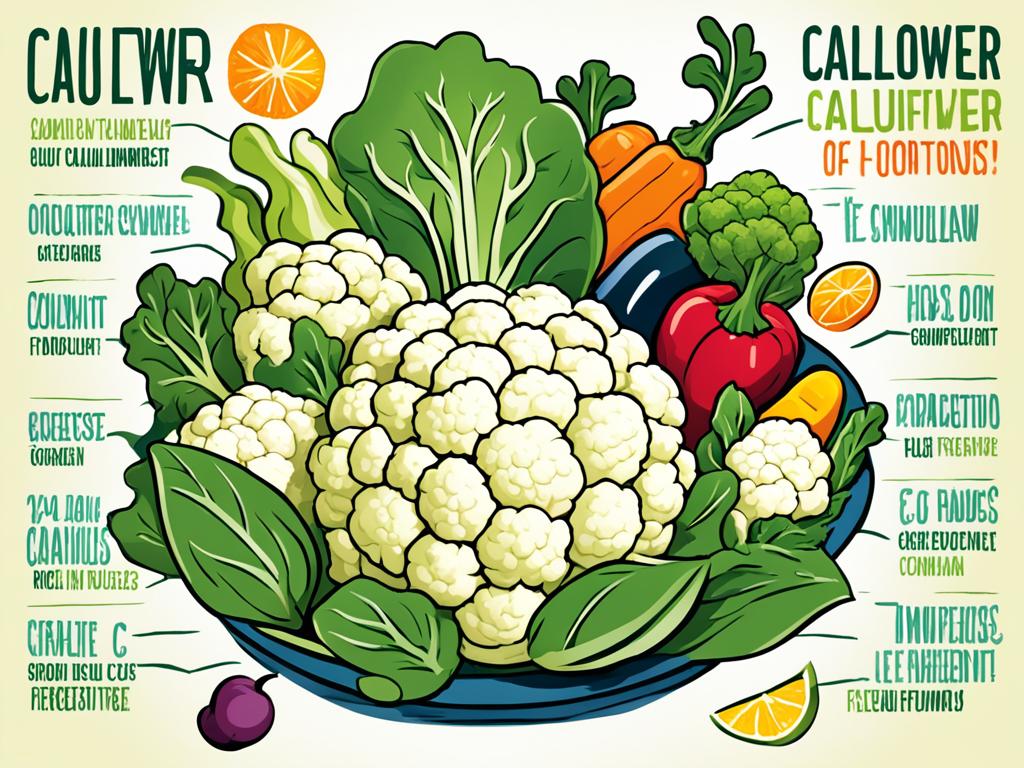
Delicious Ways to Enjoy Cauliflower’s Nutrients:
| Recipe | Nutritional Highlights |
|---|---|
| Cauliflower Mash | A creamy and low-carb alternative to traditional mashed potatoes, packed with vitamins C, K, and B6. |
| Cauliflower Pizza Crust | A gluten-free option with dietary fiber and vitamins C and B6. |
| Cauliflower Buffalo Wings | Enjoy the flavors of your favorite appetizer with a healthy twist, providing vitamins C, K, and B6. |
So, don’t let cauliflower’s unassuming appearance fool you. It’s a nutritional powerhouse that can nourish your body from the inside out. With vitamins C, K, and B6, along with dietary fiber, cauliflower brings a delightful combination of flavor and health benefits to your plate. Get creative in the kitchen, and let cauliflower shine!
Weight Management with Cauliflower
Looking to shed those extra pounds? Look no further than cauliflower, the ultimate low-calorie vegetable that can help you achieve your weight loss goals. Not only is cauliflower packed with essential nutrients, but it also offers a satisfying volume per serving without the excess calories. Incorporating cauliflower into your diet is a smart and delicious way to support your weight loss journey.
When it comes to weight management, the key is finding low-calorie vegetables that provide a sense of fullness without compromising on flavor. Cauliflower fits the bill perfectly. With only 25 calories per cup, you can enjoy a generous portion of cauliflower while keeping your calorie intake in check. This means you can indulge in hearty dishes guilt-free, without worrying about derailing your weight loss efforts.

But how exactly does cauliflower help with weight loss? First and foremost, its high water content adds bulk to your meals, making you feel more satisfied and reducing the temptation to overeat. Additionally, cauliflower is rich in dietary fiber, which promotes healthy digestion and keeps you feeling full for longer periods. This means fewer cravings and fewer chances of succumbing to unhealthy snack options.
Moreover, cauliflower’s versatility allows you to enjoy it in various ways. Whether you prefer it roasted, steamed, or mashed, cauliflower can be easily incorporated into a wide range of recipes, ensuring that your weight loss journey is anything but dull. From comforting cauliflower rice to crispy cauliflower wings, the options are endless, and the flavors are always on point.
| Nutrient | Amount per Cup |
|---|---|
| Calories | 25 |
| Protein | 2g |
| Carbohydrates | 5g |
| Fiber | 2g |
| Fat | 0.3g |
| Vitamin C | 80% of the Daily Value (DV) |
| Vitamin K | 20% of the DV |
| Vitamin B6 | 10% of the DV |
As you can see from the nutritional table above, cauliflower packs quite a punch when it comes to essential vitamins and minerals. Not only is it low in calories, but it also provides a significant amount of vitamin C, vitamin K, and vitamin B6. These nutrients are not only beneficial for weight management but also support overall health and well-being.
Incorporate cauliflower into your meals and take advantage of its weight loss benefits. The best part? You don’t have to sacrifice taste or satisfaction. So get creative in the kitchen and let cauliflower be your secret weapon in achieving your weight loss goals!
Cancer-Fighting Properties of Cauliflower
Did you know that cauliflower is not only delicious but also has cancer-fighting superpowers? This humble cruciferous vegetable contains a powerful compound called sulforaphane, which has been shown to inhibit the growth of cancer cells.

Regular consumption of cauliflower has been associated with a lower risk of certain cancers. Incorporating this nutritious veggie into your diet can be a proactive step towards promoting your health and well-being.
“Cauliflower is like a superhero in the fight against cancer. Its sulforaphane content is a natural weapon that inhibits the growth of cancer cells, making it an incredible addition to an anti-cancer diet.” – Nutritionist Jane Adams
The Power of Sulforaphane
Sulforaphane, found in cauliflower, has gained recognition for its potential cancer-fighting properties. This compound activates specific enzymes in the body that can neutralize carcinogens and reduce the risk of cancer development.
Targeting Specific Cancers
Cauliflower’s sulforaphane content has been particularly studied for its potential in reducing the risk of prostate, breast, lung, and colorectal cancers. While more research is needed, preliminary studies show promising results.
Including Cauliflower in Your Anti-Cancer Diet
To reap the cancer-fighting benefits of cauliflower, incorporate it into your meals regularly. Whether you enjoy it roasted, steamed, or as a rice substitute, this versatile vegetable can add both flavor and powerful nutrients to your diet.
Cruciferous Vegetables and Sulforaphane Content
| Vegetable | Sulforaphane Content |
|---|---|
| Cauliflower | High |
| Broccoli | Moderate |
| Brussels Sprouts | Moderate |
| Kale | Low |
As the table shows, cauliflower ranks high in sulforaphane content among other cruciferous vegetables. So, make sure to include cauliflower in your cancer-fighting meal plans.
Next, we’ll explore how cauliflower can also promote heart health and why it’s a wise choice for maintaining a healthy cardiovascular system.
Heart Health Benefits of Cauliflower
Did you know that cauliflower can play a role in maintaining a healthy heart? This versatile vegetable contains a key nutrient that contributes to cardiovascular well-being: potassium.
Potassium is a mineral that helps regulate blood pressure, a vital factor in heart health. By incorporating cauliflower into your diet, you can naturally increase your potassium intake and support optimal cardiovascular function.
But that’s not all! Cauliflower also offers additional heart-healthy benefits through its fiber and antioxidant content. Fiber helps lower cholesterol levels and reduce the risk of heart disease, while antioxidants protect the heart from oxidative stress.
To give you a visual breakdown of the heart health benefits of cauliflower, here’s a table highlighting some of the essential nutrients and their contributions:
| Nutrient | Function |
|---|---|
| Potassium | Regulates blood pressure, promotes heart health |
| Fiber | Reduces cholesterol levels, supports heart health |
| Antioxidants | Protects the heart from oxidative stress |
With its heart-healthy qualities, cauliflower provides a delicious and nutritious way to take care of your cardiovascular system. So why not make it a staple in your diet? Incorporate cauliflower into your meals and enjoy the benefits it offers to your heart!

Antioxidant Power of Cauliflower
Cauliflower is not only a delicious and versatile vegetable but also a nutritional powerhouse. One of its remarkable qualities is its antioxidant power, which helps protect your body from harmful molecules that can lead to long-term health problems.
One of the key antioxidants found in cauliflower is sulforaphane. Sulforaphane acts as a shield against stress and inflammation, ensuring your body stays resilient and healthy. It helps combat oxidative stress, which is linked to various chronic diseases.
But that’s not all! Cauliflower is also packed with another powerful antioxidant called anthocyanins. These compounds give cauliflower its vibrant colors and offer numerous health benefits. Anthocyanins have been shown to promote overall health and reduce the risk of developing chronic diseases.
By incorporating cauliflower into your diet, you can enjoy the triple benefits of its antioxidant properties, thanks to sulforaphane and anthocyanins. Not only will you be protecting your body from harmful molecules, but you’ll also be promoting longevity and well-being.

The Antioxidant Power of Cauliflower – At a Glance
| Antioxidant | Role | Benefits |
|---|---|---|
| Sulforaphane | Acts as a shield against stress and inflammation | Reduces the risk of chronic diseases |
| Anthocyanins | Promotes overall health | Reduces the risk of chronic diseases and supports well-being |
So, don’t underestimate the power of cauliflower when it comes to antioxidants. Incorporate this incredible vegetable into your meals and harness its superpowers for a healthier, more vibrant life!
Brain Function and Cauliflower
Did you know that cauliflower can do wonders for your brain health? Yes, this versatile vegetable is not just delicious; it’s packed with essential nutrients that support optimal brain function.
One of the key nutrients found in cauliflower is B vitamins, which are crucial for neurological health and cognitive function. These vitamins play a vital role in maintaining a healthy brain, helping with memory, focus, and overall brain performance.
But that’s not all, cauliflower also contains a variety of minerals and antioxidants that contribute to overall brain health. These nutrients work together to protect brain cells from oxidative stress and inflammation, promoting a sharp and agile mind.
So, how can you incorporate cauliflower into your diet to support your brain? Try adding it to stir-fries, salads, or even making cauliflower rice as a healthy, low-carb alternative. The possibilities are endless!
To help you visualize the brain-boosting power of cauliflower, take a look at the table below:
| Nutrient | Amount per 100g |
|---|---|
| Vitamin C | 48.2 mg |
| Vitamin K | 16 µg |
| Vitamin B6 | 0.2 mg |
| Calcium | 22 mg |
| Potassium | 299 mg |
As you can see, cauliflower is a nutrient powerhouse, packed with vitamins and minerals that nourish your brain. So, why not make cauliflower a regular part of your diet and give your brain the boost it deserves?

With cauliflower’s brain-boosting benefits, you can stay sharp and focused while enjoying a tasty and nutritious vegetable. So go ahead and add cauliflower to your grocery list!
Cauliflower for Digestive Health
Cauliflower is not just a versatile and delicious vegetable; it is also a superhero when it comes to promoting digestive health. One of the key reasons for this is its high dietary fiber content.
Dietary fiber plays a crucial role in maintaining a healthy digestive system. It aids in digestion, promotes regular bowel movements, and supports a healthy gut microbiome. Including cauliflower in your diet can help improve digestion and keep your digestive system in top shape.
But what exactly is dietary fiber?
Dietary fiber refers to the parts of plant-based foods that your body can’t digest or absorb. Instead, it passes through your digestive system, adding bulk to your stools and providing numerous benefits along the way.
When it comes to cauliflower, it contains both soluble and insoluble fiber, which offer different advantages for digestive health:
| Type of Fiber | Benefits |
|---|---|
| Soluble Fiber | Promotes the growth of beneficial gut bacteria, maintains bowel regularity, and helps stabilize blood sugar levels. |
| Insoluble Fiber | Helps add bulk to stools, prevents constipation, and supports overall digestive function. |
By including cauliflower in your diet, you can enjoy the benefits of both types of fiber, ensuring a healthy and balanced digestive system.
Witty Quote:
They say an apple a day keeps the doctor away, but one might argue that a serving of cauliflower could be just as effective in keeping your digestion in check.
Incorporating cauliflower into your meals is easy and delicious. You can enjoy it raw in salads, steam or roast it as a side dish, or use it as a low-carb alternative in recipes like cauliflower rice or cauliflower pizza crust.
So, next time you plan your meals, don’t forget to invite cauliflower to the table. Your digestive system will thank you!

Cauliflower and Immune System
When it comes to boosting your immune system, cauliflower is one of the superhero vegetables you can rely on. Packed with essential nutrients, including vitamins C and K, cauliflower plays a crucial role in supporting immune function and protecting your body against illnesses.
Vitamin C is well-known for its immune-boosting properties. It stimulates the production of white blood cells, which are essential for fighting off infections and viruses. By incorporating cauliflower into your diet, you can ensure that your immune system is strong and ready to defend your body.
Vitamin K, another key nutrient in cauliflower, also contributes to immune health. It helps regulate the immune response and promotes proper blood clotting, which is important for wound healing and overall immune function.
So, how can you reap the immune-boosting benefits of cauliflower?
- Add cauliflower to your favorite stir-fry or salad for a delicious and nutritious boost.
- Roast cauliflower florets with your favorite spices for a tasty side dish.
- Make cauliflower rice as a healthy and low-carb alternative to traditional rice.
- Blend cauliflower into creamy soups for a comforting and immune-boosting meal.
By incorporating cauliflower into your meals regularly, you can enhance your immune system and improve your overall well-being. So, let cauliflower be your secret weapon in fortifying your immune system.
“Let food be thy medicine and medicine be thy food.” – Hippocrates
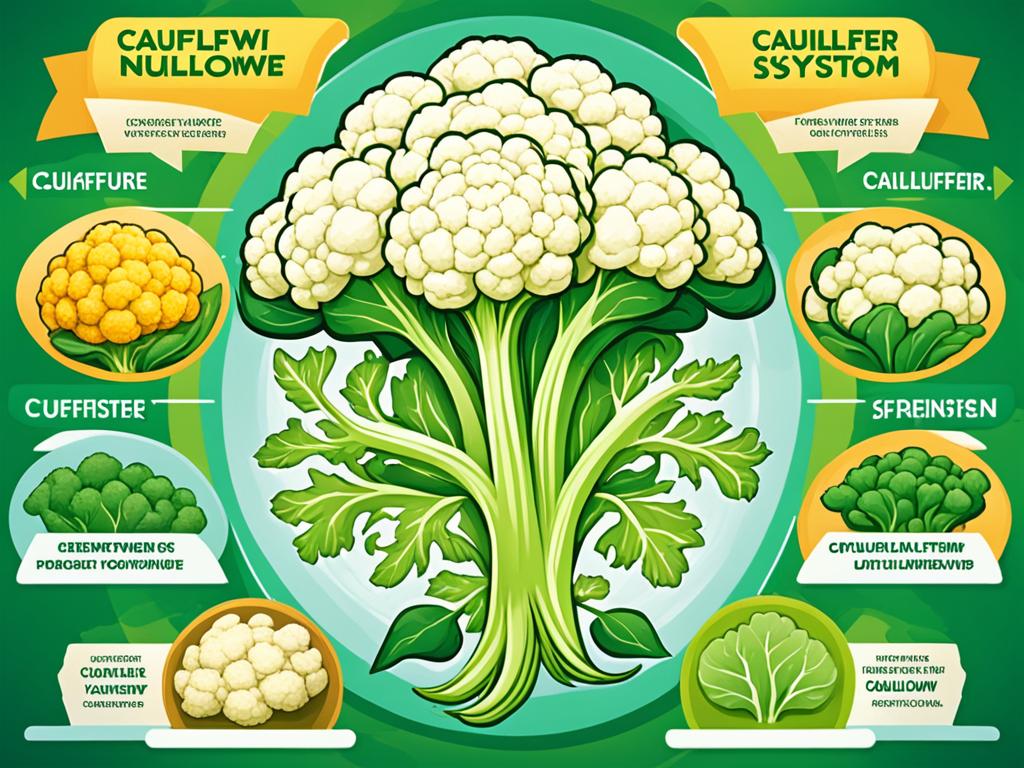
| Nutrient | Amount per 1 cup (100g) of Cauliflower |
|---|---|
| Vitamin C | 46.4 mg |
| Vitamin K | 16.0 mcg |
| Fiber | 2.0 g |
| Calories | 25 |
Conclusion
Congratulations, you have now discovered the superhero powers of cauliflower! This versatile and nutritious vegetable is not only delicious but also packed with essential vitamins, minerals, antioxidants, and fiber.
By incorporating cauliflower into your diet, you can reap a plethora of health benefits. Whether you’re looking to manage your weight, boost your immune system, or promote heart health, cauliflower has got you covered.
Not only does cauliflower provide key nutrients for overall well-being, but it also adds a flavorful twist to your meals. From roasted cauliflower to cauliflower rice, the possibilities are endless when it comes to incorporating this superhero veggie into your favorite recipes.
So, why wait? Unlock the superpowers of cauliflower and start incorporating this veggie into your diet today. Your taste buds and your health will thank you!
FAQ
What vitamins does cauliflower contain?
Cauliflower contains vitamins C, K, and B6.
What are the health benefits of cauliflower?
Cauliflower offers numerous health benefits, including supporting heart health, aiding digestion, promoting brain function, and boosting the immune system.
Is cauliflower low in calories?
Yes, cauliflower is a low-calorie vegetable, making it a great choice for weight management.
Does cauliflower have cancer-fighting properties?
Yes, cauliflower, like other cruciferous vegetables, contains sulforaphane, a compound known for its cancer-fighting properties.
How does cauliflower support heart health?
Cauliflower contributes to heart health due to its potassium content and also contains fiber and antioxidants, which further support cardiovascular well-being.
Does cauliflower have antioxidant properties?
Yes, cauliflower has antioxidant properties that help protect the body and reduce the risk of long-term health problems.
How does cauliflower support brain function?
Cauliflower contains B vitamins and other nutrients that contribute to overall brain health and may help optimize mental performance.
How does cauliflower benefit digestive health?
Cauliflower is a good source of dietary fiber, which aids in digestion, promotes regular bowel movements, and supports a healthy gut microbiome.
Can cauliflower boost the immune system?
Yes, cauliflower contains vitamins C and K, which contribute to a healthy immune system and help protect against illnesses.