

Are you tired of your basil wilting within days of bringing it home? Do you dream of using fresh basil in your recipes, but always find it spoiled and unusable? Well, fret no more! We have the ultimate solution to keep your basil fresh and vibrant for longer: freezing! Yes, you heard that right, freezing basil is the secret weapon you need in your culinary arsenal.
Basil is a beloved herb known for its aromatic flavor and distinctive taste. However, it has a notorious reputation for wilting quickly, leaving you with sad, limp leaves that are unfit for cooking. But fear not, because we are about to reveal some freezing hacks that will ensure your basil stays fresh, green, and ready to enhance your favorite dishes.
Key Takeaways:
- Freezing basil is one of the best ways to keep it fresh and preserve its flavor.
- Understanding why basil wilts quickly can help you find effective storage methods.
- Storing basil like a flower bouquet or in a sealed quart container with water yields the best results.
- Trimming the stems, washing basil before storage, and regular water changes can extend its lifespan.
- Proper storage of fresh herbs is essential to maintain their flavor, aroma, and potency.
Why Does Basil Wilt Quickly?
Basil, oh Basil, why do you wilt so quickly? It’s a mystery that has puzzled herb enthusiasts for ages. You see, the moment you bring lovely basil home from the market, it starts to lose its charm. The leaves turn a sad shade of brown, and it becomes as limp as a wilted salad. Not exactly the vibrant and fragrant herb you had in mind for your culinary creations, right?
But fear not, dear basil lover! Understanding the reasons behind this wilted basil dilemma can help us unlock the secrets to preserving its freshness and flavor for longer.
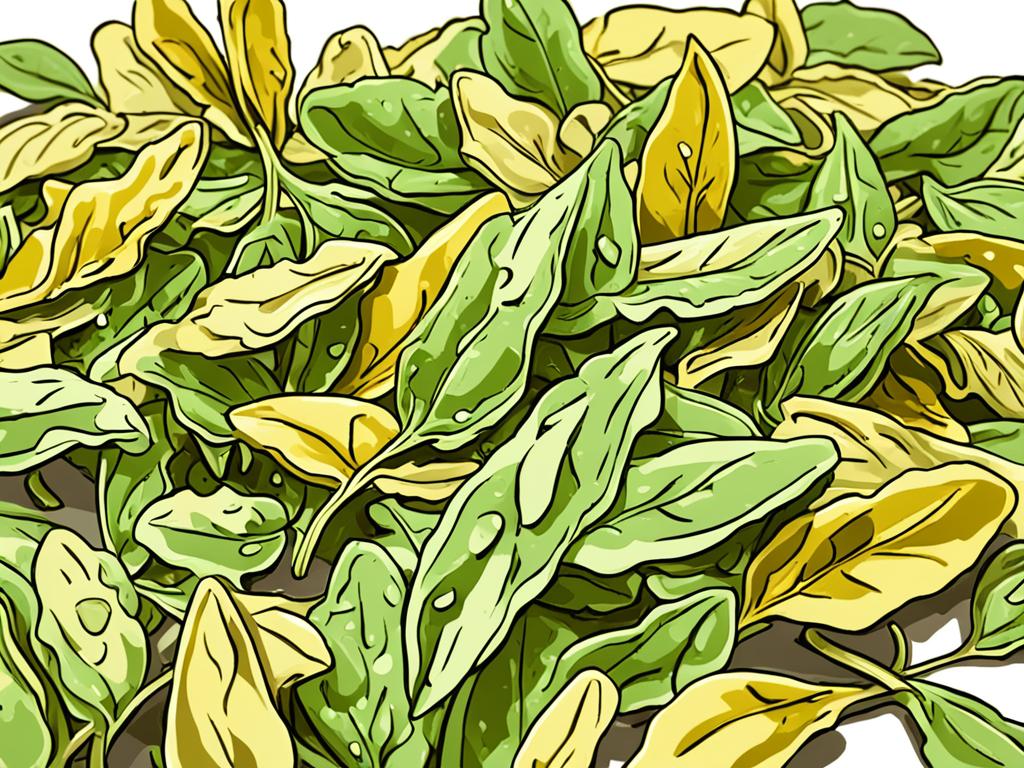
As it turns out, basil wilts quickly due to its high water content and delicate nature. When basil is picked, it is deprived of its lifeline—the root system that once nourished it. Without its roots, basil struggles to retain moisture, causing it to wilt faster than a deflated balloon.
“Basil, my friend, you need a little TLC to stay perky and fresh. Don’t worry; we’re here to help you thrive!”
Factors like temperature, humidity, and exposure to air also contribute to basil wilting. Exposing basil to warm temperatures or dry environments can accelerate the wilting process. And let’s not forget about those pesky microbes that love to feast on your precious herb. They speed up the decay process, turning your basil into a droopy mess.
But don’t despair, clever human! There are ways to outsmart the basil-wilting challenge and preserve your favorite herb’s color, aroma, and flavors. By following proper storage techniques and a dash of ingenuity, you can enjoy fresh basil even long after it leaves the garden.
Tips for Storing Fresh Basil Leaves
To keep your fresh basil leaves in optimal condition, follow these handy tips and techniques:
- Treat Basil Like a Flower Bouquet: Trim the bottom of the stems and place them in a jar partially filled with water. Treat the basil like a beautiful bouquet of flowers, changing the water every few days to keep it fresh. Just remember not to submerge the leaves to prevent wilting.
- Room Temperature Storage: Store basil at room temperature to maintain its flavor and vibrant green color. You can cover it with a loose plastic bag or place it in a sealed quart container with a small amount of water. Avoid refrigeration as it can cause the leaves to darken and bruise.
With these storage tips, you can enjoy the freshness of your basil leaves for longer and enhance the flavors of your culinary creations.

Testing Basil Storage Methods
When it comes to storing basil, you want to ensure that you’re using the best method to preserve its freshness and flavor. To determine the most effective storage method, a series of tests were conducted to compare various techniques. These tests included refrigeration, room temperature storage, and different container types.
The results of the tests were clear: storing basil like a flower bouquet or in a sealed quart container yielded the best preservation results. This means either leaving the basil uncovered or placing it in a container with a small amount of water.
On the other hand, storing basil in the refrigerator or using a plastic bag as the storage method proved to be less effective. These methods didn’t maintain the basil’s freshness and vibrant green color as well as the other techniques.
So, the best method to store basil is to treat it like a beautiful bouquet of flowers or use a sealed quart container. Not only will this help preserve the flavor and appearance of the basil, but it will also add a touch of elegance to your kitchen.
| Storage Method | Preservation Results |
|---|---|
| Storing basil like a flower bouquet | Best preservation results, maintains freshness and vibrant green color |
| Storing basil in a sealed quart container | Effective preservation method, keeps basil fresh |
| Storing basil in the refrigerator | Less effective, basil may lose freshness and color |
| Storing basil in a plastic bag | Less effective, may result in decreased quality |
By following the recommended storage methods for basil, you can ensure that your herb stays fresh and flavorful for longer periods. Remember, basil is a delicate herb that deserves proper care to maintain its vibrant essence in your culinary creations.

The Best Way to Store Basil: Expert Opinions
When it comes to storing basil, there are various methods recommended by cooking experts and reliable sources. Let’s take a look at what these experts have to say about the best way to store this delightful herb.
Alexandra Stafford: Treating Basil Like a Bouquet
According to Alexandra Stafford, one of the expert voices in the culinary world, the best way to store basil is to treat it like a beautiful bouquet of flowers. Alexandra suggests storing your basil out of the fridge in a tall jar with a small amount of water. By doing so, you can maintain the herb’s freshness and keep it vibrant for a longer period.
“Your basil will thank you if you treat it like a bouquet of flowers, keeping the stems partially submerged in water on your counter and out of the fridge.”
So, instead of hiding your basil in the refrigerator, give it a special place on your countertop, just like you would with a beautiful arrangement of flowers.
J. Kenji López-Alt: Sealing Basil for Optimal Freshness
An alternative expert opinion comes from J. Kenji López-Alt, a renowned chef and food writer. J. Kenji recommends tightly covering the tops of herbs, including basil, with an overturned zipper-lock bag. Seal the bag against the base of the jar that holds your herbs. By utilizing this method, you create a mini-greenhouse effect that helps lock in the herb’s freshness.
“To keep herbs fresh, try attaching an overturned zipper-lock bag to the base of a jar. This simple trick creates a mini-greenhouse, keeping your herbs vibrant and ready to use.”
Following J. Kenji’s advice, you can enjoy the full potential of your basil by preserving its freshness and vibrant green color.

Expert opinions on basil storage shed light on the best methods to maintain the freshness of this aromatic herb. By treating basil like a bouquet of flowers or creating a mini-greenhouse effect in a sealed jar, you can enjoy the full flavor and vibrancy of basil in your culinary creations.
How to Store Basil: Tips and Hacks
Storing basil properly requires some tips and hacks to ensure maximum freshness. One popular hack is to trim the basil stems and place the bunch in a jar of water, covered loosely with a plastic bag. This method mimics the storage of flowers and helps keep the basil fresh for a longer duration.
Regularly changing the water and trimming the stems can further extend the lifespan of the basil. Additionally, washing basil before storage can help remove dirt and bacteria, prolonging its freshness.
Refreshing Basil: Water and Plastic Bag
Trim the basil stems, then place them in a jar filled with water. Loosely cover the jar with a plastic bag, leaving some airflow, and store it on your kitchen counter. This method not only keeps the basil hydrated but also helps maintain its vibrant color, texture, and aroma.
By treating your basil like a bouquet of flowers and providing it with proper care, you can enjoy its fresh taste and aroma for longer. Remember to change the water every few days and trim the stems as needed, enhancing the longevity of your basil.
| Tips | Hacks |
|---|---|
| Trim basil stems | Treat basil like a bouquet of flowers |
| Place basil stems in a jar of water | Use a plastic bag to cover the jar |
| Change water every few days | Mimic the freshness of basil in a flower shop |
| Regularly trim the stems | Preserve basil’s bright green color and flavor |
Following these tips and hacks can help you store your basil in the best way possible, keeping it fresh and delicious for a longer period. By properly caring for your basil, you can enjoy the flavors of this versatile herb in your favorite dishes whenever you want.

How Long Does Basil Last When Stored Properly?
The storage lifespan of basil depends on the proper storage method used. When stored properly, basil can last for up to two weeks. Storing basil like a flower bouquet, in a jar with water and a loosely covered plastic bag, can help extend its freshness. Other factors, such as the temperature and conditions in your kitchen, can also affect the longevity of stored basil. By following the recommended storage methods, you can enjoy fresh basil for a longer time.
Factors Affecting Basil’s Storage Lifespan
While proper storage is crucial for preserving basil, there are several factors that can impact its storage lifespan:
- Temperature: Basil is sensitive to extreme temperatures. Storing it in a cool, dry place, away from direct sunlight, can help prolong its freshness.
- Humidity: Excessive moisture can promote the growth of mold and cause basil to spoil quickly. It’s essential to store basil in a dry environment to prevent moisture buildup.
- Handling: Frequent handling of basil leaves can accelerate wilting. Avoid crushing, squeezing, or bruising the leaves to maintain their freshness.
By considering these factors and implementing proper storage practices, you can maximize the shelf life of your basil and enjoy its vibrant flavor for an extended period.
“Proper storage practices play a vital role in preserving the freshness and flavor of basil. Remember to keep it cool, dry, and protect it from excessive handling to enjoy its aromatic goodness for as long as possible.”
| Storage Method | Storage Lifespan |
|---|---|
| Storing basil like a flower bouquet, in a jar with water and a loosely covered plastic bag | Up to 2 weeks |
| Refrigeration | 4-5 days |
| Freezing | Up to 6 months |
Additional Tips to Extend Basil’s Freshness
Here are some additional tips to help you extend the freshness of your stored basil:
- Trim the stems: Before storing basil, trim the stems slightly to allow better water absorption and hydration.
- Frequent water changes: Change the water in the jar every two days to maintain freshness and prevent the growth of bacteria.
- Freezing excess basil: If you have excess basil, freeze it in ice cube trays with a little water or olive oil. This allows for convenient portioning and easy usage in future recipes.

With these tips and an understanding of how to store basil properly, you can make the most of this flavorful herb and enhance your culinary creations with its aromatic presence.
How to Freeze Basil: Preserving Basil for Longer
Freezing basil is a clever and convenient method to preserve its vibrant flavor and aroma for an extended period. By freezing basil, you can enjoy the fresh taste of this aromatic herb throughout the year, even when it’s out of season.
To freeze basil leaves effectively, follow these simple steps:
- Start by blanching the basil leaves in boiling water for about 10 seconds. Blanching helps maintain the herb’s color and flavor while inhibiting the growth of enzymes that can cause deterioration.
- After blanching, transfer the basil leaves to a bowl of ice water. This process, known as “shocking,” halts the cooking process by rapidly cooling down the leaves.
- Once the basil leaves have cooled, carefully remove them from the ice water and gently wring out any excess moisture. Pat them dry with a paper towel to ensure they are not wet.
- Next, spread the blanched and dried basil leaves in a single layer on a cookie sheet. Make sure they are not touching to prevent them from sticking together during freezing.
- Place the cookie sheet with the basil leaves in the freezer for approximately 12 hours or until they are completely frozen. Freezing them individually before transferring them to a container prevents them from clumping together and makes it easier to use only the desired amount.
- Finally, transfer the frozen basil leaves to a freezer-safe bag or container, remove any excess air, and seal it tightly. Label the bag or container with the date and contents.
By following these steps, you can preserve the freshness and vibrant green color of basil leaves for several months.
Now you can harness the delightful flavor and fragrance of basil in your dishes, no matter the season. Whether you’re adding it to soups, sauces, pesto, or marinades, frozen basil is a convenient ingredient to have on hand.
Preserving Basil’s Aroma and Flavor:
When you freeze basil, it’s important to take into account that its delicate flavor and aroma may be altered by the freezing process. To maintain the best quality possible:
- Use the frozen basil leaves in cooked dishes, as freezing can diminish the texture of the leaves.
- Avoid using them as a garnish or for dishes that require fresh or uncooked basil.
- Consider adding a small amount of olive oil to the container with the frozen basil leaves. This helps retain the herb’s aroma and can make it easier to extract the desired quantity when needed.
The Advantages of Freezing Basil:
“Freezing basil allows you to enjoy the taste of this aromatic herb all year long. It’s a quick and easy method that helps preserve the flavors of summer in your recipes.” – Chef Andrea Rossi
Visual Guide: Freezing Basil Leaves

| Advantages | Disadvantages |
|---|---|
| Preserves basil’s vibrant color and flavor. | Freezing can alter basil’s texture. |
| Convenient method to have basil available year-round. | Not suitable for dishes that require fresh basil, such as salads. |
| Reduces food waste by prolonging the shelf life of basil. | Requires careful handling and proper packaging to prevent freezer burn. |
With these freezing techniques at your disposal, you can ensure a bountiful supply of basil in your kitchen, ready to elevate the flavors of your favorite dishes.
Best Practices for Storing Other Fresh Herbs
Basil is not the only herb that needs proper storage to maintain its freshness. Other fresh herbs, such as cilantro, parsley, mint, and dill, also require specific storage methods. To ensure that your herbs stay fresh and flavorful, here are some herb storage tips:
- Washing herbs before storage: Before storing your fresh herbs, give them a gentle rinse under cold water to remove any dirt or debris. Pat them dry with a paper towel or spin them in a salad spinner to remove excess moisture. This step helps to prevent early spoilage.
- Trimming stems: Trim the ends of the herb stems with a sharp knife or scissors, removing any damaged or wilted parts. This not only helps the herbs absorb water but also enhances their appearance.
- Ensuring proper air circulation: Herbs need good airflow to stay fresh. Avoid storing them in plastic bags or containers that trap moisture. Instead, loosely wrap them in a dry paper towel and place them in a breathable bag or container.
Best Storage Methods for Specific Herbs
Each herb has unique characteristics and storage requirements. Here’s how to store some commonly used herbs:
| Herb | Storage Method |
|---|---|
| Rosemary and Thyme | Wrap the herbs in a dry paper towel, place them in a plastic bag, and store in the refrigerator. This method helps to maintain their freshness and prevent wilting. |
| Cilantro and Parsley | Trim the stems and place the herbs upright in a jar with an inch of water. Cover the jar with a plastic bag, securing it with a rubber band. This method helps to keep the herbs hydrated and maintain their vibrant appearance. |
| Mint | Remove any leaves that are discolored or wilted. Place the mint sprigs in a glass of water, cover with a plastic bag, and store in the refrigerator. This method helps to retain the mint’s aroma and crispness. |
| Dill | Trim the stems and place the dill in a jar with an inch of water. Loosely cover the jar with a plastic bag and store in the refrigerator. This method helps to preserve the dill’s delicate flavor and texture. |
“Proper storage is key to maintaining the freshness and flavor of your favorite herbs. Taking a few extra steps can make a big difference in the quality of your culinary creations!”
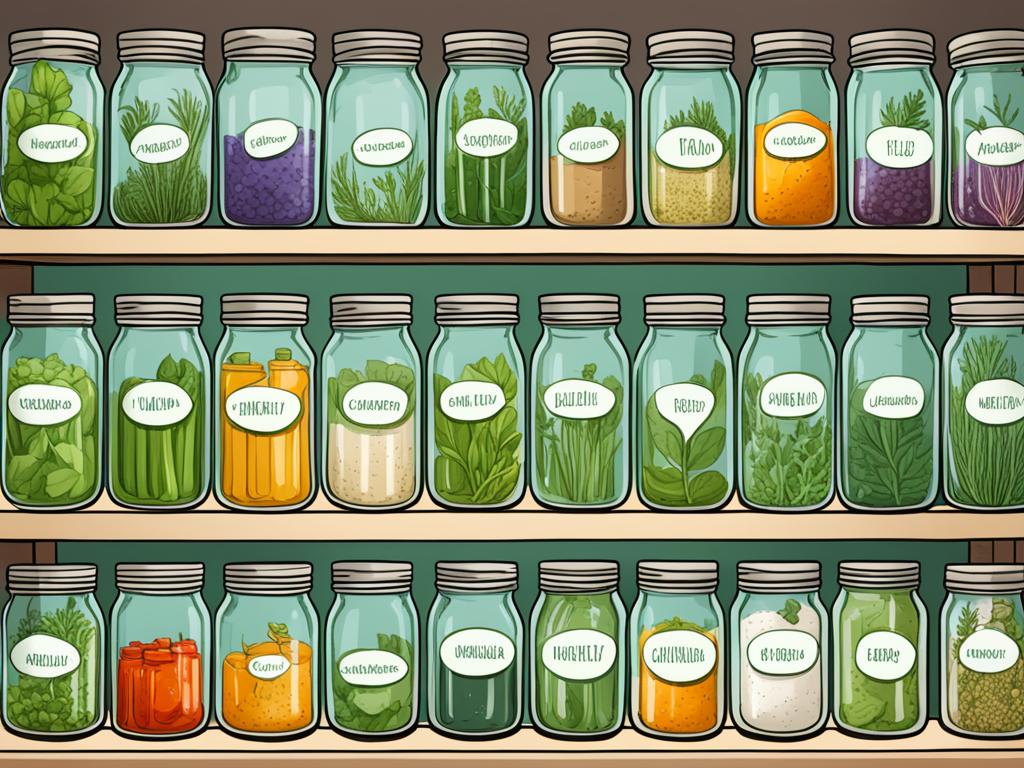
By following these best practices, you can ensure that all your fresh herbs stay vibrant, aromatic, and ready to elevate your dishes to the next level.
The Importance of Proper Herb Storage
When it comes to maintaining the flavor, aroma, and freshness of herbs, proper storage is key. Storing herbs incorrectly can lead to quick deterioration, resulting in a loss of vibrant color and potency. But fear not, with the right storage methods, you can extend the lifespan of your herbs, ensuring you can enjoy their flavors in your culinary creations for longer.
Proper herb storage has numerous benefits. First and foremost, it allows you to have fresh herbs on hand whenever you need them. There’s nothing quite like the burst of flavor and aroma that comes from using freshly harvested herbs in your dishes. By storing them properly, you can guarantee a continuous supply of these culinary delights.
Moreover, correct herb storage enhances the taste and presentation of your dishes. Imagine sprigs of vibrant green basil, freshly chopped parsley, or fragrant rosemary perfectly complementing your favorite recipes. By preserving the natural qualities of herbs, you elevate the sensory experience of your meals, making them all the more delightful.
Not only that, but proper herb storage also helps you save money. When herbs spoil due to improper storage, you’re forced to throw them away, wasting both food and your hard-earned dollars. By implementing the right storage methods, you ensure that your herbs stay fresh for longer, minimizing waste and maximizing your grocery budget.
Quote of the Section:
“Proper herb storage is like a secret ingredient in your culinary arsenal. It keeps your herbs at their best, ready to take your dishes to the next level.” – Chef Julia Child
So, how exactly should you store your herbs to reap these benefits? Let’s take a look at a table that summarizes the recommended storage methods for different herbs:
| Herb | Storage Method |
|---|---|
| Basil | In a jar with water, covered loosely with a plastic bag |
| Parsley, Cilantro, Mint, Dill | Upright in a jar with water, covered with a plastic bag |
| Rosemary, Thyme | Wrapped in a dry paper towel and stored in a plastic bag |
By following these storage methods, you’ll ensure that your herbs remain fresh and full of flavor for extended periods. So, embrace the importance of proper herb storage and elevate your culinary creations to new heights!

Conclusion
In conclusion, preserving the freshness and flavor of basil requires proper storage techniques. Freezing basil is a great way to extend its lifespan and retain its vibrant green color. By blanching the leaves and freezing them in airtight containers, you can enjoy the taste of fresh basil even during the off-season.
Additionally, storing basil like a flower bouquet, either in a jar of water or a sealed quart container, can help maintain its freshness for up to two weeks. This method prevents the leaves from wilting and browning, ensuring that your basil remains aromatic and ready to enhance your favorite dishes.
Remember, the same best practices apply to other fresh herbs as well. Whether it’s cilantro, parsley, mint, or dill, proper storage techniques are essential to preserving their flavors. By following these guidelines, you can say goodbye to wilted herbs and embrace the deliciousness of fresh ingredients in your culinary creations.
FAQ
How can I keep basil fresh for longer?
Freezing basil is one of the best ways to preserve its flavor and vibrant green color. You can also store basil like a flower bouquet or at room temperature with a small amount of water.
Why does basil wilt quickly?
Basil wilts quickly due to the natural aging process and exposure to air. When basil is bought from the market, it starts to deteriorate rapidly, causing the leaves to turn brown and become limp.
What are some tips for storing fresh basil leaves?
One popular method is to treat basil like a flower bouquet by trimming the stems and placing them in a jar with water. Another approach is to store basil at room temperature, either covered with a loose plastic bag or in a sealed quart container with water.
Which basil storage method is the most effective?
A series of tests showed that storing basil like a flower bouquet, either uncovered or in a sealed quart container, yielded the best preservation results. Storing basil in the refrigerator or using a plastic bag as the storage method proved to be less effective.
What do experts recommend for storing basil?
Alexandra Stafford suggests storing basil out of the fridge in a tall jar with a small amount of water, treating it like a bouquet of flowers. J. Kenji López-Alt recommends tightly covering the tops of herbs with an overturned zipper-lock bag and sealing it against the base of the jar.
Are there any tips and hacks for storing basil?
Yes, one popular hack is to trim the basil stems and place the bunch in a jar of water, covered loosely with a plastic bag. Regularly changing the water and trimming the stems can further extend the lifespan of the basil. Washing basil before storage can also help remove dirt and bacteria.
How long does basil last when stored properly?
When stored properly, basil can last for up to two weeks. Storing basil like a flower bouquet, in a jar with water and a loosely covered plastic bag, can help extend its freshness.
How can I freeze basil?
To freeze basil, blanch the leaves in boiling water for 10 seconds, then transfer them to a bowl of ice water to preserve their vibrant green color. After wringing out the excess water, place the blanched basil leaves on a cookie sheet and freeze them for about 12 hours. Finally, transfer the frozen leaves to a freezer-safe bag or container and return them to the freezer.
How should I store other fresh herbs?
Washing herbs before storage, trimming stems, and ensuring proper air circulation are common practices. Hardy herbs like rosemary and thyme can be wrapped in a dry paper towel and stored in a plastic bag, while tender herbs like cilantro and parsley benefit from being stored upright in a jar with water, covered with a plastic bag.
Why is proper herb storage important?
Proper herb storage is crucial for maintaining the flavor, aroma, and freshness of herbs. When stored incorrectly, herbs can quickly deteriorate, losing their vibrant color and potency. By following the correct storage methods, herbs can last much longer, allowing you to enjoy their flavors in your culinary creations.