
Alright, you’re in for a treat because we’re about to embark on a journey through the whimsical world of goat breeds. Picture this: you’re strolling down your little barnyard, a slice of bucolic joy, deciding if the day calls for sampling homemade chèvre or playing tag with your pet goats. Sounds delightful, doesn’t it? Indeed, goats serve up more than just a good frolic; they’re also earnest milk suppliers and key players in cheese production. Whether you lean more toward the milky side of the pasture or simply seek a ruminant companion, you’ve got choices aplenty.
From the highlands to the homestead, enter the realm of dairy goats—where the vivacious Saanen polishes off hay like it’s going out of style, the petite Nigerian Dwarf winks a butterfat-rich “hello,” and the sturdy Alpine belts out a milk pail serenade. And let’s not forget, if it’s a heartwarming companion you’re after, these furry critters will nuzzle their way into your good graces faster than you can say “goat cheese omelette.” But hey, don’t just take my word for it—let’s find out which goat has got your back… or rather, your barn!
Understanding Dairy Goats and Their Products
Have you ever thought about the charm and utility dairy goats bring to your table? It’s about time you did! When it comes to the health benefits of goat milk, goat cheese production, and the whole goat milk nutritional value shebang, these bearded milk-maestros stand out from the herd.
Benefits of Goat Milk over Cow Milk
You’re right to ask, “What’s the big deal with goat milk?” Well, let’s milk this topic for all it’s worth. When we talk health benefits of goat milk, we’re looking at something special. More digestible? You bet. Smaller protein and fat molecules and less lactose mean your tummy won’t be staging any revolts. Fewer allergies with lower alpha s1-casein levels? Absolutely, and let’s not skim over the impressive nutrient lineup – we’re talking higher levels of calcium, vitamin B6, vitamin A, and potassium compared to cow milk.
Importance of Butterfat in Cheese Making
Imagine this: a cheese so rich and decadent it could only come from the creamiest of milk. Enter butterfat, the star of goat cheese production. Not only does butterfat give goat milk that sweet, smooth flavor, but it’s also the ticket to a velvety cheese that’s downright irresistible. For all the cheese whizzes out there, picking a dairy goat like the Nigerian Dwarf, with a butterfat content that goes up to an astonishing 10%, might just be your golden ticket to the cheese hall of fame.
Nutritional Content of Goat Milk
Let’s get down to brass tacks on the nutritional gold mine that is goat milk. Use your pan and sift through the liquid treasure and you’ll find a wealth of goodies. Need a boost for your bones? You’re covered with the calcium rush. Looking for a beacon of vitamins? Goat milk packs in vitamin B6 and A with a side of potassium for good measure. And for those on a health kick, this milk’s natural homogenization and high butterfat content mean you get a wholesome and indulgent experience without the hassle of unnatural processing.
| Nutrient | Goat Milk | Cow Milk |
|---|---|---|
| Calcium | Higher | Lower |
| Vitamin B6 | More | Less |
| Vitamin A | Higher | Lower |
| Potassium | More | Less |
| Butterfat Content | High (up to 10%) | Varies |
Goats Variety for High-Quality Milk Production
As you ponder the idea of sustainable dairy farming, it’s important to focus on dairy goat breeds that stand out in the quest for high milk yield and milk quality. Let’s delve into some star players whose lactation is music to a dairy farmer’s ears.
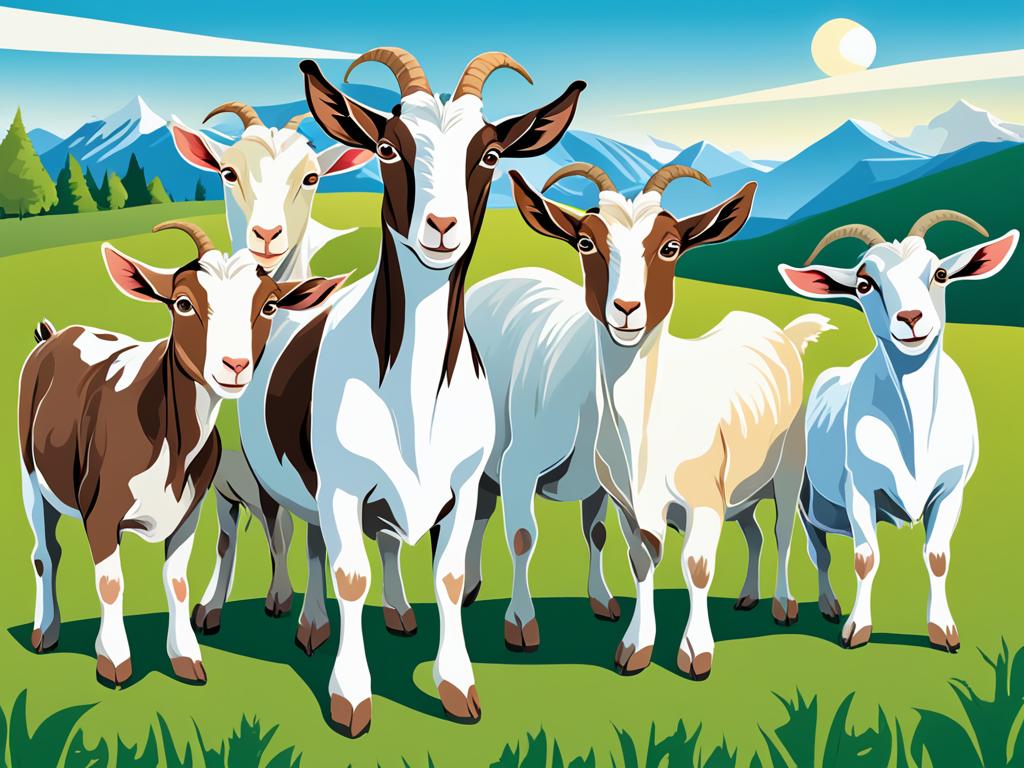
First up, the serene Saanen, hailing from the lovely Swiss valleys. This breed is like the Olympic athlete of the group—with the stamina for a daily marathon of milk flow. High milk yield? Check. Wallet-friendly? Double-check. The Saanen may not be the butterfat belle of the ball, but what she lacks in creaminess, she makes up for in sheer volume.
Shifting gears, you have the ever-adaptable Alpine. Born to climb and surprisingly cooperative, they’re ready to churn out consistent quantities of milk with a certain je ne sais quoi flavor that your taste buds will appreciate.
Don’t overlook the LaMancha and Oberhasli breeds, who may offer moderate quantities of milk, but hold your horses—they yield higher butterfat percentages! That means your dairy delights will be all the richer for it.
- Saanen: Prolific producers with lower butterfat—ideal for sheer quantity.
- Alpine: Hardy and consistent milkers with a distinctive milk taste.
- LaMancha & Oberhasli: Rich in butterfat, producing flavor-packed milk.
Choosing the right breed is much like choosing your coffee—they’ve got to be just right for your dairy dreams. The perfect dairy goat breeds complement your space, your production goals be it cheese, yogurt, or fresh milk, and your dedication to sustainability. So, pick wisely!
Top Breeds for Creamy and Delicious Cheese
Got a flair for goat cheese making? If you’re nodding, then it’s high time to meet the cream of the crop in the world of dairy goats. These breeds not only promise a journey into artisan cheese production but also offer a taste of farm life that’s as delightful as the cheese they help create. Let’s dive into the elite circle of high butterfat goats that are making waves in gourmet cheese circles.
Nigerian Dwarf: The Butterfat Champion
You’re looking at the Nigerian Dwarf, a little powerhouse when it comes to butterfat content. Dubbed the butterfat champ for good reason, it produces milk that is not just rich but also sweet, crafting it as the perfect pick for those opulent, creamy cheeses that melt in your mouth. It’s the goat you can thank for transforming an ordinary cheese platter into an exquisite, rich gastronomic adventure. The Nigerian Dwarf is a total package: pint-sized, high butterfat, and all heart.
Nubian Goats: High Butterfat for Artisan Cheeses
On the other hand, the Nubian goat struts in with an air of confidence befitting its reputation. Known for their milk’s high butterfat percentage and delectable sweetness, Nubian goats are like the cool, charismatic characters in the world of goat cheese making. Their playful nature marries well with the seriousness of producing top-notch, artisanal cheese. Just imagine a slice of heaven crafted from the milk of Nubian goats – yes, it’s as divine as it sounds!
| Goat Breed | Average Butterfat Content | Flavor Profile | Personality |
|---|---|---|---|
| Nigerian Dwarf | 6-10% | Rich and sweet | Petite and personable |
| Nubian | 4-5% | Sweet and creamy | Friendly with a hint of sass |
If you’re crafting a cheese that’s going to knock socks off at the dinner table, do it justice by starting with milk from Nigerian Dwarf or Nubian goats. Their high butterfat is what cheese dreams are made of, and hey, who doesn’t love a dreamy cheese?
Choosing the Right Goat Breed for Your Farm
You’re looking to add some cloven-hoofed charm to your farm, but you can’t just pick any goat breed on a whim. Oh no, the key to a ‘baa-rilliant’ goat farming venture begins with savvy farm space planning and a thorough understanding of the social behavior of goats. Let’s dig into the goat farming essentials that will help you establish an excellent goat herd management system.
Assessing Space and Farm Resources
When you’re tight on room, you don’t want to cram in a herd of the largest goats and end up playing sardines. Instead, plan your farm space like a mastermind. Pondering on breeds like the Nigerian Dwarf could be your space-saving grace, as they’re small but mighty milkers—and let’s be honest, utterly adorable.
Understanding Goat Social Behavior
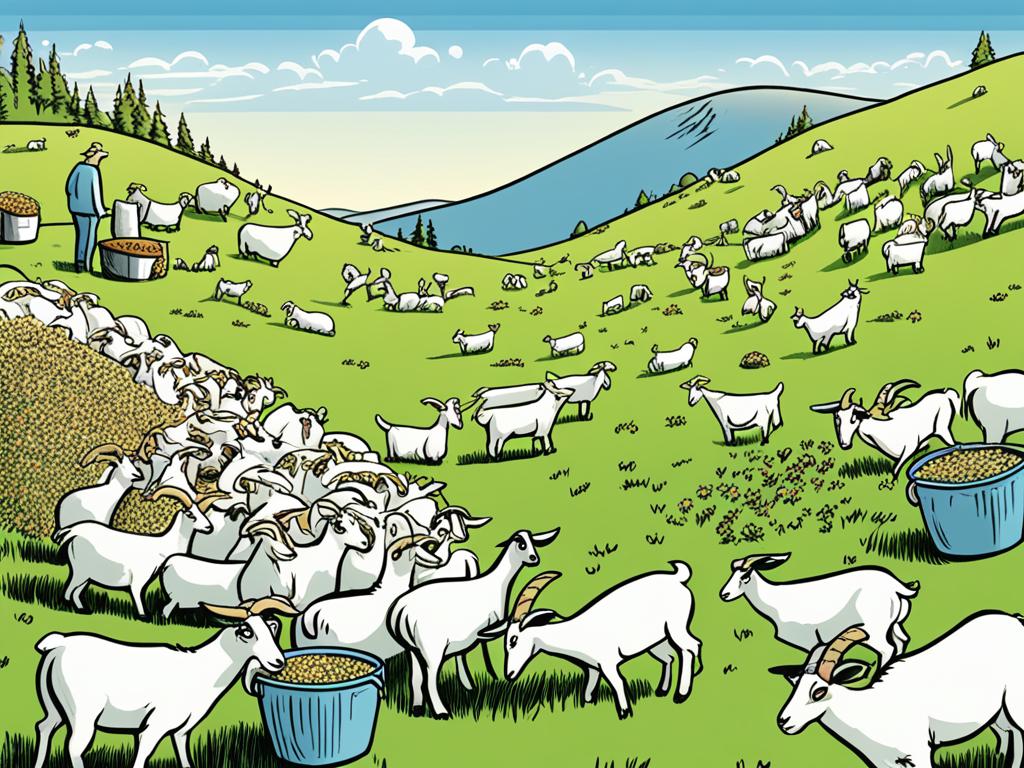
Don’t underestimate the power of goat friendships; goats are like the social butterflies of the farm world. Without a buddy or twelve, they get lonely, and a lonely goat equals a sad goat. Make sure you adopt at least a duo to keep those tails wagging. Remember, a happy goat is a productive goat!
| Goat Breed | Space Needed | Social Needs | Best for… |
|---|---|---|---|
| Nigerian Dwarf | Small | High (needs companionship) | Urban farms and small spaces |
| Nubian | Medium | High (enjoys interaction) | Artisan cheese making |
| Alpine | Large | Moderate (tolerant of herd life) | Steady milk production |
| Saanen | Large | Moderate (appreciates company) | High volume milk production |
The Social Lives of Goats: Companionship Matters
Ever wondered why goats seem to have more friends than that over-sharer on your social media feed? Well, as it turns out, goat companionship is not just a ‘nice-to-have’ – it’s an essential part of maintaining goat health. Unlike the lone wolves of the animal kingdom, goats are the ultimate social butterflies. They bask in the presence of their buddies, which reinforces the social needs of goats. As herd animals, they thrive in groups, where the collective bleat is a symphony that resonates with their social souls.
So if you’re venturing into the world of goat-keeping, remember: solitude is the kryptonite of caprine contentment. Whether you’re bringing them into your life for their dairy delights or as fuzzy garden groomers, having at least two furballs will keep their spirits sky-high. Neglecting their inherent need to socialize can lead to a goat’s version of the blues, associating to stress or even health hiccups that can be as stubborn as, well, a goat.
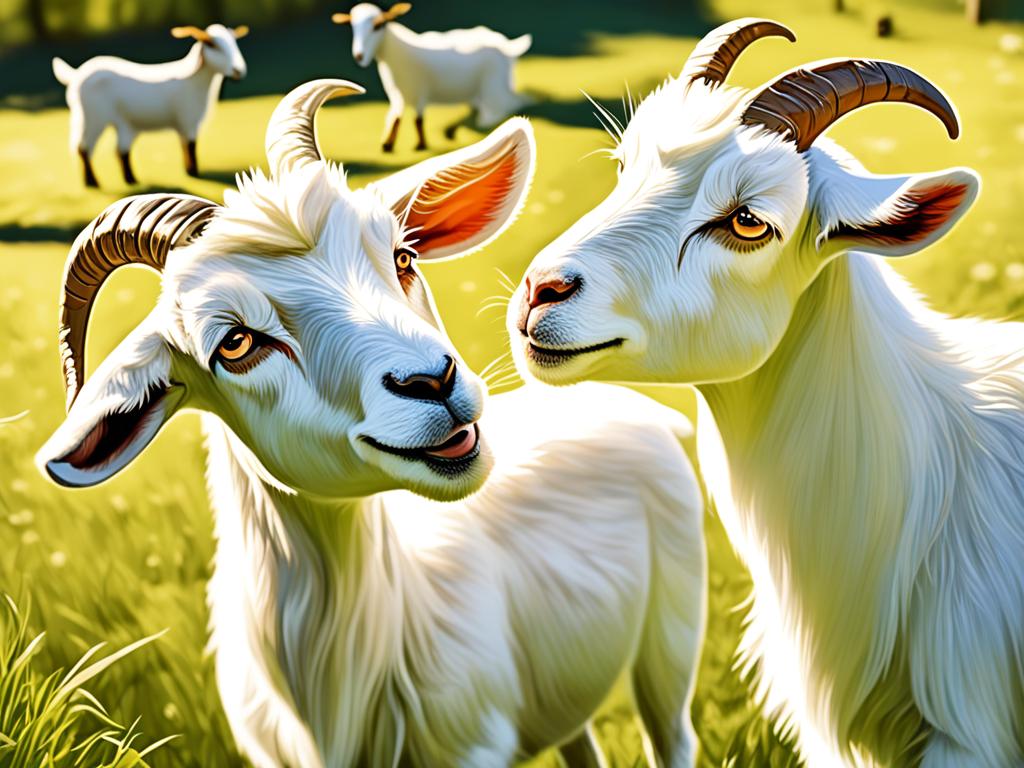
- A pair or more of goats are merrier, mitigating melancholy.
- Conversations in ‘bleat’ lead to a happier herd, and prevent behavioral issues.
- Physical play is significant; it keeps them nimble and quick on their hooves.
But what does a well-balanced goat get-together look like in the real world? Here’s a tip from the pros: diversity is key. Mixing youngsters with veterans and billies with nannies can emulate the dynamics of their natural habitat, fostering a mini goat society under your caring watch. Ready to set the scene for some caprine camaraderie? Roll up your sleeves, because there’s nothing quite like watching your goats frolic harmoniously in their paddock paradise.
| Goat Companionship Benefits | How it’s Achieved |
|---|---|
| Reduced stress and increased happiness | Providing ample space for interaction |
| Better overall health | Routine check-ups and companionship |
| Improved herd behavior | Mixing different ages and sexes |
Like two peas in a pod, goats need each other more than peanut butter needs jelly. Don’t let your goats be loners; double the goats, double the joy!
Milk Volume and Maintenance: Saanen and Alpine Goats
If you’re diving headfirst into the world of dairy goat farming, you’ll likely want the big producers on your team—enter the Saanen and Alpine goats. These guys are the milk making mavens of the caprine family, each with its own flair in the realm of dairy domination. Before we delve deeper, let’s prepare for an udderly exciting exploration of these two dairy dynamos.
Saanen Goats: High Volume Milk Producers
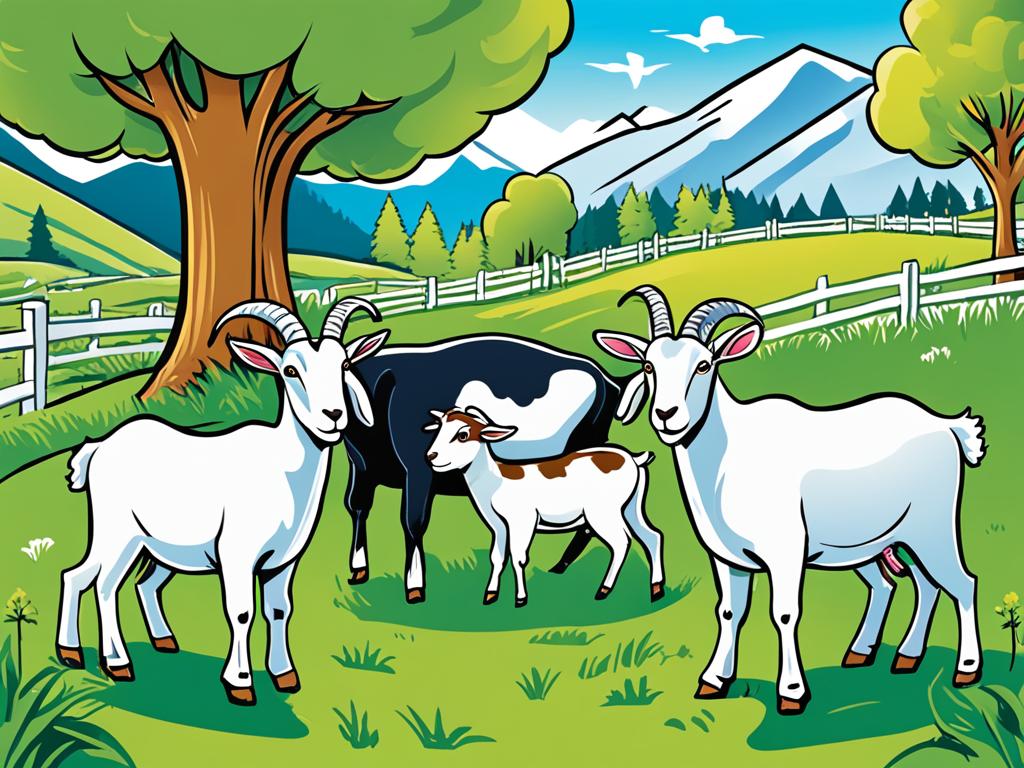
Picture the Saanen goat as the Michael Jordan of the dairy goat world—they’re tall, they’re calm, and boy, can they deliver! Recognized globally as a top-notch milk producer, the Saanen goats have more than earned their nickname, the “Holsteins of the dairy goats.” With their sensational ability to pump out the pints, they’re like the robust milk factories you never knew you needed.
Alpine Goats: Adaptable and Steady Production
On the flip side, if you’re all about adaptability and grit, Alpine goats should be your pick. These resilient ruminants don’t just cope with change; they thrive in it, producing a steady stream of quality milk that boasts an alluring 3.5% butterfat content. Imagine fresh, velvety milk every day—who wouldn’t want that?
It’s clear as a bell that managing milk production effectively is a piece of cake with these two breeds. But don’t kid yourself, it’s not just about milking; it’s about doing it with finesse. So roll up your sleeves, chalk out that milking schedule, and invest in some top-notch milking facilities. Your dairy goat farming endeavor is about to get real, and you’re here to milk it—quite literally.
The Charm of Petite Dairy Producers: Nigerian Dwarf Goats
Welcome to the delightful world of Nigerian Dwarf goats, miniature milking marvels that are transforming urban goat farming and winning hearts with their congenial nature. Boasting high butterfat milk perfect for homemade dairy products and the ability to squeeze comfortably into your urban homestead, these goats are scaling the popularity charts. So, buckle up as we delve into how these pint-sized dairy dynamos can bring a splash of rural charm to your city life.
Urban Farming with Nigerian Dwarfs
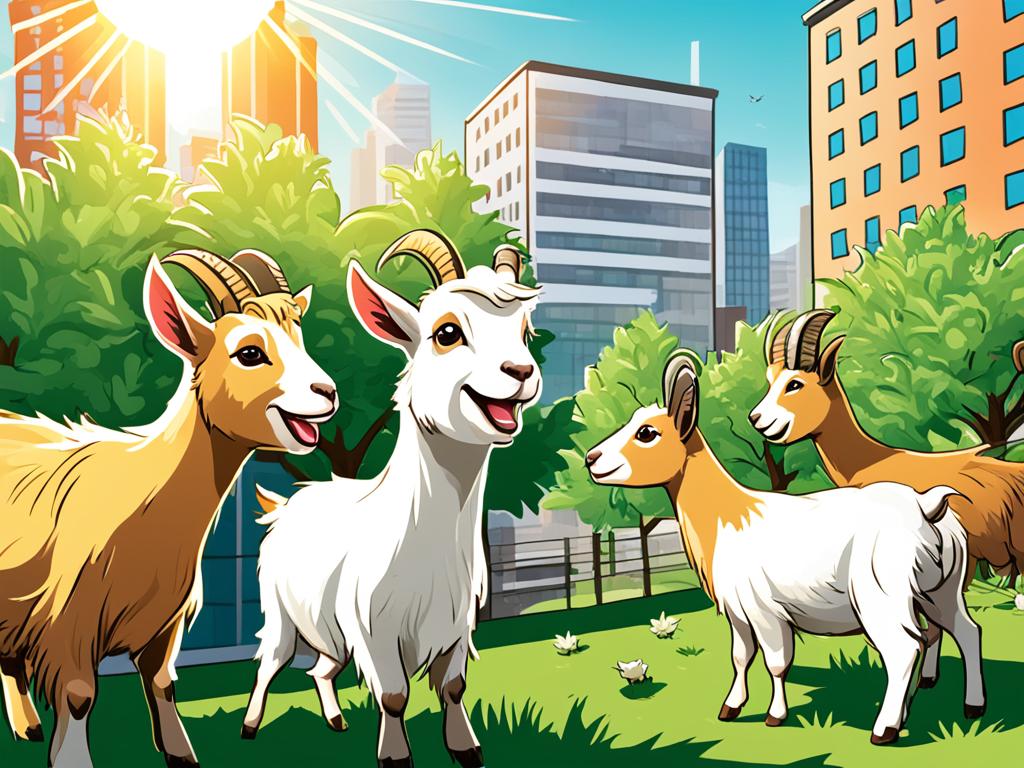
Imagine stepping outside your back door into a petite pasture of productivity. Nigerian Dwarf goats are the perfect fit for your small but mighty urban farm. Their modest space requirements allow you to make the most of your metropolitan quarters. And when it comes to their milk? It’s a small-scale revolution with impressive yields, ready to turn your urban plot into a buzzing dairy nook. Add to that their preference for quality over quantity grazing, and Nigerian Dwarfs will have you farming with finesse in no time!
Combining Pet Qualities with Dairy Production
Now, who said you can’t have your goat and hug it too? Nigerian Dwarf goats are the very definition of family-friendly goats, bridging the gap between being affectionate pets and efficient producers of creamy milk. Their amiable disposition and manageable size make them ideal playmates for both the young and the young-at-heart. Forming emotional bonds with your goats while they contribute to the family milk jar? That’s dual-purpose at its best. These dual-purpose dairy goats aren’t just another pretty face; they’re productive pets that pull their weight, in the most charming way possible.
So remember, urban dwellers: you don’t need sprawling fields for a taste of pastoral paradise. With the Nigerian Dwarf goat, consider your love for farming and family affectionately tended. These little fellows are not just farm animals; they’re a testament to how, even in the smallest of spaces, nature’s bounties can thrive, and so can you.
Nubians: The Vocal Goats with Creamy Milk
When you’re eyeing Nubian goats for your urban homestead, you’re looking at the complete package: not just a source of high butterfat milk, but an entertaining personality to boot. Known for their melodious conversations, Nubians bring more to the table—or the cheese board—than just volume. Their milk’s creamy richness is a godsend for making goat cheese and handmade soaps, both of which benefit from the higher fat content.
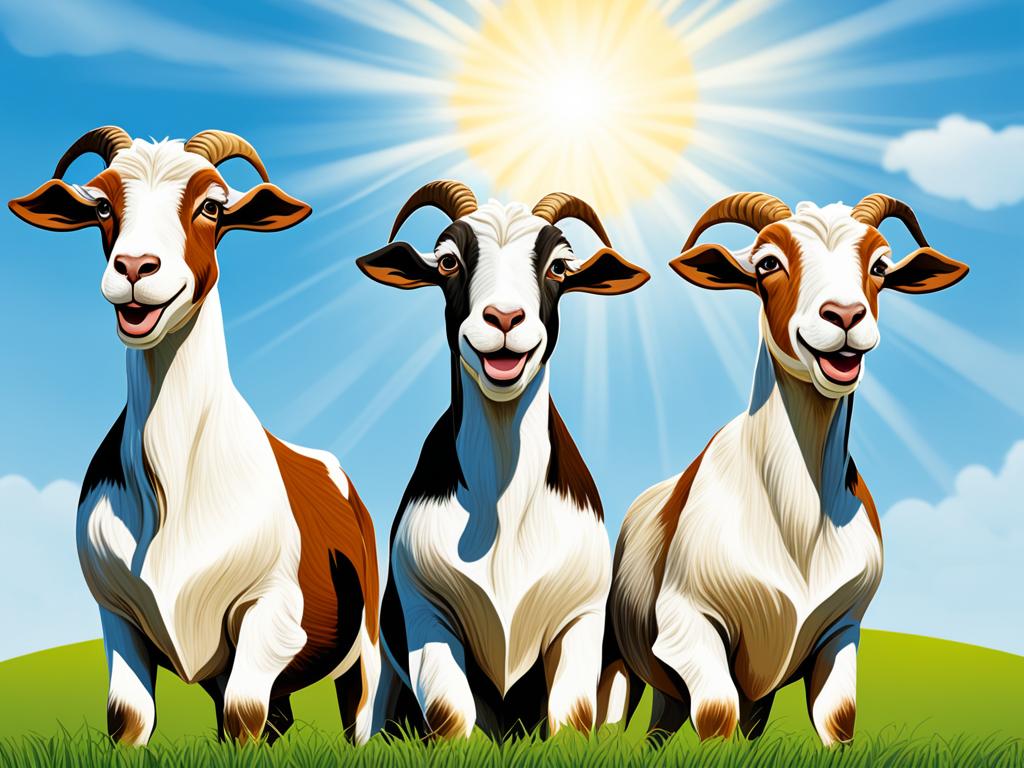
Before you bring these boisterous beauties into your backyard, however, let’s chat—just as Nubians love to—about a couple of critical considerations.
Considerations for Neighborhoods and Sound
Your neighbors might not appreciate the Nubian’s opera-like performances as much as you do. Their vocal nature requires a little more planning if you’re in a snug urban area. A friendly heads-up to your neighbors or even some sound-proofing strategies around the goat pen could prevent any noise complaints. No one wants to negotiate peace treaties over backyard boundaries, after all.
The Dual Purpose of Nubian Milk: Cheese and Soaps
The payoff for managing this urban goat keeping challenge is high. Nubian goats not only contribute to your artisanal hobby but potentially create a stream of income if you’re business savvy. Cheese and soap, anyone?
| Cheese | Soap |
|---|---|
| Richer flavor | More moisturizing |
| Premium texture | Natural exfoliating properties |
| Greater value for gourmet markets | Appeals to eco-conscious consumers |
Harness the Nubians’ milk rich in high butterfat to craft products that differentiate themselves on quality and authenticity. Imagine marketing cheese or soaps with the charm of the Nubians behind them. That’s quite the origin story to tell!
Whether it’s the creamy dream of making goat cheese that floats your boat or the thought of embarking on a splendid soapy venture, the versatile Nubian goat could be your ticket to success. Just make sure you’re ready for the high notes!
LaMancha Goats: Friendly and Easy-Going Dairy Friends
Let’s get acquainted with the LaMancha goats, remarkable creatures that blend quirky charm with excellent dairy capabilities. Originating from the sunny state of California, LaManchas are the epitome of American innovation in distinctive goat breeds. You’ll recognize them by their unique ear configurations – the signature look that turns heads in the goat world.
LaMancha’s Unique Ear Appearance
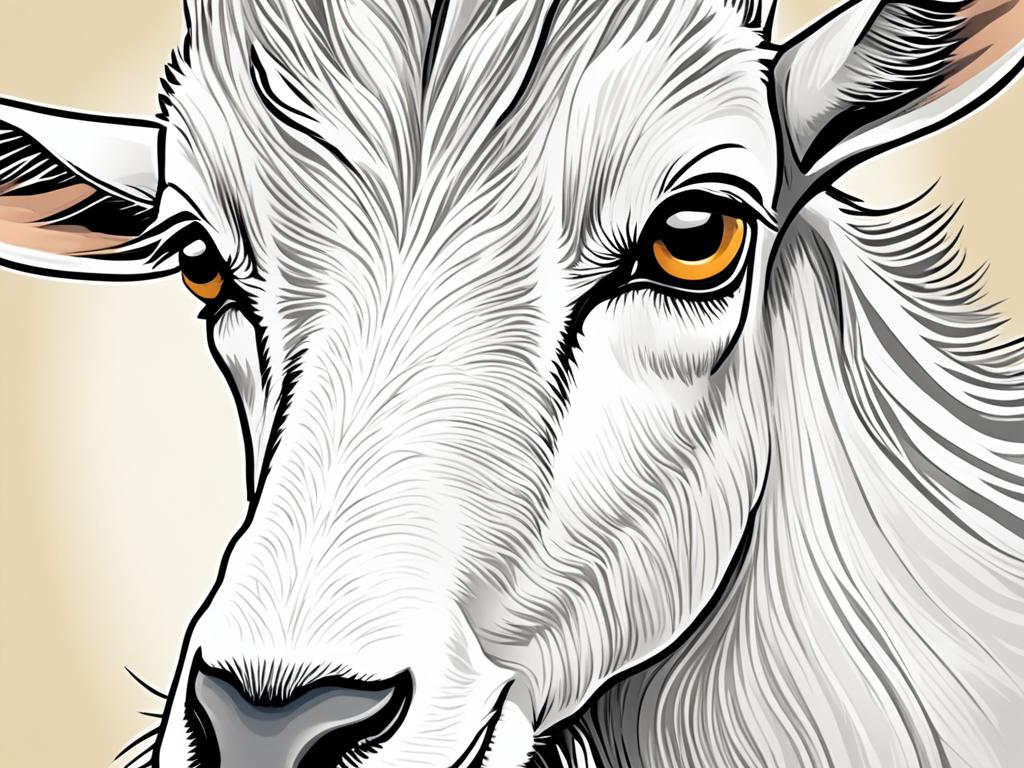
Did someone say ‘distinctive’? LaMancha goats really stand out in a lineup. With their ‘gopher’ or ‘elf’ ears, these guys break the mold of conventional goat aesthetics. Besides being a conversation starter, LaMancha ears are genetic marvels that do nothing to dampen their keen sense of hearing.
Milk Supply and Butterfat Content
When it comes to daily chores, you’ll be pleased to know that LaMancha goats are praised for their hassle-free nature. Squeeze out anywhere from 1 to 2 gallons of aromatic milk; their 4% butterfat content making your home dairy endeavors a sheer delight. These gentle dairy goats offer quality milk production that hits a sweet spot for homesteaders and commercial farmers alike.
So, if you’re on the prowl for an affable, productive milk-maker, adding a LaMancha to your barnyard could be the greatest plot twist in your modern farming story. These buddies are low on drama and high on delivery, ensuring that your journey into goatherding is as smooth as their rich milk.
Factors to Consider When Adding Goats to Your Life
So, you’re thinking about dabbling in the world of goat husbandry, right? Before you embark on this baa-rilliant adventure, there are a few critical considerations to chew over beyond which goat selfie will look best on your Instagram feed. Let’s dive into what you need to know about breeding goats, maintaining milking routines, managing goat diet and nutrition, and overall goat care.
Breeding Cycles and Milking Schedules
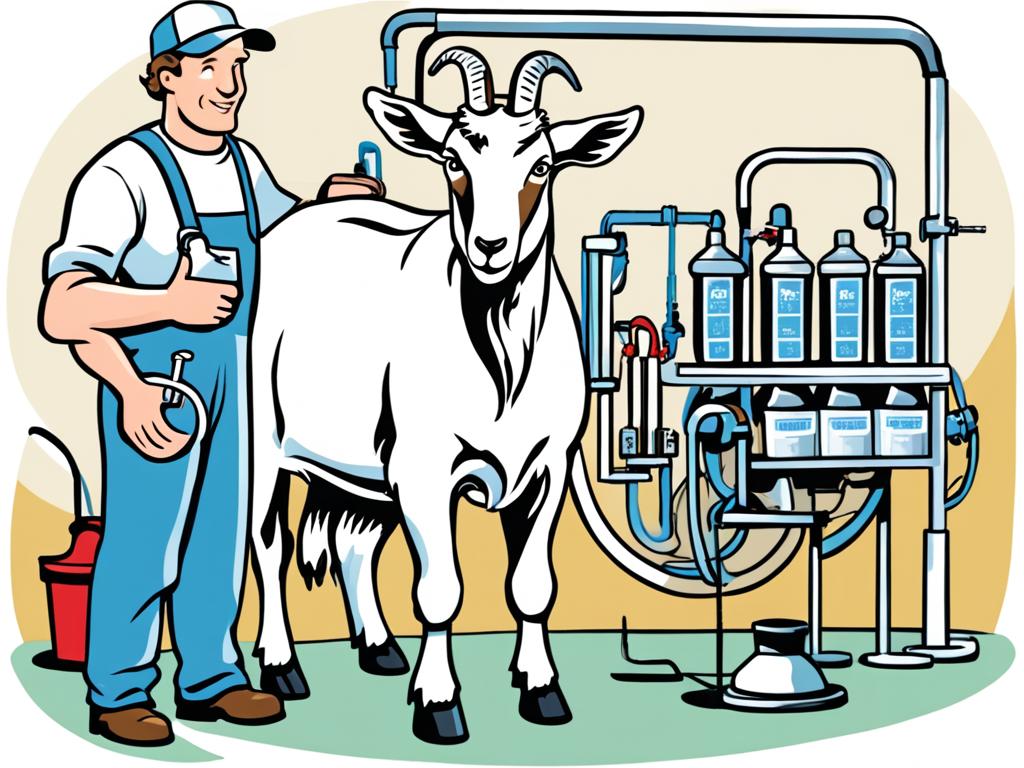
Witnessing the miracle of life through breeding goats can be as touching as that last scene in your favorite farm movie. Yet, it’s not all adorable baby goats frolicking in the fields; it also means locking in twice-daily milking sessions, 12 hours apart, to ensure consistent milk production. This milking marathon lasts for most of the year, much like your favorite TV drama but without the season breaks.
Nutritional Needs and Overall Goat Care
Goats might not be food critics, but their diet is just as important as a five-star menu is to a restaurant’s reputation. A balanced goat diet and nutrition plan are key to prime milk production and overall health. But don’t fret, it’s simpler than decoding the latest trendy diet—all you need is high-quality hay, a sprinkle of grains, a dash of minerals, and clear, clean water. Plus, regular vet checkups and hoof trims will keep your goats tap-dancing to good health.
Your goats, much like late-night TV hosts, are creatures of habit and routine. They thrive on a consistent schedule, which includes regular feedings, clean bedding, and parasite control. Remember, a well-maintained goat is a happy goat—happy enough to provide you with that smooth, creamy milk that’s the talk of the town.
Keep these insights in mind, and you’ll be on your way to becoming the go-to whisperer in the world of goats. Now go forth, and may your pastures always be greener!
Conclusion
Embarking on the path of choosing a goat breed for your personal or commercial endeavors is more than just a farming decision; it’s about cultivating an enriching lifestyle. Acknowledge that your success in goat farming is directly linked to appreciating each breed’s unique attribute—be it high milk yield, robust butterfat content, or personable traits. With sustainable agriculture at the heart of this venture, you’re not just raising goats; you’re nurturing a micro-ecosystem that offers the benefits of goat ownership and contributes positively to your local environmental and social fabric.
So, whether you’re eyeing the lucrative business of dairy production or seeking the joy that comes from a bleat-filled barnyard, remember that goat farming success doesn’t solely rest on the animals. It flourishes under the vigilant care of someone who understands the gravity of the responsibility towards these affable farm dwellers. Factor in their social needs, nutritional requirements, and your ability to foster a supportive environment. After all, the animals you choose to bring into your life deserve a committed caregiver—one who respects their company as much as the produce they offer.
Through informed decisions and a heartfelt dedication to your craft, you’ll discover that the journey of sustainable agriculture and goat ownership is not just one of the profits and produce but also of personal growth and satisfaction. Here’s to your future farm, where the bleats are happy, the milk flows richly, and the companionship of these endearing creatures brings about an unmatched rural idyll. It’s a pursuit that promises much and asks in return your earnest passion for the beautiful simplicity of pastoral life. So, don your farmer’s hat and step into a world where every goat has a name and every milk pail tells a story of your commitment.
FAQ
What are the best goat breeds for milk and cheese production?
If you’re looking to get serious with milk and cheese, hooves down, the Saanen and Nigerian Dwarf are your go-to breeds. The Saanen delivers high milk volumes while the pint-sized Nigerian Dwarf impresses with its high butterfat content, perfect for that rich and creamy cheese.
Are there any health benefits of goat milk versus cow milk?
Absolutely! Goat milk is like the yoga of the dairy world – easier to digest with its smaller protein and fat molecules, kinder to those with lactose sensitivities, and boasts more calcium, vitamin B6, vitamin A, and potassium than cow milk. It’s practically a health elixir in a glass!
How does butterfat content influence cheese making?
Butterfat is the magic ingredient in cheese making; think of it as the cheese’s rich uncle. High butterfat content means creamier and tastier cheese. Breeds like the Nigerian Dwarf will have your cheese tasting so luxuriously velvety, it might just apply for its own trademark.
Which goat breeds are suitable as pets?
If you’re in the market for a pet that gives back, Nigerian Dwarf and LaMancha goats are like the fuzzy friends you never knew you needed. Nigerian Dwarfs are friendly and manageable for smaller spaces, while LaManchas win hearts with their distinct ears and mellow temperament.
What do I need to plan for when adding goats to my urban farm?
Urban farmers, listen up! Space might be your first challenge, but Nigerian Dwarf goats have conquered the concrete jungle. They’re the ‘pocket-sized milk machines’ and make excellent companions. Remember, though, it’s not just about size; goats are social creatures who need at least one other goat buddy to thrive.
How do I ensure my goats are socially happy and healthy?
It’s simple: goats are like the social butterflies of the barnyard—they need company. Keeping them in pairs or groups will keep their spirits high and their health in check. Think of it as hosting a never-ending goat party—you wouldn’t want to be the only guest, right?
Are there goats that produce a high volume of milk?
Saanen goats are the heavyweight champions of the milk world, giving you copious amounts that might just make a cow blush. But let’s not forget about the Alpine goats; these rugged beauties are steady milkers too, ready to fill your buckets and your dairy dreams.
Can I make cheese and soap with milk from the same type of goat?
Chef’s kiss for this question! Nubian goats are your versatile, all-in-one package. Their milk is not just high in butterfat for some killer cheese, but it’s also excellent for crafting luxurious, lather-rich soaps. Is there anything Nubians can’t do? We think not.
What special characteristics do LaMancha goats have?
LaMancha goats are truly unique with their quirky ears – either the ‘gopher’ or ‘elf’ type. Beyond their ear-resistible looks, they’re known for their friendly nature and top-notch milk production, making them a fabulous choice for budding dairy enthusiasts.
What are the key responsibilities of owning a dairy goat?
Buckle up, future goat parents! Owning dairy goats means you’re signing up for a life of schedule—regular milking times, understanding their nutritional needs, and managing their breeding cycles. It’s a commitment, but trust us, the goat love you get in return is priceless.