
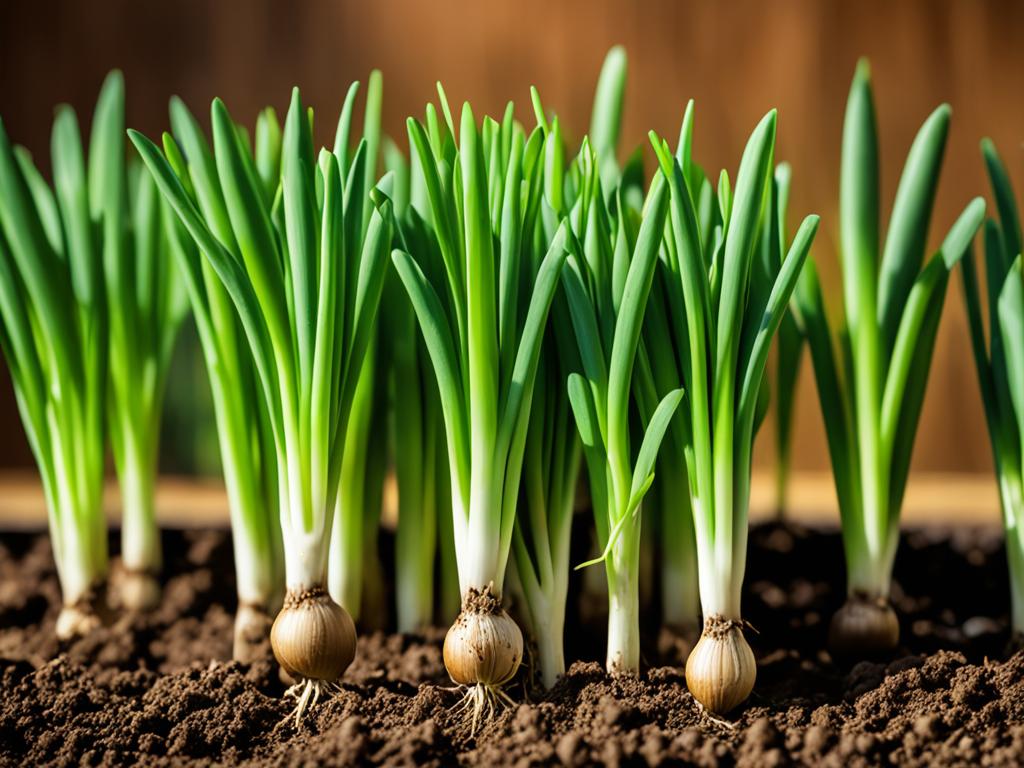
If you’re a culinary enthusiast looking to add some zest to your dishes, why not try growing your own green onions? Also known as scallions or spring onions, these versatile and flavorful vegetables can easily be regrown from kitchen scraps. Not only will you have a continuous supply of fresh green onions at your fingertips, but you’ll also save money, reduce waste, and impress others with your green thumb skills.
So, how can you get started on your green onion growing journey? It’s easier than you think. By following a few simple steps, you’ll be enjoying the culinary flair of your homegrown green onions in no time.
Key Takeaways:
- Regrowing green onions from kitchen scraps is a simple and economical process.
- By repotting the green onions, you can ensure long-term growth and continuous supply.
- Green onions can survive the winter and perk up again in the spring in certain regions.
- They can be grown in garden beds or containers, as long as they receive adequate sunlight and well-draining soil.
- There are different varieties of green onions available, each with its own unique taste and appearance.
The Regrowing Process: Easy and Economical
Regrowing green onions from kitchen scraps is a simple and economical process. All you need is a starter bunch of green onions, a jar, and fresh water. By cutting off the ends of the bulbs and standing them root-end down in a jar with enough water to cover the roots, you can encourage new green shoots to emerge. With regular water changes and keeping the roots submerged, the green shoots will grow quickly.
This method provides a continuous source of fresh green onions, reduces waste, and eliminates the need to purchase them from the store.
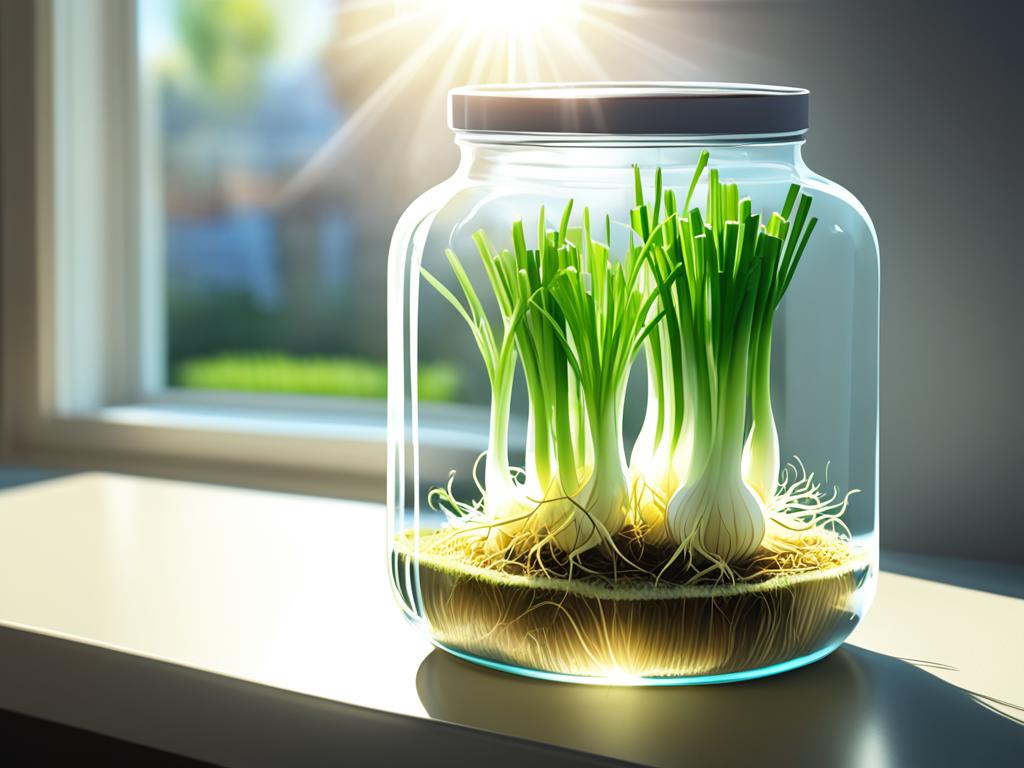
| Materials Needed | Instructions |
|---|---|
| A starter bunch of green onions | Cut off the ends of the bulbs |
| A jar | Stand the bulbs root-end down in the jar |
| Fresh water | Fill the jar with enough water to cover the roots |
| Regular water changes | Maintain fresh water and keep the roots submerged |
| Watch as the new green shoots emerge and grow |
Repotting for Long-Term Growth
Once the shoots of your green onions have reached a length of four or five inches, it’s time to give them a new home. Repotting is essential for ensuring the long-term growth and health of your green onions. Whether you choose to transplant them into the ground or a pot, be sure to use good quality potting soil.
Repotting provides your green onions with fresh nutrients and ample space for continued growth. It allows the roots to spread out and establish themselves, leading to healthier and more productive plants. Plus, it gives you the opportunity to snip off the green leaves for culinary use while allowing the onions to continue growing from the cut end, ensuring a continuous supply of fresh green onions for your recipes.
Additionally, if your green onion plants start to flower, don’t fret! The flavorful blossoms can also be used in salads and other dishes, adding a unique touch to your culinary creations. Enjoy the full potential of your green onions with their foliage and blooms.
Get hands-on with your green onions and give them the proper care they deserve. It’s time to repot and watch your green onions thrive in their new home!
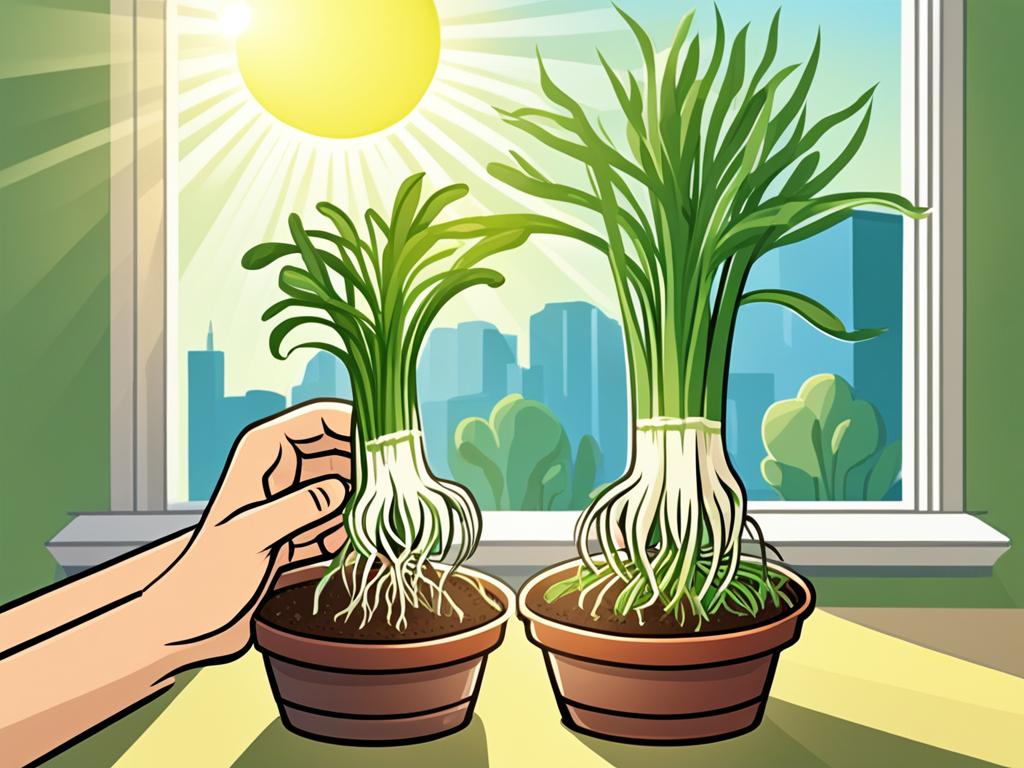
| Benefits of Repotting Green Onions | Tips for Repotting |
|---|---|
| 1. Ensures long-term growth and health | 1. Use good quality potting soil |
| 2. Provides fresh nutrients | 2. Choose an appropriate-sized pot |
| 3. Allows roots to spread and establish | 3. Gently loosen the roots when transplanting |
| 4. Offers a continuous supply of fresh green onions | 4. Water thoroughly after repotting |
| 5. Blossoms can be used in salads for added flavor | 5. Provide proper drainage to prevent overwatering |
Survival through Winter
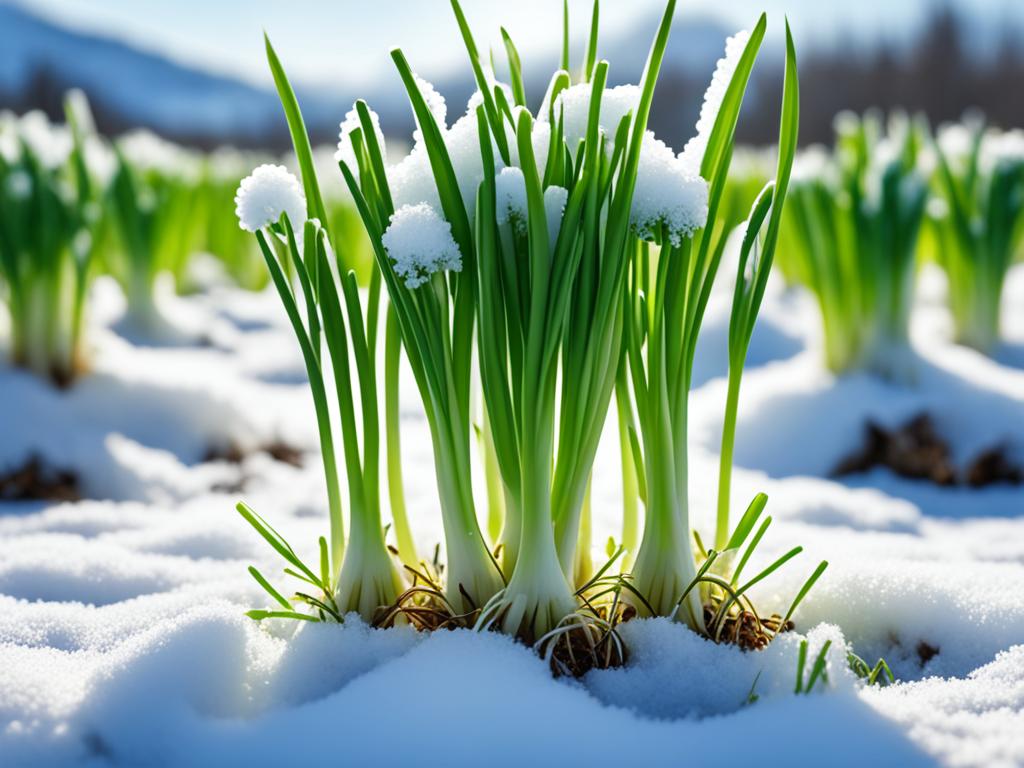
Green onions, like other hardy greens, can brave the winter months, depending on the region you live in. In colder climates, green onions may seem to wither away during the cold season, but fear not! They have a remarkable ability to perk up again come spring, ready to add their fresh flavors to your dishes.
While the above-ground foliage may die back, the roots remain strong, biding their time until warmer temperatures arrive. Once the sun starts to shine and the soil begins to thaw, green onions will quickly spring back to life, offering their culinary prowess once again.
While some green onion plants may survive the winter, it’s recommended to replace any weary plants with new starts in the spring. This ensures a continuous harvest of fresh green onions and maintains the vibrant taste that only newly grown greens can provide.
“Winter is the perfect time to dream of spring, and green onions are the ones who know how to make that dream a reality.”
Hardy Greens: Surviving the Chill
Like green onions, other hardy greens have the tenacity to withstand the harsh winter conditions. These resilient plants can tolerate frost and low temperatures, making them excellent choices for extending your harvest into the colder months.
Some popular hardy greens include:
- Kale
- Spinach
- Collard greens
- Swiss chard
- Mustard greens
These cold-tolerant greens not only survive but thrive in chilly weather, often displaying improved flavor profiles after being exposed to frost. Incorporating hardy greens into your winter garden will add color, texture, and nutrition to your meals throughout the year.
Preparing for Spring: Green Onion Revival
As winter fades away and spring approaches, it’s time to sow the seeds for a new beginning. The return of warmer temperatures signals the perfect opportunity to revive your green onion garden, ensuring a fresh supply for months to come.
Whether you choose to regrow green onions from kitchen scraps as discussed in Section 2 or opt for planting new sets, spring brings the promise of rejuvenation. Taking advantage of this time allows you to embrace the renewal of nature and infuse your culinary creations with the vibrant flavors of freshly grown green onions.
Inspired by the beauty of nature’s cycles, your green onions will flourish once again, adding a touch of green to your winter-grayed garden and a burst of zest to your favorite dishes.
Growing Green Onions in Garden Beds or Containers
When it comes to growing green onions, you have the flexibility to choose between garden beds or containers. Both options can yield a bountiful harvest of these flavorful and versatile vegetables. Whether you have a spacious backyard or limited space on your balcony, you can enjoy the satisfaction of cultivating your own green onions.
Green onions thrive in full sun, so select a location that receives at least 6 to 8 hours of direct light each day. This will provide the ideal conditions for their growth and development.
If you opt for garden beds, consider creating raised beds. This allows you to control the quality of the soil and ensure proper drainage, two crucial factors for the success of your green onions. Choose a well-draining soil that is rich in organic matter. You can enhance the soil’s fertility by incorporating compost or organic fertilizer.
On the other hand, if you prefer using containers, make sure they have good drainage to prevent waterlogged soil, which can lead to root rot. Select containers with a depth of at least 6 inches to accommodate the growth of the green onion bulbs.
Whether you choose garden beds or containers, the key is to provide well-draining soil that promotes healthy root development and prevents water saturation. This will contribute to the overall success of your green onion crop.
Now, let’s take a look at the methods you can use for planting these delicious vegetables. Whether you prefer direct seeding or transplanting, the choice is yours!
Direct Seeding
- Prepare the soil by loosening it and removing any weeds or debris.
- Make shallow furrows or depressions in the soil, about 1/4 inch deep.
- Space the green onion seeds about 1/4 inch apart in the furrows.
- Cover the seeds lightly with soil.
- Water gently to keep the soil consistently moist until germination.
- Once the seedlings sprout, thin them out to allow the remaining plants to grow and thrive.
Transplanting
- Start with seedlings that are about 4 to 6 inches tall, with a well-developed root system.
- Prepare the soil in your garden bed or container as mentioned earlier.
- Make small holes in the soil, spaced about 4 to 6 inches apart.
- Place each seedling into a hole, ensuring that the roots are comfortably covered with soil.
- Gently press the soil around the seedlings to firm them in place.
- Water thoroughly to settle the soil and provide immediate hydration to the transplants.
Remember, regardless of your chosen method, maintaining consistent moisture is crucial throughout the growing season. Be sure to water your green onions regularly, especially during dry spells.
Above all, enjoy the process of growing your own green onions. With the right conditions, they’ll flourish in your garden beds or containers, ready to add a burst of flavor to your favorite dishes.
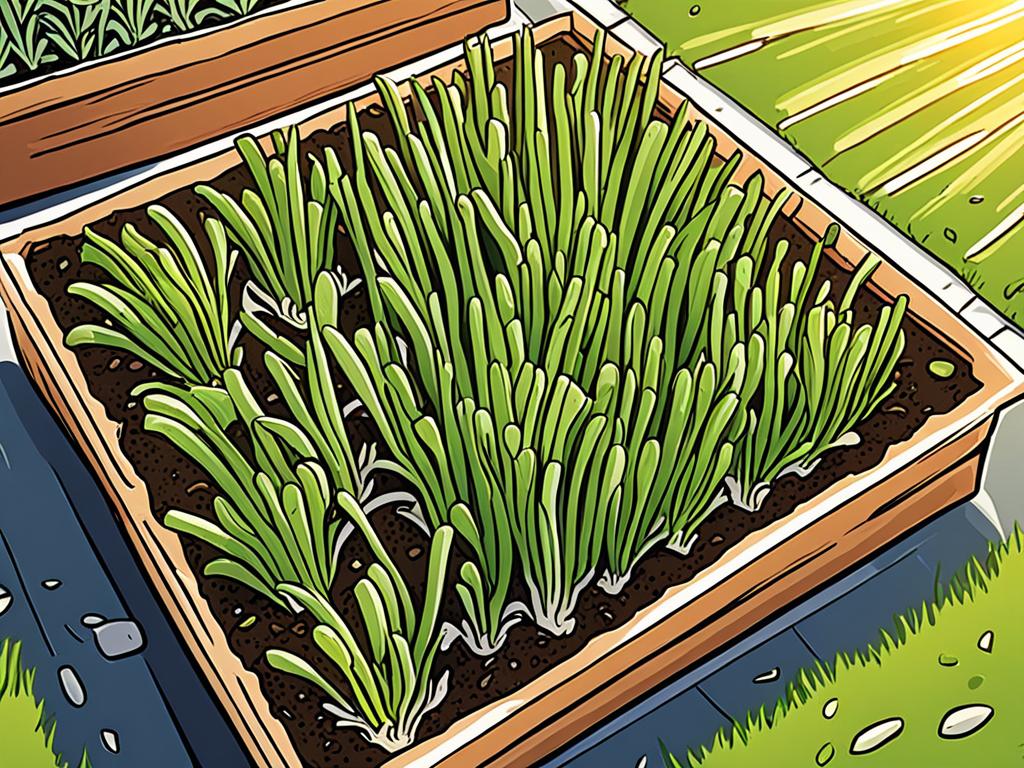
Quote of the Section: “Whether you have a spacious backyard or limited space on your balcony, you can enjoy the satisfaction of cultivating your own green onions.”
Planting and Harvesting Green Onions
You’re almost ready to savor the fruits of your labor! Planting and harvesting green onions is an exciting stage in the growing process. Let’s dive right in.
To begin, you can directly seed green onions into your garden beds or containers. Take the seeds and space them 1/4 inch apart, planting them 1/4 inch deep (Figure 1). This method allows for efficient use of space, ensuring a bountiful harvest.
Once the seedlings have sprouted, it’s time for thinning. This step allows the remaining plants to size up and flourish. But don’t throw away those tender grassy thinnings just yet! Cut and enjoy them, adding a burst of fresh flavor to your dishes (Figure 2).
Expert Tip: Thinning your green onions not only promotes healthy growth but also provides an extra snack in the kitchen!
As your green onions continue to grow, harvesting becomes the next exciting task. Once they reach a height of 8 to 10 inches, it’s time to enjoy the fruits of your labor. Simply cut off the leaves at the base, leaving the roots in the ground for continuous regrowth throughout the growing season (Figure 3).
Now that you’re armed with the knowledge of planting and harvesting green onions, get ready to elevate your culinary creations to new heights.
Figure 1: Direct Seeding Green Onions
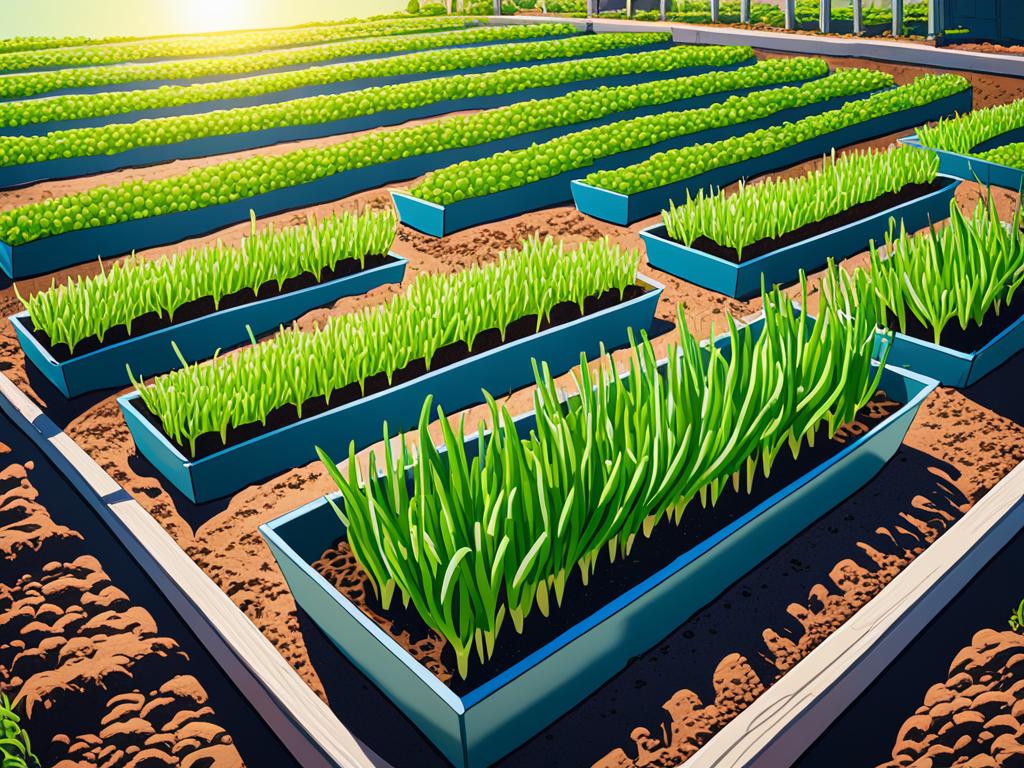
Figure 2: Thinning Green Onions
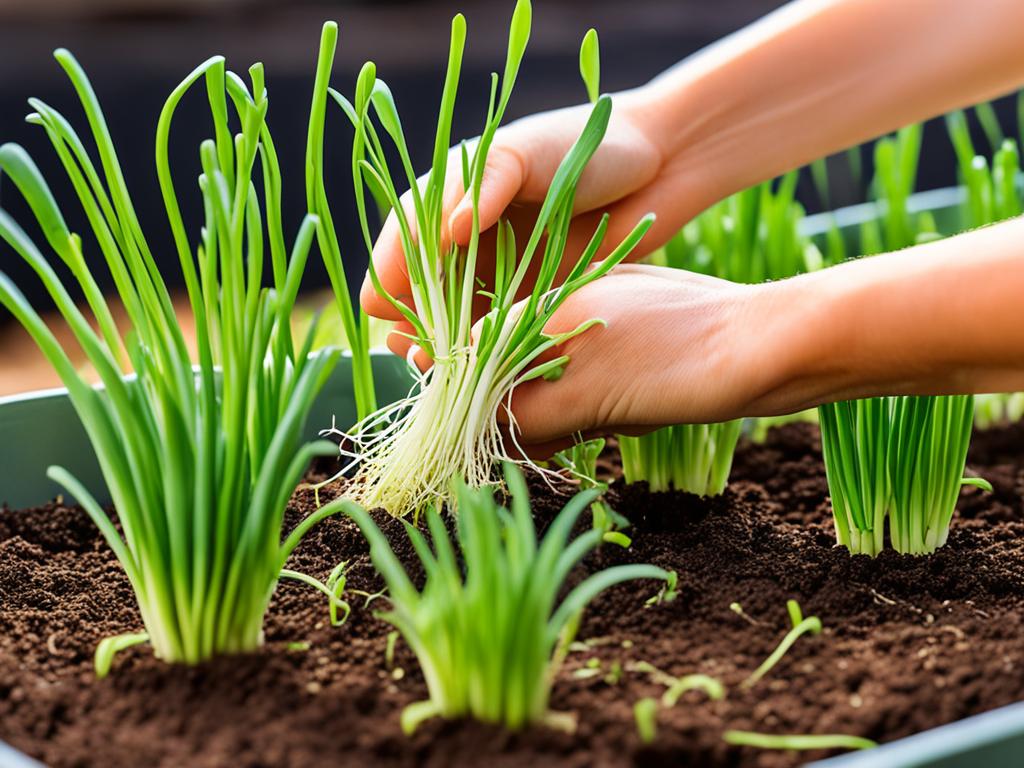
Figure 3: Harvesting Green Onions
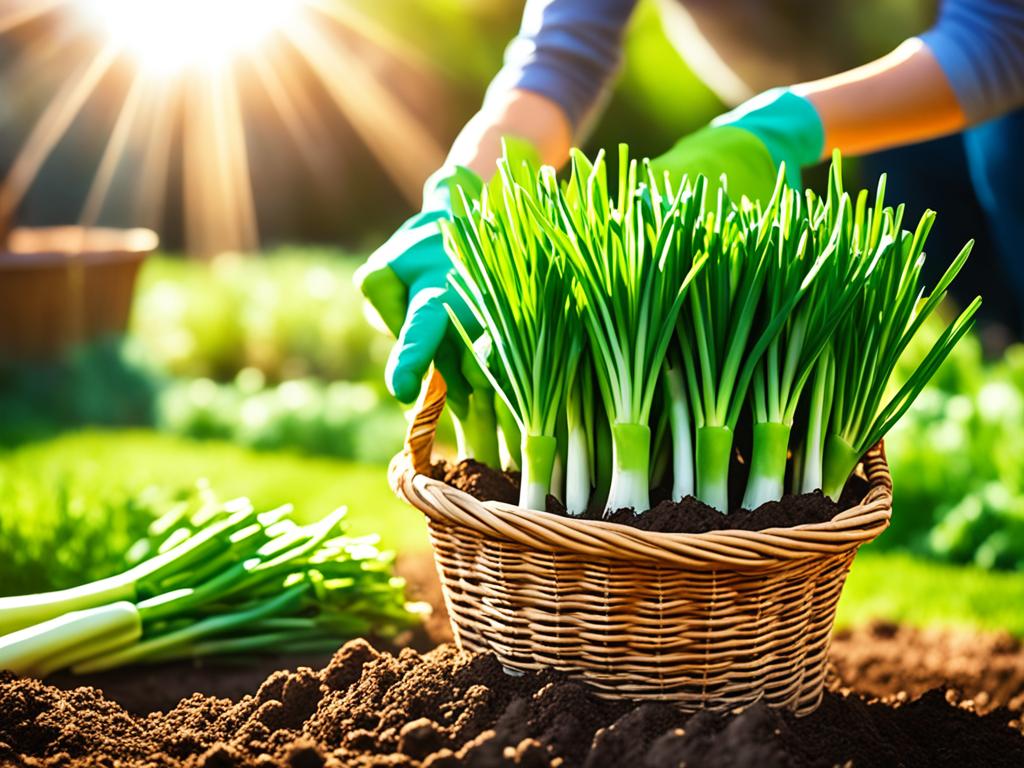
Growing Green Onions in Containers
Why limit your green onion garden to just the ground when you can grow them in containers too? Container gardening offers flexibility and convenience, allowing you to have a fresh supply of green onions right at your fingertips. Here’s how you can successfully grow green onions in containers.
Choosing the Right Container
When selecting a container for your green onions, opt for one with good drainage to prevent waterlogging. Containers that are at least 6 inches deep provide sufficient room for the roots to grow. You can choose from a variety of options, such as clay pots, plastic containers, or wooden boxes.
Tip: Get creative with your container choices! Reuse old buckets, jars, or even colorful planters to add a quirky touch to your green onion garden.
Preparing the Potting Mix
The key to successful container gardening lies in using the right potting mix. Create a mixture of 2 parts potting mix and 1 part compost. This blend provides a fertile environment for your green onions to thrive in. Fill the container with the potting mix, leaving about an inch of space at the top.
Planting and Watering
Plant the green onion bulbs with their roots facing down into the potting mix. Space them about 2 inches apart to allow room for growth. Gently press the soil around the bulbs to secure them in place.
Keeping the soil lightly moist is crucial for the growth of your green onions. Water deeply whenever the top inch of soil feels dry to the touch, especially during hot and dry weather. Avoid overwatering, as it can lead to root rot.
Pro Tip: Check the moisture level by sticking your finger about an inch into the soil. If it feels dry at that depth, it’s time to water your green onions.
Fertilization
Organic fertilizers are the way to go when it comes to feeding your green onions. Incorporate an organic vegetable fertilizer into your routine every two to three weeks. This will provide the necessary nutrients for healthy growth and robust green onion bulbs.
Did You Know? Organic fertilizers promote sustainable gardening and help maintain a healthy balance in your garden ecosystem. Plus, they’re better for the environment!
Harvesting Your Green Onions
As your green onions grow, you can start harvesting them when they reach a desirable size. Ensure they are at least 6 inches tall before harvesting. To harvest, simply cut the leaves at the base, leaving the roots in the soil for continuous growth. Enjoy the fresh zing of homegrown green onions in your dishes!
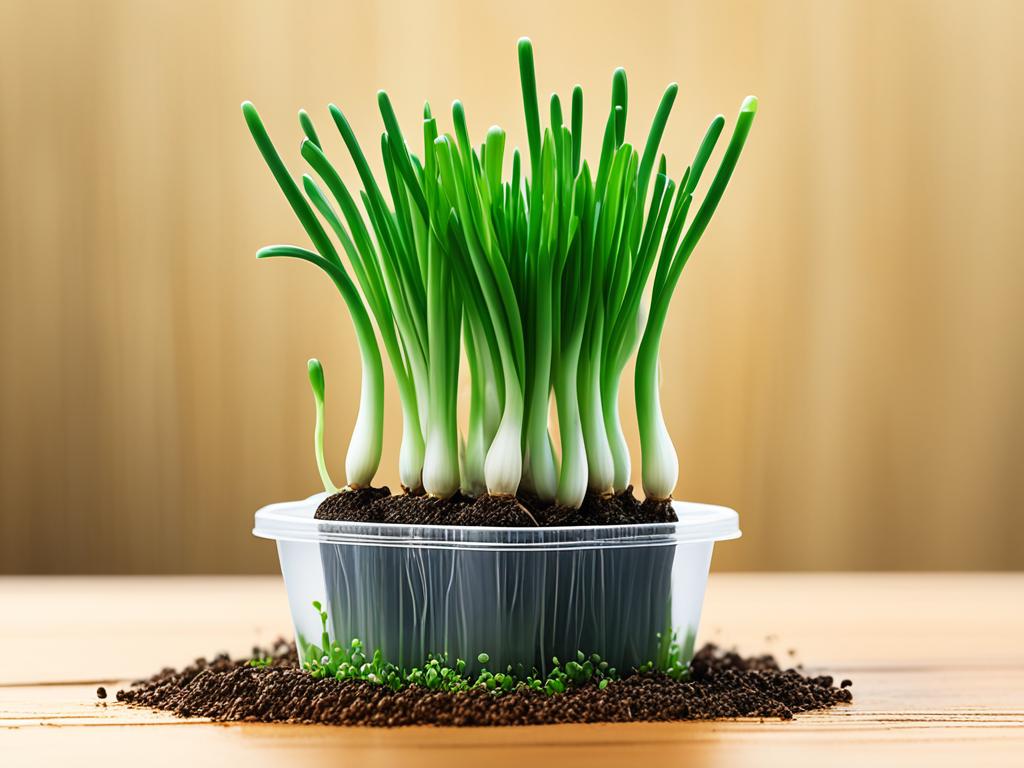
Your green onions will thrive in containers with the right potting mix, regular watering, and organic fertilizer. Get creative with your container choices, and soon you’ll have a bountiful supply of fresh green onions for all your culinary creations!
Best Varieties and Pest Management
When it comes to green onions, the options are endless. From evergreen hardy white to red beard, nabechan to parade, and ishikura, each variety offers its own unique taste and appearance. So why not spice up your recipes with a variety of green onion flavors?
While green onions are generally low maintenance, they can fall victim to some pesky pests. Slugs, cutworms, and onion maggots can wreak havoc on your green onion patch if left unchecked. Don’t let these critters ruin your harvest!
To keep your green onions pest-free, regular inspection is key. Check for signs of infestation, such as holes in leaves or wilting. If you spot any unwanted visitors, take action immediately.
Handpicking is an effective method for removing pests. Simply pluck them off your plants and dispose of them securely. It may not be the most glamorous task, but trust us, it works.
If you’re dealing with a more significant pest problem, consider using diatomaceous earth. This natural powder dehydrates and kills pests, preventing further damage to your green onions.
Another crucial factor in pest management is proper spacing. By allowing sufficient space between plants, you discourage the spread of pests and disease. Plus, your green onions will have plenty of room to flourish.
However, pests aren’t the only threat to your green onion patch. Diseases like botrytis leaf blight and downy mildew can also take a toll. That’s why implementing crop rotation is so important. By growing green onions in different areas of your garden each year, you disrupt the life cycle of diseases and reduce the risk of infections.
| Variety | Taste | Appearance |
|---|---|---|
| Evergreen hardy white | Mild and delicate | White bulbs with green tops |
| Red beard | Spicy and zesty | Red bulbs with green tops |
| Nabechan | Mellow and sweet | Long, slender bulbs with green tops |
| Parade | Strong and pungent | White bulbs with long, green tops |
| Ishikura | Mild and oniony | Long, slender bulbs with green tops |
So go ahead and explore the wonderful world of green onion varieties. Bring some zest to your dishes and make your green onion patch the envy of the neighborhood. Just remember to stay vigilant, keeping pests at bay and rotating your crops for a successful harvest season after season.
Conclusion
Growing green onions is not only a practical way to have a continuous supply of fresh onions but also an opportunity to unleash your culinary creativity while reducing waste. Whether you choose to regrow green onions from kitchen scraps or cultivate them in garden beds or containers, the rewards are plentiful.
By regrowing green onions, you can save money and time by always having fresh green onions on hand for your favorite dishes. Plus, it’s a great way to reduce waste and make the most of your kitchen scraps. Who knew that something as simple as green onions could provide such tasty benefits?
For those with a green thumb, planting and caring for green onions in garden beds or containers opens up a world of culinary possibilities. Experiment with different varieties, such as evergreen hardy white or red beard, to add unique flavor and flair to your dishes. Don’t forget to manage pests and practice proper crop rotation to ensure healthy growth and bountiful harvests.
So why not start growing your own green onions today? With a little effort and attention, you can enjoy a continuous supply of fresh, flavorful onions, elevate your culinary creations, and make a positive impact on reducing waste. Get ready to savor the satisfaction of homegrown green onions and let your culinary creativity thrive!
| Benefits of Growing Green Onions | Cultural Requirements | Pest Management Tips |
|---|---|---|
| Continuous supply of fresh onions | Full sun and well-draining soil | Regularly inspect plants for pests |
| Culinary creativity and flavor experimentation | Water regularly and fertilize as needed | Handpick pests and use organic remedies |
| Reduce waste by utilizing kitchen scraps | Repot plants for long-term growth | Practice crop rotation to prevent disease |
References
Here are some trusted sources that can provide you with additional information and insights:
- Vanessa Greaves from The Spruce Eats
- Julie Martens Forney from Gardening Know How
- Liren Baker from Kitchen Confidante
These experts have extensive knowledge and experience in the culinary and gardening fields. By referring to their work, you can gain valuable insights and tips to help you grow and enjoy your own supply of fresh green onions. So, don’t hesitate to explore their websites and learn from the best!
FAQ
Can I regrow green onions from kitchen scraps?
Yes, green onions can easily be regrown from kitchen scraps. By cutting off the ends of the bulbs and placing them root-end down in a jar with water, new green shoots will emerge.
How do I care for regrown green onions?
It’s important to regularly change the water in the jar and keep the roots submerged. When the shoots are four to five inches long, they can be transplanted into soil for long-term growth.
Can I grow green onions in the winter?
Green onions can survive the winter in some regions. While they may die back in colder climates, they will start perking up again in the spring. It’s recommended to replace weary plants with new starts in the spring for a continuous harvest.
Can I grow green onions in containers?
Yes, green onions can be grown in containers. Choose containers with good drainage and at least 6 inches of depth. Fill them with a mixture of potting mix and compost, and ensure the soil is kept moist.
How do I plant and harvest green onions?
Green onions can be directly seeded into garden beds or containers, spaced 1/4 inch apart and planted 1/4 inch deep. Once they sprout, thin the seedlings to allow the remaining plants to grow. Harvest when the green onions are 8 to 10 inches tall by cutting off the leaves at the base.
What varieties of green onions are available?
There are many varieties of green onions, including evergreen hardy white, red beard, nabechan, parade, and ishikura. Each variety offers unique tastes and appearances.
How do I manage pests when growing green onions?
Green onions can be susceptible to pests like slugs, cutworms, and onion maggots. Regularly inspect the plants and employ handpicking, diatomaceous earth, and proper spacing to manage pests. Crop rotation can also help prevent disease issues.