

Picture yourself on a serene morning; the sun is just peeping over the horizon, the birds are serenading, and there you are on your deck, snipping fresh basil and fragrant parsley right from your very own garden planter box. For those of you thinking, ‘Well, I don’t have a sprawling backyard!’ fret not. Whether your realm is a cozy balcony, a sunny deck, or a welcoming porch, let’s delve into the art of homegrown herbs.
Gleaning gardening tips can transform your space into a pivotal part of your culinary exploits. No need for a green thumb, just your willingness to explore the sprightly world of deck gardening or establishing a flourishing balcony herb garden. And let’s be honest, who wouldn’t take pride in their own stash of culinary herbs waving gently just a stone’s throw from the kitchen stove?
You’ve been handed the compass to unlock the freshness in every bite, turning an ordinary Tuesday night dinner into an al fresco celebration. Equipped with the right advice, turning your porch gardening dreams into reality is just a planter box away. So grab your garden gloves and let’s get planting!
Key Takeaways
- A planter box makes homegrown herbs accessible for every living situation.
- Dive into deck gardening no matter the size of your outdoor space.
- Balcony herb gardens prove that exceptional flavor can come in small packages.
- Your culinary creations deserve the zest of culinary herbs picked fresh from the stem.
- Simplifying gardening tips ensures your green journey is filled with success and enjoyment.
- Porch gardening: a transformative way to brighten your meals and living space.
Why Containers are Perfect for Cultivating Herbs
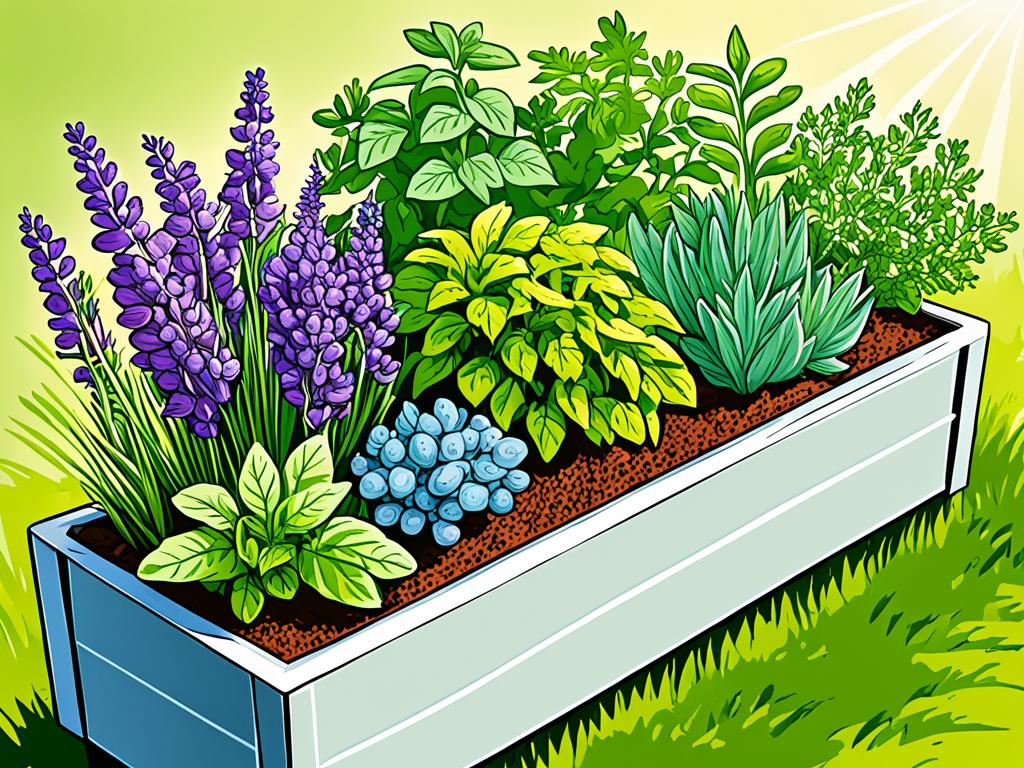
Maybe you’ve already dreamed about growing your very own lush herb garden. Or perhaps you’re just dipping your toes into the verdant world of herb gardening and are looking for the best place to start. In either case, the answer is quite simple and quite literally at your fingertips: container herb gardens. These pint-sized plots of green gold offer a customizable approach to gardening that’s just as robust as their in-ground counterparts, bringing fresh flavors right to your kitchen window.
Easy Access to Fresh Flavors
If you’ve ever found yourself mid-recipe wishing you had some fresh basil or cilantro on hand, container herb gardening is your gastronomic guardian angel. The manageable gardening solutions they provide are game-changers. With movable planters, you can even play ring around the rosey with your plants, finding that perfect sunny spot in any season, or quickly ushering them indoors when the weather gets rough. In essence, your flavor favorites are always within arm’s reach.
Flexibility of Location and Design
When space is at a premium, small-space gardening with containers becomes less of a challenge and more of a relief. You’ll find that decks, patios, and even that sunny corner of your studio apartment can become a verdant oasis. The beauty of container gardening lies not just in its versatility in location but also in its ability to mesh with your unique style—whether you prefer terra-cotta chic or repurposed rustic—it’s all within the realm of possibility. Check this out:
| Planter Type | Pros | Cons | Ideal Herbs |
|---|---|---|---|
| Movable Planters | Easy to relocate for optimal sunlight | May require more frequent watering | Mint, Basil, Chives |
| Hanging Baskets | Utilize vertical space | Limited soil capacity | Parsley, Thyme, Cilantro |
| Window Boxes | Convenient for kitchen access | Not suitable for larger herbs | Oregano, Rosemary, Sage |
Choosing the Right Planter Box for Your Herbs
Hey there, green thumb! Ready to give your culinary herbs the swanky home they deserve? Well, picking the right plant containers is not just about style; it’s science. Let’s break down what your leafy friends need to thrive.
Considering Size and Material for Your Herb Garden Planter
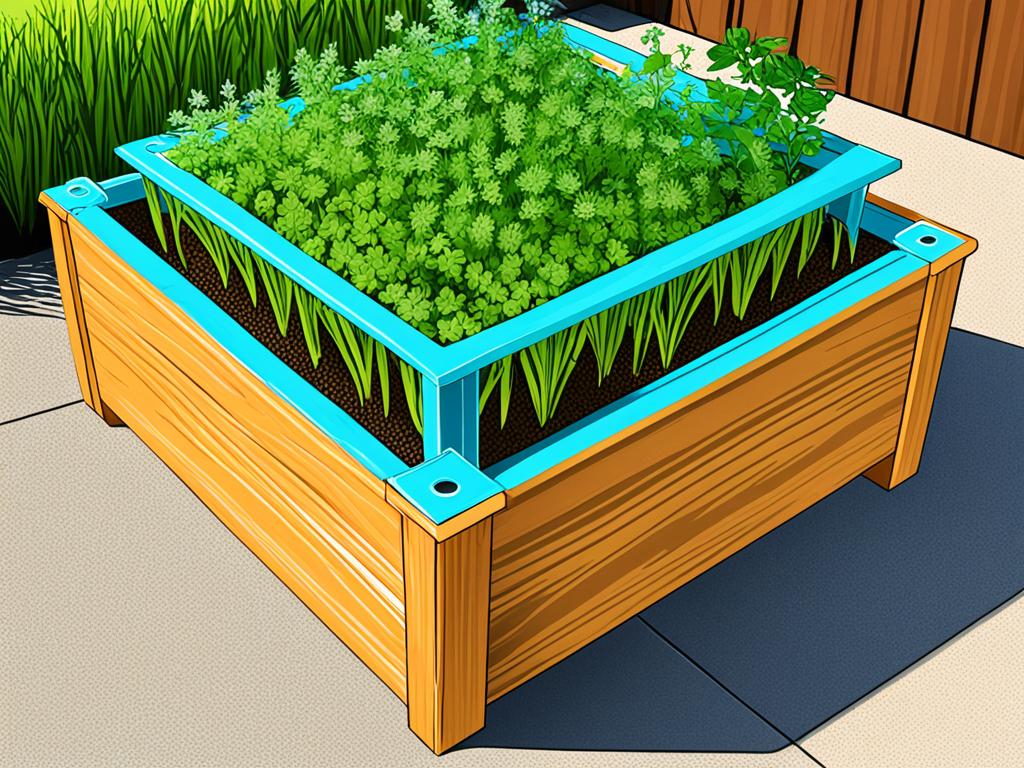
Herb root growth plays the diva, demanding ample space to strut its stuff. So, selecting the correct container size is crucial. And we’re not just talking any run-of-the-mill vessel; we’re looking at materials too. Whether it’s the natural warmth of wood, the vintage vibe from antique stoneware, or the upcycled charm of old metal wash tubs—your choice dictates your garden’s mood. Watch out though, terra cotta might betray you by drying out faster than a celeb’s 15 minutes of fame.
The Importance of Drainage in Container Gardening
Now, let’s chat about proper drainage. This is like the VIP lounge access for your herbs. Without it, we’re looking at a root rot gala, and nobody wants an invite to that event. If your planter lacks those ritzy drainage holes, grab a drill and give it some! It’s a survival essential, much like that morning java for you and me. Ready to get those hands dirty? Roll up your sleeves, because your herbs are counting on you!
| Container Size | Material | Best For |
|---|---|---|
| Small (6-8 inches) | Wood | Thyme, Cilantro |
| Medium (10-12 inches) | Antique Stoneware | Basil, Parsley |
| Large (16-24+ inches) | Metal Wash Tubs | Rosemary, Mint |
10 Must-Have Herbs for Your Planter Box
Welcome to the inner sanctum of herb enthusiasts! If you’re looking to jazz up your dishes with some homegrown flavors, planting these must-have herbs is as essential as a chef’s knife in your culinary arsenal. So without further ado, let’s dive into the verdant world of basil, mint, rosemary, and other aromatic delights that promise to take your cooking to herbaceous heights.
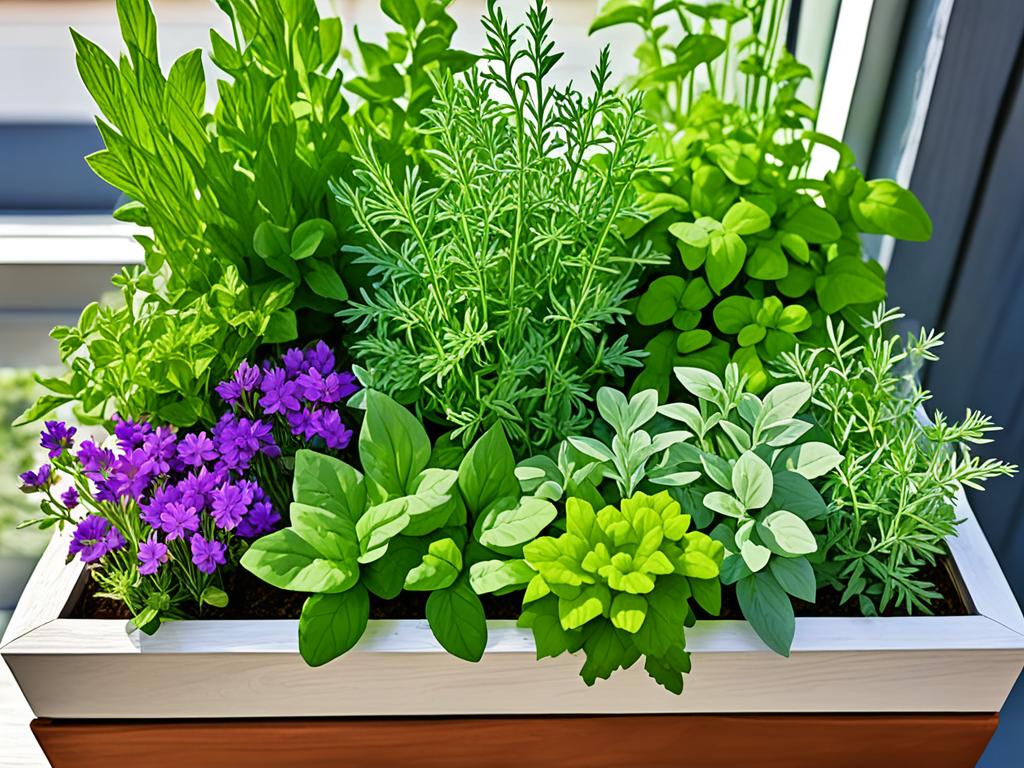
Starting off our herb hit list, we’re singing praises to the versatile basil, a perennial superstar in the kitchen. Next, inhale the invigorating scent of mint – and why stop at one when you can grow a medley including Mojito mint, peppermint, and spearmint? The rosemary plant then takes the stage with its woody aroma, perfect for jazzing up those roast potatoes.
- Basil – The king of herbs for that pesto you’re planning.
- Mint Varieties – From cooling drinks to fresh salads, they’ve got you covered.
- Rosemary – Potatoes’ best friend and a must-have for any roast.
- Thyme – Its leaves might be tiny, but they sure pack a punch.
- Parsley – Curly or flat, it’s a garnish with gusto.
- Chives – Mild onion flavor that’s perfect for that touch of green.
- Sage – Not just for stuffing – it’s sublime with butter on pasta too.
- Oregano – Essential for that authentic pizza sauce.
- Cilantro – The contentious one, are you a lover or a hater?
- Lavender – For that dash of floral flavor or just to pretty things up.
Whether you’re starting from scratch with seeds or prefer the head start from fully bloomed plants, these culinary herb varieties are as eager to grow as you are to cook up a storm. Remember to give them the love, light, and water they need, and they’ll reward you with a bouquet of flavors that elevate your homemade delights. Dig in, green thumbs!
The Aesthetic Joy of a Lush Herb Planter
Embarking on the creation of a lush herb garden is more than just a nod to self-sufficiency—it’s a journey into the delightful realm of gardening aesthetics. When you merge the practicality of herbs with the whimsy of flower companions, you create something more dynamic, more alive than a simple garden—it’s an experience. Imagine yourself surrounded by mixed containers that not only boast an array of aromatic herbs but also twinkle with the color of friendly pansies, encouraging bees to pay a visit. Yes, your little green sanctuary becomes a beacon for bee-friendly plants, enriching your garden’s biodiversity.
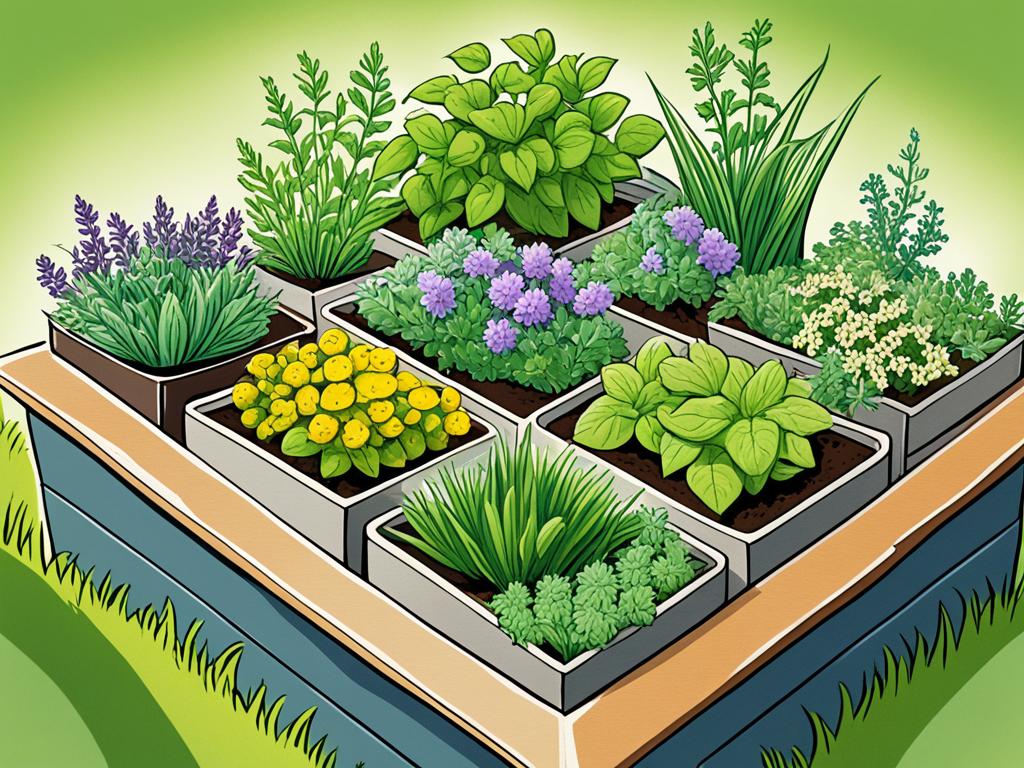
But why stop at good looks? A beautifully curated planter is capable of offering so much more. Consider the following table, a guide to pairing your herbs with their perfect floral partners:
| Herb | Flower Companion | Benefits |
|---|---|---|
| Basil | Marigold | Repels pests naturally |
| Chives | Pansy | Adds a splash of color and attracts pollinators |
| Lavender | Yarrow | Enhances fragrance and supports beneficial insects |
| Mint | Dianthus | Complementary textures and pest control |
| Rosemary | Geranium | Beautiful contrast with practical pest defenses |
Each coupling not only offers an array of textures and hues for the eyes to feast upon, but they also bring about mutual benefits for both parties involved. The attraction of pollinators can mean a more prosperous bloom, while the herbs simultaneously deter those less-welcome visitors.
So, go on, make your neighbors green with envy. Let your herb containers be a lush spectacle of gardening aesthetics. Let them be practical, beautiful, and a small ecosystem of their own. They’ll bring more to the table than just fresh flavors—they’ll bring joy.
Creative Container Ideas for Your Herb Garden
Think outside the planter box and infuse a sprinkle of garden creativity into your herb-growing endeavours. Imagine transforming everyday items into unique planter ideas that spark joy and conversation. Not only could this be a fun weekend project, but it also helps the environment by repurposing containers. Let’s dive into the myriad of possibilities where function meets charm in your garden.

Repurposing Items as Planters
Gone are the days of uniform terracotta pots dominating gardens. The trend is leaning towards repurposed containers that add a touch of personality to your outdoor space. Scout out wooden wine crates, chipped porcelain teapots or even colorful vintage suitcases. With a few modifications for drainage, they can become eco-friendly abodes for your herbs.
Combining Aesthetics and Functionality
As you explore container gardening tips, always remember the dual role of your planters: they must be both attractive and conducive to plant growth. Fill that old metal watering can with mint, or pair lavender with an antique milk jug. Creative pairing not only amplifies aesthetics but also contributes to robust herb growth—thanks to companion planting benefits. Experience the delight of form and function embracing in your urban oasis.
- Turn a retired birdcage into a floating basil haven
- Use mason jars mounted on reclaimed wood for a rustic wall garden
- Adopt ceramic bowls for a ground-covering thyme landscape
Optimal Soil for Thriving Herb Plants
Listen up, green thumbs! If you want your herb garden to flourish, you need to get downright dirty about your dirt. Let’s dig into potting soil — not just any old dirt, but the crème de la crème of planting mixes that holds the secret to heavy bunches of basil and towers of thyme. It’s all about soil aeration, soil nutrients, and that perfect balance that your herbs crave.
Now, you might think soil is soil — but oh, how wrong you’d be. The magic mix we’re talking about is porous enough to let your herbs’ roots breathe, yet rich enough to give them the gourmet meal they deserve. Behold the wonder of a herbal potting mix, a concoction engineered for the express purpose of making your parsley, sage, rosemary, and thyme (cue the melody) reach their fullest potential.
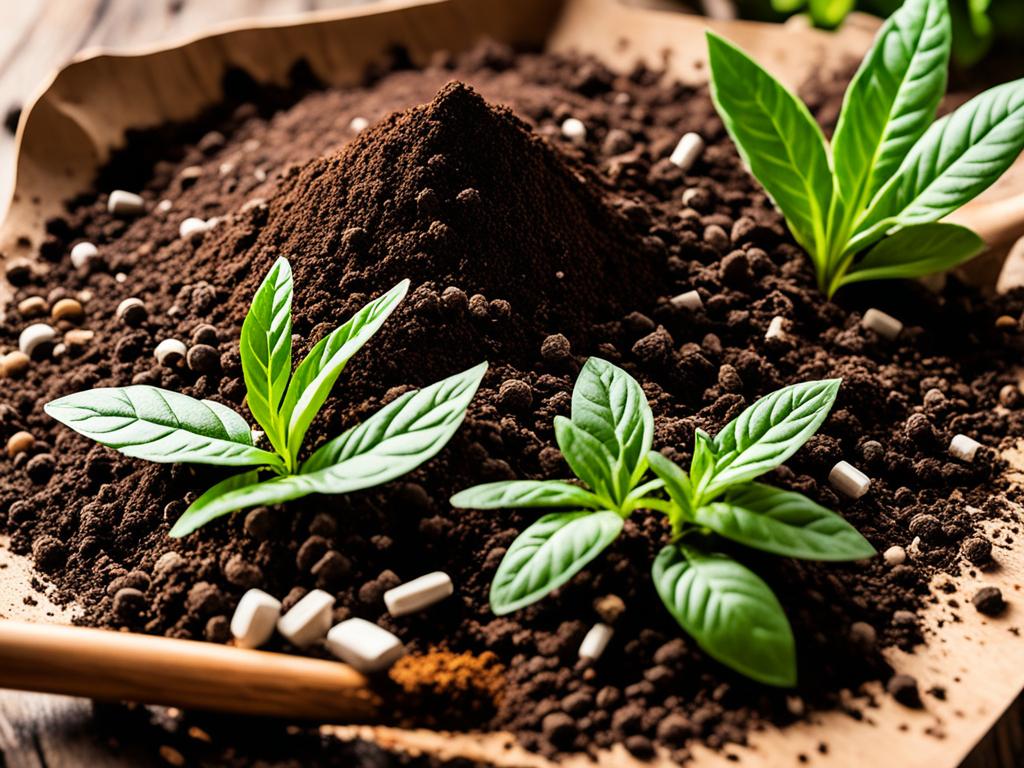
Why does this matter, you ask? Because your homegrown herb empire is only as good as the ground it’s built on. Use a subpar mix and your mint might just lose its mojo. But choose a premium potting soil and your plants will pop with flavor and vitality.
Here’s a soil spoiler: not all potting soils are created equal. Here’s a brief roll in the dirt that breaks down the key components of an elite planting mix:
| Component | Benefits | Found in Top-Quality Potting Soil? |
|---|---|---|
| Peat Moss | Retains moisture, enhances aeration | Yes |
| Perlite | Lightens mix, improves drainage | Yes |
| Vermiculite | Retains nutrients, assists moisture control | Yes |
| Composted Bark | Encourages root growth, improves texture | Yes |
| Slow-Release Fertilizer | Feeds plants steadily over time | Often Included |
| Lime | Stabilizes pH levels | When Needed |
So, what’s the rhyme and reason behind this dirty business? It’s simple: soil aeration lets those tender roots breathe, while a hearty mix of soil nutrients acts like a buffet for your botanical babies. Get these factors right, and your herbs will be so vibrant, your neighbors will think you’ve got a green magic wand!
Ditch the dirt dilemma, elevate your plant game, and watch as your herb garden becomes the envy of the cul-de-sac. Premium potting soil isn’t just dirt; it’s the secret sauce to garnishing your dishes with the freshest flavors nature can offer. Now, go forth and cultivate with confidence!
Watering Your Herbs: Striking the Right Balance
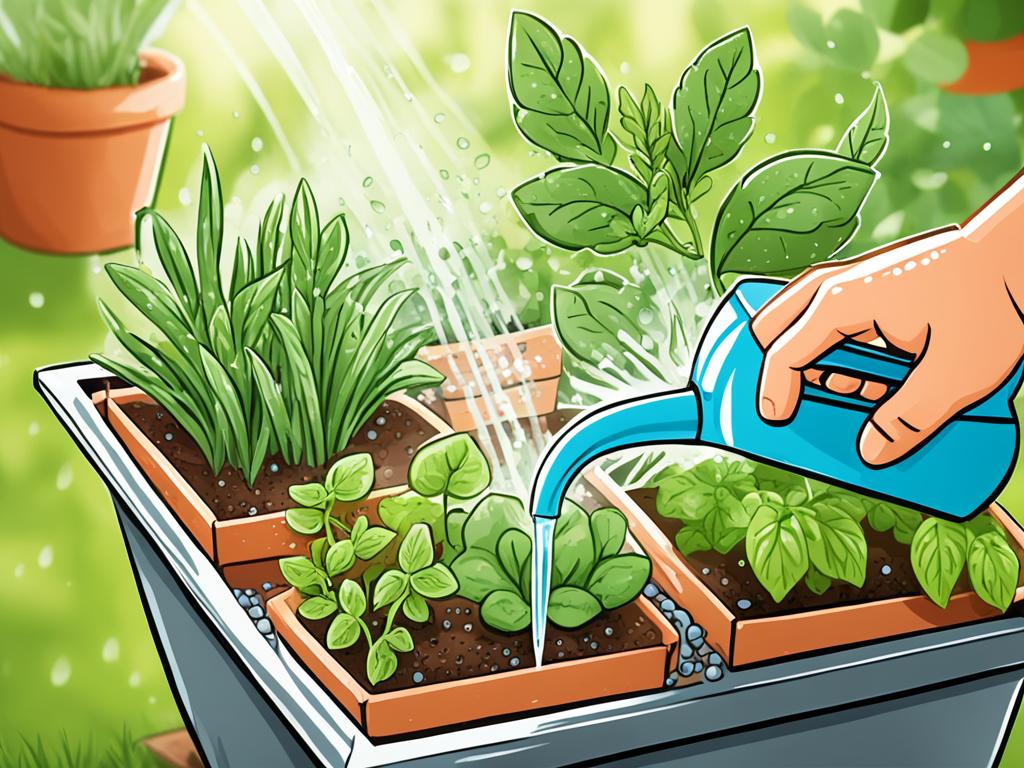
Let’s talk about hydrating your leafy companions without overdoing it. You’ve handpicked every pot and planted each herb with care; now, it’s time to master the art of watering herbs. Believe it or not, garden irrigation isn’t about sticking to a rigid plant watering schedule. It’s more like a dance—a two-step between too much and not enough.
Irrigation Techniques for Container Herb Gardens
Drip, drip, drop! You might think a quick flood does the trick, but with container herbs, it’s more nuanced. Here’s where savvy water management comes into play. Let’s set the pipes of knowledge flowing with some pro tips:
- Start with a gentle drip from a watering can, aiming directly at the soil.
- Ideally, water in the morning to avoid evaporation and give your herbs a fresh start.
- Feeling fancy? Set up a drip irrigation system—your plants will sip as they please.
- If you notice water running off too quickly, it’s time to aerate your soil to improve absorption.
Signs of Overwatering and Underwatering
When your herbs look like they’re begging for a life raft, you might be overwatering them. But if they’re as dry as a stand-up comedian’s wit, it’s time to up the ante. Here are the tell-tale signs:
| Sign | Overwatering | Underwatering |
|---|---|---|
| Leaves | Yellowing and dropping off like autumn foliage | Crunchier than your granola |
| Soil | Mushier than your morning porridge | Drier than a desert spell |
| Roots | Rotten, as if they’ve given up on life | Thirstier than a marathon runner |
Now, don’t just stand there! Modify your watering habits based on what you see, and keep those herbs swinging to the rhythm of hydration perfection.
The Sun Factor: Ensuring Adequate Light for Herbs
Let’s shine some light on the subject of sunlight for herbs. It’s the solar juice that fuels their growth, and your leafy buddies crave it. Most full sun plants fantasize about basking in a solid 6-8 hours of those golden rays daily. But fret not if your garden is more of a shady nook than a sun-soaked retreat. Nature’s not strict, and neither are herbs. A variety of partial shade herbs exist that are quite forgiving if your place lacks that coveted sunny spot.
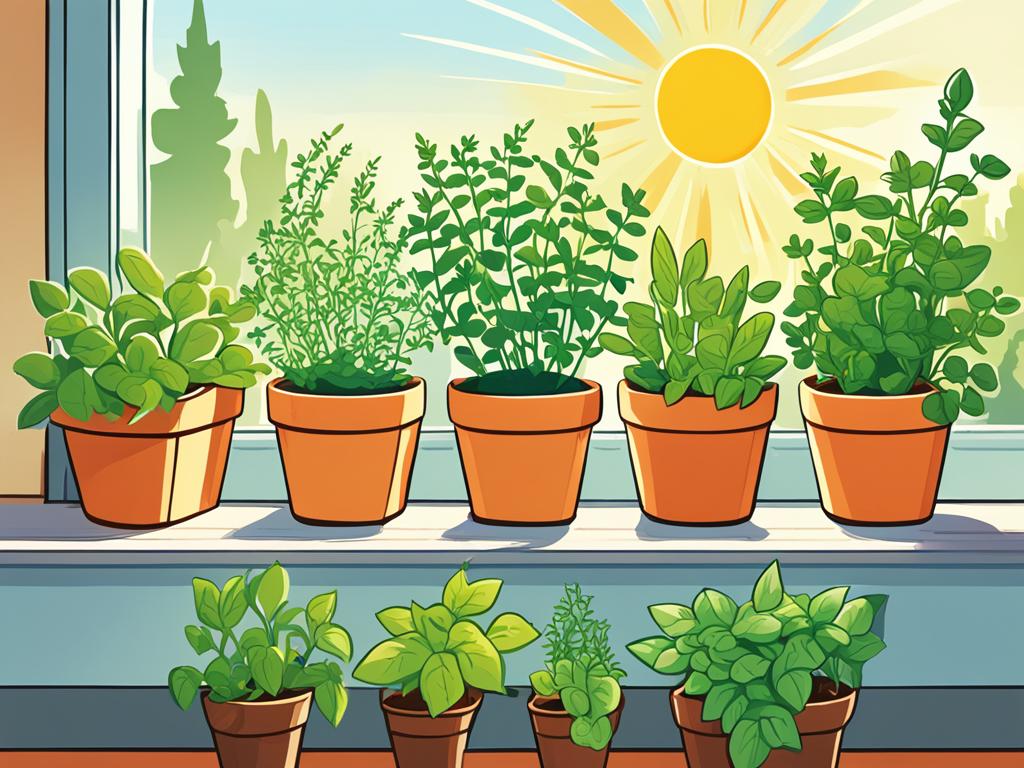
Understanding the growing conditions of your chosen green friends is key to a happy garden. To help you out, here’s a quick rundown:
| Herb | Sunlight Requirement | Notes |
|---|---|---|
| Basil | Full Sun | Loves a minimum of 6 hours of sunlight for top-notch taste. |
| Cilantro | Partial Shade | Can bolt in too much heat, so some afternoon shade is ideal. |
| Oregano | Partial to Full Sun | Flexible about sun but more light equals more flavor. |
| Parsley | Partial Shade to Full Sun | Thrives with morning sun and afternoon shade. |
| Mint | Partial Shade | Eager to grow. Too much sun can lead to a minty coup of your garden. |
| Thyme | Partial to Full Sun | Works with what you’ve got but more sun enhances its earthy magic. |
Whether you’re pampering full sun plants or nurturing those that love a bit less, each herb has its own version of sunnyside up. So, set them up according to their preferences, and they’ll repay you with zesty flavors that make your taste buds dance.
Pruning and Harvesting: Encouraging Herb Growth
Forget about the notion that once you plant your herbs, your work is done. If you want to keep your little green buddies from morphing into wild, untamed beasts of the planter box, it’s time to get snippy! Pruning and harvesting your herbs are the secret sauces that not only keep your plants spry but also amp up your garden’s yield. And hey, you’re not hacking away like a jungle explorer—there’s a method to the madness. No overgrown basil bushel behemoths or sprawling thyme thickets here! Let’s dive into the arts of precision snipping and savvy picking to keep those plants in prime form.
How to Harvest Herbs Correctly
Harvesting herbs is like giving your plants a compliments: it spurs them on to bigger and better things. Snatch those leaves the right way by cutting cleanly above a leaf pair to encourage bountiful branching. Remember, you’re not shearing a sheep; harvest only about one-third of the plant to avoid stressing it out. Think of harvesting as the plant’s version of a day at the spa—it’s all about rejuvenation. And while you’re at it, why not play some soothing tunes? Studies haven’t confirmed if it helps, but at least you’ll both be relaxed.
The Benefits of Regular Pruning
Regular pruning isn’t just a way to show off your neat-freak tendencies; it’s a ticket to lush, lively growth in your herb garden. By picking off those frowzy flowers, you’re telling your plants, “Hey, let’s focus on the tasty stuff, shall we?” Banishing the blooms redirects energy to leaf production, ensuring you’ve always got the freshest flavors on hand. Plus, every snip helps dodge the dreaded disease dilemma by boosting air circulation. Consider pruning your path to becoming a true herb-whisperer, nurturing your garden while maintaining a top-notch appearance. It’s all about plant growth and herb garden maintenance, and you’re becoming quite the pro at it!
FAQ
What makes a garden planter box ideal for homegrown herbs?
A garden planter box amps up the convenience factor, enabling porch pirates of the best kind – those swiping fresh basil instead of packages! They’re perfect for small-space gardening like balcony herb gardens or decks, and they’re just the ticket for those seeking culinary herbs without the toil of a traditional garden bed.
How does container herb gardening benefit me if I have limited outdoor space?
Oh, container herb gardening is a gem for those who measure their outdoor space in inches rather than acres. With movable planters, you can conjure up a lush mini-garden right on your tiny deck or pint-sized patio. It’s manageable gardening that pairs along with your lifestyle like wine with cheese!
What should I consider when selecting the right container for my herbs?
Well, size does matter – for roots, that is. Make sure the garden boxes allow your herbs to stretch their roots without cramping their style. And material-wise? Think about the herb’s needs, like a matchmaker thinking of their client. Don’t forget, ample drainage is the key to prevent your precious green babies from drowning in their own home.
Which herbs are guaranteed to jazz up my planter and my cooking?
Want to add a sprinkle of zing to your dishes? Jazz up your planter with must-have herbs like basil, mint varieties that’ll make your mojitos sing, and the ever-resilient rosemary. And don’t stop at culinary creations – these green darlings can make your garden look like it’s dressed up for a Michelin-starred affair!
Can my herb garden be both a feast for the eyes and for the bees?
Absolutely, it’s like a Broadway show in a box! Pair those culinary herbs with some pansies or other bee-friendly plants for a visual and ecological extravaganza. It’s a combination that serves up gardening aesthetics, while also inviting nature’s little pollinators to the party.
Got any creative ideas for unconventional containers I can use for my herb garden?
Oh, dive into the treasure trove that is your garage or attic! Everything from old tin cans to wooden wine boxes can be upcycled into quaint, quirky homes for your herbs. Just ensure these repurposed containers have heart and soul – I mean, proper space and drainage – to keep those herbs thriving.
What type of soil should I bed my herb babies in?
Put your herbs on cloud nine with premium potting soil that’s light and fluffy, much like a perfect soufflé. Regular garden soil is a no-go; it compacts like last year’s fashion. You want the kind of soil that whispers sweet nothings to your herbs’ roots, ensuring they’re aerated, nourished, and hydrated.
How do I water my herb garden without causing a flood or a drought?
Fancy yourself a bit of an irrigation artist by using a gentle touch with that watering can. There’s a sweet spot between the Sahara and the Great Lakes for your herbs, and with a bit of practice, you’ll become a watering virtuoso, balancing hydration like a pro.
Does every herb in my planter box require full sunlight to thrive?
Sun-worshippers rejoice – most herbs love to bask in those golden rays. However, for those spots less kissed by the sun, fret not. Just buddy up with herbs like parsley and chives that can perform their photosynthesis party in partial shade. So, even if your garden’s playing hide-and-seek with the sun, it can still be herbaceous and fabulous.
What are the dos and don’ts when it comes to pruning and harvesting my herbs?
Slice and dice your herbs for culinary masterpieces, but remember – there’s method to the madness. Snip courageously, aiming for the outside leaves and dodging flower formation like a matador. Pruning is an art form that prods your plants to put their zest into foliage production and, in turn, gives you the gift of endless flavor!