

Are you tired of constantly swatting flies away and relying on store-bought traps that are filled with harmful chemicals? Well, it’s time to take matters into your own hands and craft your own homemade fly trap! Not only is it a fun DIY project, but it’s also a natural and effective way to control fly infestations without damaging the environment.
Imagine having a fly-free home, enjoying your meals in peace without those annoying buzzing creatures hovering around your food. With a homemade fly trap, you can achieve just that, and all it takes is a few repurposed items that you probably have lying around your house.
Crafting your own homemade fly trap not only saves you money but also helps reduce your carbon footprint. By repurposing materials, you’re not only keeping waste out of landfills but also contributing to a greener and cleaner environment.
Ready to unleash your inner craftsperson and bid farewell to those pesky flies? Let’s dive into the world of homemade fly traps and discover how you can create your own with just a few simple steps.
Key Takeaways:
- Making a homemade fly trap is a cost-effective and environmentally friendly way to control fly infestations.
- Repurposed materials, such as plastic bottles, can be used to create effective homemade fly traps.
- Bait options for homemade fly traps include sugar water, rotten fruit, fresh animal manure, and more.
- Homemade fly traps work by attracting flies to the bait and trapping them in water mixed with dish soap.
- Experiment with trap placement and bait options to find the most effective solution for your fly problem.
The Benefits of Homemade Fly Traps
When it comes to natural pest control, homemade fly traps are a game-changer. Not only are they cost-effective, but they also allow you to repurpose materials that would otherwise go to waste. Say goodbye to annoying flies and harmful chemicals with this eco-friendly solution.
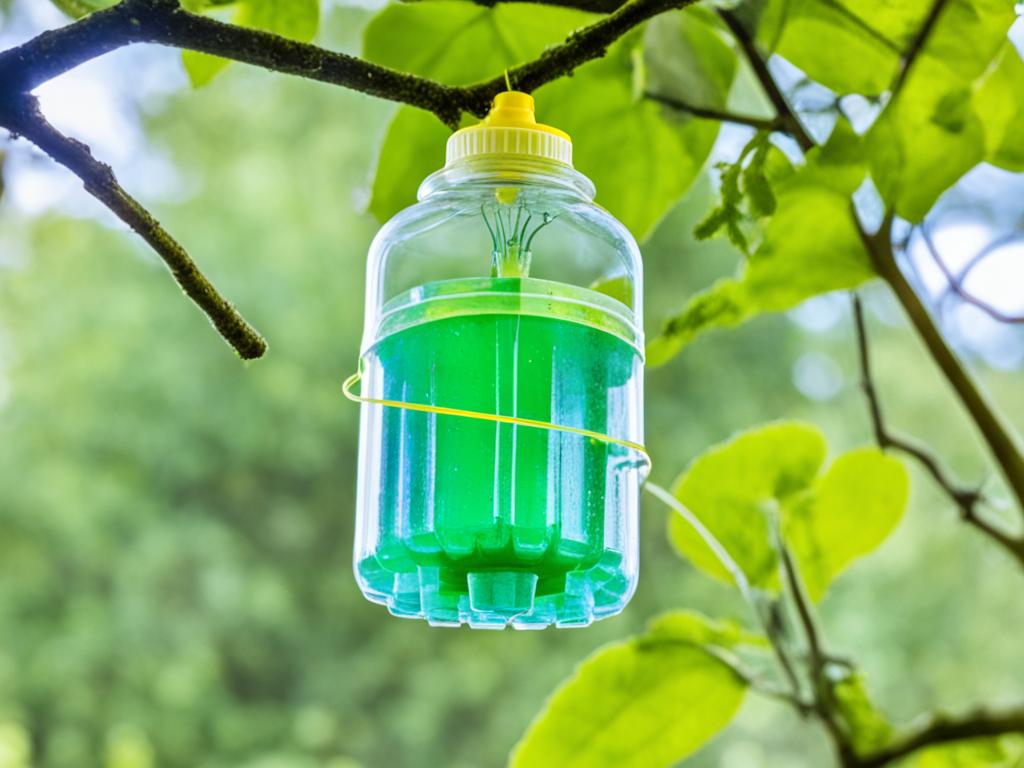
- Cost-effective: Homemade fly traps can be made using repurposed materials found around your house or yard. Say goodbye to spending money on expensive store-bought traps.
- Environmentally friendly: By opting for a homemade solution, you eliminate the need for toxic pesticides that can harm the environment and endanger other beneficial insects.
- Easy to make: You don’t have to be a DIY expert to create an effective homemade fly trap. With a few simple steps, you can have a trap ready to tackle those pesky flies.
- Just as effective as store-bought traps: Homemade fly traps have been proven to be just as effective as their commercial counterparts. Don’t let the simple construction fool you—these traps get the job done.
“Who knew that repurposed materials could be so effective in pest control? Homemade fly traps are a win-win, saving you money while keeping those flies at bay!”
When you opt for homemade fly traps, you not only save money but also contribute to a greener, more sustainable world. It’s time to take matters into your own hands and get rid of those pesky flies once and for all!
Materials Needed for a Homemade Fly Trap
Creating your own homemade fly trap is an easy and cost-effective way to combat pesky flies. To get started, gather the following materials:
- Repurposed Plastic Bottle: Find a plastic bottle that you no longer need, such as a soda or water bottle. Repurposing items not only helps the environment but also saves you money.
- Water: You’ll need water to fill the trap and create an enticing environment for flies.
- Bait: Flies are attracted to sweet and rotting smells, so choose a bait that fits the bill. Sugar water or pieces of rotten fruit work well.
- Dish Soap: A drop or two of liquid dish soap is essential. It reduces the surface tension of the water, causing flies to sink and be unable to escape.
By repurposing a plastic bottle and gathering these simple ingredients, you’re ready to assemble your homemade fly trap.
The Magic of a Repurposed Plastic Bottle
“One man’s trash is another man’s treasure.” – Unknown
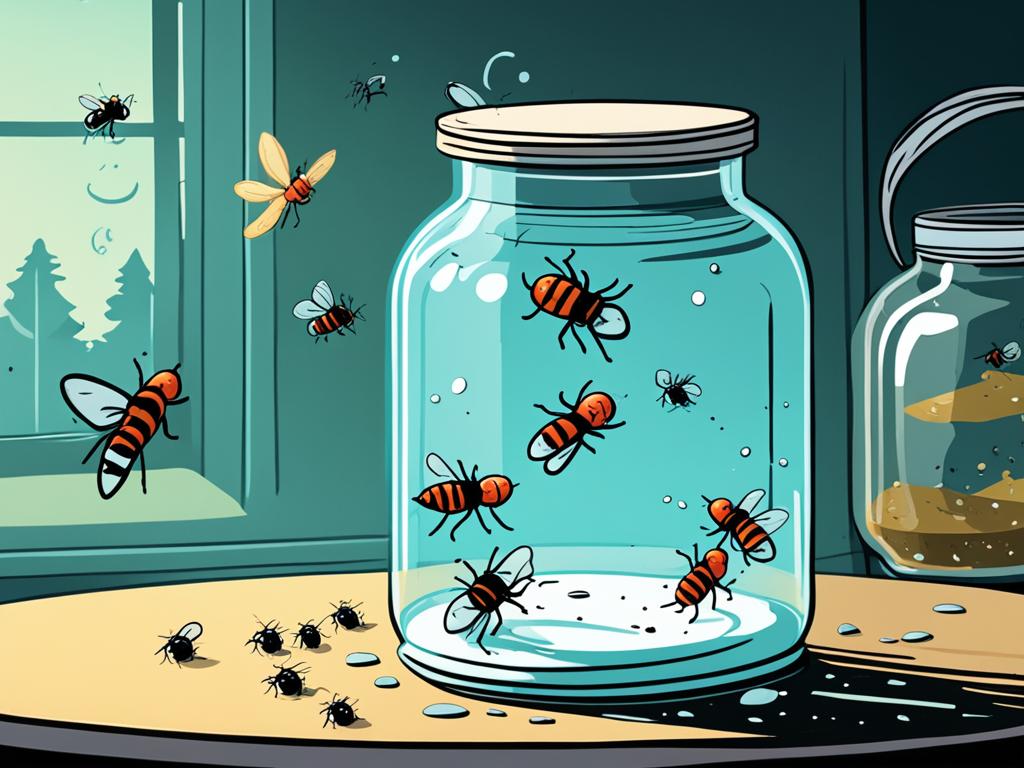
A repurposed plastic bottle is the perfect container for your homemade fly trap. Not only does it help reduce waste, but its design also enhances its trapping capabilities.
Here’s how it works: the top of the bottle is cut off and inverted, creating a funnel shape that lures flies in. The narrow opening of the funnel makes it difficult for them to escape once they’re inside. The modified bottle serves as a trap, keeping the flies contained until they meet their demise in the soapy water below.
Choosing the Right Bait
Flies are notorious for being drawn to odorous substances, so selecting the right bait for your homemade fly trap is key. Here are a few options to consider:
- Sugar Water: A mixture of sugar and water is a classic bait choice. It releases a sweet scent that flies find irresistible.
- Rotten Fruit: Flies are attracted to the aroma of overripe fruit. Place a small piece of bruised or rotting fruit into your trap to lure them in.
- Meat: For those dealing with different fly species, a pinch of ground meat can serve as an alternative bait option.
Remember, the goal is to entice the flies with a potent scent, so the longer the bait sits and ferments, the stronger the odor becomes.
Adding Dish Soap for a Fly’s Downfall
Now, it’s time to incorporate a secret weapon into your homemade fly trap: liquid dish soap. Adding a drop or two of dish soap to the water serves a crucial purpose. The soap breaks the surface tension of the water, making it difficult for flies to float and escape.
As flies are naturally excellent fliers, the soapy water impedes their ability to take flight once they’ve landed. This ensures that once they’re trapped, they’re unable to free themselves and meet a soapy demise.
| Bait Options | Attractiveness to Flies |
|---|---|
| Sugar Water | High |
| Rotten Fruit | Medium |
| Meat | Low |
Experiment with different bait options to see which one yields the best results for your homemade fly trap.
Step-by-Step Instructions to Make a Homemade Fly Trap
Creating your own homemade fly trap is a simple and fun DIY project that can help you keep those pesky flies at bay. Follow these step-by-step instructions to make your very own homemade fly trap:
- Cut the top off a plastic bottle – Start by selecting a plastic bottle, preferably a two-liter soda bottle. Using a pair of scissors or a sharp knife, carefully cut off the top portion of the bottle, just below the neck. This will create an opening for the flies to enter the trap.
- Flip it over to form a funnel shape – Take the top portion of the bottle that you cut off and flip it over. Insert the funnel-shaped top back into the base of the bottle. Ensure a snug fit so that flies can’t escape once they enter the trap.
- Fill the bottom of the bottle with water – Pour water into the bottom portion of the bottle, filling it about a quarter of the way. Leave a small gap between the funnel and the water to prevent any accidental spills.
- Add the smelly bait and a drop of dish soap – Flies are attracted to strong odors, so use a smelly bait to lure them into the trap. Options include sugar water, rotten fruit, or a mixture of vinegar and dish soap. Add the bait to the water in the bottle. A drop or two of dish soap will break the surface tension, making it harder for flies to escape.
- Place the homemade fly trap in an area where flies are a nuisance – Position the trap in an area where you commonly see flies buzzing around. This could be near garbage cans, outdoor seating areas, or any other spot where flies tend to congregate.
Now sit back, relax, and let your homemade fly trap do its job. Flies will be attracted to the bait, enter the trap through the funnel, and ultimately become trapped in the water solution.

Creating your own homemade fly trap is not only effective but also cost-saving and environmentally friendly. Plus, it can be a great way to repurpose plastic bottles that would otherwise go to waste. So give it a try and say goodbye to those annoying flies!
Effective Bait Options for Homemade Fly Traps
Flies are notorious creatures that are attracted to anything sweet and smelly. When it comes to making your own homemade fly trap, the bait you choose can make all the difference in successfully luring those pesky insects. Here are some effective bait options that will have flies buzzing straight into your trap:
Sugar Water
Create a tempting concoction by dissolving sugar in water. The sweet aroma will irresistibly draw flies to your homemade trap.
Honey Water
Similar to sugar water, mixing honey with water creates a sticky and enticing scent that will attract flies in no time.
Slightly Rotten or Overripe Fruit
Flies have an affinity for fruit that’s past its prime. Take advantage of their taste and use slightly rotten or overripe fruit such as bananas or strawberries as bait.
A Pinch of Ground Meat
If you’re dealing with stubborn meat-loving flies, try using a pinch of ground meat as bait. Just be prepared for the carnivorous insects to flock to your trap.
Fresh Animal Manure
While it may not be the most pleasant option, fresh animal manure can be a highly effective bait for attracting flies. Just ensure that the trap is properly secured and away from any living areas.
Combination Bait
For maximum efficacy, consider combining two or more bait options. Flies are known for their eclectic taste, so a mixture of sweet and smelly bait can be irresistible to them.

Remember, the longer your bait sits, the stronger its aroma becomes, making it even more appealing to flies. So sit back, relax, and let the bait do the trick, luring those flies into your homemade masterpiece.
How Homemade Fly Traps Work
Curious about how homemade fly traps do their magic? Let’s dive into the working mechanism behind these ingenious contraptions.
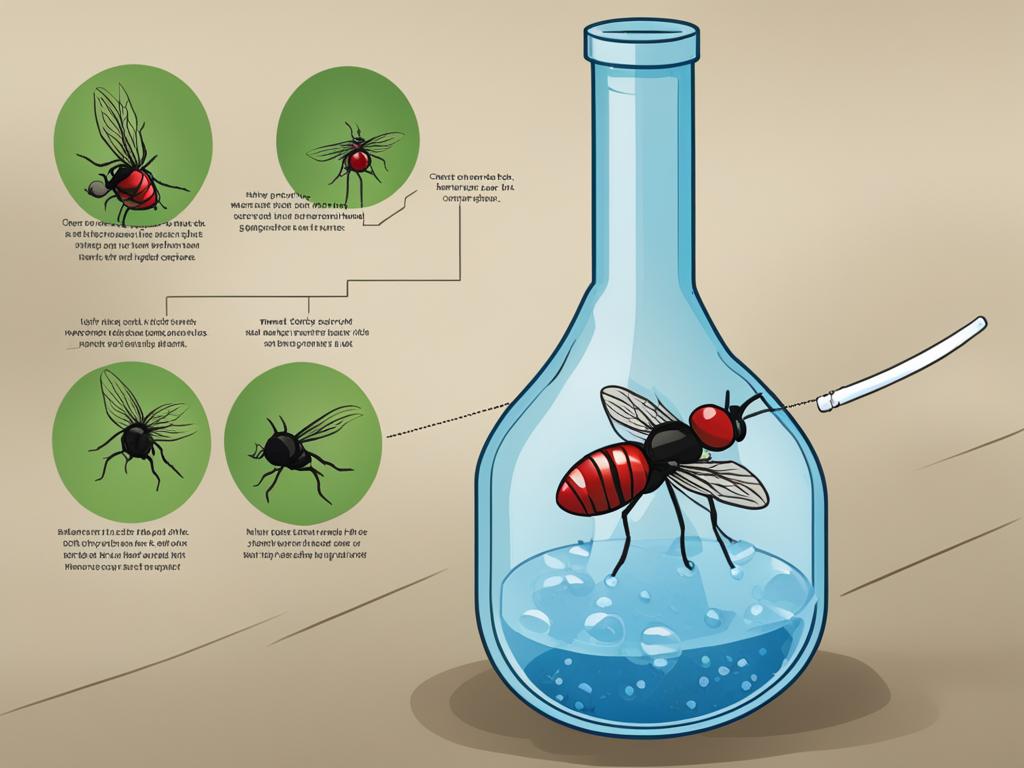
Flies, just like us, have an undeniable weakness for delicious scents. That’s where your homemade fly trap comes in. Using its irresistible bait, it lures flies down a funnel-shaped top, but here’s where things get interesting.
Flies find it exceedingly challenging to fly back up the narrow funnel, trapping them inside the homemade fly trap. As they desperately attempt their great escape, they inadvertently plunge into the water below. But there’s a twist—crafty you added a drop or two of liquid dish soap to the water.
The dish soap disrupts the surface tension of the water, making it difficult for the trapped flies to take flight. It’s a fly’s worst nightmare! Their wings get weighed down, making escape futile. Eventually, the flies meet their watery demise, effectively caught in your homemade fly trap.
Isn’t it fascinating how a few simple components can create an efficient fly-catching contraption? With a bit of creativity and some basic household items, you’ve crafted a clever tool to keep those pesky flies at bay.
Tips and Tricks for Homemade Fly Traps
Looking to maximize the effectiveness of your homemade fly trap? We’ve got you covered with these ingenious tips and tricks:
- Punch holes in the sides of the trap to hang it up by a string. This allows you to position the trap at just the right spot where those pesky flies tend to congregate.
- Use two-liter soda bottles or any plastic bottle you have available. Don’t limit yourself to specific bottle types. Get creative and repurpose whatever you have on hand.
- Let the bait sit and ferment for a while to increase its attractiveness to flies. Flies are drawn to the smell of fermentation, so giving your bait some time to develop a potent aroma will make your trap irresistible to them.
- Place the trap in areas where flies are most bothersome, such as near garbage cans or outdoor dining areas. Strategically positioning your homemade fly trap will ensure maximum fly capture and relief from those buzzing nuisances.
The Power of Strategic Placement
“The key to success with a homemade fly trap is strategic placement. Think like a fly and position the trap where they can’t resist it!” – Anonymous DIY Enthusiast
By using these tips and tricks, your homemade fly trap will be even more effective in keeping flies at bay. So go ahead and give them a try!

You Said it!
“Hanging up my fly trap with a string was a game-changer! No more flies buzzing around my outdoor BBQs!” – Anna from Texas
Alternative DIY Fly Trap Methods
Are you looking for alternative DIY fly trap methods? If the homemade fly trap you created doesn’t meet your needs, don’t worry! There are several alternative methods you can try to effectively trap flies and keep them at bay.
Sugary Jar Trap
A simple and effective alternative method is the sugary jar trap. Here’s how you can make one:
- Take a glass jar and add sugary water or a sweet lure to it.
- Secure a cone-shaped piece of paper or plastic on the jar opening, making sure there are no gaps for the flies to escape.
- Place the jar trap in areas where flies are common, such as near garbage bins or outdoor dining areas.
- Watch as the flies are lured into the trap but find it difficult to fly out, eventually getting trapped in the jar.
This method is great for attracting flies that are more inclined towards sweet substances. It’s a simple and economical solution that can help keep your home fly-free.
Flypaper Strips
Another alternative fly trap method is making flypaper strips using a brown paper bag and sugary water. Here’s how to create them:
- Cut the brown paper bag into long, thin strips.
- Soak the strips in a mixture of sugary water, ensuring they are well saturated.
- Hang the strips near windows, doors, or any areas where flies tend to gather.
- As the flies are attracted to the sugary scent, they will get stuck to the sticky flypaper strips.
This method is effective for trapping flies that are more enticed by a sticky surface rather than sweet liquids. It’s a traditional yet reliable approach to controlling fly populations.
Remember, different fly species may be more attracted to certain bait or trapping methods. Feel free to experiment with these alternatives and find what works best for you and your fly problem.

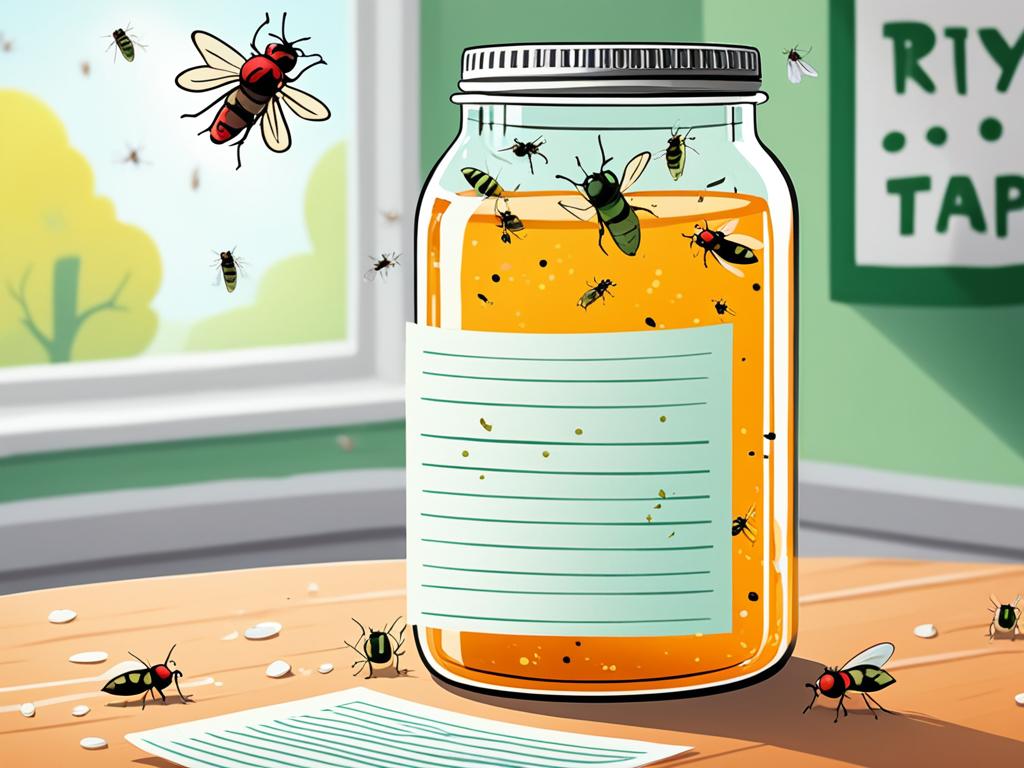
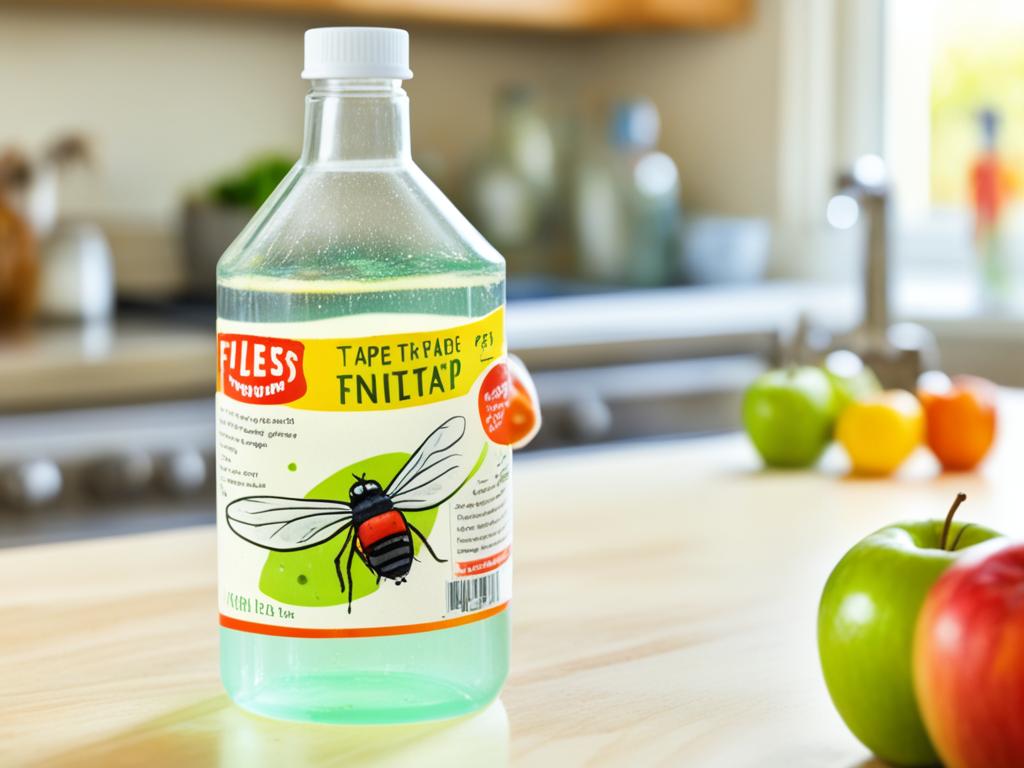
The image above illustrates one of the alternative DIY fly trap methods discussed.
Why Choose Homemade Fly Traps Over Store-Bought Ones
When it comes to controlling pesky flies, homemade fly traps offer a myriad of advantages over their store-bought counterparts. Not only are they cost-effective and environmentally friendly, but they also allow for customization, making them a clever choice for keeping flies at bay.
But why should you opt for homemade fly traps instead of store-bought ones?
Here are the top reasons:
- Cost-Effective: Save your hard-earned cash by making your own homemade fly traps. All you need are some common household items, like repurposed plastic bottles, bait, and dish soap. Why spend a fortune on store-bought traps when you can craft effective ones for pennies?
- Environmentally Friendly: Embrace a greener approach to pest control with homemade fly traps. By using repurposed materials and avoiding toxic chemicals found in store-bought traps, you’ll be doing your part to protect the environment.
- Customizable: Let your creativity soar! Homemade fly traps can be customized to suit your specific needs. Experiment with different baits, such as sugar water, overripe fruit, or even a pinch of ground meat, to attract and trap flies effectively.
Pro tip: For a truly irresistible bait, let it sit and ferment for a while. Flies can’t resist the pungent aroma of well-aged bait!
Contrary to popular belief, homemade fly traps can be just as effective, if not more so, than store-bought traps. Their simplicity and clever design make them a formidable weapon in the battle against flies.
So, the next time you find yourself swatting at flies, remember that the solution could be as simple as crafting your own homemade fly trap. Not only will you save money, but you’ll also have a sustainable and customizable trap that can rival any store-bought option.
When Homemade Fly Traps Might Not Be Enough
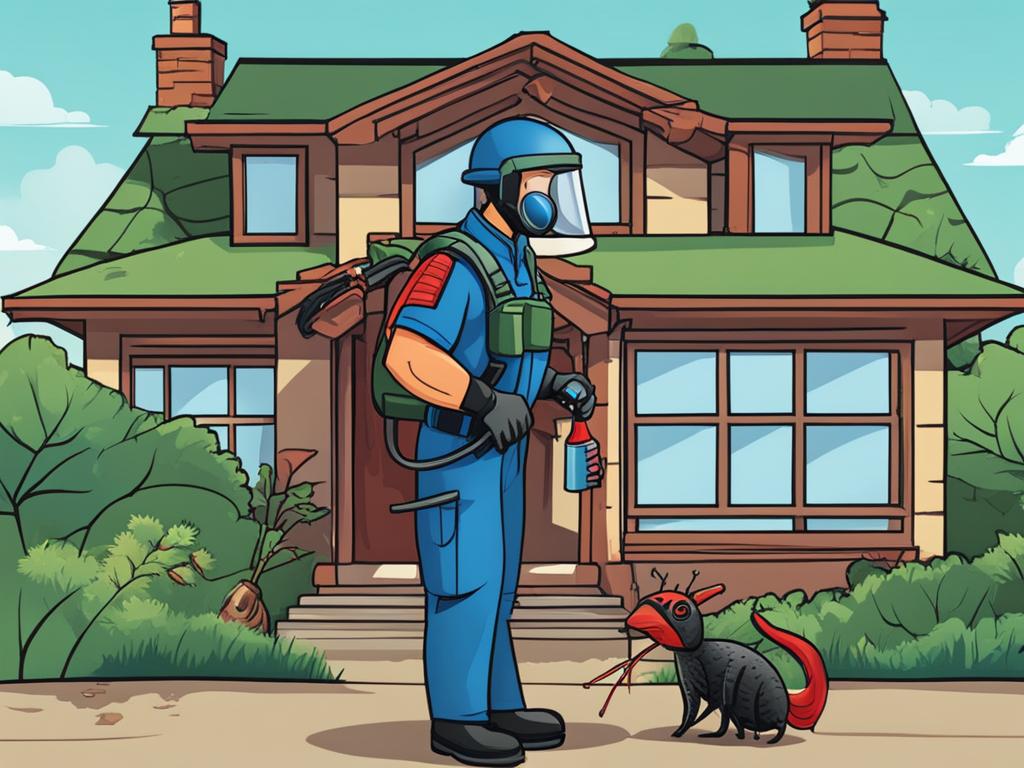
In most cases, crafting your own homemade fly trap can effectively control fly infestations. However, there are instances where homemade solutions may not be sufficient to fully eliminate the problem. Persistent fly issues, especially when flies are breeding in hidden areas of your home, may require the expertise of professional pest control services to provide a more comprehensive solution.
Professional pest control specialists have the knowledge, experience, and tools to identify the root cause of the fly infestation and implement targeted treatments to eliminate flies effectively. They can assess the extent of the infestation, determine the species of flies involved, and create a tailored pest management plan to address the specific problem.
When homemade fly traps fall short, professional pest control offers several advantages:
- Expertise: Pest control professionals are trained in identifying and addressing various pest infestations. They have in-depth knowledge of fly behavior and biology, allowing them to implement effective strategies to minimize fly populations.
- Thorough Inspection: Professionals can conduct a thorough inspection of your property, identifying potential breeding sites, entry points, and conducive conditions for flies. This enables them to develop a targeted action plan to address the infestation at its source.
- Safe and Effective Treatments: Pest control companies utilize safe and eco-friendly treatments that are both effective in eradicating flies and minimizing the risk to humans and pets. They have access to professional-grade pesticides and equipment that may not be available to the general public.
- Long-Term Solutions: Professional pest control services often provide long-term solutions to prevent future fly infestations. They may recommend necessary repairs or environmental modifications to reduce fly attractants and entry points, ensuring a more permanent solution.
If you find that your homemade fly traps are unable to effectively address your fly problem, don’t hesitate to reach out to professional pest control services. They can help you eliminate the infestation and provide you with peace of mind knowing that your home is protected against future fly invasions.
Remember, it’s essential to take action promptly when faced with persistent fly infestations to maintain a clean and healthy living environment.
| When to Consider Professional Pest Control Services | Benefits of Professional Pest Control |
|---|---|
| 1. Homemade fly traps have not reduced the fly population satisfactorily. | 1. Expertise in identifying and addressing fly infestations. |
| 2. Flies are breeding in hidden areas of your home, making it difficult to locate and eliminate the source. | 2. Thorough inspections to identify breeding sites and conducive conditions. |
| 3. You have tried multiple homemade remedies without success. | 3. Safe and effective treatments using professional-grade products and equipment. |
| 4. Persistent fly activity is causing significant annoyance and poses a hygiene concern. | 4. Long-term solutions to prevent future fly infestations. |
Additional Tips for Fly Control
While homemade fly traps are an effective solution for controlling flies, there are other measures you can take to prevent these pesky insects from entering your home. By following these additional tips, you can achieve better fly control and maintain a pest-free environment:
Maintain Proper Sanitation
- Regularly clean up food spills and crumbs to eliminate potential food sources that attract flies.
- Dispose of garbage properly and keep trash cans clean and tightly sealed.
- Store food in airtight containers to prevent odors from attracting flies.
Seal Openings and Cracks
- Inspect your home for any openings or cracks where flies can enter, such as gaps around windows and doors.
- Seal these openings using caulk or weatherstripping to prevent flies from finding their way inside.
Maintain Good Air Flow
- Keep doors and windows closed as much as possible to prevent flies from entering your home.
- Install window screens to allow fresh air in while keeping flies and other insects out.
By implementing these additional tips for fly control and combining them with homemade fly traps, you can effectively prevent flies from infesting your living spaces. Remember, a proactive approach to pest prevention is key to maintaining a clean and comfortable home.
Conclusion
So, there you have it—your ultimate guide to homemade fly traps. With just a few repurposed materials and some bait, you can take control of those pesky flies buzzing around your home.
Not only are homemade fly traps a cost-effective solution, but they also offer an environmentally friendly alternative to chemical-laden pest control methods. By opting for homemade options, you’re reducing your carbon footprint and creating a safer environment for your family.
Remember, the key to success lies in experimentation. Try different bait options like sugar water, rotten fruit, or even fresh animal manure to see what attracts flies the most. And don’t forget to strategically place your traps in areas where flies are most bothersome.
With a little creativity and a dash of DIY spirit, you can bid farewell to those irritating flies and enjoy a fly-free home without breaking the bank. Embrace homemade fly traps as an effective way of pest control and take pride in your crafty solution to tackle this buzzing nuisance once and for all!
FAQ
Are homemade fly traps as effective as store-bought ones?
Yes, homemade fly traps can be just as effective in trapping flies, if not more. They are cost-effective and customizable, making them a great alternative to store-bought traps.
What materials do I need to make a homemade fly trap?
To make a homemade fly trap, you will need a repurposed plastic bottle, water, bait (such as sugar water or rotten fruit), and a drop or two of liquid dish soap.
How do homemade fly traps work?
Homemade fly traps work by attracting flies with sweet or smelly bait. The flies are then lured into the trap through a funnel-shaped top, but they find it difficult to fly back out. Eventually, they fall into the water where the dish soap makes it hard for them to fly, effectively trapping them.
What are some effective bait options for homemade fly traps?
Some effective bait options for homemade fly traps include sugar water, honey water, slightly rotten or overripe fruit (such as bananas or strawberries), a pinch of ground meat, or fresh animal manure.
How can I make my homemade fly trap more effective?
To make your homemade fly trap more effective, you can punch holes in the sides of the trap to hang it up by a string, use larger plastic bottles, let the bait sit and ferment for a while to increase its attractiveness, and place the trap in areas where flies are most bothersome.
Are there alternative DIY fly trap methods?
Yes, there are alternative DIY fly trap methods you can consider. These include using a jar trap with sugary water and bait, or making flypaper strips from a brown paper bag soaked in sugary water.
Why choose homemade fly traps over store-bought ones?
Homemade fly traps offer several advantages over store-bought ones. They are more cost-effective, environmentally friendly, and customizable to suit your needs.
What should I do if homemade fly traps are not enough to eliminate a fly infestation?
If homemade fly traps are not enough to eliminate a fly infestation, especially if flies are breeding in hidden areas of your home, it may be necessary to seek professional pest control services for a more thorough solution.
Are there other steps I can take to prevent flies from entering my home?
Yes, in addition to using homemade fly traps, you can keep doors and windows closed, maintain proper sanitation by regularly cleaning up food spills, and seal any cracks or openings where flies can enter to prevent them from entering your home.