

So you’re thinking about constructing a root cellar, aren’t you? Perhaps you’ve got a bumper crop of beets nuzzling up against mountains of potatoes, all begging for a cool, earthy abode to hunker down in for winter. Or maybe you’ve just stumbled upon the delightful idea of a DIY root cellar as a shiny emblem of self-sufficiency. Well, pull up a chair, because you’re about to embark on an underground adventure – quite literally – crafting a hideaway for your harvest that would make your ancestors nod with approval.
You may think that a root cellar is about as old-fashioned as a butter churn, but let’s get real: when it comes to preserving that garden gold without a whiff of electricity, a root cellar is your trusty sidekick. Adaptable, resilient, and downright ingenious, this time-tested tradition is ripe for a modern renaissance. With this root cellar building guide in hand, you’re not just throwing back to the good ol’ days — you’re stepping forward into a world of year-round, sustainable bounty.
Key Takeaways
- Root cellars: a comeback kid in the world of modern gardening and sustainability.
- Going low-tech doesn’t mean low-quality — learn the ropes of DIY root cellar brilliance.
- Get schooled in the art and science of balancing temperature and humidity, sans power grid.
- Master the subterranean secrets to ensure your veggies are snug, safe, and splendidly preserved.
- Adhere to age-old wisdom while applying contemporary savvy to your delectable root cellar project.
Understanding the Root Cellar Concept

Imagine having a treasure chest, but instead of gold and jewels, it’s filled with your summer harvest, and it’s tucked away underground. Welcome to the world of root cellar basics, a throwback to traditional food storage methods that are surging in popularity among those embracing off-grid preservation. A root cellar is essentially nature’s refrigerator—without the monthly electric bill. Let’s burrow into the details.
By capitalizing on the earth’s nearly constant subterranean temperature, your root cellar acts as a snug haven for produce, maintaining a cool, stable environment even when summer tries to dial up the heat or winter threatens to turn your spuds into ice-blocks.
| Characteristic | Benefit |
|---|---|
| Natural Insulation | Maintains consistent cool temperatures |
| No Electricity Requirement | Ensures sustainability and cost savings |
| High Humidity Levels | Prevents dehydration of stored foods |
| Variety Support | Accommodates a diverse range of produce |
Despite being nestled underground, the specifics of your root cellar—like its temperature and humidity—are going to be influenced by what you decide to store. You wouldn’t give a cactus the same treatment as a tropical plant, right? Same goes for your carrots and cabbages. So, when you’re stocking up your subterranean larder, know that each item may have its own little comfort zone to thrive in.
But don’t worry, you don’t have to be a food storage sommelier to get it right. Simply use the earth’s embrace to your advantage, and your root cellar will help keep your homegrown goodies just as fresh as they were when you pulled them from the ground. That’s the magic of off-the-grid genius—no techy gadgets or apps required!
Choosing the Right Location for Your Root Cellar
Embarking on the journey of building your very own root cellar, you must consider that the real game-changer in ensuring the longevity of your produce could very well be the site selection. Yes, it’s all about location, location, location! The optimal root cellar location is not just a matter of convenience, it’s a critical component that will either boost or bruise your cellar’s performance. Thus, let’s dig a little deeper into the details of soil and climate characteristics, so you can tick off that crucial element from your root cellar checklist.
Evaluating Soil Conditions
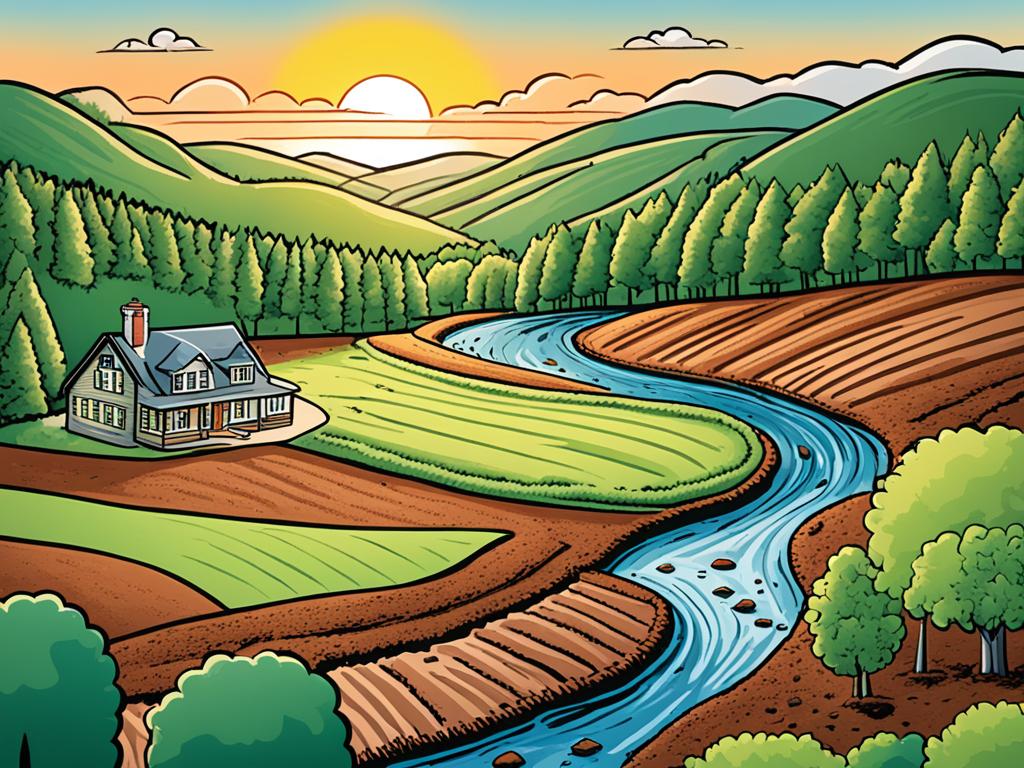
Consider yourself a treasure hunter, where the ‘X’ marking the spot is ideal ground conditions for your root cellar. Various factors come into play, such as the soil’s depth before hitting the bedrock—which you want to be deep enough to avoid interference with construction—and its composition that should provide sufficient insulation yet adequate drainage. Clay-heavy soil, while difficult to dig, offers excellent insulation. Sandy loam, on the other hand, is easy to work with and drains well, but it may not insulate as effectively. Strike a balance or prepare for modifications down the line to optimize your selection.
Considerations for Water Table and Drainage
No one wants a flooded cellar, and even your root vegetables agree. High water tables are root cellar repellents; they can submerge your efforts as well as your produce. Investigation into the water table level should be on the top of your to-do list. Additionally, fine-tuning your drainage strategy will keep moisture-related issues at bay, protecting the structural integrity of your cellar and its contents. Whether you integrate French drains or grade the site, ensuring that water knows where to go is a priority. After all, it’s a root cellar, not an indoor pool!
Assessing Climate Impacts on Root Cellar Performance
You may think your local climate is only a small talk subject, but in the realm of root cellars, it’s a focal point. A cellar that fares well in the crisp climate of Maine may not hold its ground in the warmth of Florida. Varying temperature and humidity ranges necessitate tailored approaches to insulation and ventilation to maintain the desired environment for your harvested treasures. It’s about understanding what Mother Nature has in store for your region and prepping your cellar to counter or complement these elements.
How to Build a Root Cellar: Design Options
If you’re considering tapping into the age-old wisdom of storing your harvest in a root cellar, you’ve probably been haunted by the thought, “But where do I begin?” Fear not, intrepid gardener. The design possibilities for your underground treasure chest range from the charmingly simple to the marvelously intricate. Before you get lost in the labyrinth of root cellar plans, let’s break ground with some foundational knowledge about root cellar designs and building methods.
Imagine a place so cool and humid that your carrots cuddle up, your potatoes party, and your apples age gracefully. That’s the magical 32 to 40°F (0 to 5°C) temperature range with a humidity level of 85 to 95% we’re aiming for. Achieving this is like playing a symphony; every element from insulation to ventilation plays its part. With local soil and weather whims in mind, let’s explore the various structures that can house your harvest.
- Underground Bunkers: For the minimalist, a subterranean pit or a buried barrel might just be the ticket. It’s a no-frills hideaway that keeps your bounty out of the sun’s reach.
- Hillside Havens: If your slice of paradise comes with a slope, consider nestling your cellar into the hillside. It’s a cozy setup that uses the natural gradient for effortless insulation.
- Under-Structure Sanctuaries: Got a shed or a barn? Why not create a cellar beneath? It’s like a secret basement for your beets and cabbages.
- Above-Ground Alcoves: Not all soil digs the idea of being dug into. For such cases, an above-ground structure offers a splendid solution.
Whether you’re woodworking your way to a cellar or laying concrete like a pro, the materials you choose will dictate the longevity and efficacy of your root sanctuary. From stone to repurposed tires, your creativity can blossom in this underground realm. But remember, your goal is to create an environment that’s less like a desert and more like a dew-kissed dawn.
Perfection in root cellar construction is not achieved when there is nothing more to add, but when there is nothing left to take away. You want just enough of what works—and none of what doesn’t.
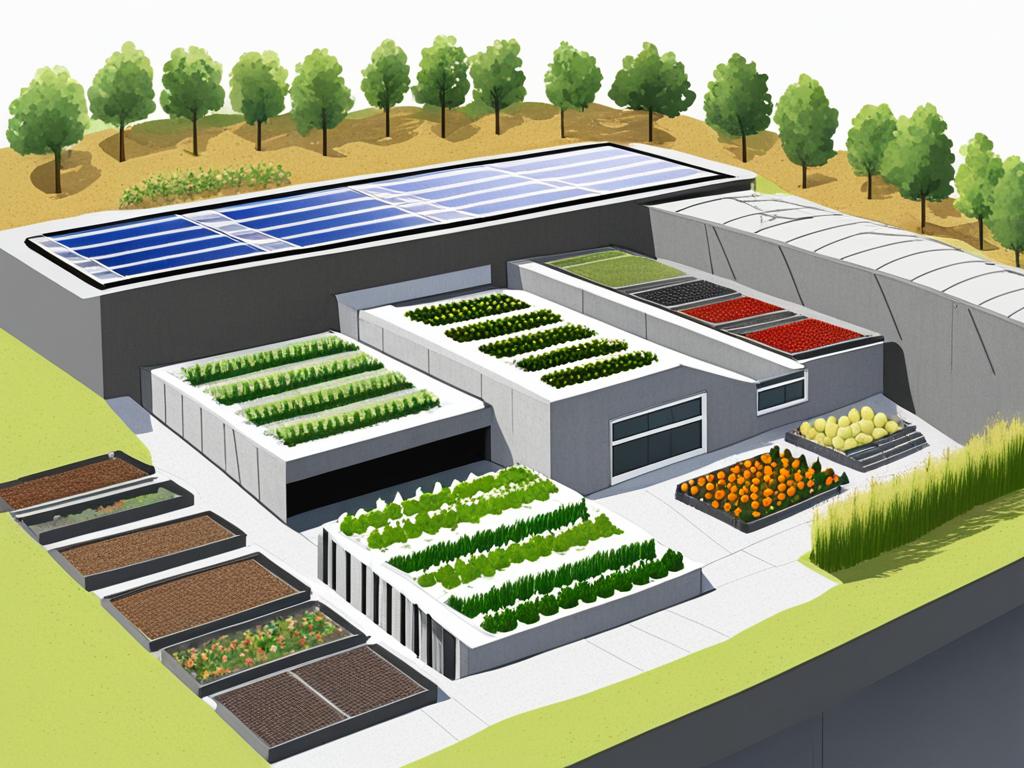
Don’t be shy to draft multiple root cellar plans before you break ground. Sketch them on napkins, doodle them in the dirt—whatever it takes to visualize your subterranean paradise. As you choose between an earth-sheltered fortress or a quaint wooden chest, consider how each material will engage with the earth’s steady embrace.
Now, grab your shovel—or your architect, if you’re fancy—and let’s turn those dreams of a bountiful, well-preserved harvest into earth-insulated reality. With the right design, your root cellar will not just be a storage space; it’ll be a tribute to sustainability, a nod to tradition, and a giant leap for your gardening game.
Materials Needed for Constructing a Root Cellar
Sourcing the right root cellar construction materials can be as thrilling as a treasure hunt! You’re not just building a storage space; you’re creating a sanctuary for your harvest. Let’s dig into the plethora of materials you might enlist for this mission. Not only do you need sturdy building equipment, but you’re probably on the lookout for cost-effective materials, right? Fear not, for every seasoned builder knows – the devil’s in the details.
First things first, concrete and stone are your go-to for durability and longevity. These stalwarts withstand much more than just the test of time; they combat moisture and critters alike. But let’s not forget about timber, a classic choice that offers a certain rustic charm and insulation properties.
However, why stick solely to the new when you can unearth treasures from the past? Upcycling has become the cornerstone of eco-conscious building. Ever thought of used tires or an old refrigerator? They can be magical in maintaining temperature regulation without breaking the bank.
And speaking of savings, nothing says ‘budget-savvy’ like scouting for second-hand materials. From construction surplus stores to the attics of retired farmers, opportunities to find these materials are vast. Just ensure that they pass muster for your below-ground bastion before you lay down a single cent.
Pay special heed to the selection of insulating materials. They are the invisible heroes, maintaining the climate your vegetables will thank you for. Straw bales, polystyrene boards, or even earth itself could serve as your knights in shining armor against temperature fluctuations. This is not the time to skimp; after all, a well-insulated root cellar is a secure vault for your garden’s bounty.
Remember, a root cellar is not a one-size-fits-all kind of project. Adjust your materials’ shopping list to the size and complexity of your cherished subterranean den.
Moreover, don’t overlook the indispensable crew of building equipment required to bring your vision to life. A sturdy shovel, a trusty level, an unwavering tamper, and a saw that can cut through your hesitation (and timbers) are the unsung warriors of construction.
Here’s a quick checklist for your convenience:
- Concrete or stone for foundational strength
- Reclaimed timber for framing and aesthetic pleasure
- Innovative insulating materials that play defense against the elements
- Building equipment that won’t let you down when the dirt gets tough
- A spirit of adventure – because hey, this is your root cellar odyssey
To wrap it up, the materials you select might just be buried in your backyard or waiting in a neighbor’s garage. Keep your eyes peeled and your wallet happy. You are on the track to not only build a root cellar but to weave a tale of creativity and resourcefulness.

Step-by-Step Construction Process
Roll up your sleeves because it’s time to transform that patch of land into a bona fide root cellar! Let’s break ground and construct this underground treasure trove in a neat, step-wise manner. Remember, skipping steps is a recipe for disaster—or worse, a crooked cellar!
Excavating the Site
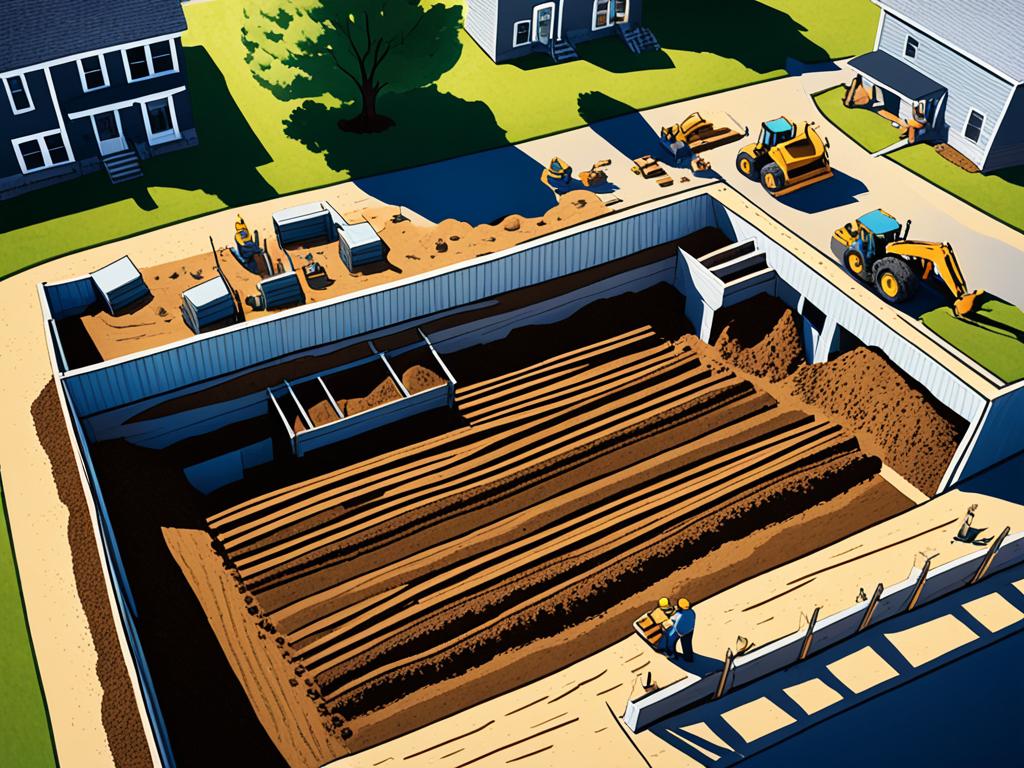
You’re about to make friends with the dirt. Excavation is the first critical phase where you dig into the soil, creating the cavern for your future root cellar. Measure twice, dig once—it’s not just a catchy phrase, it’s your safeguard against backbreaking redos. Your excavation should accommodate all ensuing construction comfortably, including wall insulation and structural reinforcements.
Laying the Foundation
After excavation comes the fundamental moment of foundation laying. Like the steadfast folks we admire, your root cellar requires a reliable base to stand the test of time. A level, solid foundation ensures that the walls don’t shift and your veggie vault remains secure. Concrete is your go-to for a firm base, topped with some rebar for that extra bite of stability.
Building the Walls and Ceiling
Once you’ve laid down the groundwork, the next part is the structure erection. Whether you’re using concrete blocks, stones, or rammed earth, it’s all about putting up those sturdy walls and ensuring the ceiling won’t cave. Erect with precision; your carrots will thank you for the meticulous craftsmanship—and so will your sanity during canned-good avalanche season.
Waterproofing and Insulation Tips
With your walls up, it’s time for a game of defense against moisture and thermal woes. Waterproofing is your shield against the damp, ensuring that the only thing flowing in your root cellar is an air of satisfaction. As for insulation, it’s your silent guardian that keeps the warmth of summer and the chill of winter at bay, preserving your provisions at their peak. Consider foam board or spray insulation to keep that earthly embrace precisely how you need it.
| Construction Stage | Main Focus | Materials Suggested |
|---|---|---|
| Excavation | Depth and Dimensions | Shovel, Excavator, Wheelbarrow |
| Foundation Laying | Stability and Alignment | Concrete, Rebar |
| Structure Erection | Wall Strength, Ceiling Intactness | Concrete Blocks, Earthbags |
| Waterproofing and Insulation | Moisture Barrier, Temperature Control | Waterproof Membrane, Foam Board |
Take heed of these root cellar building steps; each one is a pivot in your journey to self-sufficiency and cooler-than-a-cucumber storage. The destiny of your root cellar—and its esteemed crunchy inhabitants—is squarely in your capable, albeit dirt-streaked, hands. Go forth and build, future-root-cellar baron, build!
Maintaining Ideal Conditions: Temperature and Humidity
Attention, savvy food storage aficionados! Dialing in the perfect root cellar conditions is akin to crafting the ultimate edible time capsule. It’s all about keeping that cellar cool as a cucumber and as moist as morning dew. Let’s embark on a journey into the delightful world of temperature regulation and humidity control!
First off, why fuss about temperature? Imagine, if you will, that your root cellar is nature’s fridge. And the primo temp we’re aiming for? A nippy 40°F roughly. This degree of coolness is naturally achieved through Mother Earth’s own insulating embrace. But beware! Without proper temperature regulation, you might just end up with frost-nipped carrots or a batch of potatoes gone to the dark side.
Now, let’s not forget about humidity. Picture this: a root cellar bustling with crunch and freshness, all thanks to humidity levels that would make a rainforest nod in approval. We’re talking 80-95% humidity to keep those veggies snappy and well-hydrated. But how, you ask? Soil moisture—nature’s own humidifier! Yet balance is key; too much moisture and your dream cellar turns into a fungi fiesta.

And let there be airflow! Just the right waft of fresh air can keep ethylene gas from turning your storage environment into a spoiling party. So, let’s peek into the ventilation playbook to keep your edible treasures smiling:
- Vent pipes: These are the cellulose’s lungs, exhaling the old and inhaling the new.
- Strategic openings: Small windows or hatches can work wonders for that oh-so-crucial air exchange.
- Thermally driven air: Warm air rises, cool air descends. Use this to your advantage in creating natural airflow.
To cap it all off, how about some key figures to keep in your pocket? Check out the chart below, where we break down the ideal storage environment for various root cellar darlings. Stick to these stats, and your root cellar will be the toast of the underground world.
| Item | Optimal Temperature | Ideal Humidity |
|---|---|---|
| Apples | 30-32°F | 90-95% |
| Potatoes | 35-40°F | 80-90% |
| Carrots | 32-34°F | 95-100% |
| Onions | 32-35°F | 65-70% |
So there you have it! With a little finesse and a nod to nature’s cues, your root cellar storage environment will not just sustain, but thrive.
How to Build a Root Cellar: Innovative Budget-Friendly Strategies
If the idea of forking out a chunk of change for a traditional root cellar makes your bank account tremble, fear not! There are ways to construct an economical root cellar that doesn’t require a treasure chest to build. Budget root cellar construction can be as simple as using items you can find or purchase cheaply. Take earthbag construction, for instance, where your main materials are as down-to-earth as it gets – literally.

Earthbag construction is like playing with giant sandcastles, except these castles store turnips and not princesses. This low-tech method involves filling bags with dirt and stack them to form insulated walls, secured with a bit of rebar for stability. It’s a low-cost storage solution that will have your veggies cooling off in no time, and the only heavy lifting you’ll do is when you’re flexing your DIY muscles.
| Material | Source | Estimated Cost |
|---|---|---|
| Polypropylene Bags | Feed & Supply Stores | $30 for 100 bags |
| Rebar | Construction surplus or hardware stores | $4 per piece |
| Gravel & Stones | Landscape or surplus materials | $0 if repurposed; $2+/lb if bought |
| Scrap Wood for Roof | Recycle centers or construction leftovers | $0 if salvaged; varies if purchased |
So there you have it, a few golden nuggets on how you can build your own root cellar without digging into your retirement fund. Remember, with a little creativity and some elbow grease, an economical root cellar is within your reach. It’s not just about saving pennies but also about the gratification of building something sustainable with your own two hands—bragging rights are free!
The Dos and Don’ts of Root Cellar Storage
Listen up, green thumbs and food preservers! If you’ve put in the sweat to build your root cellar, now it’s time to master the art of keeping that produce in top-notch condition. Remember, root cellars are not just holes in the ground; they’re your underground sanctuaries of freshness. So, let’s talk about root cellar storage tips that will make your carrots crunch and your potatoes proud long after harvest has passed. You’re in the preservation big leagues now – store smart and your vegetables will stay vigorous!
Maximizing Shelf-Life of Produce
When it comes to prolonging food freshness, think like a chess grandmaster: always several moves ahead. Select varieties that are known to last, such as late-maturing crops that look tough and can stand the test of time. Avoid washing your harvest before stashing it away; you’ll only invite moisture and mold to the party—a real buzzkill for longevity. And cure those veggies like you would a fine whiskey—they deserve that extra care before being shelved in their cool, dark alcove.
Recognizing Signs of Spoilage
Keep your eyes peeled and your nose on high alert for the mischievous signs of spoilage. A soft spot on a fruit or a funky smell from a potato bin could signal that trouble is brewing. At the first hint of mold or suspicious odors, act fast! It’s your culinary duty to prevent one bad apple—or potato, or carrot—from spoiling the bunch. Taking swift action against these rogues can save the rest of your precious provisions from a domino effect of decay.
Best Practices for Organizing Your Root Cellar
Moreover, being organized doesn’t just apply to your tool shed. Implement some organizing storage space savvy in your root cellar with bins and shelves made from materials that scoff at rot, like cedarwood. Play with the temperature stratification to keep each produce type in its ideal microclimate. Temperature too high up top? That’s your squash zone. Cooler down below? Welcome to onion town. Your storage strategy makes all the difference between a prolonged veggie vacation and premature compost contributions.
FAQ
What’s the dirt on constructing a DIY root cellar?
If you’re craving a slice of the self-sufficient life, constructing a DIY root cellar is your next pet project. You’ll be tapping into the earth’s constant temperature to store your garden’s bounties just like our forebears did before refrigerators became the norm. Find a spot in your yard, roll up your sleeves, and get ready to dig into creating your very own cool, humidity-controlled haven!
Root cellar basics—more than just a hole in the ground?
Absolutely! A root cellar is like the superhero of storage units—naturally powered and energy-efficient. It’s an underground room that cunningly uses the earth’s insulation to keep your apples crisp and potatoes dozing all year round. No plug, no problem; this is off-grid preservation at its finest.
What’s the scoop on the optimal root cellar location?
Choosing where to build your subterranean pantry is like real estate—location, location, location! You’ll want to assess ground conditions carefully. Look for a spot with the right soil—deep, well-drained, and free of large rocks. The water table shouldn’t be high enough to turn your cellar into an unplanned swimming pool, and the climate should not throw your food into the sauna or freezer.
Can you give me the blueprint on root cellar designs?
The design of your root cellar can range from a no-frills buried fridge to an elaborate hobbit-style hole. Whether it’s a simple buried barrel or a deluxe hillside hideout, your root cellar should be cool as a cucumber and just the right type of humid. Think of it as bespoke tailoring, but for turnips and apples!
What’s in the toolkit for a root cellar construction material scavenger hunt?
Gather ’round, budget-conscious builders! For your root cellar, you’ll need materials like concrete, stones, and rustic recycled items—think old tires with a story to tell. For insulation, you can even use straw bales like you’re back on the farm. And don’t forget the tools—you’ll be the maestro of shovels, levels, and saws.
Lay it on me, how do I start digging my way to a root cellar?
Think of it as constructing your very own underground fortress. You’ll excavate like an archaeologist in search of the lost artichoke, lay a foundation as stable as your grandmother’s meatloaf recipe, then build walls and a ceiling that could survive the apocalypse. Remember, waterproofing and insulation are your BFFs—they keep the wet out and the chill in.
How do I keep my root cellar from being a hot mess or an ice box?
It’s all about the chill factor and tropical humidity—without the beach. You want your root cellar hovering around a nippy 40°F with humidity levels that make lettuce leaves weep joy. Strategic ventilation is your secret weapon, stopping your fruit from throwing a gas-induced tantrum and spoiling the party.
Any penny-pinching tips for building a root cellar on a ramen-noodle budget?
If your wallet’s on a diet, consider earthbag construction; it’s like playing with giant LEGO blocks filled with soil. Scrounge for materials that others might sneer at—your root cellar doesn’t need brand labels to keep things cool. This is where creativity and elbow grease can save you stacks of green notes.
Give me the nitty-gritty on stopping my veg from turning to mush in my root cellar, pretty please?
Easy-peasy! Choose veggies that like to sleep in, skip the pre-storage bath, give ’em a good cure, and keep your eyes peeled for any bruises. Think like a librarian and organize—neatly labelled, separate the rowdy ones from the quiet. And at the first whiff of funkiness or glimpse of fuzz, take that spoilage down before it takes your cellar hostage!