
Flies buzzing around the house can be an annoying and unhygienic problem to deal with. Not only do they create a nuisance, but they can also carry millions of microorganisms that can spread pathogens and food-borne illnesses. So, it’s essential to eliminate house flies quickly and efficiently.
Luckily, there are several natural and effective methods to combat these pesky insects. From simple DIY remedies to commercial solutions, you can find an approach that suits your preferences and needs. Let’s explore some of these options to help you regain control of your home.
Key Takeaways:
- House flies carry pathogens and can spread diseases, making their elimination crucial.
- Natural remedies like apple cider vinegar and dish soap, herbs, and essential oils can repel flies effectively.
- Fly traps, including fly paper and light traps, are efficient solutions.
- Maintaining cleanliness, sealing openings, and addressing potential breeding sites are vital for preventing flies in the house.
- In severe infestations, professional help may be required.
The Importance of Eliminating House Flies
House flies are more than just a nuisance buzzing around your home. These pesky insects, comprising about 90% of fly species found indoors, can pose serious health risks. While they do not bite, house flies are known to carry various pathogens that can cause illnesses. It’s important to understand the health risks associated with house flies and take steps to eliminate them from your living space.
House flies are attracted to decaying organic matter, such as food waste, rotting meat, and feces. They thrive in areas with poor sanitation and can quickly infest your home if left unchecked. Flies lay their eggs in breeding sites like garbage, manure, compost, and rotting vegetation. These breeding grounds not only contribute to the fly population but also serve as reservoirs for pathogens.
“Flies are not just annoying; they are potential carriers of diseases.”
Flies can enter homes through unscreened windows, doors, or any other openings in search of food or warmth. Once inside, they can contaminate surfaces, food, and utensils with the pathogens they carry. This increases the risk of foodborne illnesses, including salmonella and E. coli infections.
By eliminating house flies, you can significantly reduce the health risks associated with these pests. Preventing them from entering your home and addressing their breeding sites are key steps in achieving a fly-free environment.
House Fly Breeding Sites
It’s essential to identify and eliminate potential house fly breeding sites in and around your home. Here are some common areas where house flies lay their eggs:
| Breeding Site | Potential Health Risks |
|---|---|
| Garbage | Increased risk of bacterial and viral infections |
| Manure | Spread of diseases such as cholera and dysentery |
| Compost | Possible contamination of fruits and vegetables |
| Rotting vegetation | Attracts flies and increases their population |
By properly managing and disposing of garbage, ensuring clean livestock areas, and maintaining compost bins, you can significantly reduce the presence of house flies. Regular cleaning and removal of decaying vegetation in your garden can also help prevent flies from breeding. Implementing these measures will contribute to a healthier and safer living environment for you and your family.
Natural Remedies for Getting Rid of Flies
When it comes to banishing flies from your home, there are plenty of natural remedies you can try. Not only are these remedies eco-friendly, but they also pack a punch when it comes to keeping those pesky flies away. So, why not give them a whirl? Here are a few ideas that are bound to make those flies buzz off:
- Apple Cider Vinegar and Dish Soap: This dynamic duo is a powerful fly-fighting combo. Simply mix apple cider vinegar and dish soap in a bowl or jar, then sprinkle some sugar on top to really attract those flies. They’ll be drawn in, and before they know it, they’ll be gone for good.
- Herbs as Fly Repellents: Who knew that herbs could be fly-fighting superheroes? Planting herbs like basil, mint, bay leaf, tansy, and rue near your doorways and windows can work wonders in keeping those flies at bay.
- Essential Oils as Fly Repellents: Flies have a nose for trouble, but they can’t stand the scent of certain essential oils. Try using lavender, peppermint, eucalyptus, or lemongrass essential oils as natural fly repellents. Simply dab a few drops onto a cotton ball and place them strategically around your home.
With these natural remedies up your sleeve, you’ll be able to create a fly-free environment that’s as inviting as it is pest-free. So, go ahead and give them a shot!

“Flies may think they’re the rulers of your domain, but with a little help from these natural remedies, you’ll be showing them who’s boss!”
Effective Fly Traps and Repellents
When it comes to getting rid of those pesky house flies, you need effective traps and repellents that’ll have them buzzing away in no time. Forget about swatting them with a fly swatter – we’ve got some clever solutions that will make those flies regret ever invading your space!
Fly Paper: Sticky Strips of Doom
Tired of flies zooming around your kitchen or dining area? Enter fly paper! These sticky strips are like a spider’s web for flies, attracting and trapping them without any effort on your part. Simply hang the strips in areas where flies tend to gather, like near windows or trash cans, and watch as they unwittingly meet their sticky demise. Resistance is futile, flies.
Chemical Solutions: Outsmarting Flies with Science
There’s no need to wage an all-out chemical warfare, but sometimes you need to call in reinforcements. Chemical solutions like pyrethroids and imidacloprid can effectively target and kill flies, ensuring they never bother you again. These solutions are designed to be safe for indoor use and are highly effective in banishing flies from your home. Say goodbye to those winged troublemakers!
Light Traps: Luring Flies to Their Doom
Flies are naturally attracted to light, so why not use their own weakness against them? Light traps are designed to attract flies and then trap or zap them, ensuring they don’t bother you anymore. It’s like a bug nightclub, but instead of partying, the flies meet their unfortunate end. Dance your way to a fly-free home!
Yellow Bug Lights: Repelling Flies in Style
Did you know that flies find yellow light unappealing? It’s true! By using yellow bug lights, you can repel flies and keep them at bay. These specially designed lights emit a soft yellow glow that keeps flies away while still providing enough illumination for you to enjoy your space. Outsmarting flies never looked so stylish!
With a combination of fly paper, chemical solutions, light traps, and yellow bug lights, you’ll have those pesky flies fleeing from your home in no time. Say goodbye to buzzing annoyances and hello to a fly-free oasis!
Prevention Tips for a Fly-Free Home
Preventing house flies from entering your home is the key to a fly-free environment. By following these simple tips, you can keep flies at bay and enjoy a pest-free home.
- Secure doors and windows: Keep doors and windows sealed to prevent flies from finding their way inside. Check for any gaps or cracks in the seals and repair them promptly.
- Clean up food waste and crumbs: Flies are attracted to food scraps, so it’s essential to clean up any spills or crumbs in your kitchen and dining areas. Wipe down surfaces and sweep the floors regularly.
- Secure trash cans: Flies are notorious for congregating around trash cans. Make sure your trash cans have secure lids to prevent flies from accessing food and breeding in the garbage.
- Address potential breeding grounds: Flies lay their eggs in areas with rotting food or stagnant water. Dispose of any rotting fruits or vegetables promptly, and fix any leaks or standing water issues around your home.
- Limit lights at night: Flies are attracted to light, especially at night. Use dimmer lighting and consider using yellow bug lights, which are less attractive to flies.
By implementing these prevention tips, you can create a clean and fly-free home environment that is both sanitary and pleasant.

Getting Rid of Fruit Flies and Gnats
Dealing with fruit flies and gnats can be quite a nuisance in your home. These tiny pests have a knack for finding their way into your kitchen and dining areas, making meal prep and relaxation a constant battle. But fear not, for there are natural remedies that can help you bid farewell to these pesky invaders.
1. Vinegar Traps
Fruit flies and gnats are drawn to the sweet aroma of vinegar. Set up a simple trap by filling a small dish or cup with apple cider vinegar. Cover it tightly with plastic wrap and poke a few holes in it with a toothpick. The flies and gnats will be attracted to the vinegar, but won’t be able to escape.
2. Red Wine or Beer Traps
If you have some leftover red wine or beer sitting around, put it to good use by creating a trap for fruit flies and gnats. Pour a small amount into a jar or cup and cover it with plastic wrap, securing it with a rubber band. Poke a few holes in the plastic wrap to allow the pests in, but not out.
3. Homemade Citrus Spray
Fruit flies and gnats dislike the scent of citrus fruits. Make your own natural spray by combining water with a few drops of citrus essential oil or squeezing fresh lemon or orange juice into a spray bottle. Spritz the areas where you see these pests, such as near fruit bowls or windowsills.
To prevent fruit flies and gnats from infesting your home, it’s crucial to maintain cleanliness and eliminate their food sources. Here are some additional tips:
- Clean up ripe or decaying fruits and vegetables.
- Keep drains clean and clear of any debris.
- Regularly empty and clean your trash cans.
| Fruit Fly Prevention Tips | Gnat Prevention Tips |
|---|---|
| Dispose of overripe or damaged fruits and vegetables. | Remove standing water sources like potted plants or pet water bowls. |
| Seal and store fruits and vegetables properly. | Repair any leaky pipes or faucets. |
| Wipe down countertops and kitchen surfaces regularly. | Install fine mesh screens on windows and doors to keep gnats out. |
By taking these preventive measures and using natural remedies, you can say goodbye to fruit flies and gnats, enjoying a fly-free and gnat-free home environment.
When to Seek Professional Help
Dealing with a fly infestation can be a frustrating experience. You’ve tried various home remedies, but those pesky flies just won’t go away. In rare cases like these, it’s time to call in the professionals. A professional exterminator possesses the expertise and knowledge to assess the infestation and provide an effective solution tailored to your home. They have the tools and methods to eliminate the problem and prevent future infestations, giving you peace of mind.
Whether it’s a fly infestation that has gotten out of control or you simply want to ensure a thorough and efficient eradication, a professional exterminator is your best bet. They understand the behavior and habits of flies and know the most effective techniques to eliminate them.
“Hiring a professional exterminator saved me from the nightmare of a fly infestation. Their expertise was invaluable, and they took care of the problem quickly and efficiently. I highly recommend their services!”
– Sarah Thompson, satisfied customer
By seeking professional help, you can save time and effort, allowing you to focus on other important tasks. Remember, it’s better to address a fly infestation sooner rather than later to prevent it from becoming a bigger issue.
The Benefits of Professional Exterminators
- Expertise: Professional exterminators have a deep understanding of fly behavior, enabling them to identify the root causes of infestations and provide tailored solutions.
- Effective Solutions: They have access to powerful insecticides and specialized equipment that can eradicate flies quickly and effectively.
- Preventive Measures: Professional exterminators not only eliminate existing flies but also implement preventive measures to stop future infestations.
- Time and Convenience: Hiring a professional saves you the time and effort of dealing with the infestation yourself, allowing you to focus on your daily activities.
So, if you find yourself battling a persistent fly infestation that home remedies just can’t handle, don’t hesitate to seek the help of a professional exterminator. They will provide you with the expertise and peace of mind you need to get rid of those pesky flies for good.
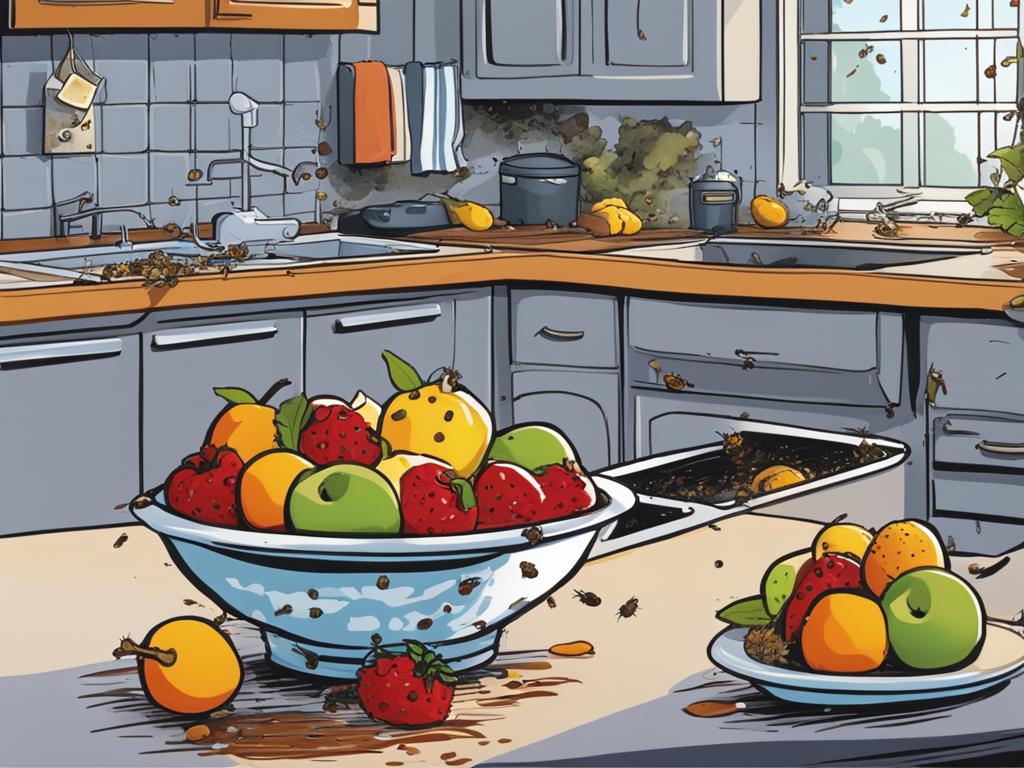
Fly Infestation vs. DIY Remedies vs. Professional Exterminator
| Factors | Fly Infestation | DIY Remedies | Professional Exterminator |
|---|---|---|---|
| Expertise | Minimal | Varies | Extensive |
| Efficiency | Low | Moderate | High |
| Long-Term Solution | No | No | Yes |
| Time and Effort | High | Varies | Minimal |
| Peace of Mind | No | No | Yes |
Starbar Quikstrike Fly Bait: An Ultra-Effective Solution
If you’re tired of dealing with pesky flies and need a quick and powerful solution, look no further than Starbar Quikstrike Fly Bait. This remarkable product is specially formulated to provide effective fly control in a matter of moments. It features the active ingredient Dinotefuran, which targets the nervous systems of flies, causing paralysis and eventual demise.
What sets Starbar Quikstrike Fly Bait apart is its fast-acting nature. Once applied, it quickly attracts flies, and upon consumption, it proves to be fatal. This swift action ensures that you can eliminate flies promptly, preventing them from becoming a persistent nuisance in your home or outdoor space.
Not only is Starbar Quikstrike Fly Bait highly effective, but it is also easy to use and apply. Simply spread the bait in areas where flies are commonly found, such as near dumpsters, livestock pens, manure piles, and compost bins. By targeting these high traffic areas, you can maximize the bait’s effectiveness and achieve optimal fly control.
One of the key advantages of Starbar Quikstrike Fly Bait is its ability to control flies that may have developed resistance to other methods. This makes it an ideal solution for those battling persistent fly populations. With Starbar Quikstrike Fly Bait, you can regain control of your space and enjoy a fly-free environment.
To summarize, Starbar Quikstrike Fly Bait offers:
- Fast-acting and efficient fly control
- Easy application methods
- Effective control of resistant flies
With Starbar Quikstrike Fly Bait, you can bid farewell to pesky flies and reclaim your living spaces. Don’t let flies disrupt your peace and tranquility. Choose the ultra-effective solution that delivers quick and lasting results.
Conclusion
Flies are a common nuisance in homes, but with the right strategies and solutions, you can eliminate them quickly. Natural remedies, fly traps, repellents, and proper sanitation are effective ways to get rid of flies. Preventing flies from entering the home and addressing potential breeding sites are crucial for long-term control. In cases of severe infestations, seeking professional help may be necessary. Consider using Starbar Quikstrike Fly Bait for ultra-effective fly control. With these tips and solutions, you can create a fly-free environment and enjoy a pest-free home.
FAQ
How can I quickly get rid of flies in the house?
There are several effective ways to eliminate flies quickly. You can use natural remedies like apple cider vinegar and dish soap, plant herbs as fly repellents, or use essential oils. Fly traps such as fly paper, chemical solutions, and light traps are also effective options.
What are the health risks associated with house flies?
House flies carry millions of microorganisms that can spread pathogens and food-borne illnesses. While they do not bite, they can transmit diseases by landing on surfaces and contaminating them with their saliva and feces.
Where do house flies breed?
House flies lay their eggs in areas with poor sanitation, such as rotting food, garbage, manure, and compost. They are attracted to decaying organic matter and can enter homes through unscreened windows, doors, or other openings in search of food or warmth.
How can I prevent house flies from entering my home?
To prevent house flies from entering your home, it is important to keep doors and windows sealed, repair screens, and secure openings. Maintaining cleanliness by cleaning up food waste and crumbs, securing trash cans with lids, and emptying them regularly is also key.
What are some natural remedies for getting rid of flies?
Natural remedies for getting rid of flies include mixing apple cider vinegar and dish soap in a bowl or jar, planting herbs like basil and mint near doorways and windows, and using essential oils such as lavender and peppermint as fly repellents.
What are some effective fly traps and repellents?
Fly paper, chemical solutions that target and kill flies, and light traps are effective options for trapping and eliminating flies. Yellow bug lights can also repel flies. These options offer fast and efficient ways to get rid of flies in your home.
How can I prevent fruit flies and gnats in my home?
To prevent fruit flies and gnats, it is important to clean up ripe or decaying fruit, keep drains clean, and empty trash regularly. Using vinegar traps, red wine or beer traps, and homemade citrus spray can also help eliminate them.
When should I seek professional help for a fly infestation?
If home remedies are not effective in handling a fly infestation, it may be necessary to seek professional help. A professional exterminator can assess the situation and provide an effective solution tailored to your home.
What is Starbar Quikstrike Fly Bait and how does it work?
Starbar Quikstrike Fly Bait is an ultra-effective solution for getting rid of flies quickly. It contains Dinotefuran, which acts on flies’ nervous systems, causing paralysis and ultimately death. It can be applied in areas where flies are commonly found, such as around dumpsters, livestock pens, manure piles, and compost bins.
How can I create a fly-free home environment?
To create a fly-free home environment, it is important to prevent flies from entering your home by sealing openings and maintaining cleanliness. Addressing potential breeding grounds such as rotting food or stagnant water is also crucial. Limiting lights at night and considering the use of yellow bug lights can also help prevent flies.