

Ah, the great outdoors. The fresh air, the beautiful scenery…and the annoying flies buzzing around your head. We’ve all been there, trying to enjoy a peaceful afternoon in our backyard only to be constantly bothered by these pesky insects. But fear not, because we have the ultimate guide on how to get rid of flies outside and reclaim your serene outdoor oasis.
Flies can quickly turn a pleasant day into a frustrating experience. That’s why it’s crucial to take proactive steps to eliminate their sources, attract natural predators, and deploy effective traps and repellents. By following our simple tips and tricks, you’ll be able to enjoy your fly-free backyard in no time. So say goodbye to those bothersome flies and hello to a peaceful and relaxing outdoor space!
Find the Source and Eliminate It
Flies are attracted to decaying organic matter like compost, rotting produce, and animal waste. To get rid of flies outside, you need to identify and eliminate these sources. Regularly clean your garbage cans with a bleach solution, keep your compost bins away from your home and covered, and promptly remove and dispose of animal waste to prevent flies from infesting your yard.
Key Takeaways:
- Regularly clean garbage cans and keep them sealed to avoid fly infestations.
- Ensure your compost bins are covered and placed away from your home.
- Promptly remove and dispose of animal waste to prevent flies from laying eggs.
Find the Source and Eliminate It
Flies can be pesky little creatures, buzzing around and ruining your outdoor experience. To create a fly-free backyard, you need to get to the root of the problem and eliminate the sources that attract them. Flies are particularly drawn to decaying organic matter like compost, rotting produce, and animal waste.
So, what can you do to eliminate these fly sources and reclaim your outdoor space?
- Clean your garbage cans: Regularly clean your garbage cans with a bleach solution to remove any lingering odors and residues that may attract flies. This simple step can go a long way in deterring these pests from making your yard their breeding ground.
- Keep compost bins covered: If you have a compost bin, make sure it is covered at all times to prevent flies from accessing decaying organic matter. Consider placing the compost bin away from your home to further minimize the risk of attracting flies.
- Promptly dispose of animal waste: Pets are a source of joy, but their waste can be a magnet for flies. Always promptly pick up and dispose of any animal waste to prevent flies from laying their eggs in it. This simple habit will help keep your yard fly-free.
- Seal cracks: Flies can find their way into your home through small cracks around windows and doors. Inspect your home and seal any gaps or cracks to prevent their entry. By keeping flies out of your house, you’ll have a more pleasant and fly-free outdoor experience.
Remember, a clean and well-maintained outdoor environment is the key to eliminating fly sources and enjoying a fly-free backyard.
Clean With Pine Sol
Maintaining a fly-free outdoor space is essential for a peaceful and enjoyable time in your backyard. Flies can quickly become a nuisance, but you can deter them effectively by using a simple solution: Pine Sol.

Flies are known to dislike the smell of pine, making Pine Sol an ideal deterrent for outdoor fly infestations. To make the most of its fly-repellent properties, follow these steps:
- Mix a solution of hot water and Pine Sol in a bucket or spray bottle.
- Start by testing the solution on a small and inconspicuous spot to ensure it doesn’t cause any discoloration or damage.
- Once tested, you can confidently swab your porch, deck, and the sides of your house with the Pine Sol solution.
- For best results, repeat the application every few days or after rainfall to maintain the effectiveness of the deterrent against outdoor fly infestations.
The strong pine scent of Pine Sol will help keep flies at bay, allowing you to enjoy a fly-free outdoor space. Don’t let these pesky insects ruin your relaxation time in the sun!
Host Natural Predators
Don’t let flies ruin your backyard experience. Take advantage of nature’s built-in fly control system by attracting natural predators like birds, bats, and frogs. These amazing creatures can help reduce the fly population and restore tranquility to your outdoor space.
Setting up a welcoming environment for these natural predators is a simple and effective way to tackle the fly problem. Here are a few tips to attract birds, bats, and frogs to your yard:
- Install birdbaths: Birds love to bathe and drink water, so placing a birdbath in your yard will entice them to visit. Choose a design that is shallow and easy to clean.
- Put up birdhouses: Provide a safe haven for birds to nest and raise their young by installing birdhouses in various parts of your yard. Different bird species have different preferences, so research which types of houses are suitable for the birds in your area.
- Build bat houses: Bats are excellent fly hunters, consuming hundreds of insects in a single night. Install bat houses near trees or structures to provide shelter and attract these beneficial creatures.
- Create a frog-friendly environment: Frogs are natural predators of flies and their larvae. Enhance your yard’s appeal to frogs by adding a small pond or water feature, planting dense vegetation, and reducing pesticide use.
While attracting birds is beneficial, be cautious with squirrels, as they can become a nuisance. Choose bird feeders that discourage squirrels from feasting on them, ensuring the focus remains on attracting the feathered fly fighters.
Remember, by hosting natural predators in your backyard, you can create a balanced ecosystem that helps reduce the fly population and maintain a fly-free outdoor space.
The Benefits of Hosting Natural Predators
“By attracting birds, bats, and frogs to your yard, you’re not only reducing the fly population but also promoting a healthier and more sustainable environment. It’s nature’s pest control at its finest!”
| Natural Predators | Key Benefits | |
|---|---|---|
| Birds | Efficient fly hunters | Help control fly population |
| Bats | Nocturnal insect predators | Can consume hundreds of flies per night |
| Frogs | Predators of fly larvae | Reduce the number of flies in the larval stage |
Use Fly Traps
When it comes to getting rid of those pesky flies in your outdoor space, fly traps are your secret weapon. These ingenious contraptions are highly effective for tackling outdoor fly infestations and keeping your space free from those bothersome pests.
Most fly traps on the market today make use of a liquid or powder that is derived from putrescent eggs. Now, I know what you’re thinking, putrescent eggs? That doesn’t sound very appealing. And you’re right, they emit a pretty foul odor, but that’s exactly what attracts flies to these traps. It’s like a moth to a flame, except in this case, it’s a fly to a trap.
When setting up fly traps, placement is key. Multiple traps strategically positioned along the perimeter of your property, away from your home, will maximize effectiveness. Flies will be irresistibly drawn to these putrescent traps, freeing your outdoor space from their pesky presence.
Remember to regularly switch out the traps when they are full. Flies won’t be able to resist the temptation, and each trap will quickly fill up with caught flies. So don’t be shy, keep those traps refreshed and ready to catch more unsuspecting flies.
Benefits of Using Multiple Fly Traps
Dealing with a severe fly infestation? Using multiple fly traps can significantly enhance your fly-catching efforts. Placing several traps strategically across your outdoor space ensures that flies have no escape. With their heightened effectiveness and coverage, you’ll soon see a decline in the fly population.
But don’t just take my word for it – let the numbers speak for themselves. Take a look at the table below to see the significant impact of using multiple fly traps:
| Number of Traps | Average Number of Flies Caught per Day |
|---|---|
| 1 | 10 |
| 3 | 30 |
| 5 | 50 |
| 10 | 100 |
As you can see, the more traps you use, the greater the number of flies you’ll catch. So go ahead, don’t hold back – set up those extra traps and watch the fly population dwindle.
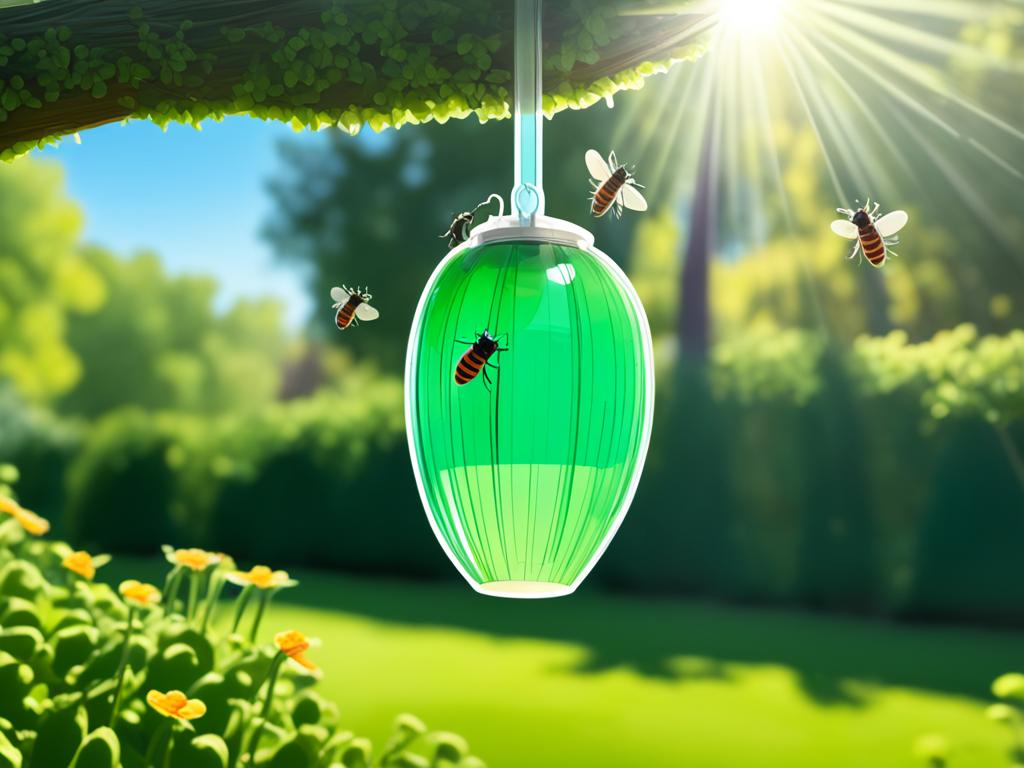
Fly traps are an effective and efficient way to get rid of flies in your outdoor space. Their use of putrescent eggs, combined with smart placement and multiple traps, ensures you’ll have a fly-free zone where you can relax and enjoy the great outdoors. So say goodbye to those buzzing nuisances and say hello to a more peaceful and pleasant outdoor environment.
Use Fly Paper
Fly paper is a fantastic tool for trapping annoying flies in your outdoor areas. With its sticky surface, it effectively captures flies and prevents them from buzzing around your peaceful space.
Here’s how you can use fly paper to trap flies:
- Hang up sticky strips of fly paper in strategic locations throughout your outdoor areas. Be sure to place them near fly hotspots, such as garbage cans or areas where food is prepared.
- The sweet smell of the fly paper will attract flies, luring them towards the sticky strip. Once the flies make contact, they will be trapped.
- Periodically check the fly paper to gauge its effectiveness. Once the paper is covered with flies, carefully collect it using a plastic bag and dispose of it properly.
Fly paper is particularly useful for smaller spaces like patios or decks, where flies tend to congregate.
| Type of Trap | Effectiveness | Placement |
|---|---|---|
| Fly Paper | Highly effective | Hang in outdoor areas near fly hotspots |
| Sticky Strips | Excellent at trapping flies | Strategically position around outdoor spaces |
| Insecticide Spray | Fast-acting and potent | Directly target flies or infested areas |
Remember, fly paper can be used in conjunction with other fly control measures like cleaning up decaying matter or using insecticide sprays for maximum effectiveness.
In the next section, we’ll explore the benefits of using fans or lighting candles to further confuse and repel flies from your outdoor space.
Use Fans or Light Candles
Flies can be quite pesky, but there are clever ways to confuse and deter these bothersome insects from ruining your outdoor experience. One way to perplex them is by using fans. Flies dislike moving air and prefer still environments, so by strategically placing a fan on your patio or deck, you create a gentle breeze that not only keeps you cool but also confuses flies and makes it harder for them to land and annoy you.
If you’re hosting a gathering in a smaller outdoor space, consider lighting some citronella candles. These candles not only repel mosquitoes but also work wonders in keeping common flies at bay. The scent of citronella is highly disliked by flies, which makes these candles an excellent addition to your outdoor setup, creating a pleasant and fly-free ambiance.
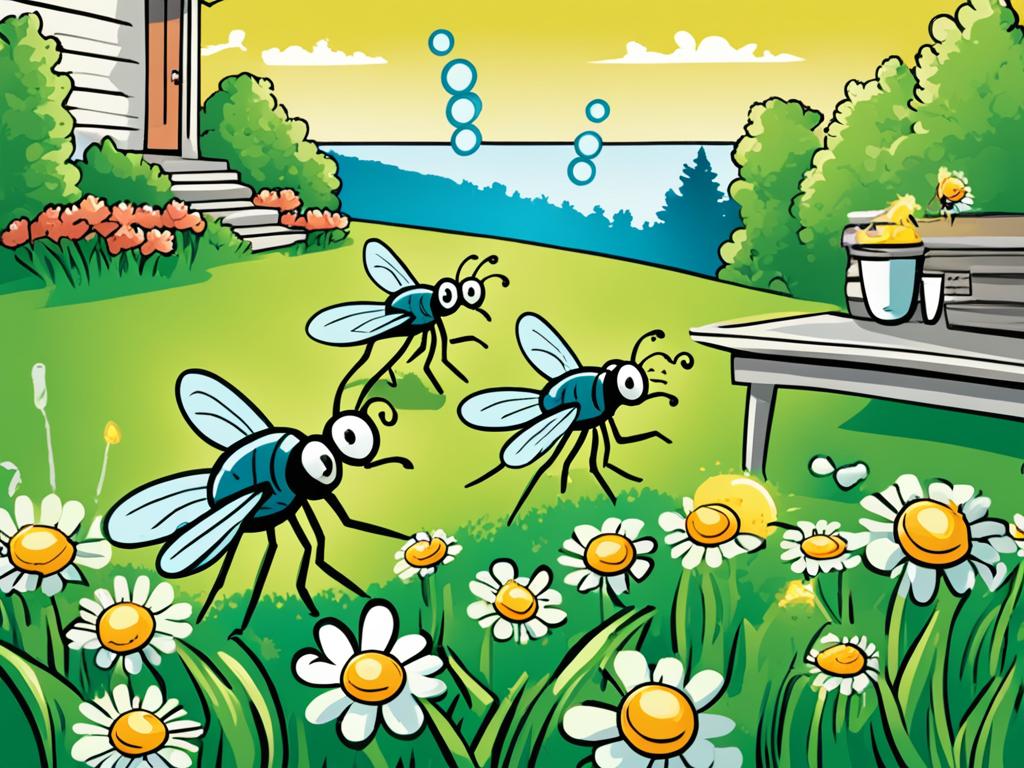
- Use fans to create a gentle breeze that confuses flies and prevents them from landing.
- Light citronella candles to repel mosquitoes and ward off common flies in smaller outdoor spaces.
By implementing these tactics, you can enjoy your outdoor activities without constantly swatting away pesky flies. So go ahead, set up the fans and light those citronella candles, and create a comfortable and fly-free environment for yourself and your guests to enjoy.
Use Essential Oils
Certain essential oils are a natural and aromatic deterrent for flies, thanks to their strong and pungent odors. Take advantage of these powerful scents by incorporating essential oils into your fly-fighting arsenal. A few drops of essential oils like clove, lavender, mint, lemongrass, eucalyptus, rosemary, or citronella can work wonders in keeping flies at bay.
One DIY option is to apply these essential oils to homemade fly paper. Create your own sticky traps by soaking strips of paper in a mixture of essential oils and water. Hang these DIY fly papers in strategic areas where flies tend to gather. The strong odors will repel flies and prevent them from bothering you and your outdoor activities.
If you prefer a more versatile solution, you can make a fly-repellent spray using essential oils. Mix a few drops of essential oil with water in a spray bottle. You can then use this spray to coat your deck, patio, or any other outdoor surfaces that often attract flies. The potent aroma will deter flies from approaching and invading your living space, allowing you to enjoy your outdoor areas comfortably.
DIY Fly Paper with Essential Oils
- Prepare a mixture of essential oils and water in a bowl. You can combine multiple oils for a stronger repellent effect.
- Cut strips of paper or cardboard, approximately 2 inches wide and 6 inches long.
- Dip each strip into the essential oil mixture, ensuring that it is fully saturated.
- Allow the strips to dry slightly, but not completely, to maintain stickiness.
- Hang the DIY fly papers in areas where flies are common, such as near garbage cans, outdoor dining areas, and entryways.
- Replace the fly papers as needed or when they become full of trapped flies.
With the power of essential oils, you can create effective DIY fly paper or spray that not only keeps flies away but also adds a pleasant fragrance to your outdoor spaces. Embrace the natural scents and say goodbye to pesky flies!
Eliminate Food Sources
Flies are notorious for being attracted to food sources, so it’s essential to eliminate any potential temptations in your outdoor space. By taking a few simple steps, you can make your yard less appealing to these bothersome insects. Here’s what you need to do:
- Keep trash cans sealed and clean: Flies are drawn to the smell of rotting food and organic waste. Make sure your trash cans are tightly sealed to prevent flies from accessing the contents. Regularly clean the cans to remove any residual odors that might attract them.
- Pick up pet waste regularly: Animal droppings, such as dog waste, serve as a breeding ground for flies. Be diligent about picking up after your pets and dispose of their waste in sealed bags.
- Remove dead or decaying plants: Flies are also attracted to decaying organic matter like dead plants. Remove any wilted or decaying vegetation from your outdoor areas to minimize fly activity.
- Seal cracks around windows and doors: Flies can easily find their way into your home through small cracks and gaps. Seal any openings around windows, doors, and screens to prevent flies from entering your living space.
By implementing these measures, you significantly reduce the appeal of your yard to flies, making it a less attractive breeding ground and minimizing their presence.
“Flies don’t stand a chance against your determination to eliminate their favorite food sources. With a few simple steps, you can enjoy a fly-free outdoor oasis!”
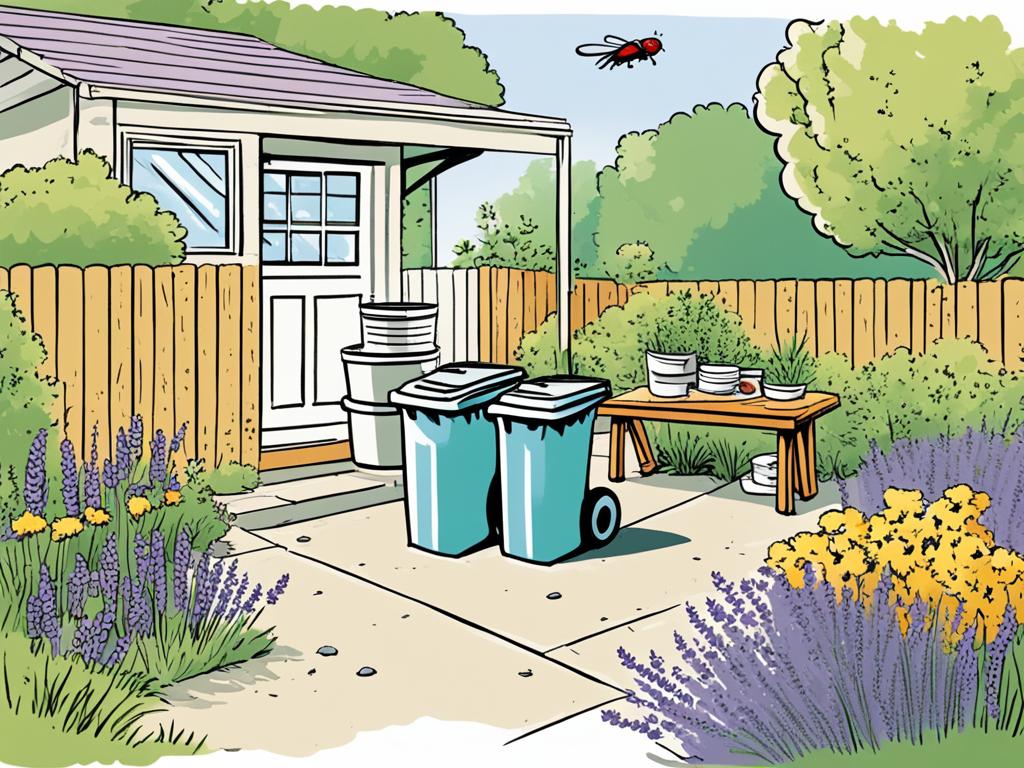
Take a look at the table below for a quick summary of the food sources that attract flies and how you can remove them:
| Food Sources | Removal Steps |
|---|---|
| Trash cans | Keep them sealed and clean |
| Pet waste | Pick up regularly using sealed bags |
| Dead or decaying plants | Remove from your yard |
| Cracks around windows and doors | Seal with caulk or weatherstripping |
By following these tips and implementing the suggested removal steps, you can effectively eliminate fly food sources and ensure a more enjoyable and fly-free outdoor experience.
Encourage Natural Predators
Fighting flies in your backyard? You don’t have to do it alone! Natural predators like spiders, birds, bats, and frogs can play a crucial role in controlling the fly population and keeping your outdoor space fly-free. Here’s how you can harness the power of these friendly allies:
Spider Webs: Nature’s Fly Catchers
Spiders are excellent hunters and can help trap and eliminate flies in your yard. Instead of clearing away spider webs, consider leaving them intact. These intricate webs act as natural fly catchers, ensnaring pesky flies and reducing their numbers.
Welcome Avian Allies: Birds and Bats
Birds are not only beautiful to watch but also effective at insect control. Set up birdhouses and bird baths to attract a variety of bird species to your yard. They will feast on flies, serving as a natural fly deterrent.
Bats, too, are voracious insect eaters and can consume a significant number of flies in a single night. Install bat houses in your backyard to provide shelter and encourage these nocturnal fliers to assist in your fly control efforts.
Amphibious Ambassadors: Frogs and Toads
Frogs and toads are natural predators of insects, including flies. Create a suitable habitat for these amphibians by incorporating a small pond or water feature in your yard. The presence of water will attract frogs and toads, who will happily snack on any flies they encounter.
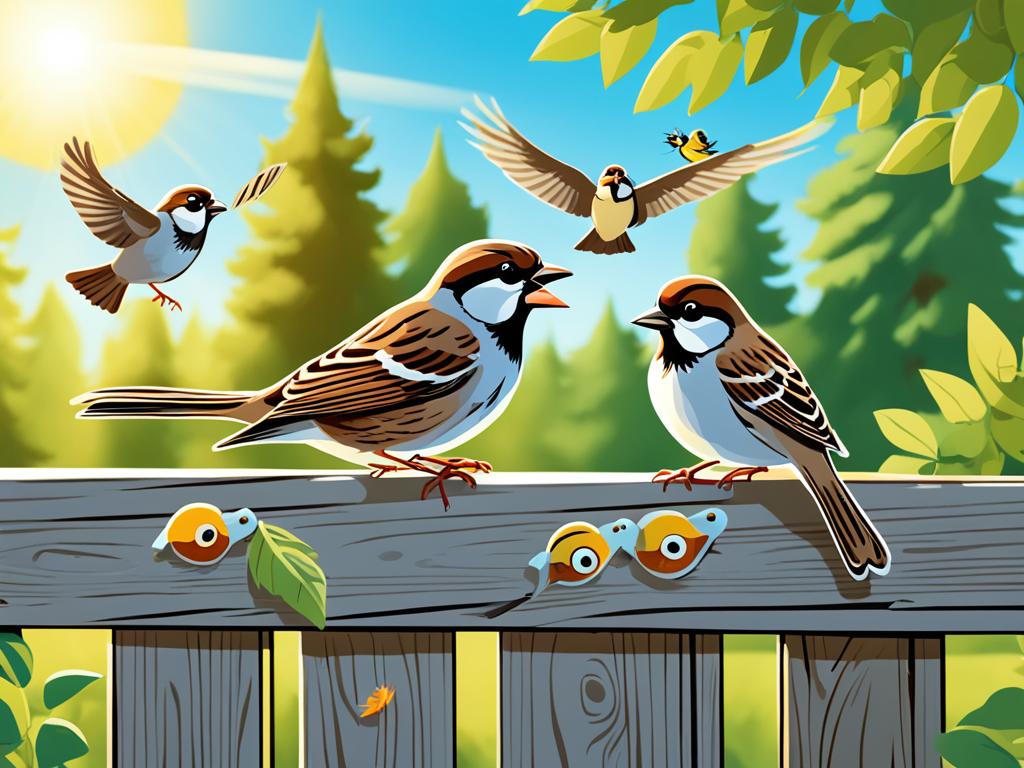
How Natural Predators Control Flies
| Predator | Method of Control |
|---|---|
| Spiders | Trap flies in their webs |
| Birds | Feast on flies, reducing their population |
| Bats | Consume large numbers of flies during their nighttime hunts |
| Frogs and Toads | Feed on flies and other insects found near water sources |
By encouraging natural predators like spiders, birds, bats, and frogs, you can establish a natural balance in your backyard ecosystem. Not only will these creatures assist in controlling the fly population, but they will also add beauty and intrigue to your outdoor space.
Use Traps and Repellents
When it comes to getting rid of flies outside, using traps and repellents can be highly effective. Here are some ingenious methods to keep those pesky flies away from your outdoor space:
1. Fly Traps:
If you prefer a hands-on approach, you can set up fly traps to catch and eliminate flies. There are different types of fly traps available, ranging from homemade options to commercial products. You can make your own fly traps using a mixture of molasses and cornmeal or purchase ready-to-use traps from stores. These traps attract flies and prevent them from becoming a nuisance in your backyard.
2. Homemade Vinegar Trap:
Flies are attracted to the smell of vinegar, making it an effective ingredient for a homemade trap. To create a vinegar trap, just fill a jar or bowl with vinegar and cover it tightly with plastic wrap. Poke small holes in the plastic wrap so that the flies can enter but have difficulty getting out. The flies will be attracted to the vinegar and eventually drown in it.
3. UV Light Traps:
UV light traps are another practical option to consider. These traps use ultraviolet light to attract flies and other flying insects. Once the flies are lured to the light, they get trapped in a container or sticky surface. UV light traps can be particularly useful in outdoor areas, effectively reducing the fly population in your backyard.
4. Insecticide-Impregnated Resin Strips:
Insecticide-impregnated resin strips are a long-lasting solution for fly control. These strips release a slow and continuous vapor that repels flies, making them an ideal choice for outdoor spaces. Simply hang the strips in areas where flies frequent, such as near doors, windows, or patios.
5. Fly Repellents:
Aside from using traps, you can also utilize fly repellents to keep flies at bay. One simple method is to fill a clear plastic bag with water and add a handful of vodka and cloves. Hang these bags strategically around your outdoor area to deter flies with their strong scent. Alternatively, certain essential oils like lavender, peppermint, or eucalyptus can also be used as natural fly repellents. Dilute a few drops of your chosen essential oil in water and spray it around your patio or deck.
Remember, a combination of traps and repellents can provide optimal results in battling these persistent pests. Experiment with different methods and find what works best for your fly-free outdoor oasis.
Conclusion
Congratulations on taking the first step towards creating a fly-free outdoor space! By implementing these simple yet effective strategies, you can say goodbye to those pesky flies and enjoy a serene and uninterrupted outdoor oasis. Here’s a quick recap of what you’ve learned:
First and foremost, eliminate fly food sources. Keep your trash cans sealed, clean up pet waste regularly, and remove any dead or decaying plants. By doing so, you’ll make your outdoor space less appealing to flies and discourage their presence.
Next, make use of natural predators like spiders, birds, bats, and frogs. Encourage these helpful creatures to take up residence in your yard by setting up birdhouses, birdbaths, bat houses, and creating a suitable habitat for frogs. They’ll do an excellent job of keeping the fly population in check.
Additionally, use traps and repellents to further combat flies. You can set up fly traps or try DIY vinegar traps to attract and eliminate flies. UV light traps and insecticide-impregnated resin strips are also effective options. Don’t forget to apply fly repellents like cloves or vodka-filled bags to prevent flies from bothering you.
Finally, maintaining a clean and well-maintained outdoor environment is key. Regularly clean garbage cans, keep compost bins covered, and swab your porch and deck with a Pine Sol solution to deter flies. Remember to replace fly traps when they are full and use multiple traps for severe infestations.
By following these tips and being consistent with your efforts, you can create a fly-free outdoor space that you and your loved ones can truly enjoy. Say goodbye to those annoying flies and hello to a peaceful and fly-free oasis!
FAQ
How can I get rid of flies outside?
To get rid of flies outside, it’s important to find and eliminate their sources of attraction, such as decaying organic matter, compost, and animal waste. Regularly clean garbage cans, keep compost bins covered, and promptly dispose of animal waste. Employing natural predators, using fly traps, and repellents can also help control the fly population.
What should I do to eliminate fly sources?
To eliminate fly sources, clean garbage cans regularly with a bleach solution, keep compost bins away from your home, and cover them whenever possible. Also, promptly pick up and dispose of animal waste to prevent flies from laying eggs and infesting your yard.
Can Pine Sol help in getting rid of flies outside?
Yes, Pine Sol can be an effective deterrent for outdoor fly infestations. Create a solution of hot water and Pine Sol and swab your porch, deck, and the sides of your house. Test the solution on a small spot before applying it to larger areas. Repeat the application every few days for maximum effectiveness.
How can I attract natural predators to control the fly population?
You can attract natural predators like birds, bats, and frogs to control the fly population in your backyard. Set up birdbaths, birdhouses, and bat houses in your yard to provide them with a suitable habitat. However, be cautious with attracting birds, as they may also attract squirrels. Choose bird feeders that discourage squirrels from feeding off of them.
What can I use for trapping flies outside?
Fly traps can be highly effective for outdoor fly infestations. Most fly traps use a liquid or powder made from putrescent eggs, which emits a foul odor that attracts flies. Use several fly traps along the perimeter of your property, away from your home. Switch out the traps when they are full and consider using multiple traps for severe infestations.
How does fly paper work in trapping flies?
Fly paper is an easy-to-use and effective method for trapping flies. Hang up sticky strips of fly paper in your outdoor areas. Flies will be attracted to the strip and get stuck to the sticky surface. Once the paper is covered with flies, collect it in a bag and dispose of it. Fly paper is especially useful for small spaces like patios or decks.
What can I use to confuse flies and keep them away?
Flies dislike moving air and prefer still air. Use a fan on your patio or deck to create a breeze that confuses flies and keeps them away. Additionally, light citronella candles, which not only repel mosquitoes but also keep common flies at bay, especially in smaller spaces.
Can essential oils help in repelling flies?
Yes, certain essential oils like clove, lavender, mint, lemongrass, eucalyptus, rosemary, or citronella are disliked by flies due to their strong and pungent odors. You can apply a few drops of these essential oils to DIY fly paper or spray them on your deck and patio to keep flies away from your home.
How can I eliminate food sources to prevent flies?
Flies are attracted to food sources, so make sure to eliminate any potential food sources outside. Keep trash cans sealed and clean, pick up pet waste regularly, and remove dead or decaying plants. Additionally, seal any cracks around windows and doors to prevent flies from entering your home.
How can I encourage natural predators to control the fly population?
Natural predators like spiders, birds, bats, and frogs can help control the fly population. Allow spider webs to remain intact as they help catch flies. Set up birdhouses, bird baths, and bat houses to attract these predators to your yard. Welcome frogs and amphibians by creating a suitable habitat for them.
What traps and repellents can I use to get rid of flies outside?
You can set up fly traps like molasses and cornmeal mixture traps or purchase commercial traps. Experiment with homemade vinegar traps to attract and kill flies. You can also use UV light traps or invest in insecticide-impregnated resin strips. Apply fly repellents like vodka-filled bags or cloves to keep flies away.
How can I create a fly-free outdoor space?
By following these simple tips, you can effectively get rid of flies outside and create a fly-free outdoor space. Eliminate fly food sources, employ natural predators, use traps and repellents, and maintain a clean and well-maintained outdoor environment. With these strategies, you can enjoy a serene and uninterrupted outdoor oasis.