
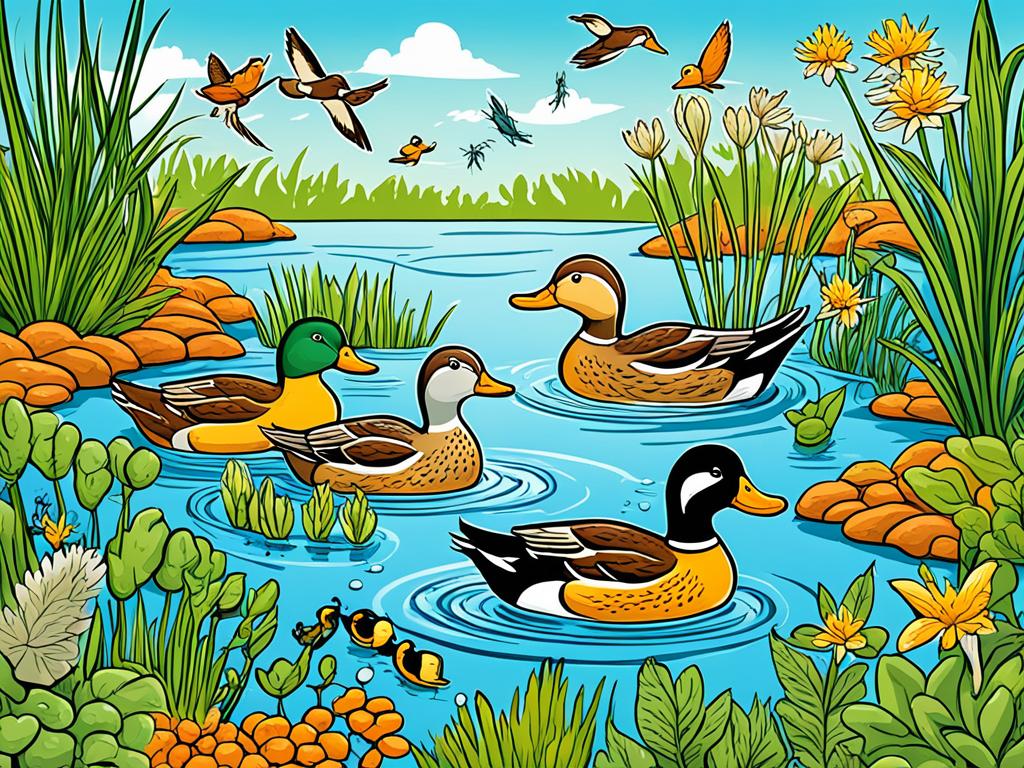
Welcome to the fascinating world of wild ducks and their quirky food preferences. Have you ever wondered what these feathered friends devour in their natural habitats? Well, get ready to be amazed because ducks are true connoisseurs of both plants and animals! They have a diverse diet that varies based on their surroundings and what Mother Nature serves up on any given day.
In the wild, ducks are opportunistic eaters, known for their ability to adapt to different food sources. Whether it’s dining on delectable aquatic plants, gobbling up invertebrates, or even indulging in the occasional fishy treat, ducks are truly the Quentin Tarantino of the bird world when it comes to their eclectic diets. You never know what they’ll bring to the table!
But let’s not get ahead of ourselves. Before we delve into the specifics, let’s take a moment to understand what it means to be an omnivorous bird like our fine, feathered friends. Being omnivorous means that ducks enjoy the best of both worlds – a healthy mix of plant-based delicacies and a side of tasty animal treats, resulting in a well-balanced and adventure-filled menu.
Are you ready to explore the different types of ducks and their distinctive feeding behaviors? We’re going to dive into the world of dabbling ducks and diving ducks to uncover their secrets. Get ready for a ducktastic journey!
Key Takeaways:
- Ducks are omnivorous birds, consuming a mixture of plants and animals in the wild.
- Their diet varies based on their habitat and the availability of food.
- Dabbling ducks and diving ducks have distinct feeding behaviors.
- Aquatic plants are a significant part of a duck’s diet.
- Ducks also consume other plant matter, invertebrates, fish, and even amphibians.
Ducks as Omnivorous Birds
Ducks are fascinating creatures known for their adaptability and diverse diet. As omnivorous birds, they have a remarkable ability to consume both plants and animals, allowing them to thrive in various environments and find suitable food sources. These charismatic waterfowl showcase opportunistic feeding behavior, adjusting their diet based on factors such as habitat and food availability. Let’s explore their fascinating diet and discover what makes them true omnivores.
Unlike strict herbivores or carnivores, ducks have a flexible palate that enables them to switch between animal matter and plant matter depending on the season and circumstances. During the breeding season and migration, some species of ducks prefer animal matter, which provides them with essential nutrients and energy for reproduction and long-distance flights.
However, during the winter months when plant resources are more abundant, ducks tend to shift their focus towards consuming plant matter. This strategy allows them to capitalize on the available food sources and maintain their energy levels throughout colder seasons.
One of the remarkable qualities of ducks is their ability to exploit a wide range of food resources. They readily consume aquatic plants, including grasses, sedges, pondweed, and rushes, which form a significant part of their diet. These plants provide essential nutrients and serve as a vital food source for ducks, supporting their overall health and well-being.

Did you know? Ducks are not only fond of aquatic plants but also have a taste for other plant matter. They enjoy munching on berries, buds, seeds, and flowers, showcasing their adventurous palate. So, next time you encounter a duck, don’t be surprised if it’s eyeing that nearby berry bush!
While ducks are admirably flexible when it comes to their diet, they also have specific feeding behaviors that correlate with their preferred food sources. Some ducks, known as dabbling ducks, live in shallow water and feed by dipping their heads underwater to scoop up vegetation and insects. They may also graze on land for seeds and grain.
In contrast, diving ducks have evolved to pursue a more specialized diet. With remarkable diving skills, they plunge deep beneath the water’s surface to catch fish, chase insects, or bring up aquatic plants. These diving ducks have adapted to maximize their foraging efficiency in aquatic environments.
Ducks truly embody the concept of being versatile eaters, blending both the animal and plant kingdoms into their diet. Their omnivorous nature not only allows them to survive in a variety of habitats but also ensures they can find the necessary nutrients for their growth and well-being.
As you can see, the omnivorous diet of ducks is both fascinating and essential for their survival. From aquatic plants to berries and insects, ducks utilize a wide range of food sources to meet their nutritional needs. Their adaptability and opportunistic feeding behavior make them resilient birds capable of thriving in diverse environments.
Dabbling Ducks and Diving Ducks
Ah, ducks! These charismatic waterfowl never cease to amaze us with their fascinating feeding behavior. In the world of ducks, there are two main categories: dabbling ducks and diving ducks. Let’s dive into the details, shall we?
Dabbling Ducks:
First up, we have dabbling ducks. These quackers are known for their knack for living in shallow waters and dabbling around for delicious treats. Picture a delightful scene of a mallard or a teals dipping their heads underwater, scooping up vegetation, and snatching up unsuspecting insects. It’s like they’re having their very own buffet in the water! But here’s the twist – dabbling ducks don’t limit themselves to just aquatic feasts. No, no, no! These clever creatures also head to land, grazing on seeds and grain. They truly have a taste for both worlds.
Diving Ducks:
Now, let’s shift our attention to the diving ducks. These water acrobats take feeding to a whole new level. Instead of simply dabbling in shallow waters, diving ducks take the plunge, venturing deep below the water’s surface in pursuit of their prey. It’s like they’re on a thrilling underwater expedition. Some diving ducks have a flair for fishing, skillfully catching fish in their beaks. Others prefer to chase after scrumptious insects or pull up luscious aquatic plants. Talk about a diverse menu!
So, whether they’re dabbling or diving, ducks have mastered the art of satisfying their hunger. It’s all about adapting to their environment and finding the perfect feeding method that suits their taste. It’s just another reminder of the incredible diversity and adaptability of these feathered friends.

| Dabbling Ducks | Diving Ducks |
|---|---|
| Mallard | Common Merganser |
| Teal | Canvasback |
| Wood Duck | Red-breasted Merganser |
Importance of Aquatic Plants in Duck Diets
When it comes to duck diets, aquatic plants play a vital role in supporting their health and wellbeing. As excellent swimmers, ducks typically reside near water bodies, whether freshwater or seawater. This proximity to water means that ducks consume a significant portion of their diet from aquatic vegetation throughout the year.
Different species of ducks have specific preferences when it comes to aquatic plants. Some ducks have a fondness for the leafy parts of aquatic vegetation, such as grasses, sedges, pondweed, and rushes. Others prefer to munch on the seeds of wetland plants. Interestingly, some ducks even have a taste for the roots and tubers of aquatic plants.
But why are aquatic plants so important in a duck’s diet? These plants provide essential nutrients that contribute to their overall health. They are rich in vitamins, minerals, and fiber, offering a well-rounded source of nourishment. In addition, aquatic plants are abundant and readily available in the natural habitat of ducks, making them a reliable and sustainable food source.
To illustrate the diversity of aquatic plants in a duck’s diet, here is a list of some common species favored by different duck species:
- Grasses
- Sedges
- Pondweed
- Rushes
To get a visual representation of the importance of aquatic plants in a duck’s diet, take a look at the image below:

As the image shows, aquatic plants are a central component of a duck’s diet, providing them with the necessary nutrients to thrive. By consuming these plants, ducks are not only nourishing themselves but also contributing to the ecological balance of their habitat.
Other Components of a Duck’s Diet
Don’t let their quacks fool you, ducks are culinary connoisseurs! While aquatic plants play a major role in their diet, ducks also have a taste for other delicacies. In fact, they have quite an eclectic palate that includes agricultural crops, berries, buds, seeds, and flowers. It’s like they’re always on a food safari, exploring new flavors and textures!
In winter, ducks turn into foodies of the field, relishing in crops like rice, wheat, corn, and barley. Just imagine them waddling through the scenic farmlands, savoring the golden grains beneath their dainty webbed feet. Some ducks even have a penchant for acorns, like the wood ducks.
Tables may not be their preferred dining setting, but ducks have been known to nibble on agricultural grains, such as oats and wheat. It’s like they appreciate a good grain salad to complement their leafy green diet!
“Quack-quack! Ducks have mastered the art of balance in their diets, pairing aquatic plants with an array of other tasty treats!”
If there’s a bountiful berry bush nearby, you can bet that ducks won’t miss out on the sweet, juicy goodness. Berries are like nature’s candy for these feathery foodies, providing them with delicious bursts of flavor that make their taste buds sing.
“Quack-quack! These berries are simply quack-tastic! Come join us for a berrylicious feast!”
Seeds and buds also make their way onto the duck’s menu, offering both sustenance and a delightful crunch. It’s like they’re savoring a nature-inspired snack mix, finding pleasure in every bite.
Let’s not forget about their appreciation for the finer things in life—flowers! Ducks have been caught red-beaked, indulging in the delicate petals of various blooms. Talk about dining with sophistication and grace!
So, next time you spot a duck quacking by, take a moment to appreciate their exquisite taste in food. From agricultural crops to berries, seeds, buds, and even flowers, ducks are the ultimate food enthusiasts!

Invertebrates in the Duck Diet
When it comes to the diet of ducks, invertebrates play a crucial role in their meals. Both dabbling and diving ducks rely on these small creatures for sustenance. Dabbling ducks have a penchant for terrestrial invertebrates, while diving ducks are more inclined towards those found in aquatic habitats. So, what exactly does this mean for their diet? Let’s take a closer look.
For dabbling ducks, insects take center stage. These tasty treats include midges, horseflies, beetles, and a variety of other creepy crawlies. Think of it as an all-you-can-eat bug buffet for our web-footed friends. It’s like they’re saying, “Beetle, beetle, who wants a seatle?”
On the other hand, diving ducks like the lesser scaup prefer a seafood feast. They indulge themselves with a feast of clams, snails, crustaceans, and all sorts of aquatic insects. It’s like they’re saying, “I’ll have the crustacean platter, please! And don’t forget the snails!” These ducks even go as far as swallowing whole mollusks and crabs, using their trusty gizzards to grind up those pesky shells and dispose of them efficiently.

“I can’t get enough of those delicious invertebrates,” a diving duck might say. “They’re the essence of underwater yumminess!”
So, it’s safe to say that invertebrates, especially insects, are an essential part of a duck’s diet. Whether they’re diving for crustaceans or dabbling for beetles, these feathered foragers know how to satisfy their taste buds. And with their ability to adapt to different habitats and food sources, ducks find ways to thrive in a variety of environments.
Fish and Amphibians in Duck Diets
While most ducks primarily consume plants and invertebrates, some species have a taste for a more aquatic delicacy: fish and amphibians. It seems these ducks have developed a sophisticated palate!
Diving ducks like scoters and goldeneyes are known to add fish to their menu, albeit in small portions. They dive beneath the water’s surface to catch their piscine prey. Impressive, right?
But wait, there’s more! Let’s not forget about the mergansers, also known as fish ducks. These cunning ducks have specialized in the art of catching and devouring a wide variety of fish. They are like the master chefs of the duck world!
Now, don’t be surprised if you find ducks snacking on some fish eggs or roe. It’s like their version of indulging in caviar!
And for those who enjoy a tadpole tartare or frogspawn feast, ducks will also gladly savor the eggs of amphibians. But adult amphibians? Well, they’re generally too large for our duck friends to comfortably consume.
So, the next time you spot a duck near a body of water, remember that it may have a secret craving for some underwater delights!

Ducks that Incorporate Fish and Amphibians in Their Diet
| Duck Species | Fish Consumption | Amphibian Consumption |
|---|---|---|
| Scoters | Occasional | Minimal |
| Goldeneyes | Occasional | Minimal |
| Mergansers | Specialists | Minimal |
Potential Issues with Feeding Ducks Inappropriately
Feeding ducks in public parks has become quite a trendy activity, and it can be a delightful experience to interact with these feathered friends. However, it is crucial to keep in mind that not all foods are suitable for our avian companions. Feeding ducks bread, chips, and other human snack foods may seem harmless, but it can have severe health consequences for the birds. These foods are low in nutritional value and can lead to various nutritional disorders, such as metabolic bone disease and the infamous “angel wing” condition, which affects their wing development and flight ability.

Feeding ducks in excess can also cause other detrimental effects. One of the primary concerns is overcrowding. When people flock to feed the ducks, it often leads to an increased population in certain areas. This overcrowding creates intense competition for food, leaving some ducks malnourished and unable to find sufficient sustenance. Besides directly affecting the ducks’ health, this can disrupt the delicate balance of the ecosystem and contribute to habitat degradation.
The consequences of inappropriate feeding extend beyond the well-being of the ducks themselves. Excessive feeding and the accumulation of leftover food can attract vermin and other pests, leading to unsanitary conditions and potential disease outbreaks. Additionally, when ducks become reliant on handouts from humans, they may lose their natural foraging instincts, further disrupting their ecological role as part of the food chain.
Feeding ducks should be an opportunity to connect with nature, observe their natural behaviors, and contribute positively to their well-being and the health of their habitats
It is crucial to educate the public about the importance of feeding ducks a proper diet to ensure their health and preserve the integrity of their natural habitats. Instead of bread and snacks, opt for healthier options like cracked corn, duck pellets, or lettuce. These foods mimic their natural diet more closely, providing essential nutrients and promoting their overall health and vitality. Remember, ducks are adorable creatures, but they rely on their natural instincts and environments to thrive.
Conclusion
So there you have it – the fascinating world of what ducks eat in the wild! These omnivorous birds have a diverse diet, ranging from aquatic plants to invertebrates, fish, and even the occasional amphibian. Their feeding behavior is influenced by their habitat and the availability of food sources, allowing them to adapt to different environments.
However, it is crucial to provide ducks with a proper diet that mimics their natural food sources. Feeding them inappropriate foods like bread can have severe health consequences and contribute to habitat degradation. By understanding and respecting a duck’s natural diet, we can support their wellbeing and contribute to the conservation of their habitats.
Next time you encounter these delightful creatures in the wild, remember to marvel at their ability to find and enjoy a wide variety of foods. Just be sure to leave the snacks behind and let them enjoy their natural diet!
FAQ
What do ducks eat in the wild?
Ducks in the wild have a diverse diet, consuming a combination of plants and animals. Their diet includes aquatic plants, other plant matter, invertebrates, fish, and sometimes amphibians.
Are ducks considered omnivorous birds?
Yes, ducks are classified as omnivorous birds because they eat a mixture of both plants and animals in their diet.
What are dabbling ducks and diving ducks?
Dabbling ducks are ducks that live in shallow water and feed by dipping their heads underwater to scoop up vegetation and insects. Diving ducks, on the other hand, feed by diving deep below the water’s surface to catch fish, chase insects, or pull up aquatic plants.
How important are aquatic plants in a duck’s diet?
Aquatic plants are a major part of a duck’s diet, providing essential nutrients and serving as a vital food source. Different species of ducks have specific preferences when it comes to different parts of aquatic vegetation, such as grasses, sedges, pondweed, rushes, and wetland plant seeds.
What other components make up a duck’s diet?
Ducks also eat other plant matter like berries, buds, seeds, and flowers. In winter, they may consume agricultural crops like rice, wheat, corn, and barley.
What role do invertebrates play in a duck’s diet?
Invertebrates, like insects, are an important food source for ducks. Dabbling ducks primarily consume terrestrial invertebrates, while diving ducks prefer aquatic species.
Do ducks eat fish and amphibians?
Some species of diving ducks incorporate fish into their diet, while others may consume fish eggs or amphibians like frogspawn and tadpoles.
What are the potential issues with feeding ducks inappropriately?
Feeding ducks inappropriate foods like bread can lead to severe health consequences for the birds, including nutritional disorders and habitat degradation. Feeding ducks in excess can also result in overcrowding, competition for food, and disease outbreaks.
What do ducks eat in the wild overall?
Ducks in the wild have a diverse diet, eating a combination of plants and animals to meet their nutritional needs and adapt to their environment.