

Imagine your backyard transforming into a thriving oasis, where each plant and creature plays a crucial role in a harmonious ecosystem. Welcome to the world of permaculture, your ultimate sustainable living guide. This isn’t just about growing plants; it’s about adopting a blueprint for living that revolves around regenerative design. Dreamt up in the mind-nooks of Bill Mollison and David Holmgren back in the groovy ’70s, permaculture is an innovative chorus sung in unison with nature’s rhythms. It’s about greening your thumbs and your ethos, as you morph into an earth-savvy conductor orchestrating a symphony of self-sufficiency. Are you ready to turn over a new leaf?
Key Takeaways
- Permaculture aligns your lifestyle with sustainable and ecological processes.
- Embark on a journey of self-sufficiency and diversity in your own living space.
- Learn to craft a living environment teeming with natural harmony.
- Embrace permaculture’s regenerative design to nourish and replenish the earth.
- Discover how permaculture beckons a meaningful interaction with nature.
Embracing the Permaculture Revolution: The Basics You Need to Know
Have you ever wondered how you could become a part of a movement that not only revolutionizes the way we grow food but also offers an ethereal connection with Mother Nature? Look no further than the permaculture revolution, a beacon of hope for the sustainable enthusiasts and green-thumbed optimists among us.
What’s all the fuss about, you ask? Permaculture, a blend of permanent agriculture and culture, rests on the clever design philosophy that nature knows best. Instead of pushing against natural tendencies, permaculture eases into the sweet grooves that Mother Nature has been singing about since time immemorial. This method is gaining momentum as a steadfast solution to the host of ecological misfortunes we’re up against, including climate change and soil erosion—one compost pile at a time.
| Permaculture Principle | Traditional Agriculture |
|---|---|
| Works with natural ecosystems | Works against, often harming ecosystems |
| Minimizes human labor | Depends on intense human labor |
| Replicates natural processes for fertility and growth | Relies on synthetic inputs for fertility and growth |
| Sustainable and self-sufficient | Unsustainable without constant management |
Permaculture is not a mere set of gardening tips; it’s an ethos to live by. While traditional agriculture is like that high-maintenance friend always needing something from you, permaculture is the buddy who’s got your back without asking for much in return. You could say it’s farming on autopilot, but that might understate the imaginative richness of this design philosophy.
So, if you’re ready to take a walk on the wild side, roll up your sleeves (figuratively, because permaculture won’t have you toiling day in and day out), and prepare to embrace a collaboration with the earth that’s nothing short of revolutionary.
What is Permaculture: Unveiling the Sustainable Approach
Have you ever wondered what is permaculture? It’s like receiving an invitation to Mother Nature’s own garden party, where eco-friendly farming and sustainability are the guests of honor. By marrying traditional wisdom with innovative design, permaculture unlocks the secrets to sustainable food production without making the Earth pay the tab.
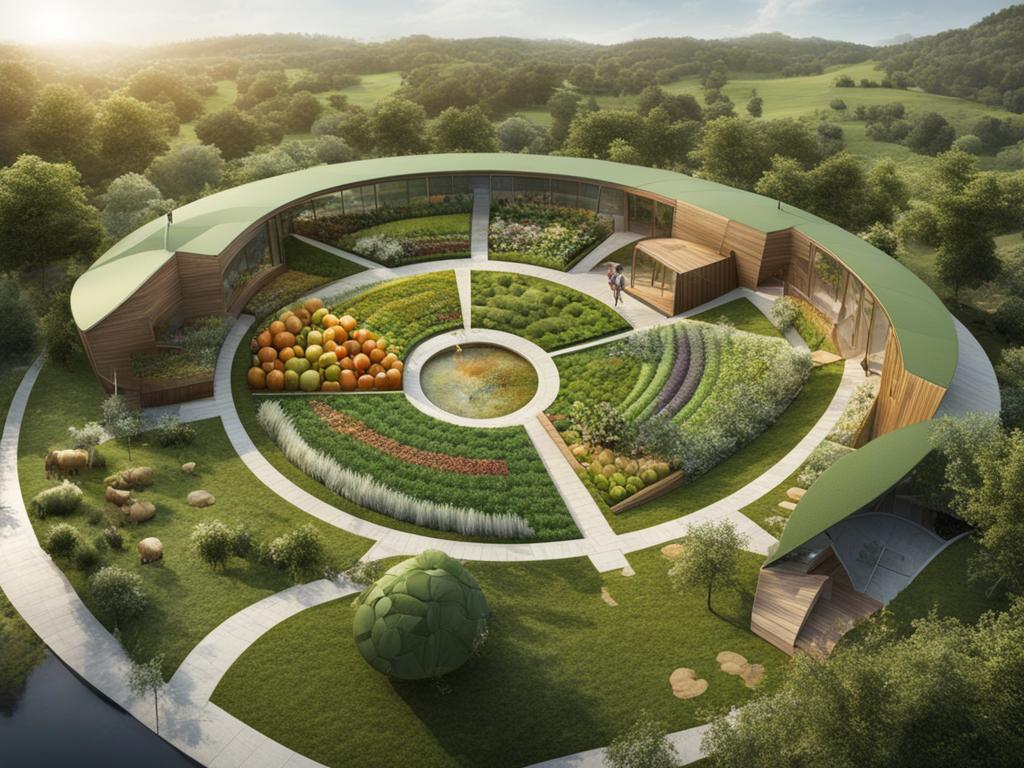
Picture this: your own lush sanctuary where plants and animals synergize, creating an orchestra of productivity. It’s here where eco-friendly farming isn’t just a buzzword; it’s a daily reality, with soil richer than a triple chocolate cake and yields that keep giving without depleting resources.
Permaculture is the smart cookie of land use—it dances to the tune of nature’s rhythms, eliminating waste, and energy gluttony. What’s the catch, you ask? There isn’t one. It’s about enhancing what naturally occurs, outsmarting traditional agricultural methods that are over-reliant on chemical enhancers.
Behold the elegant simplicity of permaculture:
| Permaculture Features | Benefits |
|---|---|
| Self-sustaining ecosystems | Less effort; more reward |
| Natural pest management | Reduction in chemical use |
| Water conservation techniques | Optimal use of natural resources |
| Animal and plant symbiosis | Increased biodiversity and productivity |
| Organic waste recycling | Enhanced soil fertility |
| Conservation of energy | Reduced carbon footprint |
With permaculture, you transform your little patch of Earth into a regenerative paradise. It’s not magic, though it might feel like it when you’re harvesting your bounty with minimal toil. So, roll up your sleeves, and let’s sow the seeds of a greener, more abundant tomorrow.
The Ethical Core of Permaculture: Earth Care, People Care, Fair Share
At the heart of it, permaculture ethics aren’t just good vibes for the earth-they’re a blueprint for a thriving existence. These ethical principles guide you in treading gently on the planet while ensuring everyone gets a slice of the sustainability pie. Let’s dive deep into the ethos that forms the sustainable spine of permaculture.
Earth Care: Harmonizing with the Environment
First off, let’s talk Earth Care—because, let’s face it, she’s the only Earth we have. When you embrace environmental stewardship, you’re pledging to protect the soil under your feet, the air filling your lungs, and all the critters scuttling or soaring around you. This is where you adhere to the natural rhythms, opting for heaping handfuls of compost over a cocktail of chemicals. It’s about knowing that every choice you make can foster a thriving ecosystem that’ll keep giving back for generations to come. Take a peek at the actions underpinning Earth Care:
- Using organic farming methods to shield the soil from contaminants
- Choosing natural household products that won’t pollute waterways
- Supporting reforestation efforts and biodiversity to create robust ecosystems
People Care: Nurturing the Community
You’ve heard it before—we’re all in this together. So naturally, People Care is about looking out for each other. It’s a soup kitchen of sustainable ethics, where every person has access to nourishing, culturally appropriate grub. This is where permaculture feeds not just bellies but spirits, cultivating a sense of belonging and the support of a community network. Consider these acts of People Care:
- Providing access to nutritious, locally-grown food
- Creating communal spaces where folks can share skills and harvests
- Designing inclusive events that educate and empower
Fair Share: Sustainability through Equality
Last but not least, there’s Fair Share. You know that feeling when the pizza’s been unfairly divided? Not cool. Similarly, Fair Share is all about ensuring that resources aren’t hoarded—that everyone gets a piece of the permaculture pie, and the earth has room to regenerate. It’s an invite to cut down on the excess and live simply so others may simply live. Here are some Fair Share dealings:
- Practicing mindful consumption—use it up, wear it out, make it do, or do without
- Encouraging the spread of renewable resources like sunshine and wind
- Sharing surplus produce, seeds, and knowledge with neighbors
Hashing it out in black and white, the permaculture principles shape a world where caring is an act of rebellion and equality is the default setting. And guess what? You’re already a part of that brave new world, just by learning the ropes of sustainable ethics. Ready to roll up those sleeves?
So, roll up those sleeves and let’s plant the seeds of change, one ethically-minded act at a time. Because when we care for the earth and each other, the share is always fair.
Bill Mollison’s Legacy: How “Permaculture: A Designers’ Manual” Shapes Our World
When you delve into the pages of Permaculture: A Designers’ Manual by Bill Mollison, you’re not just leafing through another agricultural guide; you’re accepting an invitation. An invitation to a world where your actions mold the environment, fostering a nexus between your livelihood and the ebbs and flows of the natural world. It’s a foray into sustainable education—a beacon guiding us towards ecological literacy and resilience. In this seminal read, Bill Mollison articulates a realm where multifunctional systems reign supreme, promising a flourishing existence to all forms of life.
The impact of Bill Mollison’s work reverberates beyond mere cultivation techniques; it is a comprehensive framework for constructing societies in harmony with the planet. And as the world increasingly cradles the concept of sustainability, the teachings within the manual have found a vigorous new relevance.
| Educational Aspect | Application in Permaculture | Outcome for Sustainability |
|---|---|---|
| Design Principles | Creating self-sustaining gardens and landscapes | Reduced environmental impact |
| Ethos and Philosophy | Adopting lifestyles in sync with natural processes | Enhanced social and ecological well-being |
| Practical Techniques | Applying ethical land use and energy conservation | Increased resilience and reduced resource consumption |
Whether you’re a budding permaculturalist or an established green thumb, this manual offers the nuts and bolts of designing ecosystems that are not only efficient but also ethical. So, plant the seeds of change and watch as Bill Mollison‘s legacy nudges you toward a future where sustainability isn’t just an ideal; it’s a palpable, achievable reality, thanks to comprehensive frameworks like those ensconced within Permaculture: A Designers’ Manual.
Key Permaculture Principles for a Greener Future
Embarking on the path to a greener future, you’ll find the blueprint etched in the core permaculture principles. These principles aren’t just mottos; they’re calls to action, beckoning you to step into a world where ecological resilience is the norm and renewable resources make the dream work.
Observe and Interact with Nature
Unleash your inner observer because nature’s cues are gold dust for permaculture mastery. You’re not just a spectator; you’re a participant. By engaging with the ecosystem around you, innovation sparks, leading to a harmonious dance with the environment that boosts both its welfare and yours.

Maximizing Yield with Minimal Intervention
Imagine a garden teeming with abundance, a cornucopia of produce bursting forth with little to no poking and prodding. That’s the dream, right? Minimal intervention doesn’t mean lazy gardening; it means smart, sustainable practices that make Mother Nature’s job easier and more fruitful.
Leverage Renewable Resources and Energy
You’re tuning into the rhythm of the planet when you embrace renewable resources; it’s like nature’s endless playlist of sustainability hits. Solar, wind, and water are not just part of the chorus, they’re the headliners, propelling a future where green energy isn’t a luxury but a given.
| Principle | Practical Application | Benefits |
|---|---|---|
| Observe and Interact | Spending time in your environment to understand its unique patterns and flows. | Customized designs that fit seamlessly with local ecological systems. |
| Maximize Yield | Creating systems like companion planting to enhance growth with less human labor. | Increased production with less time and energy input. |
| Renewable Resources | Using solar panels or wind turbines to generate clean energy for your systems. | Reduced carbon footprint and a more self-sufficient lifestyle. |
Lock these principles in your green-thumbed heart, and watch as your dreams of sustainable living sprout into realities. It’s about ecological wisdom—letting you reap the rewards while ensuring that tomorrow’s world does the same.
From Food Forests to Energy Efficiency: Building Resilient Systems
Imagine stepping into your backyard and finding yourself in a thriving forest, where every plant around you provides something edible, and each leaf tells a story of sustainability. Welcome to the remarkable world of food forests, a fundamental component of permaculture systems. You’re not just cultivating plants; you’re fostering a symbiotic relationship that nurtures both you and your environment.
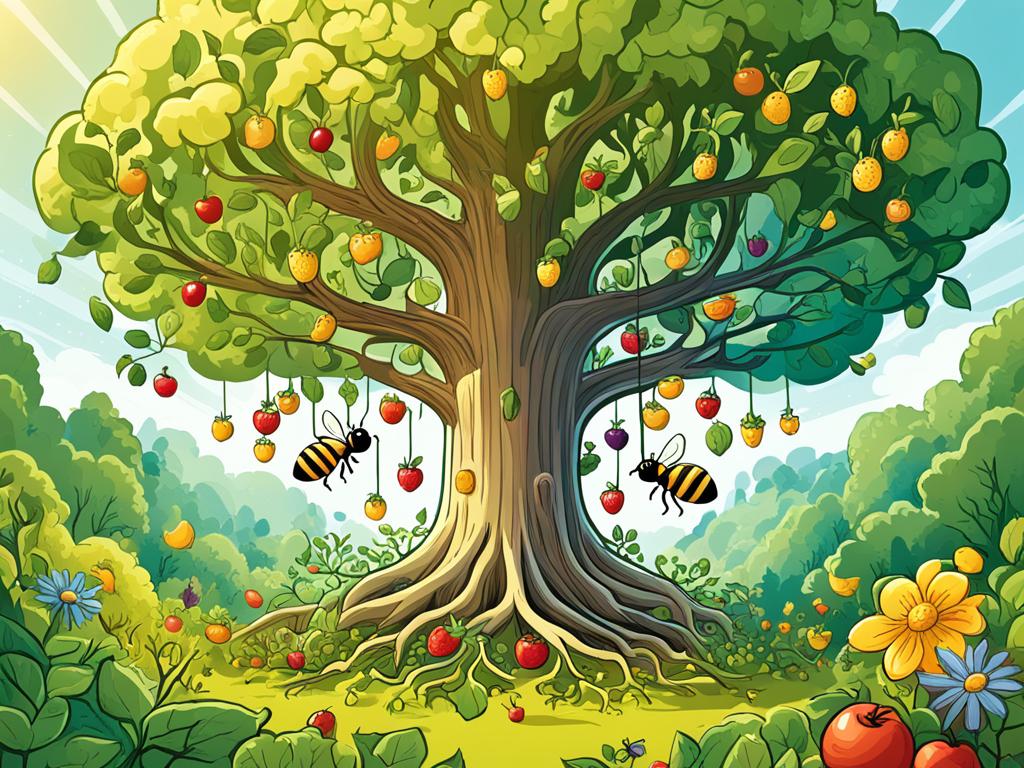
But don’t let the lush greenery fool you. Beneath the surface, there’s meticulous sustainable design at work. Through strategies like rainwater harvesting, your food forest becomes a model of efficiency, collecting precious H2O without wasting a drop. So while your fingers dig into the earth, they’re actually touching the pulse of an energy-efficient ecosystem.
- Soil Health: A treasure trove beneath our feet, the soil in your food forest is kept fertile and alive through composting and no-till farming, ensuring that your garden is productive and sustainable.
- Wildlife Habitats: Your food forest isn’t just a sanctuary for plants; it’s also a home to wildlife, creating habitats that allow nature’s pollinators and pest controllers to thrive.
- Renewable Energy: And those cozy corners of your home? They’re made possible by energy-efficient buildings designed with permaculture principles, utilizing renewable energy and passive solar techniques to keep your living space naturally comfortable.
In the dance of permaculture, every element has its steps. The trees, the water, the creatures, even your home—they all waltz together in a resilient, self-sustaining pattern that’s as much about conservation as it is about abundance. It’s a system designed to endure, ready to stand tall in the face of whatever nature twirls its way.
Designing with Diversity: The Role of Biodiversity in Permaculture
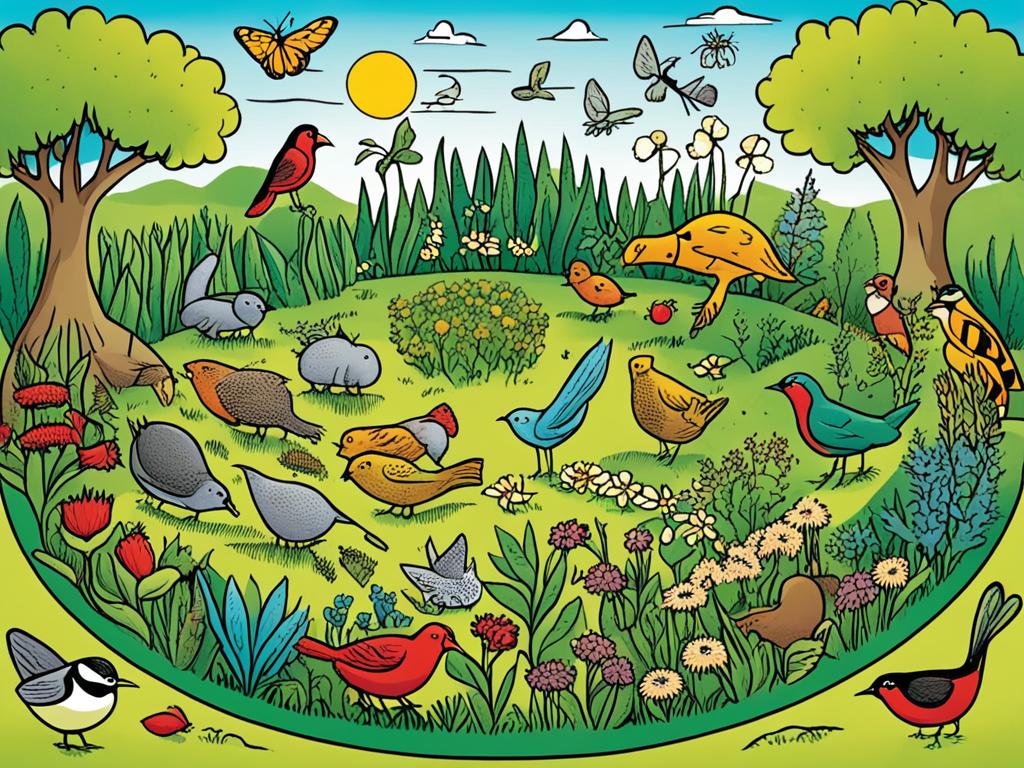
The essence of permaculture lies in its celebration of biodiversity. Imagine a garden teeming with life, where every plant, insect, and animal contributes to a greater whole. You’re not just planting a garden; you’re sculpting a mini ecosystem that thrives on ecological diversity and synergistic gardening. It’s the dance of nature fine-tuned to the rhythm of sustainable coexistence.
Creating Synergy among Plant and Animal Species
A symphony of interactions defines biodiversity in permaculture. Each element you introduce does not live for itself alone but plays a part in the orchestra. In permaculture, you choreograph a balance where every addition fills multiple roles. A fruit tree, for example, is not merely a source of sustenance; its shade can house tender ground cover, its leaves can feed the soil, and its branches can become the nesting grounds for birds. This is the art of creating synergy among diverse species.
Wildlife Habitats within a Permaculture Framework
Do you yearn to see more butterflies, hear more birdsongs, and witness the busy buzz of bees in your garden? Integrating wildlife habitats within your permaculture domain isn’t just about aesthetics; it’s an essential tactic for pollination and maintaining an ecologically diverse sanctuary. Elements like water features, birdhouses, and native flowering plants are not mere decorations but tools that attract and sustain wildlife, ensuring the robust health and productivity of your permaculture system.
| Feature | Benefits | Species Supported |
|---|---|---|
| Native Plants | Low maintenance, attracts native wildlife | Local Insects, Birds |
| Compost Bins | Nutrient-rich soil, waste reduction | Worms, Decomposers |
| Water Features | Hydration source, habitat for aquatic species | Frogs, Birds, Insects |
| Flowering Plants | Source of nectar, promotes pollination | Bees, Butterflies, Hummingbirds |
Water Wisdom: Managing H2O in a Permaculture Setting
As you delve into the permaculture paradise, let’s get our feet wet with savvy water management techniques. It’s about making every drop count and letting none go to waste. And guess what? The secret sauce to achieving this lies in two words: rainwater harvesting and sustainable irrigation.
Capturing the Essence: Rainwater Harvesting and Swales
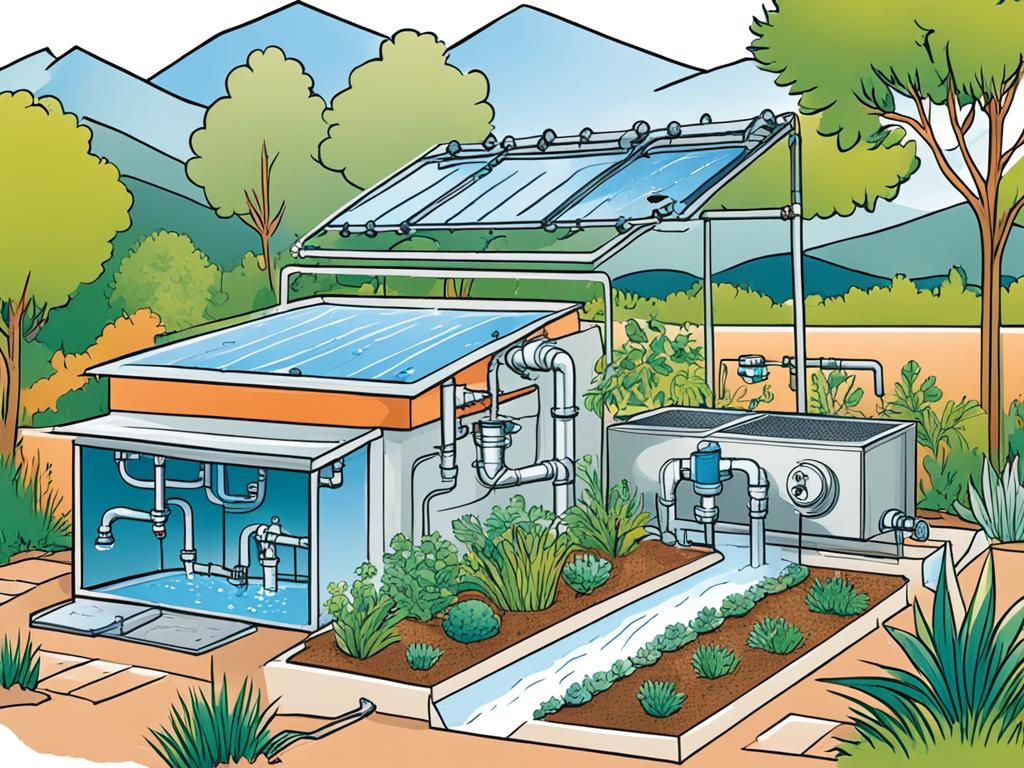
So, you’re looking to harness the skies themselves? Step right up and witness the wizardry of rainwater harvesting. Imagine catching every bit of rain that dances on your roof and storing it like buried treasure to be used for all your garden’s needs. And let me introduce you to swales—these are not just shallow ditches; they’re your landscape’s best pals, channeling water to where it’s needed most, reducing erosion, and rehydrating the land.
Efficiency in Irrigation: Maximizing Every Drop
Are those pricey water bills making you blue? Let’s paint a new picture with sustainable irrigation. This clever system doesn’t just water plants; it delivers an opus of hydration perfection. You’ll be using less, but your plants will be living it up, receiving exactly what they need to flourish.
| Technique | Uses | Benefits |
|---|---|---|
| Drip Irrigation | Targeted watering at the root zone | Reduces evaporation and water runoff |
| Soaker Hoses | Even water distribution along planting rows | Ideal for tightly planted gardens |
| Ollas (Clay Pot Irrigation) | Deep, slow irrigation for individual plants | Encourages deeper root growth, saving water and time |
| Rain Barrels with Gravity Feed | Storing rainwater for future use | Lowers reliance on municipal water and reduces bill costs |
With these clear-cut strategies in your green arsenal, you’re now equipped to tell a tale of a garden where every droplet of H2O is put to noble use. Embracing rainwater harvesting and sustainable irrigation isn’t merely about cutting costs; it’s about crafting a legacy of lush landscapes in an eco-conscious world. Ready to make some ripples in your own garden? Let’s summon the spirit of water wisdom and dive in!
Turning Waste Into Resource: The Permaculture Way of Recycling
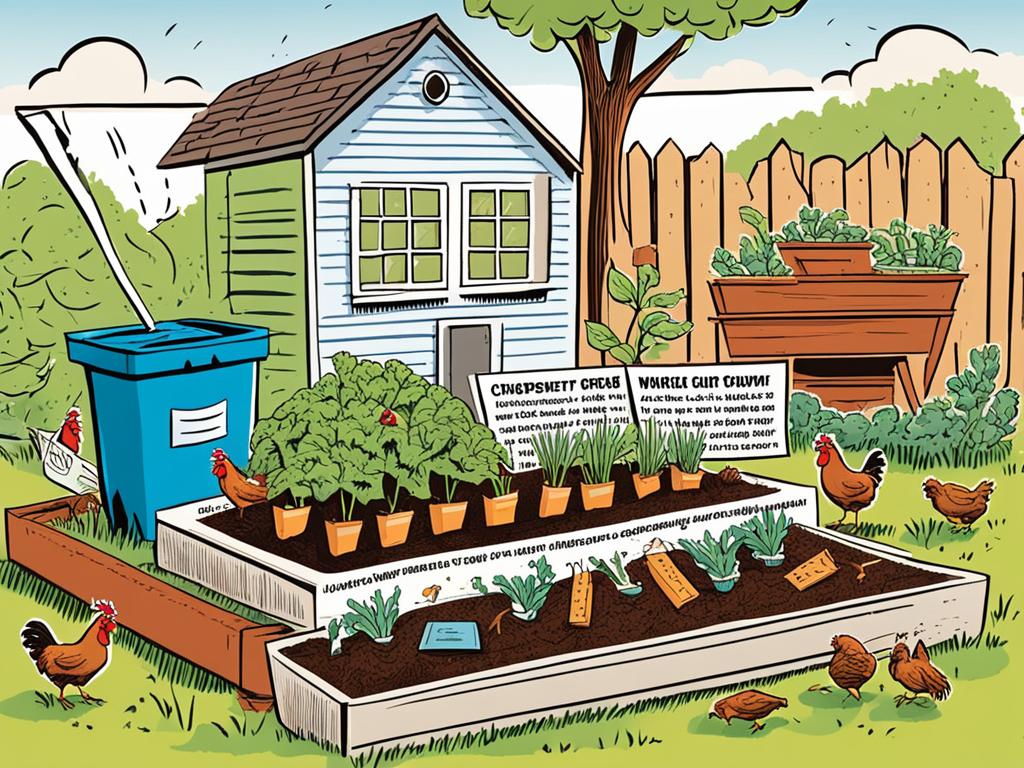
Imagine looking at what you once considered waste with a fresh set of eyes. In the world of permaculture recycling, every bit of ‘waste’ is a sleeping resource just waiting to be awakened. Adopting a no-waste lifestyle is like saying hello to a newfound friend over and over again.
Let’s talk about your daily cup of joe. Coffee grounds have been stereotyped as a ‘throw-away’ item – surely they’ve given all they’ve got, right? Wrong. They can become a nitrogen-rich part of your compost heap. The same goes for those banana peels, eggshells, and even paper towels. They can all join the ecological party in your compost bin, transforming into the kind of stuff that plants whisper about lovingly in their botanical tongue.
Your relationship with grey water, that slightly-used diamond in the rough, is also due for a reevaluation. Use it to irrigate your permaculture paradise, and watch your plants thrive on the encore performance of water that once had a mundane role in cleaning dishes or bathing.
Embrace the principle of producing no waste wherever feasible by looking at your trash can as less of a garbage grave and more of a treasure chest. It’s not just responsible, it’s revolutionary!
When you try ecological waste management, you’re not just trimming your waste waistline; you’re also pumping up your environmental biceps.
- Feed your soil with compost.
- Re-engineer your old jars into new harvest containers.
- Turn those worn-out clothes into a voguish patchwork quilt.
Each action spells a victory for your sustainable crusade.
| Waste | Permaculture Gold |
|---|---|
| Kitchen Scraps | Nourishing Compost |
| Paper & Cardboard | Sheet Mulching Material |
| Old Wood | Hugelkultur Raised Beds |
| Plastic Bottles | DIY Greenhouse Structures |
| Used Water | Irrigation Supply |
Remember, in the domain of permaculture, there’s a charmingly efficient cycle where everything has a purpose, and nothing goes to waste. So, roll up those sleeves and transform the ‘trash’ into a resourceful bounty that your garden will thank you for.
Conclusion
Embarking on the permaculture lifestyle is akin to planting a seed of change within the confines of your daily existence. It’s an invitation to co-create with nature, rather than impose upon it, morphing your habits into regenerative actions. Engaging in this conscious shift means cultivating a life drenched in eco-conscious living principles, where your choices ripple out to enrich the soil, refresh the water, and clear the air. Permaculture isn’t just about growing food; it’s about cultivating a philosophy where every action is intentional and potentially transformative.
Your foray into permaculture sets you on a path towards regenerative agriculture, a method that goes beyond sustainability into the realms of rejuvenation. Through it, you’re not just preserving the Earth for future generations; you’re actively repairing it. Each element of this system, from water harvesting to soil building, from energy efficiency to waste recycling, is a stanza in the poetry of sustainable living—a reflection of your commitment to a dynamic balance with the ecosystem.
So, stand with both feet planted firmly on the ground, yet let your practices take root deep within the vibrant soil of innovation. As you transform your plot of existence into a landscape of abundance, remember that each choice for an eco-friendly option is a gesture towards global well-being. Your journey with permaculture is personal, yet its ethos echoes loudly in the universal quest for ecological harmony. Draw the blueprint. Live the change. Begin your conscientious journey with permaculture today, and watch your world flourish with each step.
FAQ
What exactly does “permaculture” mean and how does it relate to sustainable living?
Imagine Mother Nature as the ultimate landscape designer, endlessly crafting self-sustaining ecosystems. That’s permaculture for you—mimicking her genius to concoct a holistic, permanent form of agriculture. It’s like hitting the eco-friendly jackpot: a self-sufficient lifestyle that says “au revoir” to ecological harm and “hello” to sustainability and diversity.
Can you break down the permaculture revolution for me? What’s it all about?
It’s a rebellion against the garden-variety (pun intended) of traditional farming. The permaculture revolution is all about flipping the script on agriculture. Think radical design philosophy meets permanent agriculture, where every plant and chicken plays a part in a greener world. It’s a transformative blueprint for living that has you co-creating with nature rather than duking it out for the last tomato.
How does permaculture differ from regular farming, terms of sustainable food production?
Picture your average farm like a needy friend—it requires endless attention, thanks to conventional methods. Permaculture is the low-maintenance buddy who thrives on minimal intervention. It’s eco-friendly farming on ecological steroids, replicating natural systems to work smarter, not harder, allowing food production to sustain itself. It’s like nature is handed the farming steering wheel.
Could you elaborate on the ethical principles of Earth Care, People Care and Fair Share in permaculture?
Sure, think of them as the golden rules of permaculture club. Earth Care is about pampering Mama Earth, People Care means ensuring Uncle Joe and the neighbors are well-fed and happy, and Fair Share is like nature’s budgeting system—only take what you need, folks! Together, they’re the triad of sustainable ethics and environmental stewardship that keep the permaculture world spinning.
How significant is Bill Mollison’s “Permaculture: A Designers’ Manual” to the movement?
If permaculture was a college course, Bill Mollison’s “Permaculture: A Designers’ Manual” would be the only textbook you’d need. It’s the sacred scroll of sustainable education that spills the beans on how to align our lives with the rest of the biosphere. It’s basically the permaculture whisperer that shapes our world one garden at a time.
What are some cornerstone principles of permaculture that promise a greener future?
If permaculture had a mixtape, the hits would include jamming with nature (Observe & Interact), getting the most bang for your buck with less sweat (Maximize Yield with Minimal Intervention), and partying on with renewables (Leverage Renewable Resources and Energy). You could say these permaculture principles are the beats to our ecological resilience.
What’s the big deal about food forests and energy efficiency in permaculture systems?
Imagine if your backyard was a magical grocery store with all the trimmings—food forests are just that. They work with energy efficiency like PB&J, creating an all-you-can-eat buffet that doubles as a carbon sink. Permaculture’s version of power-lunching involves sustainable design that keeps giving even when you’re napping.
How does the permaculture movement integrate biodiversity into their practices?
Diversity is the spice of life, and permaculture is all over that flavor profile. By creating synergy among plant and animal species, permaculture sets the stage for a nature-backed Garden of Eden. Including wildlife habitats means you get to hobnob with bees, butterflies, and birds, all working to keep your garden teeming with life and productivity.
Can you share some nuggets of water wisdom for permaculture settings?
If H2O was currency, permaculture would be rolling in dough. By implementing techniques like rainwater harvesting and swale systems, permaculture becomes the Warren Buffet of water management. These methods are like the Swiss bank accounts of sustainable irrigation, storing and maximizing every precious drop for your environmental enrichment.
In permaculture, how is waste recycled and why is it considered so important?
Permaculture looks at waste and sees a treasure trove. It’s the upcycling artist that transforms scraps into soil gold and believes every old boot can be a planter. Embracing a zero-waste lifestyle, it teaches us that what we toss can nourish the earth. This is crucial because it embodies the ecological waste management mantra: waste not, want not!