

Winter is here, and while the outdoors may be chilly and gloomy, your home doesn’t have to be! Transform your living space into a vibrant and lush haven with the help of winter plants. These indoor wonders thrive in the colder months, bringing color, life, and a breath of fresh air to any room.
Indoor plants are not only aesthetically pleasing but also offer numerous benefits, including improved air quality, reduced stress levels, and a connection to nature even during the colder season. In this article, we’ll introduce you to the best winter plants for your home and provide you with some essential care tips to keep them healthy and vibrant all winter long.
So, get ready to bring the outdoors in and create a cozy sanctuary with these top winter plants for your home!
Key Takeaways:
- Winter plants add color and vibrancy to your home during the colder months.
- Indoor plants offer multiple benefits, including improved air quality and reduced stress levels.
- Choose from a variety of winter plants that thrive in indoor conditions.
- Proper care, including adjusting watering schedules and maintaining humidity levels, is crucial for winter plant health.
- Select plants that match your preferences and adapt well to your home’s lighting and temperature conditions.
Tips for Winter Care of Indoor Plants
During the winter months, taking care of your indoor plants requires special attention due to the lower humidity levels caused by indoor heating. To keep your winter plants healthy, follow these essential tips:
- Increase humidity: Indoor heating can lead to dry air, which is unfavorable for plants. Boost the humidity around your plants by misting them with water regularly or placing them near sources of water, such as pebble trays. This will help create a more suitable environment for their growth and development.
- Clean houseplants: Dust and dirt can accumulate on the leaves of your houseplants, clogging their pores and preventing proper humidity absorption. Keep your plants clean by gently wiping their leaves with a damp cloth or using a soft brush. This simple step will ensure that your plants can efficiently absorb moisture from the air.
- Adjust watering schedule: During the fall and winter, plants naturally slow down their growth, requiring less water. Adjust your watering routine accordingly. Be mindful that overwatering can cause root rot, so it’s better to underwater than to overwater. Take note of the specific watering needs of different plant species, such as tropical plants and succulents, and water accordingly.
- Use room temperature water: Avoid shocking your plants by using room temperature or slightly warmer water when watering them. Extremely cold water can damage the roots and hinder their growth. Similarly, water that is too hot can scorch the roots. Finding the right temperature balance will help maintain the well-being of your plants.
- Ensure adequate light: As daylight hours decrease during winter, it’s important to provide your plants with sufficient light. Reposition them near windows where they can receive maximum sunlight. If natural light is limited, consider using artificial lighting, such as grow lights, to supplement their light requirements.
By following these tips, you’ll be able to provide the necessary care for your indoor plants and enable them to thrive throughout the winter season.
Winter Plants That Thrive Indoors
When the winter arrives, it doesn’t mean you have to sacrifice having beautiful plants in your living space. There are several types of indoor plants that can thrive and add life to your home during the colder months. Whether you’re looking for winter flowering plants to brighten up your space or foliage plants to add a touch of greenery, there are plenty of options to choose from. Here are some of the top indoor plants for winter:
1. Poinsettia

Poinsettias are known for their vibrant red bracts and are popular Christmas plants that can instantly add a festive touch to your home. With proper care, they can last throughout the winter season, making them a perfect choice for holiday decorations.
2. Cyclamen
Cyclamen is a beautiful winter flowering plant with heart-shaped leaves and nodding flowers. It blooms from November through March, bringing color and elegance to any indoor space. Its delicate blooms come in a variety of shades, including white, pink, and red.
3. Christmas cacti
Christmas cacti are unique plants that produce stunning flowers in late fall and winter. They come in a variety of colors, including pink, red, and white. These easy-to-care-for plants can brighten up any room during the holidays.
4. Kalanchoe
Kalanchoe is a succulent plant that blooms in clusters of red, salmon, or pink flowers during the winter months. Its thick, fleshy leaves add a touch of texture and drama to any indoor setting. This low-maintenance plant is perfect for busy individuals.
5. Bromeliads
Bromeliads are tropical plants that come in various shapes and colors, making them unique additions to any winter houseplant collection. Their bold, vibrant foliage can instantly brighten up any space, and some varieties even produce stunning flowers.
6. Orchids
Orchids may seem delicate, but they are surprisingly easy to care for and make excellent indoor plants for the winter. With their elegant appearance and long-lasting blooms, orchids can add a touch of sophistication to any room.
7. Anthurium
Anthurium is known for its vivid red flower head, which adds a bright and cheerful touch to any sunny winter room. With its glossy leaves and long-lasting blooms, it’s not hard to see why this plant is a favorite among indoor gardeners.
8. Snake plant
Snake plant, also known as Sansevieria, is a low-maintenance plant with sword-like leaves. It is perfect for winter and can tolerate various lighting conditions, making it a versatile choice for any room in your home.
9. Jade plant
Jade plant is a popular choice for winter decor with its fleshy leaves and branching habit. It adds a touch of elegance and natural beauty to any indoor space. Known for its resilience, the jade plant is perfect for those looking for an easy-to-care-for winter plant.
| Plant | Main Features |
|---|---|
| Poinsettia | Vibrant red bracts, popular Christmas plant |
| Cyclamen | Heart-shaped leaves, nodding flowers |
| Christmas cacti | Beautiful flowers in late fall and winter |
| Kalanchoe | Succulent plant, blooms in winter |
| Bromeliads | Tropical plants, unique shapes and colors |
| Orchids | Elegant appearance, easy to care for |
| Anthurium | Vivid red flower head, bright and cheerful |
| Snake plant | Low-maintenance, tolerant of different lighting conditions |
| Jade plant | Fleshy leaves, attractive branching habit |
These are just a few examples of the top indoor plants that thrive during the winter months. Whether you prefer winter flowering plants or foliage plants, there are plenty of options to choose from. Consider the lighting conditions, temperature, and care requirements of each plant to find the perfect winter companion for your home.
Benefits of Winter Indoor Plants
The presence of indoor plants during the winter months offers numerous benefits that can enhance your well-being and create a soothing atmosphere in your home. From improving mental health to purifying the air, indoor plants can be a game-changer for your winter experience.
Improved Mental Health
Research has shown that being near natural green space, including indoor plants, can greatly improve mental well-being and reduce feelings of depression and stress. The vibrant colors and lush foliage of indoor plants can uplift your spirits and create a calming environment, providing a much-needed escape from the winter doldrums.
Stress Reduction
Interacting with indoor plants has been found to reduce physiological and psychological stress levels. Taking care of plants and being surrounded by nature’s beauty can have a soothing effect on your mind, promoting relaxation and reducing anxiety.
Air Purification
Many indoor plants have air-purifying properties, helping to remove toxins and improve indoor air quality. They absorb harmful pollutants and release oxygen, making your home a healthier and more refreshing space to breathe in.
Connection to Nature
During the winter months, when spending time outdoors may be limited, being around plants can provide a sense of connection to nature. The presence of greenery indoors can remind you of the beauty of the natural world and help combat feelings of isolation or cabin fever.
Relaxation and Mood Enhancement
Just the presence of indoor plants, both real and photographed, can induce relaxation and enhance mood. Studies have shown that their presence can lower blood pressure, boost creativity, and promote a sense of tranquility, making your winter days more enjoyable.
| Benefits | Description |
|---|---|
| Improved Mental Health | Being near indoor plants can greatly improve mental well-being and reduce feelings of depression and stress. |
| Stress Reduction | Interacting with indoor plants can reduce physiological and psychological stress levels. |
| Air Purification | Many indoor plants have air-purifying properties, helping to remove toxins and improve indoor air quality. |
| Connection to Nature | Being around plants provides a sense of connection to nature and helps combat feelings of isolation during the winter months. |
| Relaxation and Mood Enhancement | The presence of indoor plants induces relaxation, boosts creativity, and promotes a sense of tranquility. |
Embrace the benefits of indoor plants this winter and surround yourself with nature’s beauty. The mental health benefits, air-purifying properties, and connection to nature that indoor plants offer can greatly enhance your well-being and create a peaceful sanctuary in your home.

Choosing Winter Plants for Your Home
When it comes to selecting winter plants for your home, there are a few key factors to consider. After all, you want plants that can adapt to indoor conditions and thrive during the colder months. Here are some tips to help you choose the perfect winter plants:
1. Plant Adaptability: Look for plants that are known for their adaptability to indoor environments. These plants have the ability to thrive in a wide range of conditions, making them resilient during the winter.
2. Winter Plant Selection: Consider plants that are specifically recommended for winter. These plants are better equipped to handle lower light levels and cooler temperatures.
3. Indoor Plant Preferences: Think about your own preferences when it comes to plant size, color, and foliage type. Choose plants that match your personal style and complement your indoor decor.
Basing your selection on these considerations will increase the chances of success and ensure that your winter plants not only survive but thrive. Below is a table highlighting different winter plants and their adaptability to indoor conditions.

| Plant Name | Adaptability |
|---|---|
| Pothos | Highly adaptable |
| Snake Plant | Very adaptable |
| ZZ Plant | Adaptable |
| Succulents | Adaptable |
| Ferns | Require higher humidity |
| Spider Plant | Adaptable |
Remember, the key to successful winter plant care is choosing plants that can adapt to indoor conditions and meet your preferences. By selecting the right plants and providing them with the care they need, you can create a beautiful and thriving winter garden indoors.
Easy-to-Grow Winter Indoor Plants
If you’re new to indoor gardening or prefer low-maintenance plants, there are several easy-to-grow winter indoor plants that are perfect for you. These plants require minimal care and can tolerate a wide range of indoor conditions, making them beginner-friendly and ideal for busy individuals. Take a look at some popular options:
- Snake Plant: Also known as Sansevieria, the snake plant is not only low-maintenance but also a great air purifier. Its tall, upright leaves make a bold statement in any room.
- Succulents: Succulents are known for their ability to store water, making them incredibly resilient and easy to care for. They come in various shapes, sizes, and colors, adding a touch of natural beauty to your indoor space.
- Pothos: With its cascading vines and heart-shaped leaves, pothos is a popular choice for beginners. It can tolerate low light conditions and thrives even when you forget to water it occasionally.
- Spider Plant: Spider plants are resilient and adaptable, making them perfect for beginners. They produce long, arching leaves with white stripes and small plantlets that dangle from the mother plant.
- Rubber Plant: Known for its glossy, dark green leaves, the rubber plant adds a touch of elegance to any space. It can tolerate low light and dry conditions, making it a low-maintenance choice for indoor winter gardening.
- Peace Lily: Peace lilies are not only beautiful with their elegant white flowers but also excellent air purifiers. They prefer low light and moist soil, making them an ideal choice for beginners.
These easy-to-grow winter indoor plants are forgiving and can withstand occasional neglect. They are the perfect companions for those who want to bring nature indoors without the hassle of demanding care routines. Whether you choose a snake plant for its sleek leaves or a peace lily for its graceful flowers, these low-maintenance plants will bring beauty and freshness to your home during the winter months.

| Plant | Light Requirements | Watering Needs | Maintenance Level |
|---|---|---|---|
| Snake Plant | Low to bright indirect light | Allow the soil to dry out between waterings | Low maintenance |
| Succulents | Bright indirect light | Water sparingly, allowing soil to dry completely | Low maintenance |
| Pothos | Low to bright indirect light | Allow the top inch of soil to dry before watering | Low maintenance |
| Spider Plant | Bright indirect light | Keep soil evenly moist, but not soggy | Low maintenance |
| Rubber Plant | Moderate to bright indirect light | Water when the top inch of soil is dry | Low maintenance |
| Peace Lily | Low to bright indirect light | Water when the top inch of soil is dry | Low maintenance |
Winterizing Your Indoor Plants
As winter approaches, it’s time to prepare your indoor plants for the cold weather ahead. By taking a few simple steps, you can ensure that your plants stay healthy and thriving throughout the winter season.
- Protect plants from cold drafts: Place your plants away from cold windows or doors to avoid exposing them to chilly drafts. Cold air can cause damage to sensitive leaves and roots.
- Provide extra insulation: On particularly cold nights, consider using plant covers or blankets to provide additional insulation. This will help shield your plants from the frosty temperatures and keep them cozy.
- Avoid overwatering: During winter, plants naturally require less water due to slower growth. Overwatering can lead to root rot and other issues. Make sure to check the moisture levels of the soil before watering and adjust accordingly.
- Ensure proper drainage: Proper drainage is crucial for preventing water from pooling around the roots, which can cause rotting. Choose pots with drainage holes and use well-draining soil to promote healthy root growth.
- Provide adequate light: Winter days are shorter and natural light may be limited. To compensate, place your plants near windows where they can receive the maximum amount of available sunlight. If needed, you can also supplement with artificial lighting.
- Monitor humidity levels: Some plants thrive in higher humidity, while others prefer drier conditions. Monitor the humidity levels in your home and adjust accordingly to meet your plants’ needs. Misting the leaves of tropical plants or using a humidifier can help increase humidity if necessary.
- Maintain a consistent temperature: Fluctuating temperatures can stress plants and make them more susceptible to damage. Avoid placing your plants near heat sources like radiators or vents, as sudden temperature changes can be detrimental. Aim for a consistent temperature range that suits the needs of your plants.
With these winterization tips, you can keep your indoor plants happy and healthy throughout the winter season. Don’t let the cold weather dampen your plant-parenting spirit!
| Winterizing Your Indoor Plants |
|---|
| 1. Protect plants from cold drafts |
| 2. Provide extra insulation |
| 3. Avoid overwatering |
| 4. Ensure proper drainage |
| 5. Provide adequate light |
| 6. Monitor humidity levels |
| 7. Maintain a consistent temperature |
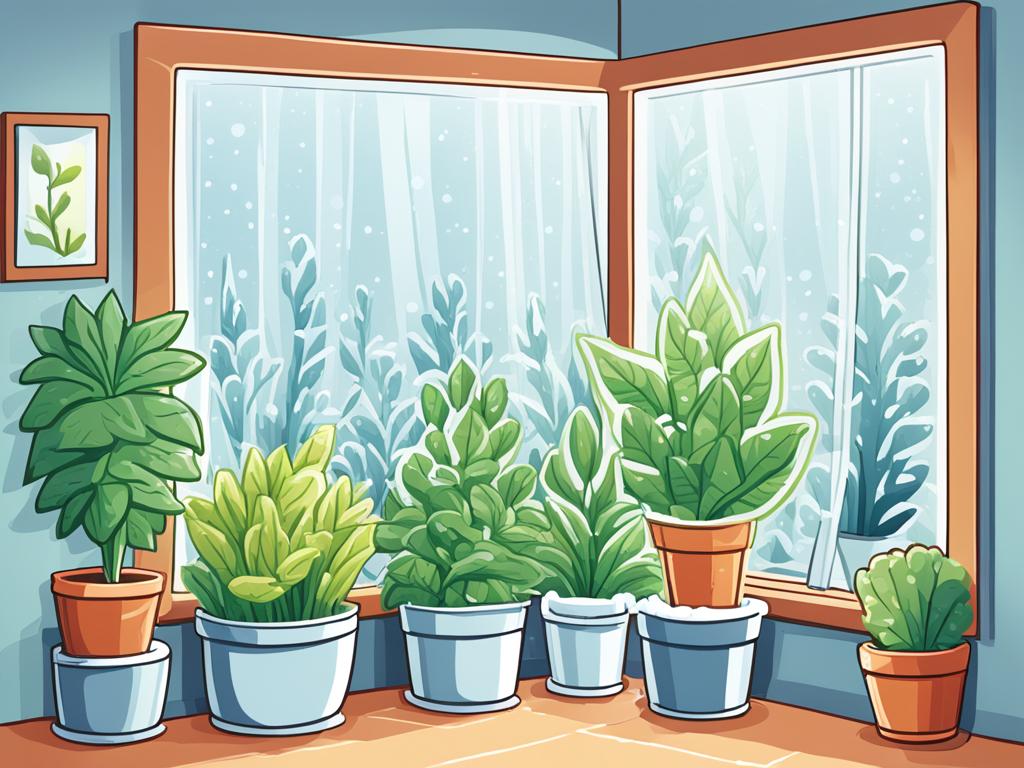
“Winter is the time for comfort, for good food and warmth, for the touch of a friendly hand and for a talk beside the fire: it is the time for home.” – Edith Sitwell
Winter Plant Care Checklist
Keep your winter plants healthy and thriving with these essential care tips:
Adjust Watering Schedule
With reduced growth during winter, your plants require less water. Adjust your watering schedule accordingly to prevent overwatering and root rot.
Clean Leaves Regularly
Regularly dust off your plant’s leaves to improve humidity absorption and remove any blockages that may hinder their growth.
Provide Adequate Light
Reposition your plants near windows to maximize natural light exposure. If needed, supplement with artificial lighting to ensure they receive sufficient light.
Monitor and Increase Humidity
Monitor indoor humidity levels and increase humidity if necessary, especially for plants that thrive in higher humidity environments. Misting or placing a tray of water near your plants can help maintain optimal moisture levels.
Protect from Cold Drafts and Temperature Fluctuations
Place your plants away from drafty windows and doors to shield them from cold blasts of air. Use curtains or protective coverings during colder nights, providing insulation.
Avoid Overfertilizing
During winter, plants enter a dormant phase with reduced nutrient requirements. Limit or temporarily suspend fertilization to prevent nutrient imbalances.
Monitor for Pests and Take Action
Regularly inspect your plants for pests, such as aphids or spider mites. If infestations occur, promptly take appropriate measures, such as using organic insecticides or applying natural remedies.
Keep a Care Record
Track your watering and care routines in a journal or digital tool to monitor plant health and progress. This record can help identify patterns, detect issues early, and optimize care strategies.
By following this winter plant care checklist, you’ll ensure your indoor plants receive the attention they need to thrive throughout the colder months.
Conclusion
Winter may be a challenging time for outdoor gardening, but fear not! With the right selection of winter plants for your home, you can create a vibrant and green oasis indoors. Whether you’re looking for low-maintenance options or enjoy the challenge of caring for more delicate plants, the possibilities are endless.
By following the care tips provided in this article and tailoring your plant selection to the conditions of your home, you can enjoy the beauty and benefits of indoor plants throughout the winter season. Imagine bringing life and color to your home during the frosty months, all while basking in the comfort of your cozy space.
So, embrace winter gardening and let your green thumb shine! Explore the wide variety of winter plants available, from the elegant orchids to the hardy snake plants. Indulge in the joy of nurturing your plants and witnessing their growth. It’s time to escape the winter blues and immerse yourself in the world of winter indoor gardening. Happy planting!
FAQ
What are some tips for caring for indoor plants during winter?
Some tips for caring for indoor plants during winter include increasing humidity, cleaning the leaves, adjusting watering schedules, using room temperature water, and providing adequate light.
Which plants thrive indoors during the winter?
Some plants that thrive indoors during the winter include poinsettias, cyclamen, Christmas cacti, kalanchoe, bromeliads, orchids, anthurium, snake plants, jade plants, succulents, ZZ plants, pothos, and aglaonemas.
What are the benefits of having indoor plants during the winter?
The benefits of having indoor plants during the winter include improved mental health, stress reduction, air purification, connection to nature, relaxation, and mood enhancement.
What factors should be considered when choosing winter plants for your home?
Factors to consider when choosing winter plants for your home include their light requirements, temperature tolerance, watering needs, ability to withstand low humidity, and personal preferences in terms of size, color, and foliage type.
What are some easy-to-grow winter indoor plants?
Some easy-to-grow winter indoor plants include snake plants, succulents, pothos, spider plants, rubber plants, and peace lilies. These plants require minimal care and can tolerate a wide range of indoor conditions.
How can I winterize my indoor plants?
To winterize your indoor plants, you can place them away from cold windows or doors, use plant covers or blankets for extra insulation, avoid overwatering, provide adequate light, monitor humidity levels, and protect them from cold drafts and temperature fluctuations.
What should be included in a winter plant care checklist?
A winter plant care checklist should include adjusting watering schedules, cleaning leaves, providing adequate light, monitoring humidity levels, protecting plants from cold drafts, avoiding overfertilizing, checking for pests, and keeping a record of care routines.