

Flies can be incredibly annoying, buzzing around your home and landing on your food. But fear not, because we’ve got some home remedies for flies that are sure to make them buzz off for good! Say goodbye to those pesky flies and hello to a fly-free home. Keep reading to discover some natural remedies for flies that actually work.
- Use a vinegar and soap trap to attract and drown flies.
- Make a sticky tape trap to catch and control flies.
- Repel flies with essential oils like peppermint, lemon, or eucalyptus.
- Catch drain flies with a cup and petroleum jelly to eliminate breeding sites.
- Create homemade fly traps using plastic bottles and sweet solutions.
Use a Vinegar and Soap Trap
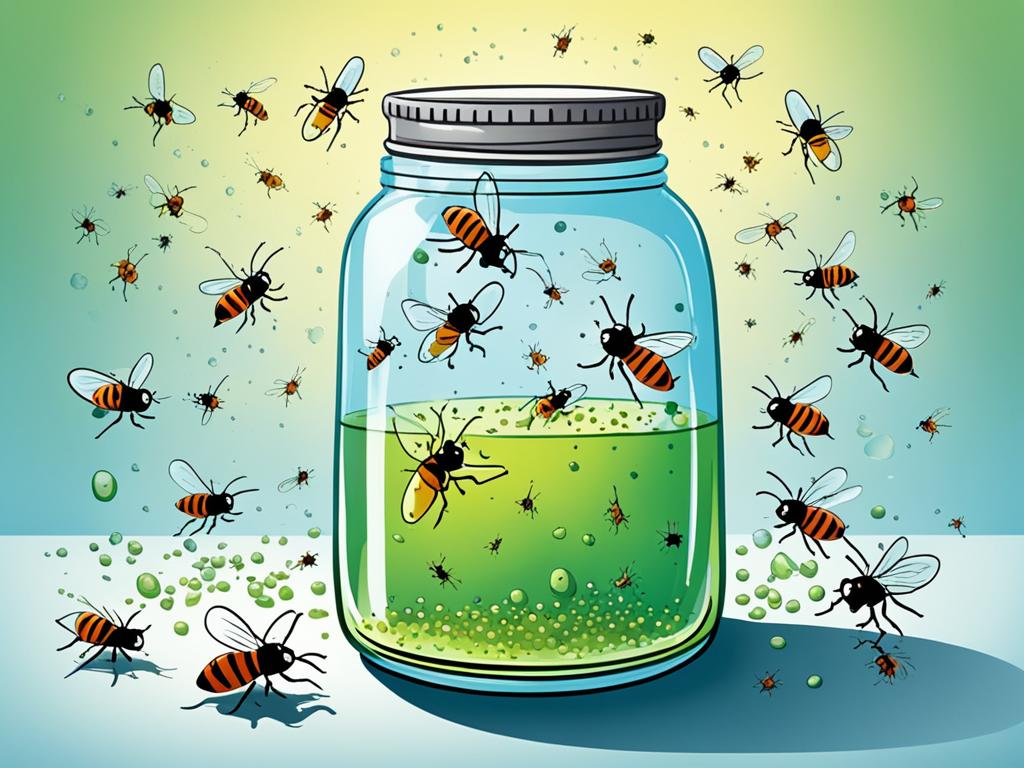
Mix apple cider vinegar with dish soap and water to create a highly effective fly trap. This simple but potent concoction attracts flies with the enticing aroma of vinegar while the added dish soap breaks the surface tension of the liquid, causing the flies to sink and drown.
The acidic nature of apple cider vinegar is particularly appealing to flies, making it an ideal choice for trapping these pesky insects. When combined with soap, the trap becomes even more effective in eliminating flies by trapping them in the liquid. The soap ensures that once the flies come into contact with the vinegar, they cannot escape and meet their demise.
To make your vinegar and soap trap, follow these easy steps:
- Take a shallow dish or bowl.
- Pour apple cider vinegar into the dish, filling it to about one-third of the way.
- Add a few drops of liquid dish soap to the vinegar and gently mix it in.
- Place the trap in areas where flies are commonly found, such as near windows, trash cans, or outdoor dining areas.
The vinegar and soap trap is a safe and natural method that effectively targets flies, minimizing the need for harmful chemicals or pesticides. It provides an affordable and eco-friendly solution to the problem of flies in your home or outdoor spaces.
Try making your own vinegar and soap trap and say goodbye to those annoying flies that always seem to find their way into your living spaces.
Make a Sticky Tape Trap
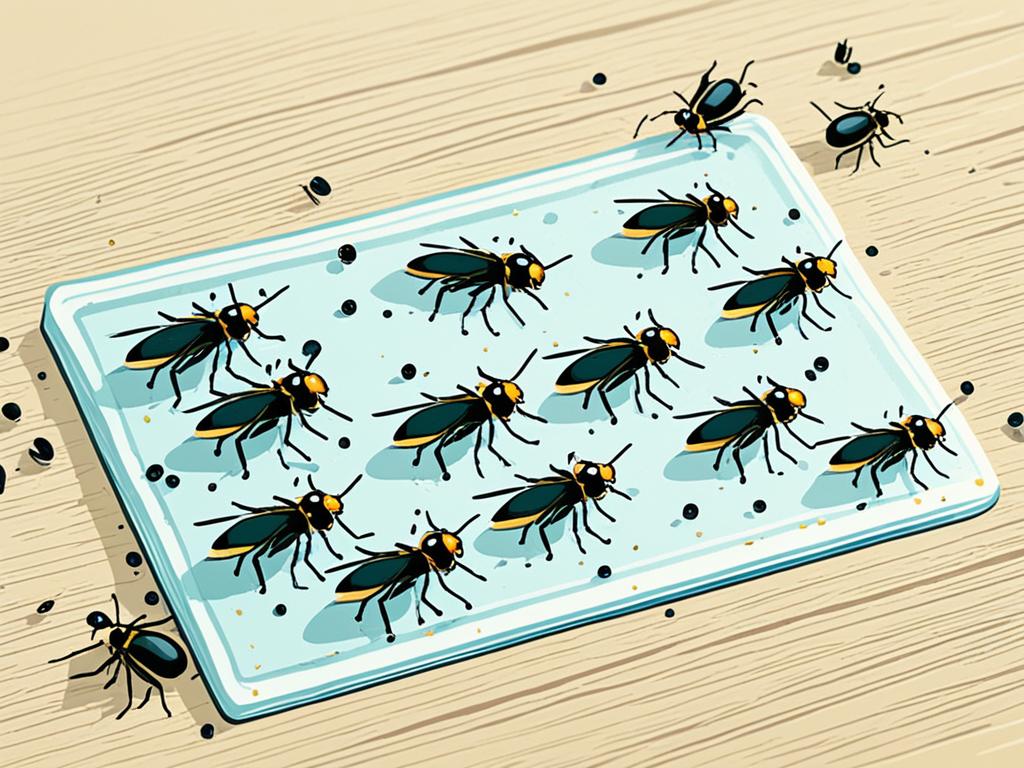
Tired of pesky flies buzzing around your home? Instead of buying expensive fly tape, why not make your own homemade fly trap using sticky tape? It’s a simple and cost-effective solution to keep those flies at bay.
Here’s how you can create your very own sticky tape trap:
- Start by gathering the following materials:
- Sticky tape or adhesive-backed paper
- Scissors
- String or thread
- A small hook or thumbtack
By using a sticky tape trap, you’ll be able to capture flies without relying on harmful chemicals or costly store-bought products. Plus, it’s incredibly satisfying to see those pesky flies getting stuck and unable to bother you anymore.
Remember, homemade fly traps are just one of the many natural remedies you can use to combat flies in your home. Stay tuned for more helpful tips and tricks to create a fly-free environment.
Benefits of a Homemade Sticky Tape Trap:
1. Cost-effective alternative to store-bought fly tape.
2. Easy to make with common household items.
3. Safe and chemical-free solution for fly control.
4. Provides a sense of satisfaction as you see the flies caught on the tape.
| Fly Trap | Advantages | Disadvantages |
|---|---|---|
| Sticky Tape Trap (Homemade) | 1. Cost-effective 2. Easy to make 3. Chemical-free | Requires regular replacement |
| Fly Tape (Store-bought) | 1. Convenient 2. Long-lasting | Contains potentially harmful chemicals |
| Flypaper | 1. Easy to find | Can be messy and unsightly |
Use Essential Oils as a Fly Repellent
Flies buzzing around your home can be a frustrating experience. Luckily, there is a natural and effective way to keep them at bay – essential oils. These powerful oils not only have a pleasant scent but also repel flies, making them the perfect solution for a fly-free home.
Mix a few drops of peppermint, lemon, or eucalyptus essential oil with water in a spray bottle. The strong scents of these oils act as a natural fly repellent and deter flies from entering your living space.
Pro tip: Before using essential oils, make sure to do a patch test on a small area to ensure you are not allergic to them.
Spray the essential oil mixture around your home, focusing on areas where flies tend to gather, such as windows, doorways, and garbage bins. For an extra boost of fly-fighting power, you can also add a few drops of the essential oil directly onto cotton balls and place them strategically around your home. Flies will steer clear of these scented areas, leaving you with a fly-free environment.
Benefits of Using Essential Oils for Fly Repellent
- Natural and Chemical-Free: Essential oils provide a safe and natural alternative to chemical-based fly repellents. They are free of harmful toxins and chemicals that can be found in commercial fly sprays.
- A Pleasant Scent: Unlike traditional fly sprays that leave behind a strong, unpleasant odor, essential oils emit a delightful fragrance that appeals to our senses.
- Multi-Purpose: Essential oils can be used not only to repel flies but also to enhance relaxation, boost mood, and promote overall well-being.
“Using essential oils as a fly repellent is not only effective but also adds a pleasant aroma to your home. Say goodbye to bothersome flies and hello to a fresher, more inviting environment.”
So the next time flies attempt to invade your home, don’t reach for toxic chemicals or swatting devices. Opt for a natural fly spray made with essential oils for a safer and more pleasant fly-repelling experience.
In the next section, we will explore another creative homemade fly trap that will help you tackle these pesky pests once and for all.
Catch Drain Flies with a Cup and Petroleum Jelly
Drain flies can be a pesky problem in your home, but there’s a simple and effective way to trap and get rid of them. By using a cup and petroleum jelly, you can catch these annoying flies and discover where they’re breeding.
To create a drain fly trap, follow these easy steps:
- Take a disposable cup and coat the inside with cooking oil or petroleum jelly. This sticky substance will prevent the flies from escaping once they’re trapped.
- Place the cup, upside down, over the drain where you’ve been seeing the drain flies.
- Make sure to cover the drain completely with the cup.
Now, as drain flies fly out of the drain for air, they will become stuck to the petroleum jelly inside the cup. Not only does this eliminate adult flies, but it also helps you identify the breeding site.
By trapping drain flies, you’ll be able to pinpoint the source of the infestation and take targeted action to get rid of them. Remember to clean any debris or organic matter from the drain and address any issues that might be attracting these flies.
So don’t let drain flies get the best of you. Use a cup and petroleum jelly to trap them and reclaim your home from these bothersome pests!

“Trap those pesky drain flies with a simple cup and petroleum jelly hack. You’ll put an end to their buzzing and discover the breeding site in no time!”
Homemade Fly Traps
Tired of pesky flies buzzing around your home? Say goodbye to those irritating insects with homemade fly traps! Making your own fly traps is not only cost-effective but also environmentally friendly. Forget about store-bought solutions and get creative with everyday items you already have at home.
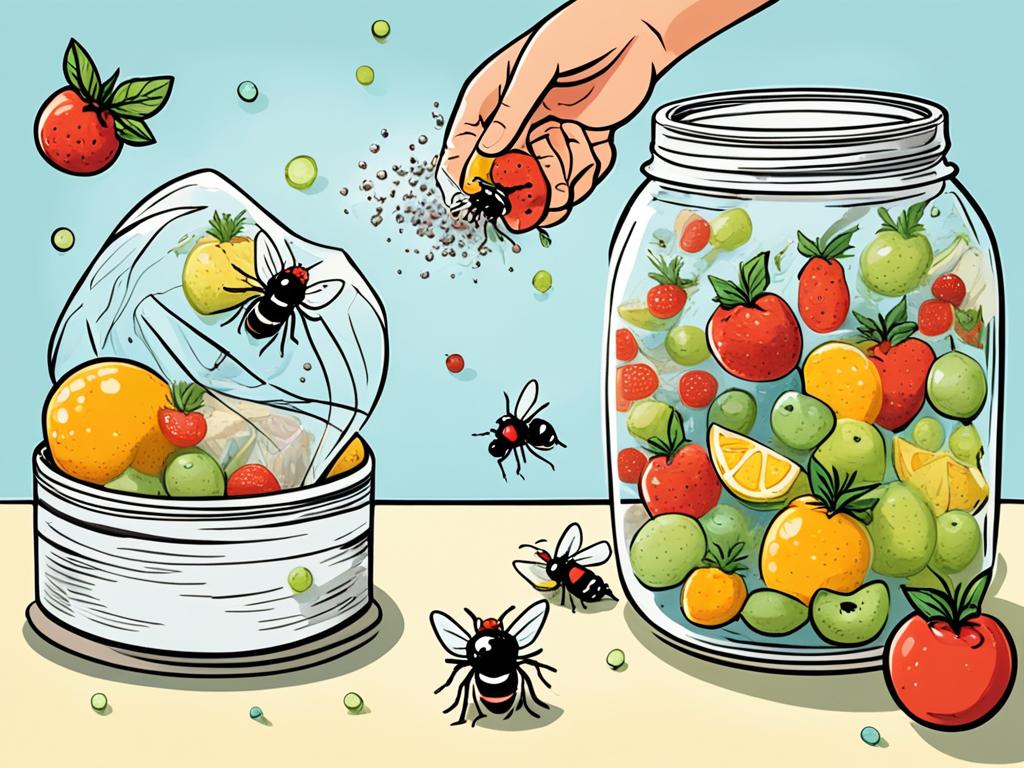
Now, let me introduce you to a simple yet highly effective homemade fly trap using a plastic bottle. Not only will it help you catch those bothersome flies, but it’s also a fun DIY project. Here’s how you can make it:
- Find a clean plastic bottle and cut off the top third.
- Fill the bottom of the bottle with a sweet liquid, like sugar water or apple cider vinegar.
- Take the cut-off part of the bottle and turn it upside down, placing it inside the bottom half to create a cone shape.
- Secure the cut-off part with tape or glue to keep it in place.
Voila! Your homemade fly trap is ready to catch those winged nuisances. Flies will be naturally attracted to the sweet solution, making their way into the bottle through the cone-shaped entrance. Once inside, they won’t be able to find their way out, solving your fly problem in a snap.
Why it Works:
This homemade fly trap works so effectively because flies are attracted to sugary substances. The sweet liquid inside the bottle acts as a irresistible lure, drawing them in. Once they enter the trap, the cone-shaped entrance prevents them from escaping. It’s a simple yet ingenious solution to rid your home of flies.
So, don’t let those flies ruin your peace and quiet. Grab a plastic bottle, some sweet liquid, and get creative with your homemade fly trap. Say goodbye to buzzing pests and hello to a fly-free home!
Natural Fly Repellents
Flies can be quite pesky, constantly buzzing around and bothering you. But fret not! There are natural remedies that can help repel these nuisance insects. Flies have a strong aversion to certain scents, such as basil, lavender, and citrus. So why not use their own preferences against them? Here are some effective methods to keep flies at bay:
Basil
Planting basil in pots near your kitchen can help repel flies. The strong aroma of basil leaves acts as a natural deterrent, keeping those pests away. Plus, having fresh basil on hand for cooking is an added bonus!
Lavender
Another herb that flies dislike is lavender. You can use lavender oil or even grow lavender plants in your garden to keep flies at bay. Not only will it deter flies, but it will also add a pleasant fragrance to your surroundings.
Citrus
Flies can’t stand the smell of citrus. To repel flies, place citrus peels or use citrus-scented sprays around your home. The strong scent will keep flies away and leave your home smelling fresh. It’s a win-win!
By incorporating these natural fly repellents into your home, you can keep those pesky insects at bay without the need for harsh chemicals. Say goodbye to fly swatters and hello to a fly-free environment!

| Herb | Benefits |
|---|---|
| Basil | Repels flies, adds flavor to dishes |
| Lavender | Repels flies, provides a pleasant fragrance |
| Citrus | Repels flies, leaves a fresh scent in the air |
Tips for a Fly-Free Home
Preventing flies from entering your home is essential for maintaining a clean and comfortable living environment. By following these fly prevention tips, you can keep flies out of your home and minimize their attraction.
- Keep windows and doors closed and sealed: Flies can easily enter through open windows and doors. Make sure all windows and doors are properly closed and sealed to prevent their entry.
- Clean up spills and food debris: Flies are attracted to food particles and spills. Clean up spills immediately and regularly remove food debris to eliminate their food source.
- Cover rubbish bins: Flies are attracted to garbage. Keep your rubbish bins covered to prevent them from accessing rotting food and breeding in the trash.
- Store food in sealed containers: Seal all food containers tightly to prevent flies from landing on or accessing your food.
- Maintain good hygiene: Flies are attracted to unclean environments. Regularly clean your home, especially areas where flies gather, such as kitchens and dining areas.
By implementing these fly prevention tips, you can create a fly-free home and enjoy a pest-free living space.
| Fly Prevention Tips | Benefits |
|---|---|
| Keep windows and doors closed and sealed | Prevents flies from entering the house. |
| Clean up spills and food debris | Eliminates food sources that attract flies. |
| Cover rubbish bins | Prevents flies from accessing rotting food. |
| Store food in sealed containers | Prevents flies from landing on or accessing food. |
| Maintain good hygiene | Creates an unattractive environment for flies. |
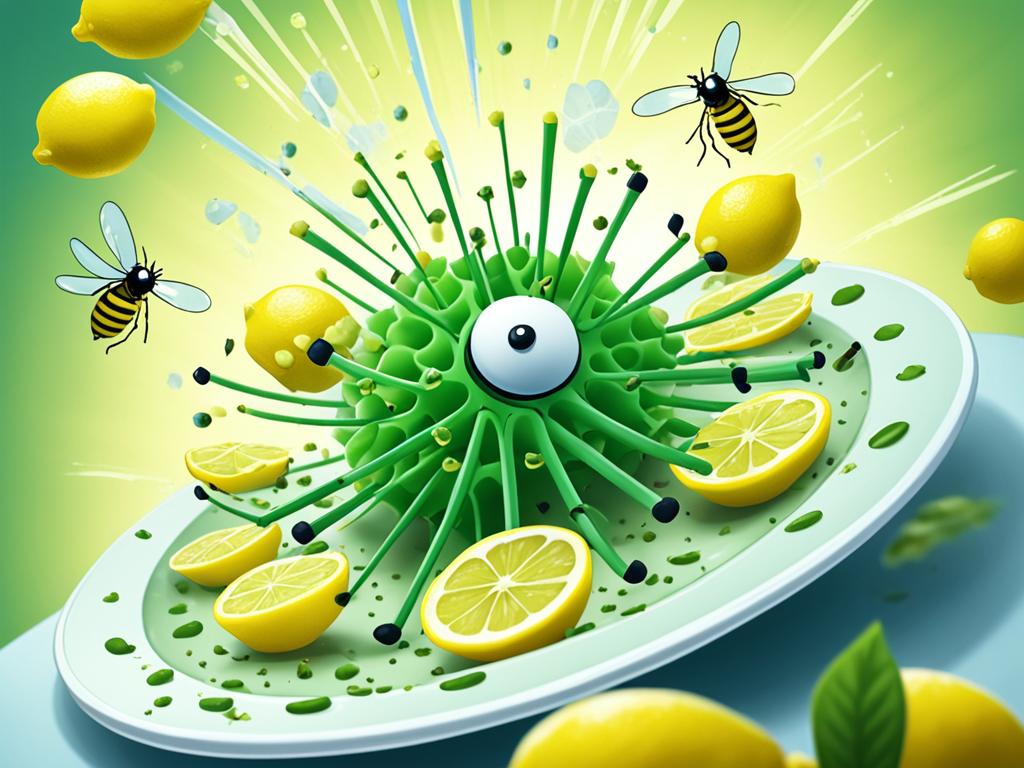
“Keeping your home clean and implementing these fly prevention tips will help you keep those pesky flies at bay. Remember, a fly-free home is a happier and healthier home!”
House Fly Infestation and Health Risks
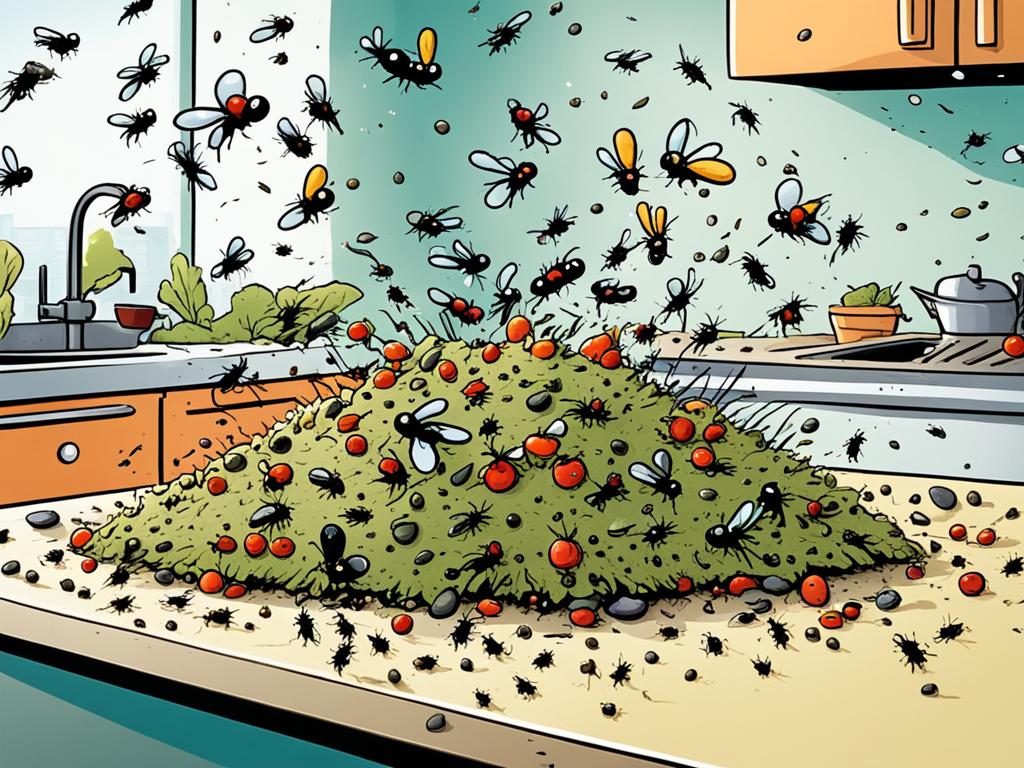
House flies are not just annoying pests; they can pose serious health risks due to the diseases they carry. These pesky insects are attracted to decaying materials and can quickly reproduce in large numbers if not controlled. To protect yourself and your loved ones, it’s essential to understand the potential health hazards associated with a house fly infestation.
House flies can transmit various diseases, including:
- Food poisoning: House flies can contaminate food surfaces with bacteria like E. coli and Salmonella, leading to foodborne illnesses.
- Cholera: Flies can carry the bacterium Vibrio cholerae, which causes cholera, a severe diarrheal disease.
- Typhoid fever: Typhoid fever is caused by the bacterium Salmonella Typhi, which can be transmitted by house flies through contact with contaminated surfaces.
- Tuberculosis: Although less common, house flies can also carry the bacteria responsible for tuberculosis, a highly contagious respiratory disease.
To illustrate the potential health risks, let’s take a closer look at the diseases carried by house flies:
| Disease | Transmission | Symptoms |
|---|---|---|
| Food poisoning | Contamination of food surfaces with bacteria | Gastrointestinal issues such as diarrhea, vomiting, and abdominal pain |
| Cholera | Carrying the bacterium Vibrio cholerae | Severe diarrhea, dehydration, and potentially life-threatening complications |
| Typhoid fever | Transmission of salmonella bacteria through contact with contaminated surfaces | Fever, weakness, abdominal pain, and potentially life-threatening complications |
| Tuberculosis | Carrying the bacteria responsible for tuberculosis | Chronic cough, chest pain, weight loss, and respiratory complications |
A house fly infestation should never be taken lightly, as the health risks posed by these insects can have severe consequences. It’s crucial to address the infestation promptly and take measures to prevent their presence in your home.
Remember, prevention is key when it comes to minimizing the health risks associated with house flies. By implementing effective fly control methods and maintaining good hygiene practices, you can create a safer and healthier environment for you and your family.
House Fly Life Cycle and Behavior
Did you know that house flies have a remarkably short lifespan but can reproduce in large numbers? These pesky insects are known for their ability to quickly infest any space. To understand how to effectively combat them, it’s essential to delve into their life cycle and behavior.
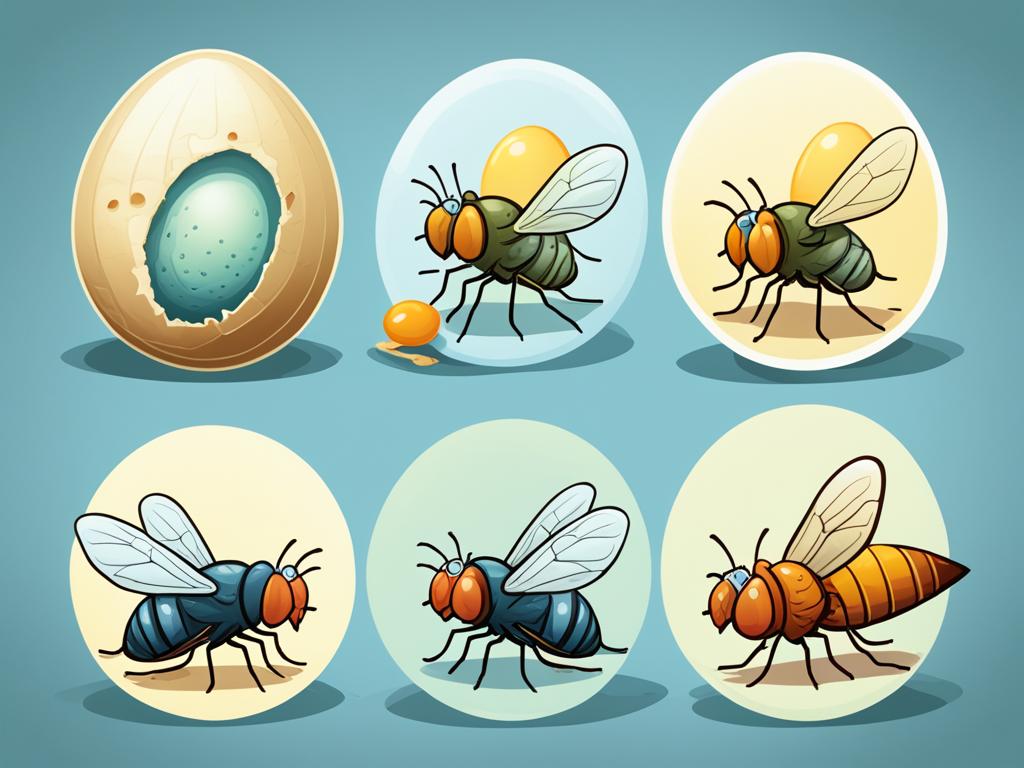
Female house flies play a key role in perpetuating their population. They lay their eggs on suitable materials such as garbage and feces. These eggs, which are too small to be seen with the naked eye, hatch into larvae within 24 hours.
The larvae, commonly known as maggots, go through several stages of growth, thriving on the decaying matter in their surroundings. Once they complete their larval stage, they pupate, forming a hard outer shell known as a puparium. This is where the transformation into an adult fly takes place.
After around three days, adult house flies emerge from the puparium. They are attracted to warm air currents and rely on their keen sense of sight and odor to locate sources of food. You may have noticed their preference for congregating around uncovered food, garbage bins, and pet waste.
House flies are not only a nuisance but can also pose health risks due to their close association with unsanitary conditions. Knowing their life cycle and behavior can help you understand how to disrupt their reproductive process and minimize infestations.
By implementing effective prevention measures and targeted control methods, you can keep these bothersome insects at bay and maintain a fly-free environment in your home.
How to Control Flies
Flies buzzing around can be a major annoyance, but with the right fly control methods, you can prevent fly infestation and get rid of flies permanently. Here are some effective strategies:
Ensure Proper Sanitation
One of the key steps in fly control is maintaining a clean environment. Clean up spills and food debris promptly, as they can attract flies. Regularly dispose of garbage in sealed bags or bins, and ensure that garbage cans are tightly closed to prevent flies from accessing potential breeding sites.
Repair Screens and Seals
Flies can enter your home through small openings in window screens or gaps in doors and seals. Inspect and repair any damaged screens or seals to keep flies out. Pay attention to areas around windows, doors, and vents where flies might find their way in.
Remove Breeding Materials
Flies reproduce quickly, and their larvae thrive in moist and decaying materials. Identify and eliminate potential breeding grounds such as rotting food, wet organic matter, and pet waste. Regularly clean and disinfect areas where flies are commonly found, such as kitchen countertops, garbage bins, and drains.
Use Fly Traps or Repellents
There are various fly traps and repellents available that can help control flies. Fly traps, such as sticky tape traps or homemade traps with sweet liquids, can effectively capture flies. Additionally, natural fly repellents, including essential oils like peppermint or lavender, can help deter flies from entering your home.

“By cutting off fly access to the home and food sources, you can effectively get rid of flies and prevent infestations.”
By following these fly control methods, you can not only get rid of flies permanently but also prevent future infestations. Remember, maintaining good hygiene and taking proactive measures are key to keeping your home fly-free.
Conclusion
Flies can be such a bother, buzzing around your home and making it difficult to relax. But fret not, because there are plenty of effective home remedies and preventative measures to keep those pesky flies at bay. Say goodbye to the annoyance and hello to a fly-free environment!
One of the best ways to deter flies is by using vinegar and soap traps. The sweet aroma of apple cider vinegar lures them in, while the dish soap breaks the surface tension, causing them to drown. It’s a simple yet effective solution that can drastically reduce the number of flies in your home.
Another homemade remedy is the use of sticky tape traps. Instead of buying expensive fly tape, you can make your own by placing sticky tape near areas where flies tend to gather. Just remember to replace the tape frequently to ensure its effectiveness.
Essential oils are also great for repelling flies. Mix a few drops of peppermint, lemon, or eucalyptus essential oil with water in a spray bottle, then spritz it around your home, especially in fly-prone areas. Flies despise the strong scents and will be deterred from entering your space.
And let’s not forget the importance of maintaining a clean environment. Flies are attracted to food spills and debris, so make sure you clean up any messes promptly. Keep your windows and doors closed and sealed, cover your rubbish bins, and store food in tightly sealed containers. These simple steps will go a long way in minimizing fly attraction.
In summary, by utilizing vinegar and soap traps, sticky tape, essential oils, and practicing good hygiene, you can bid farewell to flies and enjoy a fly-free home. So take action today and reclaim your space from those bothersome insects!
FAQ
What are some natural home remedies for flies?
Some natural home remedies for flies include using vinegar and soap traps, making sticky tape traps, using essential oils as a fly repellent, and catching drain flies with a cup and petroleum jelly.
How do I make a vinegar and soap trap to get rid of flies?
Mix apple cider vinegar with dish soap and water to make a fly trap. The vinegar attracts the flies, while the soap breaks the surface tension and drowns them.
Can I make my own sticky tape trap instead of buying fly tape?
Yes, you can make your own sticky tape trap using regular sticky tape. Hang it up near areas where flies are buzzing and replace it frequently.
How can I use essential oils to repel flies?
Mix a few drops of peppermint, lemon, or eucalyptus essential oil with water in a spray bottle. Spray it around your home, especially in areas where flies gather, to deter them.
How do I catch drain flies using a cup and petroleum jelly?
Coat the inside of a disposable cup with cooking oil or petroleum jelly and place it over the drain. This will catch adult flies as they fly out for air and help identify breeding sites.