
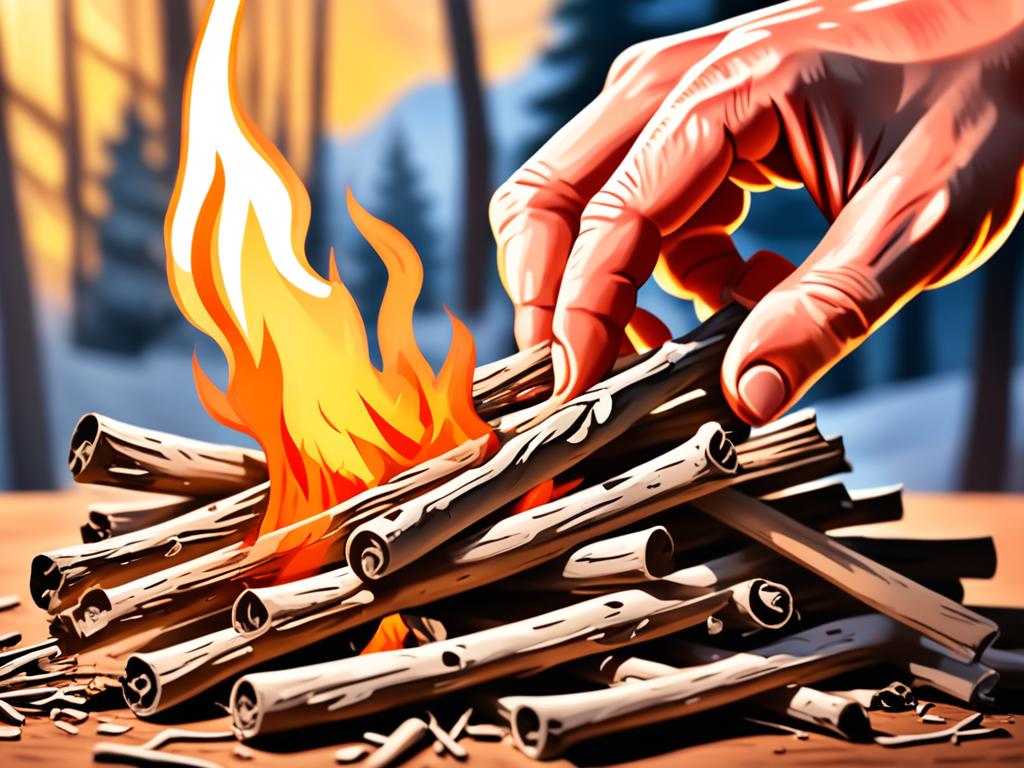
Ready to ignite the warmth of a crackling fire? Whether you’re camping in the great outdoors or cozying up in your backyard, starting a fire requires the right technique and safety precautions. To ensure a safe and efficient fire-starting experience, follow these essential steps.
Key Takeaways:
- Clear a space for the fire by removing grass or using a fire pit.
- Contain the fire with rocks to prevent spreading.
- Build the foundation with kindling, such as small sticks and twigs.
- Add tinder, like dry grass and leaves, to catch a spark.
- Ignite the fire using a lighter or matches, gradually adding more kindling.
Creating a Clear Space for the Fire
Before you start a fire, it’s important to create a clear space to ensure fire safety. This involves clearing a circular area on the ground by removing any grass and creating a dirt surface. The size of the space will depend on whether you plan to have a big fire or a small fire. A bigger fire would require a larger space, while a smaller fire would require a smaller space.
If you have a manmade fire pit available, it can be used instead of creating a dirt area. A fire pit provides a designated and safer space for the fire, minimizing the risk of the fire spreading beyond control. Fire pits also typically have built-in safety features, such as a barrier or a ring of stones, to further prevent accidents or hazards.
Creating a clear space, whether on the ground or using a fire pit, allows for better fire containment and control. It reduces the risk of fire spreading to unwanted areas and ensures that the fire is safely contained within a designated space.

Advantages of Using a Fire Pit
If you have access to a fire pit, using it has several advantages:
1. Enhanced Safety: Fire pits are designed with safety in mind, often featuring walls or barriers that prevent fire from spreading beyond the designated area.
2. Better Airflow: Fire pits are usually constructed with openings or vents that allow for proper airflow. This helps the fire burn consistently and efficiently.
3. Convenience: Fire pits offer a structured and ready-to-use space for starting a fire. They eliminate the need to clear a space on the ground each time you want to enjoy a fire.
Whether you choose to create a clear space on the ground or use a fire pit, always prioritize fire safety. Following these precautions helps ensure that you can enjoy the warmth and ambiance of a fire while minimizing the risk of accidents or unintended fire-related incidents.
| Advantages of a Clear Space on the Ground | Advantages of a Fire Pit |
|---|---|
| 1. Flexibility: Can be created anywhere and adjusted in size according to your needs. | 1. Enhanced Safety: Fire pits are designed with safety features to prevent accidents. |
| 2. Cost-effective: No need to invest in a fire pit; just clear a space when needed. | |
| 3. Natural feel: Provides a more rustic and natural ambiance. | 2. Better Airflow: Fire pits have built-in vents for proper oxygen supply. |
| 3. Convenience: Ready-to-use space, no need for additional preparations. |
Containing the Fire with Rocks
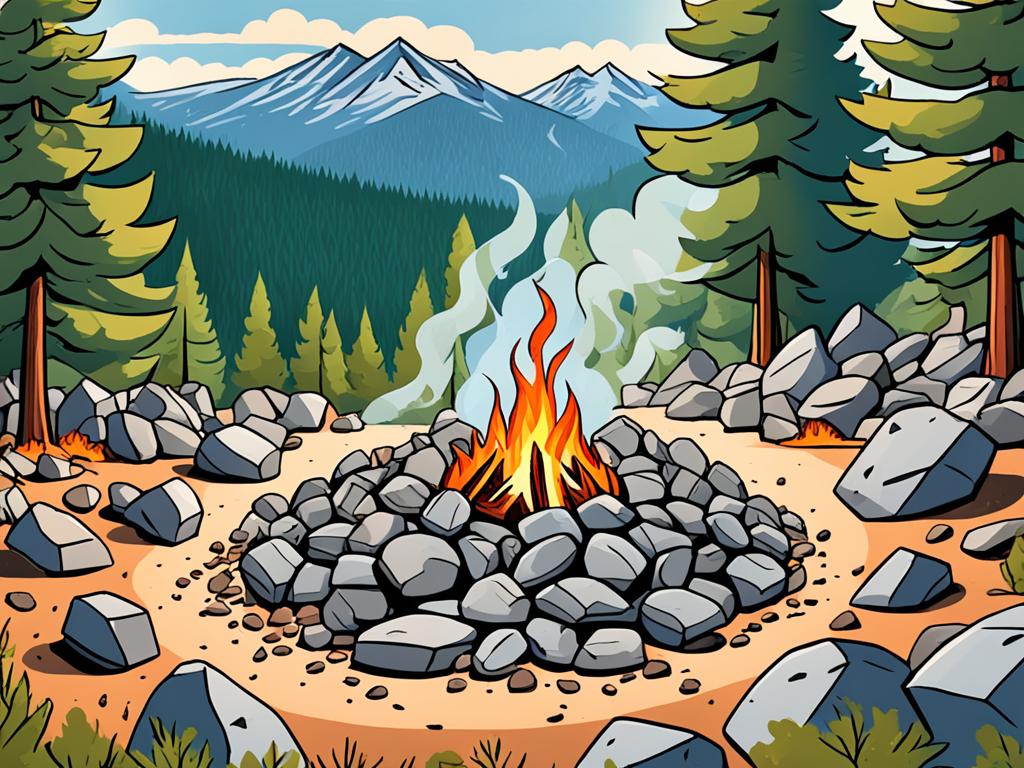
Once you have created a clear space for your fire, it’s important to take precautions to keep the fire contained and controlled. This is where rocks come into play. Using rocks to line the circular space around the fire helps create a barrier that prevents the fire from spreading beyond its designated area.
Lining the space with large rocks not only contains the fire but also acts as an insulator, keeping the heat within the fire pit. This is especially useful when you’re dealing with a strong breeze or wind, as it helps prevent the flames from being easily extinguished. By using rocks, you ensure that your fire remains safe and under control throughout its duration.
Here’s a quick step-by-step guide on how to contain your fire with rocks:
- Gather large rocks that are sturdy and heat-resistant.
- Place the rocks in a circle around the perimeter of your fire pit or the cleared area on the ground.
- Make sure the rocks are positioned close to each other, leaving little to no gaps between them.
- Continue stacking the rocks on top of each other to create a wall that surrounds the fire.
- Ensure that the rocks are stable and won’t shift or move during the fire’s duration.
By following these steps, you can effectively contain your fire using rocks and maintain a safe environment for everyone around. Just remember to exercise caution when handling the rocks, as they may become hot during the fire. Keep a safe distance and use appropriate tools, such as gloves or tongs, if necessary.
Did You Know?
Using rocks to contain a fire not only helps with safety but also adds an aesthetic element to your outdoor space. The natural beauty of rocks complements the warm glow of the fire, creating a cozy and inviting atmosphere for gatherings and relaxation.
Building the Foundation with Kindling
Now that you have prepared the space for your fire, it’s time to build a solid foundation with fire kindling. This step is crucial for starting a flame and ensuring a successful fire-building process.
Kindling refers to small sticks and twigs that serve as the base for your fire. These fuel sources are essential for catching a flame and creating the initial spark that will ignite the fire.
Place the kindling in the circular space you have prepared, forming a platform for the fire. Make sure to arrange the sticks and twigs in a way that allows for proper airflow, as this will aid in the combustion process and help your fire grow.
To give you a better idea of how to build the foundation with kindling, let’s take a look at an example:
“You’ve cleared your fire pit and created a comfortable space for your fire. Now it’s time to add the kindling and start building your flame. Gather a handful of small sticks and twigs, making sure they are dry and easily ignitable. Arrange them in a crisscross pattern, creating a solid base for your fire. Don’t be afraid to get creative and experiment with different arrangements to find what works best for you.”
– OutdoorFireMasters.com
Remember, the success of your fire relies heavily on the quality and quantity of your fire kindling. Ensure that the sticks and twigs are dry and easily combustible, as damp or wet kindling may hinder the ignition process.
| Benefits of Using Fire Kindling: | How to Choose the Right Fire Kindling: |
|---|---|
|
|
By taking the time to build a solid foundation with fire kindling, you enhance your chances of starting a flame and creating a successful fire. So gather your sticks and twigs, arrange them strategically, and get ready to ignite your fire!

Adding Tinder for Ignition
Now that you have prepared a solid foundation with kindling, it’s time to add the key ingredient for fire ignition – tinder. Tinder serves as the initial fuel source that catches a spark and starts the fire. In this case, we will be using dry grass and leaves as our tinder.
Why dry grass and leaves, you ask? Well, they offer a quick and easily ignitable material that helps kickstart the fire. When ignited, the flames will then spread to the kindling, gradually building a robust fire.
So, gather a handful of dry grass and leaves and carefully place them on top of your kindling. Ensure that the tinder is evenly distributed, creating a bed for the fire to grow.

“Starting a fire is like starting a new friendship. Tinder is that initial spark that ignites a warm connection.”
Igniting the Fire
Now comes the exciting moment of igniting the fire! Grab your trusty lighter or matches and get ready to witness the magic. A flame flickering in the darkness, casting a warm glow that brings comfort and serenity.
But before we proceed, always remember to prioritize fire safety. Ensure you have a clear space, free from any flammable materials, and keep a fire extinguisher or water source nearby, just in case.
If you have a lighter or matches:
- Carefully hold the lighter or matches to the kindling and ignite it. Start with a small flame to ignite the initial kindling properly.
- As the flame grows, gradually add more kindling to fuel the fire. The additional kindling will help the flame to spread and grow stronger.
- Blow gently on the flame to provide oxygen and encourage it to burn hotter. Be cautious and avoid blowing too hard, as you wouldn’t want to accidentally extinguish the fire.
If you don’t have a lighter or matches:
Don’t worry, there are alternative methods you can try to ignite the fire. Sometimes, a little creativity is all you need!
- Look for a knife and a flat piece of wood with bark. Use the back of your knife to strike the wood, creating friction and sparks. Direct these sparks onto the kindling to ignite it.
- Remember, safety is paramount. If you’re unsure about any alternative fire ignition method, seek guidance or assistance from a fire expert or experienced individual.
As the flames dance and the fire grows, take a moment to appreciate the beauty and warmth it brings. But don’t get too mesmerized that you forget about fire safety. Be responsible and maintain control of the fire at all times.
Now that the fire is ignited, embrace the cozy ambiance and get ready to build it up further. In the next section, we’ll explore how to arrange logs for a sustainable and long-lasting fire.
Arranging Logs for a Sustainable Fire
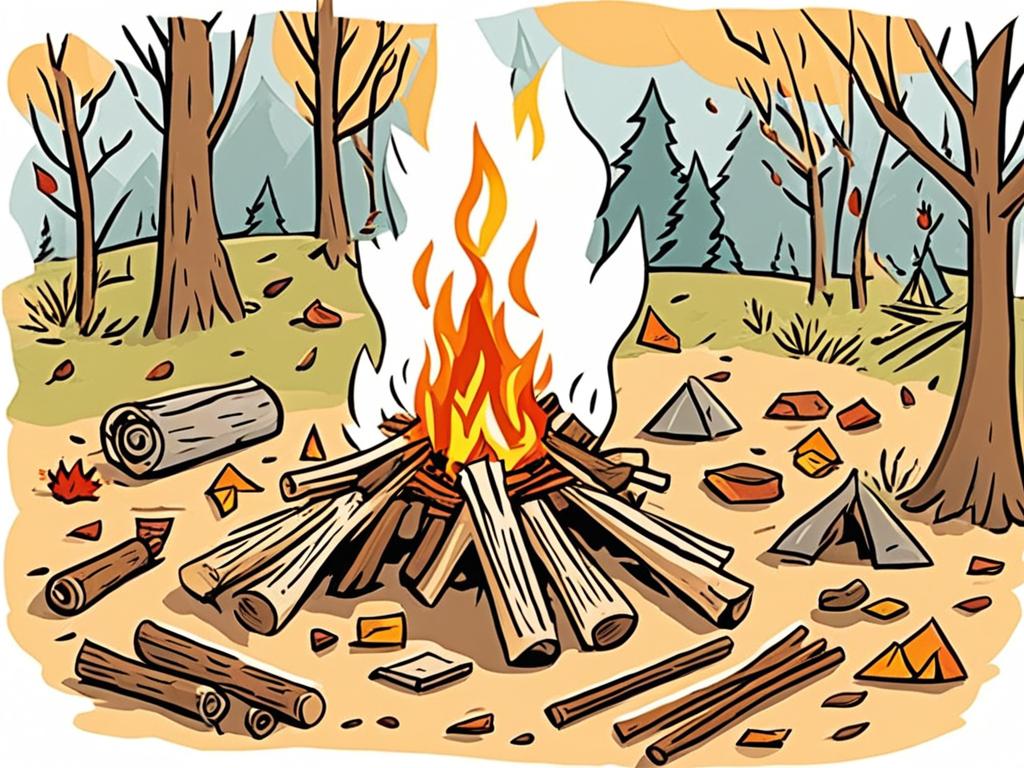
Now that you have successfully ignited the fire, it’s time to arrange the logs for optimum fire sustainability. The way you stack the logs can make a significant difference in maintaining the fire and ensuring a long-lasting and enjoyable experience.
One popular method is to stack the logs in a square shape, about two logs high. This arrangement creates a sturdy foundation for the fire and allows for proper airflow. To add more visual interest and enhance airflow, consider creating a teepee shape in the middle of the square stack.
By arranging the logs in this manner, you ensure that the fire receives enough oxygen to burn efficiently, generating a steady and consistent flame. Proper oxygen flow is crucial for maintaining a sustainable fire and preventing it from smoldering or going out prematurely.
Remember, firewood arrangement is a balancing act. You don’t want to overcrowd the fire with too many logs, as this can restrict airflow and lead to an inefficient burn. On the other hand, using too few logs may result in a weak fire that requires constant tending and additional logs.
Try experimenting with different log arrangements to find what works best for you. You can even get creative by incorporating artistic patterns or using alternative shapes. Just make sure the logs are stacked securely to prevent them from collapsing and causing safety hazards.
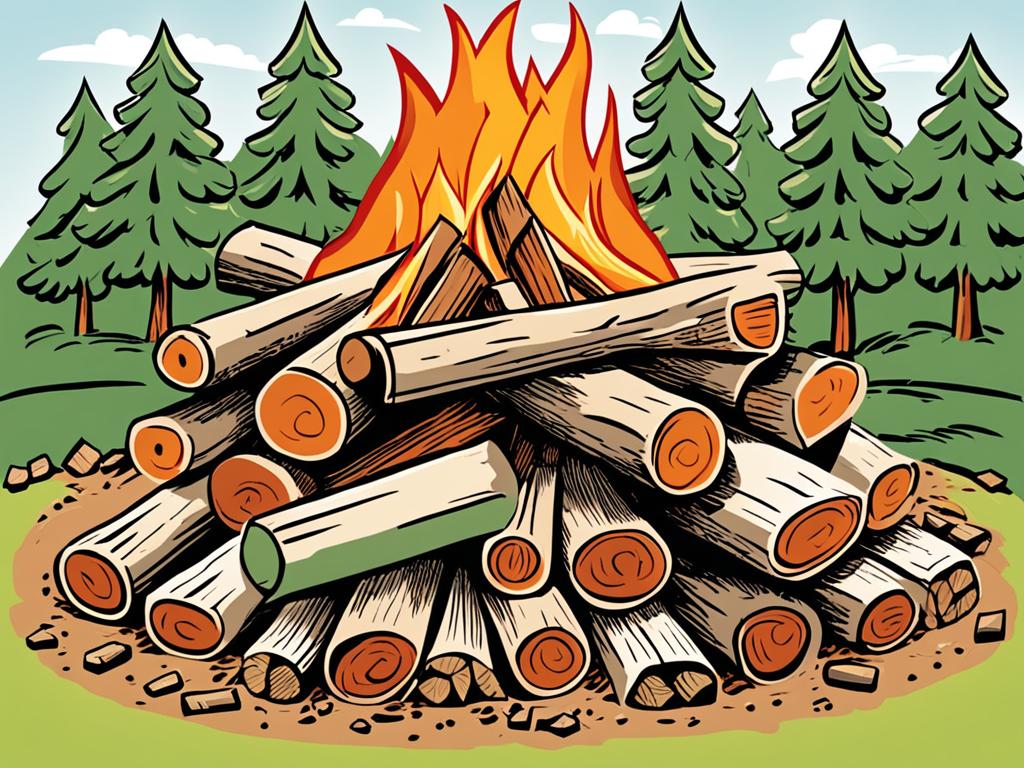
Now that you have arranged the logs, sit back, relax, and enjoy the mesmerizing beauty and warmth of your sustainable fire. Don’t forget to continue monitoring the fire and practicing fire safety throughout the duration of your outdoor gathering.
| Benefits of Proper Firewood Arrangement | Tips for Maintaining the Fire |
|---|---|
|
|
Fire Safety and Maintenance
When enjoying a fire, it’s crucial to prioritize fire safety and maintenance to prevent accidents and protect the environment. Follow these fire safety tips and practices to ensure a safe and responsible fire experience.
Keep an Eye on the Fire
Once the fire is lit, it’s important to keep a close watch on it at all times. Never leave a fire unattended, especially overnight. Embers can easily reignite and start another flame, potentially leading to a dangerous situation. Make it a habit to check the fire frequently and maintain constant supervision.
Extinguish with Water
When you no longer need the fire or want to call it a night, it’s vital to fully extinguish it. Throwing water on the fire is an effective way to ensure it is completely out. Water works by cooling down the flames and preventing any residual heat from reigniting the fire.
To extinguish the fire, pour water evenly across the entire fire pit, ensuring all embers and ashes are thoroughly doused. Be cautious and avoid splashing water, as this can cause steam and hot ashes to fly, potentially causing injuries. Allow the fire pit to cool completely before leaving the area.
Responsible Fire Maintenance
| Fire Maintenance Tips | Preventing Wildfires |
|---|---|
| Regularly remove debris from around the fire pit | Avoid creating fires during dry, windy conditions |
| Dispose of ashes in a metal container | Follow local fire safety regulations and restrictions |
| Keep a shovel and bucket of water nearby for emergencies | Never leave a fire unattended |
| Use firewood from local sources to prevent introducing invasive species | Ensure the fire is fully extinguished before leaving |
By adhering to these fire safety and maintenance practices, you can enjoy the warmth and beauty of a well-maintained fire while minimizing the risk of accidents and preventing wildfires.
Choosing the Right Fire Starter
When it comes to starting a campfire, having the best fire starters at your disposal can make a world of difference. There are plenty of fire starter options to choose from, each with its own unique benefits and ease of use. Let’s explore some of these options:
| Fire Starter Option | Effectiveness | Ease of Use |
|---|---|---|
| Wine corks soaked in rubbing alcohol | High | Easy |
| Dryer lint | Moderate | Very easy |
| Magnifying glass | Low | Moderate |
| Hand sanitizer | Moderate | Easy |
| Tampons or cotton balls | Moderate | Easy |
| 100-proof whiskey | High | Moderate |
| Dried kindling or tinder | Moderate | Easy |
| Flint | High | Moderate |
| Newspaper or magazine pages | Low | Easy |
| Cardboard | Moderate | Easy |
| Commercial fire starters | High | Very easy |
Note: The effectiveness and ease of use may vary depending on individual skill and environmental factors.
As you can see, there is a wide range of fire starter options available to suit your needs. Whether you prefer the convenience of commercial fire starters or the creative use of everyday items like wine corks or dryer lint, there’s something for everyone. Experiment with different methods to find the one that works best for you.
Starting a Fire with Flint
When it comes to starting a fire outdoors, there’s something inherently satisfying about going back to basics. And what better way to embrace your primal instincts than by starting a fire with flint? This ancient method not only connects you with nature but also gives you a sense of accomplishment. So, let’s dive into the fascinating world of flint fire starting!
But first, gather your supplies. You’ll need a trusty piece of flint, a pocket knife (if your flint doesn’t already have a scraping tool), small kindling, and larger fuel to keep the fire burning.

Begin by preparing your fire area. Clear away any debris or potentially flammable materials to create a safe zone. Safety first, after all.
Next, collect some small kindling. Dry twigs, small sticks, or even birch bark work great for this purpose. Remember, the drier the better! Moist kindling can make the ignition process a bit more challenging.
Now, here comes the fun part. Take your flint and start creating flint shavings using your pocket knife or the scraper attached to the flint. The shavings should be fine and fluffy, resembling a small nest.
Once you have your pile of flint shavings ready, position them in the center of your fire area. Hold the flint firmly against the scraper or knife, and swiftly strike down, sending sparks flying into the shavings. With a little luck (and practice), the sparks will ignite the flint shavings, and voila, you have a flame!
Keep nurturing the flame by adding more kindling, gradually moving on to larger fuel. As you build the fire, ensure proper airflow to keep it well-fed and thriving.
Remember, starting a fire with flint requires patience and practice. It’s not the quickest method, but it’s definitely one of the most rewarding. So, embrace your inner caveman (or cavewoman) and master the art of flint fire starting!
Troubleshooting Fire Starting with Flint
Starting a fire with flint is an ancient and reliable method, but sometimes things don’t go as planned. Don’t worry, you’re not alone. If you encounter any issues while trying to ignite a fire with flint, here are some troubleshooting tips to help you overcome the hurdles. Remember, practice makes perfect!
1. Ensure your wood and kindling are dry
Moisture is the nemesis of fire starting. Make sure your wood and kindling are properly dried before attempting to start a fire with flint. Wet or damp materials can be difficult to ignite, so gather dry tinder and kindling for optimal results.
2. Address any excessive wind
Strong gusts of wind can disrupt the delicate balance between the sparks from your flint and the tinder. Find a sheltered spot or use your body as a windbreaker to shield the fire-starting process from gusts. Take advantage of natural windbreaks like rocks or fallen trees if available.
3. Make sure you have enough flint shavings
Flint shavings are essential for catching the sparks from the flint and igniting your tinder. If you’re having trouble getting sparks to ignite, double-check that you have enough flint shavings ready. On the other hand, if you have significant amounts of shavings, consider redistributing them to increase your chances of success.
4. Gently blow on the glowing pieces to provide oxygen
Oxygen is crucial for the fire-starting process. Once you see glowing embers from the ignited tinder, gently blow on them to provide oxygen and encourage the flames to grow. Be careful not to blow too hard, as it may extinguish the flames instead of fueling them.
Pro Tip: To improve the airflow and ventilation around your fire, create a small opening in the windward side of your fire setup. This will allow fresh air to reach the flames and help maintain a steady burn.
Remember, starting a fire with flint requires practice, patience, and persistence. Don’t get discouraged if you don’t succeed right away. Keep refining your technique, learn from your experiences, and soon you’ll become a master fire starter using this ancient method. Now go out there and ignite your adventure!
| Issue | Troubleshooting Tip |
|---|---|
| Dry wood and kindling | Ensure your wood and kindling are dry before starting. |
| Excessive wind | Find a sheltered spot or use your body as a windbreaker. |
| Insufficient flint shavings | Check that you have enough flint shavings for a successful spark. |
| Gently blow on the glowing pieces | Provide oxygen by blowing gently on the embers. |
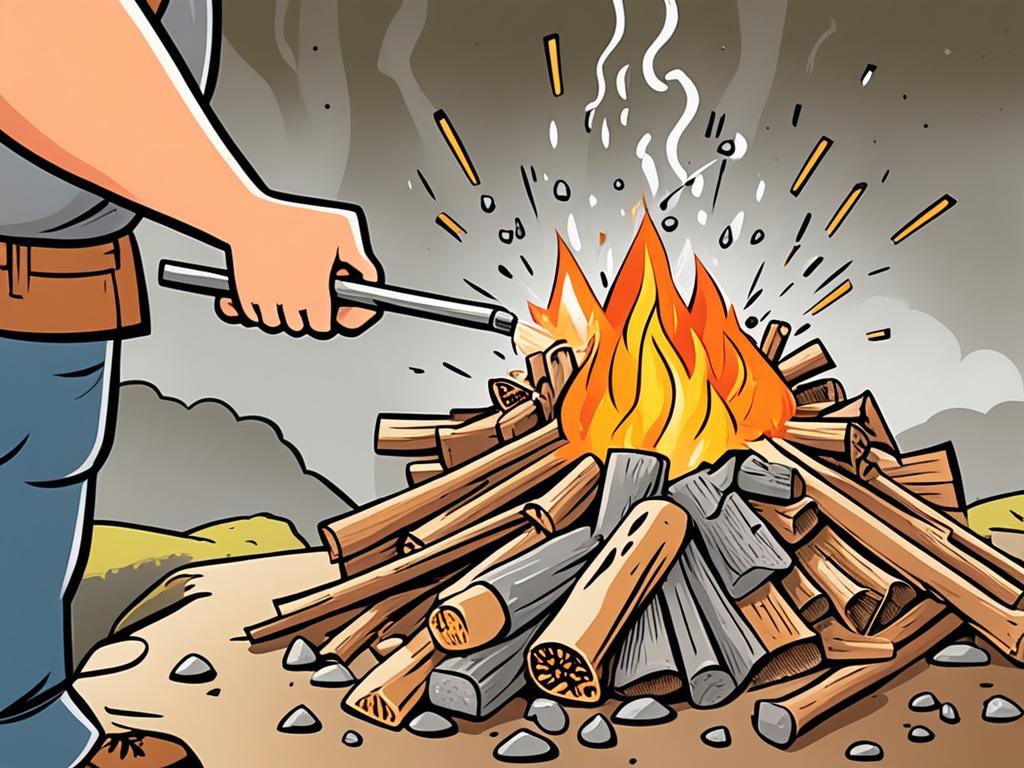
Remember, troubleshooting fire starting with flint is part of the learning process. Embrace the challenges and use them as opportunities to improve your skills. With persistence and the right techniques, you’ll be able to start a fire using flint like a seasoned survival expert. Happy fire starting!
Conclusion
Starting a fire safely is not only about creating a cozy atmosphere, but also about protecting yourself and others from potential hazards. By following the proper steps, you can ensure a safe and enjoyable experience around the fire.
Remember to create a clear space for the fire, whether it’s by clearing an area on the ground or using a designated fire pit. Containing the fire with rocks helps to prevent it from spreading and keeps it under control. Building a solid foundation with kindling and adding tinder for ignition are crucial steps to start the fire successfully.
Once the fire is ignited, arrange logs in a sustainable way, ensuring proper airflow to keep the fire going. Throughout the night, prioritize fire safety by closely monitoring the fire and fully extinguishing it with water before leaving the area.
By understanding the importance of fire safety and following these guidelines, you can confidently enjoy the warmth and ambiance of a well-lit fire while minimizing the risks. So go ahead, gather some friends and family, and create unforgettable moments around a safely started fire.
FAQ
What is the proper way to start a fire?
Starting a fire requires proper technique and safety precautions. Follow these steps: create a clear space, contain the fire with rocks, build the foundation with kindling, add tinder for ignition, light the fire, arrange logs for sustainability, and practice fire safety and maintenance.
How do I create a clear space for the fire?
Before starting a fire, clear a circular space on the ground by removing grass and creating a dirt area. You can also use a manmade fire pit if available.
How do I contain the fire with rocks?
Line the circular space with large rocks to create a wall and contain the fire. This helps prevent the fire from spreading.
What is the purpose of kindling in starting a fire?
Kindling, such as small sticks and twigs, serves as a platform for the fire. It catches a flame after the tinder gets a spark and acts as the base for the fire.
What role does tinder play in igniting the fire?
Tinder, such as dry grass and leaves, acts as the easily ignitable material to start the fire. It catches a spark when lit and helps ignite the kindling.
How do I light the fire?
Use a lighter or matches to ignite the tinder. Gradually add more kindling to the fire and blow on it to create more heat. If a lighter or matches are not available, alternative methods like using a knife and a flat piece of wood with bark can be used.
How should I arrange the logs for a sustainable fire?
Begin placing logs around the fire in a desired arrangement, such as stacking them in a square shape about two logs high or creating a teepee shape in the middle. This arrangement allows for proper airflow and helps the fire to keep going.
How do I ensure fire safety and maintain the fire?
Keep an eye on the fire throughout the night and ensure it is fully extinguished by throwing water on it. This prevents any hot embers from reigniting and starting another flame.
What are some fire starter options I can choose from?
There are various fire starter options available, such as wine corks soaked in rubbing alcohol, dryer lint, magnifying glass, hand sanitizer, tampons or cotton balls, 100-proof whiskey, dried kindling or tinder, flint, newspaper or magazine pages, cardboard, and commercial fire starters. Each method has its effectiveness and ease of use.
How can I start a fire with flint?
To start a fire with flint, you will need flint, small kindling, and larger fuel. Prepare the area, collect kindling, create flint shavings, and use the sparks from the flint to ignite the shavings. Continue adding kindling and fuel to sustain the fire.
What should I do if I encounter issues while starting a fire with flint?
If you encounter issues, ensure your wood and kindling are dry, address any excessive wind, make sure you have enough flint shavings, and gently blow on the glowing pieces to provide oxygen.
How can I start a fire safely?
Starting a fire safely requires proper preparation, technique, and adherence to fire safety guidelines. By following the proper steps, utilizing the right fire starters, and maintaining the fire responsibly, you can enjoy the warmth and ambiance of a well-lit fire while ensuring the safety of yourself and those around you.