
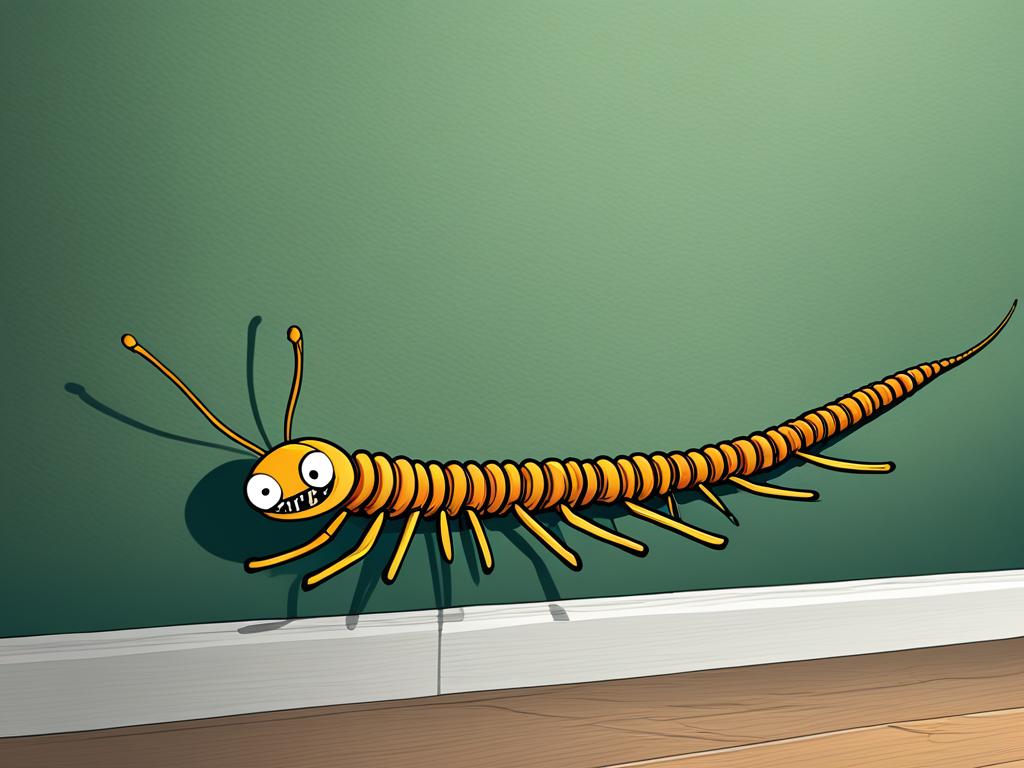
If you’ve ever encountered a house centipede scurrying across your floor, you know the unique combination of fear and disgust it can evoke. These long-legged creatures may be harmless, but their presence can still send shivers down your spine. If you’re ready to get rid of these unwelcome guests, we’ve got you covered with some effective removal tips.
House centipedes are a common sight in homes, especially in damp areas like bathrooms and basements. While they actually help control other insect pests, their appearance alone is enough to make most people want them out. Fortunately, there are simple and natural methods you can try to banish house centipedes from the premises.
Key Takeaways:
- House centipedes are common insects found in homes, particularly in damp areas like bathrooms and basements.
- Although harmless, house centipedes can be a nuisance, and there are effective removal tips to get rid of them.
- Identifying the source and conditions that attract house centipedes is crucial for successful removal.
- Natural and non-toxic methods, such as using a vacuum cleaner or diatomaceous earth, can help eliminate house centipedes.
- Preventive measures like reducing humidity levels and sealing cracks can deter house centipedes from entering your home.
The Characteristics of House Centipedes
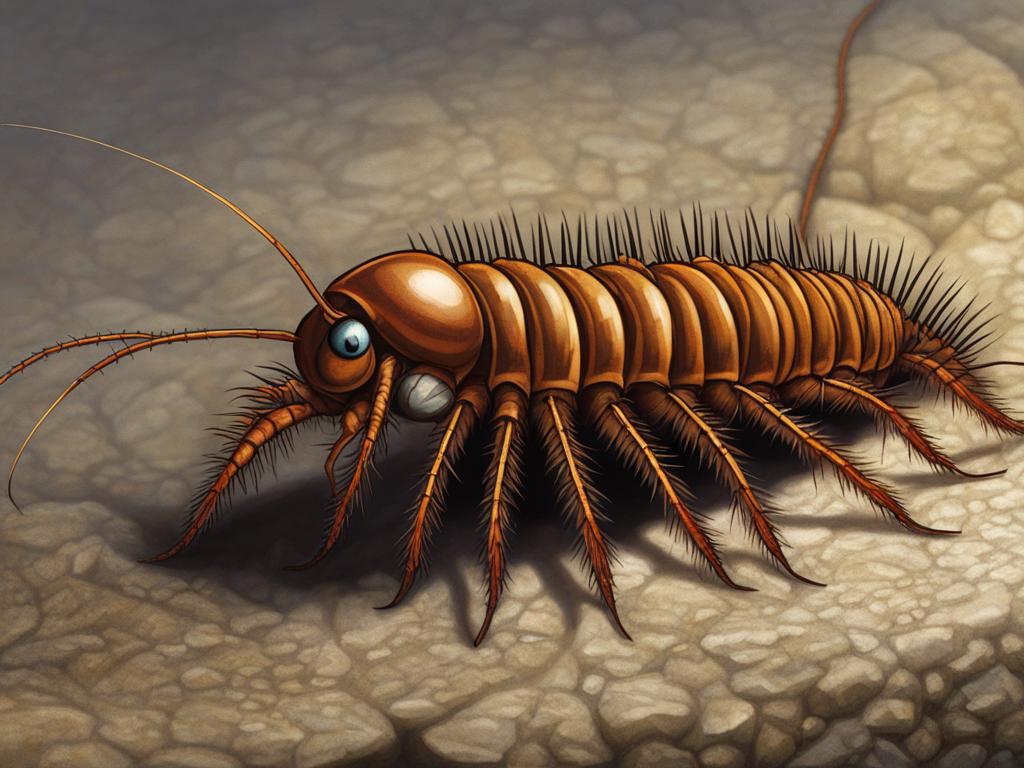
House centipedes are fascinating creatures with unique characteristics that make them easily recognizable. Let’s take a closer look at what sets them apart:
- Long, Greyish-Yellow Bodies: House centipedes have elongated bodies that are usually greyish-yellow in color. Their slender shape allows them to maneuver through tight spaces with ease.
- Many Legs: These agile insects are known for their numerous legs. With an average of 15 pairs of legs, house centipedes can move at impressive speeds, giving them a rolling motion as they scuttle across surfaces.
While the appearance of house centipedes might startle some people, it’s important to note that they are harmless to humans. In fact, these quirky creatures play a beneficial role in our homes as natural pest control agents.
“House centipedes may look creepy, but they’re actually helping you by preying on other household pests. Think of them as your very own insect vigilantes!”
House centipedes feed on an array of common household insects, including roaches, flies, and termites. Their voracious appetite for these pests makes them valuable allies in keeping our homes free from infestations.
As creatures of habit, house centipedes are naturally drawn to damp and dark environments. You’re most likely to find them in areas such as drains, basements, and cabinets under sinks. These spaces provide the ideal conditions for house centipedes to thrive.
Don’t judge a bug by its appearance!
It’s important to remember that appearances can be deceiving. While house centipedes may look intimidating, their presence is actually beneficial to your home’s ecosystem. So, the next time you come across one, take a moment to appreciate their unique characteristics and the valuable work they do in keeping your home pest-free.
Identifying the Source and Conditions Attractive to House Centipedes
To effectively get rid of house centipedes, it’s crucial to understand their source and the conditions that draw them in. These creepy crawlies are naturally drawn to damp and dark places, such as drains, basements, and bathrooms. However, they’re not just seeking out moisture; they also have an appetite for other insect nuisances. So, if you want to evict these leggy intruders from your home, you need to combat their preferred living conditions.
Start by clearing away any debris that may attract house centipedes. This includes decaying leaves, woodpiles, and excess moisture in your yard or near the foundation of your home. By eliminating their hiding spots, you’re making it less enticing for these critters to set up camp in your space.
Furthermore, maintaining a dry environment is key to deterring house centipedes. Be sure to fix any leaks or plumbing issues promptly, as these create ideal habitats for moisture-loving pests. Consider using a dehumidifier in your basement or bathroom to reduce humidity levels and create an inhospitable environment for the centipedes.
Conditions Attractive to House Centipedes
| Attractive Conditions | Deterring Measures |
|---|---|
| Damp and dark places, such as drains, basements, and bathrooms | Clear away debris and maintain a dry environment |
| Presence of other insect nuisances | Implement proper pest control methods to eliminate other insects |
By addressing these source and conditions factors, you can significantly reduce the likelihood of house centipedes invading your home. Remember, prevention is the first line of defense against these uninvited guests.
Natural and Non-toxic Methods for Getting Rid of House Centipedes
If you’re looking for natural and non-toxic methods to bid farewell to those pesky house centipedes, you’re in luck! There are several effective options at your disposal that won’t harm your health or the environment. Let’s explore these house centipede elimination alternatives together.
1. High-powered Vacuum Cleaner: Channel your inner Ghostbuster and suck those centipedes away! A trusty high-powered vacuum cleaner can effectively capture these swift creatures, ensuring they won’t come crawling back. Just be sure to dispose of the bag or empty the canister away from your home to prevent any unexpected reunions.
2. Diatomaceous Earth: Crushed bug exoskeletons might not sound delightful, but diatomaceous earth is a game-changer when it comes to house centipede control. Sprinkle this natural powder around cracks and corners frequented by these unwanted guests. When the centipedes come into contact with this abrasive substance, it dehydrates them, giving them a taste of their own medicine. Good riddance, intruders!
3. Sticky Traps: Who doesn’t love a sticky situation…for centipedes, of course! Set up adhesive traps in areas where house centipedes tend to roam. These traps are designed to attract and ensnare the bugs with their sticky surfaces. It’s like a five-star hotel for house centipedes, but they won’t be checking out anytime soon.
4. Vinegar: This pantry staple does more than just dress up your salads. Fill a spray bottle with vinegar, and generously spritz areas where house centipedes are unwelcome. The strong odor repels them, leaving your home smelling fresh and centipede-free.
5. Cedarwood Spray: Say hello to nature’s pest repellent! Cedarwood spray is not only pleasing to the olfactory senses but also has the power to repel house centipedes. Spray it in crevices, corners, and other favorite hiding spots, and let the aromatic barrier do its magic. Centipedes won’t stand a chance against this woody wonder.
6. Salt and Baking Soda: Unleash the power of your kitchen pantry! A mixture of salt and baking soda can help eradicate the insects that house centipedes feast on. Sprinkle this deadly duo in the areas where these bugs congregate, and watch as their food source dwindles. It’s the ultimate buffet shutdown.
Comparison of Natural and Non-toxic Methods for House Centipede Control
| Method | Effectiveness | Ease of Use | Cost | Environmental Impact |
|---|---|---|---|---|
| High-powered Vacuum Cleaner | High | Easy | $$ | Minimal |
| Diatomaceous Earth | High | Moderate | $ | Non-toxic |
| Sticky Traps | Moderate | Easy | $ | Non-toxic |
| Vinegar | Moderate | Easy | $ | Non-toxic |
| Cedarwood Spray | Moderate | Easy | $$ | Non-toxic |
| Salt and Baking Soda | Low | Easy | $ | Non-toxic |

The natural and non-toxic methods listed above provide an arsenal of options to combat house centipedes without resorting to harmful chemicals. Remember, prioritizing the health and safety of your household and the environment is key. So, why not give these methods a try and bid those house centipedes farewell, naturally?
Preventive Measures to Deter House Centipedes
Taking preventive measures can make your home less hospitable to house centipedes. By implementing these preventive measures, you can create an environment that discourages their presence and ensures your peace of mind.
Lower humidity levels
House centipedes thrive in damp environments, so reducing the humidity in your home is crucial. Consider using a dehumidifier to maintain optimal moisture levels and discourage their presence.
Repair plumbing leaks
House centipedes are attracted to areas with moisture, so it’s essential to fix any plumbing leaks promptly. Repairing leaks not only prevents centipedes from entering your home but also helps maintain the overall integrity of your plumbing system.
Keep basement and attic spaces dry
Basements and attics are common areas where house centipedes seek refuge. Ensure that these spaces are well-ventilated and free from excess humidity. Utilize fans or dehumidifiers to keep them dry and unattractive to house centipedes.
Seal cracks near windows
House centipedes can enter your home through small cracks and openings near windows. Seal these gaps with caulk or weatherstripping to prevent their entry and ensure a secure living environment.
Clear debris from the perimeter of your home
House centipedes often hide in debris and piles of leaves outside your home. Regularly clear any debris from around the perimeter to minimize their access points and deter their presence.

The Myth of House Centipede Bites
House centipedes may look intimidating with their long legs and speed, but the myth of their harmful bites is just that—a myth. While it’s true that house centipedes have venom and are capable of biting, these incidents are extremely rare. Bites from house centipedes do not cause any significant harm to humans.
So, what can you expect if you do happen to get bitten? In most cases, you might experience a brief moment of pain, similar to a bee sting. However, the discomfort quickly subsides, and there is no lasting effect. It’s important to remember that house centipedes are not aggressive creatures and will only bite if they feel threatened or cornered.
To avoid any potential bites, it’s best to handle house centipedes gently—or better yet, leave them be. These fascinating creatures play a beneficial role in your home as natural predators of other insects.
That being said, if you do get bitten by a house centipede and experience any unusual or severe symptoms, it’s advisable to seek medical attention. While rare, some individuals may have an allergic reaction to the venom, and medical assistance can ensure proper treatment.
Now that we’ve debunked the myth of house centipede bites, let’s move on to a comparison between centipedes and millipedes in the next section.
The Difference Between Centipedes and Millipedes
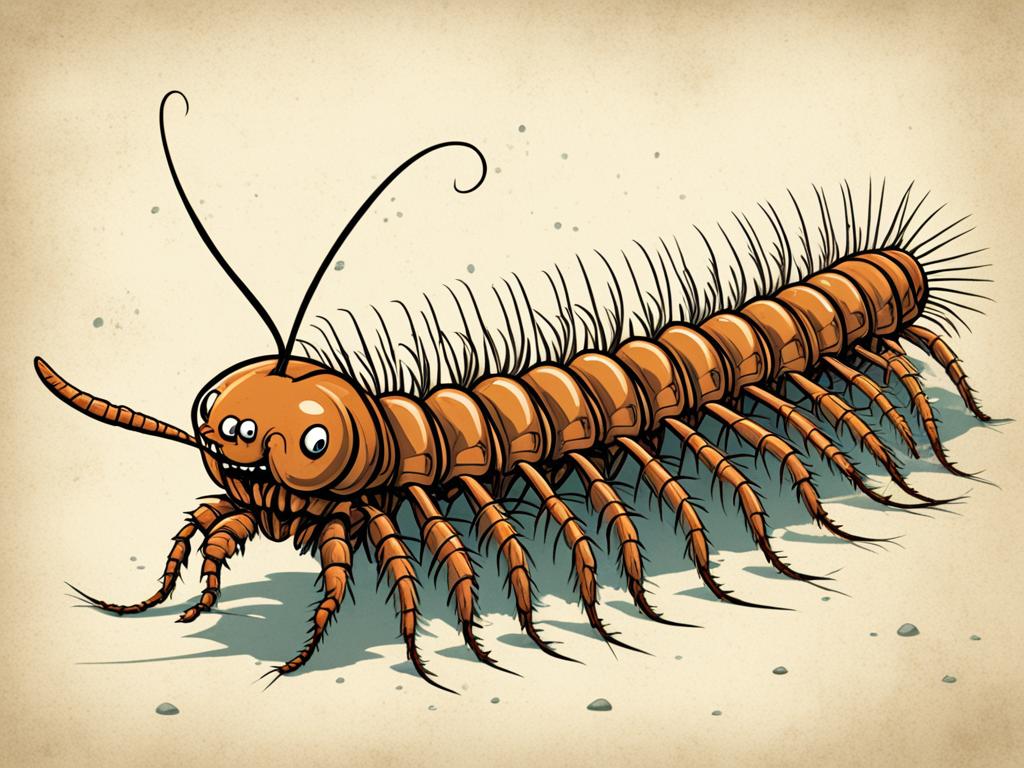
Centipedes and millipedes may look similar at first glance, but they have some distinct differences that set them apart. Understanding these differences is important when it comes to identifying the insects in your home and determining the best approach for removal.
Centipedes, with their elongated bodies and numerous legs, are equipped for hunting and preying on other insects. They have one pair of legs per body segment, giving them a quick and agile movement. If you come across a fast-moving, multi-legged creature, chances are it’s a centipede. These stealthy hunters feast on insects like roaches, flies, and termites, making them valuable allies in pest control.
On the other hand, millipedes have a more rounded and cylindrical body shape. They boast a distinctive feature – two pairs of legs per body segment. This characteristic gives them a slower, lumbering gait compared to centipedes. Unlike centipedes, millipedes are not predators. Instead, they are scavengers that primarily feed on decaying plant material, such as fallen leaves and rotting wood.
Here’s a side-by-side comparison to help you differentiate between centipedes and millipedes:
| Centipedes | Millipedes |
|---|---|
| Predators | Scavengers |
| One pair of legs per body segment | Two pairs of legs per body segment |
| Quick and agile movement | Slow and lumbering movement |
| Feeds on insects | Feeds on decaying plant material |
By understanding the difference between centipedes and millipedes, you can better assess the nature of the insect you’re dealing with and choose the appropriate method for removal. Whether you’re pest-proofing your home or simply intrigued by these fascinating creatures, knowing the distinction between centipedes and millipedes adds to your insect knowledge arsenal.

Where Centipedes Are Usually Found
Centipedes, those creepy crawlies with numerous legs, have a knack for finding their way into warm and moist areas. Whether it’s indoors or outdoors, they have a talent for adapting to various habitats. So, where exactly can you expect to encounter these multi-legged critters?
When it comes to outdoor spaces, centipedes love to make themselves at home in gardens, where foliage and soil provide the perfect hiding spots. You might spot them skittering under piles of fallen leaves or snuggled up in stacks of firewood, seeking refuge and a tasty meal of other insects.
But what if these leggy intruders decide to explore the comfort of your home? Well, be prepared to discover them lurking in damp places that offer the ideal conditions they crave. Basements, with their dampness and darkness, are a common hideout. Bathrooms, too, with their moisture-rich environment, often become centipede hotspots. And let’s not forget about areas with plumbing leaks—centipedes find dripping faucets simply irresistible!

So, keep an eye out for these adventurous centipedes, as they can be found in basements, bathrooms, and areas with plumbing leaks. These little explorers will stop at nothing to find a cozy spot in your home!
Natural Ways to Get Rid of Centipedes
If you prefer natural methods for getting rid of centipedes, there are several options you can try. These methods are not only effective but also environmentally friendly, making them a great choice for those who want to avoid harsh chemicals in their homes. Here are some natural ways to get rid of centipedes:
- Reduce moisture levels with a dehumidifier: Centipedes are attracted to damp environments. By running a dehumidifier, you can effectively reduce the moisture levels in your home, making it less inviting for these insects.
- Seal up cracks and openings: Centipedes can easily enter your home through tiny cracks and openings. By sealing these entry points, you can prevent their access and keep them out of your living spaces.
- Spray vinegar or essential oils: Centipedes dislike the smell of vinegar and certain essential oils, such as tea tree oil or peppermint oil. By spraying these substances in areas where centipedes are commonly found, you can repel them and discourage their presence.
Please note that while these natural methods can be effective in controlling centipedes, severe infestations may require the assistance of a professional exterminator. If your efforts don’t yield the desired results, it’s best to seek expert advice.
Remember, using natural methods to get rid of centipedes not only helps you maintain a pest-free environment but also promotes a healthier and more sustainable approach to pest control.
Need help in your fight against centipedes? Check out the table below for a quick comparison of natural methods and professional extermination services:
| Natural Methods | Professional Extermination Services |
|---|---|
| Environmentally friendly | Effective for severe infestations |
| Low-cost or DIY options available | Expert knowledge and specialized tools |
| May require ongoing maintenance | Guaranteed results |
Choose the method that suits your preferences and needs. Whether you go the natural route or opt for professional assistance, the goal is to create a centipede-free environment in your home.

Professional Extermination Services for Centipedes
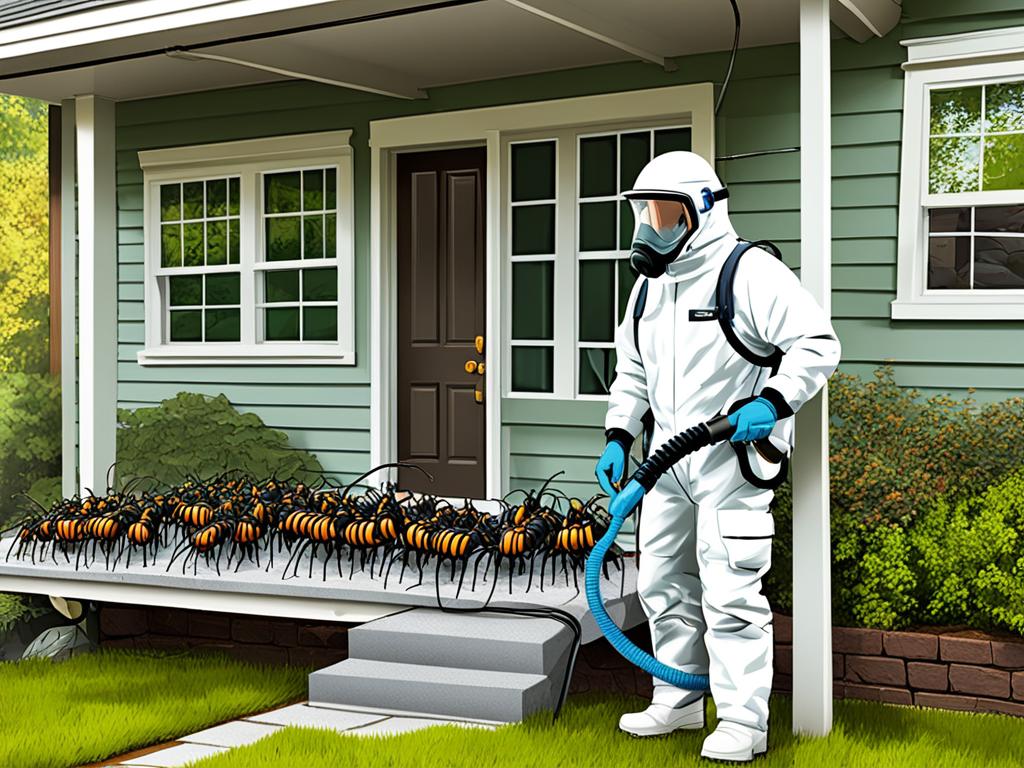
When it comes to dealing with centipedes in your home, sometimes the natural methods just don’t cut it. That’s where professional extermination services come in. If you’ve tried everything and those creepy crawlies still persist, it may be time to call in the experts.
Professional exterminators have the knowledge, experience, and tools to effectively eliminate centipedes from your home. They can assess the extent of the infestation and devise a targeted plan to eradicate these unwanted guests.
“With their expertise, exterminators can use a range of proven methods to get to the root of the problem and eliminate centipedes,” says Dr. Matthew Reynolds, a renowned entomologist. “Their goal is not only to remove the existing centipedes, but also to prevent future infestations.”
Exterminators often use chemical sprays that are specifically designed to target centipedes. These sprays are highly effective in both killing the centipedes and preventing them from returning.
It’s important to note that professional extermination services may also target larger insect infestations that may be attracting centipedes to your home. By eliminating the source of their food, the exterminators can help break the cycle and prevent future centipede problems.
The Cost of Professional Extermination Services
The cost of professional extermination services for centipedes can vary depending on several factors, including the size of your home, the severity of the infestation, and your geographic location. On average, you can expect to pay anywhere from $150 to $500 for professional centipede extermination.
While the cost may seem daunting, it’s important to consider the value of a centipede-free home and the peace of mind that comes with it. Professional exterminators can provide long-lasting solutions that save you from the frustration and discomfort of dealing with centipedes on your own.
If you’re ready to take back control of your home and bid farewell to those pesky centipedes, it may be time to reach out to a professional extermination service. Your home should be a sanctuary, free from unwanted guests like centipedes. Leave it to the experts to ensure your space is centipede-free once and for all.
| Advantages of Professional Extermination Services for Centipedes | Disadvantages of Professional Extermination Services for Centipedes |
|---|---|
|
|
Risks and Hazards Related to Centipedes
While house centipedes are generally harmless to humans, they may attempt to bite if threatened. Their bites are not typically harmful, but some individuals may experience an allergic reaction. It is important to take precautions when handling centipedes and seek medical attention if you have an adverse reaction to a bite.
Centipedes may not be the cuddliest creatures, but they pose minimal risks to your well-being. However, just like any other living organism, they have defense mechanisms to protect themselves. When a house centipede feels threatened, it may resort to biting as a means of self-defense. But fear not! Their bites are not typically harmful and usually feel less like a menace and more like a mild annoyance.
“Ouch! Did a centipede just bite me?”
“The little guy does have a pointy bite, but it’s usually harmless. House centipedes don’t pack enough venom to pose a serious threat to humans. Their bites are much like that of a mosquito or a bee sting—irritating, but not dangerous.”
Now, before you go reaching for the insect repellent, it’s important to note that allergic reactions can still occur, albeit rarely. For individuals with specific sensitivities or allergies, a centipede bite may elicit an abnormal response. Allergic reactions can range from localized redness and swelling to more severe symptoms, such as difficulty breathing or a rash that spreads beyond the bite area.
If you suspect you may be having an allergic reaction to a centipede bite, don’t hesitate to seek medical attention. While it’s uncommon, serious reactions can occur, and it’s always better to be safe than sorry. In most cases, however, a centipede encounter won’t leave you with anything more than a quirky story to tell.
Handling House Centipedes Safely
To minimize the risk of bites or allergic reactions, it’s essential to handle house centipedes with care. Here are a few tips:
- Use gloves or a tissue when capturing or relocating centipedes.
- Avoid touching your face or eyes after handling centipedes.
- Wash your hands thoroughly with soap and water after contact.
By following these simple precautions, you can peacefully coexist with these long-legged creatures without any unnecessary worries.
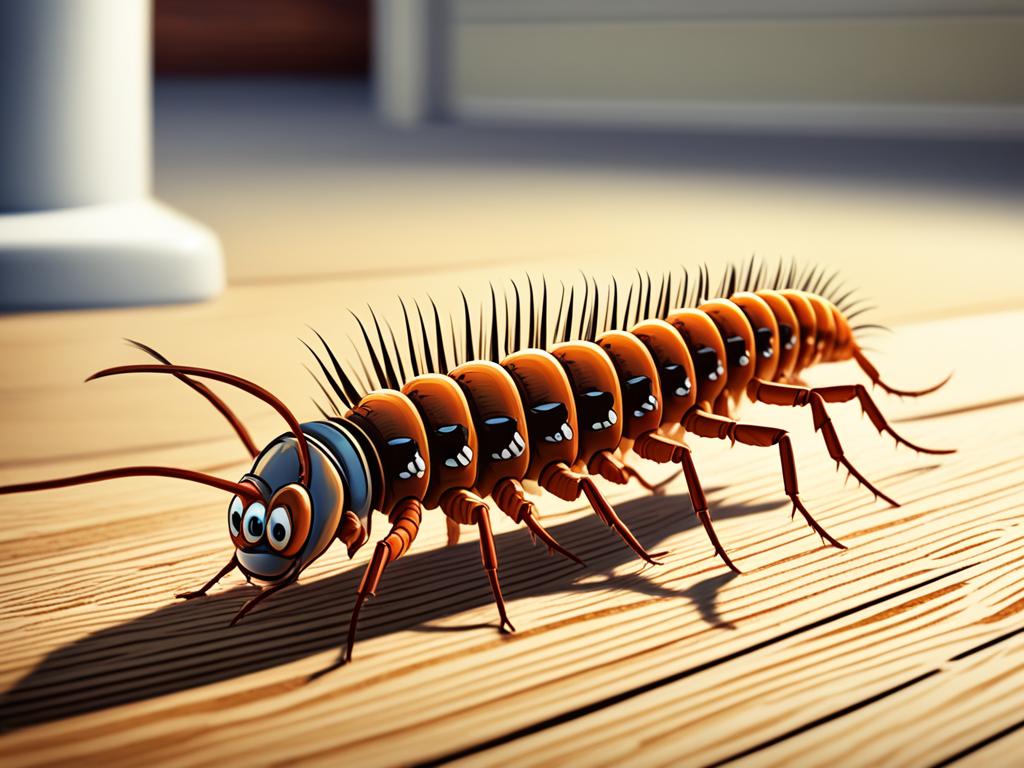
In conclusion, while house centipedes may have a few risks and hazards associated with them, these remarkable arthropods are generally harmless and play a role in keeping other insect populations in check. So, the next time you spot a house centipede scuttling across the floor, you can appreciate its unique beauty and its beneficial presence in your home.
Conclusion
Congratulations on successfully banishing those pesky house centipedes from your home! By implementing the right removal techniques and preventive measures, you have taken control of your environment and reclaimed your peace of mind. Maintaining a dry and clean environment is key to deterring these critters, so make sure to keep those damp spaces at bay!
Sealing entry points is also crucial in preventing house centipedes from sneaking in. Take the time to seal up cracks and gaps near windows, doors, and any other potential entryways. This will create an inhospitable environment for these unwanted guests.
If you prefer natural methods, try options like using vinegar or essential oils like tea tree or peppermint oil to repel house centipedes. However, if natural methods are not effective, don’t hesitate to seek the help of a professional exterminator. They have the expertise and tools to eliminate any centipede infestation.
Keep in mind that house centipedes are actually beneficial creatures, as they prey on other insects. So, if they’re not causing any nuisance, consider letting them stay. After all, they’re doing their part to keep your home free from other pests!
FAQ
How can I get rid of house centipedes?
There are several effective removal tips you can try to get rid of house centipedes. Some methods include clearing debris, maintaining a dry environment, using a high-powered vacuum cleaner, sprinkling diatomaceous earth, setting sticky traps, using vinegar, cedarwood spray, salt, and baking soda.
What are the characteristics of house centipedes?
House centipedes are distinguishable by their long, greyish-yellow bodies and many legs. They move quickly and have a rolling motion due to their longer legs.
What are the sources and conditions that attract house centipedes?
House centipedes are attracted to damp and dark places, such as drains, basements, and bathrooms. They also seek out places with other insect nuisances.
Are there natural and non-toxic methods for getting rid of house centipedes?
Yes, there are several natural and non-toxic methods you can try. These include using a high-powered vacuum cleaner, sprinkling diatomaceous earth, setting sticky traps, using vinegar, cedarwood spray, salt, and baking soda.
What preventive measures can I take to deter house centipedes?
To make your home less hospitable to house centipedes, you can lower humidity levels, repair plumbing leaks, keep basement and attic spaces dry, seal cracks near windows, and clear debris from the perimeter of your home.
Do house centipedes bite humans? Are their bites harmful?
While house centipedes have venom and can bite, they rarely bite humans and their bites do not cause any significant harm. In rare cases, a bite may cause pain similar to a bee sting, but it is not fatal.
What is the difference between centipedes and millipedes?
Centipedes have one pair of legs per body segment and are predators that feed on insects. Millipedes have two pairs of legs per body segment and are scavengers that primarily eat decaying plant material.
Where are centipedes usually found?
Centipedes prefer warm and moist areas, both indoors and outdoors. They can be found in gardens, under piles of leaves, and in stacks of firewood outdoors, and in damp places such as basements, bathrooms, and areas with plumbing leaks indoors.
Are there natural ways to get rid of centipedes?
Yes, there are natural methods you can try to repel centipedes. These include running a dehumidifier to reduce moisture levels, sealing up cracks and openings, and spraying vinegar or essential oils like tea tree or peppermint oil.
Should I hire a professional exterminator to get rid of centipedes?
If natural methods are not successful in getting rid of centipedes, it may be necessary to hire a professional exterminator. They can use chemical sprays to eliminate centipedes, particularly if there is a larger insect infestation present.
Are there any risks or hazards related to centipedes?
While centipedes are generally harmless to humans, they may attempt to bite if threatened. Their bites are not typically harmful, but some individuals may experience an allergic reaction. It is important to take precautions when handling centipedes and seek medical attention if you have an adverse reaction to a bite.