

Are you a proud chicken owner looking for innovative ways to keep your feathered friends hydrated? Look no further! In this article, we will explore a range of DIY chicken waterer ideas that will serve as the perfect solution to all your flock’s water needs. With these homemade chicken watering systems, you can ensure that your chickens stay healthy, happy, and fully quenched.
The Importance of Water for Chickens
Before we dive into the world of DIY waterer hacks, let’s first understand why water is essential for your chickens’ well-being. Just like us, chickens require a steady supply of water to stay healthy and productive. Water plays a vital role in digestion, nutrient absorption, and regulating body temperature. It is crucial to meet their water requirements to ensure optimal growth and egg production.
Fresh and Clean Water for Chickens
When it comes to providing water for your chickens, cleanliness is key. Chickens prefer fresh and clean water, free from any contaminants. Our DIY waterer hacks will help you maintain a clean water supply for your flock. From raising the waterer off the ground to using nipple watering systems, we have got you covered!
Temperature Considerations for Chicken Waterers
Temperature fluctuations can pose a challenge when it comes to chicken watering systems. During scorching summers or freezing winters, it’s essential to ensure that your chickens’ water is at the right temperature. We will share some tips and tricks to keep the water cool in summer and prevent frozen water in winter, ensuring that your chickens always have access to water.
Supplements for Chicken Water
Looking to give your chickens an extra boost of health? We will discuss the benefits of adding supplements to their water. From chicken water protectors to liquid vitamins, these additions can help improve your flock’s well-being. Learn how to introduce these supplements gradually for maximum effectiveness.
Types of Chicken Watering Systems
Are you wondering which watering system is best suited for your flock? We will explore various types of chicken watering systems, including galvanized metal waterers, plastic waterers, nipple waterers, and homemade options. Discover the pros and cons of each system and find the ideal fit for your chickens’ unique needs.
DIY PVC Pipe Chicken Waterer
Ready to roll up your sleeves and get crafty? A PVC pipe chicken waterer might be just what you need! We will guide you through the process of creating a DIY waterer using PVC pipes. This affordable and durable option ensures a steady supply of clean water for your chickens, making maintenance a breeze.
Plastic Drum Chicken Waterer
If you are looking for a portable and user-friendly option, a plastic drum chicken waterer might be the answer. Learn how to repurpose a food-grade plastic drum into a convenient and hygienic water dispenser for your flock. These waterers can hold a large capacity of water, ensuring your chickens never run dry.
Other Creative DIY Chicken Waterer Ideas
We believe in thinking outside the box, and so do you! Explore other ingenious DIY chicken waterer ideas that are easy to implement. From using a gallon bucket on an oil pan to repurposing plastic soda bottles, these creative alternatives will keep your chickens happily hydrated while showcasing your resourcefulness.
Conclusion
By now, you are equipped with an arsenal of DIY waterer hacks to keep your chickens’ thirst quenched. From ensuring fresh and clean water to considering temperature variations and supplementing their hydration, these homemade chicken watering systems are the way to go. Choose the watering system that suits your flock’s unique needs and enjoy a happy, healthy, and well-hydrated chicken family!
Key Takeaways:
- DIY waterer hacks provide practical and cost-effective solutions for chicken owners.
- Fresh and clean water is essential to keep chickens healthy and productive.
- Consider temperature variations to maintain optimal water conditions for your flock.
- Supplements can be added to chicken water to improve their overall well-being.
- Choose the right watering system for your chickens’ unique requirements.
The Importance of Water for Chickens
Water is a vital component of a chicken’s well-being. Ensuring that your flock has access to a sufficient amount of water is crucial for their health and productivity. A well-hydrated chicken is a happy chicken, so let’s dive into the importance of water for your feathered friends.
Chickens have specific water requirements that vary based on several factors, including the season, size of the hens, and outside temperature. On average, a chicken will consume about a pint of water per day. However, during hot summer months, their water consumption can increase to as much as a quart per day.
It is essential to provide your chickens with a constant supply of clean and fresh water. Regularly checking your watering system to ensure it is functioning properly is imperative to keep your flock hydrated and healthy.
Now, let’s take a closer look at chicken water requirements and learn how you can meet the hydration needs of your feathered friends.
Chicken Water Consumption
Understanding your chickens’ water consumption patterns is key to ensuring they stay properly hydrated. Monitoring their water intake can help you identify any potential issues early on.
Here are some key factors that can influence chicken water consumption:
- Season: Chickens tend to drink more water during hot summer months to regulate their body temperature.
- Hen size: Larger hens generally require more water than smaller ones.
- Outside temperature: Extreme weather conditions, such as heatwaves or cold snaps, can increase water consumption as chickens work to maintain their body temperature.
By observing your flock and their water consumption habits, you can ensure that they have an adequate supply of water at all times.
Your Chicken’s Thirst Quencher
A waterer plays a vital role in meeting your chickens’ hydration needs. It should provide a continuous supply of clean and fresh water, encouraging your flock to drink regularly.
Let’s take a look at different types of chicken waterers to find the one that best suits your needs:
- Traditional waterers: These typically consist of a container that holds the water and a tray or dish for the chickens to drink from. They are simple to use and easy to maintain.
- Nipple waterers: These systems utilize small nipples that release water when chickens peck at them. Nipple waterers offer clean water and reduce the risk of contamination compared to traditional waterers.
- Automatic waterers: These systems are designed to automatically refill water as chickens drink. They are ideal for larger flocks and can save you time and effort in maintaining water levels.
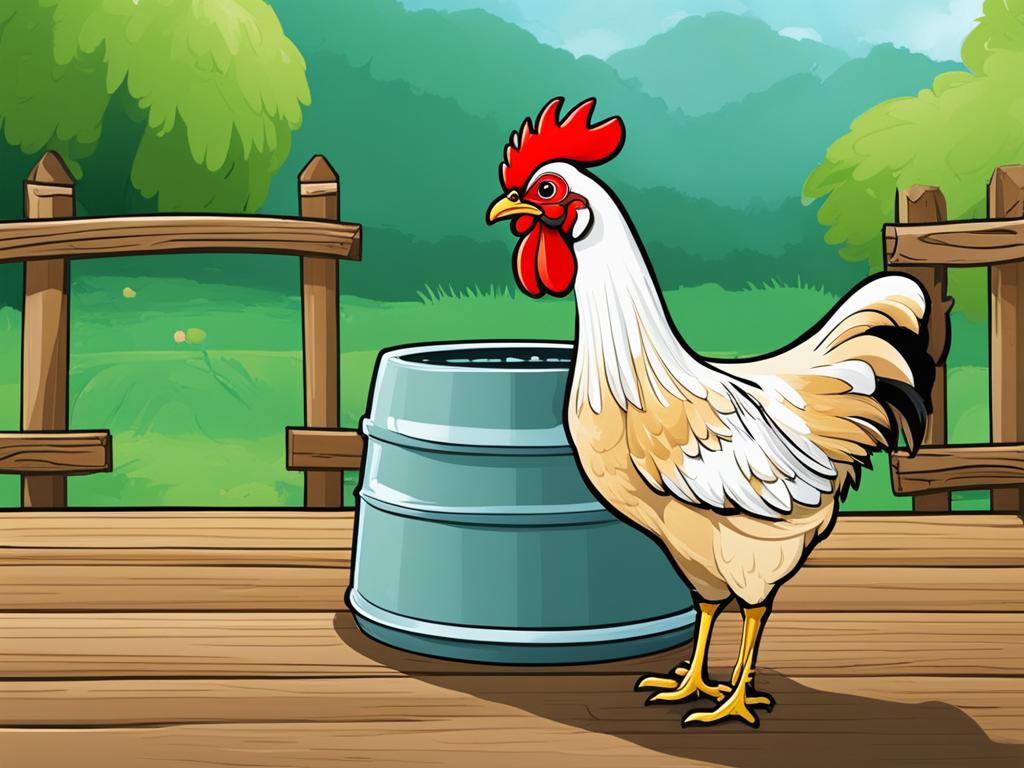
Ensure that your chosen waterer can supply enough water for your flock’s needs, especially during hot summer months or extreme weather conditions.
| Time of Year | Water Consumption (Approx.) |
|---|---|
| Spring/Fall | About a pint per day |
| Summer | Up to a quart per day |
| Winter | About a pint per day |
Table: Chicken Water Consumption Based on Season
Remember to clean and refill your chicken waterer regularly to prevent the growth of bacteria and algae. Providing your chickens with clean water will not only quench their thirst but also promote their overall well-being.
Fresh and Clean Water for Chickens
Just like humans, chickens have a discerning taste for fresh and clean water. Ensuring the cleanliness of their water supply is crucial for their well-being and overall health. Here are some methods to keep the water clean for your feathered friends:
Raise the Waterer Off the Ground
One effective way to keep your chicken’s water clean is to elevate the waterer off the ground or suspend it from the ceiling of the coop. By doing so, you prevent dirt, food particles, and other debris from finding their way into the water. This simple technique helps maintain the water’s cleanliness and ensures a refreshing drink for your flock.
Avoid Contaminants with Nipple Watering Systems
Another option to maintain clean water for your chickens is to use a watering system equipped with nipples. These small openings allow chickens to access the water while keeping it free from contaminants. Although training may be required for your chickens to learn how to use the nipples, once one chicken figures it out, the rest usually follow suit. It’s a simple yet ingenious way to keep the water clean and hygienic.
“Clean water is a chicken’s elixir of life. Make your coop a refreshing oasis for your flock!”
By implementing these methods, you can ensure that your chickens have access to fresh and clean water. Remember, a clean water supply promotes hydration, health, and happiness among your feathered companions.
Temperature Considerations for Chicken Waterers
Chickens, just like us, appreciate a refreshing drink of cool water, regardless of the season. During those scorching summer months, you can give your feathered friends a luscious treat by adding ice cubes to their water. It’s like a pool party for chickens!
However, when the freezing winter arrives, you need to take extra measures to prevent the water in their watering system from turning into ice cubes. Let’s face it, chickens aren’t big fans of ice ponds! To ensure your feathered flock stays hydrated, you can use a thermostatically controlled deicer to keep the water above freezing temperature. This nifty device works like magic, preventing frozen water and keeping those clucky beaks happily moist.
Now, moving the watering system inside the coop is an option, but let’s be real here—those thirsty birds prefer easy access to their H2O. So, if you don’t want the hassle of relocation, a thermostatically controlled deicer is the way to go!
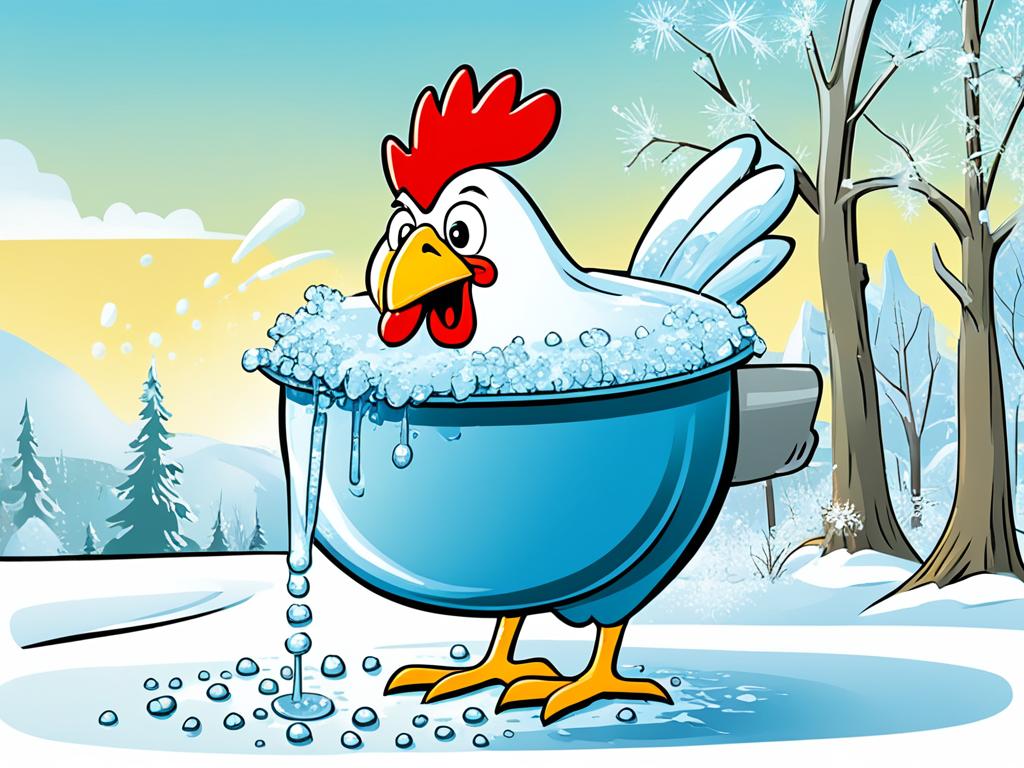
Cool Tip!
If you want to go the extra mile in pampering your chickens during summer, you can freeze a few extra water bottles and place them in their coop. This way, they can snuggle up to these icy buddies and beat the heat in style. Ahh, the envy of every other bird on the block!
Remember, maintaining the right water temperature is crucial for keeping your clucking companions hydrated, whether it’s winter or summer. So, gear up with a thermostatically controlled deicer for those chilly months and get ready to impress your chickens with their very own poolside oasis!
Supplements for Chicken Water
Add a little something extra to your chickens’ water to boost their health and well-being. With the right supplements, you can ensure that your flock stays in optimal condition. Consider adding chicken water protectors and liquid vitamins to their water to provide valuable nutrients and protections.
Remember, introducing supplements gradually is key to avoid any resistance from your chickens. Start with a small amount and gradually increase the dose over a few weeks to allow your flock to adjust.
One supplement option to consider is a chicken water protector, which can help keep your chickens’ water clean and free from harmful bacteria. This protector is specifically designed to maintain water quality and prevent the growth of algae, ensuring that your chickens have fresh, healthy water at all times.
Additionally, liquid vitamins can provide essential nutrients that may be lacking in your chickens’ diet. These vitamins can help support their overall health and immune system, keeping them strong and resilient.
“Adding supplements to your chickens’ water is a simple and effective way to enhance their well-being. Just like humans, chickens benefit from a balanced diet and proper hydration. By providing them with essential nutrients and protections, you are setting them up for a happy and healthy life.”
Comparison of Chicken Water Supplements
| Supplement | Benefits |
|---|---|
| Chicken Water Protector | – Keeps water clean and free from bacteria – Prevents algae growth |
| Liquid Vitamins | – Provides essential nutrients – Supports overall health and immune system |
Another tip to keep in mind is to add a splash of apple cider vinegar to the water. This natural remedy not only helps prevent algae growth but also acts as a natural tonic for your chickens. However, it’s important to note that too much vinegar can sometimes have adverse effects, so moderate usage is recommended.
By incorporating these supplements into your chickens’ water, you can provide them with an extra boost of health and vitality. Remember, a well-hydrated and properly nourished flock is a happy and productive flock!
Types of Chicken Watering Systems
When it comes to providing water for your chickens, there are several options available to choose from. Each type of watering system has its own advantages and considerations. Let’s take a closer look at some popular options:
Galvanized Metal Chicken Waterers
Galvanized metal waterers have a classic and rustic look that many chicken keepers prefer. They are durable and provide a consistent water level, ensuring that your flock always has access to water. However, it’s important to note that galvanized metal can rust over time and may react to vinegar, which is often used to clean waterers. So, if you choose a galvanized metal waterer, be mindful of regular maintenance and cleaning to prevent rust and contamination.
Plastic Chicken Waterers
Plastic waterers are a popular choice among chicken keepers for several reasons. They are non-reactive and stain-resistant, making them easy to clean and maintain. Plastic waterers are also better insulated against extreme temperatures, ensuring that the water stays cooler in hot weather and prevents freezing in winter. Additionally, they come in a variety of sizes and designs to suit the needs of your flock.
Nipple Chicken Waterers
If you have a larger flock or want a low-maintenance watering system, consider using nipple waterers. These systems use small nipple-like openings that release water when chickens peck at them. Nipple waterers are easy to clean and help keep the water free from contaminants. While they may require some training for older chickens to adapt to the new watering method, most chickens quickly learn how to use nipple waterers.
Homemade Chicken Waterers
For those who prefer a DIY approach or have budget constraints, homemade waterers can be a great option. You can repurpose various materials such as buckets, containers, or even PVC pipes to create your own waterer. Homemade waterers can be cost-effective, but they may require more effort to maintain a consistent water level. Be creative and make sure to choose materials that are safe and easy to clean.
When choosing a chicken watering system, consider factors such as your flock’s size, climate, and your personal preferences. The right waterer will provide your chickens with a constant supply of clean and fresh water, ensuring their hydration and well-being.
DIY PVC Pipe Chicken Waterer
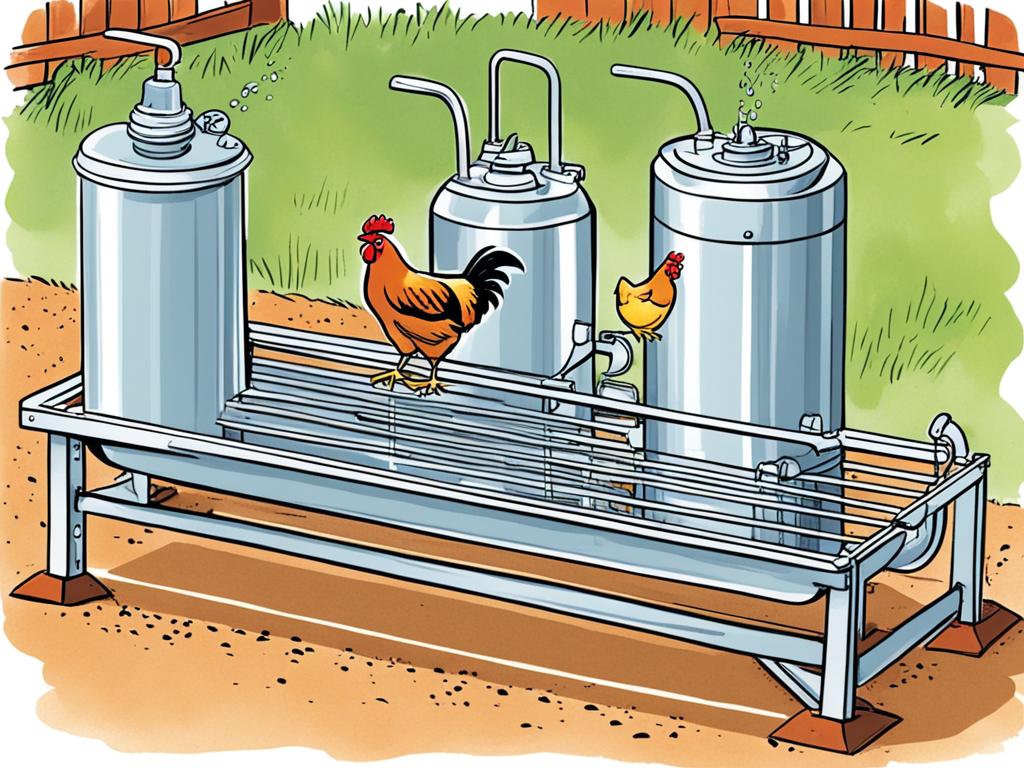
Looking for a cost-effective and efficient way to provide a steady supply of clean water to your chickens? Look no further than a DIY PVC pipe chicken waterer! This popular chicken watering system offers several advantages that make it a favorite among poultry enthusiasts.
First and foremost, PVC pipe waterers are incredibly durable. Made from sturdy PVC material, they can withstand the rigors of outdoor use and are resistant to cracks and leaks. You can rest assured that your PVC pipe waterer will stand the test of time, providing a reliable water source for your feathered friends.
Installation is a breeze with PVC pipe waterers. With a few simple tools and basic plumbing skills, you can easily set up your own waterer system in no time. Say goodbye to complicated and time-consuming assembly processes – PVC pipe waterers are user-friendly and require minimal effort to put together.

“Using PVC pipes as a chicken waterer is a game-changer. It saves me so much time and effort, and my chickens always have access to clean water. I highly recommend it!” – Nancy, a satisfied poultry keeper
One of the biggest advantages of PVC pipe waterers is their ability to prevent contamination. Unlike open waterers or troughs, PVC pipes keep the water clean and free from dirt, debris, and droppings. This creates a healthier environment for your chickens and reduces the risk of waterborne diseases.
But the benefits don’t stop there! PVC pipe waterers also save you valuable time and effort. With a consistent flow of water, you won’t have to constantly refill individual containers or monitor water levels. This means more time for you to focus on other important tasks and less hassle in maintaining your watering system.
Key advantages of PVC pipe chicken waterers:
- Durable and long-lasting
- Easy installation
- Prevents contamination
- Time and effort-saving
Overall, PVC pipe waterers provide a constant and clean water source for your flock. By opting for this DIY solution, you’ll ensure the well-being of your chickens while enjoying the convenience and peace of mind that comes with it.
Plastic Drum Chicken Waterer
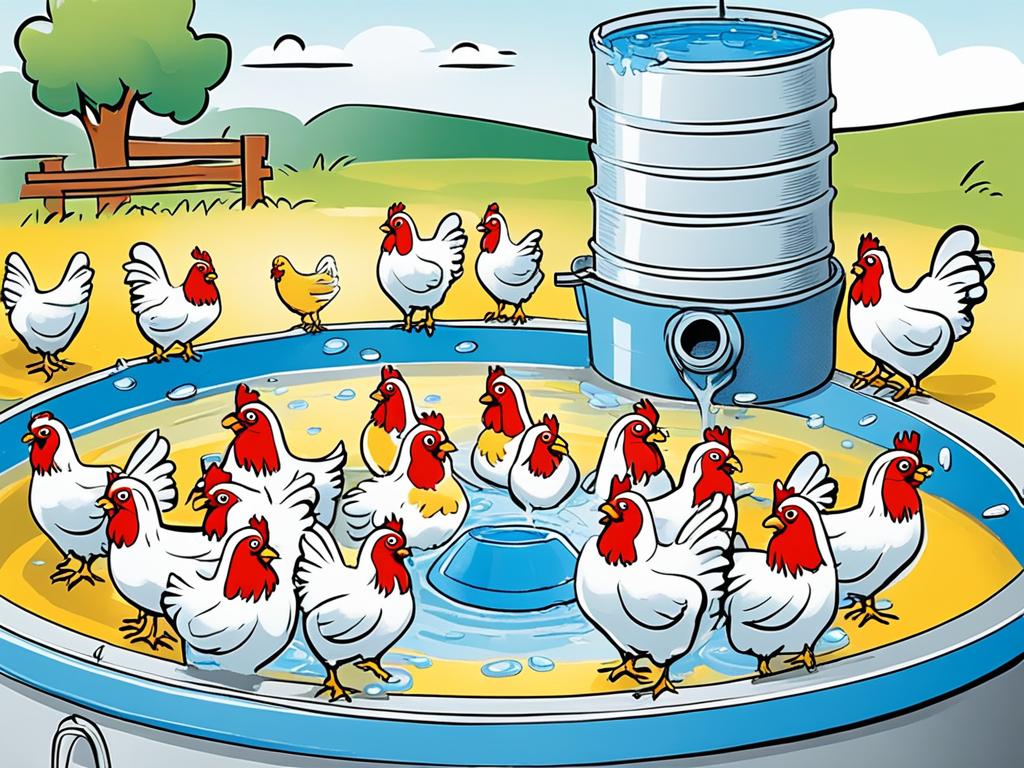
Looking for another ingenious DIY solution to keep your flock hydrated? Consider using a plastic drum as a chicken waterer. These food-grade plastic drums offer a range of advantages that make them an excellent choice for chicken owners.
- Durability: Plastic drums are built to withstand the elements and can handle the wear and tear of chicken coop life.
- Portability: Thanks to their lightweight construction, you can easily move the waterer around your coop or yard as needed.
- Translucency: The translucent nature of the plastic drum allows you to monitor the water level at a glance, ensuring that your flock always has access to a fresh water supply.
- Large Capacity: Plastic drums have a substantial water-holding capacity, making them suitable for larger flocks. You can save time by not having to refill the waterer as frequently.
To create a plastic drum chicken waterer, simply attach a sealing cap to the drum’s opening and add a watering nipple. The nipple provides a hygienic way for your chickens to access the water without introducing contaminants into the supply. With this DIY setup, you’ll have a convenient and reliable water source that keeps your chickens hydrated and thriving.
Now that you know about the advantages of using a plastic drum as a chicken waterer, why not give it a try? Your feathered friends will thank you.
Other Creative DIY Chicken Waterer Ideas
Looking for more ingenious chicken waterer ideas? We’ve got you covered. Try these out-of-the-box DIY solutions that will leave your feathered friends happily hydrated.
A Gallon Bucket on an Oil Pan Waterer
Create a functional and cost-effective chicken waterer by combining a gallon bucket with an oil pan. Simply place the bucket on the pan, fill it with water, and let gravity do the rest. This clever setup ensures a steady supply of water for your flock while keeping it easily accessible and mess-free.
Soda Bottle Waterer
Get crafty with a plastic soda bottle and turn it into a practical chicken waterer. Attach a water nipple to the bottle and hang it up in your coop. The chickens can then drink directly from the bottle, making it a convenient and innovative water source. This DIY option allows for easy monitoring of water levels and reduces the risk of contamination.
“With a gallon bucket on an oil pan or a soda bottle waterer, you can provide your chickens with creative and efficient DIY waterers.”
These DIY options make use of readily available materials and offer long-lasting waterers that cater to your chickens’ hydration needs. Get inventive and explore these ideas to ensure your flock stays happy and hydrated.
Conclusion
Congratulations! You’ve discovered the DIY chicken waterer solutions that will keep your flock happily hydrated. By implementing these practical and cost-effective hacks, you can provide your chickens with optimal hydration and ensure their well-being.
Remember, fresh and clean water is essential for your chickens’ health. By raising your waterer off the ground or using nipple watering systems, you can keep the water supply free from contaminants. When it comes to temperature considerations, add ice cubes in summer and use a thermostatically controlled deicer in winter to prevent freezing.
Choosing the right watering system is also crucial. PVC pipe waterers and plastic drum waterers offer durability and convenience, making them excellent DIY options. Additionally, don’t forget to introduce supplements gradually and consider adding apple cider vinegar to prevent algae growth in the water.
So why wait? Select the DIY chicken waterer that suits your needs, and watch your flock stay hydrated and happy. With these solutions in place, you can be confident that your chickens will enjoy the benefits of optimal hydration, leading to their overall health and productivity.
FAQ
What is the importance of water for chickens?
Chickens need a steady supply of fresh and clean water to stay healthy and productive. Water is essential for their overall well-being and plays a vital role in their digestion, metabolism, and egg production.
How much water do chickens drink?
On average, a chicken will drink about a pint of water per day. However, their water consumption can vary depending on factors such as the season, hen size, and outside temperature.
How can I keep the chicken’s water clean?
To keep the water supply free from contaminants, it’s important to raise the waterer off the ground or suspend it from the ceiling of the coop. Another option is to use a watering system with nipples, which prevent dirt and debris from entering the water.
How can I maintain the water temperature for my chickens?
During hot summer months, you can add ice cubes to their water to keep it cool. In winter, using a thermostatically controlled deicer can prevent the water from freezing and ensure a constant supply of water.
Can I add supplements to my chicken’s water?
Yes, you can add vitamins or supplements to your chicken’s water to help keep them in good health. Common supplements include chicken water protectors and liquid vitamins. Start with a small amount and gradually increase the dose over a few weeks to avoid resistance from the chickens.
What are the different types of chicken watering systems?
There are several options when it comes to chicken watering systems. These include galvanized metal waterers, plastic waterers, nipple watering systems, and homemade waterers.
What are the advantages of PVC pipe chicken waterers?
PVC pipe waterers are durable, easy to install, and prevent contamination. They provide a constant and clean water source for your chickens, promoting their overall well-being.
What are the advantages of plastic drum chicken waterers?
Plastic drum waterers are durable, portable, and can hold a large capacity of water. They are suitable for larger flocks and provide a convenient and hygienic water source for your chickens.
Do you have any other creative DIY chicken waterer ideas?
Yes, there are plenty of creative DIY chicken waterer ideas. Some options include using a gallon bucket on an oil pan and using a plastic soda bottle with a water nipple attached. These ideas take advantage of easily available materials and provide long-lasting waterers.
What is the conclusion regarding DIY chicken waterer solutions?
By providing fresh and clean water, considering temperature variations, and using the right watering system, you can ensure optimal hydration for your flock. DIY options such as PVC pipe waterers and plastic drum waterers offer advantages in terms of durability and convenience. Choose the waterer that best suits your needs and enjoy a happy and hydrated flock.