
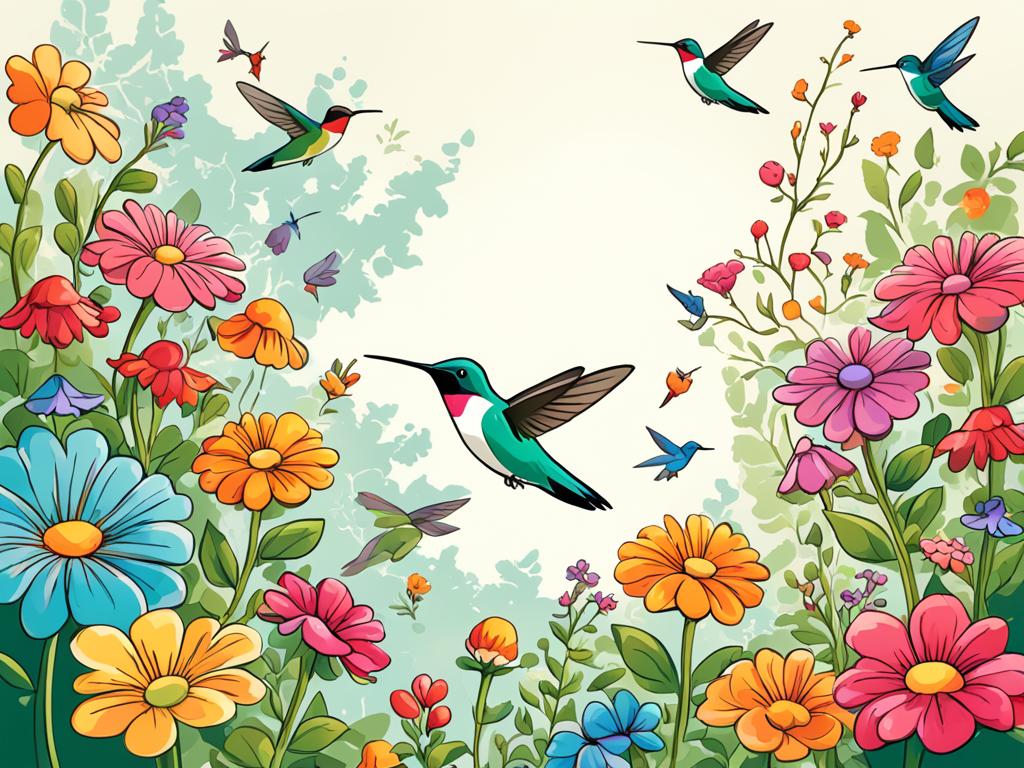
Welcome to the world of hummingbird gardening! If you love these tiny, buzzing creatures and want to attract them to your garden, you’re in for a treat. Hummingbirds are irresistibly drawn to flowers with high nectar content and vibrant colors like red, orange, pink, and purple. Not only do they enjoy sipping nectar, but they also need protein-rich small insects for a well-rounded diet.
So, which flowers are the best magnets for these lovely winged visitors? Let’s explore some of their top favorites that will have your garden brimming with their delightful presence.
Key Takeaways:
- Hummingbirds are attracted to flowers with high nectar content and bright colors like red, orange, pink, and purple.
- Popular flowers that attract hummingbirds include salvia or sage, bee balm, agastache, cardinal flowers, penstemon, lupine, and bottlebrush trees.
- It’s important to choose flowers that bloom at different times to ensure a constant food source for hummingbirds.
- Providing shelter, perching spots, and water sources like birdbaths can further entice hummingbirds to your garden.
- Creating a hummingbird haven requires careful planning, native plants, and a mixture of flowers that bloom throughout the year.
Salvia or Sage
When it comes to attracting hummingbirds, salvia or sage plants are a buzzing delight. These plants come in a wide range of varieties and colors, but what really captures the hearts of hummingbirds are their tubular flowers. Think of them as nature’s hummingbird feeders, designed to cater to their nectar-loving tastes.
If you want to roll out the red carpet for these tiny avian visitors, there are several common varieties that will make your garden a hummingbird hotspot. Let’s take a look at some of the favorites:
| Variety | Description |
|---|---|
| Pineapple Sage | Absolute perfection! The vibrant red flowers and sweet fragrance will have hummingbirds flocking to your garden. |
| Hummingbird Sage | This sage has gorgeous magenta-colored flowers that resemble little hummingbirds in flight. It’s like a double dose of hummingbird magic! |
| Wild Watermelon Salvia | With its pink flowers and refreshing scent, this salvia variety provides a feast for both the eyes and the hummingbirds. |
| ‘Black and Blue’ Salvia | The striking deep blue flowers of this salvia make a bold statement in any garden, attracting not only hummingbirds but also butterflies. |
| ‘Love and Wishes’ Salvia | This salvia variety boasts deep purple flowers that add a touch of romance to your garden while beckoning hummingbirds to take a sip. |
| ‘Mystic Spires Blue’ Salvia | If you’re looking for a plant that adds a vertical element to your garden, ‘Mystic Spires Blue’ is your go-to. Its tall spikes of blue-violet flowers create a stunning visual display for both you and the hummingbirds. |
Whether you’re in USDA hardiness zones 7 or 8 through 11, where salvia can thrive as perennials, or in lower zones where they can be grown as tender annuals, incorporating salvia or sage into your garden will surely attract hummingbirds. It’s like rolling out the red carpet for these charming little guests!
Bee Balm
When it comes to attracting hummingbirds, bee balm is a delightful addition to any garden. Also known as Monarda, this non-invasive flowering plant beckons these charismatic birds with its fragrant nectar-filled flowers. What’s more, bee balm comes in a variety of dazzling shades, including pink, red, and lavender, making it a visually stunning choice for your garden.
Bee balm is a native North American plant with a rich history. It was used by Native Americans for its medicinal properties and even as a flavorful tea. Apart from its cultural significance, this plant is a favorite of hummingbirds due to its abundant nectar.
When it comes to growing bee balm, it thrives best as a perennial in zones 3-9. Its vibrant blooms can be enjoyed from late spring through fall, adding bursts of color and attracting delightful hummingbird visitors.
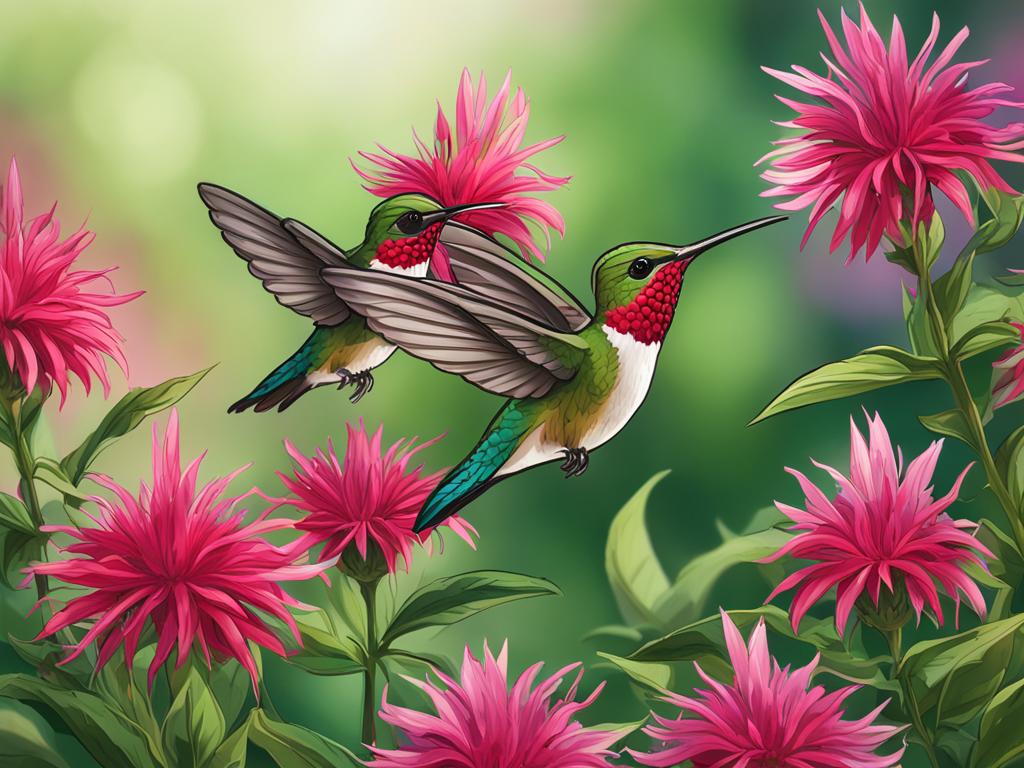
Why Hummingbirds Love Bee Balm
“The irresistible fragrance of bee balm flowers paired with their abundant nectar makes them a beacon for hummingbirds. They can’t resist the lure of these floral delights!”
How to Grow Bee Balm
Growing bee balm in your garden is a rewarding endeavor. Here are some tips to help you successfully cultivate this vibrant plant:
- Choose a sunny location for your bee balm plants, as they thrive in full sun.
- Ensure well-drained soil, as bee balm prefers moist but not waterlogged conditions.
- Water regularly, especially during hot and dry periods.
- Plant bee balm in groups to create stunning floral displays that are even more enticing to hummingbirds.
- Consider deadheading spent flowers to encourage prolonged blooming.
- Divide the plants every few years to maintain their vigor.
Pairing Bee Balm with Other Nectar-Rich Flowers
If you want to create a hummingbird haven in your garden, consider planting bee balm alongside other nectar-rich flowers. Some excellent companions for bee balm include salvia, agastache, cardinal flowers, penstemon, and lupine. By combining these flowers, you can provide a continuous source of nectar throughout the hummingbird season.
Agastache
Agastache, also known as hummingbird mint, is a delightful addition to any garden. With its long-blooming tubular flowers, this plant is a favorite among hummingbirds and other pollinators. Available in a variety of colors and cultivars, Agastache is a must-have for attracting these charming little birds to your yard.
One popular variety of Agastache is the Anise hyssop, which not only captivates hummingbirds but also butterflies. The vibrant hues and unique shape of its flowers make it a true showstopper in any garden. As an added bonus, Agastache is a hardy perennial, meaning it will grace your yard for years to come.
Agastache is suitable for growing in zones 4 to 10, making it a versatile choice for gardeners across the United States. Its blooming period spans from early summer through fall, ensuring a long-lasting source of nectar for hummingbirds throughout the warm months.
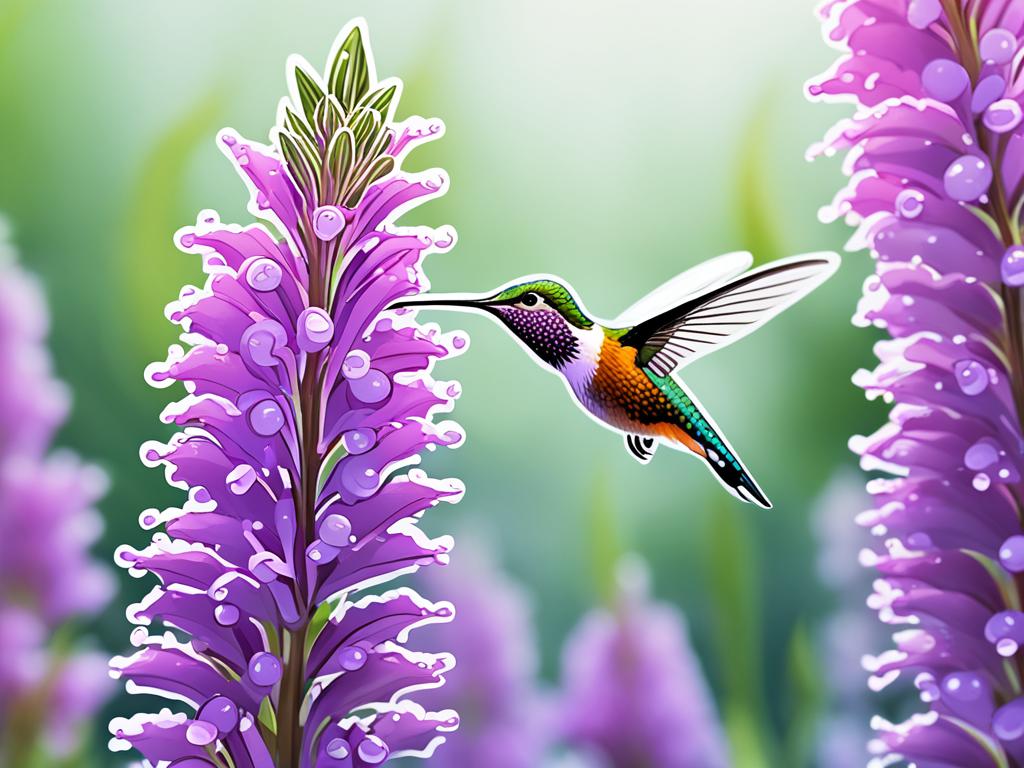
With its delicate blooms and irresistible allure, Agastache is a fantastic choice for those seeking to attract hummingbirds and add a touch of beauty to their outdoor spaces.
| Key Features of Agastache | Recommended Varieties |
|---|---|
|
|
Cardinal Flowers
If you want to create a buzzing paradise for hummingbirds in your garden, look no further than cardinal flowers. With their vibrant red color and slender tube-like flowers, they are a perfect match for the long beaks of these tiny avian visitors. Cardinal flowers are like a hummingbird magnet, attracting these charming creatures with their nectar-filled blooms.

Native to North America, cardinal flowers are low-maintenance and resistant to deer and rabbits, making them an ideal addition to any garden. These short-lived perennials can be grown in zones 1-10 and bloom from early to late summer.
Cardinal flowers are like a beacon of joy in your garden. Their bright red petals and delicate structure are a perfect match for hummingbirds, and you’ll find yourself captivated by the sight of these tiny creatures darting from flower to flower, sipping on nectar like acrobats in the air.
Cardinal Flowers in Numbers
| Height | Bloom Time | Zones |
|---|---|---|
| 2-4 feet | Early to late summer | 1-10 |
With their stunning beauty and ability to attract hummingbirds, cardinal flowers are a must-have for any hummingbird enthusiast. So, why not create a buzzing oasis in your backyard and invite these joyful visitors to enjoy the sweet nectar of cardinal flowers?
- Eye-catching vibrant red color
- Slender tube-like flowers perfect for hummingbird beaks
- Native to North America
- Low-maintenance and resistant to deer and rabbits
- Ideal for zones 1-10
- Blooms from early to late summer
No garden is complete without the allure of cardinal flowers. Plant them and watch as hummingbirds flock to your garden, bringing joy and enchantment to your outdoor space.
Penstemon
Looking to add a burst of color and attract hummingbirds to your garden? Look no further than penstemon, also known as beardtongue. With its vibrant red, pink, and purple blooms, penstemon is a surefire way to catch the attention of these delightful little creatures. Native to North America, penstemon comes in many species and varieties, each with their own unique charm.
A hardy perennial that thrives in zones 3-10, penstemon will bring beauty to your garden from spring through fall. Its drought-tolerant nature makes it an excellent choice for those looking to conserve water without sacrificing style. The tubular flowers of penstemon serve as a perfect landing pad for hummingbirds, providing them with the nectar they crave.
If you’re ready to welcome these flying jewels to your garden, consider planting penstemon alongside other flowers that attract hummingbirds, such as salvia, bee balm, and cardinal flowers. With a well-planned garden full of these buzz-worthy blooms, you’ll have a front-row seat to the mesmerizing acrobatics of hummingbirds.
| Common Names | Bloom Colors | Best Growing Zones |
|---|---|---|
| Penstemon barbatus | Red | Zones 4-9 |
| Penstemon palmeri | Pink | Zones 6-9 |
| Penstemon digitalis | White | Zones 3-8 |
Ready to welcome penstemon into your garden? Get started by planting these captivating flowers and watch as hummingbirds make your garden their favorite pit stop.
Lupine
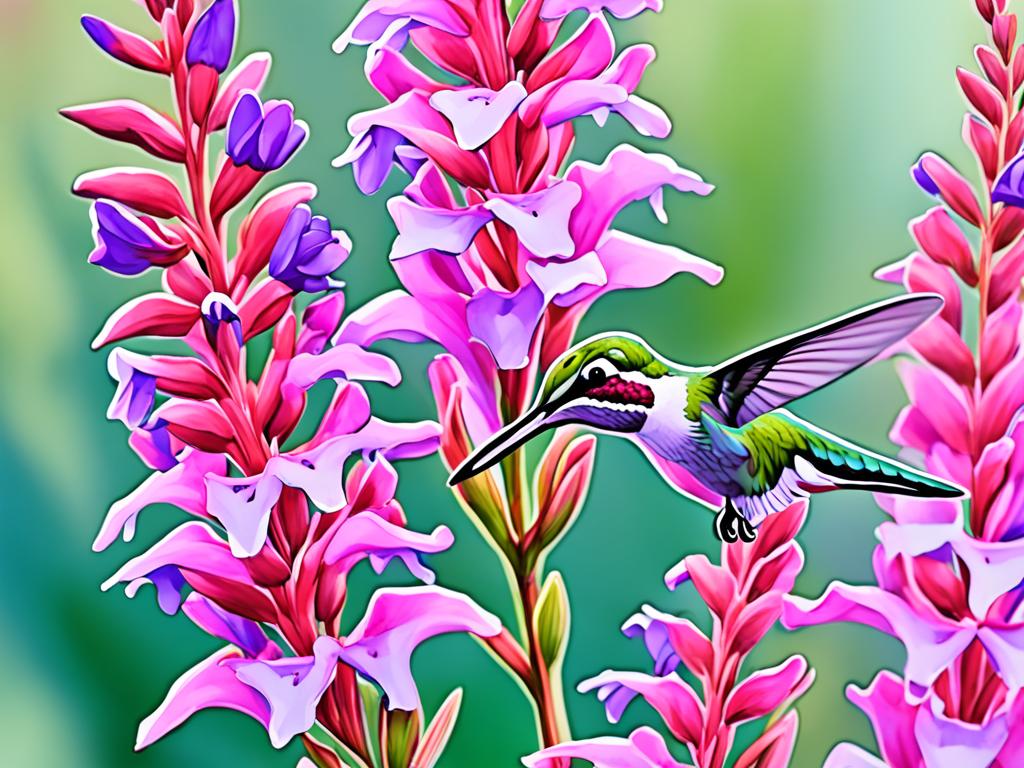
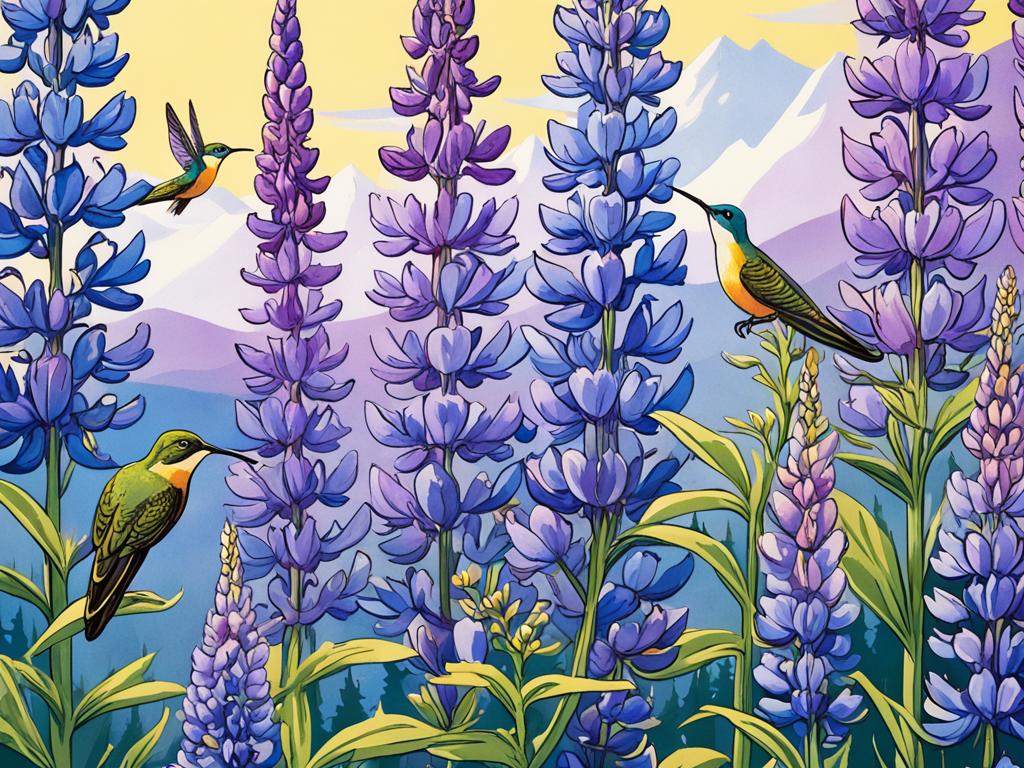
When it comes to flowers that attract hummingbirds, lupine is a vibrant wildflower that can’t be ignored. With its tall spikes of blue, purple, pink, and white blooms, lupine is a showstopper in any garden. Not only does it add a pop of color, but it also improves soil fertility, making it a win-win for both you and your garden.
Native to North America, lupine is a hardy perennial that thrives in zones 4-8, depending on the variety. Its bloom time spans from spring through late summer, ensuring a long-lasting spectacle that will keep hummingbirds coming back for more.
Take a moment to imagine the sight of a hummingbird flitting from one lupine flower to another, its wings a blur as it indulges in the nectar-rich blossoms. It’s a scene that will bring joy and wonderment to any nature enthusiast.
If you’re ready to welcome these delightful creatures into your garden, consider adding lupine to your landscape. Not only will you be providing a source of food for hummingbirds, but you’ll also be treating yourself to the beauty and charm that lupine brings.
Benefits of Lupine:
- Attracts hummingbirds with its vibrant blooms
- Improves soil fertility
- Provides long-lasting color and visual appeal
Types of Lupine:
| Variety | Color | Bloom Time | Hardiness Zones |
|---|---|---|---|
| Texas Bluebonnet | Blue | Spring | 4-8 |
| Arroyo Lupine | Purple | Spring | 5-8 |
| Hartweg’s Lupine | Pink | Summer | 4-8 |
| Russell Lupine | Mixed Colors | Spring-Summer | 3-7 |
Whether you’re a seasoned gardener or a beginner, lupine is a fantastic addition to any landscape. Its striking flowers, ability to attract hummingbirds, and soil-enhancing properties make it a valuable asset to your garden. So go ahead, plant some lupine, and watch as your garden becomes a haven for both you and these magnificent little birds.
Bottlebrush Trees
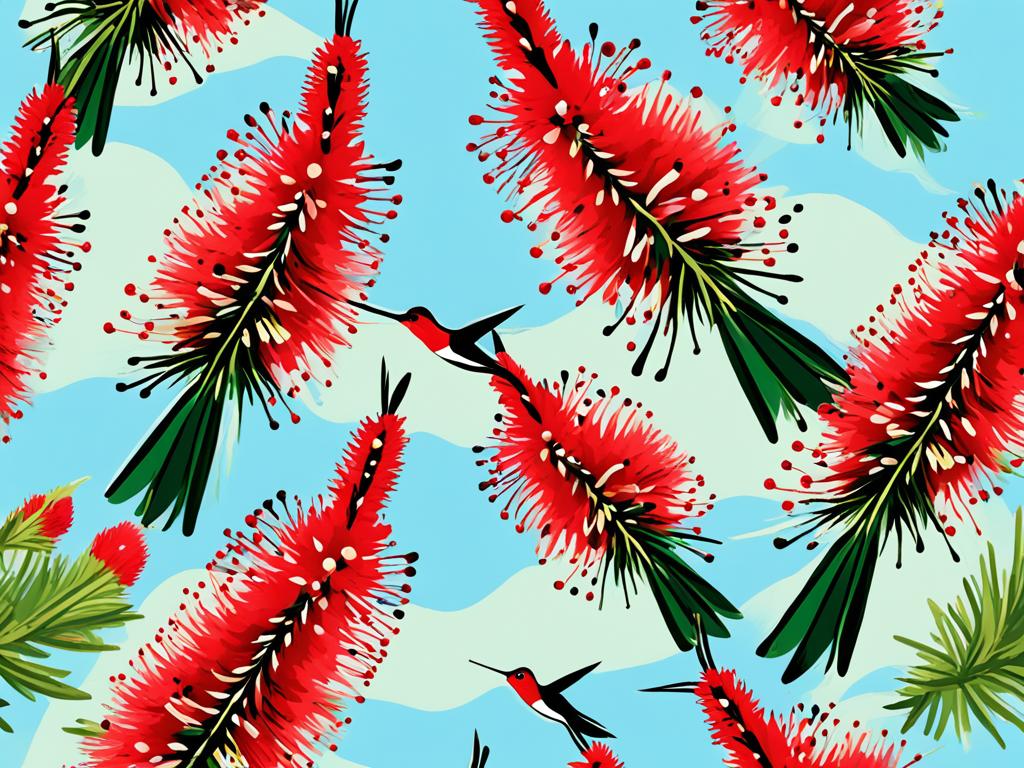
Australia’s gift to the world of hummingbirds, bottlebrush trees are a delightful addition to any garden. With their long flowering spikes that resemble a bottlebrush, these unique trees are not only visually stunning but also irresistible to our feathered friends. The bright red flowers of bottlebrush trees act like a magnet, attracting hummingbirds with their vibrant colors and abundant nectar.
As native Australian plants, bottlebrush trees are hardy in zones 9-10, making them ideal for warmer climates. They can be grown as shrubs or trees, depending on your preference and garden space. Not only do they provide a feast for hummingbirds, but bottlebrush trees also add a touch of exotic elegance to your landscape year-round. Their evergreen foliage and stunning blooms make them a showstopper no matter the season.
To create a harmonious habitat for hummingbirds in your garden, consider planting bottlebrush trees alongside other flowers that attract these delightful creatures. By providing a diverse range of blooms throughout the year, you can ensure a continuous food supply for hummingbirds while enjoying the beauty and charm of these remarkable avian visitors.
Additional Flowers for Hummingbirds
While the previous flowers are some of the top favorites for hummingbirds, there are many other flowers that hummingbirds will visit. These include:
- Verbena
- Butterfly bush
- Lavender
- Larkspur
- Foxglove
- Hollyhock
- Petunias
- Impatiens
- Red hot poker
- Cleomes
These additional flowers offer a variety of colors, shapes, and scents that can attract hummingbirds to your garden. While they may not be the top favorites or as effective as the previously mentioned flowers, they still provide a welcoming environment for these delightful creatures.
“Adding a variety of flowers to your garden not only attracts hummingbirds but also adds beauty and diversity to your outdoor space. It’s like inviting the most colorful guests to your own private party!”
So, don’t be afraid to experiment with different types of flowers and see which ones catch the hummingbirds’ attention. You might be surprised by the vibrant display they create in your garden.
Remember, hummingbirds are attracted to flowers with high nectar content and bright colors, so choosing a mix of flowering plants will ensure a constant source of food for these tiny avian friends.
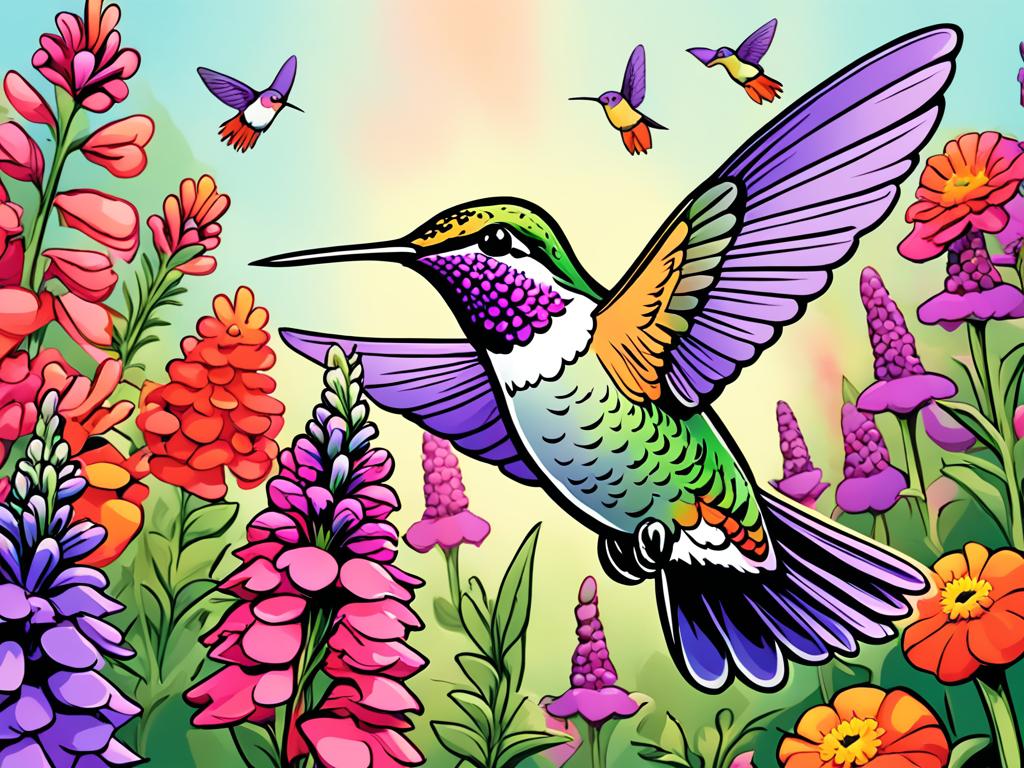
Below is a visual representation of some additional flowers that attract hummingbirds:
 | | |
|---|---|---|
| Verbena | Butterfly Bush | Larkspur |
| Lavender | Foxglove | Cardinal Flower |
Creating a Hummingbird Haven
To attract hummingbirds to your garden, you need to go beyond just planting flowers that attract hummingbirds. You need to create a hummingbird haven that provides everything these delightful creatures need to thrive and feel at home. Follow these tips to transform your garden into a buzzing paradise for hummingbirds:
1. Plant a Variety of Flowers
Choose a diverse selection of flowers that bloom at different times throughout the year. This ensures a continuous supply of nectar for hummingbirds and keeps them coming back. Opt for native plants as much as possible, as they are more likely to attract local hummingbird populations. Check with local nurseries for zone-appropriate and native pollinator plants that will create an irresistible buffet for hummingbirds.
2. Hang a Hummingbird Feeder
When native flowers are scarce, hummingbird feeders provide a much-needed source of supplemental food. Hang a feeder in a prominent spot, preferably near flowers, to entice hummingbirds to visit your garden. Keep the feeder clean and filled with a solution of four parts water to one part sugar. Avoid using red food coloring, as it can be harmful to hummingbirds.
3. Provide Shelter, Perching, and Nesting Areas
Hummingbirds need areas to rest, hide, and build their nests. Plant shrubs and bushes with dense foliage to create shelters for hummingbirds. Include trees or tall plants with sturdy branches for perching. Provide nesting materials like soft twigs, small leaves, and spider silk, which hummingbirds use to build their tiny nests. By offering these necessary elements, you’ll make your garden an irresistible haven for hummingbirds.
4. Add Water Sources
Hummingbirds love to bathe and drink from moving or airborne water sources. Consider placing a birdbath with a mister or a fountain with a gentle trickle in your garden. A shallow dish with water and rocks can also serve as a fantastic hummingbird water station. Ensure the water sources are clean and filled regularly to attract hummingbirds to your garden.
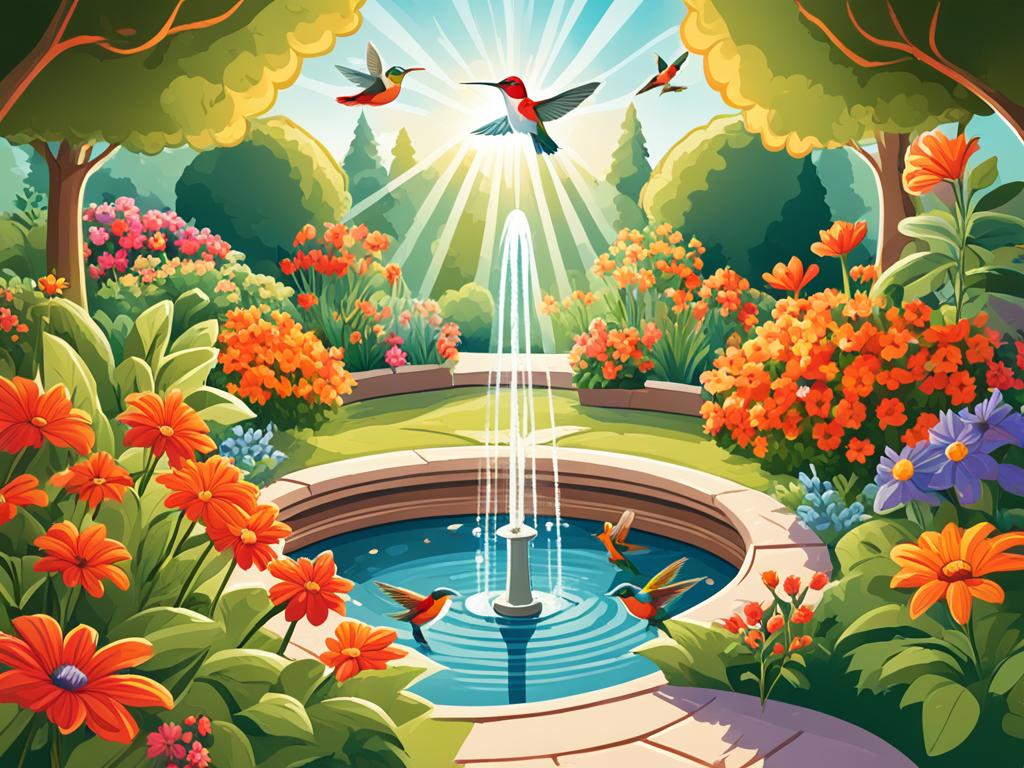
Creating a hummingbird haven in your garden is not only beneficial for these charming birds but also brings beauty, joy, and entertainment to your outdoor space. With the right combination of nectar-rich flowers, feeders, shelter, and water sources, you can pave the way for a vibrant hummingbird community right outside your door.
Conclusion
Transforming your garden into a hummingbird haven is a delightfully rewarding experience. By planting a selection of flowers that attract hummingbirds, you not only support their populations but also invite the beauty and entertainment they bring right into your yard. With a wide range of choices available, including salvia, bee balm, agastache, cardinal flowers, penstemon, lupine, and even bottlebrush trees, you have ample opportunities to entice these fascinating creatures.
Remember, it’s essential to provide a diverse array of flowers that bloom at varying times throughout the year. This ensures a continuous supply of nectar for the hummingbirds. Alongside the floral feast, be sure to incorporate elements that offer shelter, perching spots, and nesting areas to make your garden their ideal sanctuary.
Creating a buzzing paradise for hummingbirds requires careful planning and consideration. Including water sources like birdbaths or misting fountains with gentle trickling water can provide essential hydration and bathing opportunities, as hummingbirds prefer moving or airborne water for their refreshing routines. Combining these elements in your garden will not only attract hummingbirds but also support other important pollinators in their quest for sustenance.
FAQ
What flowers attract hummingbirds?
Hummingbirds are attracted to flowers that have a high nectar content and bright colors such as red, orange, pink, and purple. Some popular flowers that attract hummingbirds include salvia or sage, bee balm, agastache, cardinal flowers, penstemon, lupine, and bottlebrush trees.
What are some varieties of salvia or sage that attract hummingbirds?
Some varieties of salvia or sage that attract hummingbirds include Pineapple Sage, Hummingbird sage, Wild Watermelon Salvia, ‘Black and Blue’ salvia, ‘Love and Wishes’ salvia, and ‘Mystic Spires Blue’ salvia.
What is bee balm and how does it attract hummingbirds?
Bee balm, also known as Monarda, is a non-invasive flowering plant that attracts hummingbirds with its fragrant nectar-filled flowers. It comes in shades of pink, red, lavender, and more.
What is agastache and why do hummingbirds love it?
Agastache, also known as hummingbird mint, produces long-blooming tubular flowers that attract hummingbirds. Anise hyssop, a variety of agastache, is particularly favored by hummingbirds and butterflies.
What are cardinal flowers and why are they attractive to hummingbirds?
Cardinal flowers are bright red flowers with slender tube-like shapes that are perfect for hummingbirds to drink nectar from. They are considered a “hummingbird magnet” and are low-maintenance and deer and rabbit-resistant.
What is penstemon and why do hummingbirds visit it?
Penstemon, also known as beardtongue, is a drought-tolerant flower that attracts hummingbirds with its vibrant red, pink, and purple blooms. It is native to North America and comes in many species and varieties.
What is lupine and how does it attract hummingbirds?
Lupine is a native wildflower that attracts hummingbirds with its tall spikes of vibrant flowers in shades of blue, purple, pink, and white. It blooms from spring through late summer and improves soil fertility.
What are bottlebrush trees and why are they attractive to hummingbirds?
Bottlebrush trees, native to Australia, are a favorite of hummingbirds with their unique long flowering spikes resembling a bottlebrush. They have bright red flowers that attract hummingbirds and can be grown as shrubs or trees.
Are there any other flowers that attract hummingbirds besides the ones mentioned?
Yes, there are many other flowers that hummingbirds will visit, including verbena, butterfly bush, lavender, larkspur, foxglove, hollyhock, petunias, impatiens, red hot poker, cleomes, and more.
How can I create a hummingbird haven in my garden?
To create a hummingbird haven in your garden, it’s important to include a variety of flowers that bloom at different times of the year. Choose native plants as much as possible and check with local nurseries for zone-appropriate and native pollinator plants. Hang a hummingbird feeder as a supplemental food source and provide areas for shelter, perching, and nesting. It’s also beneficial to add water sources like birdbaths with misters or fountains with a gentle trickle.
Why should I attract hummingbirds to my garden?
Attracting hummingbirds to your garden not only adds beauty and entertainment, but it also supports their populations. Hummingbirds are important pollinators and helping them thrive contributes to the overall health of ecosystems.