

Have you ever wanted to gather around a crackling campfire, basking in its warm glow and roasting marshmallows with friends? Starting a fire is not only a practical skill for outdoor adventures but also a source of warmth and ambiance.
However, it’s crucial to approach fire starting with caution and responsibility. Safety should always be a top priority to ensure a fun and enjoyable experience.
In this guide, we will walk you through various methods of starting a fire safely, from choosing the right fire starters to following essential precautions. So grab your kindling and let’s dive into the world of fire starting!
Key Takeaways:
- Starting a fire safely is essential for a memorable outdoor experience.
- Choose the right fire starters based on your needs and preferences.
- Follow safety precautions and local regulations when starting a fire.
- Experiment with different fire-starting methods to find what works best for you.
- Be prepared with necessary equipment and tools for fire starting.
Choosing the Best Fire Starters
To get a fire started quickly and efficiently, you need the best fire starters at your disposal. With a wide range of options available, finding the perfect fire starter kit is essential for a successful fire-building experience. Whether you’re an outdoor enthusiast or just want to cozy up by the fireplace, having the right tools will make all the difference.
Everyone has their favorite fire-starting method, but which option truly reigns supreme? Let’s explore some of the most popular and effective fire starters:
- Wine corks soaked in rubbing alcohol: This unique and eco-friendly fire starter combines two everyday items to create a powerful ignition source. The porous nature of natural corks allows them to absorb the rubbing alcohol, making them highly flammable and easy to ignite.
- Dryer lint stuffed in toilet paper tubes: Don’t toss out that dryer lint just yet! By saving it and stuffing it into empty toilet paper tubes, you can create fire starters that burn long and hot. Seal the ends of the tubes with paraffin for even better results.
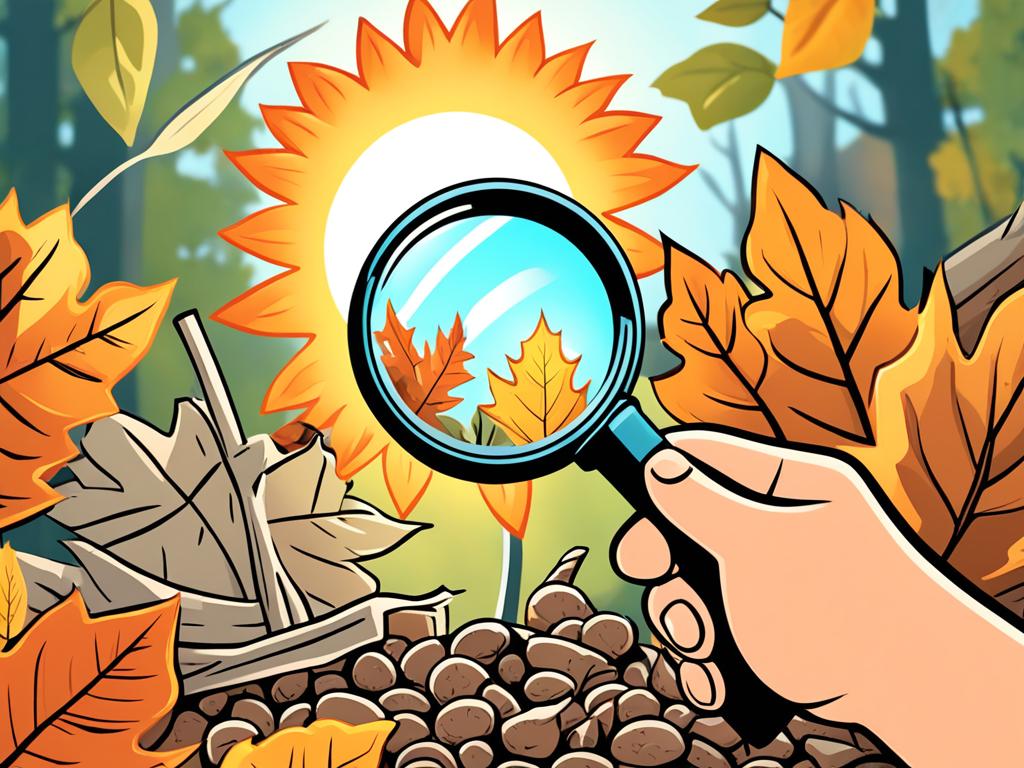
- Magnifying glasses: Embrace your inner explorer with this classic fire-starting method. By focusing sunlight through a magnifying glass onto kindling or dry leaves, you can harness the power of the sun to ignite a flame. Perfect for sunny days, but keep in mind it won’t work at night or during cloudy weather.
- Hand sanitizer: That trusty bottle of hand sanitizer can do more than just keep your hands clean; it can also help start a fire. The high alcohol content in hand sanitizer makes it highly flammable, making it an excellent choice for quick fire ignition.
- Tampons or cotton balls: Yes, you read that correctly! These everyday items can be transformed into effective fire starters. Combine them with rubbing alcohol or hand sanitizer to enhance their flammability and create an easy-to-light fire starter.
- 100-proof whiskey: While whiskey may be better suited for sipping, it can also be used as a fire starter in a pinch. Soak a cotton ball in 100-proof whiskey and use it to ignite your kindling. Just remember, this method is more about novelty than efficiency.
- Dried kindling or tinder: Sometimes, simplicity reigns supreme. Dried kindling or tinder, such as shredded newspaper or small twigs, can be extremely effective in starting a fire. Pair it with any of the other fire-starting methods for foolproof ignition.
- Flint: For those looking for a more traditional fire starter, flint can be a reliable option. By striking a flint rod with a knife, you can create sparks that can ignite various combustible materials, making it an excellent choice for survival situations or when other methods fail.
- Newspaper, magazine pages, and cardboard: Don’t underestimate the power of everyday items found around the house. Newspaper, magazine pages, and cardboard burn easily and can be used to quickly ignite your fire. Just keep in mind that they may burn out quickly, requiring additional kindling and firewood.
- Commercial fire starters: If you prefer a ready-made solution, commercial fire starters are a reliable choice. These compact and easy-to-use products are specifically designed to ignite fires quickly and easily.
Now that you know the top contenders for the best fire starters, you can choose the method that suits your needs best. Whether you’re camping, lighting a backyard fire pit, or enjoying a cozy evening indoors, having the right fire starter kit will ensure a hassle-free fire-building experience.
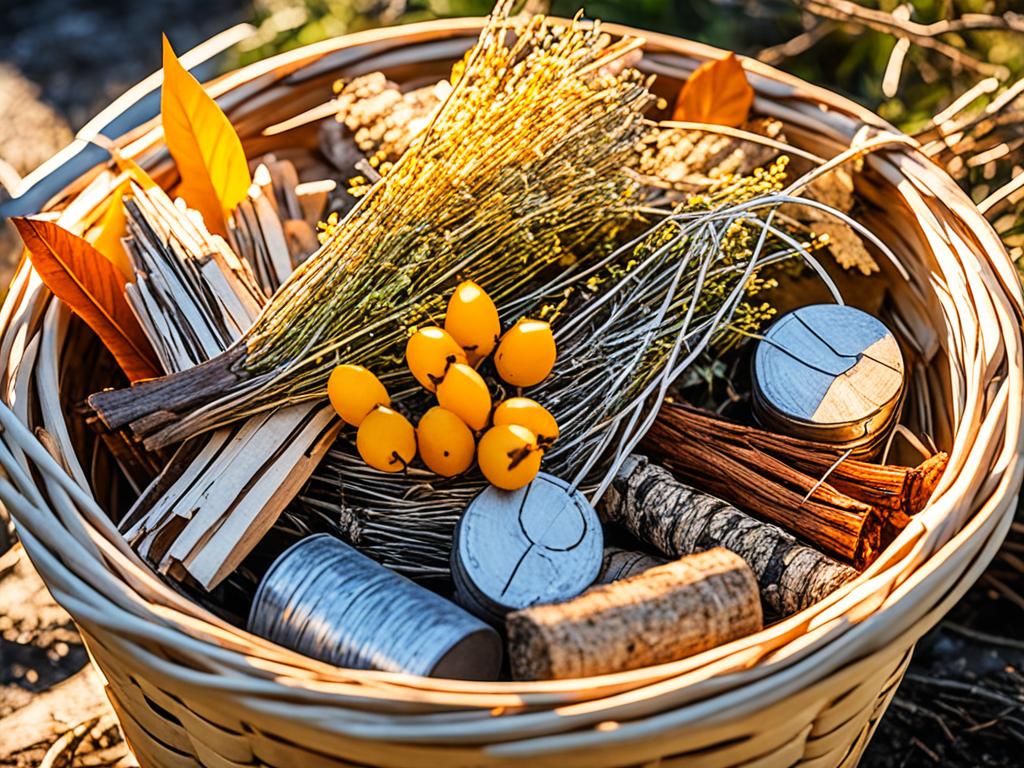
Remember, always follow safety precautions and local regulations when starting fires. With the best fire starters at your disposal, you’ll be able to ignite the flames effortlessly and enjoy all the warmth and wonder that a crackling fire brings.
Using Wine Corks as Fire Starters
Looking for a creative way to start a fire? Look no further than your wine collection. Wine corks soaked in rubbing alcohol are an excellent fire starter option. Not only do they provide a sustainable solution, but they also add a touch of sophistication to your camping experience.
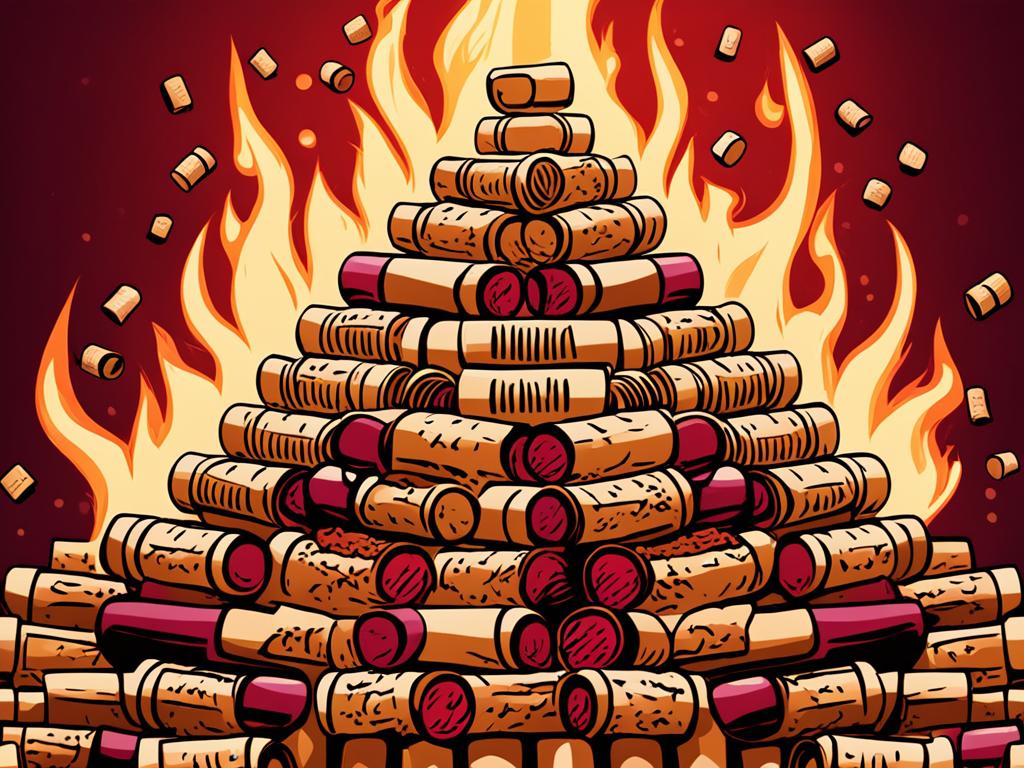
Why wine corks? Well, natural corks work better than synthetic ones because they are more porous, allowing them to catch fire easily. Soaking the corks in rubbing alcohol for a week improves their effectiveness as fire starters.
Pro tip: To enhance the aroma of your fire, opt for wine corks from bottles that were sealed with natural cork rather than synthetic ones.
Before you embark on your fire-starting adventure, it’s crucial to prioritize safety and ensure proper ventilation. Set up a well-ventilated area and keep any flammable materials away from the fire-starting zone. Safety first, always!
How to Use Wine Corks as Fire Starters
- Gather wine corks and rubbing alcohol.
- Place the wine corks in a sealable container.
- Pour enough rubbing alcohol over the corks to completely soak them.
- Seal the container and let the corks soak for a week.
- When ready to start a fire, retrieve a soaked cork and place it in the fire pit.
- Light the cork using a match or a lighter.
- Watch as the fire ignites and enjoy the warmth and ambiance of your well-started fire.
There you have it! Wine corks soaked in rubbing alcohol make for a unique and effective fire starter. So, the next time you open a bottle of wine, save those corks and turn them into your very own DIY fire-starting solution.
| Pros | Cons |
|---|---|
| Environmentally friendly | Requires a week of soaking time |
| Easy to collect | May emit a strong odor when burned |
| Unique and creative | Requires proper ventilation and safety precautions |
Utilizing Dryer Lint for Fire Starting
Dryer lint is not just a nuisance to clean out of your dryer filter; it can actually be a valuable resource for starting fires. By repurposing this common household waste, you can create effective fire starters that are both cost-effective and eco-friendly.
Here’s a step-by-step guide on how to make your own dryer lint fire starters:
Gather the following materials:
- Toilet paper tubes
- Dryer lint
- Paraffin wax

Instructions:
- Start by collecting dryer lint from your dryer’s lint filter. Ensure that the lint is clean and free from any debris or foreign objects.
- Take empty toilet paper tubes and stuff them tightly with the dryer lint. Leave a little space at the top to allow for the addition of paraffin wax.
- Melt the paraffin wax in a double boiler or a heat-resistant container placed in a pot of boiling water. Be cautious as paraffin wax is highly flammable.
- Pour the melted paraffin wax into the toilet paper tubes, covering the dryer lint completely. Ensure that the wax penetrates and saturates the lint thoroughly.
- Allow the paraffin wax to cool and solidify, forming a seal around the dryer lint.
- Once the wax has hardened, your homemade dryer lint fire starters are ready to use.
When you’re ready to start a fire, simply place one or two of these fire starters beneath your kindling or logs, ensuring they are positioned to catch fire easily. The dryer lint acts as a highly flammable tinder, igniting quickly, while the paraffin wax provides a longer burn time to help sustain the fire.
“Using dryer lint fire starters is not only a clever way to repurpose a common household waste but also an effective and efficient method of fire starting. Plus, it’s a great conversation starter around the campfire!”
By utilizing dryer lint and paraffin wax, you can create reliable fire starters that are not only convenient but also help reduce waste. So the next time you’re cleaning out your dryer, don’t toss that lint; instead, transform it into a valuable resource for your outdoor adventures or cozy evenings by the fire.
| Pros | Cons |
|---|---|
| – Cost-effective | – Requires the collection and storage of dryer lint |
| – Environmentally friendly | – May produce a wax residue when burned |
| – Easy to make | – Can be messy to handle the wax |
| – Provides a longer burn time | – Requires a heat source to melt the wax |
Using a Magnifying Glass to Start a Fire
Now, here’s an unconventional fire-starting method that might just ignite your curiosity – using a magnifying glass. While it may not be the most practical fire starter, it’s definitely an intriguing option to explore.
Imagine harnessing the power of sunlight and focusing it through a magnifying glass onto a carefully placed piece of paper or cardboard. As the rays converge, the intensity of the heat increases, eventually reaching a point where combustion occurs and fire emerges. It’s like channeling the sun’s energy into a fiery masterpiece.
However, keep in mind that this method heavily relies on the presence of direct sunlight. Cloudy days or the onset of night can dim your hopes of starting a fire using a magnifying glass. But don’t let that discourage you from trying it out during the brighter times!
| Pros | Cons |
|---|---|
| ✅ Unique and fascinating fire-starting technique | ❌ Highly dependent on direct sunlight |
| ✅ Portable and lightweight tool | ❌ Ineffective without clear skies |
| ✅ No need for additional fuel or materials | ❌ Requires steady hands and precise positioning |
So, the next time you find yourself with a magnifying glass in hand, give this fire-starting method a shot. Just remember to exercise caution, always prioritize safety, and ensure the magnifying glass is handled responsibly. Who knows, you might just light up the night with your newfound fire-starting prowess.
Harnessing the Power of Hand Sanitizer
When it comes to fire starting, you might not immediately think of hand sanitizer. But guess what? This little bottle of germ-fighting goodness can also double as a fire starter! With its high alcohol content, hand sanitizer can quickly ignite a flame and get your campfire roaring in no time.
Here’s how you can put hand sanitizer to good use as a fire starter:
- Choose the right kindling: Before you begin, gather a pile of dry kindling or tinder. This can be small twigs, leaves, or any other flammable material that will catch fire easily.
- Apply the hand sanitizer: Take a small amount of hand sanitizer and rub it onto the kindling. The alcohol in the sanitizer will act as a fuel source to ignite the fire.
- Light it up: Once the hand sanitizer is applied, use a lighter or matches to light the kindling. The alcohol in the sanitizer will quickly catch fire, providing a steady flame to ignite the rest of your firewood.
Pro Tip: If you want to enhance the effectiveness of hand sanitizer as a fire starter, you can combine it with other methods mentioned in this article. For example, you can apply hand sanitizer to a tampon or cotton ball to create a longer-lasting flame.
“Who knew that hand sanitizer could do more than just keep your hands clean? It’s like a secret weapon in your fire-starting arsenal!”
However, it’s important to exercise caution when using hand sanitizer as a fire starter. Remember to follow these safety guidelines:
- Use hand sanitizer only in well-ventilated areas to prevent the buildup of fumes.
- Keep your fire-starting area clear of any flammable materials like dry grass or leaves.
- Always have a fire extinguisher or water source nearby in case the fire gets out of control.
- Dispose of the hand sanitizer bottle responsibly after use and keep it away from open flames.
Now you have a new trick up your sleeve for starting fires on your outdoor adventures. Hand sanitizer is not just for clean hands—it’s a handy fire starter too!
Using Tampons or Cotton Balls as Fire Starters
When it comes to fire starters, sometimes you have to think outside the box. And in this case, we’re going inside the bathroom cabinet. That’s right, tampons and cotton balls can actually be handy tools for starting a fire in the great outdoors.
Now, before you start raising your eyebrows, let me explain. Tampons and cotton balls, by themselves, may not seem like the most obvious fire starters. In fact, they may smolder and blacken when lit, leaving you wondering if you should just stick to traditional methods. But fear not, my adventurous friend, because there’s a trick to making these seemingly innocent items work their fire-starting magic.
The secret lies in pairing tampons or cotton balls with some rubbing alcohol or hand sanitizer. These flammable liquids add the necessary kick to ignite those cotton fibers and get your fire roaring.
Here’s how you can turn ordinary tampons or cotton balls into fiery fire starters:
- Step 1: Break apart a tampon or a cotton ball to create more surface area. This enhanced airflow will improve combustion.
- Step 2: Soak the tampon or cotton ball in some rubbing alcohol or hand sanitizer. This will allow the alcohol to saturate the cotton fibers.
- Step 3: Place your soaked tampon or cotton ball into your fire pit or firewood stack.
- Step 4: Light it up! Use a lighter or match to ignite the alcohol-soaked cotton.
- Step 5: Sit back and watch as your humble tampon or cotton ball transforms into a powerful fire-starting force.
With this clever hack, you’ll never underestimate the power of tampons and cotton balls again. They may be small, but they can pack a fiery punch when paired with rubbing alcohol or hand sanitizer.
So the next time you’re out in the wild and need to start a fire, don’t overlook that handy box of tampons or cotton balls in your backpack. They could be the unexpected heroes that bring warmth and light to your outdoor adventure.
Experimenting with 100-Proof Whiskey
Now, here’s a wild and boozy idea – using 100-proof whiskey as a fire starter! It might sound like a fun and adventurous experiment, but let’s dig deeper into whether it’s an effective method or just a shot in the dark.
Whiskey aficionados might raise an eyebrow at the thought of sacrificing their beloved spirits for fire-starting purposes. After all, that 100-proof bottle is a treat meant for savoring, not igniting. But for the sake of adventure, let’s see how it holds up as a fire starter.
While it’s true that whiskey contains a fair amount of alcohol, it’s not enough to sustain a long-lasting fire. The alcohol content in whiskey is diluted by other ingredients, such as water and flavorings, which lower its effectiveness as a fire starter.
Soaking a cotton ball in 100-proof whiskey might produce a brief burst of flames, but it won’t burn for long. You’ll likely find yourself reaching for more kindling and firewood to keep the fire going. Ultimately, it’s best to save the whiskey for sipping and savoring by the fire, rather than relying on it as a fire starter.
If you’re feeling adventurous, you can still give it a try, but be prepared for a short-lived flame. Just remember to prioritize safety and have alternate fire-starting methods on hand in case the whiskey doesn’t light up your fire as expected. It’s all about the journey, right?
Trial and Error with 100-Proof Whiskey
“Whiskey may not be the best fire starter, but it’s certainly a delicious companion while enjoying the warmth and flickering flames of a well-lit campfire.” – Whiskey Enthusiast
| Pros | Cons |
|---|---|
| – Fun and adventurous | – Low alcohol content |
| – Brief burst of flames | – Short-lived fire |
| – Unconventional fire starter | – May require additional kindling |
| – Adds a unique twist to fire starting | – Not as reliable as other methods |
While experimenting with 100-proof whiskey as a fire starter may not yield the desired long-lasting flames, it certainly adds a dash of excitement to your camping experience. So, light up that campfire (using a more reliable method), sit back with a glass of whiskey, and toast to adventure!
Opting for Dried Kindling or Tinder
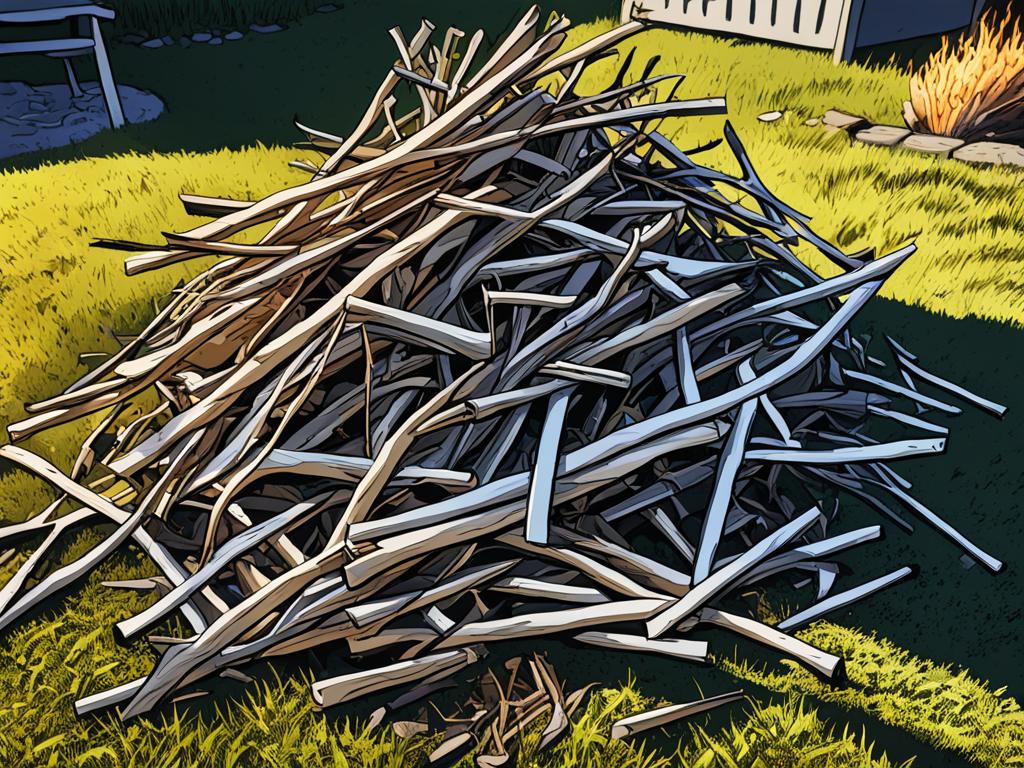
When it comes to starting a fire, using dried kindling or tinder is like having a secret weapon in your arsenal. Kiln-dried firewood and kindling are specifically processed to have low moisture content, making them incredibly easy to ignite. No more struggling with damp wood or wet branches!
With dried kindling, all it takes is a spark to set the fire ablaze. Pair it with just a little shredded newspaper or other tinder, and you’ll have a roaring fire in no time. It’s the perfect combination to ensure a successful and quick fire-starting process.
Not only does dried kindling make fire starting easier, but it also provides a reliable source of fuel that burns efficiently. Its low moisture content means more heat and less smoke, giving you a cleaner and more enjoyable fire experience.
So the next time you’re preparing for a cozy evening by the fire or planning a camping trip, don’t forget to stock up on dried kindling or tinder. It’s the secret ingredient that will turn your fire-starting skills from mediocre to magnificent!
| Benefits of Dried Kindling and Tinder: |
|---|
| Easy to ignite |
| Low moisture content for efficient burning |
| Produces more heat and less smoke |
| Enhances your fire-starting success rate |
Harnessing the Power of Flint
When it comes to starting a fire in challenging conditions, flint is a formidable fire starter. With a little skill and the right technique, you can ignite a roaring fire using this trusty tool. But how does it work? Let me break it down for you.
Flint is a type of hard rock that, when struck with steel, produces sparks that can ignite tinder. And here’s where the magic happens—by shaving off some strips of magnesium from the flint and striking them with a knife, you create a shower of sparks. These sparks, when they come in contact with the magnesium, ignite it with a burst of intense heat. It’s like creating your very own mini fireworks display!
The key to success with flint is to have dry tinder and kindling ready to catch the sparks. Magnesium burns at high temperatures, making it ideal for starting fires even in damp or wet conditions. So, the next time you find yourself in a drizzle or a downpour, don’t let it rain on your fire-starting parade—just reach for your trusty flint!
Now, before you go wild with sparks flying everywhere, remember to consider the wind direction. You don’t want your hard-earned fire to be extinguished as quickly as it started. Also, it’s a good idea to create a sheltered area for your fire to protect it from any sudden gusts of wind.
So, embrace your inner fire-starter and harness the power of flint to ignite your next campfire adventure!

Using Newspaper, Magazine Pages, and Cardboard
Looking for unconventional fire starters? Look no further than your daily newspaper, old magazine pages, and trusty cardboard boxes. They may not seem like traditional fire-starting materials, but they can do the trick when you’re in a pinch. The best part? You’ll be repurposing everyday items and minimizing waste while igniting your campfire!
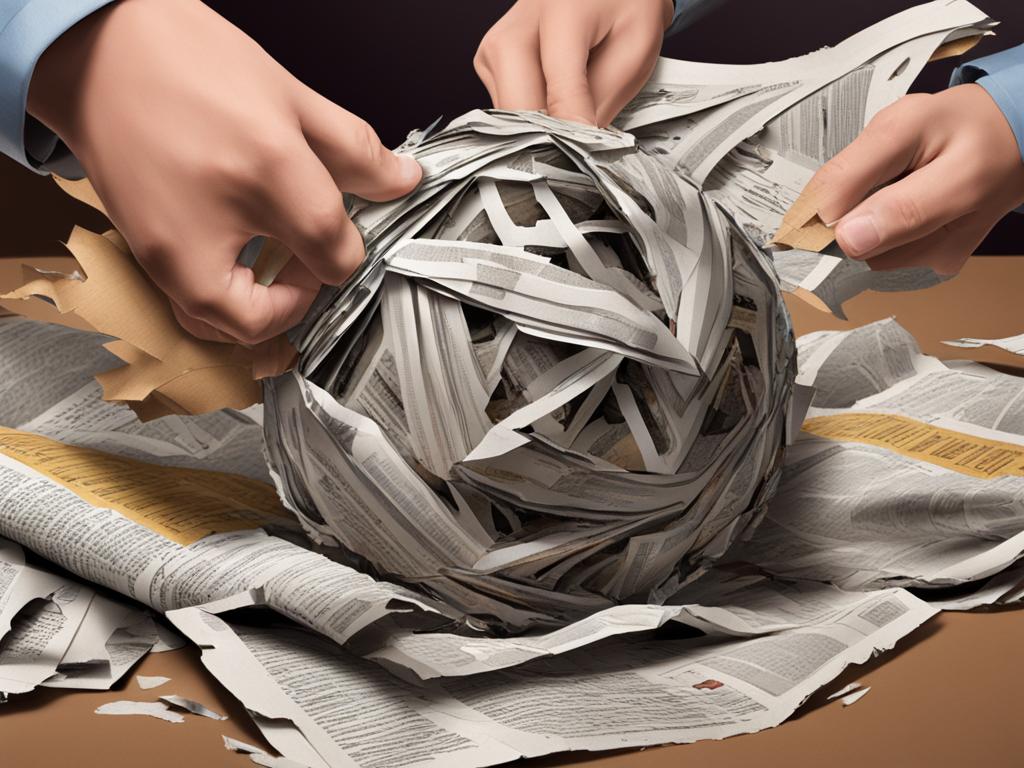
When it comes to starting a fire, newspaper, magazine pages, and cardboard are easy to light thanks to their flammable nature. Simply crumple up some pieces of newspaper, tear out a few pages from your favorite magazine, or break down a cardboard box, and you’re ready to go.
However, there’s one thing to keep in mind. While these materials burn easily and provide a quick ignition source, they tend to burn too quickly. This means that you might need to use additional kindling and firewood to sustain your fire. So, while newspaper, magazine pages, and cardboard can be used in your fire-starting routine, it’s best not to rely on them solely for long-lasting fires.
So, the next time you’re gathering fire-starting supplies, take a look around your house for that stack of newspapers waiting to be recycled or those old magazines collecting dust. Give them a second life as fire starters and bask in the warmth and glow of your campfire.
Conclusion
Now that you’ve learned the essential fire starting tips and campfire safety, you’re well-equipped to embark on your outdoor adventures. Remember, safety should always be your top priority when starting a fire. By following proper techniques and using the right fire starters, you can ignite the flames efficiently and without risks.
Prioritize safety by having necessary equipment, such as a fire extinguisher or water source, nearby whenever you start a campfire. Before you get started, familiarize yourself with local regulations and restrictions, ensuring you adhere to any fire-related guidelines. This way, you can enjoy your well-lit campfire while minimizing the impact on the environment and surrounding areas.
So, go ahead and embrace the warmth and beauty of a crackling campfire, creating memorable moments with friends and family. Whether it’s a cozy evening under the stars or a fun-filled camping trip, your fire starting expertise will surely impress. Stay safe, enjoy the great outdoors, and let the campfire stories begin!
FAQ
What are fire starters?
Fire starters are materials or tools that are used to ignite a fire quickly and efficiently.
What are some options for fire starters?
Some options for fire starters include wine corks soaked in rubbing alcohol, dryer lint stuffed in toilet paper tubes, magnifying glasses, hand sanitizer, tampons or cotton balls, 100-proof whiskey, dried kindling or tinder, flint, newspaper or magazine pages, cardboard, and commercial fire starters.
How do wine corks soaked in rubbing alcohol work as fire starters?
Wine corks soaked in rubbing alcohol can be lit and used as fire starters. The natural corks work better than synthetic ones because they are more porous and catch fire easily. Soaking the corks in rubbing alcohol for a week can improve their effectiveness.
How can dryer lint be used as a fire starter?
Dryer lint can be stuffed into toilet paper tubes and sealed with paraffin to create excellent fire starters. The lint acts as tinder, igniting easily, while the paraffin provides a longer burn time. This method makes use of materials that would otherwise be discarded and is cost-effective and environmentally friendly.
Can a magnifying glass be used as a fire starter?
Yes, a magnifying glass can be used as a fire starter. By focusing sunlight through the magnifying glass onto paper or cardboard, enough heat can be generated to start a fire. However, this method is highly dependent on direct sunlight and can be hindered by factors like clouds or nightfall.
How can hand sanitizer be used as a fire starter?
Hand sanitizer, with its high alcohol content, can be applied to kindling to help ignite a fire quickly. It can also be combined with other fire-starting methods to enhance its effectiveness. However, it’s important to exercise caution and use hand sanitizer responsibly.
Can tampons or cotton balls be used as fire starters?
Yes, tampons or cotton balls can be used as fire starters when combined with rubbing alcohol or hand sanitizer. Adding rubbing alcohol or hand sanitizer helps the cotton ignite and burn more effectively. Breaking apart tampons to create more surface area can enhance airflow and improve combustion.
Is 100-proof whiskey a good fire starter?
No, 100-proof whiskey is not very effective as a fire starter. It does not provide enough alcohol content to sustain a long-lasting fire. It’s best to save the whiskey for enjoying by the fire rather than using it as a fire starter.
What is the benefit of using dried kindling or tinder as a fire starter?
Dried kindling or tinder, such as kiln-dried firewood, catches fire easily and can be used to start a fire quickly. Using dried kindling ensures a successful and quick fire-starting process, often requiring just a little shredded newspaper or other tinder to get it started.
How does flint work as a fire starter?
Flint can be an effective fire starter, especially in adverse conditions. By shaving strips of magnesium from the flint and igniting it with a knife, sparks can be created, igniting the magnesium. Magnesium burns at high temperatures, making it useful for starting fires in damp conditions. It’s important to consider wind direction and create a sheltered area to protect the fire from extinguishing.
Can newspaper, magazine pages, and cardboard be used as fire starters?
Yes, newspaper, magazine pages, and cardboard can be used as fire starters. They burn easily and provide a quick ignition source. However, they may burn too quickly, requiring additional kindling and firewood to sustain the fire. It’s best to use them as part of the fire-starting routine but not rely on them for long-lasting fires.
How can I start a fire safely?
Starting a fire safely involves using the right fire starters and following proper techniques. Always prioritize safety, have necessary equipment nearby, and follow local regulations and restrictions when starting a campfire.