
Are you ready to elevate your culinary creations with the fresh and vibrant flavor of basil? Look no further! In this article, we will guide you through the art of harvesting basil leaves like a true professional. From the best time to harvest to expert techniques for picking and storing, we’ve got you covered. Get ready to unleash your inner herb gardener and master the art of harvesting basil with confidence!
Key Takeaways:
- Knowing when and how to harvest basil is essential for herb gardeners.
- Basil leaves can be harvested once the plant reaches a height of 6 to 8 inches.
- Methods for harvesting basil leaves include picking off small amounts, pinching off leaves at the stem, or using scissors.
- Pruning basil promotes bushier growth and prevents the plant from flowering.
- For outdoor basil plants, you can harvest the entire plant by cutting it about 3 inches above the ground.
When to Harvest Basil
So, you’ve been patiently tending to your basil plant, eagerly awaiting the perfect moment to harvest those aromatic leaves. Well, my green-thumbed friend, the time has come to reap the rewards of your labor.
But before you grab your gardening shears, let’s talk about when exactly to harvest basil for optimal flavor and growth. The key here is to strike the perfect balance between allowing your basil plant to mature and preventing it from becoming leggy and unproductive.
Here’s the scoop: basil leaves can be harvested once the plant reaches a height of 6 to 8 inches. Think of it as a signal from Mother Nature that your prized herb is ripe and ready to grace your dishes with its vibrant taste!
Basil leaves can be harvested once the plant reaches a height of 6 to 8 inches.
To determine if your basil is at the ideal height, grab a trusty tape measure or ruler and get measuring. Once the tallest part of your basil plant hits that golden 6-inch mark, you can confidently commence the harvesting festivities.
But hélas, my fellow basil enthusiast, there is a cautionary note to consider. Avoid letting your basil plant surpass the 8-inch mark before trimming it. Allowing it to grow too tall can result in lanky, less productive growth that simply doesn’t live up to the basil greatness we all crave.
Now that you know when to harvest basil like a seasoned herb aficionado, it’s time to roll up those sleeves and prepare for a bountiful basil harvest. Let the aroma of fresh basil leaves fill your senses as you embark on this delightful journey in your culinary garden.
| Plant Height | Action |
|---|---|
| Less than 6 inches | Wait until the plant reaches the minimum height for harvesting. |
| 6 to 8 inches (ideal height) | Start harvesting those flavorful basil leaves! |
| Above 8 inches | Trim the plant to prevent lanky growth and maintain productivity. |
Methods for Harvesting Basil Leaves
When it comes to harvesting your precious basil leaves, there are a few nifty methods you can employ. You don’t want to go about it willy-nilly and end up with a sorry-looking plant, do you? Of course not! So, let’s explore the best ways to pick those aromatic basil leaves while ensuring your plant stays healthy and happy.
1. Pick and Choose: Sometimes, you may only need a few basil leaves for that delicious caprese salad or homemade pesto. In this case, simply pluck off the desired amount of leaves from different areas of the plant without cutting any stems. It’s like giving your basil a stylish trim without going overboard.
2. Pinch ‘n’ Pull: Picture this: you delicately pinch the stem of a basil leaf, giving it a gentle tug, and voila! The whole leaf elegantly separates from the stem. This technique keeps your basil looking effortlessly chic and avoids any unseemly tears or breaks.
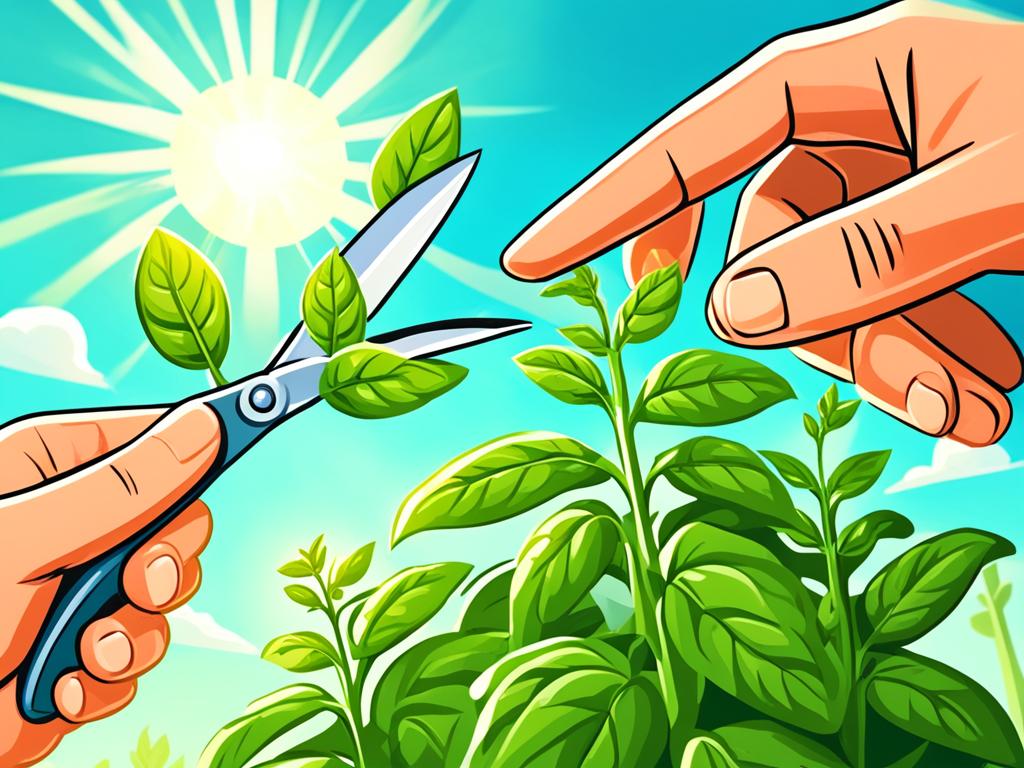
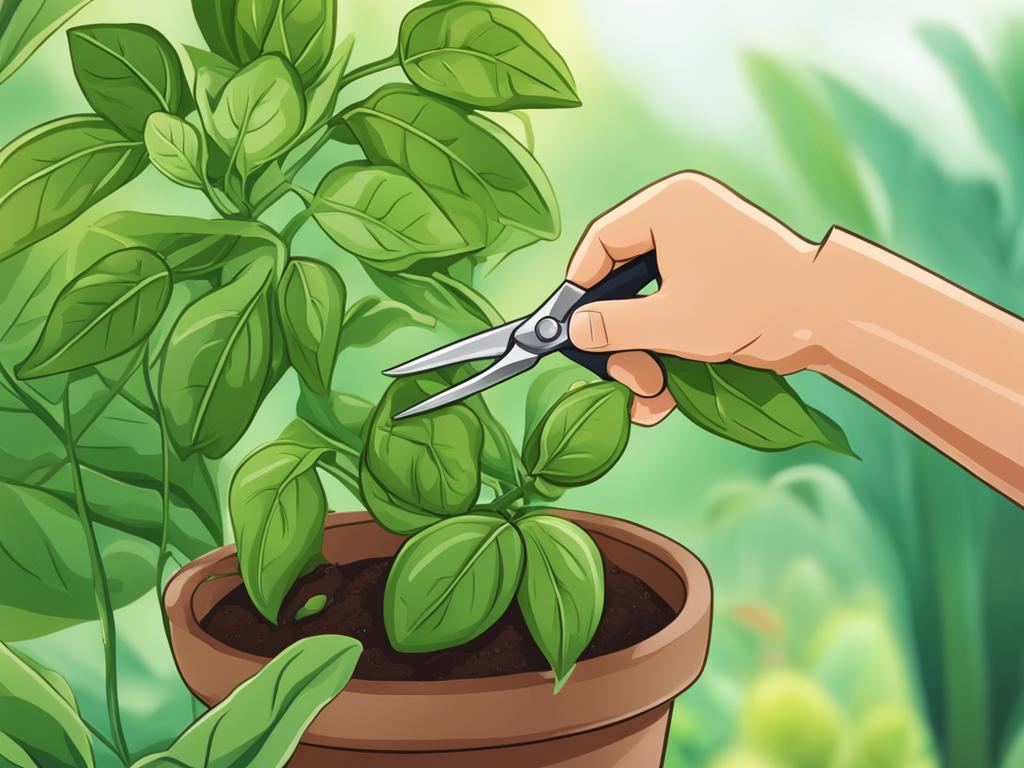
3. Snip Away: For a precise and tailor-made harvest, a small pair of scissors can be your best friend. Just be sure to clip the leaves, avoiding any accidental snips to the stem. Your basil will thank you for the precision and care.
Remember, when harvesting basil leaves, always be mindful of the delicate stems. Treat them with a little TLC, and they’ll reward you with a bountiful supply of fragrant foliage.
Now that you know the savvy techniques for picking basil leaves, it’s time to put them into practice and savor the delicious flavors they bring to your culinary creations.
Pruning Basil for Bushier Growth
When it comes to growing basil, not only do you want a healthy yield of aromatic leaves, but you also want your plants to be bushy and full. That’s where pruning comes in! Pruning basil is like giving it a stylish haircut – it encourages luscious new growth and prevents the plant from flowering prematurely, preserving its flavor.
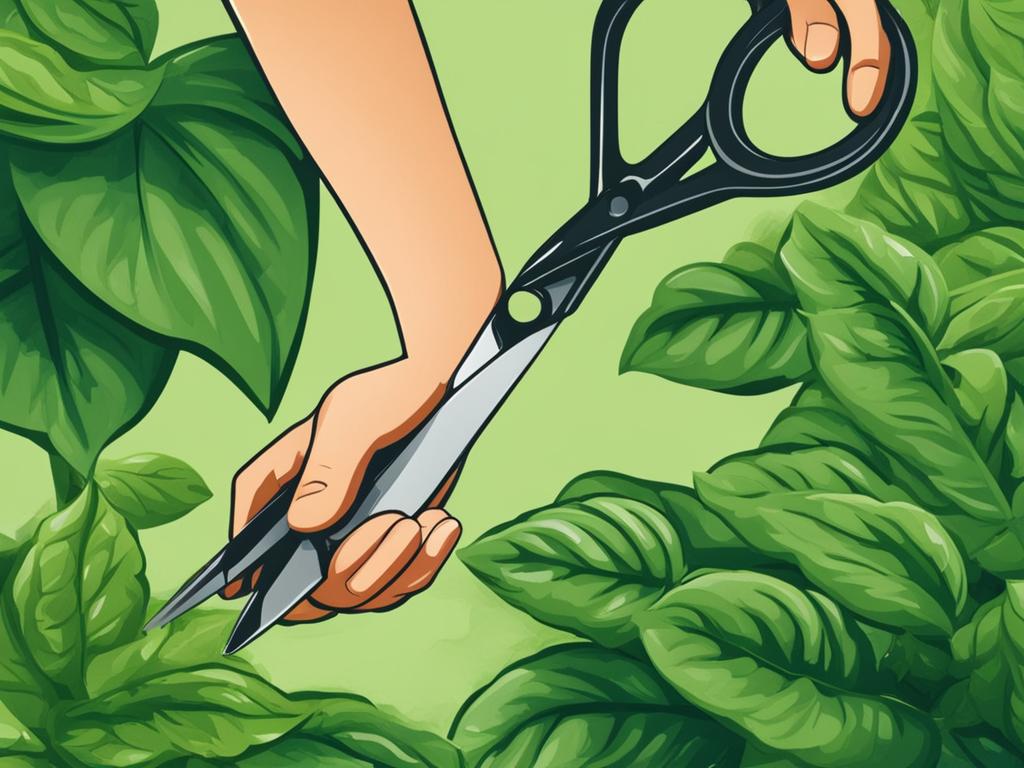
So, how exactly do you prune basil to achieve those bushier, more productive plants? It’s simple. Follow these steps:
- Start from the top: Begin pruning from the top of the basil plant, working your way down to the lower foliage. This helps redistribute growth hormones, encouraging lower branches to develop and preventing the plant from becoming top-heavy.
- Remove full stems: As you prune, remove entire stems rather than just the leaves. This allows the plant to produce fresh growth from the base, resulting in a more compact and bushy appearance.
- Above the leaf node: When cutting stems, make sure to do so just above the leaf node. The leaf node is the point on the stem where leaves emerge. By cutting above this node, you stimulate the growth of new side branches, promoting bushier and fuller growth.
Remember: Regular pruning is essential to keep your basil plants in their prime. Don’t worry about cutting too much – basil is a resilient herb that thrives with a bit of TLC.
Why is bushy basil desirable? Well, aside from the aesthetic appeal, bushier basil plants offer a larger surface area for leaf production. More leaves mean more harvestable basil for your culinary adventures. Plus, compact plants are less likely to flop over from their own weight, ensuring your basil stays in tip-top shape.
Pruning basil is like giving it a stylish haircut—it keeps your plants looking their best and encourages more productive growth. Plus, you get the added bonus of a more flavorful harvest! So grab those pruners and get snipping – your basil will thank you!”
Harvesting Outdoor Basil Plants
If you have a large crop of outdoor basil plants, you may want to try a different approach to harvesting. Instead of picking individual leaves, consider harvesting the entire plants. This method is particularly beneficial if you want to preserve a larger quantity of basil or if the growing season is coming to an end.
To harvest entire basil plants, follow these simple steps:
- Prepare your tools: Make sure you have a reliable hand pruner, which will allow you to cut the plants cleanly.
- Choose the right time: Wait until the basil plants have reached their desired growth stage. This could vary depending on your preference and the specific variety of basil you’re growing.
- Position your pruner: Position the pruner about 3 inches above the ground, and carefully cut the plants in one swift motion. Be sure to leave a stub of the stem to help identify the harvested plants.
- Shake off any bugs and dirt: After harvesting, gently shake off any insects or excess dirt from the basil plants.
By following these steps, you can efficiently harvest your outdoor basil plants and enjoy a bountiful supply of this aromatic herb.
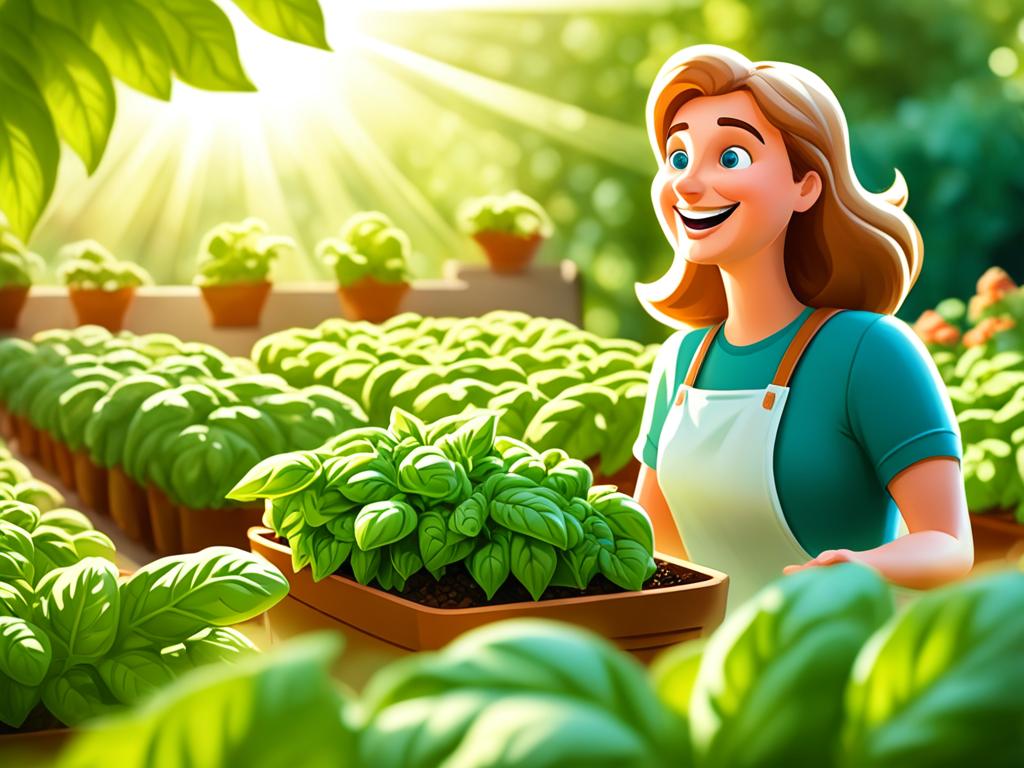
“Harvesting entire basil plants is a time-saving method that allows you to collect a significant quantity of basil with a single harvest. It’s a great option for avid cooks and gardeners who want to preserve as much of this delicious herb as possible.”
Tips for Using Harvested Basil
Once you’ve harvested your basil plants, you may be wondering how to put them to good use. Here are a few ideas:
- Make flavorful basil pesto by combining fresh basil leaves, garlic, pine nuts, Parmesan cheese, and olive oil in a food processor.
- Add a handful of basil leaves to homemade tomato sauce or soups to enhance their taste and aroma.
- Use fresh basil as a garnish for caprese salads, bruschetta, or grilled vegetables.
- Infuse basil in vinegar or oil to create unique dressings for your salads.
With these versatile uses, your harvested basil will never go to waste.
How to Store Fresh Basil
Properly storing fresh basil is essential to preserve its flavor and quality for an extended period. Follow these simple steps to keep your basil leaves fresh and vibrant:
- Inspect and prepare: After harvesting, carefully examine the basil leaves, and remove any dead or yellow ones. This ensures that only the freshest and healthiest leaves are stored.
- Rinse and dry: Rinse the basil thoroughly under cool water to remove any dirt or debris. You can gently pat it dry with a paper towel or allow it to air dry naturally.
- Airtight storage: Place the basil leaves in an airtight container, such as a ziplock bag or a plastic storage container with a tight-fitting lid. This helps to prevent moisture loss and maintain the herb’s freshness.
- Cool and dark: Store the container of basil in the refrigerator, preferably in the crisper drawer or a cool part of the fridge. The cool temperature helps to slow down the natural wilting process and keeps the basil leaves crisp.
By following these storage guidelines, your fresh basil can stay flavorful and fragrant for up to a few weeks, allowing you to enjoy its culinary delights for a longer time.

Note: Properly storing basil makes a big difference in preserving its quality. Ensure a tight seal on the container to prevent any odor contamination from other foods in the refrigerator.
Freezing Basil for Long-Term Storage
Freezing basil is the ultimate solution for preserving its freshness and vibrant flavor for an extended period. With a few simple techniques, you can ensure that your basil leaves stay just as delicious as the day you harvested them.
Blanching Method
One effective method for freezing basil is blanching, which helps preserve its color and flavor. Follow these steps:
- Bring a pot of water to a boil.
- Prepare a bowl of ice water.
- Plunge the basil leaves into the boiling water for about 2 seconds.
- Remove the leaves and immediately submerge them in the ice water to stop the cooking process.
- Pat the leaves dry with a paper towel.
- Place the blanched basil leaves in a freezer-safe container or a ziplock bag and seal it tightly.
This method helps retain the bright green color and fresh flavor of the basil leaves. It’s recommended to use blanched basil within 6 months for optimal taste.
Basil Cubes
If you prefer a more convenient way to store and use frozen basil, basil cubes are an excellent option. Here’s how to make them:
- In a blender or food processor, combine basil leaves, a small amount of oil, and a splash of water.
- Blend until you achieve a smooth paste-like consistency.
- Pour the basil mixture into an ice cube tray, filling each compartment.
- Place the tray in the freezer and let it freeze completely.
- Remove the basil cubes from the tray and transfer them to a freezer-safe container or ziplock bag.
These basil cubes make it easy to add a burst of fresh basil flavor to your dishes whenever you need it. They can be stored for up to 6 months.
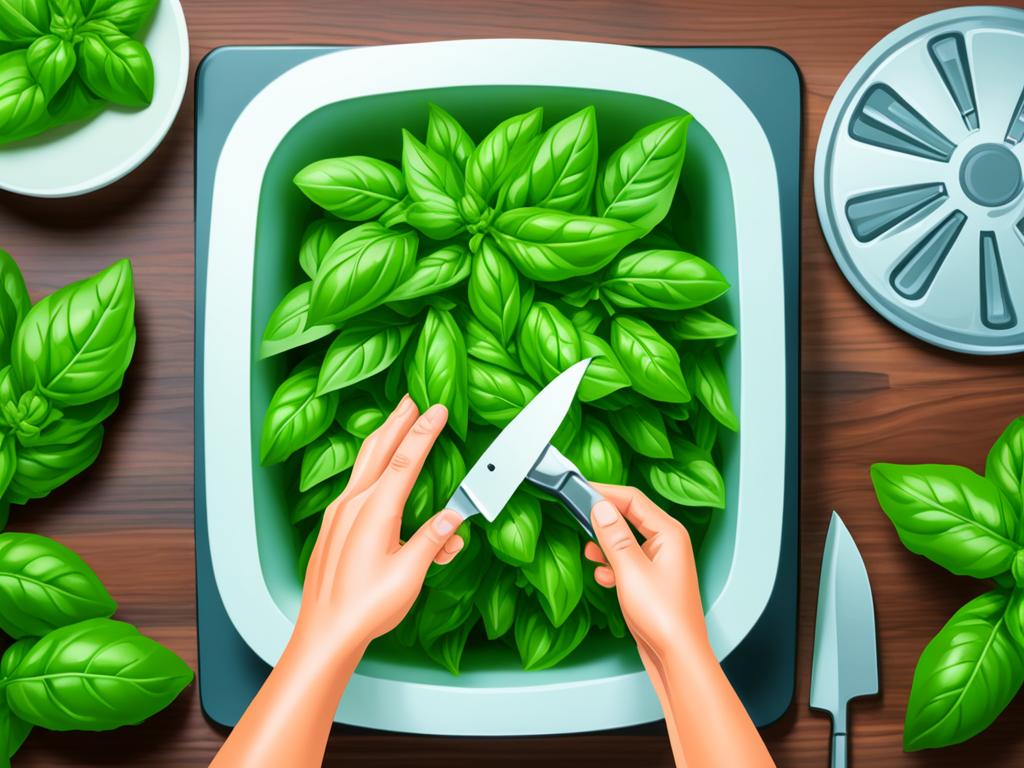
Freezing basil leaves is a convenient way to preserve their vibrant taste and aroma for future use. Whether you choose the blanching method or opt for basil cubes, both techniques will ensure that you have a stash of flavorful basil at your fingertips, ready to enhance your culinary creations.
Drying Basil for Future Use
When it comes to preserving the vibrant flavor of basil for future use, drying is a tried-and-true method. Not only does dried basil maintain its distinct aroma, but it also lasts for about a year, ensuring you always have this culinary staple on hand.
To dry basil, follow these simple steps:
- First, gather a bunch of fresh basil stems.
- Next, place the stems in a dry paper bag.
- Hang the bag in a warm, dry place, such as an attic or kitchen cupboard.
- Allow the basil to dry for one to two weeks. Patience is the secret ingredient here.
- After the drying period, remove the dry leaves from the stems.
- Try to keep the leaves intact as much as possible, as they hold the most flavor.
- Store the dried basil leaves in canning jars for safekeeping.
Now, you’re ready to enjoy the taste of summer all year round. Whether you’re adding dried basil to soups, stews, or sauces, its robust flavor will bring a delicious touch to your dishes.
Pro Tip:
Dried basil may lose some of its vibrant green color but fear not, as the flavor is what truly counts.
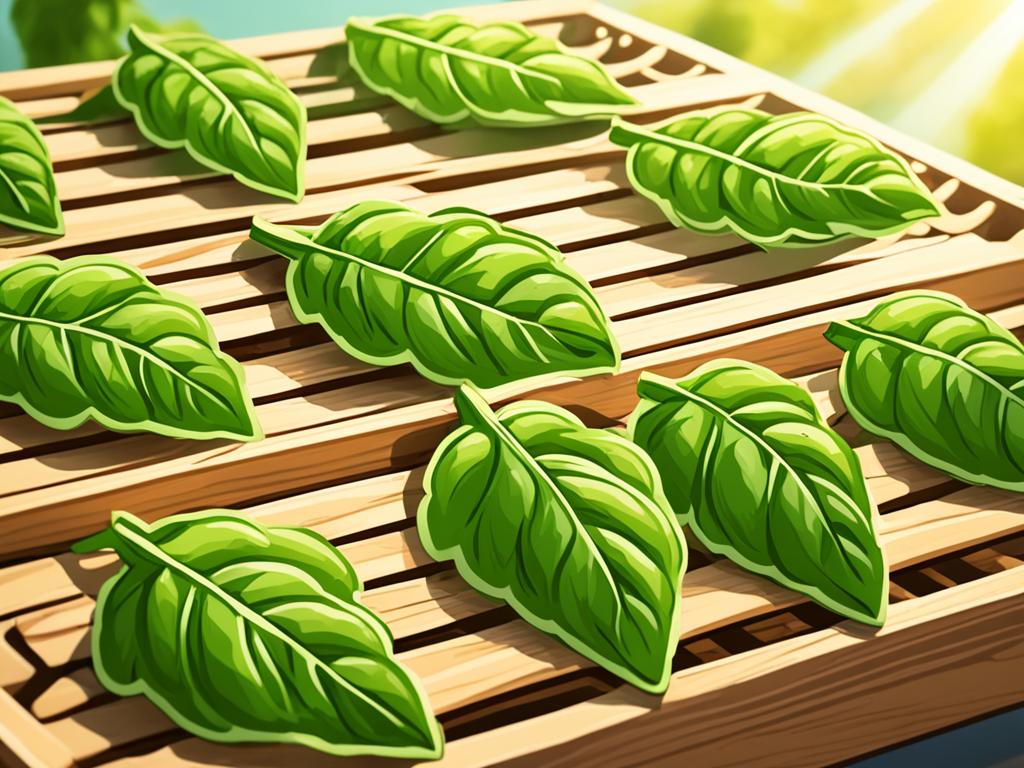
With this simple drying technique, you can savor the taste of fresh basil even during the colder months when your garden may be dormant. So go ahead, harvest your basil leaves, dry them, and add a burst of flavor to your culinary creations throughout the year!
Keeping Basil Fresh in Water
Want to prolong the freshness of your basil leaves? Look no further than a simple glass of water. By storing basil stems in water, you can keep the vibrant flavor and aroma of this aromatic herb intact for up to two weeks.
To store basil stems in water:
- Clean the basil stems by gently rinsing them under cool water.
- Trim off the bases of the stems with a sharp knife or pair of scissors.
- Find a glass jar or container that is tall enough to accommodate the length of the stems and has a wide enough mouth for easy access.
- Fill the jar with about 1 to 2 inches of water at the bottom.
- Place the trimmed basil stems into the jar, making sure the cut ends are submerged in the water.
- Position the jar in a room-temperature location, away from direct sunlight, to prevent wilting.
- Change the water every few days to keep it fresh and clear of any potential bacteria buildup.
Pro Tip: Adding a pinch of sugar or a few drops of lemon juice to the water can help extend the life of the basil.
By following these simple steps, you can preserve the freshness and vibrancy of your basil leaves, ensuring they are ready to elevate your dishes whenever you need them. Now, let’s take a closer look at an enticing image of fresh basil leaves!
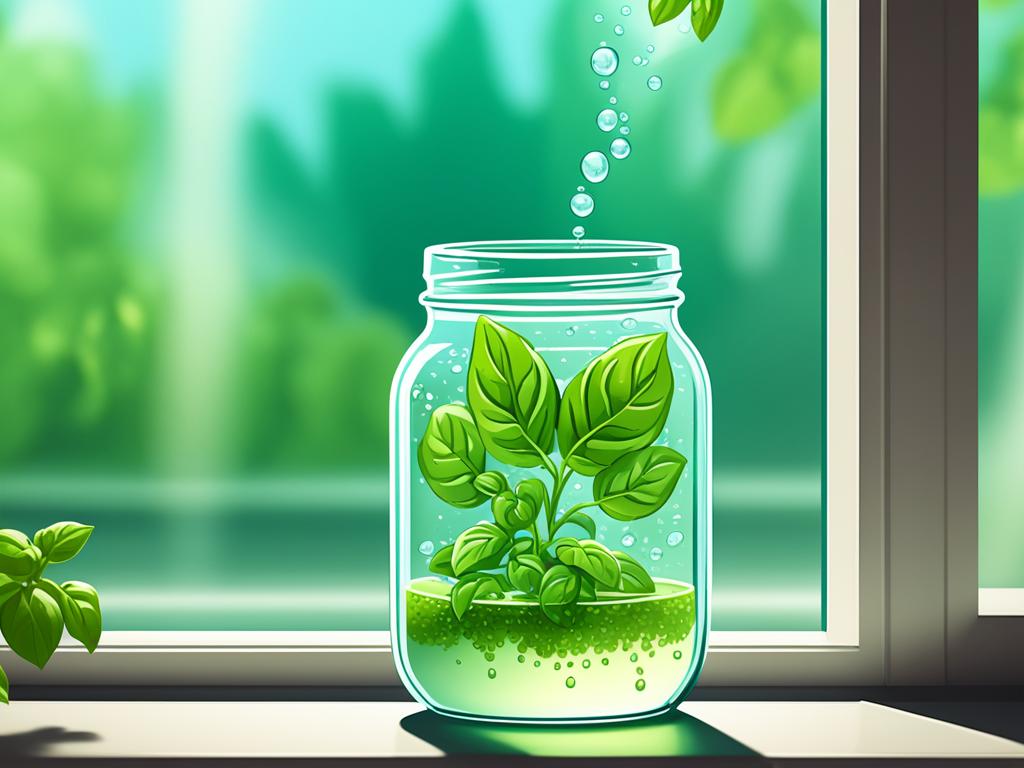
Isn’t that a tantalizing sight? The lush, green leaves of fresh basil beautifully illustrate the benefits of storing basil stems in water. Now, let’s move on to the next section to discover creative ways to use your harvested basil.
Creative Ways to Use Harvested Basil
Harvested basil is like a blank canvas awaiting your culinary creativity. With its fresh and aromatic flavor, this versatile herb can elevate any dish to new heights. Whether you’re a master chef or an amateur cook, here are some exciting ways to make the most of your harvested basil:
- Use fresh basil leaves as a vibrant garnish for salads, pasta dishes, or homemade pizzas. It adds a pop of color and a hint of refreshing flavor to any plate.
- Blend basil into luscious sauces, creamy dips, or tangy pesto. The natural oils in basil bring a delightful depth of taste to your savory creations.
- Infuse basil into oils, vinegars, or syrups for a unique twist on homemade dressings and beverages. Imagine drizzling a basil-infused balsamic reduction over your favorite salad, or adding a splash of basil-infused syrup to your cocktails.
- Experiment with basil in desserts to add a surprising and delightful element. Whip up basil-infused sorbets or churn it into homemade ice cream for a sweet treat with a touch of herbal sophistication.
“Basil is nature’s way of saying, ‘Let’s have some fun in the kitchen!'” – Unknown
As you explore the culinary uses for basil, don’t be afraid to think outside the box. The options are only limited by your imagination. Create your own signature basil recipes and share them with friends and family for a memorable dining experience.
Tasty Basil Recipes
Here are a few tantalizing basil recipes to get you started:
| Recipe | Description |
|---|---|
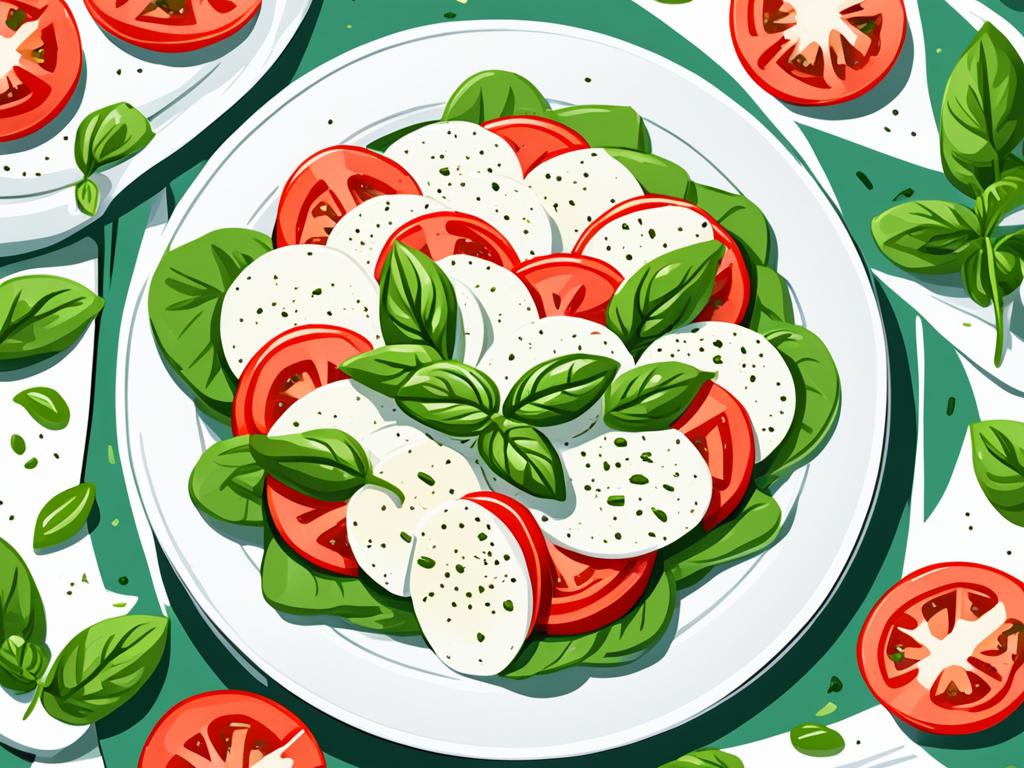
| Caprese Salad | A refreshing combination of ripe tomatoes, fresh mozzarella, and basil leaves, drizzled with olive oil and balsamic glaze. |
| Chicken Pesto Pasta | Tender grilled chicken breast tossed with al dente pasta, cherry tomatoes, and a velvety basil pesto sauce. |
| Watermelon Basil Cooler | A thirst-quenching mocktail blending sweet watermelon juice, muddled basil leaves, and a splash of sparkling water. |
| Strawberry Basil Sorbet | A refreshing frozen dessert featuring the delightful combination of ripe strawberries, basil, and a touch of lemon juice. |
Tips for Pruning and Using Basil
Pruning basil is a delicate art that requires a gentle touch. To ensure you don’t damage the plant, be careful when handling the leaves. Pinch or cut the basil leaves above the leaf nodes to promote bushier growth. This technique encourages the plant to produce more branches and leaves, resulting in a fuller and more productive basil plant.
When pruning basil, it’s essential to leave some large leaves toward the bottom of the plant. These leaves are responsible for capturing energy from the sun through the process of photosynthesis. By maintaining a healthy supply of large leaves, you will ensure that your basil plant remains vigorous and continues to grow.
Remember, a well-pruned basil plant is like a well-groomed head of hair – it looks delightful and is full of life!
One crucial tip for basil pruning is to prevent the plant from flowering. While the flowers may look beautiful, they can actually compromise the optimal flavor of the basil leaves. Pinch off any flower buds as soon as you see them. This ensures that the plant’s energy is directed towards leaf production rather than flower formation.
Once you’ve harvested your basil, it’s important to store it properly to preserve its freshness. One option is to store the basil in a glass of water, similar to how you would treat a bouquet of flowers. Place the stems in a glass jar with water at the bottom and leave it at room temperature. This method can keep the basil fresh for up to two weeks, providing you with a constant supply of aromatic leaves.
Another way to store basil is by freezing or drying it. Both methods allow you to have basil available year-round, even when it’s out of season. Freezing basil not only preserves its vibrant green color but also retains much of its flavor. Dry basil can be crushed into flakes or ground into powder, which can be used as a seasoning to enhance your dishes.
Basil Harvesting and Preservation Methods
| Method | Pros | Cons |
|---|---|---|
| Storing Basil in Water | – Keeps basil fresh for up to two weeks – Adds visual appeal to your kitchen | – Requires periodic water changes – Limited storage duration |
| Freezing Basil | – Preserves basil’s vibrant color and flavor – Allows year-round availability | – Texture changes after thawing – Limited use for fresh applications |
| Drying Basil | – Maintains basil’s distinct aroma for long periods – Versatile for various culinary uses | – Loss of some flavor and color – Requires extended drying time |
By experimenting with these different preservation methods, you can enjoy the flavors of fresh basil in your dishes no matter the season. Whether you prefer the convenience of frozen basil or the intense aroma of dried basil, there’s a preservation method that suits your culinary needs.
So go ahead, prune your basil with care, and discover the endless possibilities of harvesting and using this versatile herb!
Conclusion
Harvesting basil is like embarking on a flavor-filled adventure. By mastering the art of picking and preserving this fragrant herb, you open up a world of culinary possibilities. With a steady supply of fresh basil leaves at your fingertips, you can confidently infuse your favorite dishes with a touch of Mediterranean magic.
By following expert tips and techniques, you can ensure a bountiful basil harvest. Whether you opt for picking leaves as you need them or pruning your basil plant for bushier growth, the choice is yours. Just remember, basil’s vibrant flavors are waiting to be unleashed in your kitchen.
So, why settle for store-bought basil when you can cultivate your own little patch of herb paradise? With your newfound knowledge, you’ll be able to confidently nurture your basil plants, harvest their bountiful leaves, and store them for future use. From fresh salads to homemade pesto, your culinary creations will be elevated to new heights with the addition of lovingly harvested basil.
FAQ
When is the best time to harvest basil?
Harvest basil when the plant reaches a height of 6 to 8 inches.
How do I pick basil leaves?
There are a few methods for picking basil leaves. You can pick off small amounts of leaves as needed or pinch off leaves at the stem. Alternatively, you can use scissors to cut the leaves, being careful not to damage the stem.
Should I prune basil for bushier growth?
Yes, pruning basil encourages bushier growth. Start from the top of the plant and work your way down, removing full stems. Cutting stems above the leaf node can promote bushier and fuller growth.
Can I harvest entire outdoor basil plants?
Yes, you can harvest entire outdoor basil plants by cutting them about 3 inches above the ground using a hand pruner.
How should I store fresh basil?
After harvesting, remove any dead or yellow leaves, rinse the basil thoroughly, and allow it to air dry or pat it dry with a paper towel. Store the basil in an airtight container, such as a ziplock bag or plastic storage container, in the refrigerator.
Can I freeze basil for long-term storage?
Yes, you can freeze basil leaves by blanching them or making basil cubes. Blanch the leaves by briefly boiling them and then transferring them to ice water. Dry the blanched leaves and store them in a freezer-safe container. Alternatively, process basil leaves with oil and water, freeze the mixture in an ice cube tray, and store the basil cubes in a freezer-safe container.
How do I dry basil for future use?
To dry basil, place the stems in a dry paper bag and hang it in a warm, dry place for one to two weeks. Once dried, remove the leaves from the stems and store them in canning jars.
How can I keep basil fresh in water?
To keep basil fresh in water, clean the basil stems, trim off their bases, and place them in a glass jar with about 1 to 2 inches of water. Change the water every few days to keep the basil fresh.
What are some creative ways to use harvested basil?
Harvested basil can be used as a garnish for salads, pasta dishes, or pizzas. It can be blended into sauces, dips, or pesto, or infused into oils, vinegars, or syrups. Experiment with basil in desserts like sorbets or ice creams for a delightful twist.
What are some tips for pruning and using basil?
When pruning basil, be gentle to avoid damaging the plant. Pinch or cut basil leaves above leaf nodes to promote bushier growth. Leave some large leaves toward the bottom of the plant for energy production. Also, avoid letting the basil plant flower to maintain its optimal flavor.