

Are you thinking about adding some quacking companions to your pond? With over 25 domestic duck breeds to choose from, selecting the right one can be a bit of a challenge. But don’t fret! We’re here to help you find the perfect feathered friend for your pond.
Whether you’re a beginner or an experienced duck enthusiast, it’s important to consider factors such as temperament, size, and egg production when choosing a duck breed. In this article, we’ve curated a list of the best duck breeds for pets, focusing on those that are beginner-friendly, have a friendly temperament, and are suitable for being kept as pets.
So, get ready to dive into the world of ducks and find the ideal breed for your pond! From friendly Welsh Harlequins to adorable Call ducks, we’ve got you covered.
Key Takeaways:
- There are over 25 domestic duck breeds to choose from for your pond.
- Consider factors such as temperament, size, and egg production when selecting a breed.
- We’ve curated a list of the best duck breeds for pets, focusing on beginner-friendly options.
- From Welsh Harlequins to Call ducks, there’s a perfect breed for every pond owner.
- Get ready to quack up with your new feathered friend!
Welsh Harlequin
Looking for a friendly duck that also excels in egg production? Meet the Welsh Harlequin, the perfect pet duck breed for your pond. Not only are they known for their calm and friendly temperament, but they also lay an impressive number of eggs each year.
Good strains of Welsh Harlequins can produce 240-330 eggs annually, making them a reliable source of fresh eggs for your family. These ducks are considered a light breed, weighing between 4.5 to 5.5 pounds, which makes them an ideal size for pet owners.
But it’s not just their temperament and egg-laying ability that makes Welsh Harlequins a popular choice. They are also excellent foragers, which means they can find their own food, reducing your overall maintenance efforts. And here’s another unique advantage – male and female Welsh Harlequin ducklings can often be easily distinguished, making it easier to determine their sexes.
Take a look at the adorable Welsh Harlequin duck below:
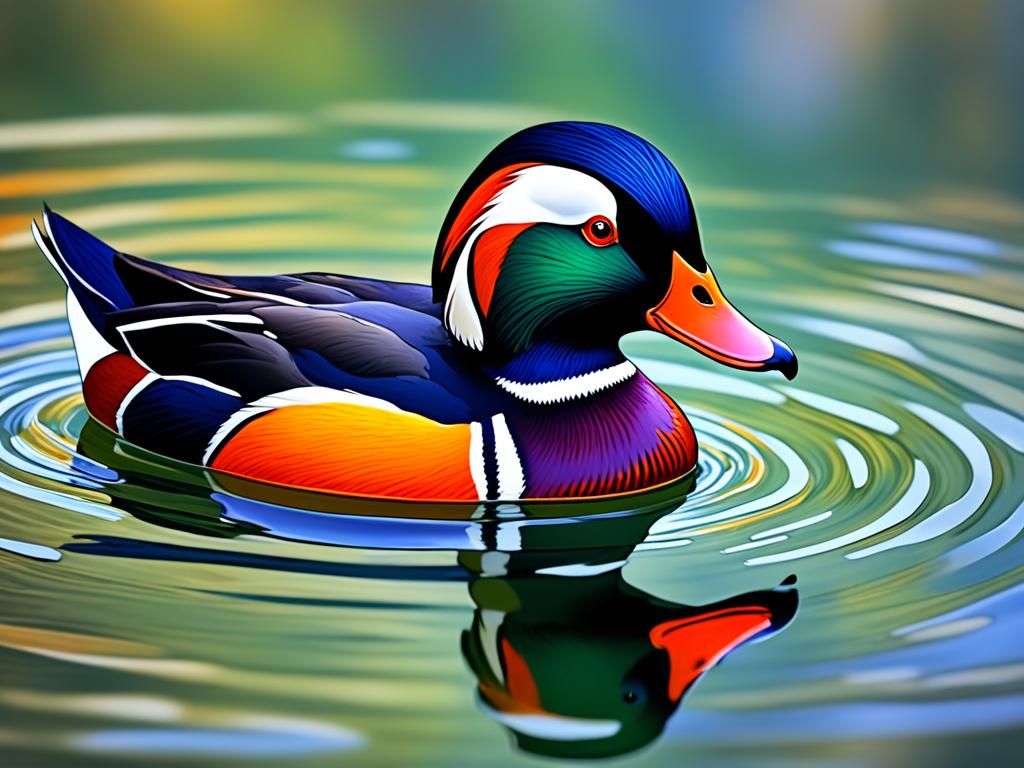
Whether you’re new to keeping ducks or a seasoned duck enthusiast, the Welsh Harlequin is a delightful choice. Combine their friendly nature, excellent egg production, and self-sufficiency in foraging, and you’ve got a winning breed for your pond.
Pekin
Looking for a friendly duck breed to keep as a pet? Look no further than the Pekin duck. Pekins are known for their delightful and sociable nature, making them a favorite among duck owners. Whether you’re a seasoned duck enthusiast or a beginner, Pekins are a great choice for your pond.
Not only are Pekins friendly, but they also excel in their egg-laying capabilities. With an impressive average of 125-225 eggs per year, Pekins are sure to provide you with a bountiful supply of eggs for your breakfast table. These ducks truly know how to keep up with their clucktastic duties!
However, it’s essential to consider some potential health problems associated with the Pekin breed. Pekins, especially the Jumbo variety, have a shorter lifespan compared to other duck breeds. Additionally, they are prone to various health issues, including leg and joint problems, obesity, egg binding, and bumblefoot. But don’t fret! With proper care, these health concerns can be effectively managed, ensuring your Pekin ducks live happy and healthy lives.
So, if you’re up for the challenge of addressing their specific health needs, Pekin ducks can bring joy and companionship to your home. They’ll waddle their way into your heart with their friendly demeanor and eggcellent company!

| Attribute | Pekin Duck |
|---|---|
| Temperament | Friendly and sociable |
| Egg Production (per year) | 125-225 eggs |
| Lifespan | Shorter compared to other breeds |
| Health Problems | Leg and joint problems, obesity, egg binding, bumblefoot |
Muscovy
Looking for a duck breed that won’t disturb your neighbors with incessant quacking? Say hello to the Muscovy duck! Muscovies are renowned for their quietness, making them an excellent choice for those seeking a peaceful and serene backyard experience.
Unlike other duck breeds, Muscovy females produce a gentle, musical cooing sound instead of the typical quacks. Meanwhile, the males have a distinctive hoarse hiss that adds a touch of uniqueness to their vocal repertoire.
But quietness is not the only charming quality of Muscovy ducks. They are considered one of the smartest duck breeds, known for their sharp wit and intelligence. Their inquisitive nature and problem-solving abilities make them fascinating companions to observe and interact with.
One of the standout traits of Muscovies is their remarkable foraging skills. These ducks are great foragers, adept at finding food on their own. Whether they are feasting on insects, plants, or aquatic organisms, they’ll happily spend their days searching for a tasty meal.
Muscovy ducks come in a variety of colors, adding visual interest to your flock. From sleek black to stunning pied patterns, there’s a Muscovy to suit every aesthetic preference.

Despite their many merits, it’s important to note that Muscovies are not prolific layers compared to other duck breeds. On average, they produce around 80-120 eggs per year. So if you’re primarily looking for a breed that will supply you with a steady stream of eggs, Muscovies may not be the best choice.
Handling Muscovies can also present some challenges. These ducks are larger and stronger than many other breeds, and their sharp nails can make them a bit unwieldy. Patience and gentle handling are key to successfully managing and bonding with your Muscovy ducks.
Lastly, Muscovies are not cold-hardy ducks, so if you live in an area with extremely cold winters, it’s best to consider other breeds that are more suited to colder climates.
Overall, Muscovy ducks bring a tranquil and resourceful charm to any backyard flock. Their quiet nature, intelligence, and foraging abilities make them a delightful addition to any homestead or pond. Just be prepared for their unique vocalizations and ensure you provide them with plenty of opportunities to explore and satisfy their curious minds.
Call
If you’re looking for a small-sized, adorable duck breed, call ducks should definitely be on your list. These little cuties come in a variety of colors and are beloved by duck enthusiasts worldwide.
However, it’s important to note that call ducks can be quite noisy, especially the females. Their tiny size doesn’t affect their vocal abilities, and they don’t hesitate to let you and your neighbors know about it.
Despite their noisy nature, call ducks have their own charm that makes up for it. With their petite stature and cute appearance, they are often considered the cutest of all duck breeds. And let’s be honest, who can resist their adorable quacks?
When it comes to egg production, call ducks are not the most prolific layers. On average, they lay around 30 small eggs per year. So if you’re looking to build an egg empire, you might want to consider other breeds.
Now, let’s talk about their friendliness. Call ducks can be quite friendly, but it varies from duck to duck. Some may enjoy being petted and held, while others prefer their personal space. It’s best to let them dictate the terms of their interactions.
Here’s a table summarizing the key characteristics of call ducks:
| Call Ducks | |
|---|---|
| Noisiness | High |
| Size | Small |
| Egg Production | Low (30 eggs per year) |
| Friendliness | Varies (some tolerate petting, others prefer solitude) |
Despite their noise levels and lower egg production, call ducks continue to capture the hearts of many duck lovers. If you can appreciate their adorable nature and embrace their quacky charm, call ducks might just be the perfect addition to your flock.

Duck Breed Egg Production and Flock Expansion Cheat Sheet
Expanding your flock? Let’s dive into the egg production potential of different duck breeds and how they contribute to flock expansion. Some breeds excel in egg production, while others are better suited for raising ducklings. It’s vital to choose the right breed based on your goals and preferences.
Egg Production Champions
For egg production, look for breeds that prioritize laying over brooding. These ducks lay their eggs and leave them, allowing for easy collection. Here are some top contenders:
Runner Duck: These energetic ducks can lay an impressive 200-300 eggs per year, making them excellent for egg production and maintaining a consistent egg supply.
Ancona Duck: Ancona ducks are known for their outstanding egg production, laying approximately 180-240 eggs per year. Their speckled feathers also add a touch of visual appeal to your flock.
Campbell Duck: Campbell ducks are reliable layers, producing around 250-340 eggs per year. They come in various colors, making your flock visually diverse.
Flock Expansion Experts
When looking to expand your flock, consider broody duck breeds that have strong maternal instincts. These ducks are dedicated to hatching and raising ducklings. Here are some notable flock expanders:
Muscovy Duck: Muscovies are known for being excellent mothers. They diligently sit on their eggs, ensuring successful hatching and caring for their ducklings. While they lay fewer eggs (approximately 80-120 per year), their dedication to broodiness makes them ideal for flock expansion.
Khaki Campbell: Khaki Campbells have a strong inclination to broodiness, making them reliable for hatching and raising ducklings. They also lay a respectable number of eggs, averaging around 250-340 per year.
Duck Breed Egg Production and Flock Expansion Cheat Sheet
Below is a summary of the top duck breeds for egg production and flock expansion:
| Duck Breed | Egg Production (per year) |
|---|---|
| Runner Duck | 200-300 |
| Ancona Duck | 180-240 |
| Campbell Duck | 250-340 |
| Muscovy Duck | 80-120 |
| Khaki Campbell | 250-340 |

Now armed with this cheat sheet, you can make an informed decision on which duck breed is best suited for your egg production or flock expansion goals. Remember to consider both your practical needs and the unique traits of each breed, ensuring a successful and harmonious flock. Happy duck keeping!
Most Docile – Rouen
The Rouen duck is truly a gentle giant among the duck breeds. Known for their calm and easygoing nature, Rouens are the perfect choice for those seeking a peaceful and docile companion. These magnificent ducks are not only well-mannered but also visually impressive with their stunning appearance.
While Rouens may not be the most prolific layers, with an average of 100-130 eggs per year, their serene temperament more than compensates for it. They make up for their lower egg production with their gentle and friendly disposition, making them a delight to be around.
“Rouens bring a sense of tranquility to any flock. Their docile nature creates a harmonious atmosphere that is truly a joy to experience.” – Duck Lover Magazine
| Characteristics | Rouen |
|---|---|
| Temperament | Docile and calm |
| Size | Good-sized |
| Egg Production | 100-130 eggs per year |
| Distinctive Feature | Gentle and beautiful appearance |

Why Choose a Rouen Duck?
If you’re seeking a duck breed that embodies peace and serenity, look no further than the Rouen. Their docile nature makes them ideal for those who value a harmonious flock. Whether you’re looking to add elegance to your pond or simply want a calm companion for your backyard, Rouens are the perfect choice.
Best For Pet – Swedish Blue
The Swedish Blue duck is the perfect choice for pet owners who want a friendly and charming companion. With its attractive appearance and gentle nature, the Swedish Blue is sure to capture your heart. These ducks are known for being easy to handle and tame, making them ideal for both beginners and experienced duck owners.
Swedish Blues have a calm temperament that makes them a joy to be around. They are often described as gentle and quiet, creating a peaceful and relaxing environment. Their medium size, weighing around 4.5 to 6.6 pounds, makes them easy to care for and accommodate in your backyard or pond.
While Swedish Blues may not be the most prolific layers, with an average of 25-75 eggs per year, their friendly demeanor and overall charm more than make up for it. They are not known for excessive noise or disruptive behavior, making them an excellent choice for pet owners who value tranquility.
“The Swedish Blue duck is the epitome of charm, combining a beautiful appearance with a calm and friendly personality. They will quickly become your feathered best friend!”
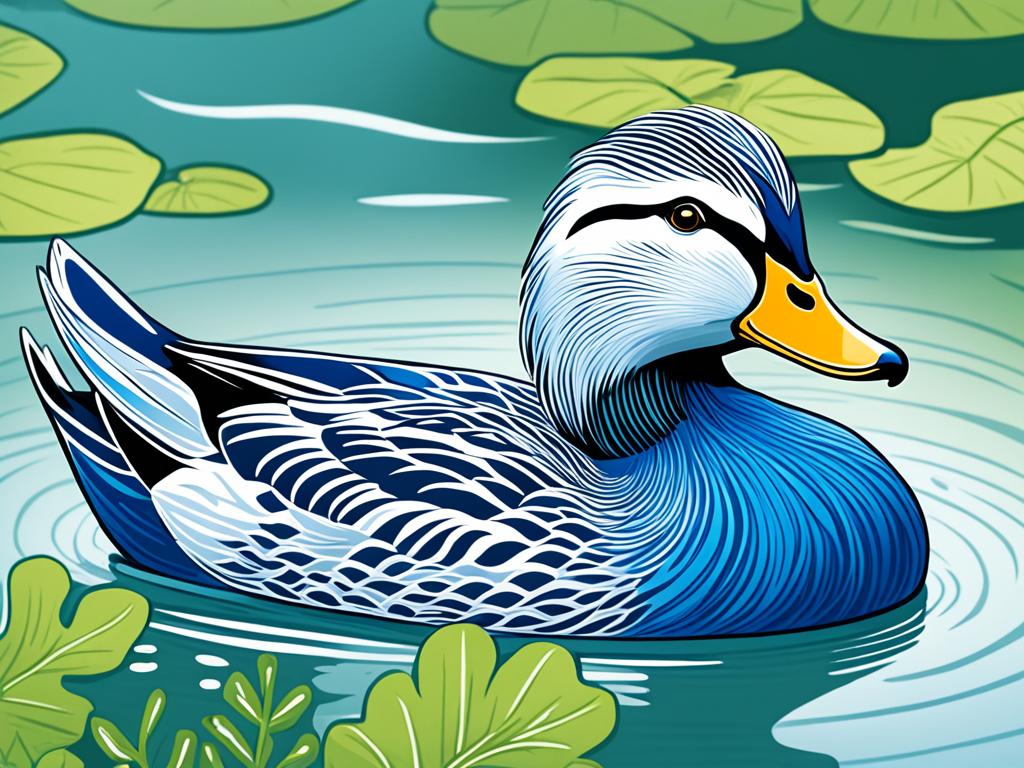
The Swedish Blue duck is truly a delightful pet duck breed. Its wonderful temperament and appealing qualities make it a favorite among duck enthusiasts. If you are looking for a pet that will bring you joy and companionship, look no further than the Swedish Blue duck.
Conclusion
Choosing the right duck breed for your pond and lifestyle is an important decision. It’s essential to consider factors such as breed temperament, size, egg production, and maintenance needs before making a choice.
The Welsh Harlequin, Pekin, Muscovy, Call duck, and Swedish Blue are just a few of the top duck breeds to consider for pet and backyard purposes. Each breed has its own unique qualities and characteristics, so it’s important to research and select the breed that best fits your preferences and needs.
Whether you are looking for friendly ducks, prolific layers, or small-sized ducks, there is a breed out there that will be perfect for you. Happy duck keeping!
FAQ
What are some of the best duck breeds for a pond?
Some of the best duck breeds for a pond include the Welsh Harlequin, Pekin, Muscovy, Call duck, Rouen, and Swedish Blue.
Are Welsh Harlequin ducks friendly?
Yes, Welsh Harlequin ducks are known for their friendly and calm nature, making them easy to tame and handle.
Do Welsh Harlequin ducks lay a lot of eggs?
Yes, Welsh Harlequin ducks can be great layers, with good strains producing 240-330 eggs per year.
Are Pekin ducks friendly?
Yes, Pekin ducks are known for their friendly nature and are loved by many duck owners.
Do Pekin ducks have any health problems?
Yes, Pekin ducks, especially Jumbo Pekins, are prone to various health issues such as leg and joint problems, obesity, egg binding, and bumblefoot.
Are Muscovy ducks quiet?
Yes, Muscovy ducks are known for their quietness. Instead of quacking, females produce a gentle cooing sound, while males have a hoarse hiss.
Are Muscovy ducks good foragers?
Yes, Muscovy ducks are excellent foragers and can find their own food.
Are Call ducks noisy?
Yes, Call ducks can be very noisy, especially the females.
How many eggs do Call ducks lay?
Call ducks are not prolific layers, with an average of 30 small eggs per year.
Are Rouen ducks docile?
Yes, Rouen ducks are known for being one of the most docile duck breeds.
Are Swedish Blue ducks good pets?
Yes, Swedish Blue ducks are popular choices for pet owners due to their friendly nature and attractive appearance.
Which duck breeds are suitable for small-sized ponds or limited space?
Call ducks and Swedish Blue ducks are suitable for small-sized ponds or limited space due to their smaller size.
Which duck breeds are good for egg production?
Welsh Harlequin ducks are known for their excellent egg production, with good strains laying 240-330 eggs per year.
Which duck breeds are better for flock expansion?
Broody duck breeds, such as Rouen ducks, are better for flock expansion as they have strong mothering instincts and will sit on their eggs to hatch and raise ducklings.
What should I consider before choosing a duck breed for my pond?
Before choosing a duck breed, it is important to consider factors such as breed temperament, size, egg production, and maintenance needs.