

Making homemade cat food is a fantastic way to show your love for your feline friend while ensuring they have a nutritious diet. Forget about store-bought cat treats filled with fillers and preservatives that may not be the healthiest option for your cat. In this article, we will explore a variety of homemade cat food recipes that are not only easy to make but also vet-approved, so you can spoil your cat while keeping them healthy.
Key Takeaways:
- Homemade cat food recipes allow you to pamper your cat with nutritious meals while avoiding harmful additives and fillers.
- Controlling the ingredients in homemade cat food ensures that your cat gets the necessary nutrients for optimal health.
- There are various cooking methods for homemade cat food, including cooked and raw options. Consult with your vet to find the best fit for your furry friend.
- Be aware of the foods to avoid in homemade cat food, as certain ingredients can be toxic to cats.
- Try delicious recipes like Tuna Patties, Easy Raw Cat Food, Salmon Delight, and Chunky Meat and Rice Cat Food to satisfy your cat’s taste buds.
The Benefits of Homemade Cat Food
When it comes to keeping your feline friend healthy and purring, nutritious cat food plays a crucial role. While commercial cat food brands may be convenient, they might not always provide the necessary nutrition for your cat. This is where homemade cat food comes into the picture, offering a range of benefits that can give you better control over your cat’s diet and ultimately lead to a healthier cat.
Control Over Your Cat’s Diet
One of the key advantages of making homemade cat food is the control you have over the ingredients. By preparing your cat’s food at home, you can carefully select high-quality, animal-based ingredients and ensure that there are no artificial additives or fillers. This means a more natural and wholesome diet for your furry friend, helping to prevent health issues caused by low-quality commercial options.
Providing Essential Nutrients
Homemade cat food allows you to tailor your cat’s diet to their specific nutritional needs. Cats require protein-rich diets for essential bodily functions, such as producing antibodies, enzymes, hormones, and amino acids like taurine. By using fresh meat as the primary ingredient in homemade cat food, you can ensure that your cat gets the necessary nutrients for optimal health and vitality.
Reducing the Need for Carbs
Commercial cat foods often contain high levels of carbohydrates, which can lead to obesity and related health issues in cats. With homemade cat food, you have the opportunity to reduce the amount of carbs in your cat’s diet, providing a more balanced and species-appropriate meal. This can contribute to maintaining a healthy weight and overall well-being in your cat.
When it comes to your cat’s health and diet, making the switch to homemade cat food can make a significant difference. Not only does it give you greater control over what goes into their meals, but it also ensures that they receive the essential nutrients they need to thrive. So why not give it a try and see how a homemade diet can transform your furry friend’s life?
Cooking Methods for Homemade Cat Food
When it comes to homemade cat food, you have two main options: cooked or raw. Each method has its advantages and considerations, so let’s delve into the details and help you make an informed decision for your feline companion.
The Raw Cat Food Approach
Raw cat food, as the name suggests, consists of uncooked meat and other ingredients. Cats have a natural ability to digest raw meat, which provides essential nutrients and enzymes for their wellbeing. However, it’s important to exercise caution when opting for this method.
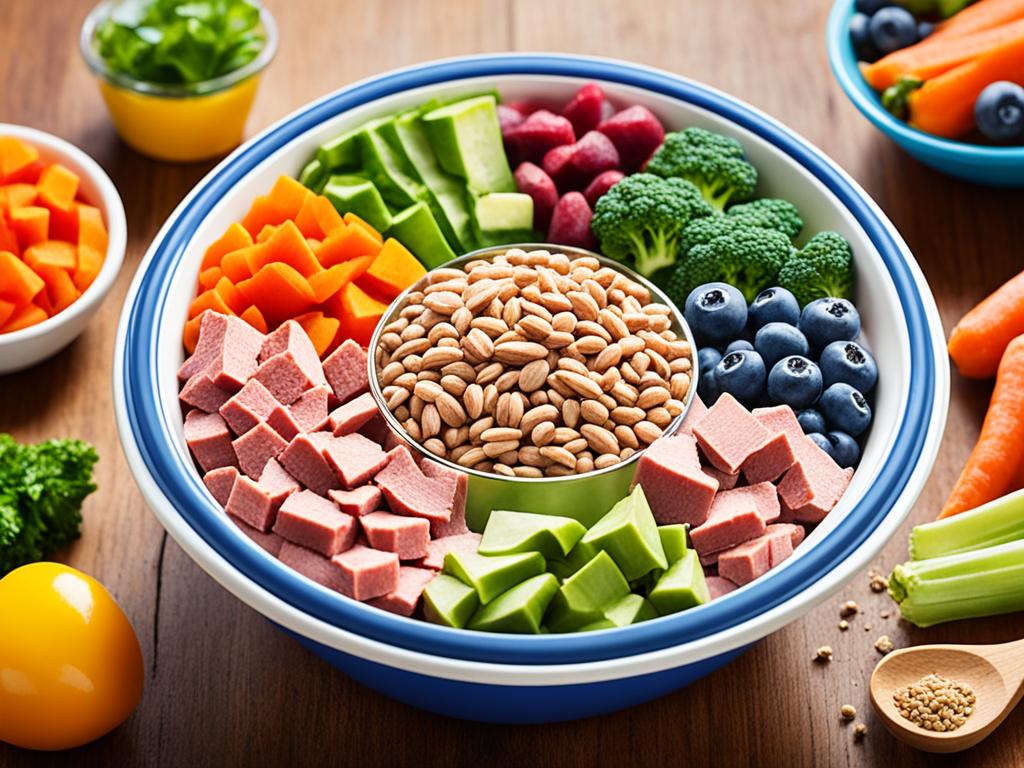
“Serve your cat their inner hunter with a raw food feast, but remember to source it wisely.”
Raw meat can harbor harmful bacteria and parasites that pose a risk to both your cat and your household. To ensure the safety of your furry friend, always source raw meat from a trusted supplier that meets quality and safety standards. Additionally, supervision during mealtime is crucial to minimize potential hazards.
The Cooked Cat Food Alternative
If the idea of raw cat food makes you queasy or you prefer a safer approach, cooked cat food is a viable option. Cooking meat eliminates pathogens, making it a more hygienic choice for your cat’s diet.
However, it is essential to note that the cooking process can lead to the loss of some nutrients. While cooked meat remains a valuable source of protein and other vital elements, certain vitamins and enzymes may be diminished.
Consulting with your veterinarian is vital before making any significant changes to your cat’s diet. They can provide expert advice tailored to your cat’s specific needs, ensuring they receive the right nutrition.
A Balanced Approach
Regardless of whether you choose cooked or raw cat food, it’s important to maintain a balanced diet for your feline friend. A well-rounded meal should include a mix of proteins, fats, and carbohydrates, along with essential vitamins and minerals.
Remember, keeping a close eye on your cat’s digestion and overall health is crucial. If you notice any unusual symptoms or changes, consult your veterinarian for guidance.
| Raw Cat Food | Cooked Cat Food |
|---|---|
| Contains raw meat and other uncooked ingredients | Comprises of cooked meat and other ingredients |
| Retains natural enzymes and nutrients | Eliminates potential pathogens |
| Potential risk of bacterial contamination | Lower risk of bacterial contamination |
| Requires careful sourcing and supervision | Loss of some nutrients during cooking process |
Ultimately, the decision between cooked and raw cat food depends on your comfort level, your cat’s preferences, and their individual health needs. Regardless of your choice, the key is to ensure that your homemade cat food provides the necessary nutrition for your feline companion’s optimal health and digestion.
Foods to Avoid in Homemade Cat Food
Certain foods are safe for humans but toxic to cats. When making homemade cat food, it’s crucial to be aware of the ingredients that can be harmful to your feline friend. Here’s a list of foods to avoid:
- Chocolate: This sweet treat may be heaven for us, but it can be toxic to cats and cause severe health issues.
- Raisins and grapes: They can lead to kidney failure in cats, so it’s best to keep these fruits out of their diet.
- Cooked bones: Although bones may seem like a natural treat, they can splinter and cause choking hazards or internal injuries.
- Onions and garlic: These aromatic ingredients contain compounds that can damage a cat’s red blood cells, leading to anemia.
- Caffeine: Coffee, tea, and other caffeinated beverages should be off-limits for cats as they can cause a rapid heart rate and even seizures.
- Tomatoes: While ripe tomatoes are generally safe, the unripe ones, as well as the leaves and stems, can be toxic to cats due to their high levels of solanine.
- Mushrooms: Certain mushrooms contain toxins that can affect a cat’s liver and cause digestive issues.
- Raw dough: Uncooked bread dough can expand in a cat’s stomach, leading to bloating and even alcohol poisoning due to yeast fermentation.
“Remember, when it comes to your cat’s well-being, prevention is key. It’s always better to be safe than sorry!”
Furthermore, you should avoid including dairy in homemade cat food, as most cats have trouble digesting lactose, which can lead to digestive discomfort.
By avoiding these toxic foods and harmful ingredients, you can ensure the safety and well-being of your beloved furry companion. Now, let’s proceed to the next section for some delectable homemade cat food recipes!
Tuna Patties Recipe
Looking for a simple and delicious homemade cat treat? These Tuna Patties are sure to make your furry friend purr with delight! Made with tuna, eggs, bread crumbs, and margarine, these moist and flavorful patties are the perfect way to spoil your cat.
To prepare the Tuna Patties, follow these easy steps:
- Combine one can of tuna, two eggs, a quarter cup of bread crumbs, and one tablespoon of margarine in a bowl.
- Mix the ingredients together until well combined.
- Shape the mixture into small patties.
- Heat a skillet over medium heat and cook the patties for about three to four minutes on each side, until golden brown.
- Once the patties are cooked, let them cool before serving to your cat.
- Crumble the patties into smaller, bite-sized pieces for easy eating.
These homemade tuna patties are not only tasty but also nutritious for your cat. Tuna is a protein-rich ingredient that provides essential amino acids for your cat’s overall health and well-being.
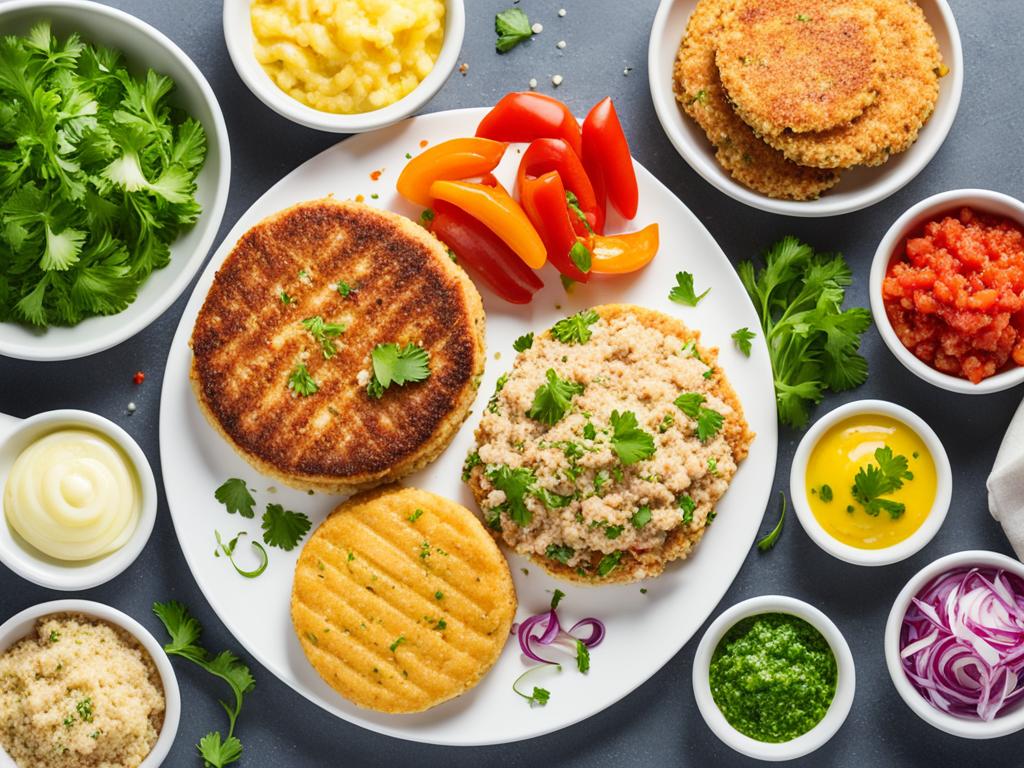
“My cat goes crazy for these homemade tuna patties! They’re so easy to make, and I love knowing exactly what’s in them.”
– Sarah, cat owner
Remember to serve the tuna patties in moderation as a special treat, and consult with your veterinarian regarding your cat’s specific dietary needs. Your cat will appreciate the love and effort you put into making these homemade treats!
Easy Raw Cat Food Recipe
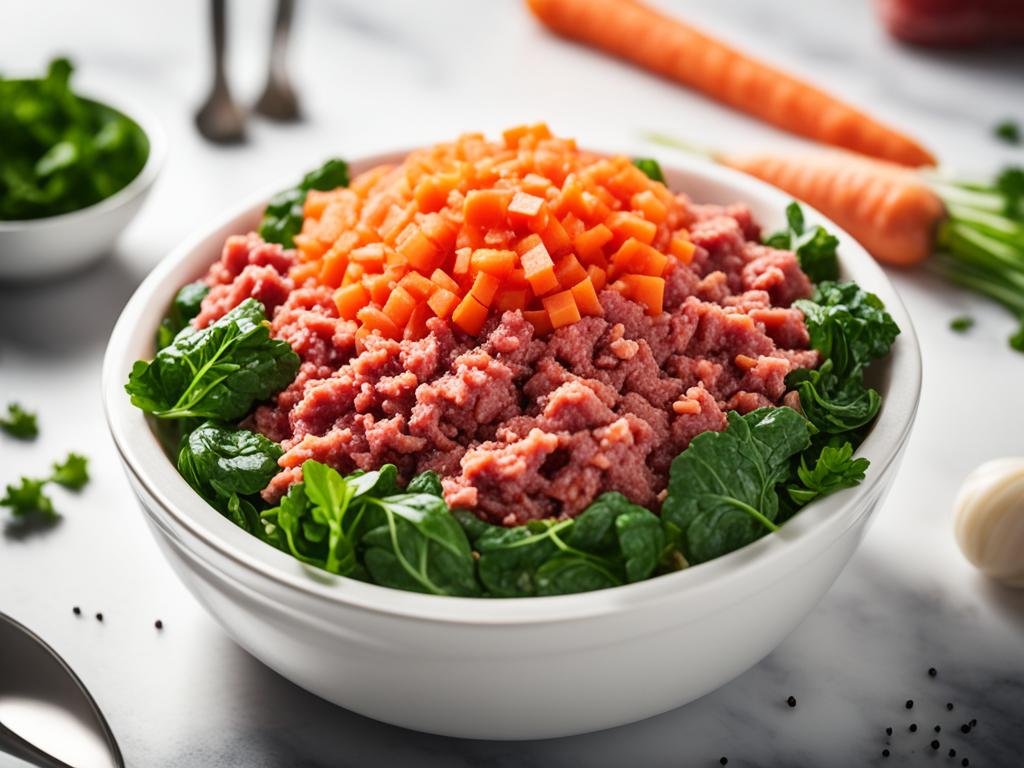
Looking to add some variety to your cat’s diet? Why not try making homemade raw cat food? It’s a simple and nutritious option that your feline friend will love. You can use any kind of meat, such as chicken or beef, along with liver and heart, to create a balanced and flavorful meal.
Follow these easy steps to make your own homemade raw cat food:
Gather the ingredients:
- 1 pound of raw meat (chicken, beef, or your cat’s favorite)
- 3 ounces of raw liver
- 2 ounces of raw heart
- Supplements (optional, consult your veterinarian for recommendations)
Blend the ingredients:
Using a food processor or blender, blend the raw meat, liver, and heart together until they are well combined. This will create a smooth and uniform mixture.
Portion and freeze:
Once the ingredients are blended, spoon the mixture into ice cube trays. This will help you portion out the cat food conveniently. Place the trays in the freezer and let the raw cat food freeze completely.
Feed and enjoy:
When it’s time for a meal, simply take out a few cubes of raw cat food from the freezer and let them thaw. This makes it easy to feed your cat a fresh and healthy meal every day. Don’t forget to consult your veterinarian before introducing raw meat to your cat’s diet.
Adding homemade raw cat food to your cat’s diet provides a variety of benefits. It offers natural nutrients and flavors that can improve their overall health and well-being. Just like humans, cats enjoy some variety in their diet, so this recipe is a great way to add some excitement to their meals.
| Benefits of Homemade Raw Cat Food |
|---|
| 1. Provides natural nutrients |
| 2. Adds variety to your cat’s diet |
| 3. Supports overall health and well-being |
Remember, always prioritize the health and safety of your furry friend. Consult with your veterinarian to ensure that homemade raw cat food is suitable for your cat’s specific needs and preferences. Enjoy the process of making homemade cat food and see the joy it brings to your beloved feline companion!
Salmon Delight Recipe
Cats can’t resist the allure of fish, and these homemade salmon cat treats are a healthy and nutritious option that your furry friend will love. Made with only three simple ingredients – canned salmon, eggs, and flour – this recipe is a breeze to make.
To create these delectable treats, start by mixing together a can of salmon, two eggs, and half a cup of flour in a bowl. The mixture should have a dough-like consistency. If it’s too sticky, add a bit more flour until it’s easier to work with.
Once the dough is ready, roll it out on a lightly floured surface to your desired thickness. You can use a rolling pin or simply flatten it out with your hands. Aim for a thickness of around 1/4 inch for optimal texture.
Next, use a knife, cookie cutter, or pizza cutter to cut the flattened dough into small cat-sized pieces. Get creative with shapes, but keep in mind that smaller pieces are easier for your cat to nibble on. Plus, they’re also perfect for quick rewarding during clicker training sessions!
Now it’s time to bake these tantalizing treats. Preheat your oven to 350°F (180°C) and place the cut-out dough pieces on a baking sheet lined with parchment paper. Pop them in the oven and let them bake for approximately 20 minutes, or until they turn golden brown and crispy. (Note: The exact baking time may vary depending on the thickness of the treats and your oven, so keep an eye on them to prevent overcooking.)
Once your salmon delights are done baking, remove them from the oven and let them cool completely. Before serving them to your cat, make sure the treats have cooled down to room temperature to avoid any burns or discomfort.
These homemade salmon cat treats are not only tasty but also provide essential omega-3 fatty acids, which promote a healthy coat and skin for your feline companion. Just be sure to offer them in moderation as part of a balanced diet to avoid overfeeding.
Now, watch as your cat pounces and purrs with delight as they savor these homemade salmon treats. Your furry friend will thank you for this healthy and irresistible indulgence!
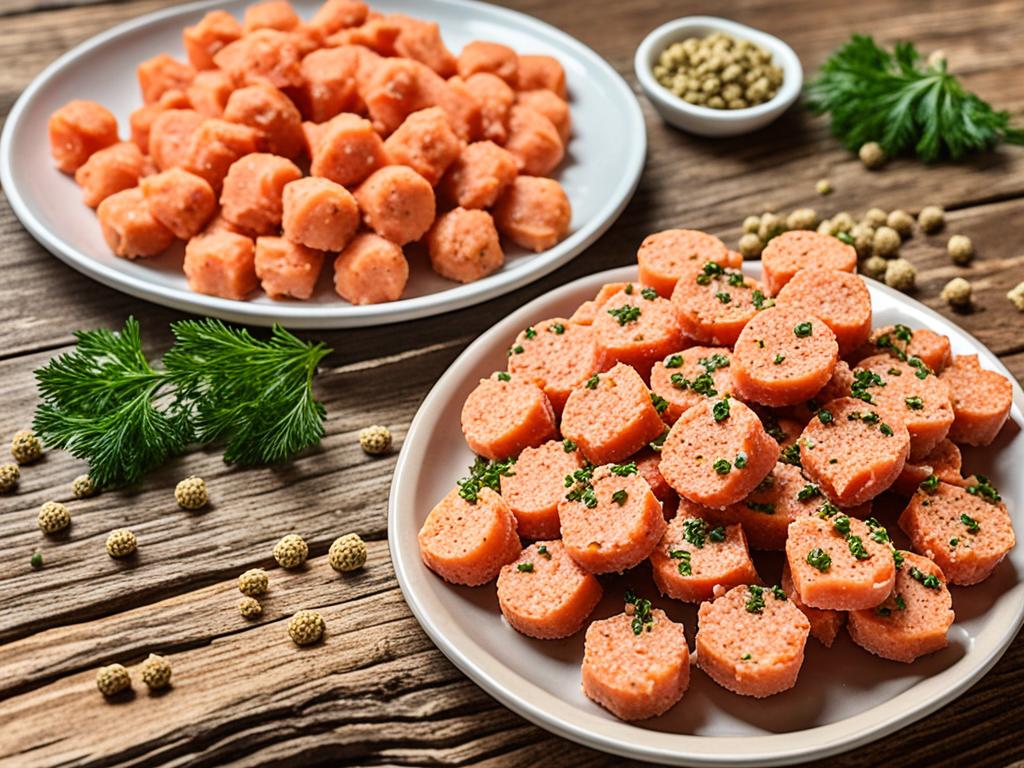
| Ingredients | Instructions |
|---|---|
| Canned Salmon | Mix together a can of salmon, two eggs, and flour to create a dough-like consistency. |
| Eggs | Roll out the mixture and cut it into small cat-sized pieces. |
| Flour | Bake the treats at 350°F (180°C) for approximately 20 minutes or until golden brown. |
Chunky Meat and Rice Cat Food Recipe
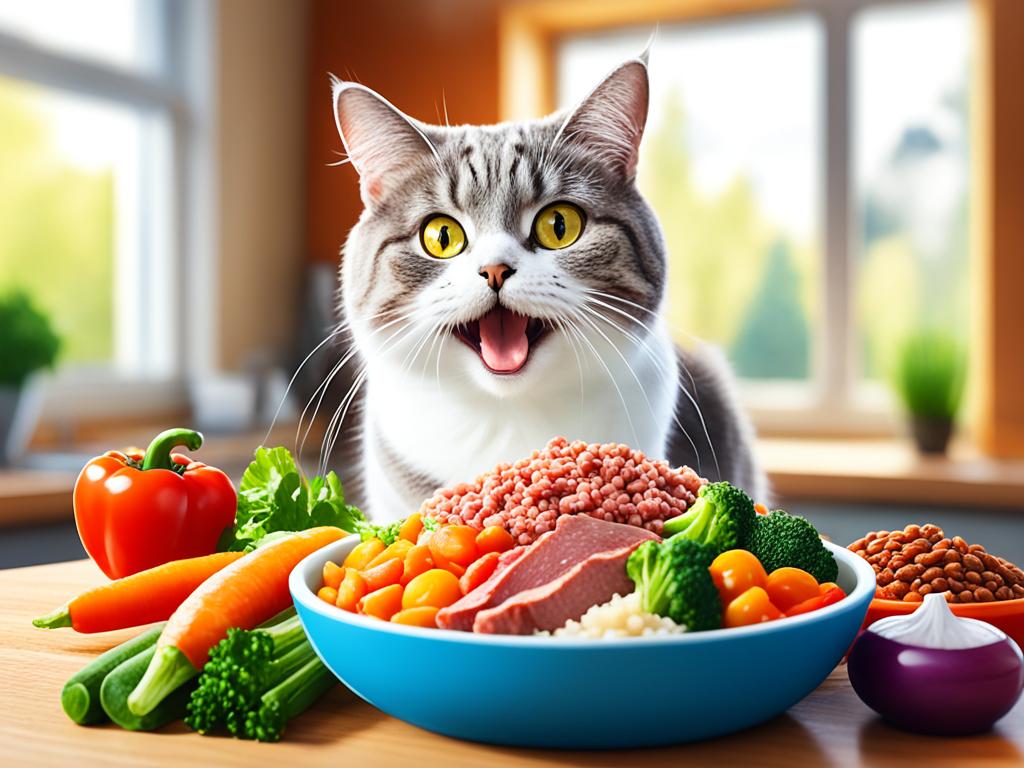
If you want to provide your feline friend with a flavorful and nutritious meal, this Chunky Meat and Rice Cat Food Recipe is paw-sitively purr-fect. Combining your choice of meat with rice, a hard-boiled egg, and chicken broth, this homemade cat food recipe will have your cat licking their whiskers in delight.
Here’s what you’ll need for this tantalizing dish:
- Your choice of meat (chicken, turkey, or beef)
- 1 cup of cooked rice
- 1 hard-boiled egg
- 1/4 cup of chicken broth
To prepare this delicious cat meal, follow these simple steps:
- Cook the meat thoroughly and shred it into small, bite-sized pieces.
- In a bowl, combine the cooked rice, shredded meat, mashed hard-boiled egg, and chicken broth.
- Mix all the ingredients together until well-combined and the flavors meld.
- Seal the mixture in a container and refrigerate it for up to three days.
This Chunky Meat and Rice Cat Food Recipe not only provides your cat with a balanced meal but also offers the added benefits of rice, which is a gentle source of carbohydrates, and heart-healthy ingredients like chicken broth. It’s a convenient option for cat meal prep, allowing you to prepare a batch in advance and have it ready whenever your cat craves a delicious and nutritious meal.
Benefits of the Chunky Meat and Rice Cat Food Recipe
This delectable homemade cat food recipe offers several benefits for your feline companion:
“The Chunky Meat and Rice Cat Food Recipe combines high-quality protein from the meat with the digestible carbohydrates found in rice, providing a well-rounded and satisfying meal for your cat.”
| Benefits | Why It’s Important |
|---|---|
| High in Protein | Cats are obligate carnivores and need a protein-rich diet for muscle strength and overall health. |
| Rich in Digestible Carbohydrates | Rice provides a gentle source of carbohydrates that can be easily digested by cats. |
| Heart-Healthy Ingredients | The addition of chicken broth adds flavor and provides heart-healthy nutrients. |
Conclusion
Congratulations on considering homemade cat food for your furry friend’s diet! By taking the time to prepare homemade cat food, you are providing numerous benefits for your cat’s health and nutrition. With complete control over the ingredients, you can ensure a high-quality and nutritious diet tailored to your cat’s unique needs and preferences.
Whether you choose to cook or feed raw, homemade cat food allows you to prioritize your cat’s well-being. By avoiding fillers, preservatives, and artificial additives commonly found in commercial cat food, you can create meals that are free from unnecessary ingredients that might harm your cat’s health. Plus, it’s a great way to reduce carbs in their diet, keeping them slim and healthy.
Your feline companion will appreciate the love and care you show them by making homemade cat food. By experimenting with different recipes, you can find out what they enjoy the most and keep their taste buds satisfied. Providing homemade meals not only nourishes their bodies but also strengthens the bond between you and your cat.
So, unleash your inner chef and delight your cat with homemade creations! Explore a variety of cooked and raw recipes, always consulting with your veterinarian to ensure a balanced and safe diet for your feline friend. Making homemade cat food is not only a way to pamper your cat but also a valuable investment in their long-term health and happiness.
FAQ
Why should I make homemade cat food?
Making homemade cat food allows you to control the ingredients and ensure a nutritious diet for your furry friend. Commercial cat food may contain fillers and preservatives that can be harmful to your cat’s health.
What are the benefits of homemade cat food?
Homemade cat food provides a higher quality and more nutritious diet for your cat. It allows you to choose animal-based ingredients and avoid artificial additives. Homemade cat food also reduces the need for carbohydrates in your cat’s diet, preventing obesity and related health issues.
Should I feed my cat cooked or raw homemade cat food?
There are two main options for homemade cat food: cooked or raw. Cats digest raw meat well, but there is a risk of pathogens. Cooked meat is safer but may lose some nutrients in the cooking process. Consult with your veterinarian before making a significant change to your cat’s diet.
What ingredients should I avoid in homemade cat food?
When making homemade cat food, avoid ingredients like chocolate, raisins, grapes, cooked bones, onions, caffeine, tomatoes, garlic, mushrooms, and raw dough. Dairy should also be avoided as cats have trouble digesting lactose.
Can I make homemade cat treats with tuna?
Yes, tuna patties are a simple and delicious homemade cat treat. You can combine tuna with eggs, bread crumbs, and margarine to create moist patties that your cat will love.
How can I provide variety in my cat’s diet with homemade cat food?
You can provide variety in your cat’s diet by making easy raw cat food recipes. These recipes use different meats, such as chicken or beef, along with liver and heart. You can blend the ingredients, freeze them into convenient portion sizes, and add supplements for additional nutrients.
What is a healthy homemade cat treat recipe?
A healthy homemade cat treat recipe is salmon delight. This recipe uses canned salmon, eggs, and flour to create delicious treats for your cat. Simply mix the ingredients, bake them, and cut into small pieces for your cat to enjoy.
How can I make a chunky meat and rice cat food?
You can make a chunky meat and rice cat food by combining your choice of meat with rice, a hard-boiled egg, and chicken broth. Seal the mixture in a container and store it in the refrigerator for up to three days, making it a convenient option for cat meal prep.
What are the benefits of making homemade cat food?
Making homemade cat food provides numerous benefits for your cat’s health and nutrition. With control over the ingredients, you can ensure a high-quality and nutritious diet for your furry friend. By taking the time to make homemade cat food, you show your love and care for your feline companion.