
Hello cheese lovers! Are you ready to embark on a cheesy adventure? Today, we’re going to teach you how to make homemade goat cheese from scratch. Not only is this a fun and rewarding activity, but it’s also a fantastic way to enjoy delicious cheese without breaking the bank. So, grab your apron, gather your ingredients, and let’s get started on this delightful cheesemaking journey!
Key Takeaways:
- Learn how to make your own flavorful and customizable goat cheese at home.
- Save money by making your own cheese instead of buying it from the store.
- Impress your family and friends with your homemade cheese-making skills.
- Enjoy the health benefits of goat cheese, which is lower in fat, calories, and cholesterol compared to cow’s milk cheese.
- Discover various serving suggestions and recipes to incorporate your homemade goat cheese into delicious meals.
Why Try This Recipe
Ready to embark on a cheesy adventure? Discover the numerous benefits of making your own goat cheese from scratch. Not only is it a cost-effective alternative to store-bought options, but it also allows you to create a cheese that is fully customizable to your taste buds. With this homemade goat cheese recipe, you can savor the satisfaction of crafting a delicious and unique cheese like no other. Plus, did we mention the health benefits? Goat cheese is lower in fat, calories, and cholesterol compared to cow’s milk cheese, while also delivering a boost of calcium. So why wait? Let’s dive in!
But before we do, let’s take a closer look at why this recipe is a must-try for cheese enthusiasts:
- Cost-effective cheese: Making your own goat cheese at home can save you big bucks compared to purchasing it from the store. By utilizing simple ingredients and following a few easy steps, you can enjoy the richness of homemade cheese without breaking the bank.
- Customizable goodness: Say goodbye to bland and predictable cheese options. When you make goat cheese at home, you have complete control over the flavor and add-ins. From tangy herbs to zesty spices, the possibilities are endless, allowing you to create a cheese that perfectly suits your palate.
- Health-conscious indulgence: Goat cheese presents a healthier alternative to traditional cow’s milk cheese. It boasts lower levels of fat, calories, and cholesterol while providing a generous dose of bone-strengthening calcium. With homemade goat cheese, you can relish the creamy goodness without any guilt.
Now that you’re acquainted with the benefits, it’s time to roll up your sleeves, put on your apron, and prepare to embark on a cheese-making adventure like no other!

But first, a little inspiration…
“Making goat cheese at home is not just about the end product; it’s about the joy and satisfaction of crafting something unique and delicious. Each bite tells a story of adventure and creativity, and that’s why it’s worth trying this recipe.”
Ingredients You Need And Variations
Making goat cheese at home is a delightful culinary adventure that requires just a few key ingredients. To create your own flavorful goat cheese, gather the following:
- Fresh Goat Milk
- Citric Acid (or Lemon Juice/Vinegar)
- Cheese Salt
When selecting the fresh goat milk, it’s essential to opt for a full-fat variety that is not ultra-pasteurized. This ensures optimal curdling and a rich, creamy cheese. You can typically find fresh goat milk at local farmers’ markets or specialty grocery stores.
Next, you’ll need citric acid, which plays a crucial role in the curdling process. If you don’t have citric acid on hand, you can use lemon juice or vinegar as an alternative. Both work well to aid in the coagulation of the goat milk.
Lastly, don’t forget to add cheese salt to your homemade goat cheese. Cheese salt not only enhances the flavor but also helps to expel excess liquid, resulting in a firmer texture.
Once you’ve gathered these three main ingredients, you’re ready to embark on your goat cheese-making journey!
Variations and Customization
One of the joys of making goat cheese at home is the ability to experiment with various flavors and toppings. Take your goat cheese to the next level by trying out the following variations:
“The only way to discover the limits of your homemade goat cheese is to go beyond them.”
1. Add Herbs: Infuse your goat cheese with aromatic herbs like thyme, rosemary, or basil. Simply mix in your preferred herbs into the cheese before shaping and chilling it.
2. Coat in Fresh Herbs: Roll your freshly shaped goat cheese log in a medley of finely chopped fresh herbs, such as parsley, chives, or dill. The herbs not only add visual appeal but also impart a burst of flavor.
3. Use Chopped Nuts: For a delightful crunch, roll your goat cheese log in crushed nuts like almonds or walnuts. The combination of creamy cheese and toasted nuts creates a delectably textured experience.
4. Drizzle with Honey: Elevate the natural sweetness of the goat cheese by drizzling it with a touch of golden honey. This pairing is perfect for those who appreciate the harmonious blend of tang and sweetness.
So, unleash your creativity and explore the numerous possibilities for enhancing the taste and appearance of your homemade goat cheese!

Step By Step Instructions
Now that you have gathered all the necessary ingredients, it’s time to start making your delicious homemade goat cheese. Follow these simple steps:
-
Dissolve the citric acid in water. This will help to curdle the goat milk.
-
Heat the goat milk gently on the stove over low heat. Once warm, add the dissolved citric acid mixture and give it a good stir.
-
Allow the milk to rest for 10 minutes. During this time, you will start to see the milk curdle and separate into curds and whey.
-
Pour the curdled milk into a cheesecloth-lined sieve set over a large bowl or container. Let it drain for about an hour to remove any excess whey.
-
Add cheese salt to the drained cheese curds. Gently mix it in, ensuring that the salt is evenly distributed throughout the cheese. The cheese salt will enhance the flavor and act as a preservative.
-
Shape the cheese into a log or place it in a mold of your choice. You can get creative and experiment with different shapes and sizes.
-
Chill the cheese in the fridge for a few hours or overnight until it sets. This will allow the flavors to develop and the cheese to firm up.
And voila! You have successfully made your own goat cheese at home. It’s time to indulge in the creamy, tangy goodness of your homemade creation.
How To Serve
Now that you have made your delicious homemade goat cheese, it’s time to explore the many ways you can enjoy it. Here are some creative serving suggestions that will elevate your culinary experience:
1. Spread it on toast, bagels, or croissants
Start your day right with a schmear of creamy goat cheese on your favorite breakfast breads. The tangy flavor of the cheese pairs perfectly with the crispness of toast, the chewiness of bagels, or the flakiness of croissants. It’s a delightful and satisfying way to kickstart your morning.
2. Use it as part of a cheese platter with crackers and jams
Goat cheese is the perfect addition to any cheese platter. Create an elegant spread by pairing it with an assortment of crackers, fresh fruits, and sweet jams. The creamy texture and subtle tang of the cheese will complement the other flavors, creating a delectable combination.
3. Crumble it over salads for added creaminess and flavor

Elevate your salads by adding crumbled goat cheese. Its creamy and tangy notes provide a burst of flavor that enhances the freshness of the greens. Whether it’s a simple garden salad or a fancy mixed greens medley, goat cheese adds a delightful creaminess that will make your taste buds dance.
4. Mix it into pasta sauces or use it in lasagna
Get creative in the kitchen by incorporating goat cheese into your pasta dishes. Whip up a rich and creamy sauce by melting the cheese into your favorite pasta sauce. You can also use it as a delicious layer in lasagna, adding a unique twist to this classic dish. The tangy flavor of the goat cheese will bring a delightful depth of flavor to your pasta creations.
5. Top pizzas or baked potatoes with goat cheese
Take your pizza or baked potato game to the next level with a generous dollop of goat cheese on top. The tangy and creamy cheese adds a delightful contrast to the savory flavors of these dishes. Whether it’s a homemade pizza or a loaded baked potato, goat cheese brings a burst of flavor that will have you craving for more.
6. Marinate it in olive oil and herbs for a flavorful snack
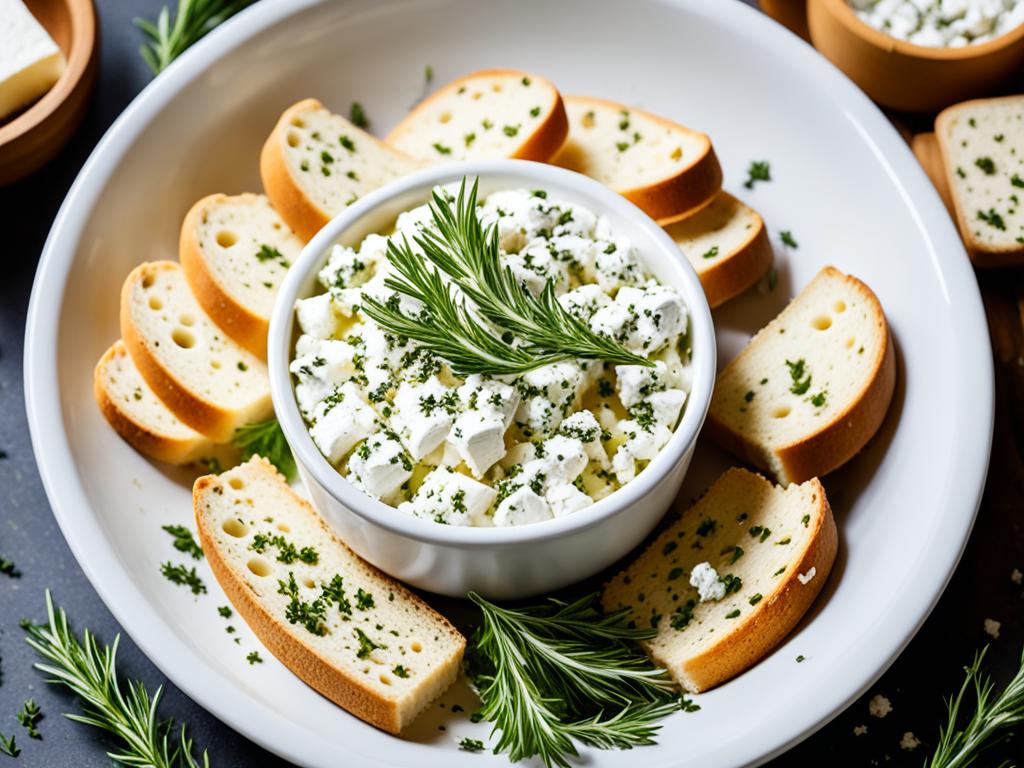
Create a flavorful and irresistible snack by marinating goat cheese in a mixture of olive oil and herbs. Infuse the cheese with aromatic flavors like rosemary, thyme, or garlic for a taste sensation. Serve it on a platter with crusty bread or crackers and let your guests indulge in this delightful treat.
7. Use it in tarts, quiches, or salads as a delicious ingredient
When it comes to baking or cooking, goat cheese is a versatile ingredient that can add a delightful twist to various dishes. Use it as a filling for tarts or quiches, adding a creamy and tangy element to the flavor profile. You can also crumble it over savory salads for an extra punch of flavor.
As you can see, the possibilities are endless when it comes to serving goat cheese. Experiment with these suggestions or let your creativity run wild and discover new ways to enjoy this versatile and delicious cheese.
Related Recipes
Are you ready to take your love for goat cheese to the next level? These delectable recipes featuring the creamy goodness of goat cheese will leave you craving for more. Get ready to tantalize your taste buds with these irresistible dishes.
Simple Rainbow Goat Cheese Rolls
Bring a burst of color and flavor to your appetizer game with these delightful rainbow goat cheese rolls. Roll slices of goat cheese in a variety of finely chopped herbs, nuts, and spices for a stunning presentation and a truly delicious treat.
Tomato Tart with Goat Cheese and Basil
Savor the flavors of summer with this mouthwatering tomato tart. The rich, tangy goat cheese pairs perfectly with the burst of sweetness from ripe tomatoes and the aromatic notes of fresh basil. It’s a crowd-pleaser that will impress both your family and guests.
Goat Cheese and Caramelized Onion Tart
Indulge in the decadent combination of creamy goat cheese and caramelized onions with this savory tart. The buttery crust, sweet onions, and tangy goat cheese create a harmonious symphony of flavors that will leave you craving for more.
Spinach, Blackberry, and Goat Cheese Salad
This vibrant salad is a delightful mix of fresh spinach leaves, juicy blackberries, and creamy goat cheese. Tossed with a tangy vinaigrette, it’s a burst of flavors that will elevate your salad game to a whole new level.
Vegetarian One-Pot Pasta Bake
No need to dirty multiple dishes with this easy and flavorful one-pot pasta bake. Crumbled goat cheese adds a creamy and tangy element to the dish, while the combination of vegetables and pasta creates a satisfying and comforting meal.
Quinoa Salad with Walnuts and Avocado
This nutritious quinoa salad is packed with protein and healthy fats. The creamy goat cheese, crunchy walnuts, and creamy avocado elevate the flavors and textures, creating a hearty and satisfying salad that will keep you fueled throughout the day.
Blackberry Spinach Salad
Looking for a unique and refreshing salad? This blackberry spinach salad is the answer. The combination of juicy blackberries, tender spinach, and tangy goat cheese is a delightful symphony of flavors that will leave you wanting more.
Kale Strawberry Salad
Embrace the sweetness and earthiness of strawberries and kale in this vibrant salad. Tossed in a tangy dressing and topped with crumbled goat cheese, it’s a refreshing and nutritious dish that celebrates the best of seasonal produce.

These recipes are just the tip of the iceberg when it comes to dishes with goat cheese. Whether you’re a goat cheese aficionado or new to the world of this creamy delight, these recipes will surely satisfy your cravings and inspire you to get creative in the kitchen.
How to Make Goat Cheese Recipe
Ready to delve into the art of making goat cheese at home? Follow this simple and delightful recipe to create your very own batch of creamy and flavorful goat cheese.
- Start by heating goat milk gently in a saucepan over low heat. Aim for a temperature of around 180°F (82°C), ensuring that the milk doesn’t scorch.
- Next, dissolve citric acid in a small amount of water. Add the citric acid mixture to the warmed goat milk, stirring gently.
- Allow the milk to rest for about 10 minutes. During this time, the milk will get curdled, forming beautiful curds and whey.
- Place a cheesecloth-lined sieve or colander over a bowl or sink to catch the whey. Carefully pour the curdled milk into the sieve, allowing the whey to drain away. You can save the whey for other culinary experiments or discard it.
- After the whey has drained, transfer the curds to a mixing bowl. Add a sprinkle of cheese salt to enhance the flavor and mix well, ensuring that the salt is evenly distributed.
- Now, it’s time to shape your goat cheese. There are various options, depending on your preference. You can mold it into a log shape, form it into small rounds, or use a cheese mold for a more professional look.
- Once you’ve shaped your goat cheese, place it in the refrigerator to chill and set. This process usually takes a few hours or overnight, so be patient and let the flavors meld together.
And voila! Your homemade goat cheese is ready to be savored. Use it as a delightful addition to your cheese platters, spread it on crusty bread, or incorporate it into your favorite recipes for a burst of creamy goodness.

How Long Does Homemade Goat Cheese Last?
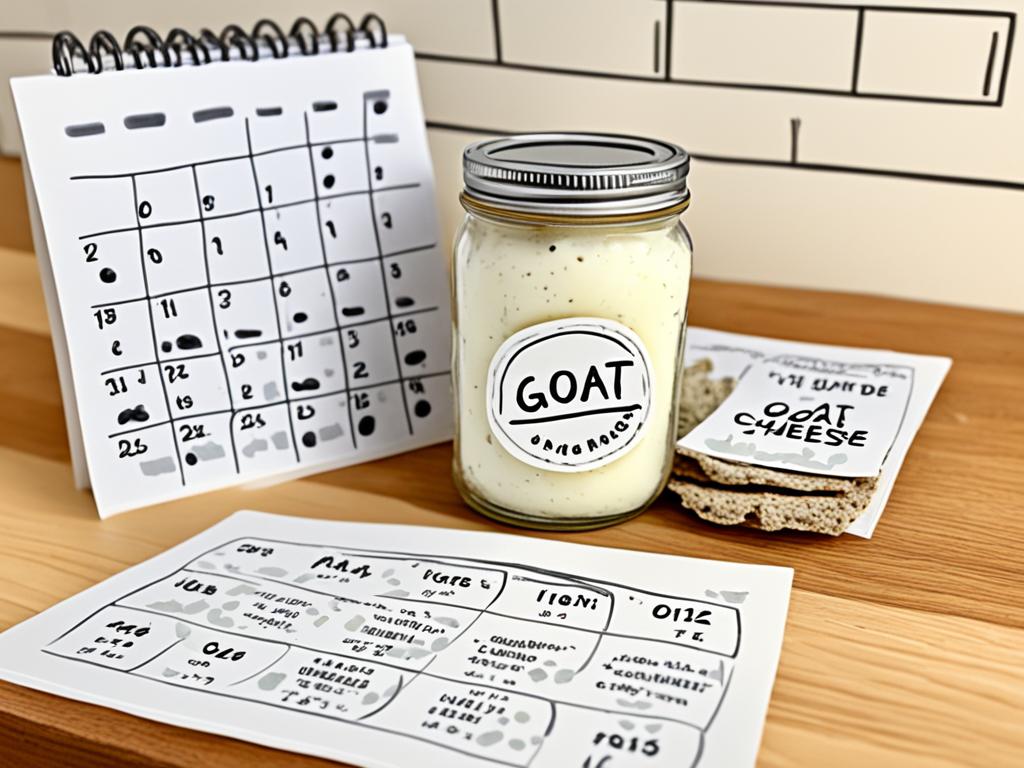
When it comes to shelf life, homemade goat cheese can hold its own. With proper storage, your delicious creation can last between 1-2 weeks in the fridge. Of course, the fresher, the better, so it’s ideal to consume it within a week for optimal taste and texture. To make sure your homemade goat cheese maintains its full flavor and creaminess, proper storage is key.
The best way to store your homemade goat cheese is to seal it in a container with a slight humidity level. A drawer in your fridge is the perfect spot to maintain both the texture and flavor of your cheese. By keeping it sealed and at the right humidity, you’ll ensure that your goat cheese stays as fresh as possible for as long as possible.
Tips for Storing Homemade Goat Cheese:
- Store the cheese in a sealed container with slight humidity, such as in a drawer of your fridge.
- Avoid storing it in the coldest part of your fridge, as extreme cold can affect the quality of the cheese.
- Always cover the cheese tightly to prevent moisture loss and the absorption of other odors in the fridge.
- If you notice any mold growth on the surface of the cheese, it’s best to discard it entirely.
Now that you know how to properly store your homemade goat cheese, you can enjoy its delectable taste and creamy texture for as long as possible. Just remember, it’s so delicious that it may not last long enough to even test its shelf life!
| Storage Method | Shelf Life |
|---|---|
| Refrigerator (sealed container in a drawer) | 1-2 weeks (best consumed within a week) |
| Freezer (tightly wrapped in plastic wrap and stored in an airtight container) | Up to 6 months |
Can You Freeze Goat Cheese?
Yes, you can freeze homemade goat cheese. So, you’ve made a delicious batch of homemade goat cheese, but you can’t finish it all at once. Don’t worry, you can save it for later by freezing it. Freezing goat cheese is a great way to extend its shelf life and ensure that you always have some on hand for your culinary adventures. Whether you made a large batch or want to preserve a portion for future use, freezing is a simple and effective method for storing goat cheese.
To freeze your homemade goat cheese, follow these steps:
- Tightly wrap the goat cheese in plastic wrap to prevent air exposure.
- Place the wrapped cheese in an airtight container to further protect it from freezer burn.
- Label the container with the date of freezing to keep track of its freshness.
- Put the container in the freezer, where it will remain frozen until you’re ready to use it.
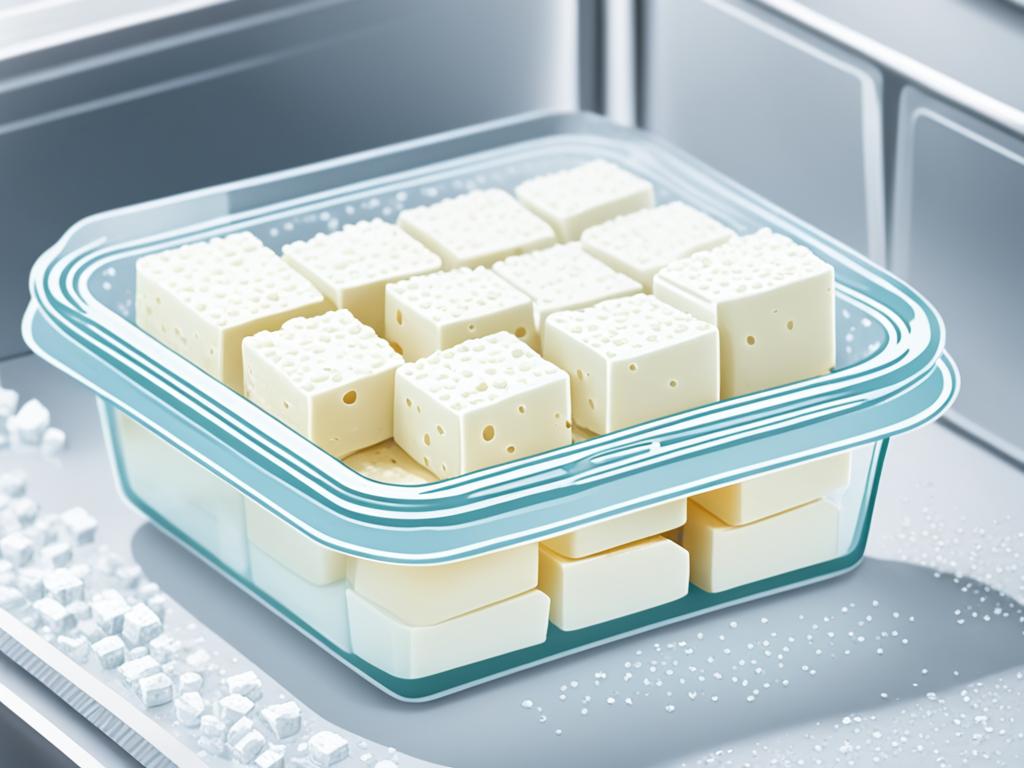
Pro Tip: If you have multiple smaller pieces of goat cheese, consider wrapping each piece individually before placing them in the container. This will make it easier to thaw only what you need without defrosting the entire batch.
Frozen goat cheese can be stored for up to 6 months. To use your frozen goat cheese, thaw it slowly in the refrigerator overnight. This gentle thawing process will help maintain its flavor and texture. Once thawed, you may notice a slightly different texture compared to fresh goat cheese. If the texture becomes crumbly, don’t worry! You can easily blend it into a creamier consistency or add a few tablespoons of milk to it and mix well. This will bring back the smooth and creamy texture that you love.
So, whether you want to stock up on goat cheese or have leftovers from your cheesemaking adventures, freezing homemade goat cheese is a convenient and practical solution. Enjoy the flexibility of having goat cheese readily available whenever you need it.
What Can You Use Instead of Citric Acid?
If you find yourself without citric acid, don’t worry! There are alternative ingredients you can use to make delicious goat cheese at home. Get creative in the kitchen with these simple substitutes:
- Lemon Juice: Squeeze the tart and tangy juice of fresh lemons to add acidity to your cheese. Use approximately 1/3 cup of lemon juice per quart of milk. Just make sure to strain out the pulp before using.
- Apple Cider Vinegar: Give your cheese a subtly sweet and fruity flavor by substituting apple cider vinegar for citric acid. Use about 1/4 cup of vinegar per quart of milk.
- White Vinegar: Another versatile option is white vinegar, which adds a tangy and slightly acidic taste to your cheese. Use the same ratio as apple cider vinegar: 1/4 cup per quart of milk.
Now that you have these alternatives in your cheesemaking arsenal, you can confidently embark on your goat cheese adventure without the need for citric acid. Embrace your inner cheesemaker and enjoy the creative process!

But hold on, there’s more!
You’ll be surprised at how these acidic substitutes can transform your homemade goat cheese into a unique culinary masterpiece. Experiment with different cheeses and flavors to create your own signature recipes. Remember, the sky’s the limit when it comes to your cheesemaking creativity!
Troubleshooting Tips
If you encounter any issues while making goat cheese, here are some troubleshooting tips to help you out:
Issue: Crumbly or Dry Cheese
If your cheese turns out crumbly or dry, it may be due to two common factors:
- Heating the milk too quickly: When heating the milk, it’s essential to do it slowly and gently. Rapid heating can result in a crumbly texture. Try increasing the heating time and monitoring the temperature carefully.
- Using too much acid: The amount of acid used can affect the texture of the cheese. If you’ve used too much citric acid or lemon juice, it can make the cheese dry. Reduce the amount of acid used and adjust it to achieve the desired consistency.
Issue: Wanting Softer or More Spreadable Cheese
If you prefer a softer or more spreadable goat cheese, try this helpful solution:
- Mix it with milk or cream: Incorporating a spoonful or two of milk or cream while mixing the cheese can create a smoother and more spreadable texture. Experiment with the amount to achieve the desired consistency.
Issue: Tangy or Acidic Flavor
If your goat cheese has a tangy or acidic flavor that you’d like to tone down, try the following technique:
Rinse the cheese curds gently with cold water before draining. This simple step can help reduce the tanginess and acidity of the cheese, providing a milder flavor profile.
Issue: Rubbery Texture
If your goat cheese has a rubbery texture, it may be due to excessive use of rennet. To resolve this issue, consider the following adjustment:
Reduce the amount of rennet used for future batches. Overusing rennet can lead to a rubbery texture. Experiment with smaller amounts to achieve the desired consistency and texture.
By addressing these common issues and implementing the recommended solutions, you’ll be able to troubleshoot and overcome challenges that may arise during the goat cheese making process. With practice and a little culinary creativity, you’ll soon master the art of making perfect, delicious goat cheese.
Troubleshooting Tips for Goat Cheese Making
| Issue | Solution |
|---|---|
| Crumbly or Dry Cheese | 1. Heat the milk slowly 2. Adjust the amount of acid used |
| Wanting Softer or More Spreadable Cheese | Mix the cheese with milk or cream |
| Tangy or Acidic Flavor | Rinse the cheese curds with cold water |
| Rubbery Texture | Reduce the amount of rennet used |
Conclusion
Making goat cheese at home is a delicious adventure worth embarking on. With just a handful of ingredients and a pinch of curiosity, you can create a mouthwatering cheese that will tantalize your taste buds. Whether you prefer a plain and creamy goat cheese or want to explore the world of flavors by adding herbs or nuts, the possibilities are endless.
Cheesemaking is a blend of science and artistry, allowing you to craft a cheese that suits your personal preferences. By following the simple steps outlined in this article, you can be a cheesemaker extraordinaire in no time. Impress your loved ones with your homemade delicacy or elevate your culinary creations with the creamy tang of goat cheese.
So, gather your ingredients, don your cheesemaking apron, and let your inner artisan thrive. Say goodbye to store-bought cheese and hello to the joy of crafting your own delectable goat cheese. The journey awaits, and your taste buds will thank you!
FAQ
Why should I try making homemade goat cheese?
Making your own cheese is a cost-effective way to enjoy this delicious cheese. It allows you to customize the flavor and add-ins to suit your preferences, and goat cheese has several health benefits.
What ingredients do I need to make goat cheese at home?
You will need fresh goat milk, citric acid (or lemon juice/vinegar), and cheese salt. You can also experiment with variations by adding herbs, covering the cheese in fresh herbs, or using chopped nuts or honey as toppings.
How do I make goat cheese at home?
Heat the goat milk, dissolve the citric acid, allow the milk to rest, drain the curdled milk, add cheese salt, shape the cheese, and chill it in the fridge until set.
How can I serve goat cheese?
You can spread it on toast, use it in a cheese platter, crumble it over salads, mix it into pasta sauces, top pizzas or baked potatoes, marinate it in olive oil and herbs, or use it in tarts, quiches, or salads.
Do you have any related recipes that use goat cheese?
Yes, here are some related recipes to try: Simple Rainbow Goat Cheese Rolls, Tomato Tart with Goat Cheese and Basil, Goat Cheese and Caramelized Onion Tart, Spinach, Blackberry, and Goat Cheese Salad, Vegetarian One-Pot Pasta Bake, Quinoa Salad with Walnuts and Avocado, Blackberry Spinach Salad, and Kale Strawberry Salad.
Can I freeze homemade goat cheese?
Yes, you can freeze homemade goat cheese. It is best to freeze it soon after preparing the batch, tightly wrapped in plastic wrap and in an airtight container. Frozen goat cheese can be consumed within 6 months.
What can I use instead of citric acid?
If you don’t have citric acid on hand, you can use lemon juice, apple cider vinegar, or white vinegar as alternatives. Use the recommended measurements per quart of milk.
What should I do if I encounter issues while making goat cheese?
If the cheese turns out crumbly or dry, heat the milk slowly and adjust the amount of acid used. For a softer cheese, mix it with a spoonful or two of milk or cream. To reduce tangy or acidic flavor, rinse the cheese curds gently with cold water before draining. If the texture is rubbery, adjust the amount of rennet used in future batches.
How long does homemade goat cheese last?
Homemade goat cheese can last between 1-2 weeks in the fridge. It is best to consume it within a week for optimal freshness. Store the cheese in a sealed container with slight humidity, such as in a drawer, to maintain its texture and flavor.
How should I store goat cheese in the freezer?
It is best to freeze goat cheese soon after preparing the batch, tightly wrapped in plastic wrap and in an airtight container. Thaw the cheese slowly in the fridge before using. If the texture changes upon thawing, you can blend it into a creamier consistency or add a few tablespoons of milk and mix well.
Can I customize the flavor of goat cheese?
Yes, you can customize the flavor of goat cheese by adding herbs, covering the cheese in fresh herbs, or using chopped nuts or honey as toppings.