
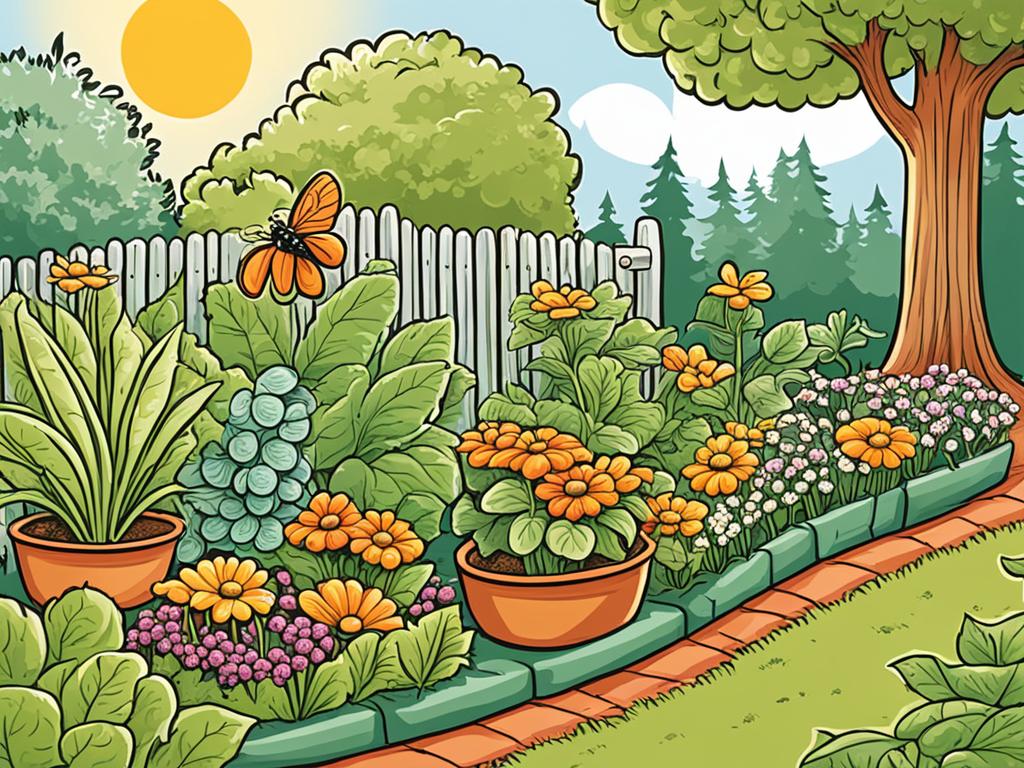
Are pesky squash bugs wreaking havoc on your prized pumpkins, cucumbers, and winter squash? Don’t fret! We’ve got you covered with the ultimate guide to natural pesticides for squash pests. Say goodbye to harmful chemicals and embrace organic pest control methods that will keep your squash plants thriving.
These destructive insects, known as squash bugs, inject toxic saliva into plants, causing unsightly yellow spots that turn brown. They can even prevent fruit from forming and take a toll on smaller plants. But fear not, fellow gardener, armed with the right knowledge and techniques, you can protect your precious squash from these garden invaders.
Key Takeaways
- Learn how to identify squash bugs and their distinctive damage.
- Prevent squash bug infestations with resistant varieties and companion planting.
- Implement natural pest control measures like handpicking, trap crops, and soap sprays.
- Watch out for hiding places like mulch and maintain proper garden hygiene.
- Attract beneficial insects to help control squash bug populations.
What is a Squash Bug?
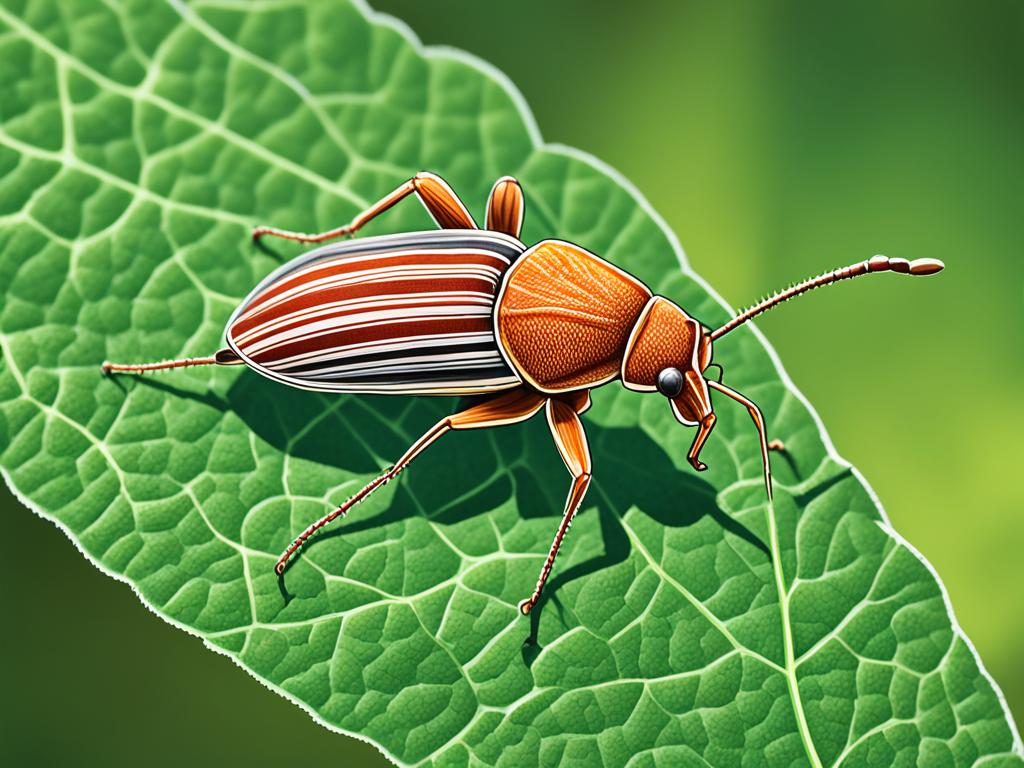
Welcome to the intriguing world of squash bugs! These pesky creatures, scientifically known as Anasa tristis, are common insects that love to call your beloved squash plants home. Whether you’re growing zucchini, winter squash, or pumpkins, these shield-shaped insects will be there to greet you with their dark brown or gray camouflage.
But don’t be fooled by their clever disguises! Squash bugs are not just garden fashionistas; they are ruthless plant juice enthusiasts. With their piercing mouthparts, they feast on your precious plants, causing yellow spots that eventually turn a luscious shade of brown.
Now, let’s be honest, no one wants to have their squash plants looking like they’ve been to a disastrous fashion show. But it gets worse. If left unchecked, squash bugs can wreak havoc and even lead to plant death. Yes, you heard that right—complete devastation!
These sneaky little critters are known for emitting a distinct smell when they feel threatened. It’s their way of saying, “I’m the squash bug, and I’m here to rule your garden!” Don’t let them get away with it! By understanding and identifying squash bugs and their damage, you’ll be armed with the knowledge needed to take control.
The Intricacies of the Squash Bug’s Palette
“There are insects, and then there are squash bugs. They’re like the fashion police of the garden!” – Gardening Guru
Anasa tristis truly knows how to blend in with its surroundings. Their dark brown or gray coloration ensures that they’re perfectly disguised on your lush squash plants. It’s like they have their personal invisibility cloak! But don’t worry—I’ve got your back, fellow gardener. With a keen eye and a touch of wit, you can spot these elusive creatures and save your precious plants from their clutches.
| Physical Characteristics | Color | Shape |
|---|---|---|
| Shield-like body | Dark brown or gray | Camouflages effortlessly on plants |
So remember, friend, the squash bug may think it’s a master of disguise, but with your watchful eye, it won’t go unnoticed. Stay tuned to uncover the secrets of squash bug identification and control, and let your garden thrive like never before!
How to Identify Squash Bugs?
Identifying squash bugs is crucial for effective pest management. These pesky insects can cause significant damage to your squash plants if left unchecked. Here’s what you need to know to identify squash bugs at different stages of their life cycle.
Adult Squash Bugs
Adult squash bugs are around 5/8 inch long and have a shield-like shape. Their dark brown or gray coloration makes them blend in well with the plants, making them difficult to spot. These bugs have two pairs of wings and sucking mouthparts that they use to feed on the plant’s juices. When disturbed, they emit an unpleasant odor that intensifies when crushed or in large numbers.
Nymphs
The nymphs of squash bugs are smaller and undergo several stages of development before reaching adulthood. They have whitish green or gray bodies, red heads, legs, and antennae. As they mature, their coloration changes to grayish-white with dark legs. Spotting the nymphs is essential as they cluster together and feed on the plant’s leaves, causing damage.
| Squash Bug Identification: | |
|---|---|
| Adult Squash Bugs: |  |
| Nymphs: | No image available |
By being able to identify both the adult squash bugs and nymphs, you can take appropriate action to control their population and mitigate the damage they cause.
How to Identify Squash Bug Damage?
Squash bug damage can wreak havoc on your precious squash plants. It’s essential to identify the signs of squash bug damage early on so that you can take the necessary steps to protect your plants and prevent further infestation.
One of the telltale signs of squash bug damage is the presence of dark stippling or yellow spots on the leaves and stems of your squash plants. These spots gradually turn a depressing shade of brown over time, causing the leaves to droop and wilt. It’s a sad sight indeed.
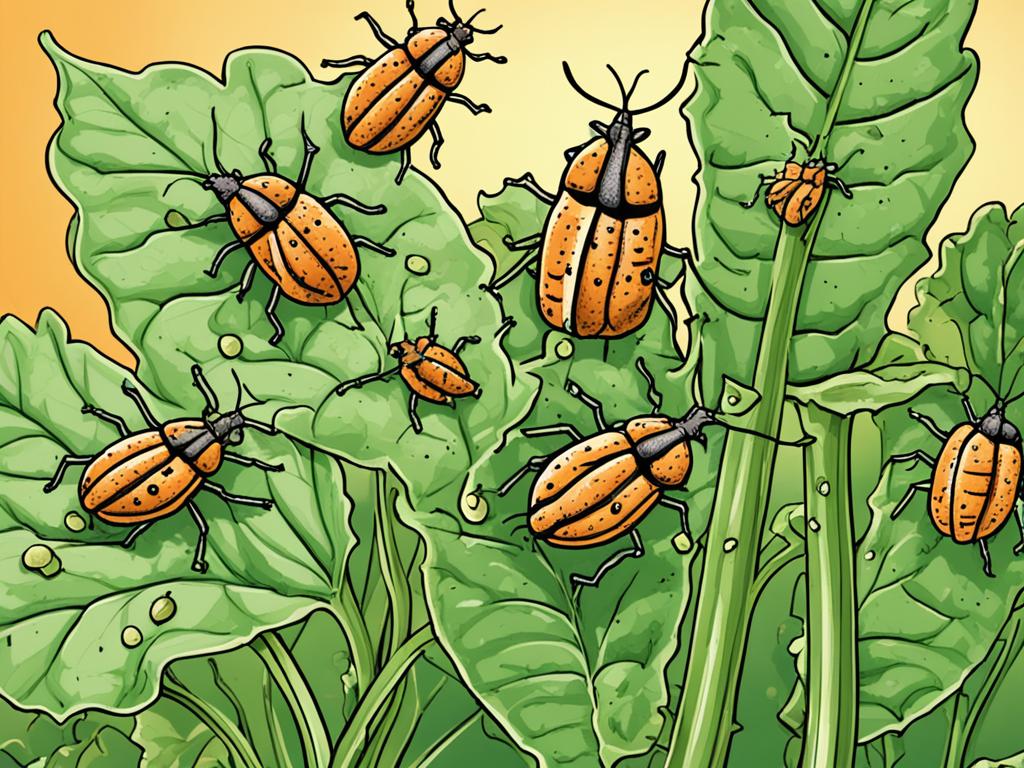
But the damage doesn’t end there. Squash bugs can also have a field day with your precious fruit. These pesky bugs can cause lesions on the fruit, causing them to wilt and wither away if the plant is already stressed. It’s a double whammy of devastation!
Now, here’s a secret to make things even worse. Squash bugs can serve as vectors for a bacteria called Serratia marcescens, which causes a nasty condition known as cucurbit yellow vine disease. So, not only do these bugs wreck your plants, but they bring bacterial havoc along for the ride.
By keeping a keen eye out for these symptoms, you can quickly identify squash bug damage and formulate a plan of action to combat these garden menaces. Implementing appropriate pest control strategies is crucial to protect your plants and prevent further damage.
Life Cycle of Squash Bug
As you battle the pesky squash bugs in your garden, understanding their life cycle is key to effective pest management. Squash bugs have a fascinating journey, starting with their overwintering phase.
During the winter months, adult squash bugs seek shelter under piles of garden debris or in nearby plant material. This natural instinct allows them to survive the cold temperatures and emerge in search of new feeding grounds in the spring.
Once the weather warms up, the adult squash bugs take flight and make their way into gardens to feed on your precious squash plants. Male and female squash bugs then engage in mating to continue their life cycle.
Females lay small brown eggs on the undersides and stems of leaves, often in clustered arrangements. These eggs, resembling tiny seeds, provide the next generation of squash bugs. Under favorable conditions, the eggs hatch within one to two weeks, revealing the nymphs.
The nymphs, or young squash bugs, quickly disperse from the egg clusters to find food. As they feed on the sap of the squash plants, they go through a series of instars, or stages of growth. It takes approximately six weeks for the nymphs to reach adulthood, going through five instars along the way.
Finally, the nymphs develop into adult squash bugs, completing the life cycle. These adults continue to feed, mate, and lay eggs, perpetuating the cycle of squash bug infestations. While there is typically only one generation of squash bugs per year, their presence can be observed throughout the summer due to the extended period of egg-laying.

- Adult squash bugs overwinter and seek shelter.
- In spring, they emerge and fly into gardens.
- Females lay small brown eggs on the undersides and stems of leaves.
- Eggs hatch into nymphs within one to two weeks.
- Nymphs disperse quickly to find food and pass through five instars.
- Nymphs develop into adults, continuing the cycle through feeding, mating, and egg laying.
Now that you have a better grasp of the fascinating life cycle of squash bugs, you can strategize your pest control efforts more effectively.
How to Prevent Squash Bugs
Preventing squash bugs from infesting your garden is crucial for safeguarding your precious squash plants. Luckily, there are a variety of effective methods you can employ to keep these pesky pests at bay.
1. Plant Resistant Varieties
One of the most effective ways to reduce squash bug damage is to choose squash varieties that have natural resistance to these pests. Consider planting resistant varieties such as Butternut, Royal Acorn, and Sweet Cheese. These squash types have been specifically bred to withstand squash bug infestations.
2. Embrace Companion Planting
Companion planting is another powerful technique that can help repel squash bugs. These unwelcome visitors can be deterred by planting certain companion plants alongside your squash. Nasturtium, catnip, garlic, onions, radishes, marigolds, calendula, and tansy are all excellent choices. The strong scents and natural repellent properties of these companion plants help keep squash bugs at a distance.
3. Utilize Squash Trellising
Squash bugs prefer to hide among the ground plants, making it easier for them to feast on your precious squash. By trellising your squash and melon plants, you can effectively discourage squash bugs from infesting your crops. The elevated positioning of trellised plants makes it more difficult for these pests to find suitable hiding spots.
4. Attract Beneficial Insects
Attracting beneficial insects to your garden can provide natural pest control for squash bugs. One of the most effective helpers in controlling squash bug populations is the parasitic tachinid fly. You can encourage these helpful insects to visit your garden by providing a suitable habitat with native plants, water sources, and nesting materials.

How to Get Rid of Squash Bugs
If you have a squash bug infestation, fear not! There are several witty and organic methods to rid your garden of these annoying pests. Whether you prefer a hands-on approach or want to let nature do the work, we’ve got you covered.
Handpicking and Drowning
One of the most effective and satisfying methods is good old-fashioned handpicking. Yes, you read that right! Simply put on some gloves, go out to your garden, and start plucking those bugs off your precious squash plants. But wait, it gets even better. Instead of just squashing them, drown the little rascals in a soapy water concoction. It’s a win-win situation – you get to keep your plants safe, and the bugs meet their soapy demise.
Trap ‘Em and Zap ‘Em
Another clever tactic is setting up traps for those sneaky squash bugs. Grab a couple of boards or shingles and place them near your host plants. The bugs love hiding under those cozy spaces, making it easy for you to catch and dispose of them. They won’t know what hit them!
Organic Superpowers
If you’re looking for an extra boost in your battle against squash bugs, consider employing the power of organic insecticides or natural remedies. Diatomaceous earth is like kryptonite to these pests – just sprinkle it around your plants, and it will act as a deadly barrier. Neem oil is another eco-friendly option that can repel and disrupt their life cycle. Embrace your inner superhero!
The Power of Diversity
Squash bugs may be tough, but they can’t resist the allure of diversity. Overplanting your squash can confuse and overwhelm these little creatures, making it harder for them to find their favorite plants. Another sneaky trick is using trap crops like blue Hubbard squash. These sacrificial plants will attract the bugs away from your precious harvest. It’s like giving them their own secret hideout.
Garden Hygiene Matters
Keeping your garden clean and tidy is essential in the never-ending battle against squash bugs. Regularly remove any debris, weeds, or fallen fruits that could serve as cozy hiding spots for these pests. Remember, a tidy garden is a bug’s worst nightmare.
Now that you’re armed with these clever strategies, go forth and reclaim your squash plants from those pesky squash bugs. Remember, you’ve got the power of organic squash bug control – handpicking, trap crops, and a touch of creativity. Show those bugs who’s boss!
Soap Spray
Looking for a natural and effective method to combat squash bugs? Look no further than soap spray. This organic pest control solution can help you keep those pesky pests at bay.
To make your own soap spray, simply mix about 1 tablespoon of mild liquid soap with a gallon of water. Pour the mixture into a spray bottle and you’re ready to go.
When you spot squash bugs on your plants, spray the soap mixture directly on them. The soap disrupts their exoskeleton, causing them to dry out and eventually die. Not only does it kill the bugs, but it can also repel them, keeping your plants safe and healthy.
However, it’s important to use caution when using soap spray. Avoid applying it when pollinators are active, as it can harm beneficial insects as well. It’s always best to spray in the early morning or late evening, when bees and other pollinators are less active.

Cautions:
- Use mild liquid soap to avoid harming your plants.
- Only spray the mixture on the bugs themselves, avoiding direct contact with the plant foliage.
- Be mindful of the concentration. Too much soap can harm your plants.
With soap spray as part of your organic pest control arsenal, you can wave goodbye to those squash bugs and enjoy a thriving garden.
Watch Your Mulch
A well-mulched garden is a sight to behold. It not only helps retain moisture and suppress weeds but also creates a visually appealing landscape. However, when it comes to squash plants, mulch can unwittingly provide the perfect hiding places for those pesky squash bugs.
Squash bugs are sneaky little critters that love to take refuge under mulch. Their dark bodies blend in with the rich colors of the mulch, making them difficult to spot. But fear not, dear gardener! With a few simple precautions, you can outsmart these elusive bugs and protect your beloved squash plants.
So, what can you do to ensure that your mulch doesn’t become a cozy hideout for squash bugs?
- Keep your distance: When mulching around squash plants, avoid direct contact with the plant’s base. Create a small gap between the mulch and the stem to limit potential hiding spots for squash bugs. This simple step can make it harder for the bugs to access your plants and disrupt their cozy hideaway.
- Maintain garden hygiene: Good garden hygiene is crucial in keeping squash bugs at bay. Regularly inspect your mulched areas for signs of bug activity. If you spot any bugs or evidence of their presence, such as eggs or nymphs, remove and destroy them promptly. Clean up fallen debris, dead leaves, and plant residues to eliminate potential habitats for squash bugs.
- Stay one step ahead: Prevention is key when it comes to managing squash bugs. By practicing proper garden hygiene and being mindful of mulch placement, you can significantly reduce the risk of infestations. Stay vigilant and monitor your plants regularly for any signs of trouble. Early detection and swift action are your best allies in the fight against squash bugs.
Say goodbye to those pesky squash bugs hiding under your mulch, and create a healthier, bug-free environment for your precious squash plants.
Conclusion
Squash bugs can be quite a nuisance in your garden, but don’t despair! There are effective strategies to control and prevent these pesky pests. By implementing natural pesticide techniques, you can bid farewell to squash bugs and keep your squash plants thriving.
Start by taking preventative measures such as planting resistant varieties, practicing companion planting, and attracting beneficial insects. These methods can significantly reduce the population of squash bugs in your garden.
Regular monitoring is essential in identifying squash bug infestations early on. You can manually remove the bugs by handpicking them and disposing of them in soapy water. Additionally, using organic pest control methods like soap sprays can help in combatting these pests without harming beneficial insects.
Remember, maintaining good garden hygiene, managing your mulch properly, and utilizing trap crops can further enhance your efforts in preventing squash bugs. By following these organic pest control strategies, you can ensure the health and well-being of your squash plants while keeping your garden free from harmful chemical pesticides.
FAQ
What are natural pesticides?
Natural pesticides are substances derived from natural sources, such as plants, minerals, or animals, that are used to control pests without synthetic chemicals.
How can natural pesticides help with squash pests?
Natural pesticides can effectively control squash pests by repelling or killing them without causing harm to beneficial insects, the environment, or human health.
What are some examples of natural pesticides?
Examples of natural pesticides include neem oil, diatomaceous earth, garlic spray, hot pepper spray, and insecticidal soaps.
How do I apply natural pesticides on my squash plants?
To apply natural pesticides, mix the recommended dose with water and spray it directly on the plants, making sure to cover both the upper and lower surfaces of the leaves.
Can I make my own natural pesticides?
Yes, you can make your own natural pesticides using ingredients such as garlic, onions, hot peppers, or soap. There are many DIY recipes available for homemade natural pesticides.
Are natural pesticides safe for the environment?
Yes, natural pesticides are generally safe for the environment as they break down quickly and do not persist in the soil or waterways. However, it is important to follow the instructions and use them responsibly.
Can natural pesticides be harmful to humans or pets?
Natural pesticides are generally safer for humans and pets compared to synthetic chemical pesticides. However, it is still important to take precautions and avoid direct contact or ingestion.
How often should I apply natural pesticides?
The frequency of applying natural pesticides depends on the specific product and the severity of the pest infestation. It is best to follow the manufacturer’s instructions for application guidelines.
Can I use natural pesticides on other vegetables besides squash?
Yes, natural pesticides can be used on a variety of vegetables and fruits to control pests. However, it is important to check the specific product label for approved crops and application rates.
Are natural pesticides more expensive than synthetic pesticides?
Natural pesticides can be more expensive than synthetic pesticides due to the higher cost of sourcing and producing natural ingredients. However, the long-term benefits to the environment and health can outweigh the cost difference.