
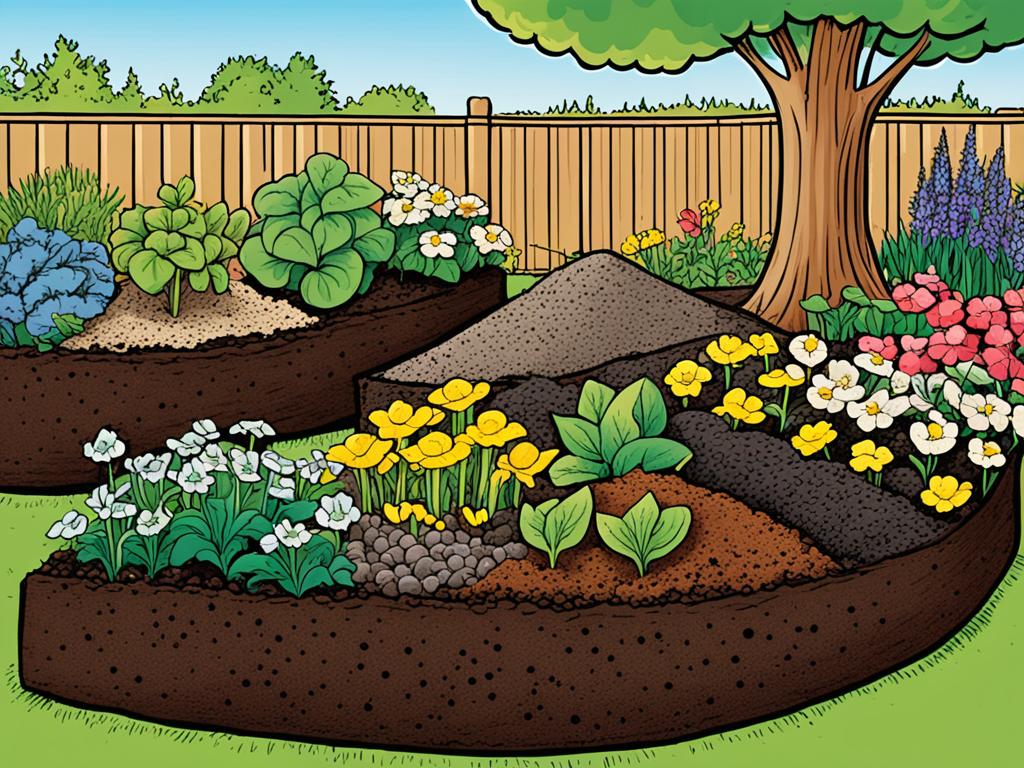
Unlock the secret to a flourishing garden right in your own backyard. You’ve tried the fancy tools, whispered sweet nothings to your seedlings, and maybe even attempted a rain dance—or two. But let’s cut to the chase: if your green space isn’t living up to its potential, it’s time to dig a little deeper. You see, the key to vibrant vegetables and perky petals is all about nurturing the ground beneath them. Soil health isn’t just science—it’s your garden’s love language, and it’s high time you became fluent in it.
Think of soil amendment as the premium spa treatment for your garden, a place where organic gardening practices are not just encouraged but necessary. What you’re going for is soil improvement as your springboard to garden care greatness. It’s like a botanical boot camp for your beets and pansies. And just like the garden tools hanging in your shed, there’s no one-size-fits-all approach to amending your soil—what works wonders on your neighbor’s azaleas might not necessarily cause your carrots to flourish. But fear not, we’ve got the dirt on how to give your soil exactly what it thirsts for.
Key Takeaways
- Soil amendments are the unsung heroes of your garden, playing a vital part in soil structure and nourishment.
- Organic matter, such as compost, is like a multi-vitamin for your garden bed, packed with nutrients for sustainable growth.
- A little dirt under the fingernails is a small price to pay for the massive payoff of bumper crops and bouquets.
- Timing matters in soil amendment—seasonal adjustments can lead to year-round garden prosperity.
- Treat your soil right, and you’ll see your green-thumbed efforts bear fruit—all with a little help from the right organic touch.
- Remember, patience is a virtue when it comes to garden care; Rome—and turnips—weren’t built in a day!
Understanding the Importance of Soil Amendment
Let’s dig a little deeper, shall we? Enhancing your garden’s health isn’t just a single-layered affair. It’s about more than tossing a handful of this and a sprinkle of that into your garden beds. Improving soil fertility involves a strategic approach—one where you play the maestro orchestrating a complex system beneath your garden’s surface. Ever wondered what kind of magic lies beneath those thriving zucchinis and radiant roses? The answer lies in the integrity of—yep, you guessed it—soil amendments.
Building the Foundation: What Soil Amendment Means for Your Garden
Think of your garden as a budding metropolis. Just like a city, it needs a solid foundation—and that’s exactly what soil amendment provides. By introducing enhancements like compost and organic matter, you’re not just feeding your plants; you’re building a robust, nutrient-rich launchpad for plant nutrition. This ensures that the skyscrapers of sunflowers and the bustling streets of strawberries below have all they need to thrive.
Nurturing the Soil Ecosystem: Microbes and Organic Material
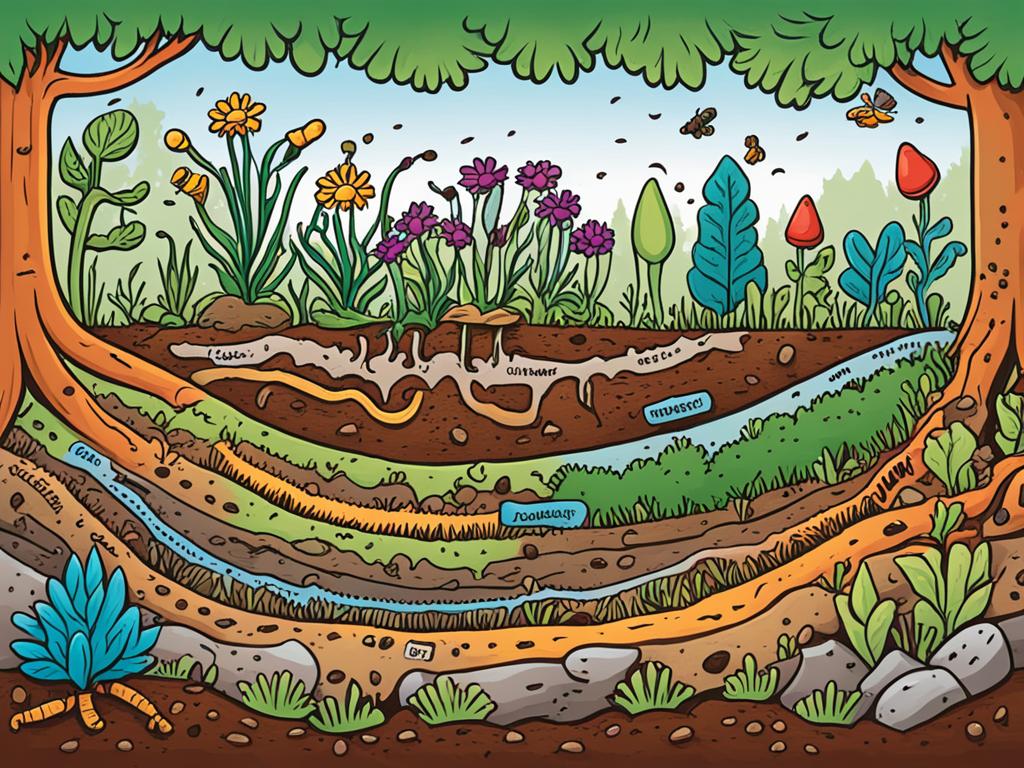
Now, if you’ve ever felt overwhelmed by terms like ‘soil ecosystem,’ don’t be. It’s simply the world-party of organisms living in the soil. From invisible bacteria to earthworms, they’re all there with a purpose. Soil amendments jumpstart this party by contributing organic materials, which feed these tiny guests. And the happier they are, the healthier the soil. It’s a win-win: by nurturing this micro-community, you’re essentially securing your garden health VIP pass.
Benefits Beyond Fertility: Improving Soil Structure and Aeration
Imagine your garden soil like a luxurious sponge cake—it needs the right structure to hold, the fluffiness for air pockets, and, of course, the moistness to make it heavenly. Amending your soil is like ensuring that cake stays perfect for every plant that wants a piece. By bolstering your garden with compost or mulch, you’re promoting wondrous soil structure and aeration, letting roots breathe and drawing water to them like bees to nectar. The result? Stronger, more resilient, and disease-resistant plants.
So there you have it! By investing a little time and elbow grease into soil amendment, you’re setting the stage for something truly remarkable to unfold beneath your garden. Embrace soil fertility, SIP on that plant nutrition, and let the soil ecosystem do the heavy lifting. Now, roll up your sleeves, because your garden is counting on you to make it the talk of the town—underground, that is.
The Role of Organic Matter in Soil Health
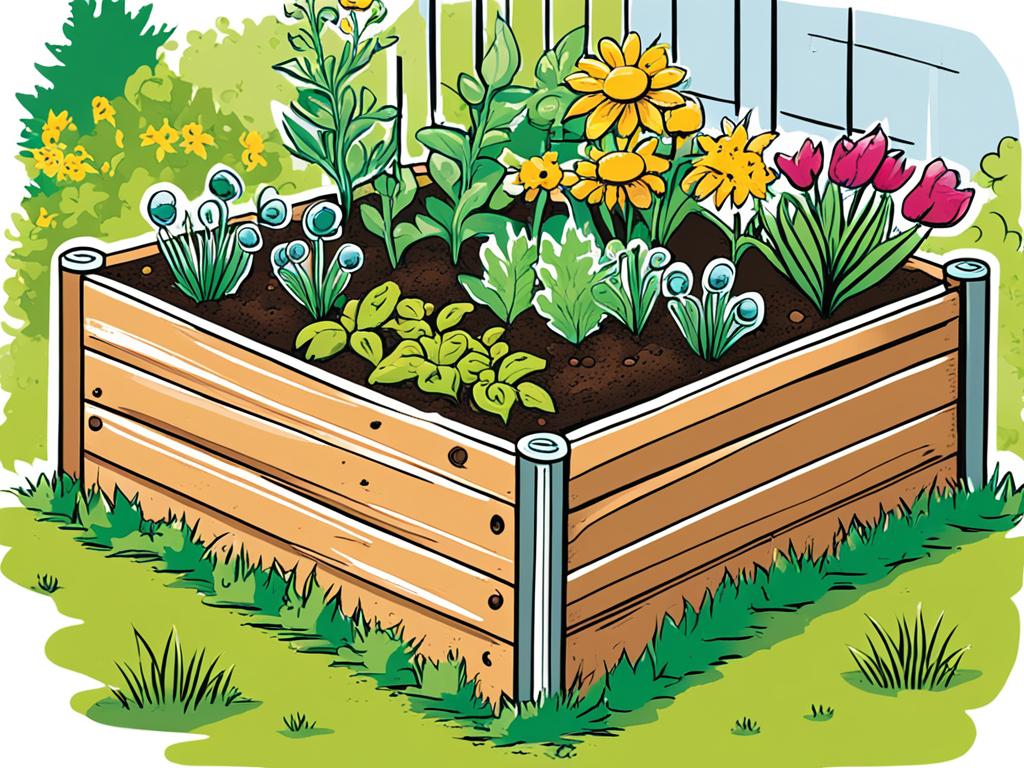
Ever wondered what gives nutrient-rich soil its oomph? Say hello to organic materials. These unsung heroes are pivotal in creating a soil sanctuary that’s both fertile and fabulous. Here’s the scoop: by, you know, incorporating compost into your garden, you’re not just disposing of leftovers; you’re hosting a banquet for the soil food web. It’s like a party in the ground, and all the microorganisms are invited.
Now, let’s talk about that trendy term, “sustainable gardening.” It’s not just some buzzword; it’s about smartly stewarding the earth beneath your feet. That’s right, your own back yard can be an eco-friendly frontier, and it all starts with what you mix into the soil. Think of organic matter as the lifeblood of your garden. It’s the stuff that skyrockets moisture capacity, making your soil sponge-worthy. Forget the Sahara desert vibes—your plants will be bathing in hydration heaven.
- Boosts soil texture and aeration? Check. No more clumpy, sad soil.
- Increases moisture retention? Double Check. Wave goodbye to thirsty plants.
- Blesses plants with slow-release nutrients? Triple Check. The gift that keeps on giving.
But where does one procure such marvelous material? you may ask. Easy-peasy! You can DIY this goodness in your backyard compost pile, or grab bags of gold, I mean, compost, from your local store. So, whether you’re a believer in homemade crafts or a savvy shopper, you’ve got what it takes to enrich that soil organic matter like a pro.
Because, let’s face it, in the realm of dirt, organic matter is king. And as a conscientious courtier of your garden kingdom, your royal decree should be to spread that compost with pride. In your quest for the holy grail of sustainable gardening, remember that the path is green and the treasure is a thriving plot of land teeming with life.
Choosing the Right Soil Amendment for Your Garden
Let’s dive into the gritty details of garden success. You know that feeling of triumph when your garden thrives, undeterred by the harsh elements? That’s not serendipity; it’s science. A dash of insight into soil testing and a sprinkle of nutrient management, and voilà, you’re on your way to healthier yields. But first, why not start with peeking under the surface?
Starting With a Soil Test: Tailoring Your Approach
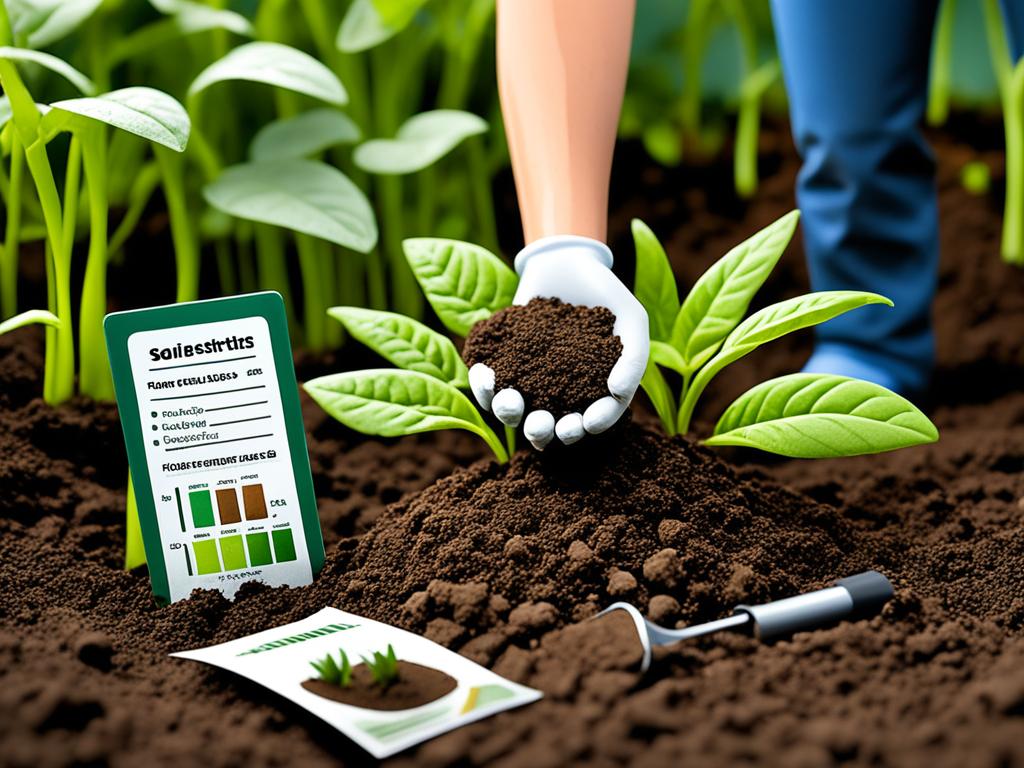
Think of soil testing as your garden’s personal check-up—a revealing snapshot of its inner workings. It’s like a detective story, where clues about pH levels and soil composition come to light. This critical first step will arm you with the knowledge needed to pick the perfect amendments for your green sanctuary. Remember, once you know what you’re working with, you can whip that dirt into shape!
Comparing Organic Amendments: Compost, Manure, and More
Into the world of organic fertilizers, where choices abound and the savvy gardener reigns supreme. Ready to compare? Let’s roll up those sleeves and dig into the options.
| Amendment Type | Nutrient Content | Breakdown Speed | Benefit Duration |
|---|---|---|---|
| Composted Manures | High in nitrogen, phosphorus, and potassium | Fast | Short-term |
| Compost | Varied based on inputs, generally rich in nutrients | Slow to moderate | Long-term |
| Worm Castings | Rich in micronutrients and beneficial bacteria | Moderate | Long-term |
| Leaf Mold | Low in nutrients, high in minerals | Slow | Long-term soil conditioner |
Each table entry stands to fortify your soil in unique ways—composted manures for that quick nutrient fix or the steadfast endurance of classic compost. So, what’ll it be for you? High-intensity or the slow and steady win? Your garden, your call.
Now, as your own garden guru, mix and match these earthy delights to create your ideal growing medium. It’s not just about feeding the plants; it’s about fostering a soil environment where beauty and abundance are bound to blossom!
Composting: Transforming Your Kitchen Scraps into Black Gold
It’s an unspoken rule in the world of green-thumbs that to waste is to wither. Good thing you’re a savvy saver – turning your kitchen leftovers and yard trimmings into nutrient-dense soil is a bit like alchemy, and you, my friend, are the wizard in the garden. Let’s dive into the magic compost brings to your backyard and how you, yes you, can reduce your household waste through the simple art of composting at home.
The Magic of Decomposition: Creating Nutrient-Rich Compost
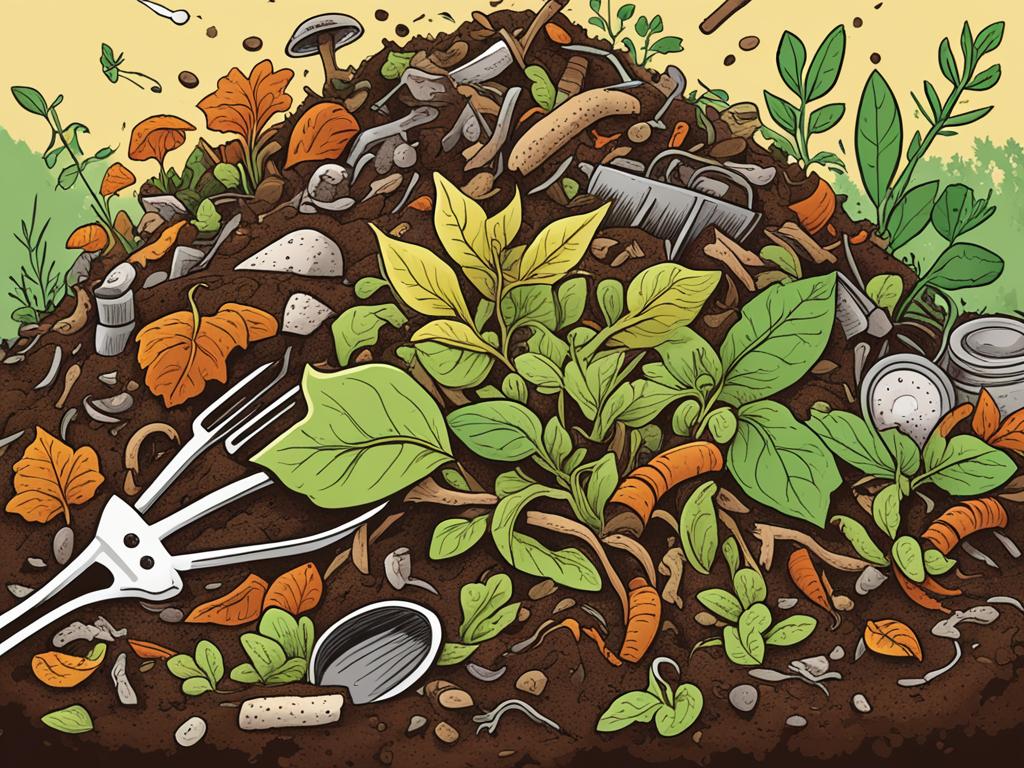
Like a slow cook in the world’s most natural slow cooker, composting converts banana peels, apple cores, and autumn leaves into opulent, fertile soil. This backyard treasure trove offers a buffet of compost benefits, from magnifying your veggies to bolstering your blooms. Remember, compost doesn’t just happen; it’s curated through careful layering, patience, and a touch of decomposition expertise.
D.I.Y. Composting Techniques: Tips for Success
Peeking over your neighbor’s fence might give you compost-envy, but fear not! Here’s the inside scoop: achieving that crumbly, rich result is totally doable. Whether you opt for a swanky compost bin or go old-school with a heap in the corner of your yard, the principles are the same. Balance your greens and browns, toss in a bit of moisture, and stir the mix to keep the air flowing. Before you know it, you’ll be spades deep in the good stuff.
| Ingredient | Compost Benefit | D.I.Y. Tip |
|---|---|---|
| Kitchen Scraps | Naturally adds nitrogen | Collect scraps in a countertop container to add to your compost bin frequently |
| Leaves and Yard Waste | Provides carbon structure | Keep a balance of ‘green’ kitchen waste and ‘brown’ yard waste for a perfect compost mix |
| Coffee Grounds | Acts as a nutrient booster | Mix grounds well into the pile to avoid clumping |
Is waste reduction the noble cause you’ve been searching for? By composting at home, you’re barreling towards a reduced carbon footprint and leaving the landfills a little lonelier. An eco-friendly win, since we all know the planet could use more friends like you. Plus, who can resist the charm of creating your own black gold? It’s time to suit up and transform your waste into wonder.
The Benefits of Animal Manures in Garden Soil
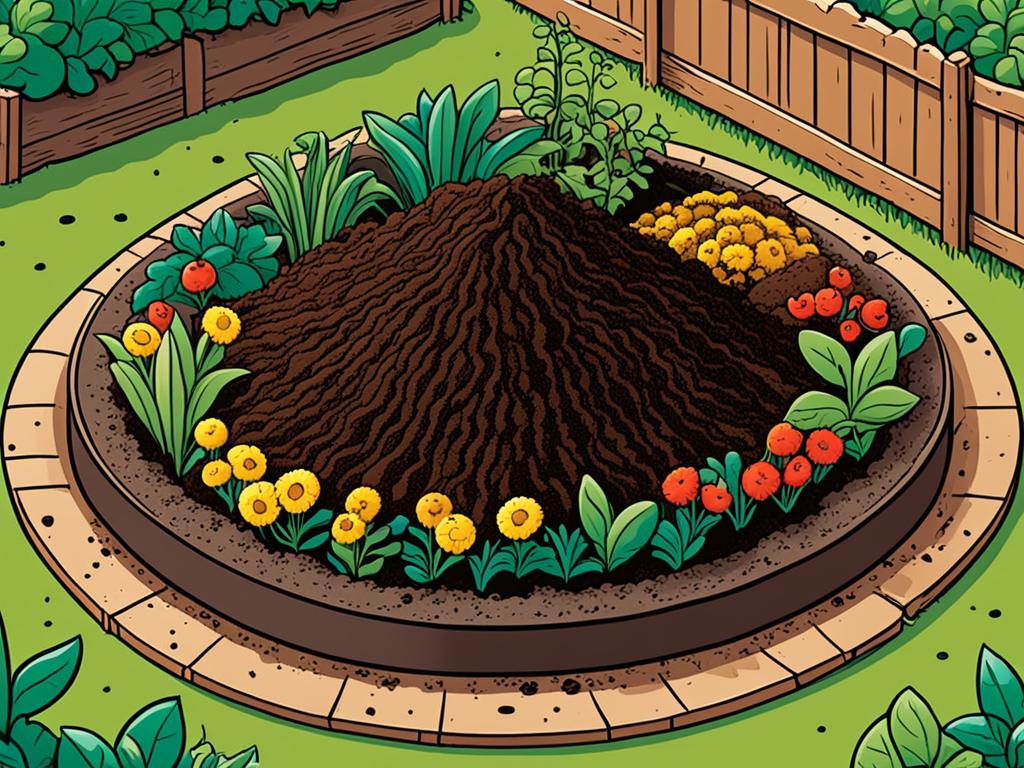
Let’s get down and dirty—quite literally. You might not immediately think of animal waste as a cause for celebration, but in the world of gardening, it’s akin to striking black gold. Utilizing natural fertilizers such as properly aged or composted animal manures can bolster your garden, transforming it from lackluster to lush. We’re talking soil conditioning of the highest caliber, with manure composting offering a symphony of nutrients that your petunias and peppers are absolutely yearning for.
But don’t just take my word for it; let’s dive into the nitty-gritty of what makes these natural powerhouses so mighty. When it comes to soil supplementation, the various manures of animals such as cows, horses, sheep, chickens, and rabbits are not all created equal. Each type brings its own unique blend of benefits to the table—or rather, to the garden bed.
| Manure Type | Nutrient Profile | Benefits for the Soil |
|---|---|---|
| Cow Manure | High in organic matter and a balanced N-P-K (Nitrogen-Phosphorus-Potassium) | Improves moisture retention and soil structure |
| Horse Manure | Rich in nitrogen, with a more fibrous texture | Aerates the soil and speeds up the decomposition process |
| Sheep Manure | Excellent source of potassium | Promotes robust plant growth and root development |
| Chicken Manure | High in nitrogen and phosphorus | Acts as a concentrated fertilizer to support flowering and fruiting |
| Rabbit Manure | Rich in nitrogen, phosphorus, and minerals | Easy to use as a dry, pelletized form, perfect for direct application |
You may be ruminating on where to source these wondrous natural fertilizers. Local farms are often happy to part with their surplus of manure—sometimes for free. Remember, the key to harnessing the full potential of these fertilizers is to ensure they are properly composted to prevent burning your beloved flora or introducing unwelcome pathogens to your green haven.
So, my fellow soil stewards, embrace the humble manure and watch your garden thrive. It’s time to level up your gardening game with what might just be one of the oldest and most proven soil health secrets of all time!
Leaf Mold: Nature’s Gift for a Healthy Garden Bed
Ever heard of leaf mold compost? No, it’s not the latest trend in artisanal cheeses, it’s actually your garden’s soon-to-be best friend. This unassuming hero is concocted from nothing more than the leaves you usually rake up and throw away. Turning this natural resource into a powerhouse of soil-enhancing goodness is like hitting the sustainability jackpot. In this section, you’re going to learn why leaf mold is the unsung hero of sustainable gardening and how it can transform your soil into a nutrient-dense haven for your plants.
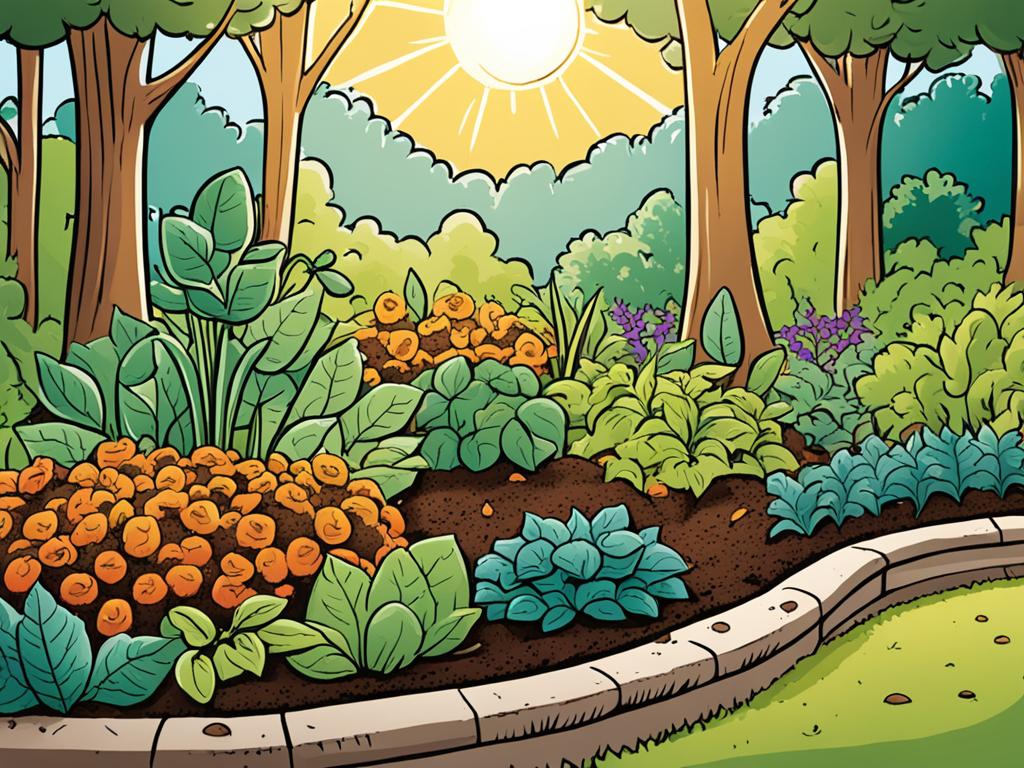
Let’s break it down: leaf mold compost is made from leaves—just leaves—that have been left to break down over time. This slow decomposition creates a dark, crumbly matter that your garden will love more than a pumpkin spice latte in fall. As a supreme soil enhancer, it’s packed with good stuff that can improve water retention without requiring a degree in botany to create.
So, how do you start compiling this treasure? The recipe is simpler than your morning avocado toast. You’ll need:
- A big pile of leaves (non-negotiable).
- A little patience (it cooks slower than a Thanksgiving turkey).
- And a smidge of elbow grease (but less than it takes to scrub your bathtub).
Now, don’t fret if you’re not compost-savvy. Your pile of leaves will do their thing and turn into leaf mold with minimal interference from you. Nature has it covered, and over the course of one to three years, what was once a pile of leaves becomes a garden’s treasure chest.
Why is this so awesome? Because leaf mold can hold onto moisture like a camel in a desert—up to 500 percent of its own weight in water! Yes, like a botanical sponge, it keeps the soil moist and your plants hydrated. But wait, there’s more! Leaf mold also improves soil structure, which means your plants’ roots will be able to stretch out and get comfy without battling compacted dirt.
So go ahead, give your garden the gift of high-quality natural resources and watch your green sanctuary thrive. Remember, sustainable gardening isn’t just good for your soil—it’s a thumbs up for the planet, too.
Addressing Your Soil’s pH Levels for Optimal Plant Health
Ever felt like a mad scientist with a pH strip in one hand and a shovel in the other? Well, welcome to the world of gardening where soil pH is not just a number, but a gateway to flourishing plant health. By focusing on soil acidity and alkaline soil balance, let’s dive into the simple science of pH levels and how they affect nutrient uptake in your green kingdom.
The Balance Act: Managing Acidic and Alkaline Soils
As a vigilant gardener, you’re the hero your garden deserves. Balancing the pH levels of your soil can seem like walking a tightrope, but fear not, for the power lies in your hands. Let’s say your soil is on the acidic side of life, blue hydrangeas galore!
But what if you don’t want blue hydrangeas? What if you want happy tomatoes, jubilant beans, or even—dare we say it—neutral-colored hydrangeas? Here’s where your balancing act comes into play, neutralizing the acidic concert your soil is currently conducting.
Lime and Sulfur: Adjusting Soil pH Naturally
Time to set the stage for the stars of the show: lime and sulfur. These natural amendments are your go-to for adjusting soil pH. Lime is like a gentle caress for acidic soils, coaxing them towards alkalinity, while sulfur is the splash of lemon in alkaline soils that nudges them closer to acidity.
Remember, Rome wasn’t balanced in a day, and neither is soil pH. Sprinkle these amendments like a chef seasoning a michelin-star dish—gradually and with precision.
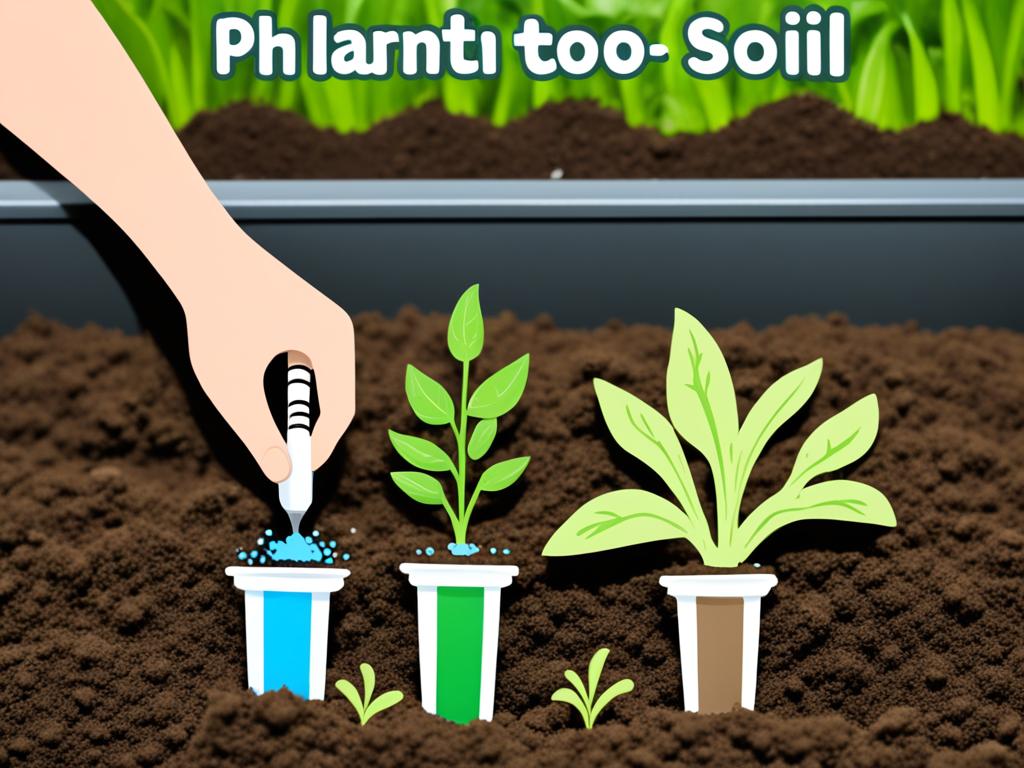
Regular testing is no less important than your annual check-up. Keeping an eye on those pH levels prevents nutritional heartache for your plants. This isn’t about perfection; it’s about creating the optimum environment for your plants to absorb the banquet of nutrients available to them. In the world of gardening, the pH level is your ticket to a grand nutrient uptake.
“Going Green” With Cover Crops and Green Manures
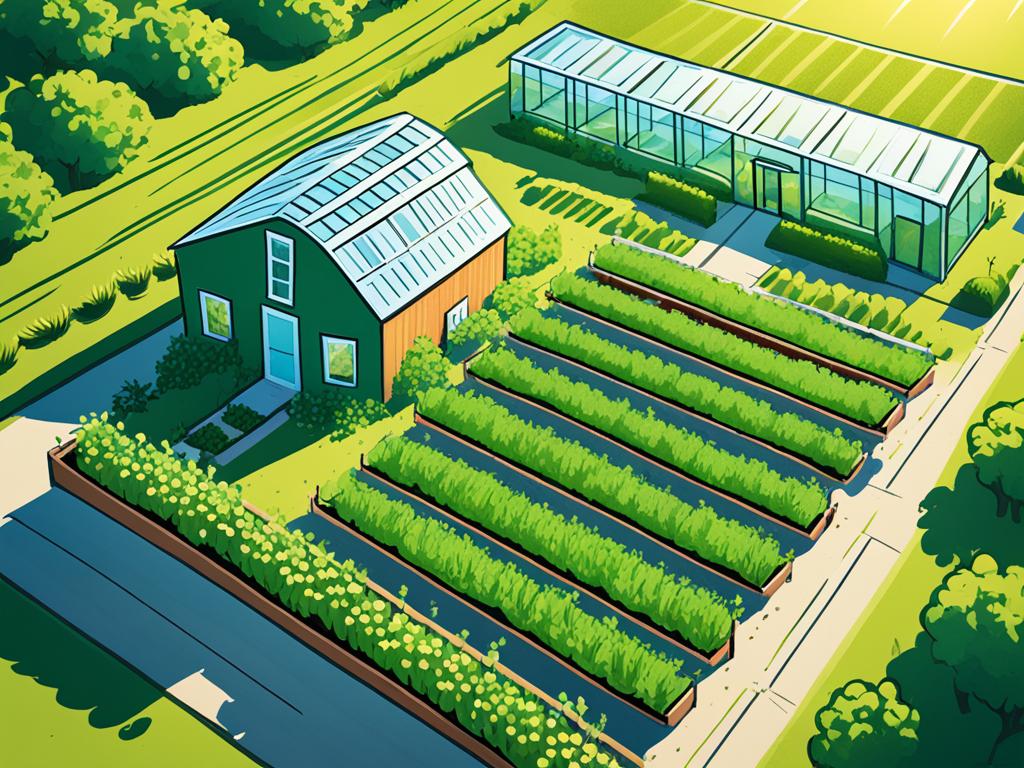
Embarking on the journey of ecological gardening means embracing the powerhouses of soil nourishment and structure—cover crops and green manures. This isn’t just tossing seeds to the wind; it’s a strategic move towards enriching your little patch of Earth. Let’s delve into how these verdant saviors can reboot your soil biology.
How Cover Crops Improve Soil Fertility and Texture
Think of cover crops like your garden’s personal fitness trainers; they work the ground to get it in top-notch shape. By planting species such as clover or vetch, you courageously combat erosion, brawl with bare soil, and prevent pesky weeds from staging a hostile takeover. When terminated and tilled back into the soil, this green team decomposes to become a banquet for microorganisms, turning your garden bed into a bustling metropolis of soil biology.
Choosing the Right Cover Crop for Your Garden’s Needs
But wait, you can’t just sow any seed and hope for a miraculous soil transformation. You’ve got to play matchmaker and pair your soil’s unique personality with its ideal green companion. Will it be the nitrogen-fixing prowess of legumes, or perhaps the deep-rooted fortitude of grasses that will charm your garden beds? Choose wisely, and your soil will be wooed into a more fertile and well-structured paramour, prepped and ready for your main squeeze—be it vegetables, fruits, or flowers.
- Legumes (e.g., clover, peas) – These are the heartthrobs that can fix nitrogen, reducing the need for synthetic fertilizers.
- Grasses (e.g., ryegrass, barley) – Known for their root systems that can break up hard soils and improve texture.
- Brassicas (e.g., radishes, mustards) – Not just for the kitchen, they’re stars at pest suppression and bring a spicy take on soil improvement.
By introducing cover crops and green manures into your garden’s cycle, you’re not just planting seeds, you’re sowing the future of ecological gardening. Reap the benefits of a living soil that rewards you with bountiful harvests, and revel in the knowledge that you’re gardening with a green thumb and a clear conscience.
Improving Soil Texture: The Key to Better Drainage and Root Growth
Imagine stepping into your garden to find roots branching out like a network of green highways and water sinking in just right—achieving this balance starts beneath your feet! The secret? A magical little thing called soil texture. Let’s get down and dirty to ensure your garden’s success.
Solving Soil Compaction: Organic Solutions
Feel like you’re fighting against a army of stubborn clay in your backyard battlefield? Fear not! Organic amendments are your best allies. Mix in some compost—think of it as your soil’s personal trainer—getting it into top shape for prime root development.
Sandy Soil Solutions: Enhancing Water and Nutrient Retention
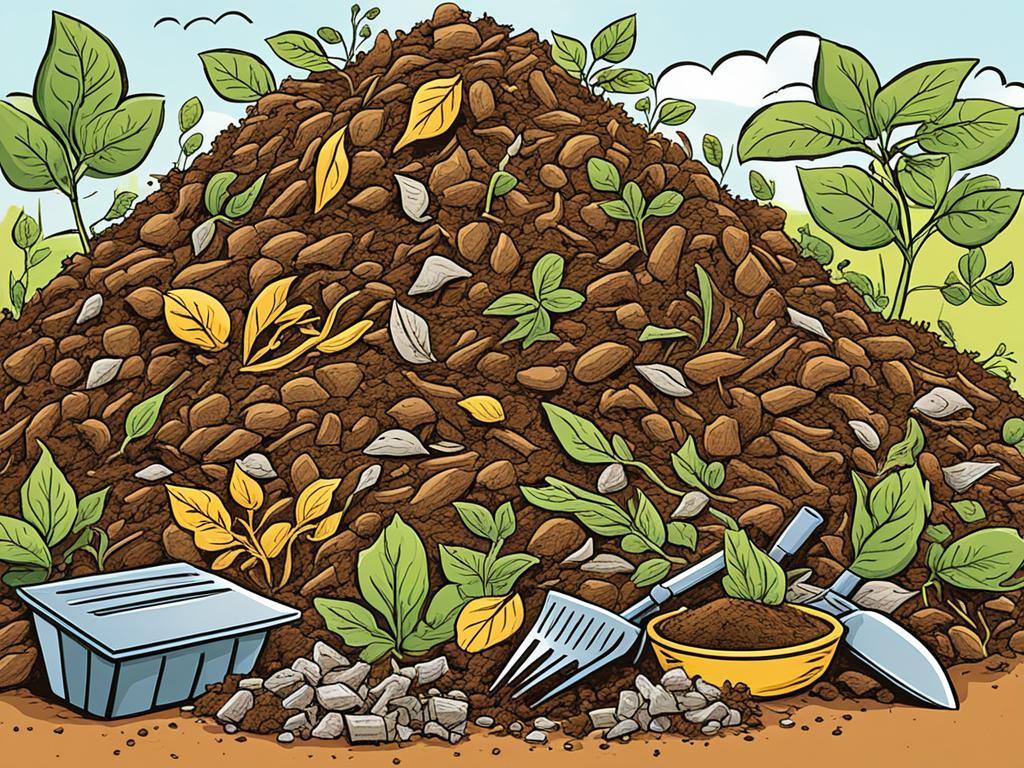
Got sandy soil that sends water running like it’s late for a bus? Buckle up! Transform it with a sprinkle of organic matter to make it hospitable for water and nutrients, like converting a desert into an oasis of growth.
- Compost: Turns “just passing through” into “stop and stay awhile” for water and nutrients.
- Leaf Mold: This unsung hero retains moisture like a sponge, so your thirsty plants won’t have to worry about a drought.
- Aged Manure: It’s not just poo—it’s a nutrient-packed feast for your plants and a hotbed for drainage improvement.
With these organic marvels, witness your garden transform from stark and barren to lush and thriving. The endgame? A bounty of blooms and veggies that’ll make your green-thumbed heart sing!
Conclusion
As you stand on the edge of your garden, it’s clear that the key to unlocking the full potential of your green sanctuary lies beneath your feet. The journey of garden planning and dedication to healthy gardening practices is both a science and an art, measured in the richness of the soil and the vigor of your plants. It’s about understanding that soil revitalization isn’t just a once-off act, but a rhythm to garden upkeep that ensures a symphony of life thrives under your attentive care.
Final Thoughts on Healthy Soil for a Thriving Garden
Remember, your soil is the living bedrock of your entire garden’s ecosystem. By embracing the wisdom in the leaves you’ve turned in this guide, from the bustling microbial metropolis beneath the surface to the last petal on the highest bloom, you’re well equipped to cultivate an emerald paradise. Think of soil amendments as your secret ingredient, one that transforms your garden into a cornucopia of fertility and abundance.
Next Steps: Applying Your Soil Amendment Knowledge
So, take the next step. Let the alchemy of composting, the nurturing of green manures, and the careful adjustment of pH levels be your rituals. With every application of these principles and practices, you’re not just growing plants—you’re cultivating life itself. Keep the cycle going; garden planning today predicates the success of tomorrow. Seal the pact with nature, and watch as your garden flourishes, a testament to your dedication and the timeless art of nurturing the earth.
FAQ
What exactly is soil amendment and why do I need it?
Think of soil amendment as a spa treatment for your garden. It’s all about pampering your soil with goodies like compost, leaf mold, and aged manure to boost its structure, nutrient content, and overall ability to support your plants. You need it because, let’s face it, most of us don’t have the naturally perfect soil that plants crave.
How does soil amendment promote a sprightly soil ecosystem?
By adding organic matter to your soil, you’re basically throwing a dinner party for the beneficial microbes that help keep the soil energetic and lively. This not only contributes to the soil’s fertility but also improves structure and aeration, allowing roots to breathe and water to siesta in all the right places.
Can I improve my garden’s health with organic materials?
Absolutely, you green-thumbed earth-lover! Incorporating organic matter such as compost is like giving your garden a nutritious smoothie. It enriches the soil, making it a sustainable sanctuary full of nutrient-rich loaminess.
How do I know which soil amendments to flirt with for my garden?
Start with a soil test – it’s like swiping right for your perfect soil match. The test reveals the pH level and fertility of your garden, suggesting which amendments will make your soil swipe right back.
What’s so magical about turning kitchen scraps into compost?
Composting is like a back yard alchemy, transmuting banana peels, and coffee grounds into black gold, aka nutrient-rich compost. It’s not only terrific for your soil, but it’s your way of giving the planet a little love back by reducing waste.
What’s the scoop on using animal manures in my garden?
Animal manures are the powerhouse of nutrients. They’re like an all-you-can-eat buffet for your soil, especially if aged or composted to avoid any pathogen party-crashers or too-hot-to-handle nutrient burns on your delicate plant roots.
What wonders does leaf mold perform for my garden?
Leaf mold is like the unsung hero of the garden. It may not look like much, but it’s spectacular at improving water retention and soil structure. Plus, it’s easy to make, which means more time for your other garden shenanigans.
Soil pH seems fussy. Why must I pay attention to it?
Because pH is like the soil’s mood ring, it affects how well your plants can absorb nutrients. Mess with the pH, and you could be locking away essential goodies that your plants are hungry for. Use lime or sulfur to adjust the pH and keep your soil’s mood happy.
How do cover crops jazz up my garden’s soil?
Picture cover crops as the jazz musicians of the garden, setting the rhythm for soil improvement. They add organic mass, keep those pesky weeds at bay, and can even fix nitrogen, ensuring that soil fertility is ready to swing into the next planting season.
My soil is as stubborn as clay or as loose as a beach. How do I fix it?
For clay that’s tighter than a traffic jam, or sand that slips through your fingers like water, throwing in organic matter is there to rescue. It’s the bridge between too much and not enough, optimizing water drainage and making all the difference for happy, hustling roots.
After amending my soil, how soon can I expect to see results in my garden?
Well, soil amendment isn’t an overnight success story—it’s more of a ‘slow and steady wins the race’ kind of deal. Give it a season to mix, mingle, and work its magic, and you’ll be rolling out the red carpet for a cavalcade of lush plants in no time.