
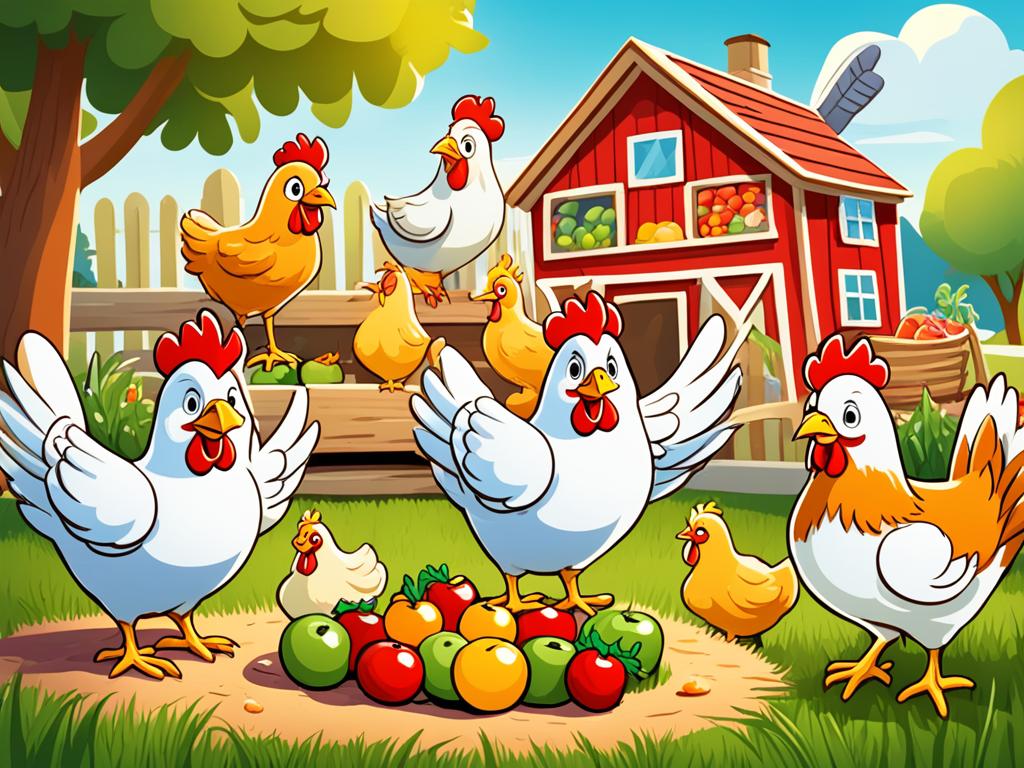
Welcome to the fascinating world of chickens and their dietary preferences! If you’ve ever wondered what do chickens eat or how to provide them with a healthy chicken diet, you’ve come to the right place. Chickens may be small, but their appetites and culinary choices are anything but ordinary.
Chickens possess a diverse palate and consume a wide variety of foods. From munching on crunchy insects and worms to indulging in grains, vegetables, fruits, and even kitchen scraps, these peckish pals know how to keep their taste buds satisfied. To ensure their well-being and productivity, it’s essential to provide them with a balanced and nutritious diet.
Key Takeaways:
- Chickens have a diverse diet that includes insects, grains, vegetables, fruits, and even kitchen scraps.
- A balanced chicken diet provides the necessary nutrients for healthy growth and egg production.
- Protein, grains, fruits, vegetables, and calcium-rich foods are crucial for a chicken’s well-being.
- Water is essential for their overall health and digestion.
- Commercial chicken feed is a convenient option for providing a balanced diet.
Understanding a Chicken’s Natural Diet
When it comes to their diet, chickens have a natural instinct for finding the perfect blend of flavors. In the wild, chickens forage for food, making the most of their surroundings to enjoy a diverse and nutritious feast. Their natural diet includes a wide range of ingredients, from protein-packed insects and worms to plant-based delicacies.
Seeds and grasses are a staple in a chicken’s natural diet. They provide essential carbohydrates for energy and keep our feathered friends pecking away happily. Fruits and small animals also make it onto their menu, offering a well-rounded mix of nutrients to keep them healthy and vibrant.
To help you visualize the delightful variety that makes up a chicken’s natural diet, take a look at this table:
| Food | Description |
|---|---|
| Insects and worms | A protein-rich delicacy that satisfies a chicken’s taste buds. |
| Seeds and grasses | A source of carbohydrates that provides energy for daily activities. |
| Fruits | A sweet treat that adds vitamins and minerals to their diet. |
| Small animals | Occasionally, chickens indulge in their carnivorous side, enjoying a small animal or two. |
As you can see, a chicken’s natural diet is a delightful mix of healthy and delicious ingredients. It’s important to take inspiration from their natural instincts when planning their meals, creating a diet that is similarly diverse and balanced.
“Let your chickens’ natural instincts guide their diet, and you’ll have a flock that is vibrant, happy, and well-nourished.”
Now that you have a deeper understanding of a chicken’s natural diet, it’s time to explore how we can recreate this nutritional paradise in our own backyard coops. In the next section, we’ll dive into the world of grains, a staple food for chickens that provides them with essential carbohydrates and energy.
Grains: A Staple Food for Chickens
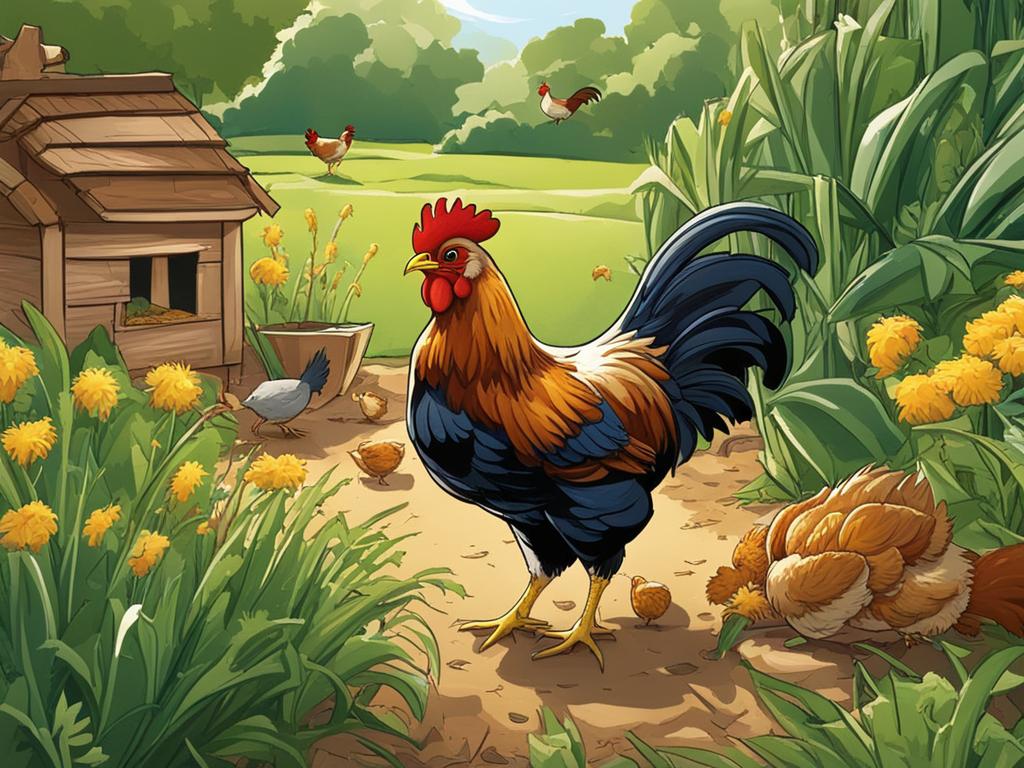
When it comes to the diet of our feathered friends, grains play a crucial role. Chickens have been enjoying the goodness of grains like corn, wheat, barley, and oats for ages. These tiny powerhouses are packed with carbohydrates and energy that keep chickens active and pecking away.
Grains have become a staple in chicken feed, ensuring our clucky companions get the nutrition they need. Whether given in their whole form or as a ground meal, grains are a fantastic addition to a chicken’s meal plan. They not only provide the necessary sustenance but also add variety and texture to their diet.
Their peckish passion for grains knows no bounds!
So, what makes grains an essential part of a chicken’s diet? Let’s dig a little deeper:
The Power of Carbohydrates
Grains are an excellent source of carbohydrates, which are essential for chickens to maintain their energy levels. These complex carbs serve as a fuel source, fueling their feathered adventures and allowing them to strut their stuff. So, next time you see your chickens happily pecking away at those golden corn kernels, know that they are stocking up on energy for their clucking escapades!
Versatile Grains
Chickens love variety, and grains provide just that. The world of grains is vast, offering different textures, flavors, and nutritional profiles. From the smoothness of cracked corn to the crunchiness of wheat, these grains keep chickens entertained and satisfied. Adding grains to their diet not only keeps them engaged but also supports their overall well-being.
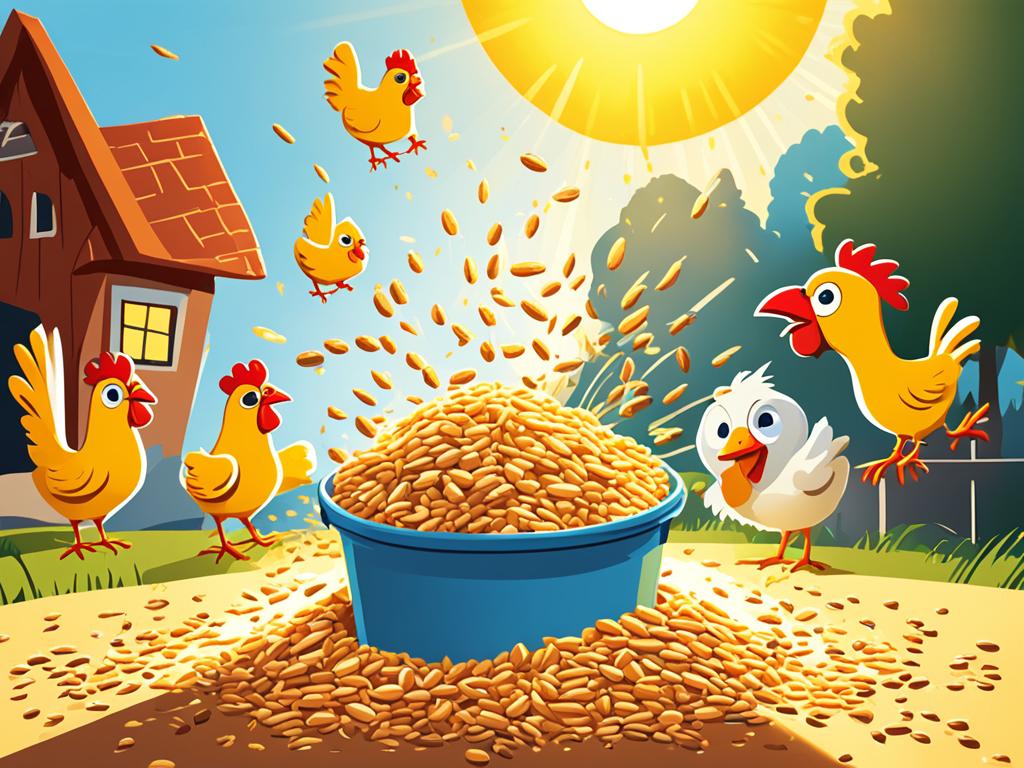
So, how can you incorporate grains into your feathered friend’s diet? Here are a few options:
- Whole Grains: Scatter whole grains like corn, wheat, barley, or oats in their foraging area. Let them discover these tasty treasures on their own.
- Ground Meal: You can grind the grains into a meal and mix them with other feed ingredients. This ensures that your chickens enjoy a blended meal with all the grainy goodness.
- Commercial Feeds: Opt for high-quality chicken feeds that contain a mix of grains and other essential nutrients. These ready-made meals provide a balanced diet and save you the hassle of sourcing and preparing individual ingredients.
Remember, happy chickens make for happy eggs! So, don’t be afraid to unleash the power of grains and watch your clucky companions peck their way to chicken bliss.
The Importance of Protein in a Chicken’s Diet
When it comes to the health and well-being of chickens, protein plays a vital role. Protein is essential for their growth, feather development, and even egg production. Chickens need a sufficient amount of protein in their diet to thrive and stay healthy.
“Protein is like the building blocks for chickens. It helps them grow strong, develop beautiful feathers, and lay eggs,” says Dr. Amelia Brown, a poultry nutritionist.
Protein can be obtained from various sources, ensuring a diverse and balanced diet for chickens. Insects, worms, and legumes are natural sources of protein that chickens would naturally consume in the wild. Additionally, commercial chicken feed is formulated with a high protein content to provide chickens with the necessary nutrients.
Commercial Chicken Feed: A Protein-Packed Option
Commercial chicken feed is a convenient and reliable source of protein for chickens. These specially formulated feeds are designed to meet the nutritional needs of chickens, ensuring they receive an adequate amount of protein.
Many commercial feeds contain a blend of grains, legumes, and other protein-rich ingredients. For example, soybean meal, a common ingredient in chicken feed, is an excellent source of plant-based protein. It provides chickens with the necessary amino acids they need for growth and development.
Feeding chickens commercial feed not only ensures they receive the right amount of protein, but it also simplifies their dietary needs. This eliminates the need for counting on insects and worms solely for protein intake, as not all backyard environments can provide enough of these natural protein sources.
If you are unsure about the suitable commercial feed for your chickens, consult with a local poultry nutrition expert or your veterinarian. They can guide you in selecting the feed that best suits the age, breed, and purpose of your chickens.
A Protein-Rich Diet for Healthy and Happy Chickens
Incorporating protein-rich foods into your chicken’s diet is important to ensure their overall health and productivity. While commercial chicken feed is a reliable source of protein, you can also supplement their diet with other protein sources.
Consider adding some treats like cooked eggs or mealworms to provide an additional protein boost. However, moderation is key as too much protein can lead to health issues, just as too little can negatively impact their growth and development.
| Protein Sources | Benefit |
|---|---|
| Insects | Highly digestible protein source |
| Legumes | Plant-based protein with essential amino acids |
| Eggs | Nutrient-dense protein snack |
| Mealworms | Tasty and protein-packed treat |
Remember, protein is essential for your chickens’ growth, feather development, and egg production. Providing them with a well-rounded and protein-rich diet will contribute to their overall well-being and happiness.
Fruits and Vegetables: A Healthy Addition to a Chicken’s Diet
Is your flock looking for a fresh and tasty treat? Look no further than fruits and vegetables! These delectable delights not only satisfy your chickens’ cravings but also provide essential nutrients to keep them in top shape.
When it comes to fruits, options like apples, berries, and tomatoes are sure to make your feathered friends cluck with delight. These juicy bites are packed with vitamins and antioxidants, promoting overall health and boosting their immune system.
Vegetables, on the other hand, offer a crunchy and fiber-rich addition to their diet. Lettuce and carrots are popular choices that chickens relish. They provide essential minerals that support bone strength and ensure optimal eggshell production.
Remember, variety is the spice of life (even for chickens)! Introduce a range of fruits and vegetables to keep your flock entertained and nourished. Just like us, they enjoy a diverse menu.
Benefits of Fruits and Vegetables
Why should you include fruits and vegetables in your chickens’ diet? Well, besides the delicious taste, these treats offer numerous benefits:
- Vitamins and Minerals: Fruits and vegetables are a natural source of vitamins like A, C, and K, as well as minerals like potassium and calcium. These nutrients are vital for strong bones, good eyesight, and overall well-being.
- Antioxidants: Plants contain antioxidants that protect cells from damage. By incorporating fruits and vegetables, you help boost your chickens’ immune system, keeping them healthy and resilient.
- Satiety: Incorporating these treats into their diet provides a sense of fulfillment, reducing the likelihood of your feathered friends indulging in other less desirable foraging options.
Now, let’s take a look at how fruits and vegetables compare nutritionally:
| Fruit/Vegetable | Nutritional Highlights |
|---|---|
| Apples | High in vitamins and fiber |
| Berries | Antioxidant-rich and packed with vitamins |
| Tomatoes | Source of vitamins and lycopene |
| Lettuce | Provides hydration and contains minerals |
| Carrots | Rich in vitamin A and support eye health |
So, get creative and turn your flock’s feeding time into a nutrient-packed adventure! Let them explore the vibrant flavors and textures of various fruits and vegetables to keep them happy, healthy, and entertained.
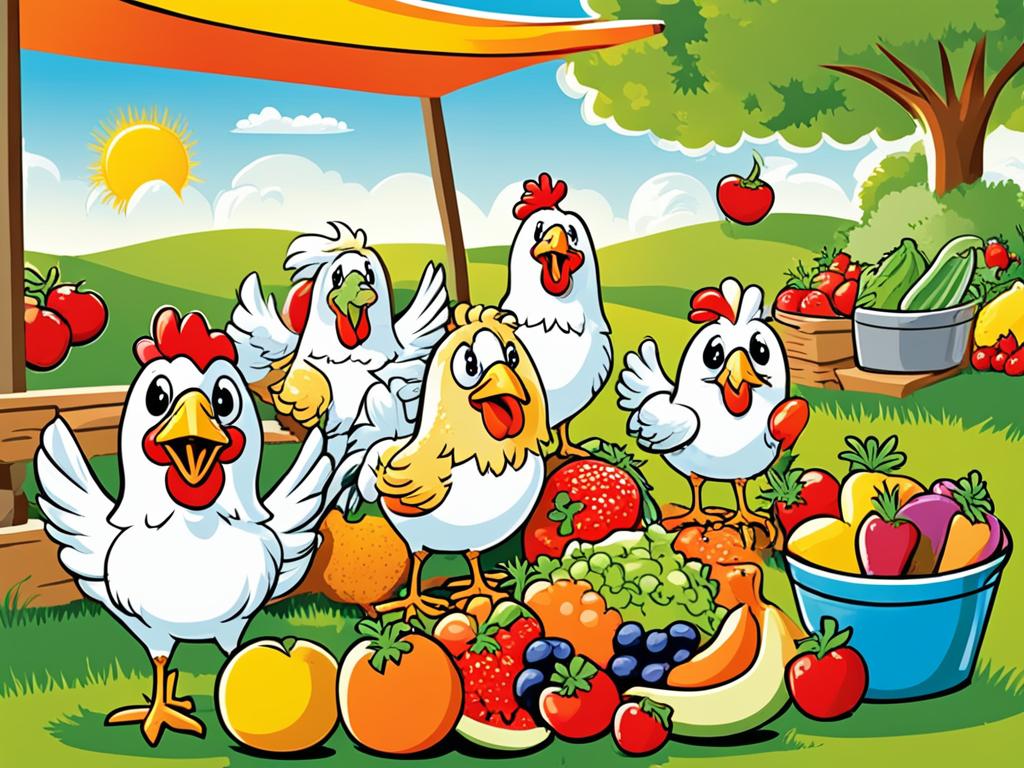
Remember, moderation is key when introducing new foods. Start with small portions and observe their response. Monitor any allergies or adverse reactions, and adjust accordingly to ensure a balanced diet.
Stay tuned for the next section, where we delve into the importance of calcium-rich foods for strong eggshells. Your chickens will definitely “shell”-ebrate!
Calcium-Rich Foods for Strong Egg Shells
When it comes to egg production, strong shells are essential. And one of the key factors in ensuring strong eggshells is providing your chickens with an adequate supply of calcium. Calcium plays a crucial role in the formation and maintenance of eggshells, and without enough calcium, your hens may lay eggs with thin or fragile shells.
Luckily, there are several calcium-rich foods that you can offer to your chickens to support their eggshell production. Here are some of the top sources of calcium:
- Crushed Eggshells: That’s right, you can recycle leftover eggshells by crushing them up and feeding them back to your hens. Not only does this provide a great source of calcium, but it also helps reabsorb any lost calcium from the egg-laying process.
- Oyster Shell: Oyster shell is another excellent source of calcium for chickens. It’s readily available at most feed stores and is often included in commercial chicken feed.
- Limestone: Powdered limestone is a natural source of calcium that can be added to your chickens’ diet. It’s easily digestible and provides a steady supply of calcium for eggshell formation.
By incorporating these calcium-rich foods into your hens’ diet, you’ll be ensuring they have the necessary nutrients to produce strong and healthy eggshells. This, in turn, will help minimize the chances of egg breakage and ensure the overall quality of your eggs.
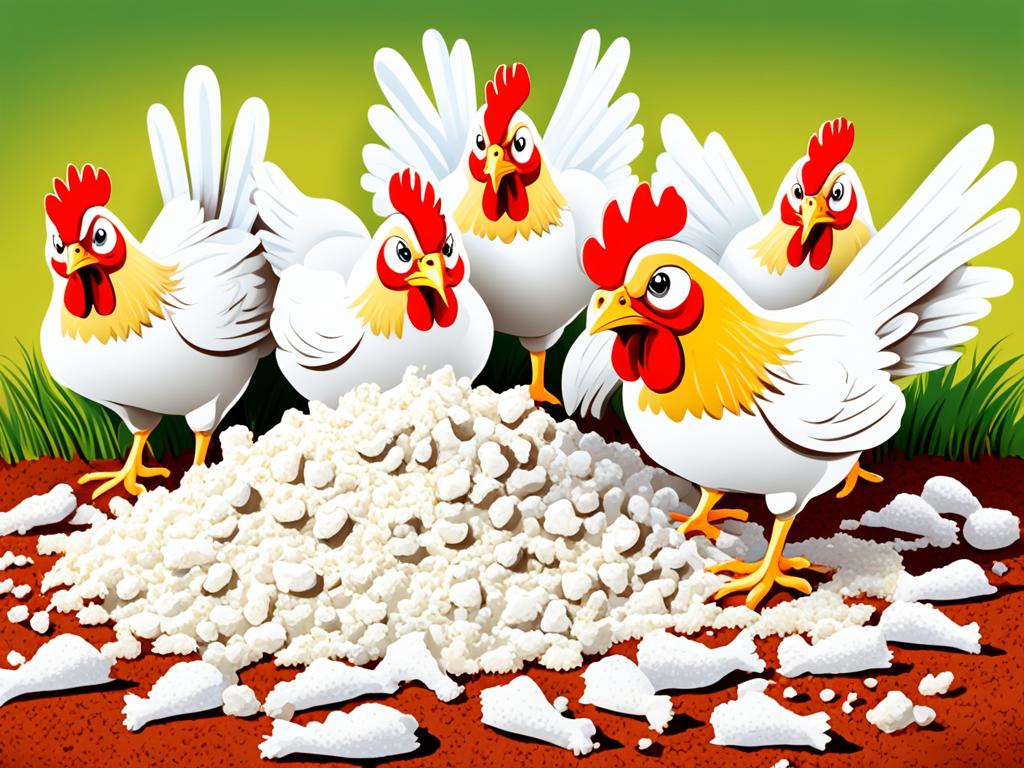
Remember, it’s important to provide a balanced diet for your chickens, including a variety of other nutrients. If you’re unsure about the right amount of calcium to give your flock, consult a poultry nutritionist or veterinarian for guidance.
Kitchen Scraps: A Fun Treat for Chickens
Who doesn’t love a tasty snack, even chickens? While it’s important to remember that not all kitchen scraps are safe for our feathered friends, many leftovers can be a fun and nutritious treat for them. So go ahead, turn those food scraps into chicken treats!
What Kitchen Scraps Can Chickens Eat?
Chickens enjoy a wide variety of kitchen scraps, but it’s essential to know which ones are safe for them. Here are some kitchen scraps that you can feed your chickens:
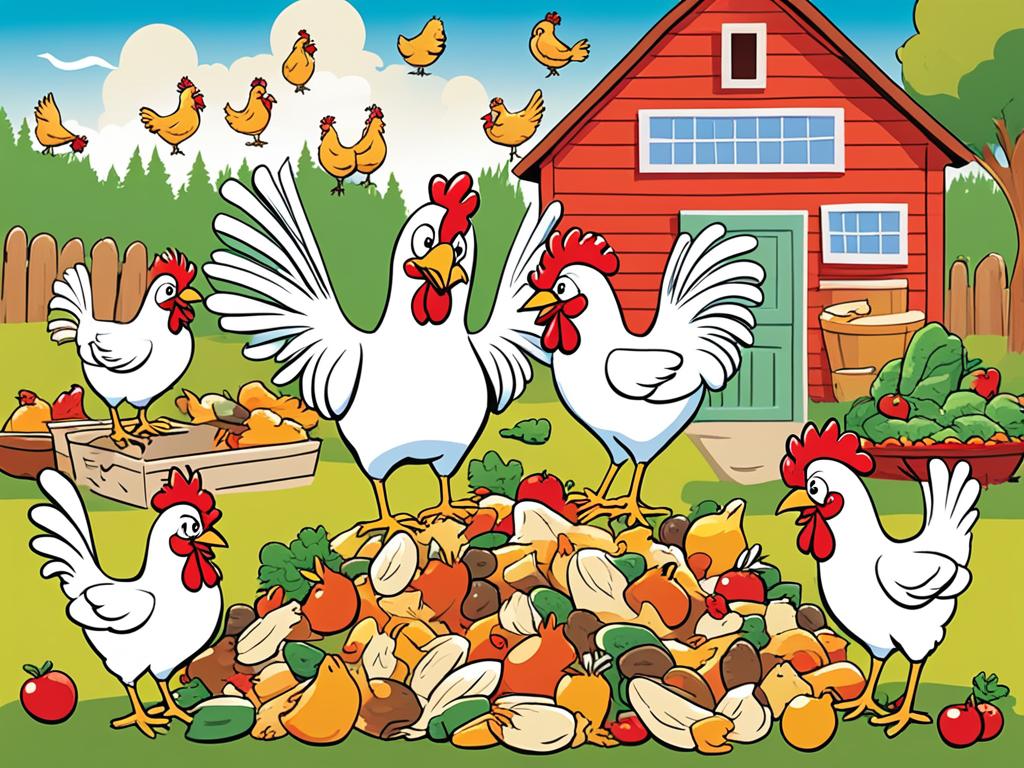
- Fruit and Vegetable Scraps: Chickens love indulging in fruit and vegetable scraps. Apple cores, carrot tops, leafy greens, and even the occasional tomato are all great options. They provide essential vitamins and minerals for your flock.
- Grains and Bread: Leftover cooked rice, pasta, or bread can be given to chickens in moderation. Just be careful not to feed them too much bread, as it can fill them up without providing the necessary nutrients.
- Eggshells: Believe it or not, chickens can benefit from eating their own eggshells. Crushed eggshells are an excellent source of calcium, which helps them lay strong and healthy eggs. Just make sure to crush them finely to avoid encouraging egg-eating behavior.
- Non-Spicy Leftovers: Got some plain cooked chicken, fish, or meat scraps from your own meals? Feel free to share them with your flock, as long as they are unseasoned and free from spices or any potential harmful ingredients.
Keep in mind that a balanced diet is crucial for chickens’ overall health and productivity, so kitchen scraps should only be given as treats, not as a primary food source.
However, there are some important kitchen scraps that you should avoid giving to your chickens:
- Onions and Garlic: These aromatic bulbs can negatively affect a chicken’s health and even taint the flavor of their eggs. So, it’s best to steer clear of onions and garlic when offering kitchen scraps.
- Moldy or Spoiled Food: Just like humans, chickens should avoid consuming moldy or spoiled foods. These can make them sick and lead to digestive issues.
- Junk Food: While it may be tempting to share your favorite snacks with your flock, it’s important to remember that foods high in salt, sugar, or artificial ingredients can be harmful to chickens. So, save the junk food for yourself and stick to healthier options for your feathered friends.
Fun and Healthy Treats
Giving your chickens kitchen scraps not only provides them with a tasty treat but also helps reduce waste. It’s a win-win situation! To make treat time more exciting, scatter the scraps in their coop or yard and let them peck and scratch around to find their goodies. This activity stimulates natural foraging behavior and keeps them entertained.
Remember, treats should never make up more than 10% of a chicken’s total diet. They should be given in moderation alongside a balanced feed specifically designed for their nutritional needs.
So, the next time you’re prepping a meal or cleaning out the fridge, think twice before tossing those kitchen scraps. Instead, share the love with your chickens and turn them into fun and wholesome treats!
Water: Essential for Chickens’ Health
When it comes to keeping your feathered friends happy and healthy, there’s one essential element that should never be overlooked – water! Just like any other living creature, chickens need access to clean and fresh water at all times. Think of it as their very own chicken hydration station!
Proper hydration is key to maintaining their overall health and well-being. Without enough water, chickens can become dehydrated, leading to a wide range of health issues. To avoid this, make sure your flock always has access to clean, fresh water.
Water plays a vital role in digestion for chickens. It helps in breaking down food, absorbing nutrients, and eliminating waste. Without adequate water intake, their digestive system can become compromised, affecting their overall health and appetite.
To keep your chickens happy and hydrated, here are a few tips to ensure their water needs are met:
- Provide fresh water daily: Empty and clean their water containers every day to prevent contamination and the growth of harmful bacteria.
- Check water levels regularly: Chickens can drink a surprising amount of water, especially during hot weather. Make sure their water containers are filled to accommodate their needs.
- Protect from freezing: During colder months, prevent water from freezing by using heated waterers or frequent monitoring to avoid ice formation.
In addition to meeting their basic hydration needs, water can also be used as a fun and interactive way to treat your chickens. By adding delicious treats like frozen berries or melon chunks to their water, you can create a chicken water buffet that keeps them hydrated and entertained!
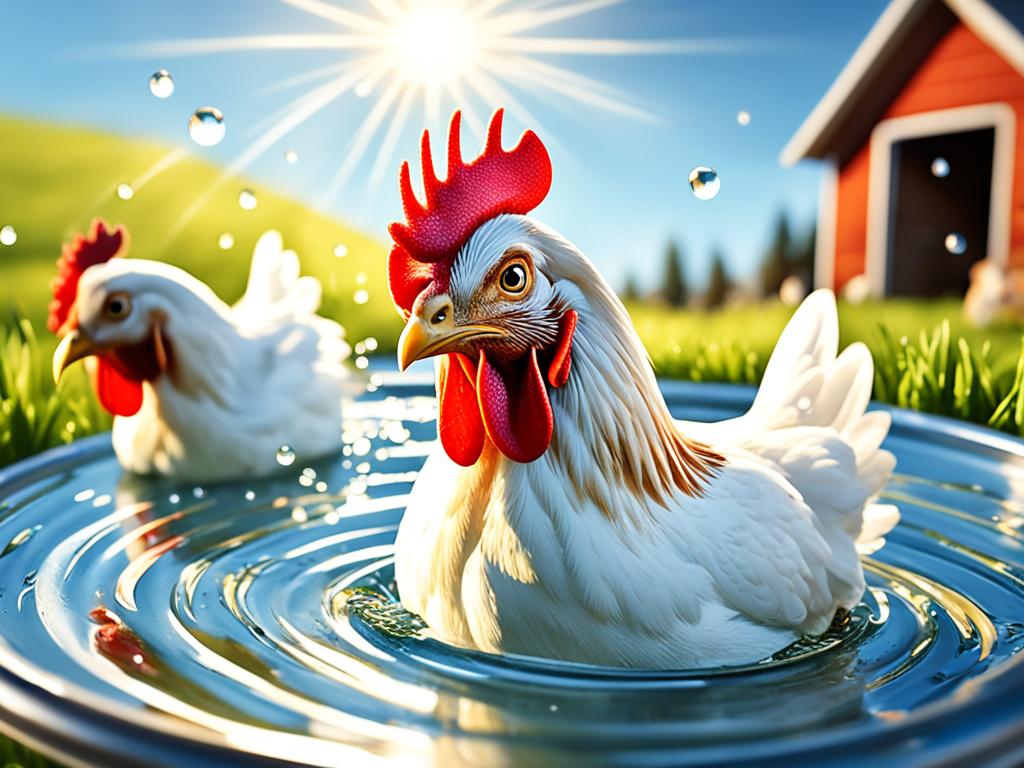
Remember, water is the elixir of life for chickens. Keeping them well-hydrated is crucial for their overall well-being, digestion, and overall health.
Expert Tip:
“Don’t underestimate the importance of providing your chickens with clean, fresh water. It’s a simple yet essential aspect of their care that can have a big impact on their health and happiness.”
Commercial Chicken Feed: A Convenient Option
When it comes to providing a balanced diet for your chickens, commercial chicken feed is a convenient and reliable option. Designed to meet their nutritional needs, commercial feeds contain a carefully curated mix of grains, protein sources, vitamins, and minerals. Feeding your chickens a high-quality commercial feed ensures that they receive all the essential nutrients they require for optimal health and productivity.
Commercial chicken feed is formulated to provide the right balance of proteins, carbohydrates, fats, vitamins, and minerals that chickens need. It takes the guesswork out of creating a well-rounded diet, saving you time and ensuring your chickens receive a balanced and nutritionally complete meal every day. With commercial feed, you can rest assured that your flock is getting the nutrients they need to thrive.
When selecting a commercial feed, consider the age and purpose of your chickens. Different feeds are tailored to meet the specific requirements of growing chicks, laying hens, or meat birds. Look for feeds labeled specifically for the stage of life and purpose of your chickens, such as “starter,” “layer,” or “broiler” feed. These feeds are formulated with the optimal nutrient ratios to support the health and development of your feathered friends.
Benefits of Commercial Chicken Feed:
- Convenient and time-saving, eliminating the need to create complex diets from scratch
- Designed to meet the specific nutritional needs of chickens
- Ensures a balanced and complete diet, promoting optimum health and productivity
- Available in various formulations for different stages of life and purposes
- Contains a mix of grains, proteins, vitamins, and minerals
Remember, while commercial chicken feed is an excellent way to provide a balanced diet to your chickens, it’s not the sole source of their nutrition. Your feathered friends still benefit from foraging for insects, eating kitchen scraps, and enjoying treats like fruits and vegetables. These additional food sources contribute to their mental stimulation and overall well-being.
To further enhance the health of your chickens, always ensure they have access to clean and fresh water. Water plays a crucial role in digestion, nutrient absorption, and overall hydration. Make sure to clean their water containers regularly to prevent the build-up of bacteria or algae.
“Commercial chicken feed: your go-to solution for a hassle-free and nutritionally balanced diet for your flock. It’s like having a personal chef for your chickens!”
Common Foods to Avoid Feeding Chickens
Chickens have a diverse palate, but there are some foods that should never make it onto their menu. These seemingly harmless edibles can actually be toxic or harmful to our feathered friends. So, be a savvy chef for your clucky companions and take note of these forbidden delicacies that might ruffle their feathers.
1. Chocolate: A Sweet Treat Gone Fowl
Cocoa may be a delight for human taste buds, but it can be deadly for chickens. The theobromine and caffeine content in chocolate can cause harmful effects on their nervous and cardiovascular systems. Keep the chocolate bunnies and bars far away from your cluckers; let them stick to their own feather-friendly selections.
2. Caffeine: Not the Cup of Tea for Chickens
While you may rely on caffeine to kickstart your morning, chickens should never get their feathers ruffled by it. Just like us, our fine-feathered friends are sensitive to caffeine’s stimulating effects. It can disrupt their sleep cycles and heart rhythms, leading to serious health issues. So, let the coffee be your guilty pleasure and not theirs.
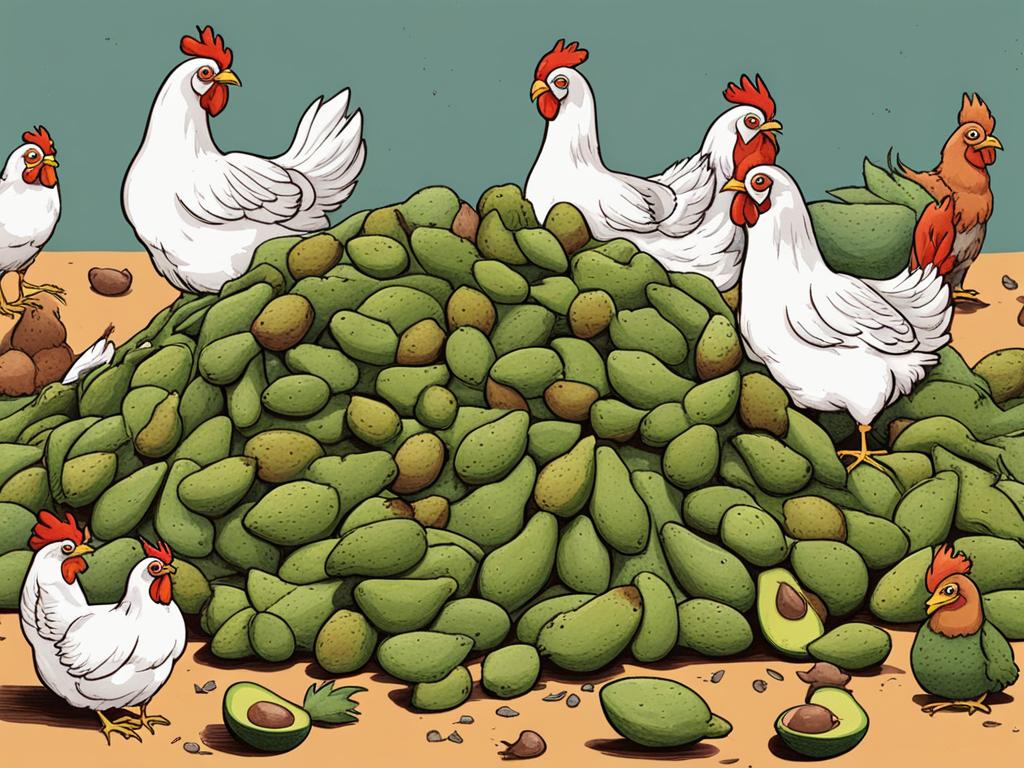
3. Avocado: Not So Clucky Guacamole
Avocados may be all the rage in human diets, but they contain a compound called persin that is toxic to chickens. It can cause respiratory distress, fluid accumulation around the heart, and even death. So, skip the avocado toast for your feathery companions and opt for safer choices instead.
4. Raw Potato: A Spud Story Gone Awry
Raw potato, while harmless to humans, can be detrimental to chickens. Potatoes contain solanine, a naturally occurring toxin that can lead to digestive issues, organ damage, and general discomfort for our cluckers. To keep the potato party exclusive for humans, ensure they’re thoroughly cooked before sharing.
5. Spoiled or Moldy Food: Fowl Smells, Fowl Consequences
Feeding chickens spoiled or moldy food is a recipe for disaster. Such foods can harbor dangerous bacteria and fungi that can wreak havoc on their delicate digestive systems, leading to severe illness or even death. Keep a keen eye on your kitchen scraps and steer clear of anything that’s not fresh and wholesome.
Remember, keeping our chickens healthy and happy is our responsibility. So, avoid these tantalizing but toxic treats, and stick to the cluck-worthy delights that will keep your feathery friends clucking with joy.
Quick Recap:
- Chocolate: Contains theobromine and caffeine, harmful to chickens’ nervous and cardiovascular systems.
- Caffeine: Can disrupt chickens’ sleep cycles and heart rhythms.
- Avocado: Contains persin, a compound toxic to chickens, causing respiratory distress and fluid accumulation around the heart.
- Raw Potato: Contains solanine, a toxic compound that can lead to digestive issues and organ damage in chickens.
- Spoiled or Moldy Food: Harbors dangerous bacteria and fungi that can cause severe illness or death in chickens.
Now that you know which foods to avoid, create a menu that keeps your cluckers happy, healthy, and safe.
Conclusion
In conclusion, understanding a chicken’s diet is crucial for their overall health and productivity. Chickens have a diverse palate that includes a range of foods such as insects, grains, fruits, vegetables, and commercial feed. It’s essential to provide them with a balanced diet that meets their nutritional needs to ensure they thrive.
Avoid feeding chickens toxic or harmful foods, and always provide them with access to clean and fresh water. Water is especially important for their hydration and digestion. Additionally, be mindful of foods like chocolate, caffeine, avocado, raw potato, and anything spoiled or moldy, as they can be harmful to chickens.
By giving chickens the proper nutrition they need, you can ensure their health and well-being. In return, they will reward you with delicious and nutritious eggs. So, take care of your feathery friends by providing them with a well-rounded diet, and enjoy the benefits of happy and productive chickens in your backyard!
FAQ
What do chickens eat?
Chickens have a diverse diet that includes insects, worms, grains, fruits, vegetables, and even kitchen scraps. It is important to provide them with a balanced diet to ensure their health and productivity.
What is a chicken’s natural diet?
In the wild, chickens forage for food and eat a variety of insects, worms, seeds, grasses, fruits, and small animals. These foods provide them with the necessary protein, carbohydrates, and other nutrients they need to thrive.
Are grains a staple food for chickens?
Yes, grains such as corn, wheat, barley, and oats are a staple food for chickens. They provide carbohydrates and energy that help them stay active and healthy. Grains can be fed to chickens in their whole form or as a ground meal.
Why is protein important in a chicken’s diet?
Protein is essential for chickens’ growth, feather development, and egg production. It can be obtained from various sources, including insects, worms, and legumes. Commercial chicken feed often contains a high amount of protein to ensure chickens receive an adequate amount in their diet.
Can chickens eat fruits and vegetables?
Yes, fruits and vegetables are a delicious and nutritious addition to a chicken’s diet. They provide vitamins, minerals, and antioxidants that promote overall health. Chickens can enjoy a variety of fruits and vegetables, such as apples, berries, tomatoes, lettuce, and carrots.
What foods provide calcium for strong eggshells?
Calcium is crucial for hens to produce strong eggshells. Chickens can get calcium from crushed eggshells, oyster shell, and limestone. These calcium-rich foods should be provided to laying hens to support their egg production.
Can chickens eat kitchen scraps?
Yes, many kitchen scraps can be a fun and nutritious treat for chickens. However, it is important to avoid giving them any spoiled or moldy foods, as well as potentially harmful ingredients like onions and garlic.
Why is water essential for chickens?
Just like any other living creature, chickens need access to clean and fresh water at all times. Water is essential for their overall health and digestion. Ensure that chickens always have access to water and regularly clean their water containers to prevent contamination.
Is commercial chicken feed a good option for chickens?
Yes, commercial chicken feed is a convenient option for providing a balanced diet to chickens. It is designed to meet their nutritional needs and often contains a mix of grains, protein sources, vitamins, and minerals. Choose a high-quality feed that suits the age and purpose of your chickens.
What are common foods to avoid feeding chickens?
Chocolate, caffeine, avocado, raw potato, and anything spoiled or moldy are common foods that should be avoided when feeding chickens. It is important to research and be aware of foods that may be harmful or toxic to chickens.