
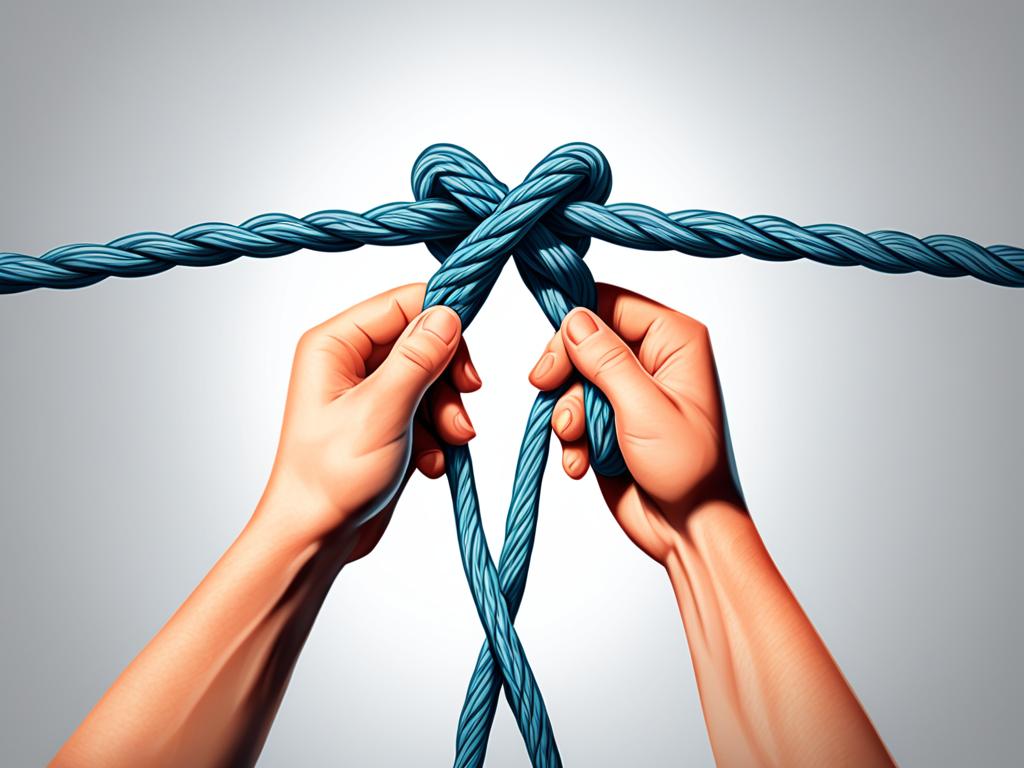
Are you tired of your knots coming undone at the worst possible moments? Whether you’re camping in the wilderness or trying to keep your shoelaces secure, mastering the square knot is the ultimate solution. In this article, we’ll guide you through the steps to tie a square knot with ease, so you can confidently secure your belongings and conquer any knot-tying challenge. Get ready to become a square knot master!
Key Takeaways:
- Tying a square knot is an essential skill for various activities, such as boating, camping, and crafting.
- The square knot is a simple binding knot that securely joins two ropes or cords of equal size.
- Following step-by-step instructions and practicing regularly will help you perfect your square knot technique.
- Understanding alternative knots and safety precautions will further enhance your knot-tying skills.
- Learning square knots brings practical benefits, including versatility in everyday use and the ability to teach others.
Understanding the Square Knot
The square knot, also known as the reef knot, is a versatile binding knot that brings two ropes or cords of equal size together securely. Its purpose is to hold objects in place without slipping or coming undone. Whether you’re out camping, sailing, or engaging in a craft project, the square knot is an essential knot to know.
With its simplicity and reliability, the square knot finds applications in various activities. Let’s explore some common uses:
- Tying down tarps and tents during camping trips
- Rigging sails and securing lines on sailboats
- Create decorative knots for crafting projects
- Making friendship bracelets
- Binding packages
The square knot’s functionality and ease of tying make it an invaluable knot to add to your repertoire. By mastering this knot, you’ll be prepared for a range of practical situations and creative endeavors.
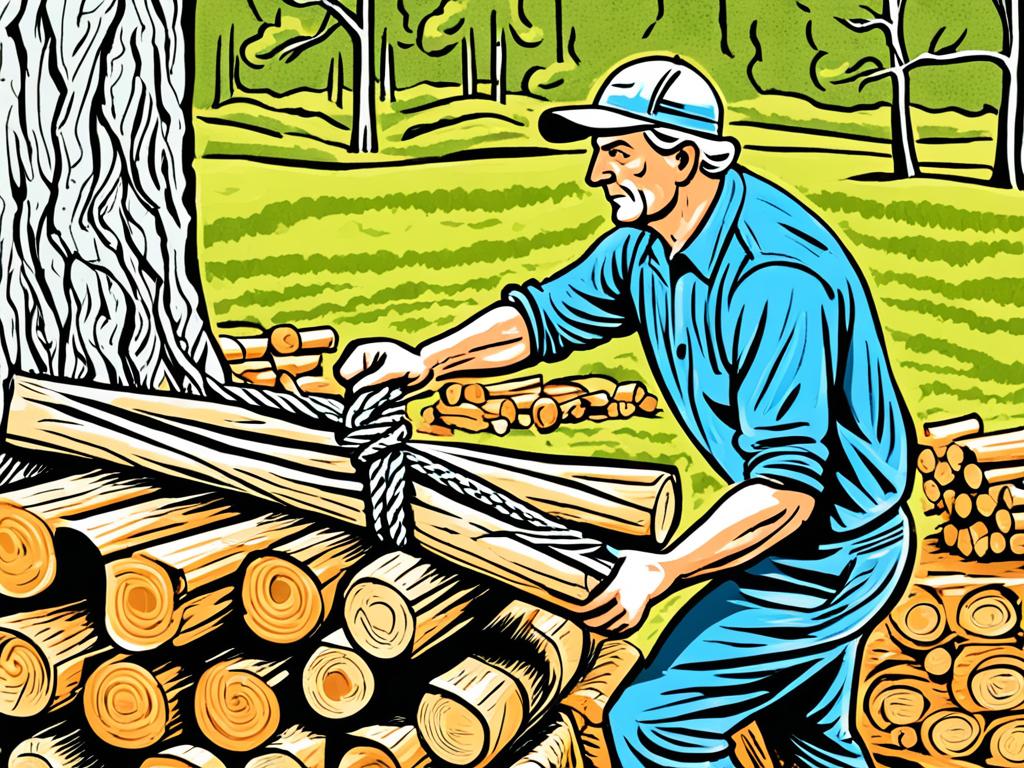
Now that we understand the purpose and uses of the square knot, let’s dive into the step-by-step guide on how to tie a square knot in the next section.
Step-by-Step Guide to Tying a Square Knot
Ready to learn how to tie a square knot? Follow these simple steps:
- Start by crossing the right end of the rope over the left end, forming an “X”.
- Take the right end and pass it under the left end.
- Bring the right end up and over the left end.
- Insert the right end through the loop formed by the left end.
- Hold both ends and pull gently to tighten the knot. Voila! You’ve tied a square knot.

Now that you know the basic steps, let’s dive deeper into each stage of tying the square knot.
Step 1: Cross the Right End Over the Left End
Take the right end of the rope and cross it over the left end, creating an “X”. This forms the foundation of the square knot.
Step 2: Pass the Right End Under the Left End
Next, take the right end of the rope and pass it under the left end. This action will create a loop with the right end.
Step 3: Bring the Right End Up and Over the Left End
Bring the right end of the rope up and over the left end. This step will complete a second loop with the right end.
Step 4: Insert the Right End Through the Loop
Take the right end of the rope and insert it through the loop created by the left end. This action forms the tight square knot.
Step 5: Tighten the Knot
Hold both ends of the rope firmly and gently pull them in opposite directions to tighten the knot. Ensure the knot is secure and doesn’t slip or come undone easily.
Pro Tip: When tightening the square knot, be careful not to twist the ends of the rope. Twisted ends may compromise the strength and integrity of the knot.
Practice tying the square knot a few times until you feel comfortable with the technique. With repetition, you’ll become a square knot tying pro!
Tips for Mastering the Square Knot
Ready to take your square knot skills to the next level? Here are some witty and effective tips to perfect your technique:
- Loosen Up: A tight knot is harder to work with. Keep your ropes or cords relaxed to create a more manageable square knot.
- Twist and Turn: Before completing your knot, twist the ropes in opposite directions. This simple trick ensures a tighter knot that won’t easily unravel.
- Practice Makes Perfect: The key to mastery is repetition. Set aside a few minutes each day to practice tying square knots. Before you know it, you’ll be a knot-tying pro.
- Reverse it: If you’re struggling with the steps, try reversing the process. Sometimes, a fresh perspective can make all the difference in mastering the square knot.
- Firm and Even: As you tighten the knot, ensure that both ropes are pulled with equal tension. A firm and even square knot will hold its shape and withstand any challenge.
In the wise words of knot enthusiasts, “A perfect square knot is like a handshake – firm, reliable, and built to last.”
Remember!
Making knots is both a skill and an art. Keep these tips in mind as you practice and experiment. With time, patience, and a touch of wit, you’ll be tying square knots like a pro in no time!

Common Uses for the Square Knot
Now that you’ve mastered the art of tying a square knot, let’s explore its practical uses in various activities. From outdoor adventures to everyday tasks, the square knot proves to be a reliable knot for securing objects and joining ropes or cords. Here are some common applications where you can put your square knot skills to good use:
1. Camping and Outdoor Activities
- Securing tents and tarps
- Hanging hammocks
- Tying down gear and equipment
The square knot’s ability to hold tight and resist slipping makes it perfect for ensuring your camping adventures go smoothly. Whether you’re setting up a tent or securing a tarp, the square knot provides a reliable hold.
2. Sailing and Boating
- Securing sails
- Tying boat lines and knots
- Making repairs on the water
When you’re out on the water, trust the square knot to keep your sails in place and your boat lines secure. Its simplicity and strength make it an essential knot for every sailor or boating enthusiast.
3. Crafts and DIY Projects
- Creating decorative knots
- Jewelry making
- Macramé and braiding
Unleash your creativity with the square knot by incorporating it into your craft and DIY projects. From creating decorative knots to making intricate jewelry pieces, the square knot offers endless possibilities for adding a touch of elegance to your creations.
4. Household and Everyday Uses
- Tying shoelaces
- Bundling and organizing cords
- Securing packages and parcels
Don’t underestimate the practicality of the square knot in everyday life. Use it to tie your shoelaces securely, keep cords neatly bundled, or even secure packages and parcels for mailing. The square knot’s reliability ensures that everything stays in place, no matter the task at hand.
Now that you know the practical uses of the square knot, you’ll be ready to tackle any challenge that comes your way. Whether you’re camping in the great outdoors, sailing on the open water, or working on DIY projects, the square knot is your trusty companion.
Next, let’s explore some variations and alternatives to the square knot, expanding your knot-tying repertoire.

Knot Variations and Alternatives
While the square knot is versatile, there are other knots that can serve similar purposes or offer variations. Some alternatives to consider include the:
1. Sheet Bend
The sheet bend is a reliable alternative to the square knot when joining two ropes of different sizes or materials. It is especially useful for securing fishing lines or ropes with varying diameters. To tie a sheet bend:
- Make a bight (a U-shaped bend) in the thicker or more slippery rope.
- Pass the end of the thinner rope through the bight.
- Wrap the end of the thinner rope around itself and tuck it under its own standing part.
- Tighten the knot by pulling both standing parts of the ropes.
Note: The sheet bend is not suitable for joining ropes of equal size. In such cases, the square knot or reef knot should be used.
2. Surgeon’s Knot
The surgeon’s knot is commonly used in the medical field but can also be applied as an alternative to the square knot in various situations. It is particularly useful when you need an extra secure knot that resists slippage. Here’s how to tie a surgeon’s knot:
- Overlap the ends of the two ropes.
- Tie an overhand knot by passing one end over and under the other.
- Tie a second overhand knot by repeating the process, but before pulling the knot tight, pass one end through the loop created by the first knot.
- Tighten the knot by pulling both ends of the ropes.
Note: The surgeon’s knot should not be used when joining ropes of equal size. In such cases, the square knot is more appropriate.
3. Carrick Bend
The carrick bend is a decorative knot with a symmetrical appearance and a similar function to the square knot. It is commonly used in sailing for joining two thick ropes. To tie a carrick bend:
- Lay the two ropes parallel to each other, overlapping slightly.
- Create a loop with one end of the first rope, passing it over and behind both ropes.
- Bring the same end of the first rope under and through the loop just created.
- Take the other end of the first rope and weave it under and over the second rope to create another loop.
- Pass the end of the first rope through the second loop from under and pull it tight.
- Repeat the process with the second rope, mirroring the steps above.
Note: The carrick bend is a bulkier knot compared to the square knot, so it is best suited for larger ropes and heavy-duty applications.
| Knot | Advantages | Disadvantages |
|---|---|---|
| Square Knot (Reef Knot) | Simple, easy to tie | Potentially unstable when used with ropes of different sizes or materials |
| Sheet Bend | Can join ropes of different sizes and materials | Not suitable for ropes of equal size |
| Surgeon’s Knot | Provides extra security and resists slippage | Not suitable for ropes of equal size |
| Carrick Bend | Decorative, symmetrical appearance | Bulkier than the square knot |
Safety Precautions
When using square knots, it’s important to prioritize safety to prevent any accidents or mishaps. Follow these guidelines to ensure secure knots and avoid knot slippage:
1. Use the Right Type of Rope:
Choosing the appropriate rope is crucial for knot safety. Make sure the rope you use is strong, durable, and suitable for the task at hand. Different ropes have varying levels of friction and grip, which can affect the stability of your knots.
2. Inspect the Rope:
Prior to tying a square knot, thoroughly examine the rope for any signs of wear and tear, such as frayed or weakened areas. Damaged ropes may compromise the integrity of the knot, increasing the risk of slippage. If you notice any defects, replace the rope before proceeding.
3. Properly Tie the Knot:
Ensure that you are correctly tying the square knot, following the step-by-step instructions provided in Section 3. Double-check that the knot is tight, with no loose ends or excess slack.
4. Test the Knot’s Strength:
Before relying on the square knot to support any weight or tension, perform a strength test. Gently pull on both ends of the rope to confirm that the knot holds securely without slipping or unraveling.
5. Consider the Environment:
Take into account the environmental factors that may impact knot stability. For example, if you’re tying a square knot in wet or slippery conditions, consider using additional securing techniques or alternative knots.
6. Practice and Familiarize Yourself:
Avoid using square knots in critical or high-risk situations until you have mastered the technique. Regular practice will enhance your skill and confidence in tying secure knots.
To visually reinforce the importance of safety precautions, take a look at the following table:
| Safety Precautions | Benefits |
|---|---|
| Use the Right Type of Rope | Ensures proper grip and knot stability |
| Inspect the Rope | Prevents accidents caused by weakened ropes |
| Properly Tie the Knot | Creates a strong and secure square knot |
| Test the Knot’s Strength | Confirms the knot’s reliability before use |
| Consider the Environment | Adapts to different conditions for optimal safety |
| Practice and Familiarize Yourself | Builds confidence in tying square knots |
Note: Always prioritize safety when using square knots to prevent any accidents or injuries.
Benefits of Learning Square Knots
Mastering square knots offers numerous advantages that can enhance your skills and make your life easier. By investing time and effort into learning these versatile knots, you can unlock a world of possibilities. Here are some key benefits of square knot mastery:
- Enhanced Safety: Knowing how to tie secure square knots ensures that items, such as camping gear or boat equipment, stay fastened together. This adds an extra layer of safety, preventing accidents or loss of valuable possessions.
- Improved Problem-Solving: Square knots are not only practical but also require logical thinking and problem-solving skills. Learning how to tie and untie square knots effectively helps sharpen your mind in various situations.
- Versatility: Once you master square knots, you can apply this knowledge to a wide range of activities, such as sailing, crafting, or even everyday tasks like organizing household items. The flexibility of square knots opens up a world of creative possibilities.
- Time Efficiency: With square knot mastery, you can swiftly secure objects without wasting time on complex or unreliable knots. This efficiency is especially beneficial when setting up camp, working with ropes, or even tying shoelaces.
- Increased Confidence: Being able to tie square knots confidently establishes you as a reliable and resourceful individual. This newfound confidence spills over into other areas of your life, empowering you to tackle challenges with ease.
“Learning square knots is like discovering a secret superpower. It equips you with the ability to secure, create, and solve problems. The advantages are endless!”
So why wait? Start your square knot journey today and reap the rewards!
Teaching Square Knots to Others
Sharing your square knot knowledge with others can be a rewarding experience. Whether you’re teaching a group of scouts or passing on your skills to a friend, these tips will help you become an effective square knot instructor.
Makе it Engaging
Make your square knot lesson interactive and fun. Encourage participation by asking questions and involving your students in hands-on activities. Remember, learning is more enjoyable when it feels like a game!
Start with the Basics
Begin by explaining the purpose and uses of the square knot. Show examples of how it can be applied in different situations, such as tying up a bundle of firewood or securing a tent. This will help your students understand the practicality of the knot.
Step-by-Step Demonstration
Take your time to demonstrate each step of tying a square knot. Break it down into simple, easy-to-follow instructions. Emphasize the importance of tightening the knot securely to prevent it from coming undone.
Practice Makes Perfect
Allow plenty of time for practice to ensure your students have a chance to master the square knot. Offer guidance and support as they practice, providing individual attention when needed. Encourage them to keep practicing even after the lesson is over.
“Teaching someone to tie a square knot is like giving them a superpower. It’s a skill they can use throughout their life, and it’s empowering to see the excitement on their faces when they finally get it right.”
Encourage Creativity
Once your students have grasped the basics, encourage them to explore variations and creative ways to use the square knot. This will spark their imagination and further enhance their knot tying skills.
Share Resources
Provide your students with additional resources such as books, online tutorials, and knot-tying apps. These resources will allow them to continue learning and improving their square knot skills on their own.
Offer Feedback and Support
Don’t forget to give feedback and support throughout the learning process. Offer encouragement and constructive criticism to help your students refine their technique. Remember, everyone learns at their own pace, so be patient and supportive.
Spread the Knowledge
Encourage your students to share their newfound square knot skills with others. By spreading this valuable knowledge, you are helping to create a community of proficient knot-tyers.
Teaching square knots is not only about sharing a practical skill; it’s about empowering others to become self-sufficient and confident. By following these tips, you can pass on your square knot skills and contribute to a community of knot enthusiasts.
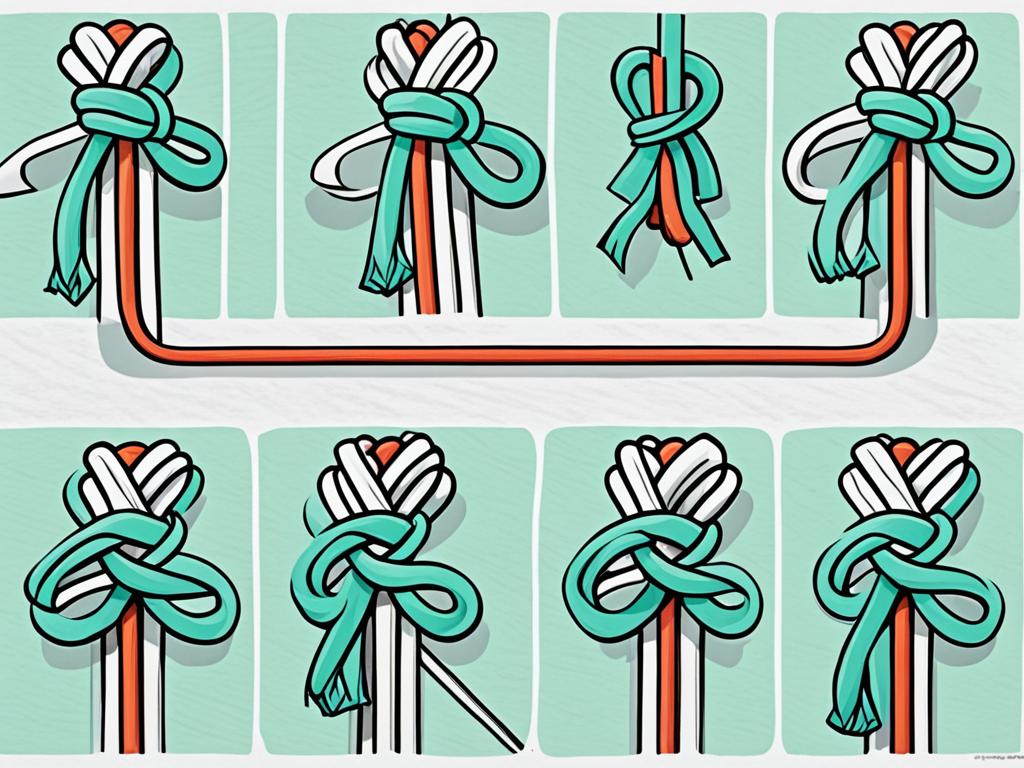
Resources for Further Learning
To truly master the art of square knots, it’s essential to explore additional resources that can provide in-depth knowledge and hands-on guidance. Here are some top-notch resources that will help you take your square knot skills to the next level:
Square Knot Tutorials Online
If you prefer learning at your own pace, online tutorials can be a fantastic resource. These platforms offer comprehensive step-by-step videos and detailed guides to ensure you fully grasp the intricacies of tying square knots. Check out these websites to access a wide range of tutorials:
- Knots.com – This website offers an extensive collection of knot tying tutorials, including detailed instructions on tying square knots. Explore their easy-to-follow videos and diagrams to enhance your knotting skills.
- The Square Knot – As the name suggests, this website specializes in square knots. They provide clear tutorials and tips for tying square knots in various scenarios. Whether you’re a beginner or looking to refine your technique, The Square Knot has you covered.
- YouTube – The vibrant world of YouTube is brimming with instructional videos on square knots. Simply search “square knot tutorial” to discover a plethora of helpful resources.
Books and Guides
Books and guides can be invaluable resources for in-depth learning and reference. Consider adding these publications to your library:
- A Complete Guide to Knots and Knot Tying by Geoffrey Budworth – This comprehensive guide covers a wide range of knots, including various techniques for tying square knots. It’s an essential resource for knot enthusiasts of all skill levels.
- The Ashley Book of Knots by Clifford W. Ashley – Considered the bible of knotting, this iconic book contains over 3,900 knots, including detailed information on square knots. It’s a must-have for any serious knotting aficionado.
- Square Knots: A Step-by-Step Guide by Sarah Roberts – This user-friendly guide focuses specifically on square knots, providing clear instructions and tips for successful knot tying. It’s perfect for beginners looking to build a strong foundation.
Learning square knots is like adding a new skill to your toolbox. With the right resources, you’ll be tying square knots like a pro in no time.
Remember, practice makes perfect. Combine hands-on experience with the guidance provided by these resources, and you’ll soon become a master of square knots.
Conclusion
Congratulations on mastering the art of tying square knots! Your newfound skill will prove invaluable in a variety of settings, from boating and camping to crafts and everyday tasks. By following the step-by-step instructions, practicing regularly, and exploring different variations, you have become a square knot expert.
Remember, the key to tying perfect square knots every time is dedication and practice. By incorporating safety precautions into your knotting routine, you can ensure that your knots remain secure and reliable.
Don’t keep your square knot mastery to yourself! Share your knowledge with others and inspire them to learn this versatile knot. Whether you’re teaching friends, family, or even a class, your expertise will be appreciated and passed on to future generations.
As you continue your journey in knot tying, don’t hesitate to explore other knot variations and alternatives. Building a repertoire of knots will expand your skills and provide solutions for various situations.
FAQ
What is a square knot?
A square knot, also known as a reef knot, is a simple binding knot that securely joins two ropes or cords of equal size.
How do you tie a square knot?
To tie a square knot, follow these steps: 1. Cross the right end over the left end. 2. Bring the right end underneath the left end and through the loop. 3. Cross the left end over the right end. 4. Bring the left end underneath the right end and through the loop. Pull both ends tightly to secure the knot.
What are some practical uses for the square knot?
The square knot has a range of practical uses in various activities, including camping, boating, sailing, crafting, and securing objects.
Are there alternative knots similar to the square knot?
Yes, some alternatives to the square knot include the sheet bend knot, the fisherman’s knot, and the surgeon’s knot.
How can I prevent square knots from slipping?
To ensure safety and prevent slippage, make sure both ends of the rope or cord are of equal size and tighten the square knot securely.
What are the benefits of learning square knots?
Learning square knots brings several advantages, including versatility in various activities, increased self-reliance, and the ability to secure objects effectively.
How can I teach square knots to others?
When teaching square knots, provide clear step-by-step instructions, demonstrate the tying process, and allow ample practice time for hands-on learning.
Where can I find resources to further enhance my square knot skills?
There are various resources available, including online tutorials, books on knot tying, and local community workshops or classes.
How can I perfect my square knot skills?
To perfect your square knot skills, practice regularly, experiment with variations, and seek feedback from experienced knot-tying enthusiasts.