
Ready to dive into the fascinating world of machetes? These versatile tools have been used for centuries to conquer the toughest of tasks. Whether you’re an avid adventurer, a survivalist, or just someone who enjoys the great outdoors, knowing about the different types of machetes is essential.
So, what exactly sets each type of machete apart? In this article, we’ll explore the diverse range of machete types and their specific applications in various fields. From the rugged Bowie machete to the traditional Latin machete, you’ll discover the perfect tool for your cutting needs.
Key Takeaways:
- There are various types of machetes, each designed for specific tasks and environments.
- Popular machete types include the Bowie machete, Kukri machete, and Bolo machete.
- Machetes are used for cutting, carving, clearing brush, and even self-defense.
- Choosing the right machete depends on your intended use and personal preference.
- Stay tuned as we explore the unique features and capabilities of each type of machete!
Some Background
If you’ve ever wondered what makes a machete such a versatile tool, here’s the inside scoop. A machete is like a multi-purpose Swiss Army knife on steroids. It combines the cutting ability of a knife, the strength of an ax, and the slashing power of a sword. This lethal combination makes the machete a favorite tool for a variety of professionals who rely on its rugged durability and unrivaled functionality.
So, what exactly can a machete do? Well, the possibilities are virtually endless. Whether you need to cut through thick foliage, scrape away bark, slash through obstacles, dig holes, whittle wood, or carve intricate designs, the machete has got you covered. It’s the ultimate all-in-one tool for those who need to conquer the great outdoors.
From cane cutters in the fields to wood carvers in their workshops, from jungle pioneers blazing new trails to peasant guerrillas defending their land, everyone can find a use for a machete. It’s no wonder this mighty tool has become an icon in various industries and cultures around the world.

The Functions of a Machete
Let’s take a closer look at some of the tasks where a machete truly shines:
- Cutting: Whether you need to clear a path through dense vegetation or slice through a stubborn limb, a machete’s sharp blade makes quick work of the job.
- Scraping: Need to remove the bark from a fallen tree or scrape away debris? The sturdy edge of a machete is up to the task.
- Slashing: Facing an overgrown jungle or thick underbrush? Swing the machete with force, and the sharp blade will effortlessly slash through any obstacles in your way.
- Digging: When it comes to digging holes for planting, burying, or even creating makeshift shelters, the pointed tip of a machete is a valuable asset.
- Whittling: With its razor-sharp edge, the machete allows for precise whittling and carving. Whether you’re crafting art or fashioning tools, it’s a versatile companion.
- Carving: Need to create intricate designs or shapes? The machete’s hefty blade can transform wood into works of art.
- And More: From self-defense to food preparation, the machete’s capabilities extend far beyond what meets the eye.
Remember, when using a machete, safety always comes first. Make sure to wear protective gear, keep a firm grip on the handle, and handle the blade with caution to avoid accidents.
Bowie Machete
When it comes to survival in the wilderness, having the right tools is essential. Enter the Bowie machete, the ultimate companion for campers, woodsmen, hunters, and military personnel. This versatile machete is a perfect blend of the classic machete and the iconic Bowie knife.
The Bowie machete measures approximately 12 inches in length, making it a formidable weapon and a valuable tool for various tasks. Its clip-point blade design allows for precise cutting and slicing, while also providing versatility in self-defense situations.
Whether you need to cut through thick foliage, clear a trail, or skin game, the Bowie machete is up for the challenge. Its sturdy construction and razor-sharp blade ensure durability and efficient performance even in the harshest of conditions. This machete is truly a force to be reckoned with.
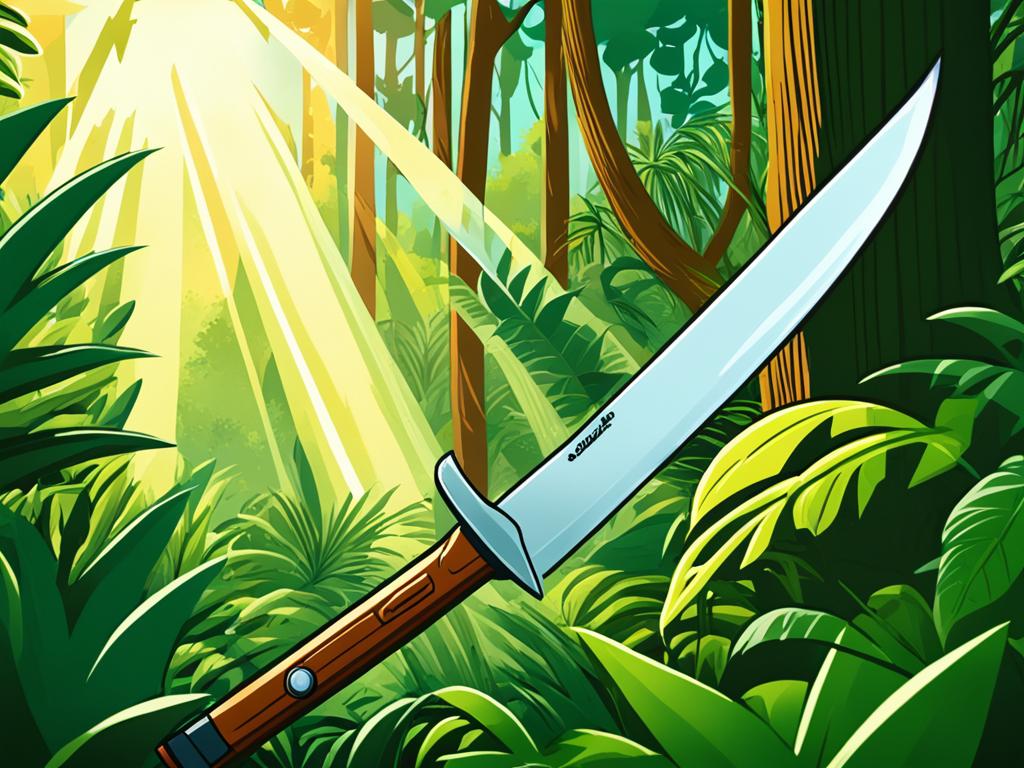
The Bowie machete is not just any survival machete – it’s a symbol of ruggedness and preparedness. Its name carries the legacy of the legendary frontiersman Jim Bowie, who was known for his skill and resourcefulness in the wilderness. So, if you’re looking for a trusty companion to conquer the great outdoors, look no further than the Bowie machete.
Kukri Machete
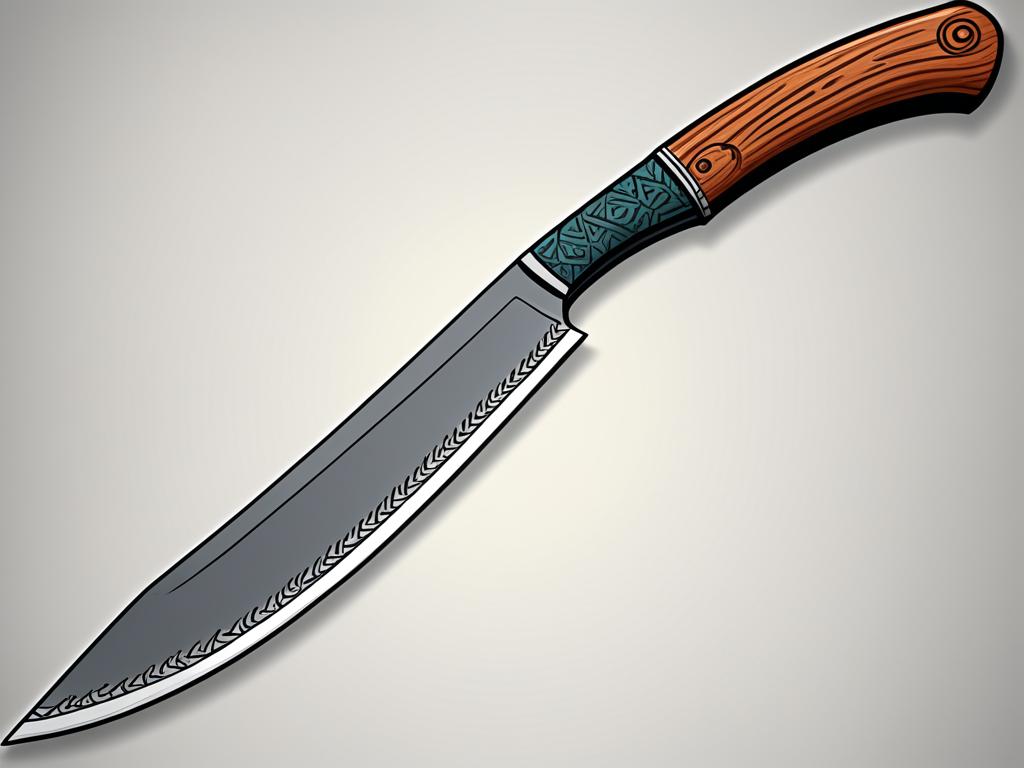
When it comes to machetes, one name that stands out is the Kukri machete. Also known as Khukuri or Gurkha blade, this iconic weapon originates from Nepal and other countries in Central Asia. Its distinctive curved blade with three distinct parts makes it a versatile tool suitable for various tasks.
Traditionally, the Kukri machete has been an essential tool for the Gurkha soldiers, renowned for their bravery and skill in battle. Its unique design allows for powerful chopping and slashing movements, making it effective for self-defense.
Aside from its combat applications, the Kukri machete serves a multitude of purposes outside of the battlefield. Its curved blade allows for efficient cutting and chopping, making it a handy tool for cooking and preparing meals in outdoor settings.
Furthermore, the Kukri machete’s design is perfect for clearing brush and thick vegetation, making it an ideal tool for outdoor enthusiasts, adventurers, and survivalists. Whether you’re camping, trekking through dense forests, or building shelter in the wilderness, the Kukri machete will be your trusty companion.
But don’t let its practicality fool you—the Kukri machete is also a symbol of Nepalese culture and tradition. It holds significant historical and cultural value for the people of Nepal and is often adorned with intricate carvings and decorations.
The Three Parts of the Kukri machete
The Kukri machete features three primary components:
- Chirra: The spine of the blade has a serrated edge, providing additional strength and durability.
- Karda: This smaller, straight-edged knife is used for more delicate tasks such as skinning game or cutting vegetables.
- Cho: The cho, or the notch near the blade’s base, is designed to create a shock-absorbing effect, improving the stability and overall performance of the machete.
These three components work together to enhance the functionality and versatility of the Kukri machete, making it a practical and reliable tool for a wide range of tasks.
“The Kukri machete, with its unique design and rich cultural heritage, is more than just a tool—it’s a symbol of the Gurkha warriors’ courage and resilience.”
Kukri Machete Highlights
| Advantages | Disadvantages |
|---|---|
|
|
Bolo Machete
The Bolo machete is a powerful tool that originated in the Philippines. Its distinct feature is a long blade with a significant bulge at the front, giving it a unique shape. This machete is commonly used in agriculture for harvesting crops such as sugar cane and rice.
With its heavy blade and weight-forward design, the Bolo machete effortlessly slices through thick vegetation, making it ideal for clearing brush and chopping wood. Whether you need to create pathways through dense forests or prepare firewood for your campfire, the Bolo machete is up to the task.
The Bolo machete has a traditional cultural significance in the Philippines and is often associated with the Filipino martial arts. In these practices, the machete is known by various names such as garab, tabak, haras, and sundang. Its effectiveness as both a tool and a weapon has made it an essential part of Filipino culture.
“The Bolo machete is like a trusty companion to farmers and outdoorsmen in the Philippines. It combines strength, versatility, and cultural significance, making it an indispensable tool for various tasks.”
Whether you’re a farmer tending to your crops or an adventurer exploring the wilderness, the Bolo machete is a reliable tool that can handle the toughest jobs. Its unique design and rich cultural heritage make it a fascinating piece of equipment to wield.

| Pros | Cons |
|---|---|
| 1. Ideal for harvesting crops like sugar cane and rice. | 1. Bulky size may make it less suitable for precision tasks. |
| 2. Powerful chopping capability for clearing brush and chopping wood. | 2. May require more strength to handle compared to lighter machetes. |
| 3. Rich cultural significance and associated with Filipino martial arts. | 3. Bulky size may be less convenient for carrying and storage. |
Latin Machete
When it comes to machetes, the Latin machete, also known as the bush machete, reigns supreme in Latin America. With its straight back blade and sturdy design, this versatile tool is a must-have for all your outdoor adventures.
Whether you’re clearing forested areas, chopping wood, or combating whatever obstacles come your way, the Latin machete is your trusty sidekick. Its razor-sharp blade and ergonomic handle provide the perfect combination of strength and precision, making every swing a breeze.
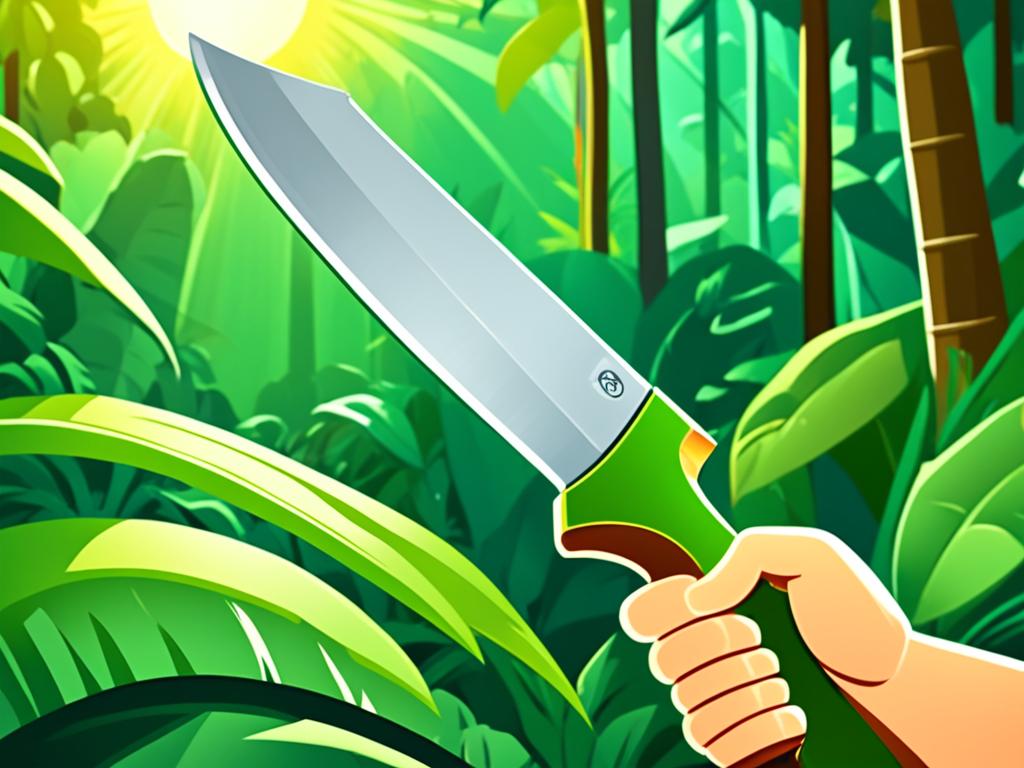
But don’t let its traditional roots fool you, the Latin machete is fit for the modern world. It effortlessly tackles tasks like trailblazing through dense foliage, transforming tangled vegetation into a clear path.
When it’s time to gather firewood for a cozy campfire, the Latin machete is at your service, effortlessly slicing through branches and logs. With its sharp edge, you’ll have enough firewood to keep you warm through the night.
And let’s not forget about the element of surprise. The Latin machete’s robust construction also makes it a reliable self-defense weapon. With its imposing presence, it commands respect and instills fear in any potential threat.
Latin Machete Features:
| Feature | Description |
|---|---|
| Straight Back Blade | Provides excellent chopping power and allows for precise cutting. |
| Ergonomic Handle | Ensures a comfortable grip and reduces hand fatigue during prolonged use. |
| Durable Construction | Made from high-quality materials, designed to withstand even the toughest outdoor conditions. |
| Versatility | Perfect for clearing brush, chopping wood, combatting, and more. |
So, whether you’re an avid adventurer, an outdoor enthusiast, or simply someone who appreciates the value of a reliable tool, the Latin machete is here to impress. Embrace the spirit of Latin America and equip yourself with this indispensable companion for all your outdoor endeavors.
Parang Machete
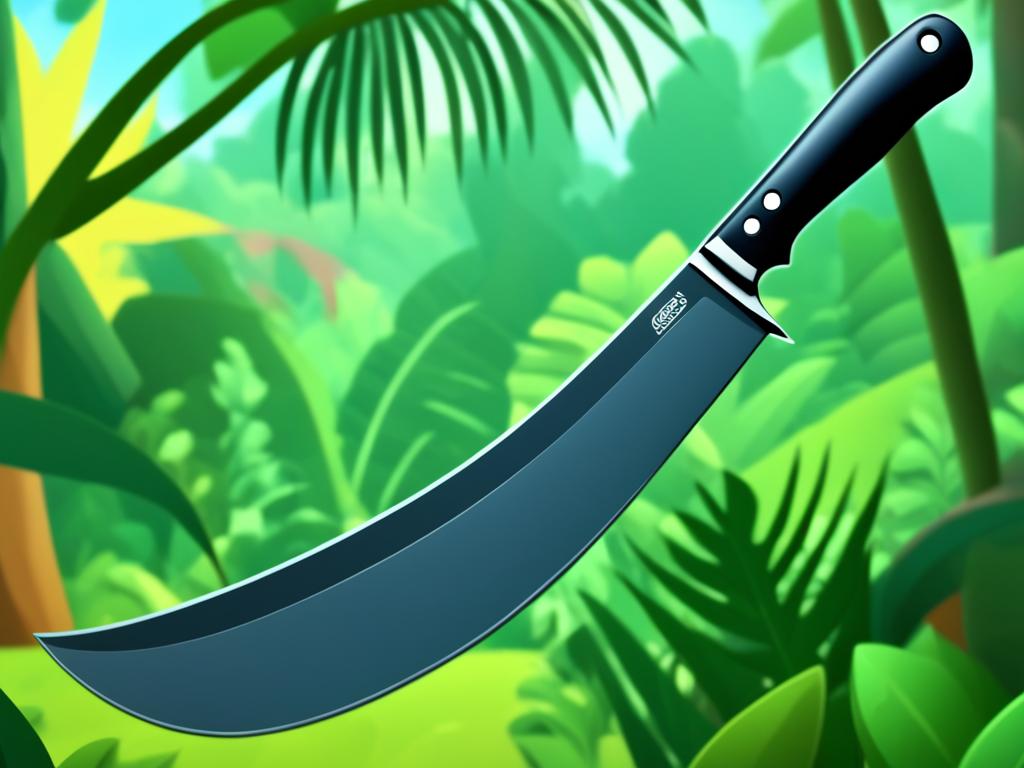
Prepare to be blown away by the power of the Parang machete! Originating from Indonesia, this impressive tool is as versatile as it is formidable. With a curved blade featuring three razor-sharp edges, the Parang machete is a force to be reckoned with.
Its unique design, reminiscent of the yataghan, sets it apart from other machetes. Whether you’re tackling dense jungle foliage or working on intricate furniture production, the Parang machete delivers exceptional results.
“The Parang machete is like a fusion of a machete and a work of art. Its curved blade allows for precise cutting and carving, while its three edges provide unmatched versatility. It’s like having three machetes in one!”
Don’t be fooled by its elegant appearance. The Parang machete is more than just a pretty face. Its unrivaled cutting power and maneuverability make it an indispensable tool for professionals and enthusiasts alike.
So, whether you’re venturing into the deep jungles or mastering the art of furniture craftsmanship, embrace the Parang machete’s prowess. With every swing, you’ll witness its remarkable precision and strength, elevating your skills to new heights.
Now that you’ve delved into the world of the Parang machete, it’s time to explore the other fascinating types of machetes that await you. In the next section, we’ll uncover the secrets of the Billhook machete, a European tool with a distinct edge.
Billhook Machete
Ready to tackle some serious pruning? Look no further than the Billhook Machete! This versatile tool, also known as a Reaping hook or Sheaf hook, is a European favorite for those demanding precision and effectiveness in their agricultural tasks.
The Billhook Machete features a distinctive hooked tip that resembles a bird’s bill, allowing for smooth and controlled cutting movements. Its ergonomic design ensures a comfortable grip, making your tasks a breeze.
Whether you’re pruning fruit trees, snedding unwanted branches, or stripping sheaves in the field, the Billhook Machete has got you covered. Its sharp blade effortlessly slices through vegetation, leaving behind a neat and tidy result.
So why settle for subpar tools when you can wield the power of the Billhook Machete? Get your hands on this indispensable tool and experience the efficiency and precision it offers.
 Expert Tip: “The Billhook Machete is the perfect companion for any serious gardener. Its unique design and sharp blade make it a top choice for pruning tasks.”
Heavy Machete
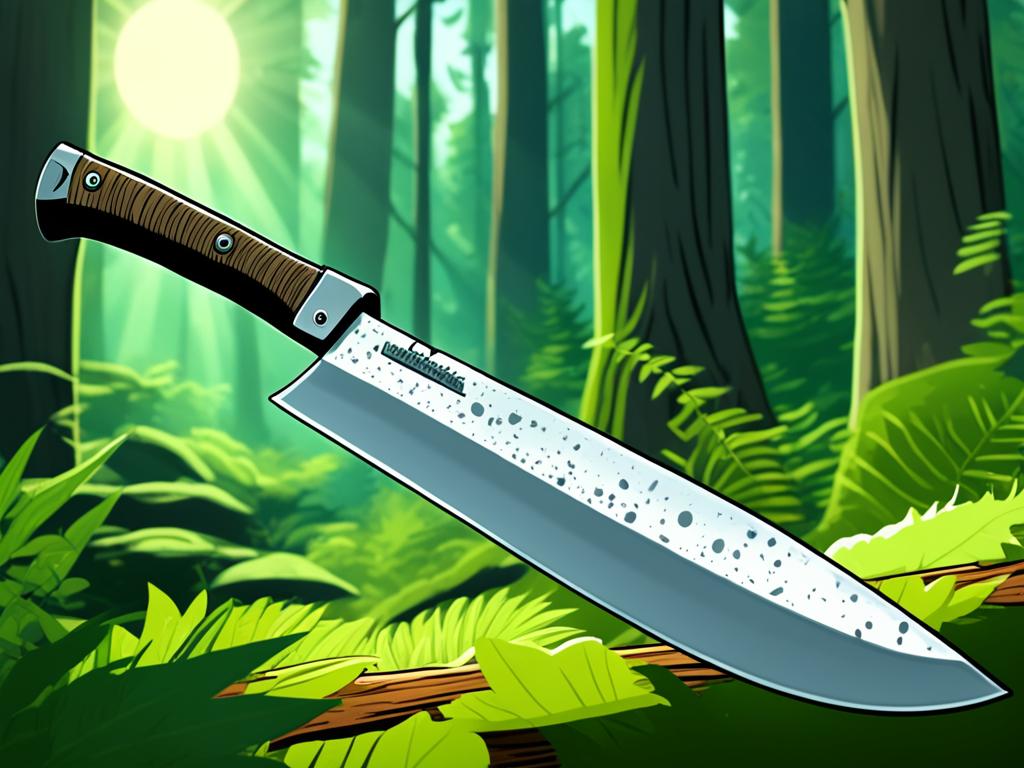
A heavy machete is not for the faint-hearted. It’s like the heavyweight champion of machetes, ready to knock down any heavy growth that stands in your way. With a weighty blade and a sturdy build, this bad boy can handle the toughest of tasks with ease. Whether you’re chopping through dense underbrush or hacking away at stubborn branches, the heavy machete is your ultimate tool for the job.
What sets the heavy machete apart is its weight distribution. The blade is designed to be heavier toward the top, giving you extra power and momentum with each swing. It’s like having a wrecking ball at the end of your arm, ready to demolish anything that dares to challenge you.
But don’t let its brute strength fool you. The heavy machete also boasts a straight spine and a wide curved blade, providing you with precision and control. It’s not just about raw power; it’s about delivering precise and calculated strikes to make quick work of even the thickest vegetation.
Whether you’re a seasoned outdoorsman or just someone who enjoys a little adventure in the wild, the heavy machete should be a staple in your arsenal. It’s the reliable companion you need when venturing into the untamed wilderness.
So, if you’re ready to take your cutting and chopping game to the next level, get your hands on a heavy machete. It’s time to unleash the beast and conquer the wild with style!
Cane Machete
When it comes to slicing through tough vegetation like sugar cane, rice, bamboo, or even hacking through corn stalks, the Cane Machete is your ultimate companion. Also known as a Cleaver or Corn Knife, this machete boasts a wide, thin blade with a blunt end and a hook, enabling precise and efficient cutting.
Designed specifically for agricultural and harvesting tasks, the Cane Machete is a versatile tool that ensures you can tackle dense vegetation with ease. Whether you’re a farmer or a gardener, this machete will make quick work of your cutting needs, allowing you to maximize efficiency and productivity.

Benefits of the Cane Machete
- The wide, thin blade allows for easy maneuverability and reduces fatigue, enabling prolonged use without strain.
- The blunt end and hook provide greater control and precision when cutting through different types of vegetation.
- Its versatile design makes it suitable for various tasks, including cutting sugar cane, rice, bamboo, and hacking corn stalks.
- Durable construction ensures longevity, allowing you to rely on the Cane Machete for years to come.
“With the Cane Machete in hand, you’ll become a master of vegetation, leaving a trail of neatly sliced crops and a garden worthy of envy.”
Whether you’re a professional farmer or simply enjoy maintaining a pristine garden, the Cane Machete will be your trusted ally in tackling the toughest vegetation with precision, efficiency, and style. Its exceptional cutting capabilities and versatility make it an essential tool for any cutting task, ensuring you accomplish your work with ease and finesse.
| Features | Specifications |
|---|---|
| Blade Length | Varies, ranging from 12 to 24 inches |
| Blade Material | High-quality carbon steel |
| Handle Material | Durable hardwood or polymer grip for superior control |
| Weight | Varies, ranging from 1 to 3 pounds |
| Origin | Various regions, including Latin America and Southeast Asia |
Colima Machete
The Colima machete, also known as Acapulqueno or Costeno, is a long-bladed machete native to Central America. This versatile tool is commonly used for mowing large swaths of growth, making it an indispensable companion for agricultural workers and outdoor enthusiasts.
The Colima machete features a sturdy blade that enables efficient cutting and clearing of vegetation. Its long length provides excellent reach, allowing you to tackle overgrown areas with ease. The machete’s weight is balanced, making it comfortable to handle and reducing fatigue during prolonged use.
Whether you need to clear fields for planting crops or create a path through dense brush, the Colima machete is up to the task. Its sharp blade and ergonomic design make it a reliable tool for outdoor work, while its durability ensures long-lasting performance even in challenging conditions.
“The Colima machete is like a trusted companion in the wilderness. With each swing, it effortlessly carves a path through nature’s obstacles, reminding you of the beauty and power of simplicity.”
Equally valued by professionals and outdoor enthusiasts alike, the Colima machete is renowned for its reliability, versatility, and effectiveness. Its reputation has even earned it other names such as Caguayano and Panzon, further highlighting its significance in the region.
Next, let’s delve into the fascinating world of the Panga Machete, a tool with a rich history and captivating design.

Panga Machete
The Panga machete, also known as Liniero or Daga, is a formidable tool for anyone facing overgrowth and thick vegetation. With its broad curved blade and upturned tip, this machete hails from Africa and the Caribbean, where it has been relied upon for generations to slice and chop through bushes, tree trunks, and dense foliage.
True to its origins, the Panga machete embodies strength and resilience, allowing you to take on even the most stubborn obstacles with ease. Whether you’re clearing a path through the jungle or taming unruly backyard shrubbery, the Panga machete is designed to tackle the toughest tasks.
“With the Panga machete in your hands, you’ll feel like a true machete-wielding warrior, fearlessly conquering the untamed wilderness.”
Equipped with a sturdy handle, this machete offers a comfortable grip and exceptional control, ensuring precise cuts and reducing the risk of hand fatigue. Its versatile blade shape allows for both slashing and chopping motions, making it an indispensable tool for survivalists, outdoor enthusiasts, and seasoned professionals alike.
Liniero, Daga, and Burriquito Machete
The Panga machete goes by different names in various regions. In Latin America, it is known as the “Liniero” and the “Daga”, highlighting its superiority in cutting tasks. Meanwhile, in the Caribbean, it is sometimes referred to as the “Burriquito Machete”, emphasizing its strength and effectiveness in tackling thick vegetation.
Regardless of its name, the Panga machete remains a trusted companion, ready to take on any challenge you throw its way. Its unrivaled cutting power and durability make it an essential tool for both professional use and adventurous pursuits.

Rozador
In certain regions, the Panga machete is also recognized as the “Rozador”, underscoring its ability to effortlessly carve through dense materials. When faced with overgrown landscapes or hefty branches, the Panga machete’s robust design and sharp blade make it the perfect companion for tackling any demanding task.
Conclusion
After exploring the diverse world of machetes, it is evident that these versatile tools can truly slice through any task you throw at them. From the Latin machete’s all-around performance to the precision of the Kukri machete, there is a blade for every cutting need.
When selecting a machete, it’s crucial to consider your intended use and personal preferences. Whether you’re a seasoned camper, a dedicated outdoorsman, or a survival enthusiast, you’ll find a machete that perfectly aligns with your needs.
So, the next time you find yourself in need of a reliable cutting companion, don’t shy away from the machete aisle. Embrace the power these blades possess and choose the one that speaks to you. Machetes are not just tools; they’re an extension of your outdoor prowess and an invitation to adventure.
FAQ
What are the different types of machetes?
There are several types of machetes, including the Bowie machete, Kukri machete, Bolo machete, Latin machete, Parang machete, Billhook machete, Heavy machete, Cane machete, Colima machete, and Panga machete.
What is the Bowie machete used for?
The Bowie machete is commonly used for cutting, skinning game, and self-defense. It is popular among campers, woodsmen, hunters, and military personnel.
What tasks can be performed with a Kukri machete?
The Kukri machete is versatile and can be used for various tasks such as cooking, clearing brush, chopping firewood, and self-defense.
What is the Bolo machete commonly used for?
The Bolo machete is commonly used in agriculture for harvesting crops like sugar cane and rice. It is also popular for clearing brush and chopping wood.
What is the Latin machete known for?
The Latin machete is commonly found in Latin America. It is known for its versatility in outdoor work such as clearing forested areas, chopping wood, and combatting.
What tasks can be performed with a Parang machete?
The Parang machete is ideal for wooden work such as jungle clearing and furniture production. It originates from Indonesia and resembles the yataghan.
What is the Billhook machete used for?
The Billhook machete is commonly used in agriculture for pruning, snadding, and stripping unwanted branches and sprigs. It has a hooked tip resembling a bird’s bill.
What is the Heavy machete characterized by?
The Heavy machete is characterized by its weight, which is concentrated at the top. It is particularly effective for cutting and chopping heavy growth.
What is the Cane machete specifically designed for?
The Cane machete, also known as a Cleaver or Corn knife, is specifically designed for cutting sugar cane, rice, bamboo, and hacking corn stalks. It has a wide, thin blade with a blunt end and a hook.
Where is the Colima machete commonly used?
The Colima machete is a long-bladed machete native to Central America. It is commonly used for mowing large swaths of growth.
What tasks can be performed with a Panga machete?
The Panga machete, originating from Africa and the Caribbean, is ideal for slicing and chopping bushes, tree trunks, and clearing thick vegetation. It has a broad curved blade and an upturned tip.